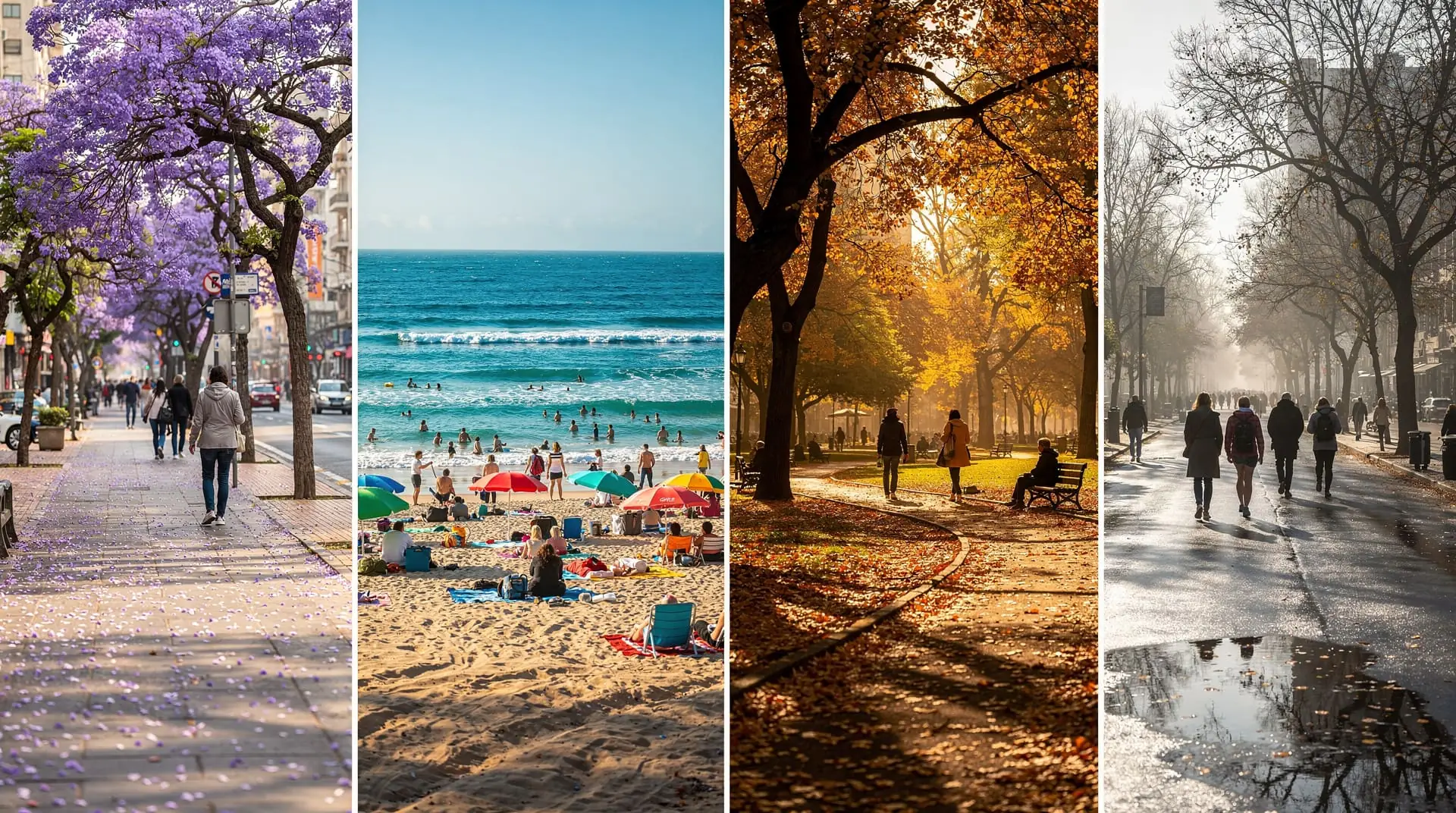
Lisbon day trips by season: which to do in which month
Published
Not all day trips from Lisbon work equally well in all seasons. Sintra in July is a crowd management exercise. Nazaré in summer is a beach scene, not a big-wave spectacle. Comporta in March is dramatically empty and dramatically beautiful. Here is the honest month-by-month breakdown.
| Best all-round month | May |
| Worst month for Sintra | August |
| Best month for big waves | November-January (Nazaré) |
| Book palace tickets | At least 48 hours ahead year-round |
| Cheapest transport | Train to Sintra/Cascais, €2.15 one way |
January and February
Best: Évora. The Alentejo plain in winter is all pale gold and cork oak, the city is quiet, the Roman Temple stands in morning light with nobody else around. Go by train from Oriente (1:40 each way). The winter version of this trip is underrated.
Worth considering: Óbidos. The medieval walled village is at its most accessible in winter — a small, pretty place that deserves about three hours, not three hours plus queue management.
Skip: Nazaré beach (not the big waves — that’s the cliff at Praia do Norte — but the beach itself is deserted and cold). Comporta (same principle). Arrábida beaches are beautiful but cold for swimming; worth it if you’re a hiker.
Sintra in January-February: Often misty and atmospheric, fewer crowds, still requires early start for palaces but without July’s intensity. A good time for walkers who want the Serra de Sintra trails without the tourist density.
March and April
Best: Sintra. The spring vegetation in the Parque Natural de Sintra-Cascais is at its most vivid, the crowds haven’t peaked, and the light is clear. Early April is perhaps the single best month for Sintra. Book Pena Palace and Regaleira tickets well in advance.
Best: Cascais coastal walk. The Estoril coast in spring, with the Atlantic still quiet and the temperatures mild (16-20 degrees), is perfect for the seafront cycling and walking path.
Emerging option: Comporta. The migratory bird season peaks in March-April on the Sado estuary, and the beach is empty of the summer crowds. Walking the dune system in April is remarkable.
From Lisbon: Sintra, Cabo da Roca, and Cascais — the classic spring day trip circuitMay
Best: Everything, essentially. May is the best month for day trips from Lisbon.
Sintra: full spring bloom, manageable crowds, long daylight hours. Cascais: warm enough for beach swimming (if you’re used to Atlantic water temperatures of 17-18 degrees). Arrábida: the national park vegetation is lush, sea caves are accessible, and it’s warm enough for swimming. Nazaré: good swell patterns in May, the last of the big-wave season.
June
Best: The Alentejo coast (Comporta, Melides) before the July crowds arrive. Also Évora: the interior heat hasn’t peaked yet, and the city is manageable.
Good with management: Sintra. The Festas de Lisboa occupy the city itself in June (worthwhile), so use the June crowd at home as a reason to do Sintra earlier in the week.
Peak starting: Cascais beaches are excellent but begin to get July-scale busy on June weekends.
July and August
Best: Arrábida for swimming. The water is clearest in July-August, the park access is well-managed (car restrictions mean you need to book parking or take a tour), and the sea caves at Portinho da Arrábida are extraordinary.
Best: Sesimbra boat tours. The calm summer sea makes the boat tours around the Arrábida sea caves reliable.
Worst: Sintra in August. The palaces are full, the parking is impossible, the bus 434 is standing-room only. If you must do Sintra in August, go on a weekday, arrive at 9:00, leave by 13:00.
Interesting: Nazaré beach in summer is just a large beach town. Go if you want a beach. Don’t go for big waves.
Arrábida Natural Park and Sesimbra day trip — this route works year-round but is best in May-September for swimmingSeptember and October
Best month for Sintra: October, especially mid-week. The summer crowds have dropped, the palace queues are shorter, the Serra vegetation is turning, and you can do the full Pena-Regaleira-Moorish Castle circuit without it feeling like an endurance event.
Best: Arrábida. The September sea is still warm enough for swimming, the summer crowd has gone, and the light is softer and more interesting than July.
Great: Évora in October. The Alentejo harvest (cork, olives, grapes) is underway and the countryside smells of the season. Some estates do harvest visits.
November and December
Best: Big-wave watching at Nazaré. The Praia do Norte big-wave season opens in November. Go for the cliff viewpoint, not the beach. Time your visit with a forecast swell.
Good: Fátima. The pilgrimage site is at its most austere and genuinely moving in winter — no summer crowds, the square wide and empty, the candles burning in the cold.
Worth knowing: Óbidos at Christmas hosts an annual medieval market that is one of the better Christmas markets in Portugal — small, atmospheric, unmanufactured-feeling compared to the northern European equivalents.
Seasonality at a glance
| Season | Best pick | Skip or manage carefully |
|---|---|---|
| Jan-Feb | Évora, Óbidos | Nazaré and Comporta beaches (cold, deserted) |
| Mar-Apr | Sintra, Cascais coast | — |
| May | Everything | — |
| Jun | Alentejo coast, Évora | Cascais beaches (weekend crowds building) |
| Jul-Aug | Arrábida, Sesimbra boats | Sintra (book earliest slot or skip weekends) |
| Sep-Oct | Sintra (best month), Arrábida, Évora | — |
| Nov-Dec | Nazaré big waves, Fátima, Óbidos market | Beach swimming anywhere |
Booking tickets around the seasons
The timing rules change less than you’d think between seasons — what changes is how far ahead you need to act. In shoulder months (March-April, September-October) booking Pena Palace or Quinta da Regaleira 48 hours ahead is usually enough. In July and August, book 5-7 days out, and for Sintra day trips on a summer weekend, consider going a day earlier or later than planned if your first-choice slot is already gone. The Sintra crowds and parking guide covers the logistics in more depth, and pairs well with a first-entry strategy like the one in Pena Palace without the crowds.
Choosing between a private and group day trip by season
Season affects this choice more than most guides admit. In peak summer, a private driver who can adapt around crowd surges at Sintra or Arrábida’s car restrictions is worth more than in the quieter months, when group tours run the same fixed schedule with less to lose. See private vs group day trip from Lisbon for the full cost breakdown by group size.
FAQ
What’s the single best month for day trips from Lisbon? May. Sintra is in full bloom with manageable crowds, Cascais and Arrábida are warm enough for swimming, and Nazaré still has late-season swell. Most destinations covered in this guide are close to their best in May simultaneously, which isn’t true of any other month.
Is it worth doing Sintra in winter? Yes, if you want fewer crowds and don’t mind mist. January-February Sintra is quieter and atmospheric, though the palaces still require an early start. It suits walkers more than photographers chasing clear skies — pair it with Sintra vs Cascais if you’re deciding between a palace day and a coastal one.
The day trips from Lisbon guide has the complete logistics for each destination. The day trip matcher tool lets you input your travel dates and interests and get a personalised recommendation. The best time to visit Lisbon guide covers the full seasonal picture for the city itself.
Related guides
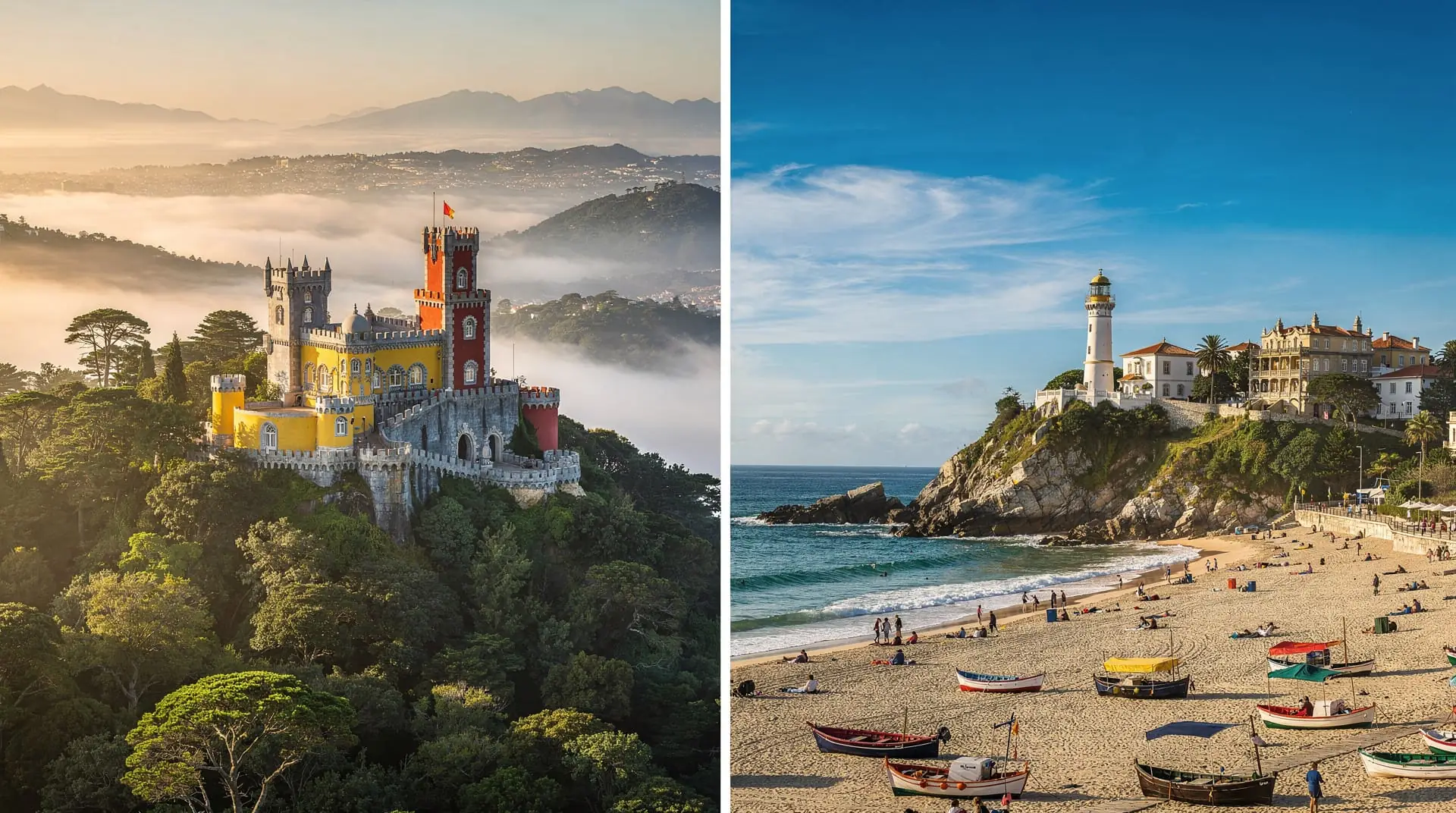
Sintra vs Cascais: which day-trip should you pick?
Sintra offers palaces and hills but costs time and crowds. Cascais offers beaches and a marina and half the effort. Pick the right one for your trip.

Best family day trips from Lisbon: Sintra, Cascais, Óbidos, and more
Top family day trips from Lisbon in 2026: Sintra by train, Cascais beach, Óbidos chocolate, transport logistics, real age recommendations.
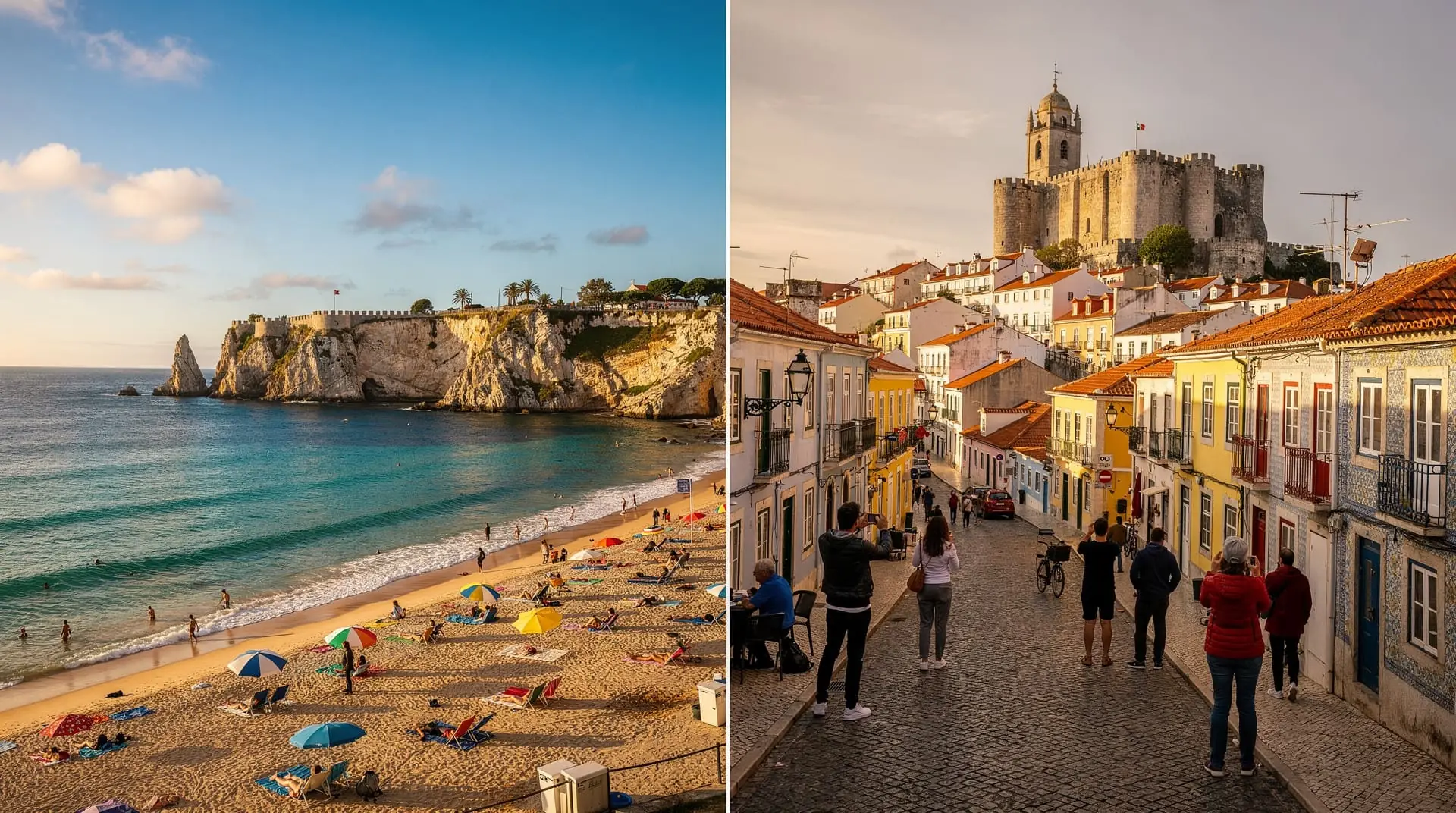
Which day-trip from Lisbon is right for you?
Decision guide: first-timer, foodie, family, pilgrim, beach lover or second visit. Pick the right Lisbon day-trip without guessing.
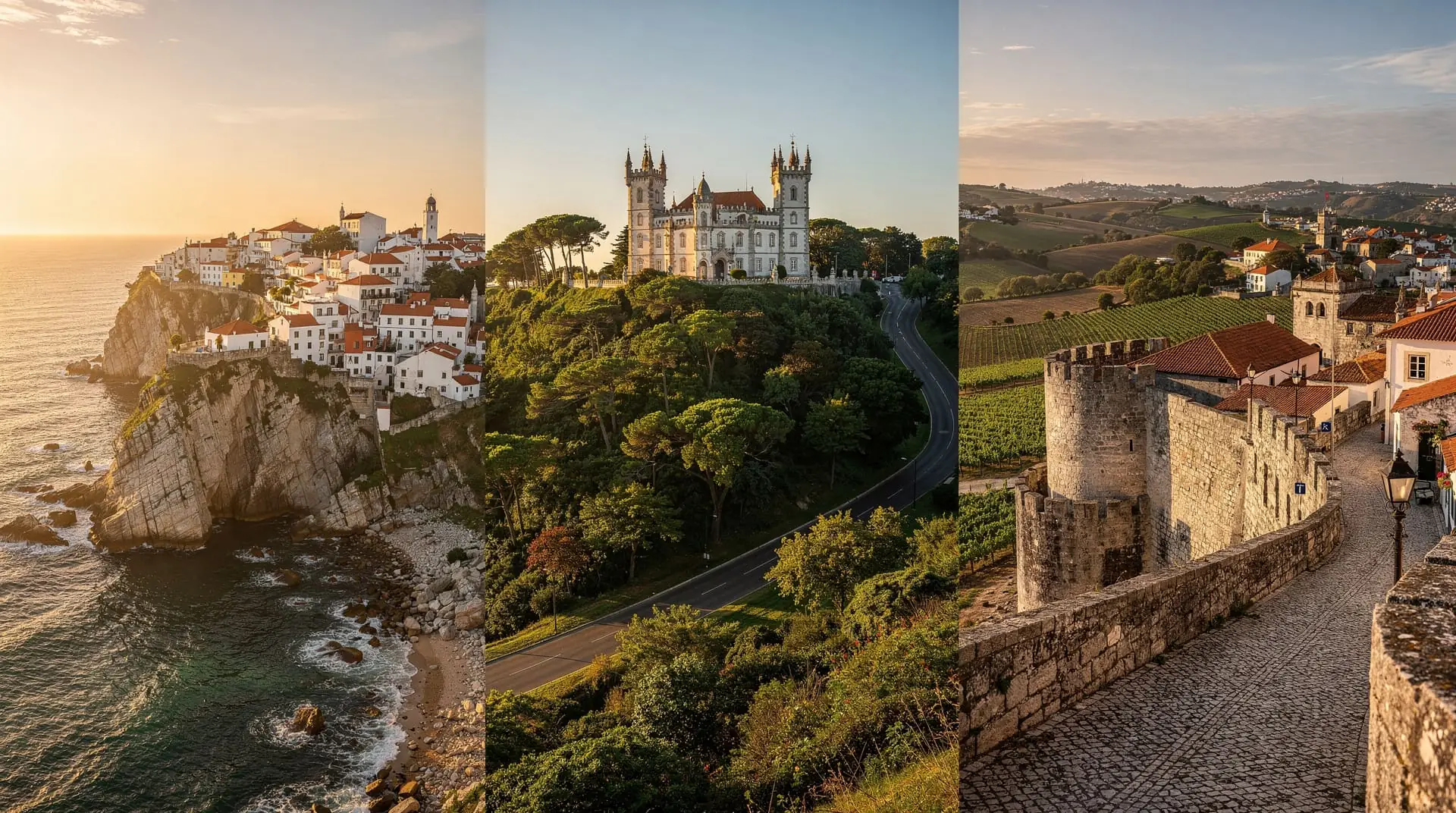
Best day trips from Lisbon: ranked by distance, transport and honest effort
Best day trips from Lisbon ranked honestly — Sintra, Cascais, Évora, Arrábida, Óbidos, Nazaré, Fátima, Comporta. Real logistics, prices and timing.