
Sintra vs Cascais: which day-trip should you pick?
Should I go to Sintra or Cascais from Lisbon?
Sintra for palace-hunters, photographers and first-timers who want the quintessential day-trip. Cascais for beach days, easy logistics and anyone who dislikes crowds. Both are 40 minutes by train from Lisbon on different lines — you can do Cascais in half a day; Sintra needs a full day to feel unhurried.
Two trains, two completely different experiences
From Lisbon’s Cais do Sodré station, one line runs west along the Tagus estuary to Cascais — 40 minutes, flat and coastal. From Rossio station, a different line climbs north into the Serra de Sintra — 40 minutes, but arriving in another world entirely: palace-topped hills, Atlantic mist, the smell of eucalyptus.
Same travel time. Completely different day. Here is how to decide.
| Sintra | Cascais | |
|---|---|---|
| Where from | Rossio station | Cais do Sodré station |
| Cost (independent) | Around €55–80/person | Around €25–50/person |
| Time needed | Full day, 6+ hours | Half day, 3–4 hours |
| Getting there | Train, 40 min, then bus 434 uphill | Train, 40 min, straight to the beach |
| Best time | Weekday mornings, Oct–May for fewer crowds | May–Sep for beach weather |
Sintra: the case for palaces and hills
Sintra is genuinely extraordinary. The Portuguese Royal Family built their summer retreats here because the hills above Lisbon catch Atlantic cloud even in summer — it is up to 5°C cooler than the city, lush and green while Lisbon bakes. The result is a UNESCO World Heritage Site with three palaces worth visiting, a Moorish castle dating to the 10th century, and enough romantic ruin for a week of exploration.
What you get:
- Pena Palace (€20) — the most photographed building in Portugal, a neo-Gothic/neo-Manueline confection painted in mustard and terracotta
- Quinta da Regaleira (€20) — neo-Manueline mansion with labyrinthine gardens, an upside-down tower, and genuine mystery
- Castle of the Moors (€12) — Moorish ramparts with views over the village and coast
- Sintra National Palace (€13) — in the village centre, with distinctive twin chimneys
- Monserrate Palace (€12) — less visited, architecturally stunning, extraordinary gardens
The honest complications:
- Pena Palace queues without advance booking: 1-3 hours in high season. Book online before you travel — not the day before, ideally a week before in summer. See our Sintra crowds and parking guide.
- The bus situation: bus 434 connects the train station to Pena Palace and Moorish Castle. In summer, queues for the bus start forming before 10am. Tuk-tuks (€10-15 per person) are faster but pricier. The uphill walk is 3 km and gains 300 metres — doable, beautiful, sweaty.
- Timing: allow 5-6 hours minimum for Sintra if you want Pena and Regaleira. A full day (with Moorish Castle) is better. Do not arrive after 11am expecting to do everything.
- Parking: close to impossible after 9:30am in summer. Come by train.
Cascais: the case for beaches and ease
Cascais is a working town that happens to have a very good beach, an attractive marina, and better restaurants per square kilometre than most Portuguese coastal resorts. It was the summer residence of the Portuguese royal family before Sintra — the palace remains as a museum. Estoril, the next town along the line (2 minutes before Cascais), has the famous Casino, the Formula 1 circuit history, and a decent beach.
What you get:
- Praia de Cascais: central, sheltered, sandy, clean
- Praia da Rainha: smaller, more picturesque
- Praia do Guincho: 10 km west, exposed Atlantic beach, UNESCO Sintra-Cascais Natural Park — spectacular surf and wind, accessible by taxi or rented bike
- Boca do Inferno: sea arch 2 km west on the coastal path — free, photogenic, 30-minute walk
- Old town centre: pedestrian streets, fish restaurants, azulejo facades
- Museu dos Condes de Castro Guimarães: small but charming, free on Sundays
- Marina: yacht harbour, seafood restaurants, ice cream
The honest complications:
- Cascais is less photogenic than Sintra in the “wow” sense — no dramatic palaces on cliffs
- The beaches can be busy in July and August; Guincho is better for space but requires transport
- If you have already done the Algarve or Costa Brava, Cascais beach will seem modest by comparison
The decisive advantage: you can arrive at 2pm, spend three hours at the beach and two in the town, eat dinner, and catch the last train home. No bookings required (beach is free), no buses to queue for. It fits inside an afternoon. Cascais-Sintra E-bike tour: coast and countryside in one day
Decision matrix: who should go where
| Your situation | Go to |
|---|---|
| First trip to Lisbon | Sintra |
| Second trip, already did Sintra | Cascais |
| Travelling with young children | Cascais (flatter, simpler) |
| Travelling with teenagers | Sintra (dramatic, photoworthy) |
| Want a beach day | Cascais |
| Want architecture and history | Sintra |
| Only have half a day | Cascais |
| Have a full day free | Sintra |
| Hate crowds and queues | Cascais |
| Don’t mind planning and booking ahead | Sintra |
| Budget is tight | Cascais (€30-50 vs €60-80) |
| Travelling in summer without pre-booked tickets | Cascais (Sintra will be chaos) |
| Want wine with lunch | Cascais (better restaurants per capita) |
Doing both in one day
It is possible and many tours offer this as a combination. The practicalities:
The most common route: Sintra (morning) → Cascais (afternoon). Train from Rossio to Sintra (40 min), arrive by 9am, do Pena Palace and one other sight (3-4 hours), bus 403 from Cascais bus station in Sintra village to Cascais (the 403 runs along the coast, about 60-75 minutes, beautiful journey), arrive Cascais ~2pm, explore and eat, train back to Lisbon (40 min).
This requires pre-booked Sintra tickets (essential) and an early start. If you miss the 9am slot, the day compresses unpleasantly. Tour operators run this loop efficiently — the guide handles the tickets and the bus, which reduces the friction considerably. Sintra, Cascais, and Cabo da Roca full-day tour from Lisbon
Practical comparison
| Sintra | Cascais | |
|---|---|---|
| Train from | Rossio station | Cais do Sodré station |
| Train time | 40 min | 40 min |
| Return train cost | €5.10 | €5.10 |
| Best months | Oct-May (cooler, fewer crowds) | May-Sep (beach weather) |
| Time needed | Full day (6+ hours) | Half day (3-4 hours) |
| Advance booking required | Yes (Pena Palace) | No |
| Total budget (independent) | €55-80 | €25-50 |
| Wheelchair/pram access | Difficult (hills) | Good (flat) |
| Evening options | Limited (closes early) | Restaurants, bars open late |
The honest bottom line
Sintra is the more impressive destination on paper and in photographs. It is also more demanding, more expensive and far more crowded. If you have been to European cities with dramatic hilltop architecture (Prague, Dubrovnik, Sintra-style landscapes), it is still worth doing but set expectations accordingly.
Cascais punches above its weight as a half-day escape — genuinely enjoyable, genuinely local, and genuinely relaxed. If your trip is already packed and you want one easy beach day, Cascais is the answer.
Neither choice is wrong, and the two are different enough that comparing them head-to-head only gets you so far — the honest answer for most travellers is to think about what kind of tired they want at the end of the day: pleasantly worn out from walking hills and queuing for palaces, or simply sun-warm from a few hours on sand. Both are good outcomes for a Lisbon trip.
Both are covered in depth in our day-trips from Lisbon hub, and the day-trip decision flowchart helps if you are juggling more options like Évora, Arrábida and Fátima.
See also:
What repeat visitors actually do
Travellers on a second or third Lisbon trip tend to settle into a pattern: Sintra once, thoroughly, with tickets booked well ahead — then Cascais on every subsequent visit, because it asks so little in return for a genuinely pleasant afternoon. That is a reasonable way to think about the choice if you are not sure which to pick first. A first-timer who skips Sintra entirely in favour of Cascais usually regrets it later; a repeat visitor who keeps dragging themselves back to Sintra’s bus queues instead of enjoying Cascais’s marina is arguably missing the point of a relaxed day trip.
If your itinerary allows more than one day trip, doing them on separate days rather than trying to combine them into a single rushed loop is, in almost every case, the better use of your time — see the 5-day itinerary with day trips for how that splits across a week, or Sintra without a car if logistics are your main hesitation about Sintra specifically. For travellers genuinely short on time who want both anyway, a small-group Sintra and Cascais tour from Lisbon handles the transport and pacing so the day doesn’t turn into a rushed loop on your own.
How the day actually feels on the ground
Numbers and tables only tell part of the story, so it is worth describing the rhythm of each day. A Sintra day is built around a sequence: get there early, get uphill, queue at the right moments, and keep moving between sights. The reward is that every stop feels different from the last, from the formal rooms of a royal palace to a garden that seems designed to get you lost. If you enjoy the feeling of having “done” a place thoroughly, this is the day for you. The Sintra day trip guide and the one-day Sintra plan lay out a workable order, and the Pena Palace guide explains why that stop deserves the early slot.
A Cascais day runs on a much looser clock. You step off the train, walk towards the water, and let the day decide itself. Coffee near the marina, a walk along the front, a swim if the weather allows, a long lunch, and then a slow stroll back to the station. Nothing is lost if you get up late or change your mind. The Cascais day trip guide and the Cascais beaches guide go deeper on where to settle for the afternoon, and the Guincho surf beach guide covers the wilder side of the coast when the town beach feels too tame.
Choosing by weather, mood and energy
Weather should weigh heavily on the decision. A bright, calm day makes both places shine, but they react differently to bad conditions. Cloud and mist can make Sintra look even more dramatic, though a wet hillside makes the walking less pleasant and the bus queues less forgiving. A grey, windy day at Cascais is a much flatter proposition, because so much of the town’s appeal depends on sitting outside near the sea. If the forecast is uncertain, check it the evening before and keep the other option in your back pocket. Our best time to visit Lisbon guide and the seasonal pages for spring, summer and winter help you read the conditions you are likely to meet.
Energy matters as much as weather. Sintra rewards people who arrive rested and curious, since it asks for steady walking and patience. Cascais suits the day after a late night, a long flight, or several packed days in the city. If you have been walking the steep streets of Alfama and Bairro Alto all week, your legs may well vote for the sea.
Getting around once you arrive
In Sintra, plan your movements before you leave the station. Decide whether you will take the bus, hire a tuk-tuk or walk, and decide which sights you are genuinely willing to skip. Trying to see everything is the most common way to ruin the day. The Sintra without a car guide covers each option honestly, and the day-trip transport guide puts it alongside other excursions. Keep your Viva Viagem card handy for the train legs, and read the trains to Sintra and Cascais page so you are not caught out at the ticket machine.
In Cascais, almost everything is walkable, and a bicycle is a pleasant way to stretch the day along the coast. That flexibility is the main reason the town works so well as an easy add-on to a busy Lisbon schedule. If you want to see how a coastal day slots into a wider plan, the Lisbon, Sintra and Cascais coast itinerary shows one way to link them, while the Lisbon without a car itinerary shows how to manage the whole trip on public transport.
Pairing the trip with the rest of your Lisbon plans
Whichever you choose, think about what sits on either side of the day trip. A Sintra day leaves you tired, so keep the evening simple: a relaxed dinner rather than a late fado night. A Cascais day often ends in the early evening with plenty of energy left, which makes it easy to head straight to a restaurant when you get back; browse where to eat in Lisbon for ideas. If you are still deciding how long to stay overall, how many days in Lisbon and the three-day itinerary help you see where a day trip fits without crowding out the city itself.
Families have extra considerations. Younger children usually cope better with the open space and sand of Cascais, while older children often enjoy the fairy-tale feel of Sintra if the day is paced around breaks. Our Sintra with kids and Lisbon with kids pages go through the practical details, and the family day trips guide compares other options if neither of these feels right.
For a more personal take on how the decision plays out, the blog post Sintra vs Cascais as a day trip is a good companion read, and the destination pages for Sintra and Cascais give the wider context for each town.
Related guides
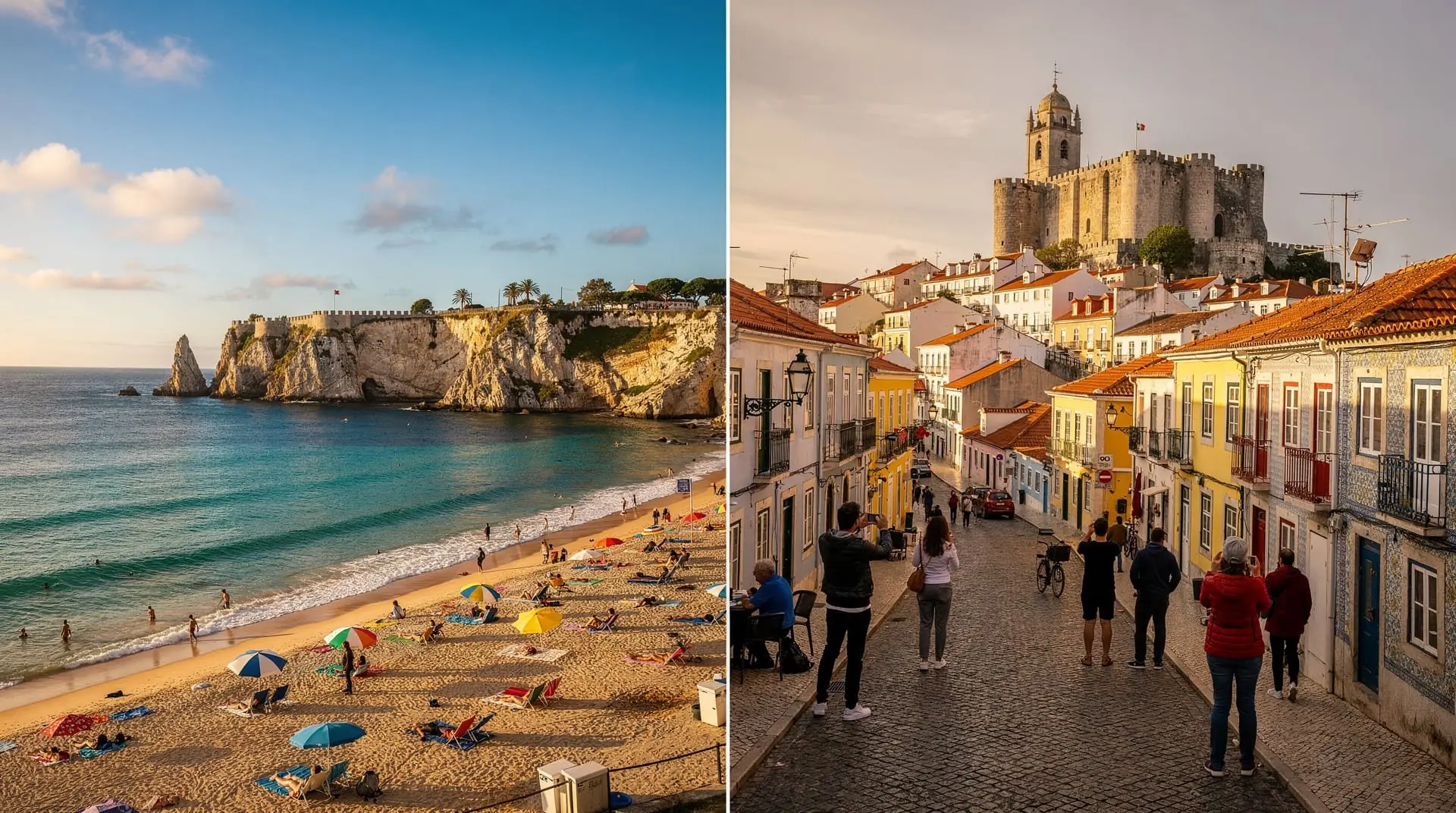
Which day-trip from Lisbon is right for you?
Decision guide: first-timer, foodie, family, pilgrim, beach lover or second visit. Pick the right Lisbon day-trip without guessing.
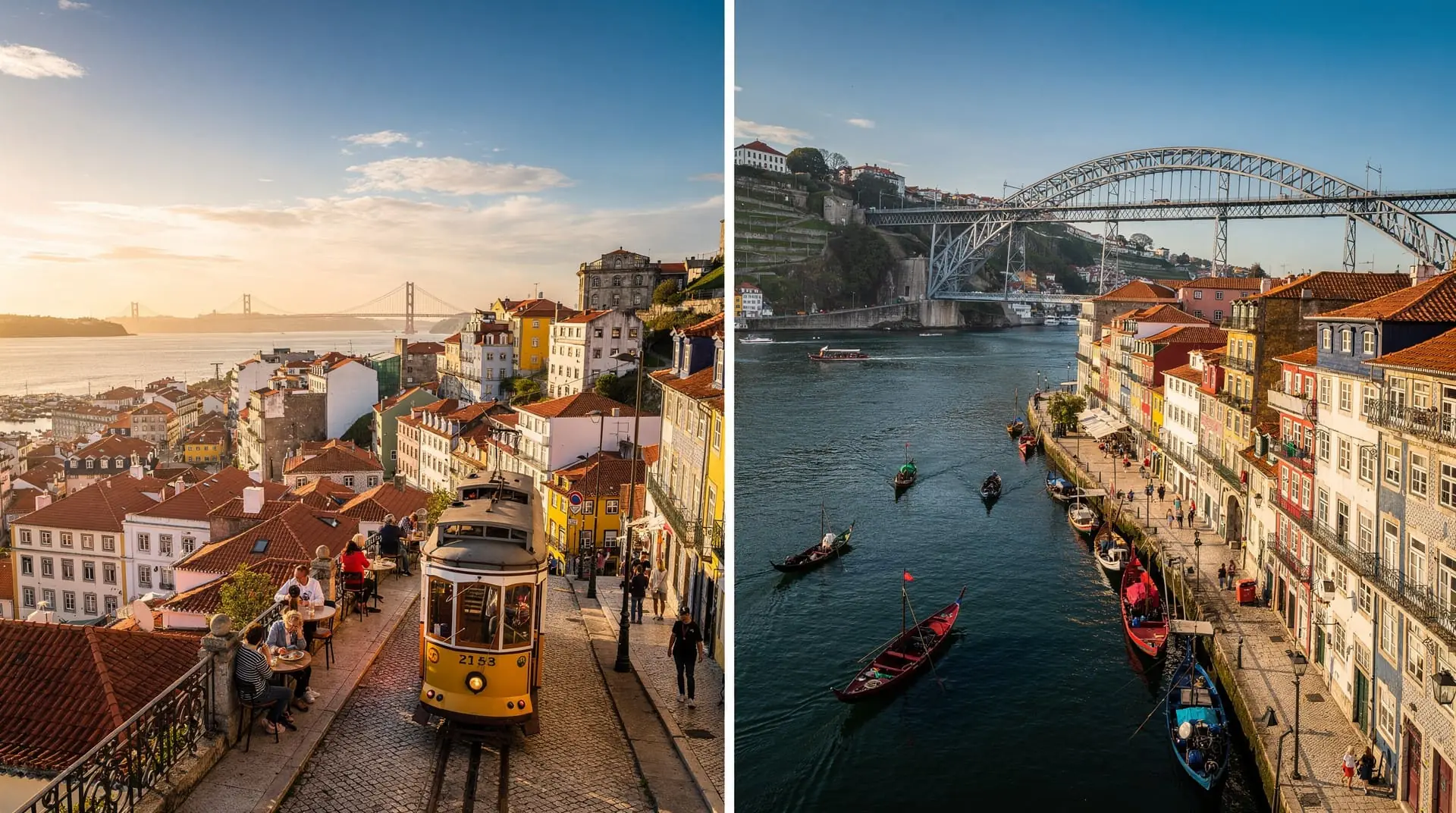
Lisbon vs Porto: which Portuguese city should you visit?
Honest head-to-head: vibe, weather, food, wine, day-trips and budget. Which city wins for your trip — and when to visit both.
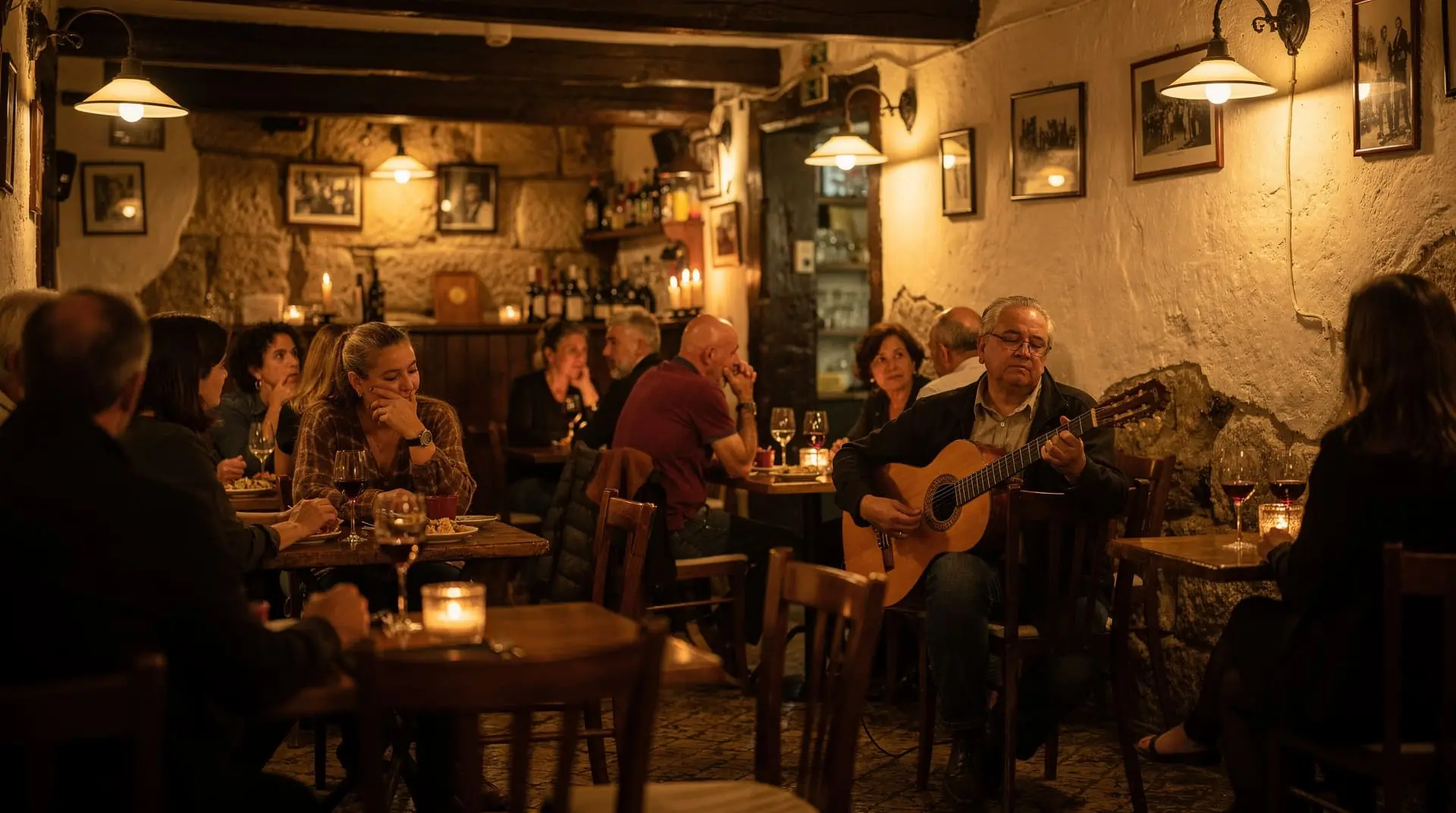
Fado houses compared: which one should you book?
Side-by-side comparison of Lisbon's main fado venues: atmosphere, price, quality and tourist-trap risk. Honest picks for every budget.
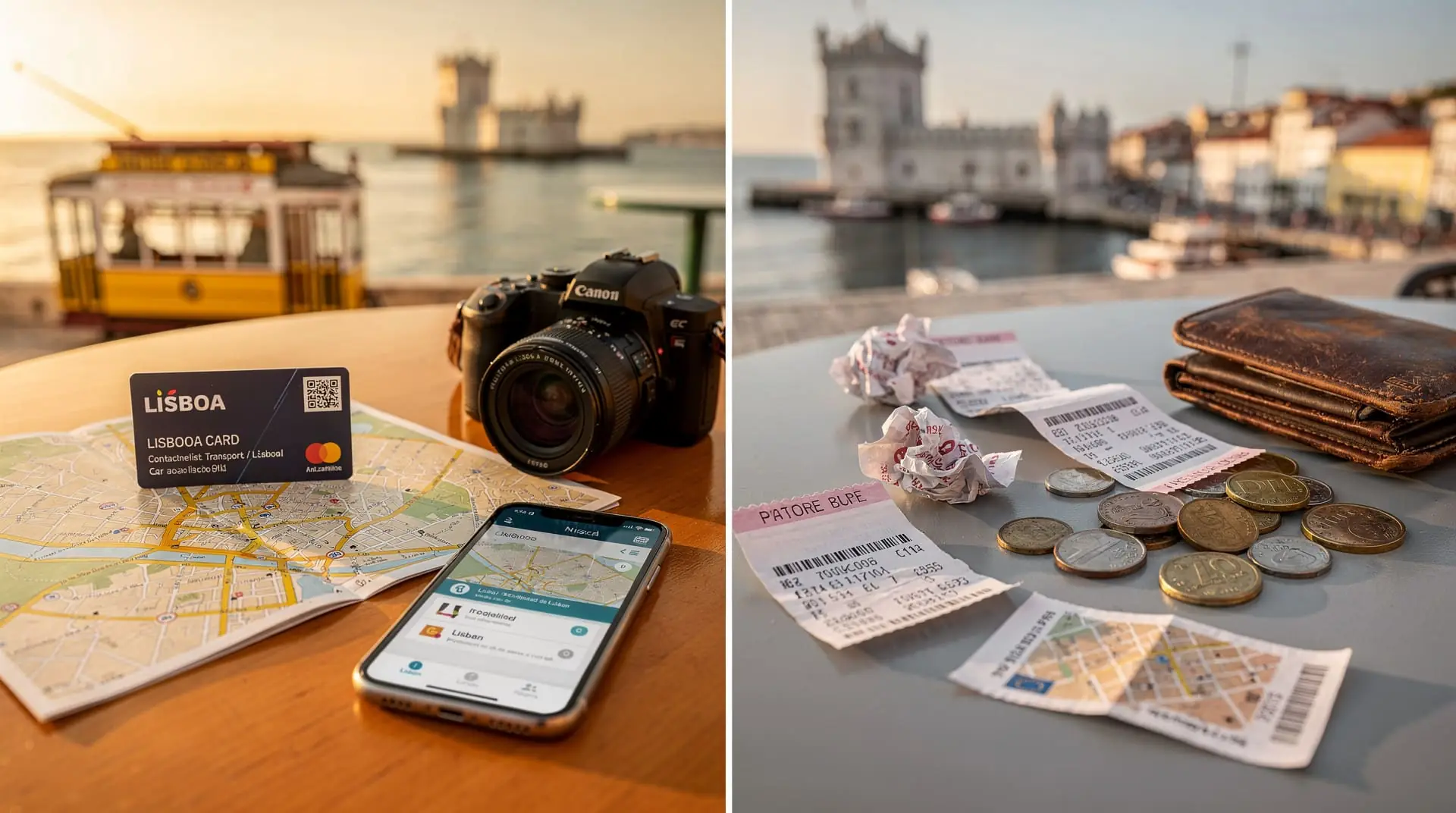
Lisboa Card vs paying separately: is it worth it?
Worked break-even examples for 1, 2 and 3-day Lisboa Cards. Honest verdict: who saves money and who pays more.
Ready to book? Top tours for this guide
We earn a small commission if you book through GetYourGuide — at no extra cost to you. Every tour is hand-picked and verified.

Lisbon: 48-Hour Hop-On-Hop-Off Bus Tour and Oceanarium Entry
Lisbon: MAAT Entry Ticket & Dolphin Watching Boat Tour
Lisbon: Alfama, Mouraria Walking Tour with Fado Night, Tapas
Lisbon: Hop-On Hop-Off Bus Tour
Lisbon: 1-or 2-Day Hop-On Hop-Off Bus Tour