
Lisbon with toddlers: what actually works, honestly reported
Published
My daughter was two and a half when we took her to Lisbon. Not the ideal age for museum tours. Not the ideal age for long restaurant dinners or late-night fado. An ideal age, it turned out, for some specific things about Lisbon that I hadn’t anticipated, and a challenging age for other things that I should have.
| Most buggy-friendly area | Parque das Nações |
| Headline attraction | Oceanário de Lisboa |
| Best beach for young kids | Cascais (Praia da Rainha, Praia da Ribeira) |
| Hardest day | Sintra — plan for a scaled-down version |
| Eat out timing | 18:30-19:00, ahead of the main crowd |
This is the report.
The hills problem
Lisbon is built on seven hills. The historic districts — Alfama, Mouraria, Graça, Bairro Alto — involve significant amounts of steep cobblestone. A buggy/pram on Lisbon cobblestone is a workout. A toddler who wants to walk Lisbon cobblestone on her own terms moves at the pace of someone investigating each stone individually.
The practical solution we arrived at: a carrier for the uphill sections, the buggy for the flat sections (Baixa, Belém, Parque das Nações), and acceptance that a thirty-minute walk in guidebook time was a forty-five-minute walk for us.
The Parque das Nações, in the eastern city, is the most buggy-friendly area in Lisbon: flat, paved riverside promenade, wide paths, the Oceanário de Lisboa at its heart. We spent a day and a half here and it was among the most successful parts of the trip.
The Oceanário
This is the headline attraction for families with young children, and it deserves the billing. The Oceanário de Lisboa is one of Europe’s best aquariums — genuinely world-class — with a central tank that holds 5 million litres and is visible from multiple levels. My daughter pressed herself against the glass and watched the sharks for twenty-five minutes without moving.
The practical notes:
- Book tickets in advance — the Oceanário sells out on weekends and school holidays
- Allow two to three hours minimum (toddlers will want to go back to the tank repeatedly)
- The café inside is expensive and mediocre; bring snacks or eat before
- Stroller-friendly throughout, lifts between levels
Beaches and water
Beach days were the other big success. Cascais (40 minutes by train from Cais do Sodré) has calm, sheltered beaches in the town — Praia da Rainha and Praia da Ribeira are sandy, have gentle gradients into the water, and have beach bars and changing facilities. The train ride itself was entertainment.
The water temperature in March was about 15 degrees — cold for swimming, but a toddler will paddle regardless of temperature if you let her. We gave her wellies.
The family beaches guide covers which beaches work for which ages and what facilities to expect.
Food and restaurants
Portuguese restaurants with young children: generally accommodating. Families eat out together in Portugal, including with young children, and this is considered normal rather than remarkable. We had exactly one difficult restaurant experience (a more formal Chiado establishment at 20:00 where the staff were politely pained by the presence of someone in a high chair) and several easy ones (the casual tasca format, where the shared noise level is such that a toddler’s commentary doesn’t disturb anyone).
Practical advice:
- Eat early by Portuguese standards (18:30-19:00) to be ahead of the main crowd
- The prato do dia restaurants are toddler-friendly by default — they’re set up for quick, practical eating
- Most places will accommodate simple children’s food (plain pasta, plain fish) on request even if it’s not on the menu
- Pastéis de nata: a toddler’s preferred food in all situations. Stock up.
Sintra with a toddler
We did Sintra on day three and this was the most complicated day. The verdict:
What worked: The grounds of Pena Palace — the coloured towers and walls are visually extraordinary even for a child who has no art historical context. The walk through the park (forested, shaded, easy gradient on the main paths) was manageable with the carrier.
What didn’t work: The interior of Pena Palace (queues, dark rooms, fragile objects — everything about this is wrong for a two-year-old). The bus 434 in peak morning hours (standing room only, difficult with a carrier). The total distance involved in “doing Sintra properly.”
The adapted plan: Do Sintra on a weekday, go directly to Pena by taxi from Sintra station (€8-10), walk the external areas and ramparts, skip the interior if the queue is long, eat lunch in the park or at the palace café, return to the village by early afternoon and visit the National Palace briefly (more accessible interior). Return to Lisbon by 17:00.
Private half-day Sintra tour — easier than navigating bus 434 with young childrenWhat I’d change
Three things:
-
Parque das Nações deserved more time. We gave it a day and a half; I’d give it two days.
-
I’d skip the fado house dinner. We booked one for the second evening. The two-and-a-half-year-old lasted forty minutes before needing to leave. €80 for one and a half fadistas and an incomplete dinner is not ideal.
-
Morning timing: with a toddler’s schedule (breakfast by 8:00, nap by 13:00), we were actually well-positioned for early morning sites. We hit Belém’s Jerónimos at 9:30 on a Thursday morning and had an almost empty monastery. We were back at the apartment by 12:30 for nap time. This actually worked in our favour.
Where we stayed and why it mattered
We based ourselves in Parque das Nações for the first half and Baixa for the second, and in hindsight the split order was wrong — it should have been Baixa first (for the energy of arrival, still manageable with a toddler on day one) and Parque das Nações second, when everyone was more tired and the flat, buggy-friendly promenade mattered more. If you’re weighing neighbourhoods, the where to stay in Lisbon guide is worth reading with a toddler-specific filter: prioritise ground-floor or lift access, and avoid Alfama or Bairro Alto unless you’re comfortable carrying a buggy up stairs regularly.
Naps, jet lag, and the daily rhythm
The single most underrated toddler-travel factor in Lisbon is how well the city’s own daily rhythm — a slower late morning, an afternoon lull, evenings that stretch late — collides with a toddler’s schedule. It mostly doesn’t collide badly. We found the Portuguese afternoon lull (roughly 13:00-16:00) lined up naturally with nap time, and we used it deliberately: sightsee in the morning, nap in the accommodation or the buggy through the quiet afternoon, then a shorter, calmer evening out rather than a full Portuguese-length dinner. This is a specific advantage over cities with a more continuous, high-energy daytime pace.
Private kid-friendly São Jorge Castle tour — paced for young children rather than a standard group scheduleFAQ
Is Lisbon a good city for toddlers? Yes, more than expected. The Oceanário, the flat Parque das Nações promenade, and the calm beaches at Cascais all work well for young children, and Portuguese restaurant culture is genuinely accommodating of families eating out together. The hills and cobblestones in the historic districts are the main practical obstacle.
Should we skip Sintra with a toddler? Not necessarily, but plan a scaled-down day: Pena Palace grounds and ramparts rather than the crowded interior, a taxi from Sintra station instead of bus 434 in peak hours, and a return to Lisbon by mid-afternoon before everyone is exhausted.
The Lisbon with kids guide has the comprehensive framework. The family day trips guide covers which day trips work at which ages. Toddler verdict on Lisbon: the Oceanário, the beaches, and the pastéis de nata. The rest is logistical management.
Related guides
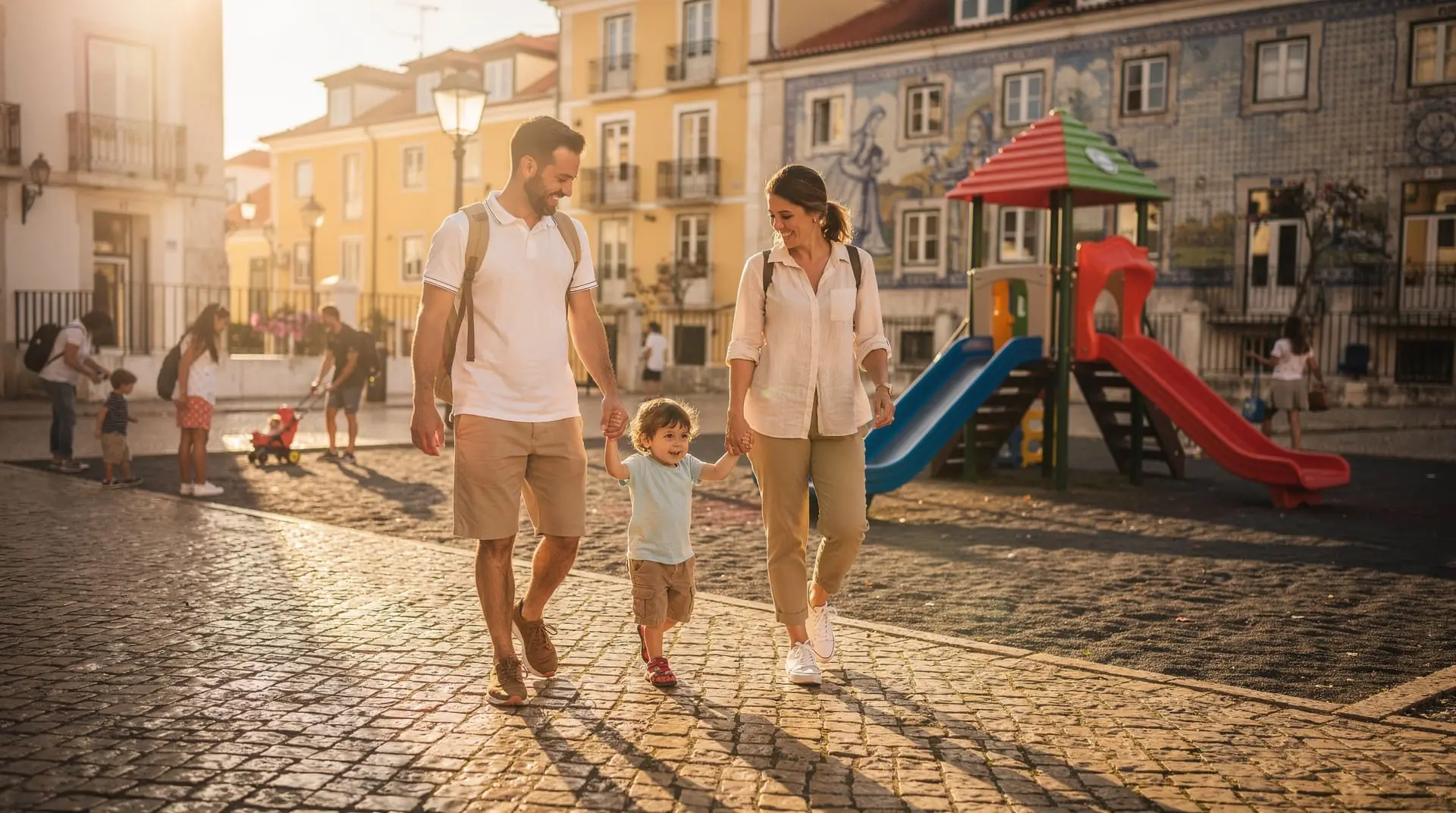
Lisbon with kids: the complete family guide (2026)
Everything families need for Lisbon: best kid-friendly sights, safe beaches, restaurants, transport, parks, and how to avoid meltdown-inducing tourist traps.
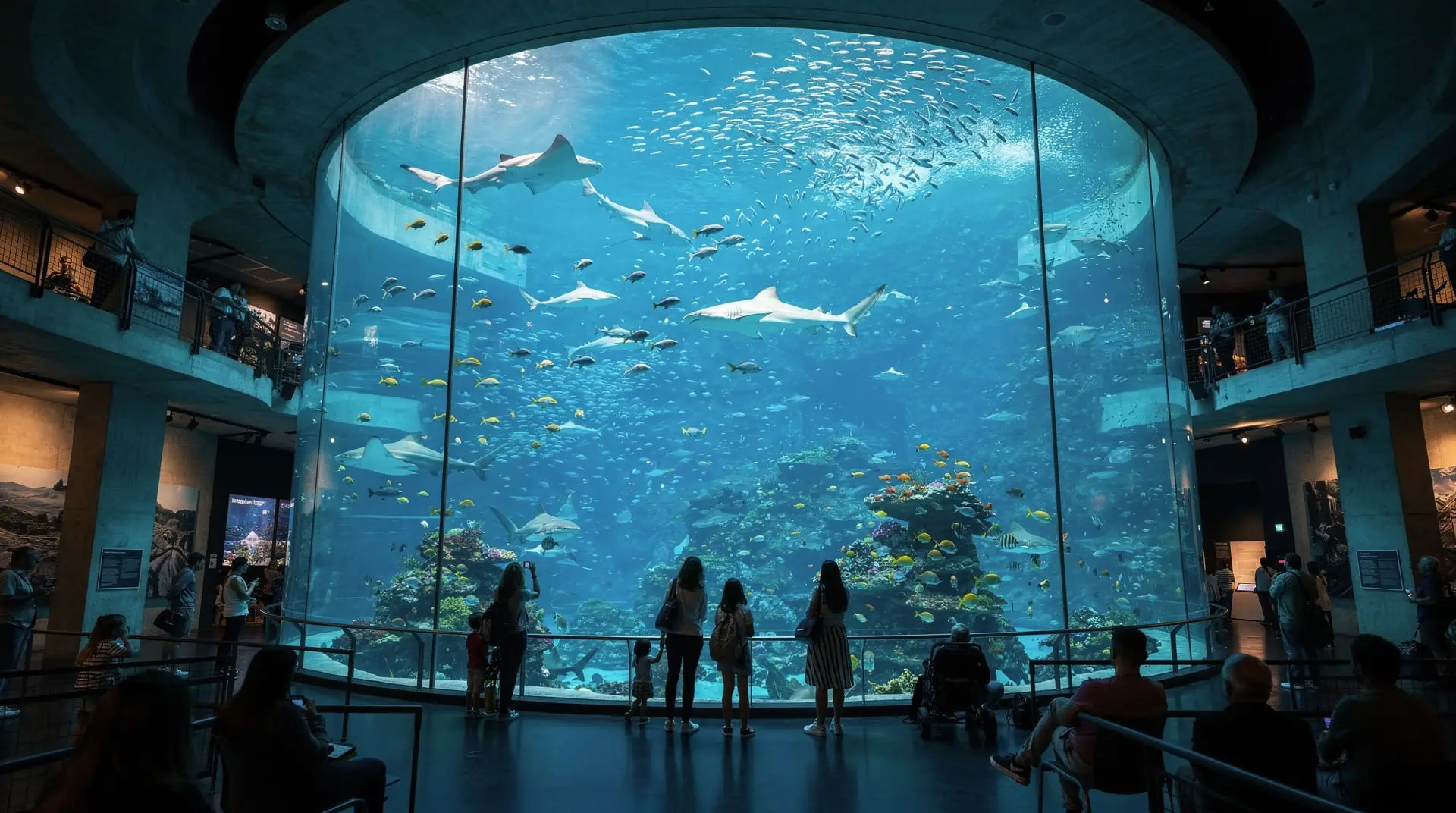
Oceanário de Lisboa: tickets, queues, and what to expect inside
Oceanário de Lisboa 2026: ticket prices, best visit times, exhibit-by-exhibit guide, and honest tips for avoiding Saturday-afternoon crowds.
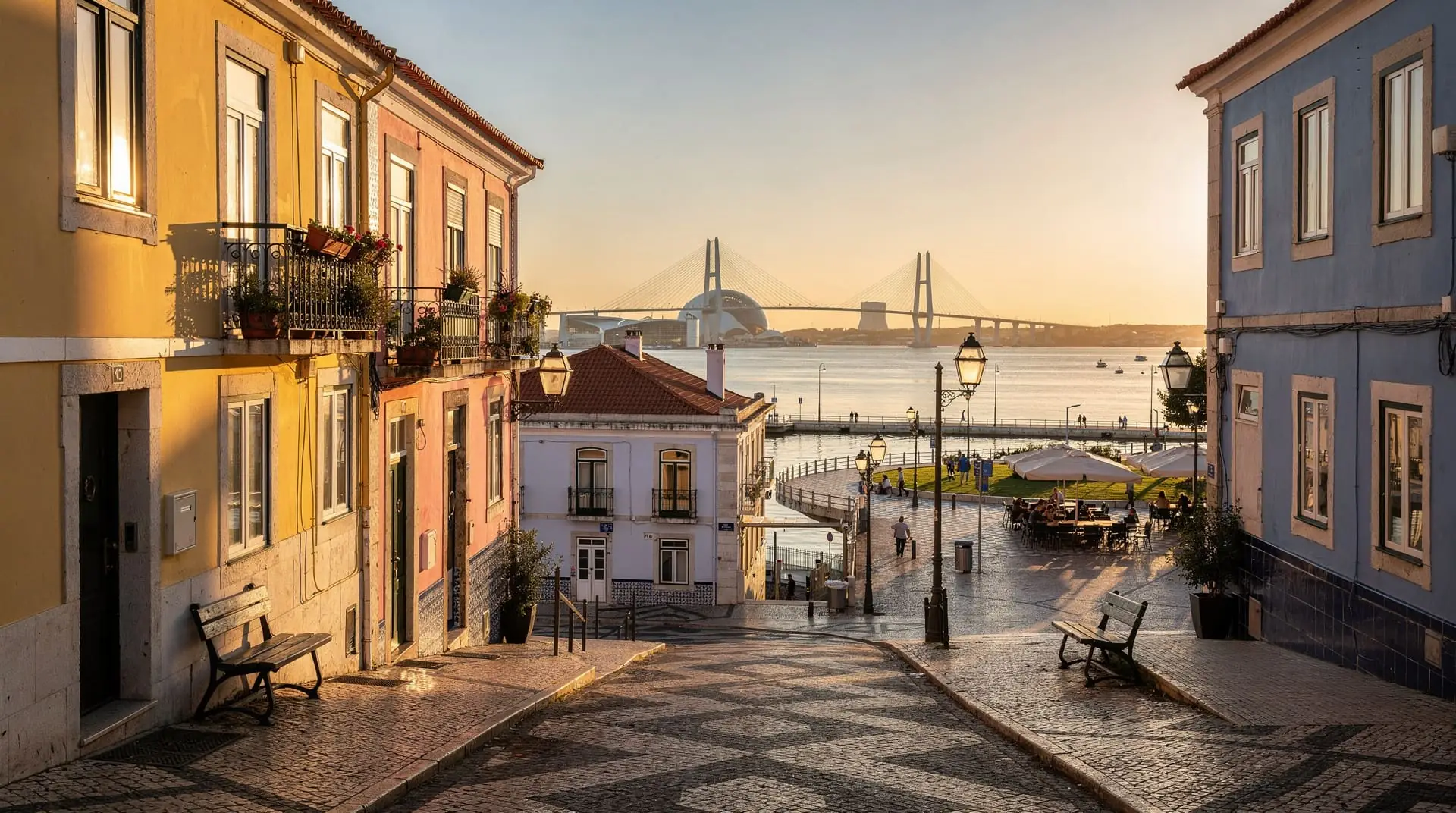
Parque das Nações: Expo '98 district, Oceanário, and the Vasco da Gama bridge
Parque das Nações was built for Expo '98 and remains Lisbon's most contemporary quarter. Oceanário, Telecabine, casino, Vasco da Gama bridge views.
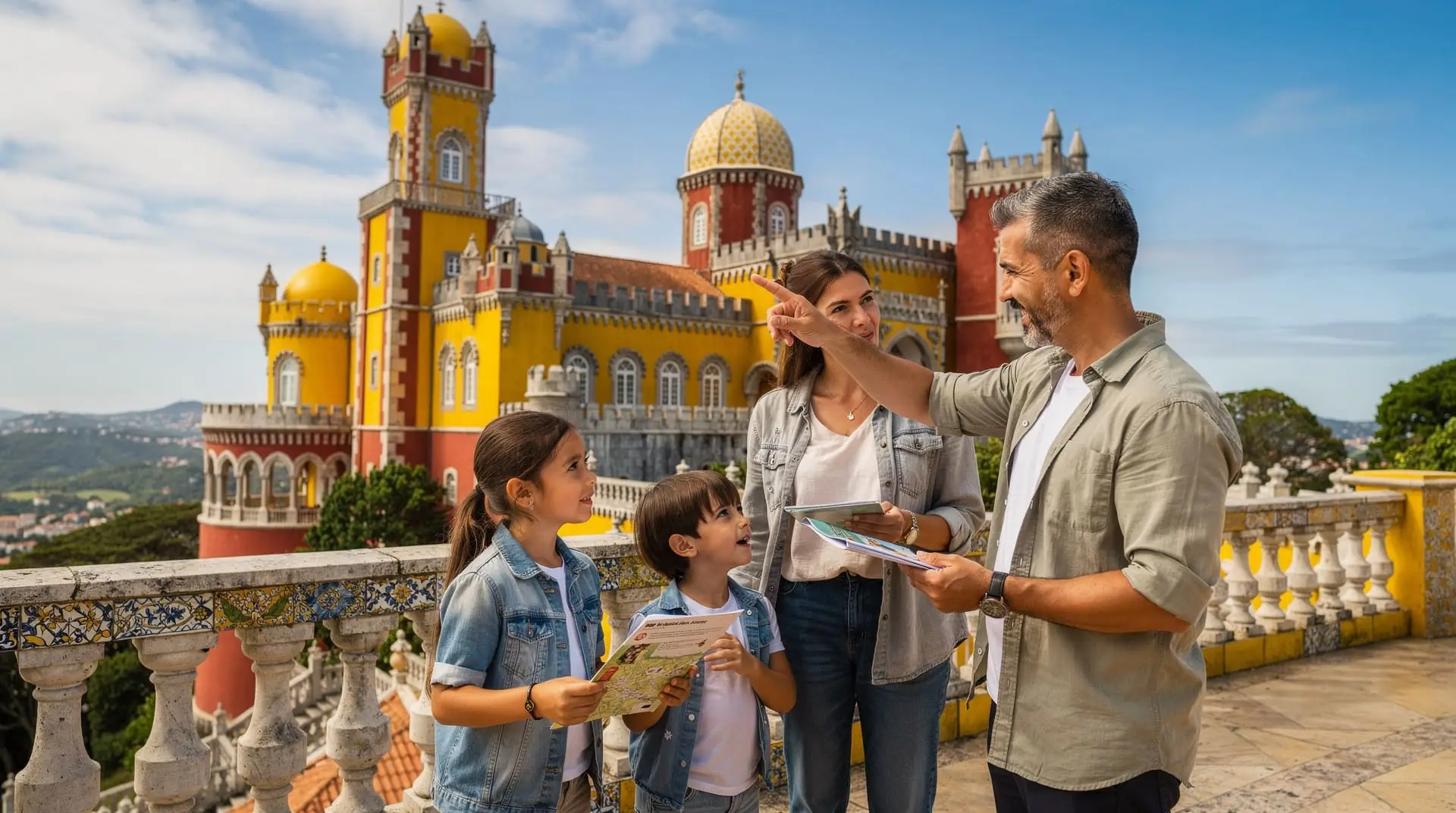
Sintra with kids: Pena Palace, Regaleira tunnels, and Toy Museum
Plan Sintra for families: Pena Palace fairytale appeal, Regaleira's tunnels, the Toy Museum, bus 434 logistics, queues, and where to eat with children.