Fátima day trip from Lisbon: the sanctuary, basilicas and the pilgrimage dates that matter
Last reviewed
Is Fátima worth a day trip from Lisbon?
For religious visitors and those interested in pilgrimage culture at scale: absolutely yes. The sanctuary is genuinely impressive in size and spiritual atmosphere, especially on May 12–13 and October 12–13, when hundreds of thousands of pilgrims gather. For non-religious visitors on an ordinary day: the complex is large but spiritually quiet, and better combined with Nazaré and Óbidos as part of a Silver Coast day.
In 1917, between May and October, three shepherd children — Lúcia, Francisco and Jacinta — reported a series of apparitions of the Virgin Mary in a field outside the village of Fátima. The final apparition, on October 13, was witnessed by approximately 70,000 people who described a “solar dance” — the sun appearing to move and radiate colours in the sky. The Catholic Church formally accepted the apparitions as authentic in 1930.
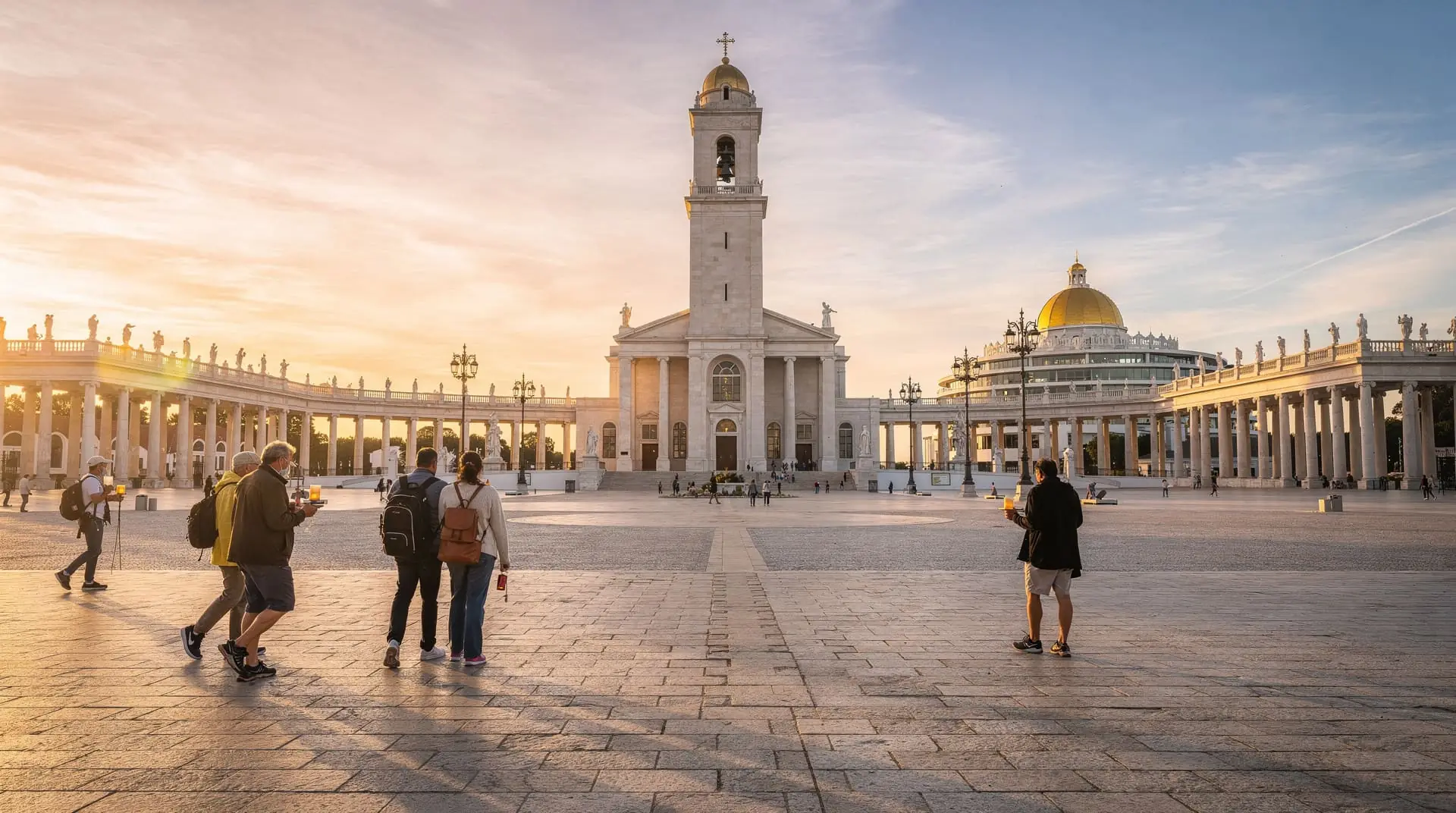
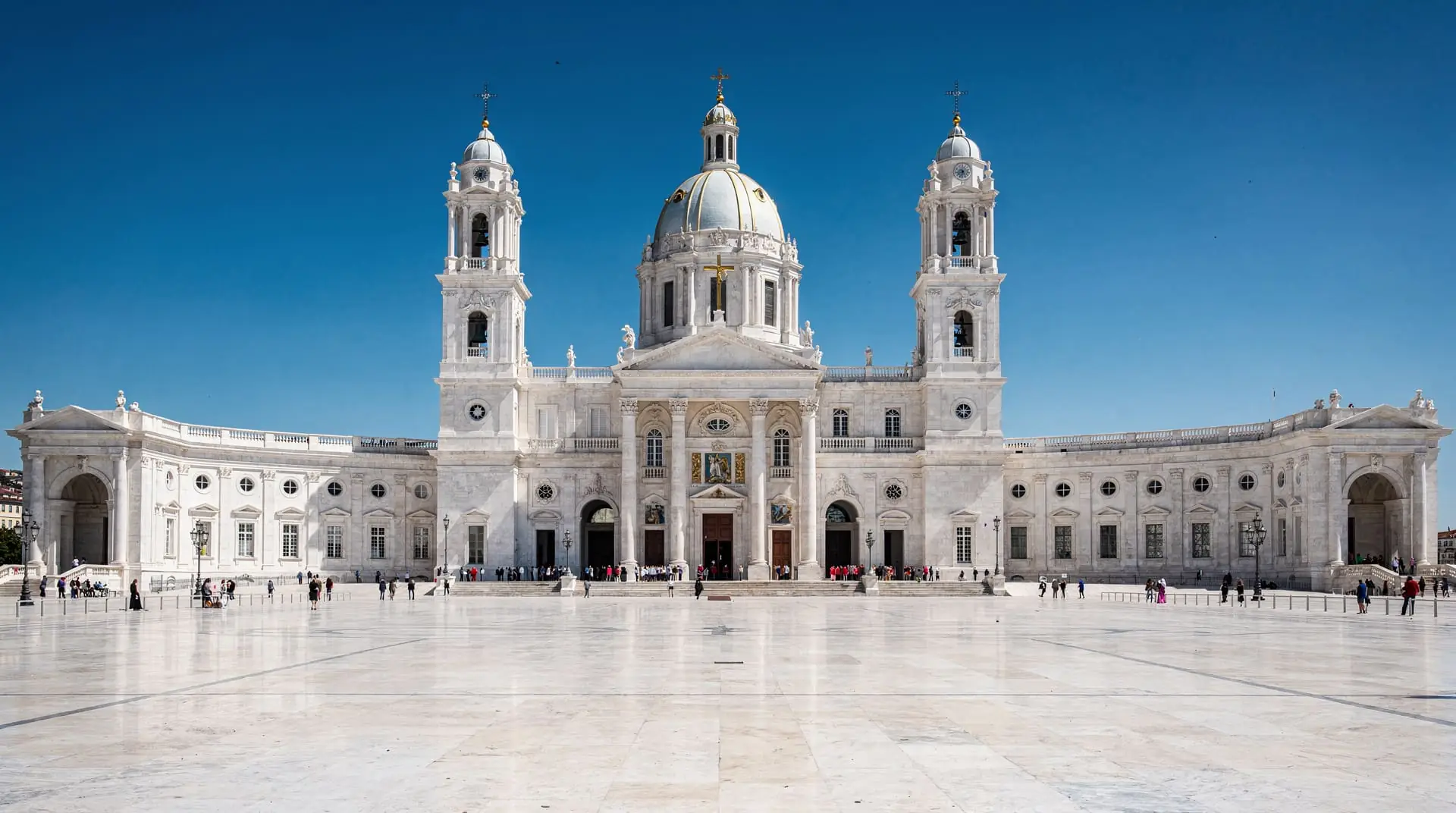
What stands today on the site of the apparitions is one of the world’s most important Catholic pilgrimage sanctuaries. The central esplanade (560 metres long, wider than St Peter’s Square in Rome) is flanked by two basilicas: the Baroque-neoclassical Basilica of Our Lady of the Rosary (1928–1953), and the extraordinary Basilica of the Holy Trinity (2007, seating 9,000), described by its architect Alexandros Tombazis as a “space for silence.” Between them, at the centre of the esplanade, is the Chapel of the Apparitions — built on the exact spot where the visions occurred.
| Where | Fátima, ~130km north of Lisbon |
| Getting there | Bus from Sete Rios, ~90 min, €12-14 each way |
| Cost | Sanctuary free; Batalha/Alcobaça entry €7-9 |
| Time needed | Half day for the sanctuary; full day with Batalha |
| Best time | May 12-13 or October 12-13 for pilgrimage atmosphere |
Getting to Fátima from Lisbon
By bus: Rede Expressos from Sete Rios bus terminal. Journey time approximately 90 minutes. Cost: approximately €12–14 each way. Buses run 6–8 times daily; more frequent service on major pilgrimage dates.
Return timing: Buses back to Lisbon run until approximately 8pm. Check the specific schedule at rede-expressos.pt before your visit.
By car: A1 motorway north, exit at Fátima. Approximately 130 km from Lisbon, 90 minutes. Large car parks at the sanctuary.
By organised tour: Fátima day tours from Lisbon typically also cover Batalha Abbey and Nazaré or Óbidos, though a full-day private guided tour to Fátima is available for visitors who want a single-site trip without the extra stops. These are the most popular day tour routes from Lisbon, with multiple operators running daily departures. See the day trip transport guide for a comparison of bus, tour and rental car logistics across all Lisbon day trips.
Private full-day tour from Lisbon to FátimaThe sanctuary: what you are visiting
The Basilica of Our Lady of the Rosary
The older of the two basilicas, completed in 1953 in a neoclassical style with a central tower 65 metres high. The tombs of Francisco (died 1919) and Jacinta (died 1920) Marto — two of the three shepherd children — are inside; Lúcia died in 2005 at the Carmelite convent in Coimbra (her remains were transferred to Fátima in 2006). Their tombs are the focus of intense veneration, covered in offerings.
The interior is serene and cool. On ordinary weekdays in low season, it’s quiet enough to feel genuinely contemplative. On pilgrimage weekends, it’s packed shoulder to shoulder.
The Chapel of the Apparitions (Capelinha)
The small chapel at the centre of the esplanade, built where the holm oak tree stood where the apparitions occurred. The original tree was taken by pilgrims — souvenir-seekers stripped it down to the root in the months after the apparitions. Inside the chapel is the original image of Our Lady of Fátima. On non-pilgrimage days: a few dozen worshippers in a relatively small space. On May 13 or October 13: approached through a sea of pilgrims, many of whom have walked to Fátima on their knees.
The Basilica of the Holy Trinity
Built between 2004 and 2007, this is the largest basilica in Portugal (and one of the largest in the world). The architect intended it as a space that creates silence — the entrance is intentionally austere, the interior vast and dimly lit, the stone work precise and modern. It holds 9,000 worshippers. The narthex mosaics (contemporary, depicting biblical scenes) are exceptional. Worth visiting even for non-believers as a significant piece of 21st-century religious architecture.
The pilgrimage dates: when to go for atmosphere
If you’re visiting Fátima for the spiritual and cultural experience rather than as a tourist site, the dates matter enormously.
May 12–13: Anniversary of the first apparition. Hundreds of thousands of pilgrims from across the world gather on the esplanade. Many have walked for days — some for weeks — from across Portugal and Spain. The candlelight procession on the evening of May 12 (pilgrims carry candles and sing the Fátima prayer in multiple languages while processing through the esplanade) is genuinely moving. The May 13 morning Mass draws the largest crowds.
October 12–13: Anniversary of the final apparition and the solar dance. Similar scale to May 13. The October pilgrimage tends to draw larger numbers of Portuguese pilgrims arriving on foot from across the country.
On these dates: arrive very early (before 7am) if coming by car. Public transport connections increase significantly. The sanctuary is filled; the esplanade accommodates the overflow. Hotel prices in the Fátima area increase sharply. Book transport and accommodation well in advance.
Other 13th-of-the-month dates: Smaller monthly pilgrimages occur on the 13th of each month between May and October. Not on the scale of May and October, but more atmospheric than an ordinary day.
Ordinary weekday visits: The sanctuary is open, beautiful in scale, and available without crowds. The spiritual intensity is absent. This is fine for cultural tourism but not for experiencing what Fátima actually is.
The honest assessment for non-religious visitors
Fátima on an ordinary day in June is a large religious complex with impressive architecture, functioning as a living pilgrimage destination. The esplanade is genuinely vast and the scale of the Basilica of the Holy Trinity is architecturally remarkable. The context — understanding what happened here in 1917 and why it matters to tens of millions of Catholics worldwide — makes it more than a sightseeing stop.
But if you are not religious and you are visiting on an ordinary weekday without pilgrimage atmosphere, Fátima competes with Nazaré (Praia do Norte giant waves), Batalha Abbey (extraordinary Gothic-Manueline architecture), and Alcobaça (royal tombs, Gothic cloisters) for your day-trip allocation — and against those secular wonders, Fátima on an ordinary day is harder to justify as a standalone destination.
The honest recommendation: if you’re in the region (doing the Nazaré–Óbidos day trip), stop at Fátima for 60–90 minutes on the way. As a standalone trip from Lisbon on an ordinary day, it’s better for religious visitors or those with a specific interest in pilgrimage culture. See the which day trip from Lisbon guide if you are choosing between Fátima and Lisbon’s other popular day-trip options.
Batalha Abbey: the must-add
If you’re making the trip to Fátima, do not skip Batalha Abbey (Mosteiro de Santa Maria da Vitória), 20 km north of Fátima. It is one of the greatest Gothic buildings in the world, built to commemorate the Portuguese victory at Aljubarrota in 1385 that secured independence from Castile. The Founder’s Chapel (Capelas do Fundador) has the royal tombs of João I and Philippa of Lancaster; the Unfinished Chapels (Capelas Imperfeitas) have a spectacular Manueline window of almost Sintra-like complexity.
Entry: approximately €7–9. Worth every cent. The drive from Fátima to Batalha takes 20 minutes.
Fátima, Batalha, Alcobaça, Nazaré and Óbidos tour from LisbonAlcobaça: the royal pantheon
Also 20 km from Batalha (40 min from Fátima), the Mosteiro de Alcobaça is the oldest and largest Gothic church in Portugal, built by Afonso Henriques in 1153 to fulfil a vow made before the battle that established the Kingdom of Portugal. The Gothic nave is breathtaking — the most austere and soaring medieval interior in Portugal. The tombs of Pedro I and Inês de Castro (the great medieval love story of Portugal, involving murder, obsession and the crowning of a corpse) are in the transept.
Entry: approximately €7. Combined day — Fátima + Batalha + Alcobaça + Nazaré — covers the most significant religious and architectural heritage of central Portugal. Long, but genuinely rewarding.
Full day itinerary
7:00am: Bus from Sete Rios.
8:30am: Arrive Fátima. Walk the esplanade, Chapel of the Apparitions, Basilica of Our Lady of the Rosary (45–60 min).
10:00am: Basilica of the Holy Trinity interior (30 min).
10:30am: Taxi or drive to Batalha Abbey (20 min).
11:00am–noon: Batalha Abbey — Founder’s Chapel, nave, Unfinished Chapels.
Noon–1:30pm: Lunch in Batalha town or Nazaré (continue north).
2:00pm: Nazaré — seafront, funicular, Sítio viewpoint.
4:30pm: Bus or car return to Lisbon (arrive ~6:30pm).
Practical information
Entry fees at Fátima: The sanctuary itself is free to enter. The Basilica of the Holy Trinity is free. Some museums on the sanctuary grounds have small entry fees.
Photography: The basilicas and chapel are open for photography, but exercise discretion — pilgrims are actively worshipping. Avoid using flash inside.
Dress code: Shoulders and knees covered required inside the basilicas. Scarves and wraps are available at the entrance for those who need them.
Commercial area: The streets around the sanctuary are lined with religious souvenir shops — icons, candles, rosaries, statues. This is inevitable and not different from any major pilgrimage site globally. If you want genuine Portuguese religious art, look for the smaller, specialist shops rather than the bulk souvenir stands.
Combining Fátima with the wider Silver Coast
Fátima sits roughly midway between Lisbon and the Silver Coast’s other major draws, which is why most organised tours bundle it with two or three additional stops rather than running it as a standalone trip. The most common combinations:
Fátima + Batalha + Nazaré: The most popular single-day route — religious architecture in the morning, the dramatic Nazaré cliffs and giant winter waves in the afternoon. See the Nazaré day trip guide for what the coastal half of the day involves.
Fátima + Batalha + Alcobaça + Óbidos: A heritage-heavy day covering four UNESCO-calibre or near-UNESCO sites. Long (10-11 hours including transport) but the single most efficient way to see central Portugal’s major monuments in one trip. The Óbidos day trip guide covers the walled-town half in detail.
Fátima alone, extended stay: For religious pilgrims specifically, staying overnight in Fátima town (numerous pilgrim guesthouses, generally simple and inexpensive) allows attendance at the evening candlelight procession without a return bus deadline. This is a different trip from the day-trip structure covered here.
For the full picture of how Fátima compares to Lisbon’s other day-trip options by time, cost and interest, see day trips from Lisbon.
Frequently asked questions about the Fátima day trip
Is Fátima worth visiting if I’m not Catholic?
It depends on your interest in religious architecture and pilgrimage culture. The Basilica of the Holy Trinity is significant modern architecture. Understanding why millions of people regard this site as sacred is culturally valuable regardless of personal belief. On an ordinary day, it’s a moderate-interest cultural stop. On May 13 or October 13, it’s a visceral experience of collective faith on a large scale — worth experiencing for anyone curious about religion’s role in contemporary life.
What happened at Fátima in 1917?
Three shepherd children (Lúcia dos Santos, aged 10, and her cousins Francisco, 9, and Jacinta, 7) reported monthly apparitions of the Virgin Mary from May to October. The final apparition on October 13 was witnessed by an estimated 70,000 people who reported the “solar miracle” — the sun appearing to move, spin and change colour. Pope John Paul II credited Our Lady of Fátima with protecting him from the 1981 assassination attempt; the bullet is now in the crown of the Fátima statue.
How long do you need at the Fátima sanctuary?
For a non-pilgrim tourist visit: 90 minutes to 2 hours covers both basilicas and the esplanade comfortably. Religious pilgrims may spend the entire day or multiple days. If you’re combining with Batalha, allow 90 min at Fátima and 90 min at Batalha.
Can I combine Fátima with Nazaré in one day?
Yes, easily by car (42 km, 40 min apart) or by tour. By public transport it requires careful planning — there are bus connections but the timing must align. Most visitors combine these two sites by car or on an organised Silver Coast tour.
When is the biggest pilgrimage at Fátima?
May 12–13 and October 12–13 are the largest, drawing 500,000–1,000,000 pilgrims over the two-day period. The 13th of each month (May–October) also has monthly pilgrimages. July and August see large crowds of summer tourists as well as pilgrims.
How much does a Fátima day trip cost in total?
Budgeting by public bus: €12–14 each way (€24–28 return), plus €7–9 each for Batalha and Alcobaça entry if you add them, plus lunch (€10–15 at a modest restaurant in Batalha or Fátima town). A full day covering Fátima, Batalha and lunch runs roughly €45–60 per person without a rental car. Organised tours that include transport and sometimes lunch typically cost €70–110 per person, trading cost for convenience and a fixed schedule. See the Lisbon travel budget guide for how this compares with Lisbon’s other day trips.
Is it better to visit Fátima independently or on a tour?
Independent travel by bus is cheaper and gives you full control over timing at the sanctuary, but it does not include Batalha or Alcobaça without a taxi or a second bus connection, both of which add complexity. An organised tour costs more but bundles Fátima, Batalha, and often Nazaré or Óbidos into a single day without navigation stress — worth it for visitors who want the Silver Coast highlights without managing multiple bus schedules. For a more personalised day built around Fátima alone, a private, personalised full-day tour to Fátima lets you set the pace without bundling in the extra stops.
Related guides
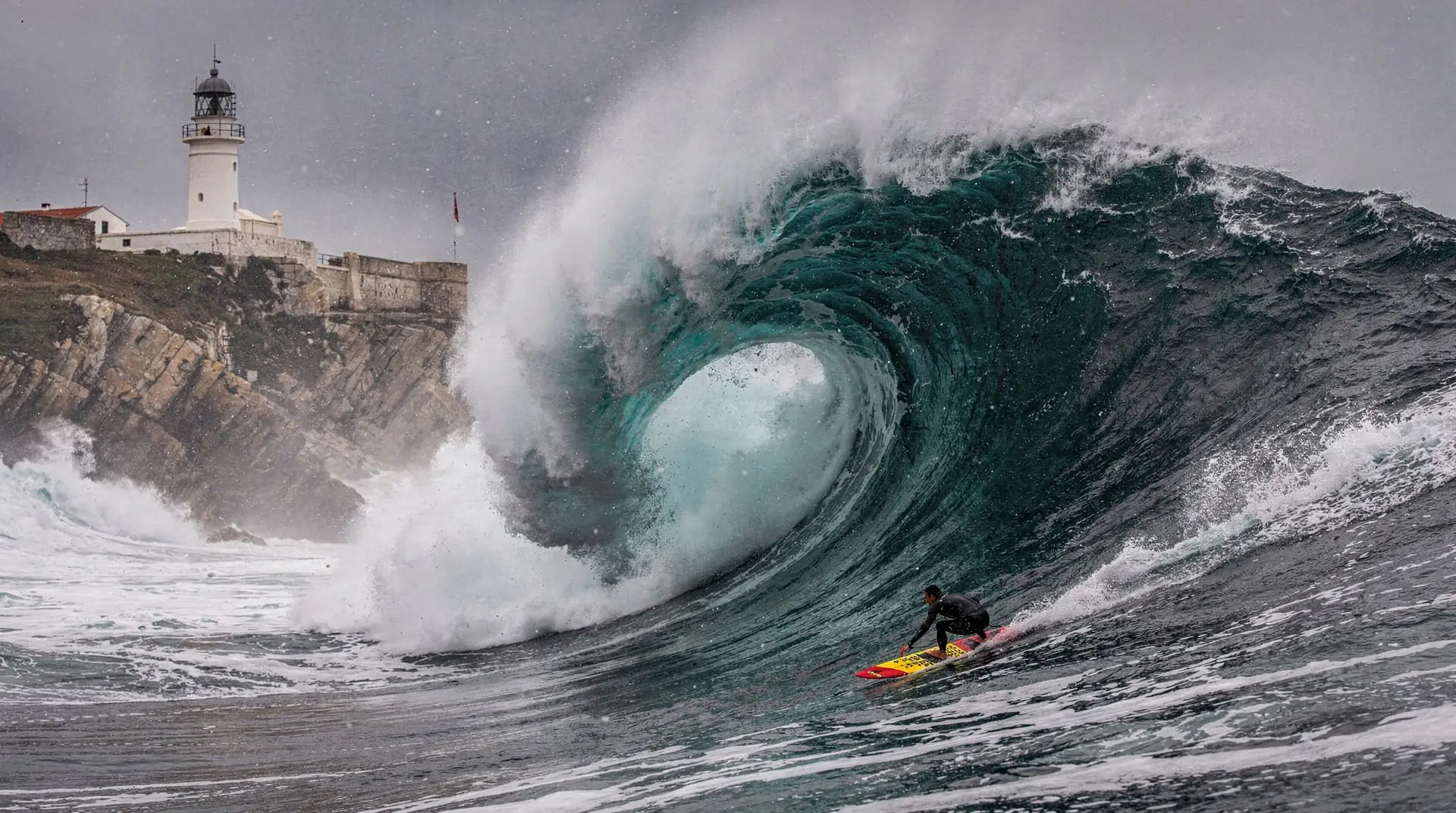
Nazaré day trip from Lisbon: giant waves, Sítio funicular and what changes by season
Nazaré day trip from Lisbon — 2-hour bus from Sete Rios, Praia do Norte giant waves (Nov–Feb), Sítio funicular, fish dryers, summer vs winter.
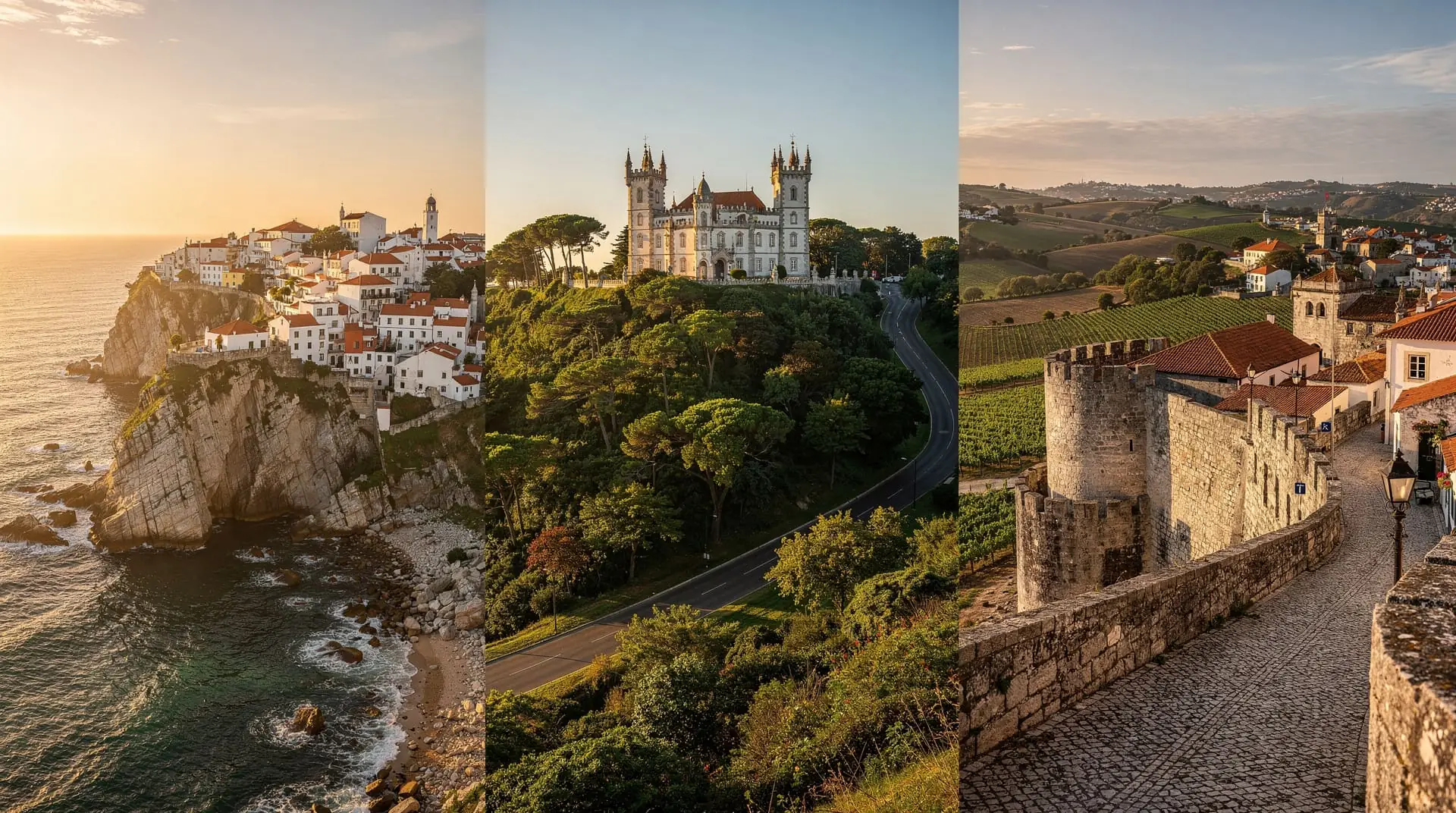
Best day trips from Lisbon: ranked by distance, transport and honest effort
Best day trips from Lisbon ranked honestly — Sintra, Cascais, Évora, Arrábida, Óbidos, Nazaré, Fátima, Comporta. Real logistics, prices and timing.
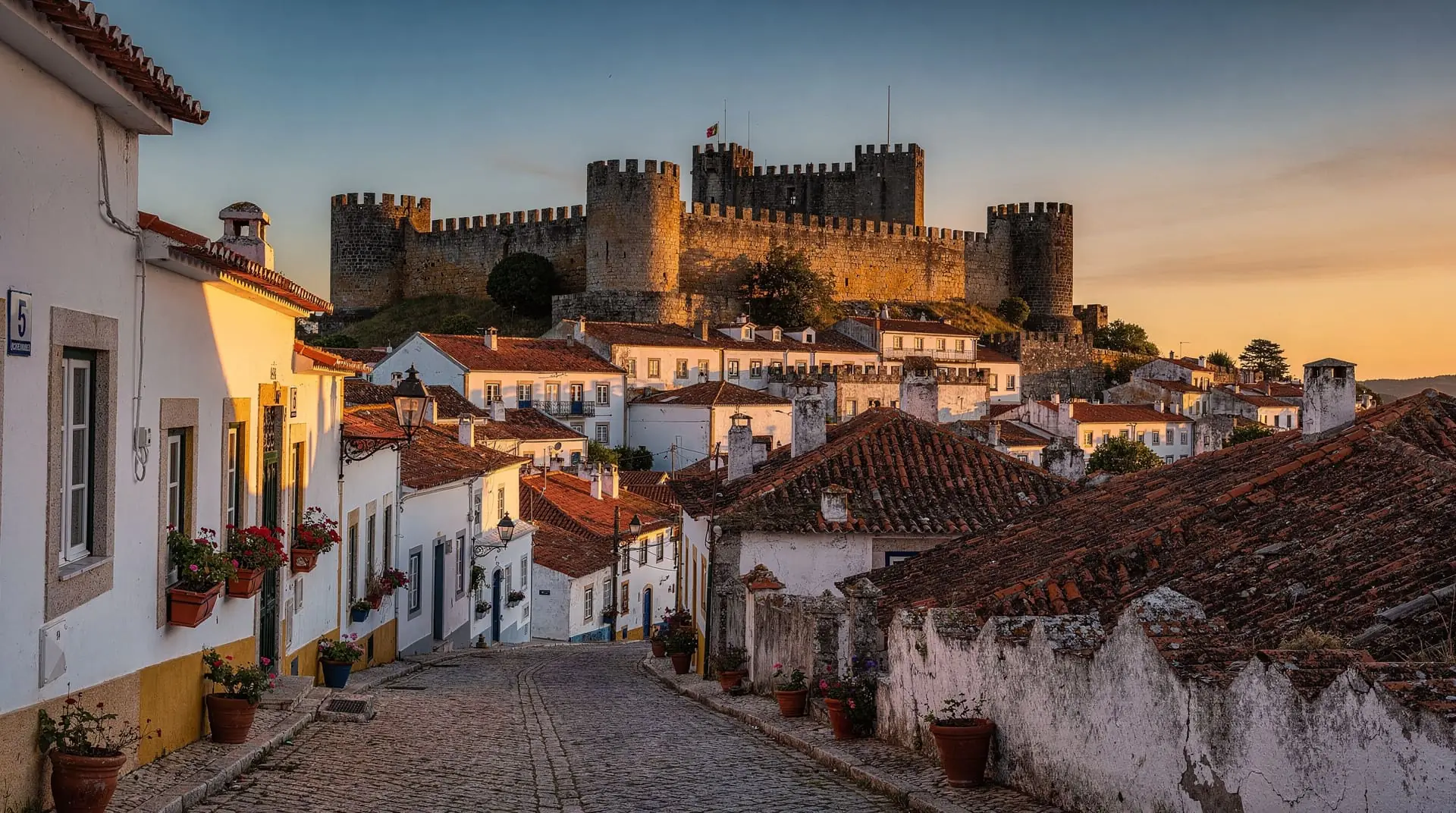
Óbidos day trip from Lisbon: the walled town, ginjinha cups and honest timing
Óbidos day trip guide — bus from Sete Rios (75 min, €8), medieval walls, ginjinha in chocolate cups, where to eat, and whether Óbidos justifies a full day.
Cascais day trip from Lisbon: train, marina, Boca do Inferno and Guincho beach
How to do a Cascais day trip from Lisbon — 40-min train from Cais do Sodré, marina walk, Boca do Inferno, Guincho lunch, and the best time to return.
Ready to book? Top tours for this guide
We earn a small commission if you book through GetYourGuide — at no extra cost to you. Every tour is hand-picked and verified.
Lisbon: Óbidos, Fátima, Batalha, and Nazaré Day Trip
Lisbon: Fátima, Nazaré and Óbidos Full-Day Tour
Fátima, Batalha, Alcobaça, Nazaré and Óbidos Private Tour
From Nazaré - Tomar, Fátima, Batalha, Alcobaça, & Óbidos
From Lisbon: Tour Fátima, Batalha, Alcobaça, Nazaré, Óbidos