Pastéis de Belém vs Manteigaria: the blind tasting result
Published
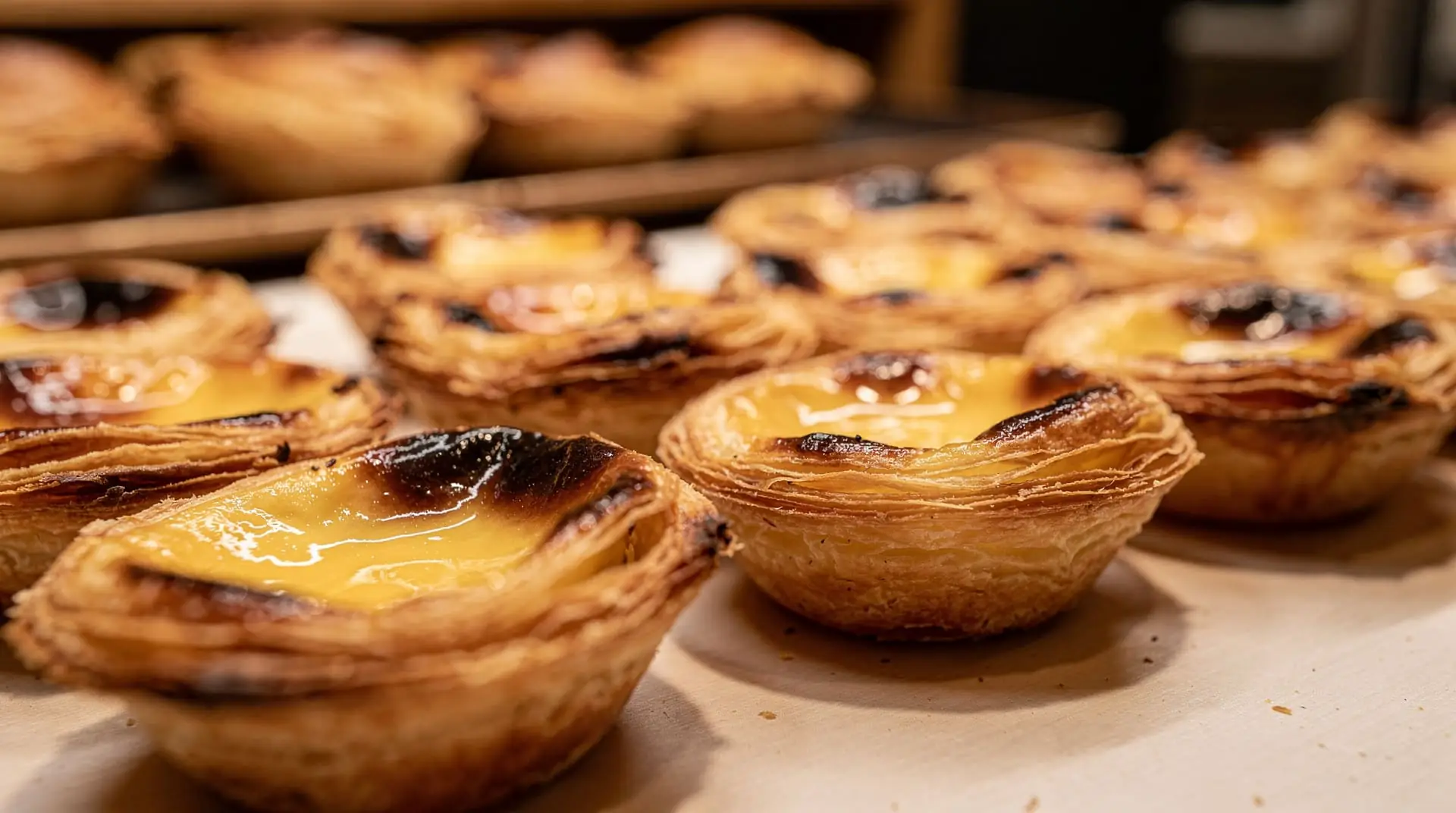
The pastéis de nata might be Portugal’s most successfully exported culinary idea: a custard tart in a flaky pastry shell, dusted with cinnamon and icing sugar, best eaten warm from the oven. They exist in every café in Lisbon and in half the cafés in Europe. But two establishments have made competing claims to being the home of the definitive version: Pastéis de Belém and Manteigaria.
We bought from both on the same morning in April and did the comparison as honestly as we could.
| Belém | Rua de Belém 84-92, near Jerónimos Monastery |
| Manteigaria | Rua do Loreto 2, Chiado; also Mercado da Ribeira |
| Cost | around €1.30-1.40 per pastel at either |
| Queue | Belém: 20-30min on weekends; Manteigaria: usually under 5min |
| Verdict | both excellent; queue and location matter more than taste |
The contestants
Pastéis de Belém (Rua de Belém 84-92, near the Jerónimos Monastery) claims to be the original. The recipe, supposedly developed by monks at the Jerónimos Monastery in the early 19th century, was purchased by the Domingos Rafael Alves family in 1837. The recipe is reportedly known only to three people and has never been published. The shop is enormous, tiled floor-to-ceiling in blue-and-white azulejos, and serves thousands of pastéis per day.
Manteigaria (Rua do Loreto 2, Chiado; and Mercado da Ribeira) opened in 2012 and positions itself as the contemporary artisan challenger. The production is visible through a glass panel: pastry dough rolled, tins filled, trays going in and out of wood-fired ovens. The Chiado location is small and the line moves quickly.
Both sit inside districts worth visiting on their own terms, not just for the pastry: Belém has Jerónimos Monastery and the Belém Tower within walking distance, while the Manteigaria branch is a two-minute detour from the main Baixa-Chiado shopping streets.
The logistics (this matters)
At Pastéis de Belém at 10:30 on a Saturday in April, the queue extended down the rua. I waited 25 minutes for a takeaway order of four pastéis (€5.60 — €1.40 each in 2024). The inside seating area was offered as an alternative by a staff member, which cuts the wait to near zero, but costs slightly more.
At Manteigaria in Chiado at 11:15, I waited four minutes for four pastéis (€5.20 — €1.30 each in 2024). They were warm from the oven that had come out approximately eight minutes earlier.
This matters for the comparison because temperature at eating is a significant variable for pastéis de nata.
The comparison
We ate them back-to-back, without knowing which was which (a colleague distributed them from paper bags labelled only A and B). Both were still warm. Then we ate them again knowing which was which, as a check.
Pastry: Manteigaria’s pastry was more consistently laminated — more layers, more crunch, more of the shattering quality that good pastéis should have. The Belém pastry was good but slightly thicker and less precise in the lamination.
Custard: This is where the Belém sample distinguished itself. The custard had a more complex, slightly caramelised character — deeper and more eggy, with a slight bittersweetness at the browned top. The Manteigaria custard was excellent — smooth, set correctly, not too sweet — but slightly more neutral. You could call it more refined; you could also call it slightly less interesting.
Temperature uniformity: Both had slight variation across the four samples, which is normal for high-volume production.
Overall: The vote was 3-2 in favour of Manteigaria on the blind test. When we knew which was which, opinion shifted slightly toward Belém (confirmation bias, probably, or the halo of history).
The honest context
The honest version of this comparison is: both are excellent, and the difference between them is smaller than the queue at Belém would lead you to expect. The experience factors around them — the queue, the tourist density, the price, the travel time to Belém — are more significant than the taste differential.
What the queue at Pastéis de Belém represents is partly a genuine quality argument and partly a branding and location argument (being next to the Jerónimos Monastery puts you in front of every tourist who visits Belém). The Belém queue honest guide explains how to manage the Belém experience, including the often-missed takeaway option.
If you’re doing the Belém monuments tour, this combines a Jerónimos visit with the pastel de nata experienceMy practical recommendation: eat at both. One warm pastel from each. It costs you about €3.50 total and gives you the comparison experience that this post cannot fully replicate. If you’re choosing one: Manteigaria in Chiado for convenience, no queue, and consistently warm product; Pastéis de Belém if you’re already visiting the Jerónimos Monastery and have fifteen minutes to spare in the queue.
Other contenders worth knowing
Fábrica da Nata (multiple Lisbon locations) makes a good pastel at scale with decent consistency. Fine for a quick fix.
Confeitaria Nacional (Praça da Figueira) is one of Lisbon’s oldest pastry shops and makes a competent pastel de nata alongside an excellent range of other Portuguese pastry.
Pastelaria Versailles (Avenida da República) is a period-piece café that makes pastéis de nata the traditional way, no fanfare, and is beloved by locals who consider the tourist interest in Belém pastéis vaguely puzzling when good ones exist in every neighbourhood.
The pastéis de nata guide covers the full city-wide landscape if you want to go deeper. For a broader food picture, the where to eat in Lisbon guide is the comprehensive resource.
How to eat one properly
This is not complicated, but people get it wrong constantly. Eat it warm — if it’s not warm, ask, and a good bakery will tell you when the next batch is out. Add cinnamon and icing sugar to taste from the shakers on the counter (locals do this, it’s not a tourist thing). Eat it with your hands or a small fork, standing at the counter if that’s an option — the sit-down table experience is fine but adds nothing to the pastry itself. And don’t save it for later: a pastel de nata that’s sat in a bag for two hours loses the point of the exercise, which is the contrast between warm custard and crisp, shattering pastry.
If you want a guided version instead
If comparing bakeries solo isn’t your idea of a good afternoon, several food tours in Lisbon build a pastéis de nata tasting into a wider itinerary, often alongside cheese, wine, or a market visit.
Pastéis de nata bakery visit and tasting, guided Hands-on pastéis de nata baking class with a local chefThe Lisbon food tours guide has the fuller list if you want pastries folded into a bigger culinary afternoon, and cheap eats covers the rest of the city’s best-value food beyond the pastel de nata question.
Related guides
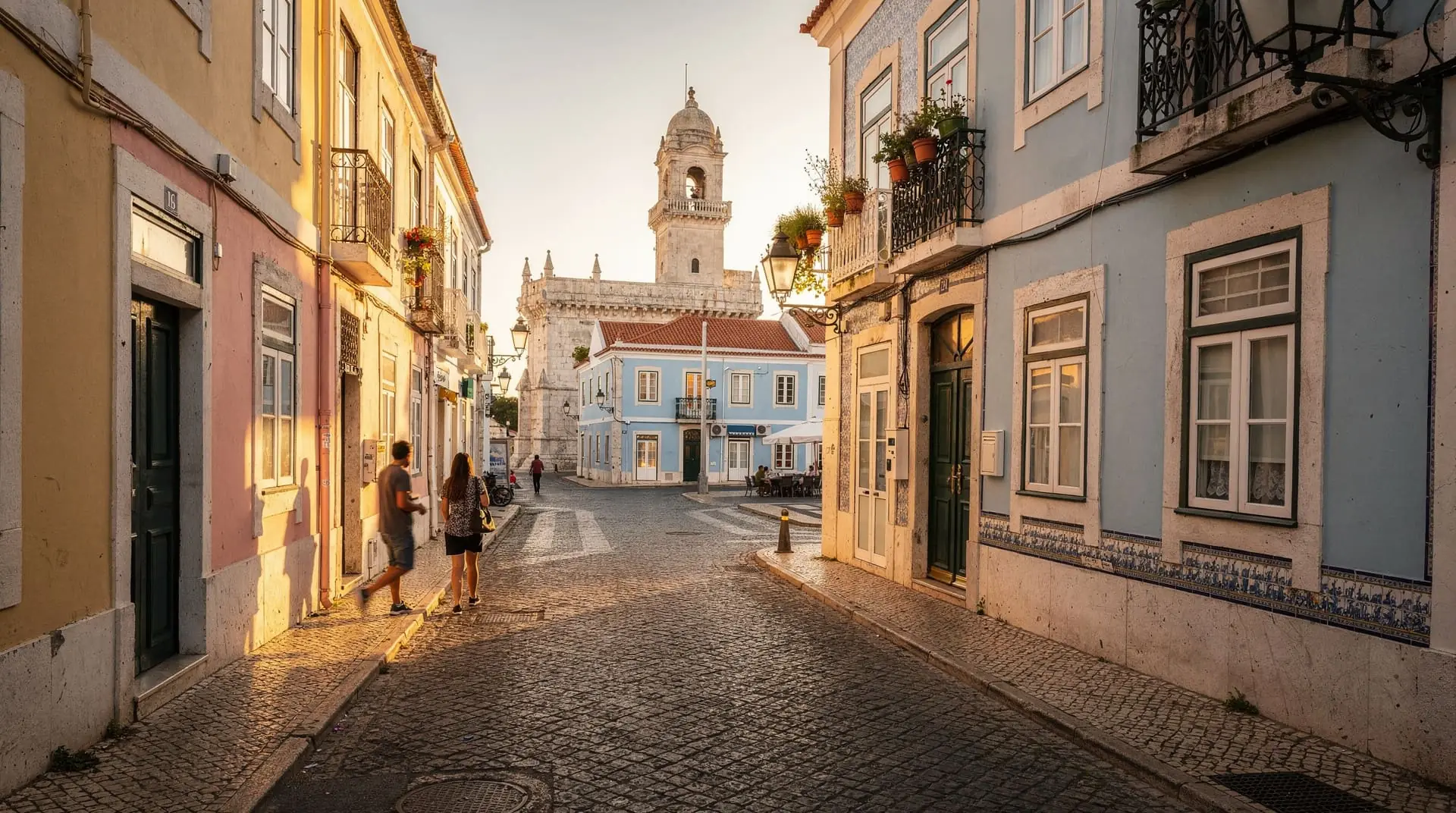
Belém half-day itinerary: Jerónimos, the Tower, MAAT, and pastéis
Plan the perfect half-day in Belém. Tram 15E logistics, Jerónimos Monastery, Belém Tower queues, MAAT gallery, Pastéis de Belém, and where to eat.
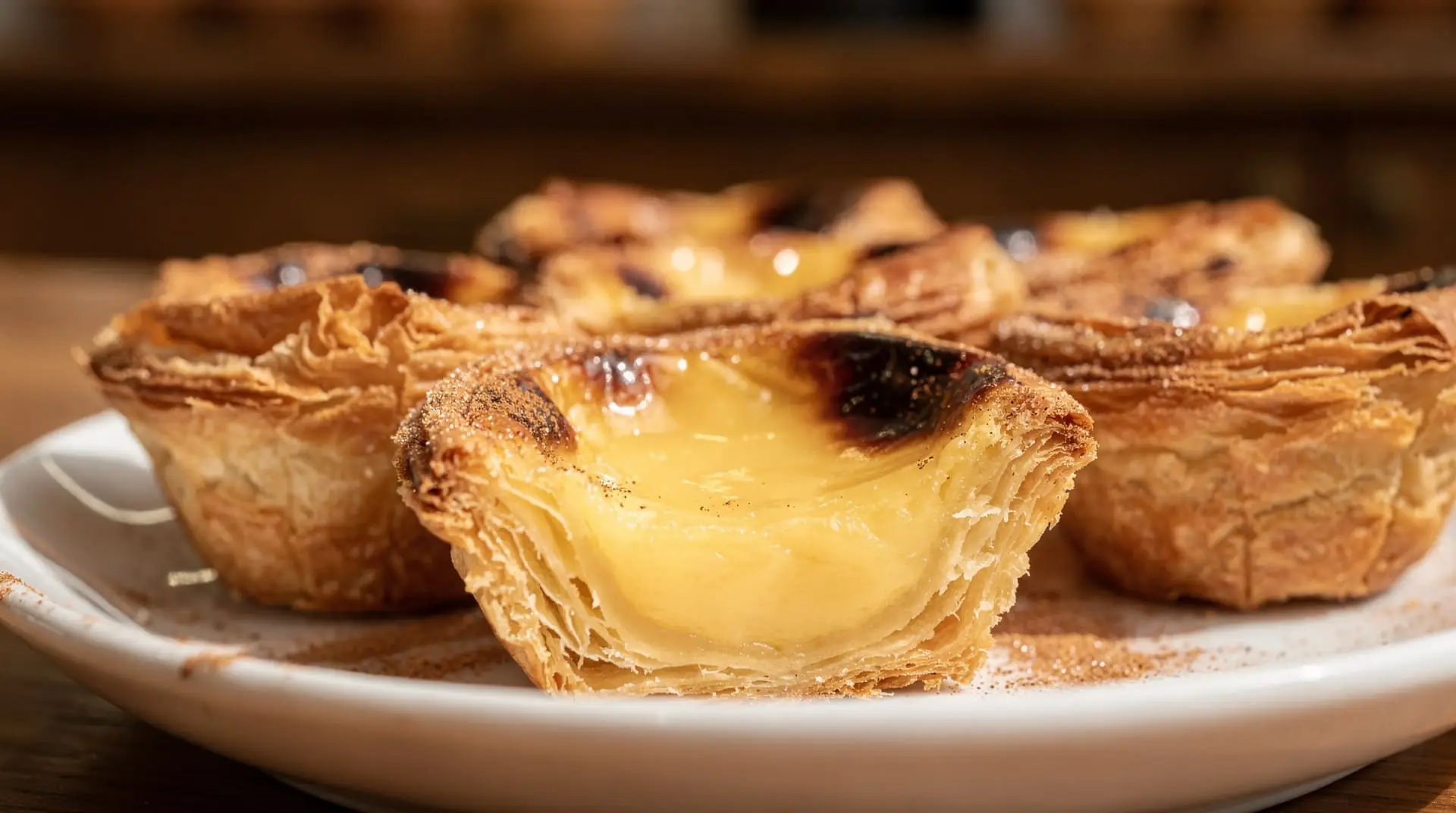
Pastéis de nata: where to eat the best in Lisbon
The honest guide to Lisbon's iconic custard tarts — Pastéis de Belém vs Manteigaria, Aloma, Castro and Fábrica da Nata, with queue strategies.
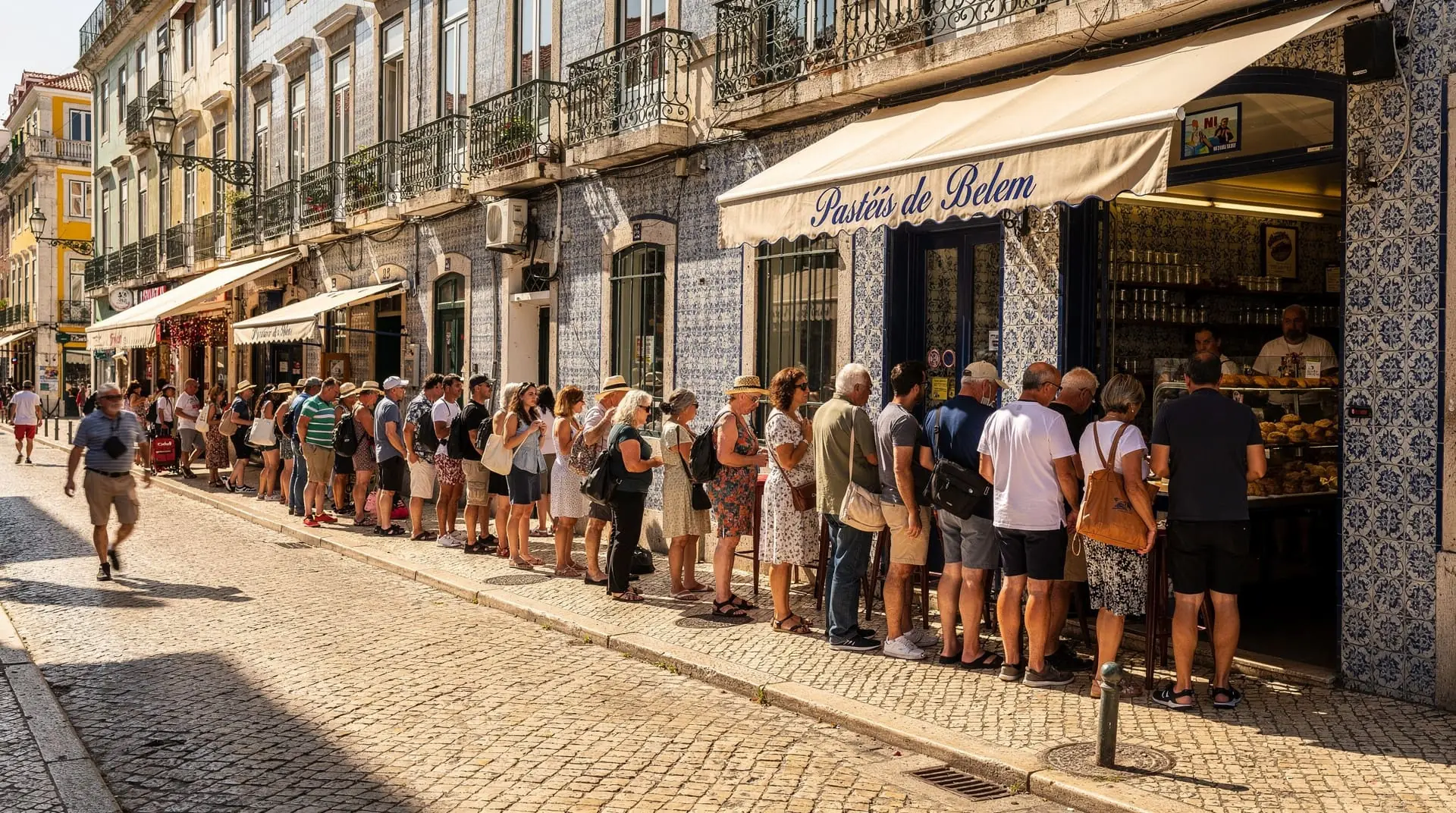
Pastéis de Belém queue: how to beat it and whether it's worth it
The real strategy for the famous Pastéis de Belém custard tart queue — which counter to use, when the wait is zero, and whether Manteigaria is actually better.

Getting from Lisbon airport to the city centre — all options compared
Metro, Aerobus, Uber, taxi: how to get from Humberto Delgado airport to central Lisbon. Real prices 2026, journey times, and scam warnings.