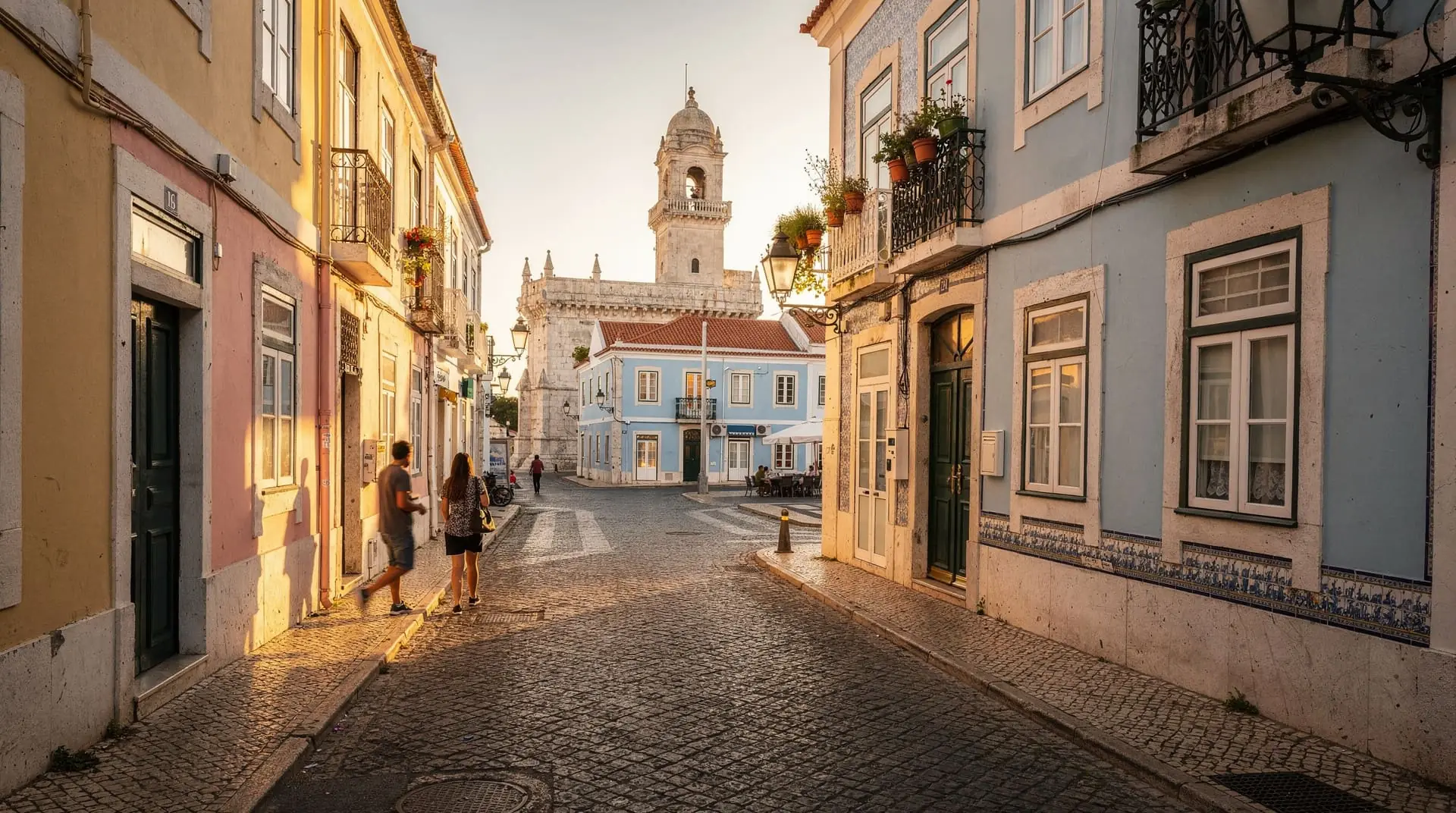
Belém half-day itinerary: Jerónimos, the Tower, MAAT, and pastéis
Last reviewed
How do you get to Belém and how long do you need?
Take Tram 15E from Praça da Figueira or Praça do Comércio — about 20 minutes to the Belém stop, €3 single (Viva Viagem card required). A proper half-day (4-5 hours) covers Pastéis de Belém, the Jerónimos Monastery, and Belém Tower. Add 90 minutes for MAAT or the Coach Museum. Go on a weekday morning to avoid the worst queues.
| Where | 6 km west of central Lisbon, along the Tagus |
| Time needed | 4-5 hours for the core half-day, +90 min for MAAT |
| Cost | Around €25-30/person for tram, monastery, tower, pastéis |
| Getting there | Tram 15E from Praça da Figueira, 20-25 min |
| Best time | Weekday morning, arriving by 9am |
Belém sits 6km west of central Lisbon along the Tagus waterfront. In 1498, Vasco da Gama’s fleet departed from here for the sea route to India — which is why Belém’s two main monuments (Jerónimos Monastery and the Tower of Belém) are built in the extravagant Manueline style, funded by the 5% spice tax on the returning ships. The neighbourhood is now part monument complex, part contemporary museum strip along the riverfront.
This guide gives you the half-day itinerary that actually works — in the right order, with real timing, queue advice, and where to eat.
LX Factory as an add-on
If your half-day runs efficiently and you have energy left, LX Factory is about 15 minutes east of Belém by taxi or a longer walk along the riverfront, and makes a natural extension for an afternoon of browsing shops, murals, and casual dining in a converted industrial complex. It’s a different register from the monument-heavy Belém core — worth it if you want a break from formal sightseeing rather than a fifth attraction to queue for.
Getting there: tram 15E
Take Tram 15E from Praça da Figueira (Baixa) or Praça do Comércio. The tram runs along the waterfront road (Avenida 24 de Julho, then Rua de Belém) and drops you at the Largo dos Jerónimos stop, directly in front of the monastery.
Journey time: 20-25 minutes.
Cost: €3 single if you buy a paper ticket on the tram. €1.99 with a Viva Viagem card loaded with credit (Zapping tariff). The Lisboa Card covers it free. See our Viva Viagem card guide.
Frequency: Tram 15E runs every 10-12 minutes, 6am-1am. It gets crowded from about 10am — stand near the doors, bag in front.
Alternative: Bus 727 from Praça do Comércio (same cost, slightly slower, less atmospheric). Taxi/Uber costs €8-12 from central Lisbon (12-15 minutes without traffic, potentially 25+ minutes with traffic).
Return: Same tram back, or if you’ve visited the MAAT and want to skip east, bus 714 runs from Belém to Cais do Sodré (20 minutes).
The half-day itinerary in order
This sequence is designed around queue management — do the busiest attractions early.
Step 1: Pastéis de Belém (arrive at 9am, before the rush)
Start at Pastéis de Belém (Rua de Belém 84-92, open since 1837). These are the originals — the recipe for pastéis de nata from the Jerónimos monks, sold exclusively here under the “Pastéis de Belém” name (all the other pastelerias in Lisbon sell “pastéis de nata”, a legal distinction).
Eat them fresh: Order at the counter, take them to the blue-tiled dining rooms, dust with cinnamon and sugar at the table. Two pastéis + a coffee costs €4-5. They’re best eaten within minutes of leaving the oven.
Queue reality: By 10:30am on weekends the wait for a table is 20-40 minutes. Arrive at 9am (they open at 8am) and you’ll walk straight in. Or take away from the counter (no wait) and eat outside on the low wall near the monastery.
Honest verdict: They are very good. Worth coming for specifically. The hype is justified. The queue is not — time your arrival correctly.
See our Belém pastéis queue guide for realistic wait times by day and hour.
Step 2: Jerónimos Monastery (9:30-11am)
Walk 2 minutes from Pastéis de Belém to the monastery entrance on Praça do Império.
The Mosteiro dos Jerónimos (1502-1601) is Portugal’s supreme example of Manueline architecture: the south portal is a vertical explosion of carved stonework (maritime ropes, armillary spheres, coral, exotic animals — all from the age of discoveries). The two-storey cloister is one of the most beautiful enclosed spaces in Europe — Gothic arches twisting into Manueline decoration, with a garden of clipped hedges in the centre.
What to see:
- The church (nave and choir) — free to enter
- The cloister — €10 entry (€5 concessions, under 12 free)
- The church contains the tombs of Vasco da Gama and Luís de Camões
- The Maritime Museum (Museu de Marinha) is attached at the west end — separate ticket, worth it only if you’re interested in naval history
Queue: Without pre-booked tickets, the physical queue for the cloister starts building from 10am. Pre-book tickets online (same price as at the door: €10) to use the fast-track entrance. The church (free part) has no queue.
Time needed: 60-90 minutes for church + cloister at a comfortable pace.
Honest tip: The guided audio tour (€3 extra) is above average for a Portuguese monument — it explains the Manueline iconography clearly and is worth it if you care about the architecture. If you’d rather have a live guide walk you through the neighbourhood as well as the monastery, this guided walking tour of Belém with Jerónimos Monastery entry included bundles both into one visit.
Step 3: Praça do Império and the Monument to the Discoveries
After the monastery, the large square in front (Praça do Império) has the fountain and the rose-window axis from the monastery facade. Walk south across the square and the riverside road to reach the Padrão dos Descobrimentos (Monument to the Discoveries), the 1960 concrete sculpture of a ship’s prow with 33 Portuguese figures from the Age of Discovery on the sides. Henry the Navigator leads at the front.
The monument is climbable for €6 (lift + stairs to the top terrace). The view over the Tagus and back to the monastery is excellent. Queue: rarely more than 15 minutes.
Inside the base: a large floor map of the world showing Portuguese exploration routes (included with the €6 entry, surprisingly interesting).
Step 4: Torre de Belém (11am-12pm)
Walk 1km west along the waterfront from the Monument to the Discoveries. The Belém Tower (1516-1519) sits slightly into the Tagus on a narrow rock promontory — it was the ceremonial entrance to Lisbon from the river during the Age of Discovery. The terracotta rhinoceros head on the north bastion (at water level) is one of the earliest European sculptures of a rhinoceros, based on a description of the animal sent to King Manuel I from India.
The tower has six floors accessible via a very steep internal staircase (no lift). The lowest levels are partially flooded during winter high tides. The terrace at the top offers good Tagus views.
Entry: €6 (€3 concessions, under 12 free). Timed tickets recommended in summer.
Queue reality: Without pre-booked tickets on a summer weekend, expect 60-90 minutes in the outdoor queue, in full sun. The tower itself takes 30-45 minutes to visit. Pre-book online (same €6 price). The Lisboa Card includes both Belém Tower and Jerónimos at no extra cost — at €22 for 24h, it pays off if you’re visiting both.
Honest verdict: The exterior and setting are magnificent. The interior is quite modest — six small rooms plus battlements. People often feel the queue-to-experience ratio is poor. If you’ve already pre-booked, go. If not: see it from the outside (stunning) and skip the interior if there’s a 60+ minute queue.
Belém Tower fast-track entry ticket — skip the outdoor queueStep 5: Lunch in Belém (12:30-1:30pm)
If it’s a Sunday, note that LX Factory’s popular flea market runs mid-morning to mid-afternoon and can be paired with a later Belém visit instead of an earlier one — check the schedule before committing to the standard 9am start if a Sunday market visit is a priority for you.
Antiga Casa dos Pastéis (Rua de Belém 84): if you didn’t have pastéis before, now is the time for a take-away box.
Restaurant Os Jerónimos (Rua de Belém 74): Traditional Portuguese lunch — grilled fish, arroz de marisco, bacalhau. €15-22 for a main. Tourist-adjacent but honest food, no performance pricing.
Quiosque Parque de Belém: The kiosk in the park between the monastery and the river does sandwiches, soup, and drinks at standard prices (not tourist-inflated). Good option for a light lunch before MAAT.
Step 6 (optional): MAAT — Museum of Art, Architecture, and Technology
The MAAT (built 2016, designed by EDP Foundation and architect Amanda Levete) sits on the waterfront east of the Monument to the Discoveries — about 15 minutes’ walk from Belém Tower, or a short taxi.
Why go: The building itself — a low curved form clad in ceramic tiles, walkable roof — is architecturally exceptional. The contemporary art and technology exhibitions rotate regularly and tend to be more interesting than many Lisbon museums. The rooftop view of the Tagus and the 25 de Abril bridge is free.
Entry: €5 (Lisboa Card: not included — separate payment).
Time needed: 60-90 minutes.
MAAT Gallery and Central entry tickets — contemporary art on the Tagus waterfrontThe half-day at a glance
| Time | Stop | Duration |
|---|---|---|
| 9:00 | Pastéis de Belém | 20-30 min |
| 9:30 | Jerónimos Monastery | 60-90 min |
| 11:00 | Monument to the Discoveries | 20-30 min |
| 11:30 | Torre de Belém | 45-60 min |
| 12:30 | Lunch | 45-60 min |
| 13:30 | MAAT or Coach Museum (optional) | 60-90 min |
National Coach Museum: if you have more time
The Museu Nacional dos Coches (Praça Afonso de Albuquerque, opposite the monastery) houses the world’s largest collection of royal coaches — 70+ vehicles from the 17th-19th centuries, including some of extraordinary gilded excess. The 2015 building designed by Paulo Mendes da Rocha is also architecturally significant.
Entry: €8 (Lisboa Card: €4.80, or free for under 12). Allow 45-60 minutes.
Honest verdict: More interesting than it sounds. The later baroque coaches are genuinely spectacular — floor-to-ceiling painted panels, gilded figures, velvet upholstery from the reigns of João V and José I.
If you’re visiting with kids
Belém is one of the more manageable Lisbon neighbourhoods for families: it’s flat, has open green spaces around the monastery, and the Monument to the Discoveries lift is a novelty most children enjoy. The tower’s steep internal spiral staircase is genuinely difficult with a stroller or very young children — consider skipping the interior and admiring it from outside instead. Budget extra time for pastéis breaks, which double as a natural pacing mechanism for a family day.
Practical tips
Order of priority: Pastéis de Belém + Jerónimos (arrive 9am) → Tower of Belém → MAAT or Coach Museum. If time is tight, drop MAAT (full day another time) or drop the Tower interior if the queue is over 45 minutes.
Lisboa Card: At €22/24h it covers Tram 15E, Jerónimos cloister (€10 value), Belém Tower (€6), and several smaller museums. Worth calculating against your itinerary — see the Lisboa Card calculator.
Weekday mornings: Best time overall. Weekends before 10am are manageable. Avoid weekday afternoons in school term (groups from 9am-12pm) and Saturday afternoons in summer.
The waterfront walk: Between the Monument to the Discoveries and the Tower (1km) is a pleasant flat waterfront promenade — good for walking off pastéis. The view across the Tagus is wide and unobstructed. If Belém’s spread-out sites feel like a lot of ground to cover on foot, this guided e-bike tour of Belém covers the same stretch with a guide and a lot less walking.
Parking: If you’re driving, there are paid car parks near the monastery (€1.50-2/hour). The drive from central Lisbon is 15-20 minutes via the riverside road — no hills. See our driving and parking in Lisbon guide.
See also: Lisbon 1-day itinerary for how Belém fits a short visit, and our full Jerónimos Monastery guide for deeper historical context.
Related guides
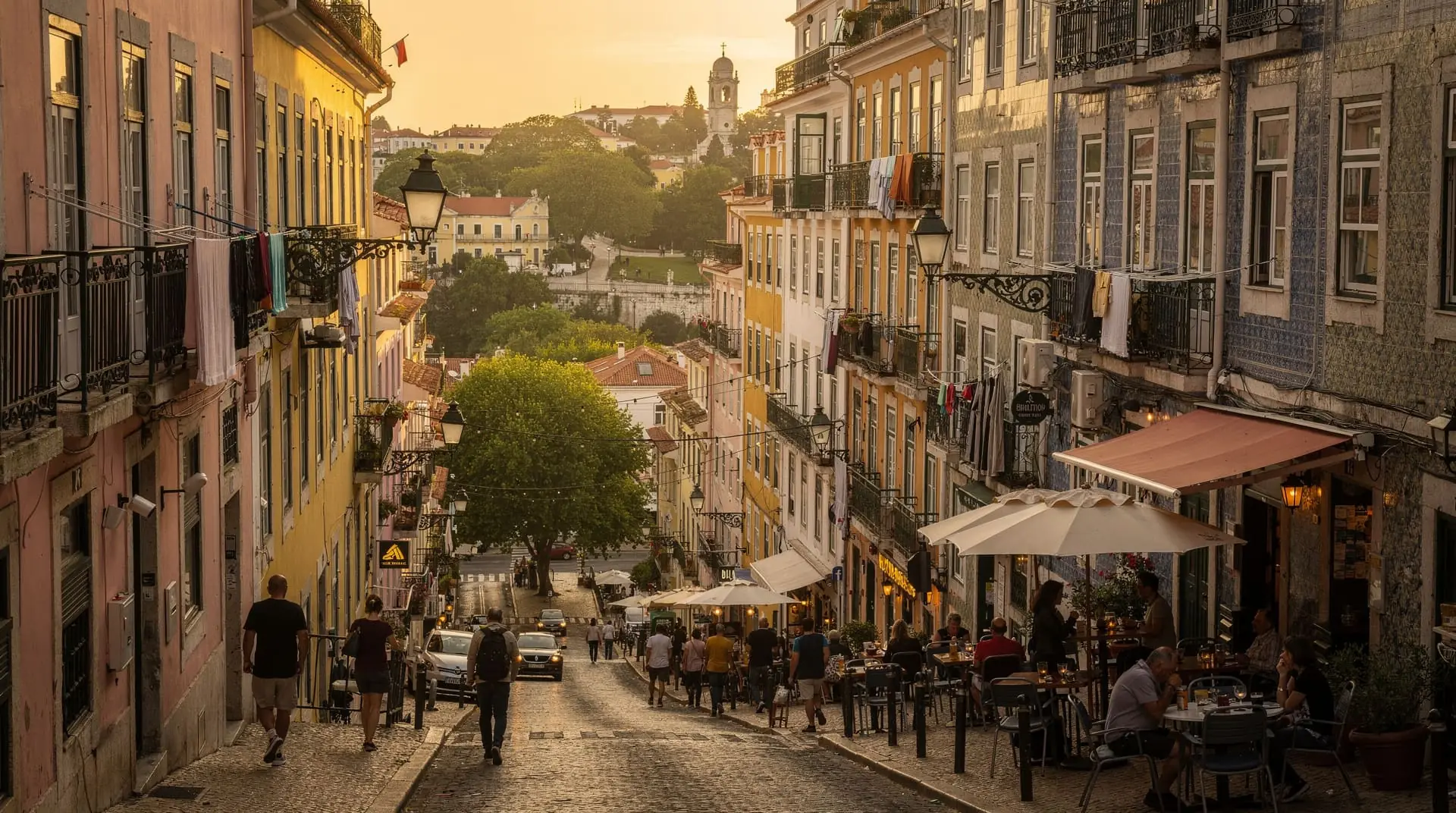
Bairro Alto: day life, nightlife, and the Príncipe Real transition
Bairro Alto by day: vintage shops, fado houses, and Chiado walks. By night: Lisbon's densest bar strip. Honest guide with no tourist-trap bars.
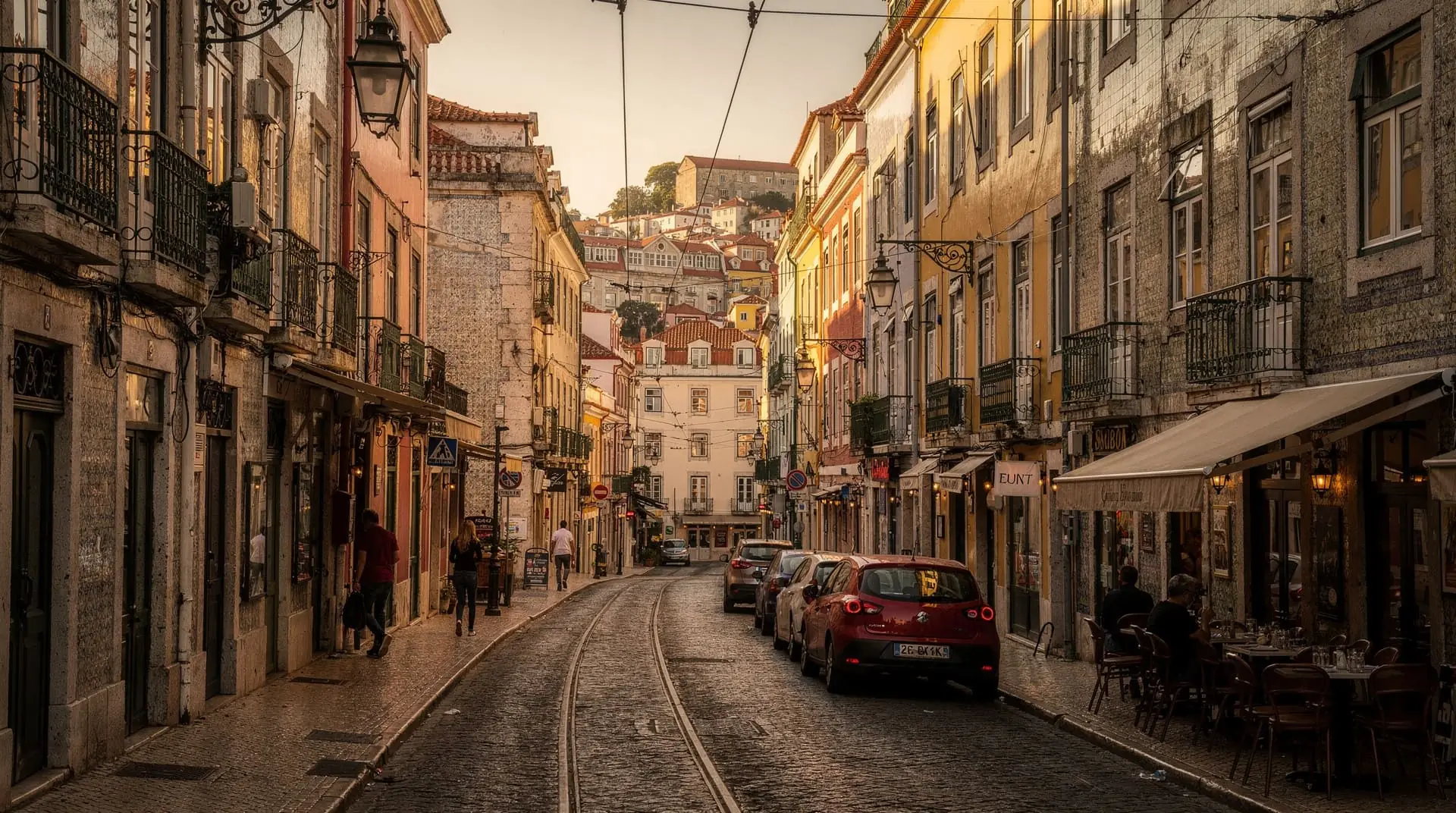
Baixa and Chiado: the complete neighbourhood guide
Navigate Lisbon's Pombaline grid, Rua Augusta, Santa Justa lift, Praça do Comércio, and Chiado's bookshops. Logistics, prices, and honest tips.
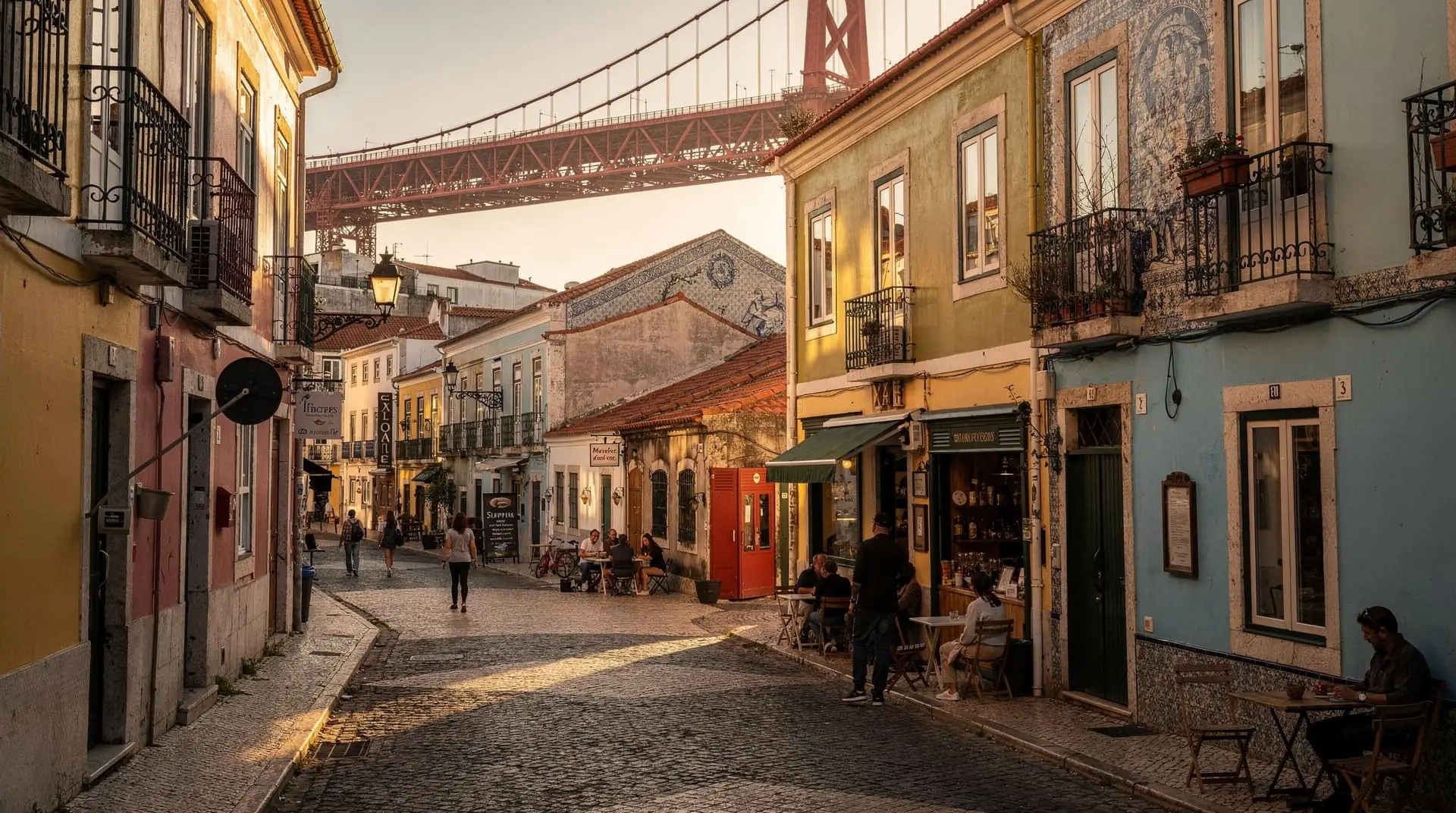
LX Factory: Alcântara's creative complex under the bridge
LX Factory in Alcântara: Ler Devagar bookshop, Sunday market, brunch spots, weekend nightlife, and the 25 de Abril bridge overhead. Everything to know.
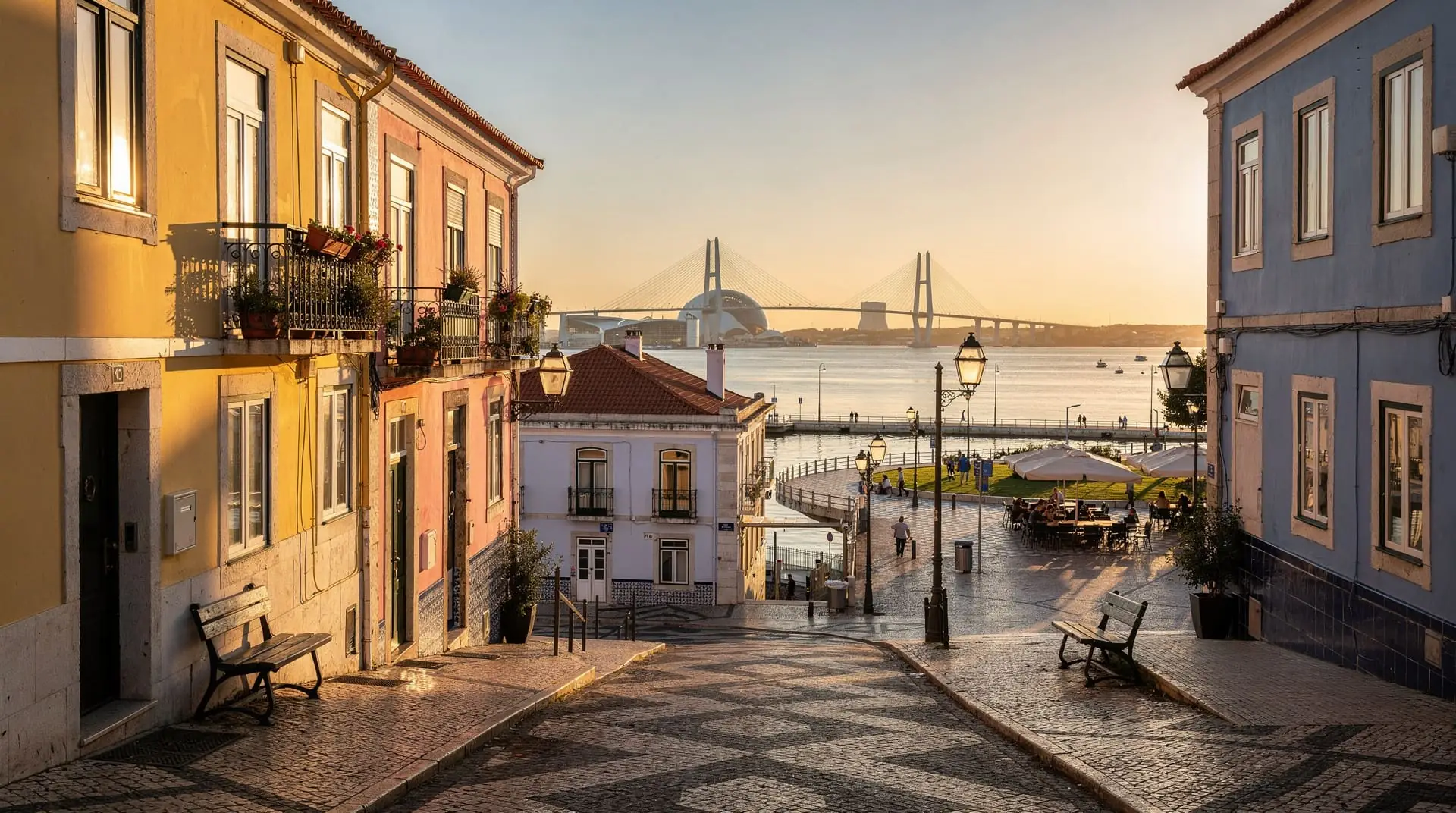
Parque das Nações: Expo '98 district, Oceanário, and the Vasco da Gama bridge
Parque das Nações was built for Expo '98 and remains Lisbon's most contemporary quarter. Oceanário, Telecabine, casino, Vasco da Gama bridge views.
Ready to book? Top tours for this guide
We earn a small commission if you book through GetYourGuide — at no extra cost to you. Every tour is hand-picked and verified.
Lisbon: 48-Hour Hop-On-Hop-Off Bus Tour and Oceanarium Entry
Lisbon: MAAT Entry Ticket & Dolphin Watching Boat Tour
Lisbon: Alfama, Mouraria Walking Tour with Fado Night, Tapas
Lisbon: Hop-On Hop-Off Bus Tour
Lisbon: 1-or 2-Day Hop-On Hop-Off Bus Tour