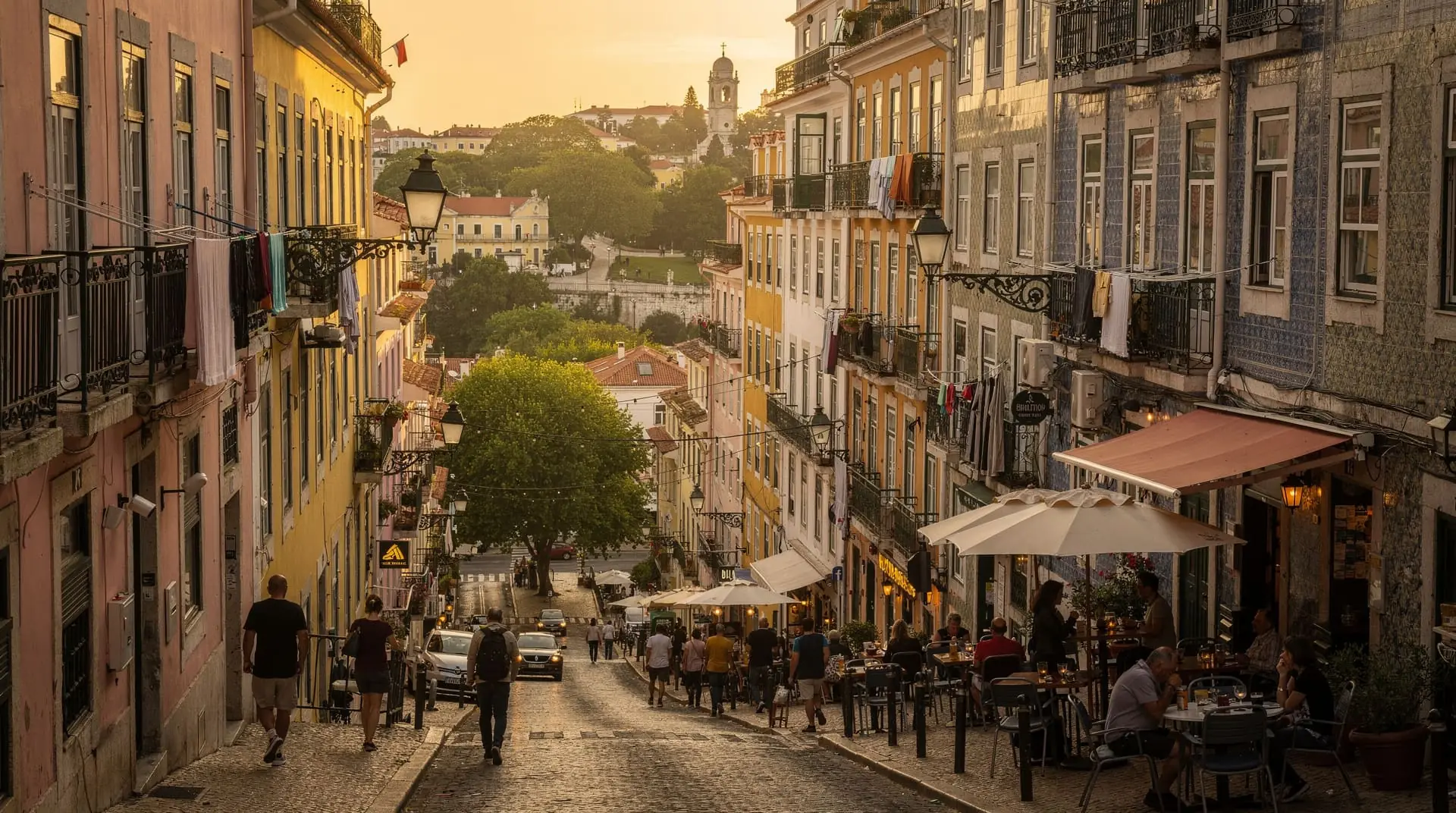
Bairro Alto: day life, nightlife, and the Príncipe Real transition
Last reviewed
What is Bairro Alto best known for, and when should you visit?
Bairro Alto is best known for its bar scene — on Friday and Saturday nights, 10,000+ people crowd into three dozen bars on Rua do Norte, Rua da Atalaia, and Rua do Diário de Notícias. By day it's a quieter neighbourhood of indie boutiques, vintage shops, and genuine fado houses. Visit in the morning for shopping and coffee, return after 10pm for the bars. The afternoon gap (3-8pm) is dead.
| Where | Hilltop above Chiado, west of Baixa |
| Day hours | 10am-6pm, shopping and fado casa prep |
| Night hours | 10pm-3/4am, bar scene peaks midnight-2am |
| Dead zone | 3pm-8pm, almost everything closed |
| Getting there | Elevador da Glória funicular, €3.80, or 10-min walk from Baixa-Chiado |
Bairro Alto occupies a flat-topped hill above Chiado and has been Lisbon’s counter-cultural quarter for four centuries. In the 16th century it was where the printing presses operated; by the 19th century it was the newspaper and theatre district; through most of the 20th century it was bohemian — artists, intellectuals, the underground press during the Salazar years. Now it’s bars, vintage shops, and a handful of authentic fado houses surviving between the touristy ones.
The key to Bairro Alto is timing. The neighbourhood runs on two completely different schedules.
Getting there
From Baixa-Chiado station (Métro, Linha Verde/Azul): walk uphill on Rua do Carmo (10 minutes) or take the Elevador da Glória (funicular, Calcada do Gloria near Restauradores — €3.80 one way) to reach the top of the neighbourhood directly. The Gloria funicular runs 7:15am-11:55pm Mon-Fri, 9:15am-11:55pm Sat-Sun.
Elevador da Bica: Another funicular option, from Rua de São Paulo (near Cais do Sodré) up to Bica/Bairro Alto. €3.80 one way. Famous for Instagram photos of the tram descending into the narrow lane.
Taxi/Uber: Drop on Rua do Norte or Largo do Camões. From Alfama, about €5-6, 5 minutes.
From Cais do Sodré: Walk north up Rua de São Paulo, continue up Rua Nova do Carvalho (Pink Street), and take any staircase uphill. 15 minutes.
Bairro Alto by day
The daytime neighbourhood runs from about 10am to 6pm. This is when the vintage shops and boutiques open, when it’s pleasant to wander without the crowds, and when the authentic fado casas start getting ready for the evening.
Shopping: the best of the boutique streets
Rua do Norte is the spine for daytime shopping. It has the highest density of independent shops — vintage clothing, Portuguese ceramics, record shops, design boutiques. Key stops:
- El Dorado (Rua do Norte 23): best vintage shop in the neighbourhood. Curated 1970s-80s clothing, decent prices for Lisbon.
- Outra Face da Lua (Rua da Assunção 22, slightly south): eclectic vintage — furniture, records, clothing, ceramics all mixed together.
- Livraria Ler Devagar (LX Factory, not in Bairro Alto itself — see the LX Factory guide).
Rua da Atalaia has a slightly more residential feel; some of the best no-name vintage shops are here, with lower prices because the signage is minimal.
Príncipe Real (see below) has the upscale boutiques — Portuguese designers, antique dealers, Embaixada concept store.
Viewpoints from Bairro Alto
Miradouro de São Pedro de Alcântara: At the top of the Glória funicular, this terraced garden overlooks the Alfama hill and the castle. The tiled panorama map at the top of the upper terrace identifies every building in the view. Free, always open. Best in early morning or late afternoon. Far less crowded than Portas do Sol.
Miradouro de Santa Catarina (Adamastor): Walk south down Rua Marechal Saldanha to this larger terrace with a view over the Tagus and the 25 de Abril bridge. Younger crowd — guitarists, food trucks, sunset gatherings. Free.
See our best Lisbon viewpoints guide for the full circuit.
Coffee and lunch
A Brasileira (Rua Garrett 120, technically Chiado but functionally adjacent): see the Baixa-Chiado guide. Historic café, good bica, Fernando Pessoa statue outside.
Cantina LX (LX Factory, for lunch if you’re combining with that area): popular weekend brunch spot.
Taberna da Rua das Flores (Rua das Flores 103): petiscos at a handwritten menu, the server recites the day’s options. €20-25/person. No reservations.
Day versus night, compared
| Daytime (10am-6pm) | Nighttime (10pm-3am) | |
|---|---|---|
| Atmosphere | Quiet, residential, browsing | Loud, dense crowds, street becomes venue |
| What’s open | Vintage shops, cafés, viewpoints | Bars, fado casas (from 6-8pm) |
| Best for | Shopping, coffee, photography | Bar-hopping, fado, socialising |
| Crowd | Locals, a few tourists | Mixed locals and tourists, denser on weekends |
The transition to Príncipe Real
Walk north from Bairro Alto on Rua Dom Pedro V and you enter Príncipe Real — a distinct neighbourhood, calmer and more expensive than Bairro Alto, with a different clientele. The distinction is genuinely architectural: Príncipe Real has wider streets, grander palaces, and larger plane trees.
Jardim do Príncipe Real: The central square-garden (not a park — an elegant garden with a large cedar tree providing shade). Antique market on Saturdays (8am-2pm). Surrounded by restaurants and the gay-friendly bar scene that extends through Príncipe Real.
Embaixada (Praça do Príncipe Real 26): A Moorish Revival palace converted into a concept store — 25 Portuguese designer brands under one roof, everything from ceramics to clothing to gin. The building is worth seeing even if you don’t buy.
Chocolataria Equador (Rua da Escola Politécnica 4): serious single-origin chocolate shop, hot chocolate worth the detour.
Solar (Rua Dom Pedro V 68-70): Portuguese antiques. Azulejos tiles for sale — original 18th-19th century panels from demolished buildings, priced €40-300+ depending on condition and age.
Rainy day alternative
Bairro Alto’s daytime appeal depends heavily on being outdoors and browsing — wet weather makes the narrow streets less pleasant and pushes the nighttime crowd indoors into cramped bars. On a rainy day, prioritise the fado casas (an indoor activity regardless of weather) and the Carmo Convent ruins nearby in Chiado, saving the street-level bar-hopping for a drier evening if your schedule allows flexibility.
Fado houses in Bairro Alto: the real ones
Most of the authentic fado casas in Lisbon are actually in Bairro Alto, not Alfama. The ones worth your time:
Tasca do Chico (Rua do Diário de Notícias 39): The gold standard for fado vadio (amateur singers joining a session, no set programme). Eight tables, standing overflow, always full. No reservations — arrive by 7:30pm (doors open 6pm). Cash only, table minimum around €15 (wine, petiscos). The atmosphere is the opposite of a tourist show: regulars, silence when the singing starts, genuine emotion.
O Faia (Rua da Barroca 54): More polished casa, established 1947. Fixed set menu (€55-70 with dinner), professional singers including some big names. Reservations essential.
Adega Machado (Rua do Norte 91): Mid-range between tourist and authentic. Dinner from €45, starts at 8pm. More accessible than O Faia, less raw than Tasca do Chico.
Avoid the tourist traps: Any place near Rossio advertising “FADO DINNER TONIGHT” on an A4 sheet, or with a man outside trying to hand you a flyer. These run €55-80 set menus with performers who are professional but detached, performing for coach groups.
Walking tour of Alfama and Mouraria with authentic fado night and tapasFor the full breakdown, read our fado house comparison guide and honest guide to fado dinner shows.
Bairro Alto by night
The neighbourhood transforms completely after 10pm. The bar scene here is unlike anywhere else in Lisbon — not a party district with clubs, but a mosaic of small bars (capacity 30-60 people) that all open their doors onto the streets. By midnight the street becomes the venue; people stand outside, drinks in hand, shouting conversations over the general noise.
The main streets: Rua do Norte, Rua da Atalaia, Rua do Diário de Notícias, Rua da Barroca. They form a rough grid and you walk between bars — one drink here, one there. Nobody checks IDs at doors for entry (though bars can refuse service to visibly drunk people, rarely happens).
Opening times: Bars open 10pm-ish, peak 11:30pm-2am, wind down by 3-4am on weekends.
The tourist-trap bars to avoid: Any bar with neon “SHOTS” signs or a person outside offering free entry. These operate on a bait model — free or cheap shots to get you in, then overpriced drinks. The markup on standard beer goes from €2-3 in a normal bar to €5-7 in these. They’re easy to spot: they look slightly different from the neighbourhood bars (brighter, louder music, less Portuguese clientele).
For the full nightlife strategy, read our dedicated Bairro Alto nightlife guide.
Bairro Alto nightlife tour with drinks includedWhere to stay if you want to be close to it all
Staying in or right next to Bairro Alto puts you within a 5-minute walk of both the daytime shops and the nightlife, but expect noise until 3-4am on weekends even with good hotel soundproofing — bring earplugs regardless of what the listing promises. A calmer alternative that still keeps Bairro Alto within a 10-15 minute walk is Baixa or Chiado, which quiets down earlier and has a wider choice of accommodation types. See the where to stay in Lisbon guide for the full neighbourhood comparison.
Practical tips
The dead zone (3-8pm): Bairro Alto is genuinely quiet in mid-afternoon. The vintage shops close or reduce hours, the fado houses are shuttered, the bars won’t open for hours. If you arrive between 3pm and 8pm, walk through and continue to Chiado or take the funicular down to Cais do Sodré.
Weather and outdoor drinking: The outdoor bar scene works from May to October. In November-March, the crowd moves inside the small bars, which get packed and sweaty.
Transport after midnight: After 1am, getting a taxi from Bairro Alto to your hotel is difficult if you rely on street hailing — the streets are narrow and busy. Book via Uber or Bolt (€5-8 to most city-centre hotels, 3-4 minute wait). The night buses (Linha Noturna) cover the area but are infrequent after 2am.
Noise from accommodation: If you’re staying in Bairro Alto, bring earplugs. The streets are narrow, the bars loud, and it doesn’t quiet down until 3-4am on weekends. Hotels in the neighbourhood know this and offer rooms on upper floors or interior-facing rooms.
Combining with other neighbourhoods
Morning route: Start at Miradouro de São Pedro de Alcântara (Glória funicular), browse vintage shops on Rua do Norte, coffee at A Brasileira.
Chiado connection: Descend to Chiado via Rua do Carmo for bookshops and lunch. Return for fado at 8pm.
Príncipe Real loop: Walk north to Embaixada and the gardens for mid-morning, then cut back south through Bairro Alto for evening.
Pink Street connection: Descend from Bairro Alto via the Bica funicular to Cais do Sodré and Pink Street for a different nightlife experience — see our Pink Street guide.
Full itinerary integration in our Lisbon first-timer guide and 2-day Lisbon itinerary.
Related guides
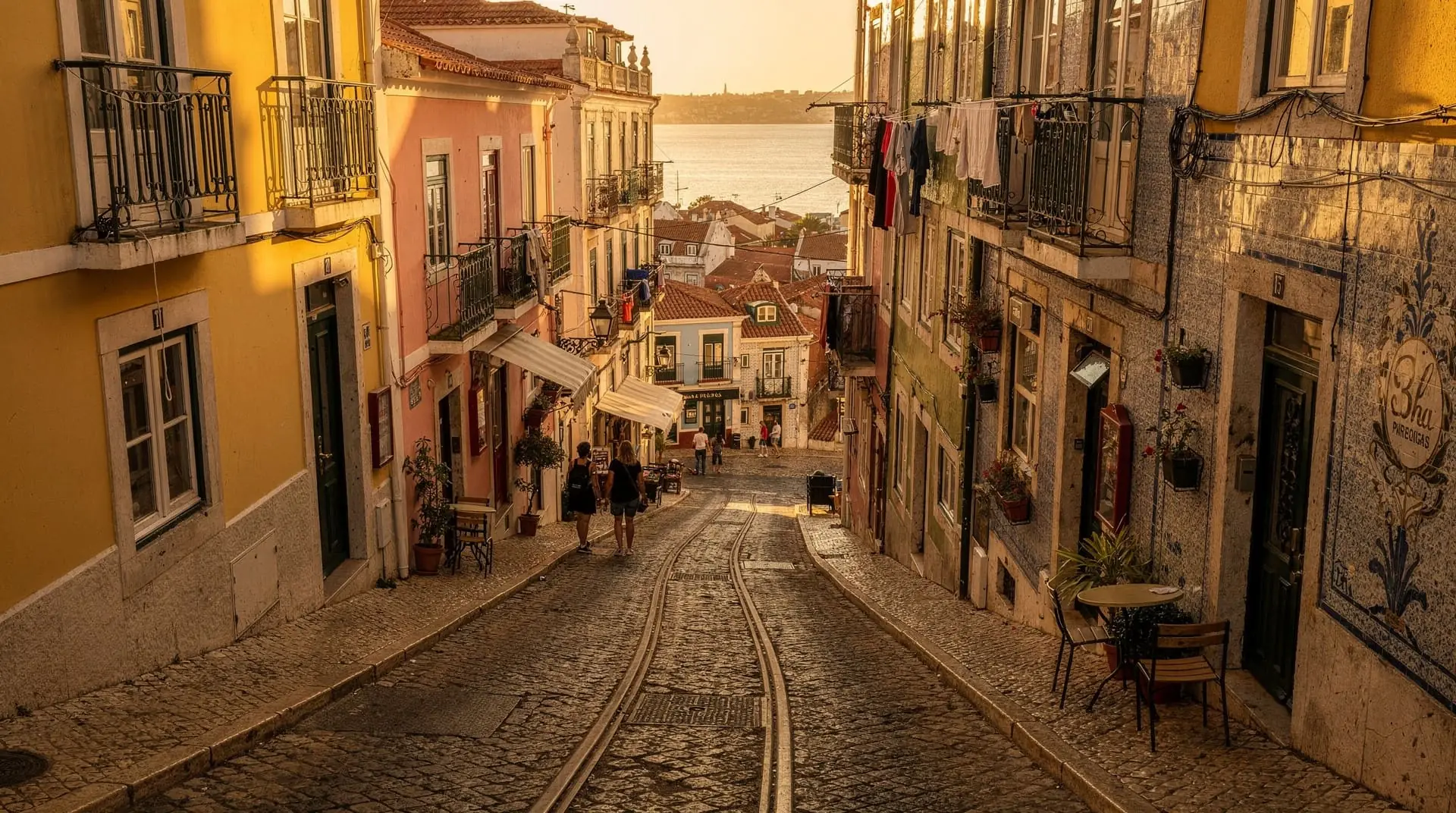
What to do in Alfama: the complete walking guide
Explore Alfama on foot: fado houses, the Sé cathedral, miradouros, and tile-covered alleys. Real routes, honest tips, and no tourist traps.
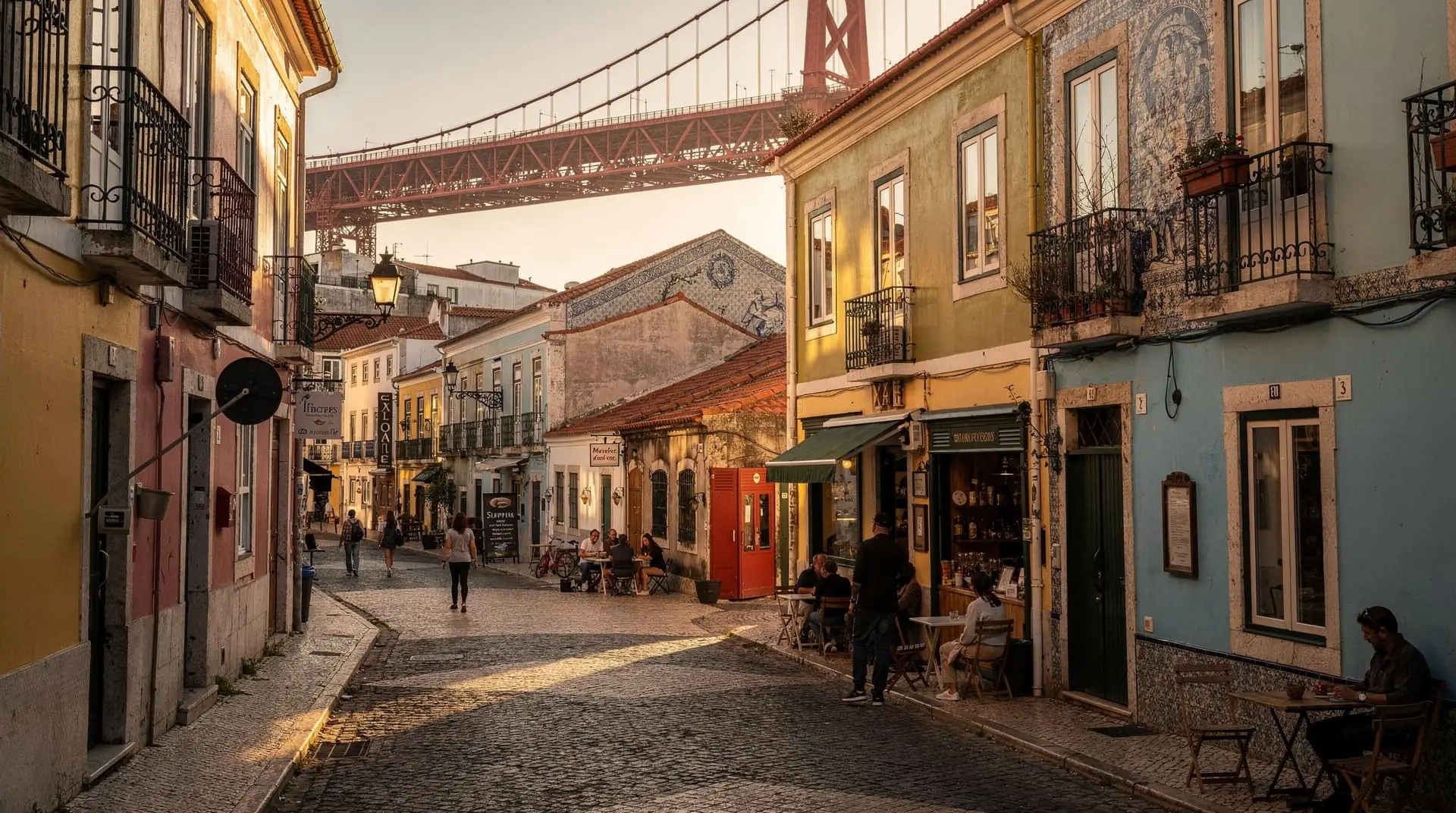
LX Factory: Alcântara's creative complex under the bridge
LX Factory in Alcântara: Ler Devagar bookshop, Sunday market, brunch spots, weekend nightlife, and the 25 de Abril bridge overhead. Everything to know.
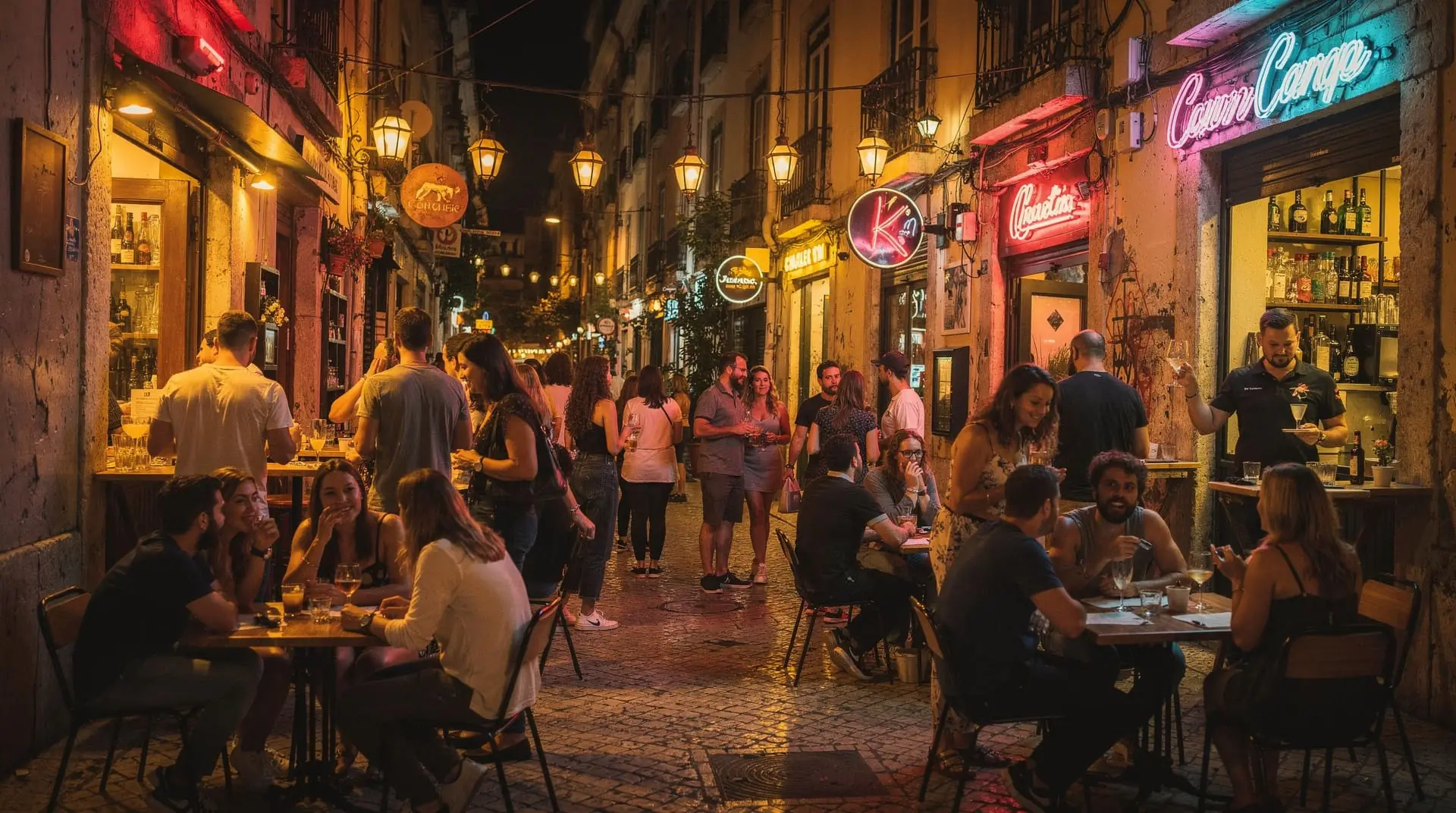
Bairro Alto nightlife: the complete bar-hop guide
Honest guide to Bairro Alto's bar scene. Best streets, what to drink, which bars to avoid, timing, and how to do the neighbourhood without getting scammed.
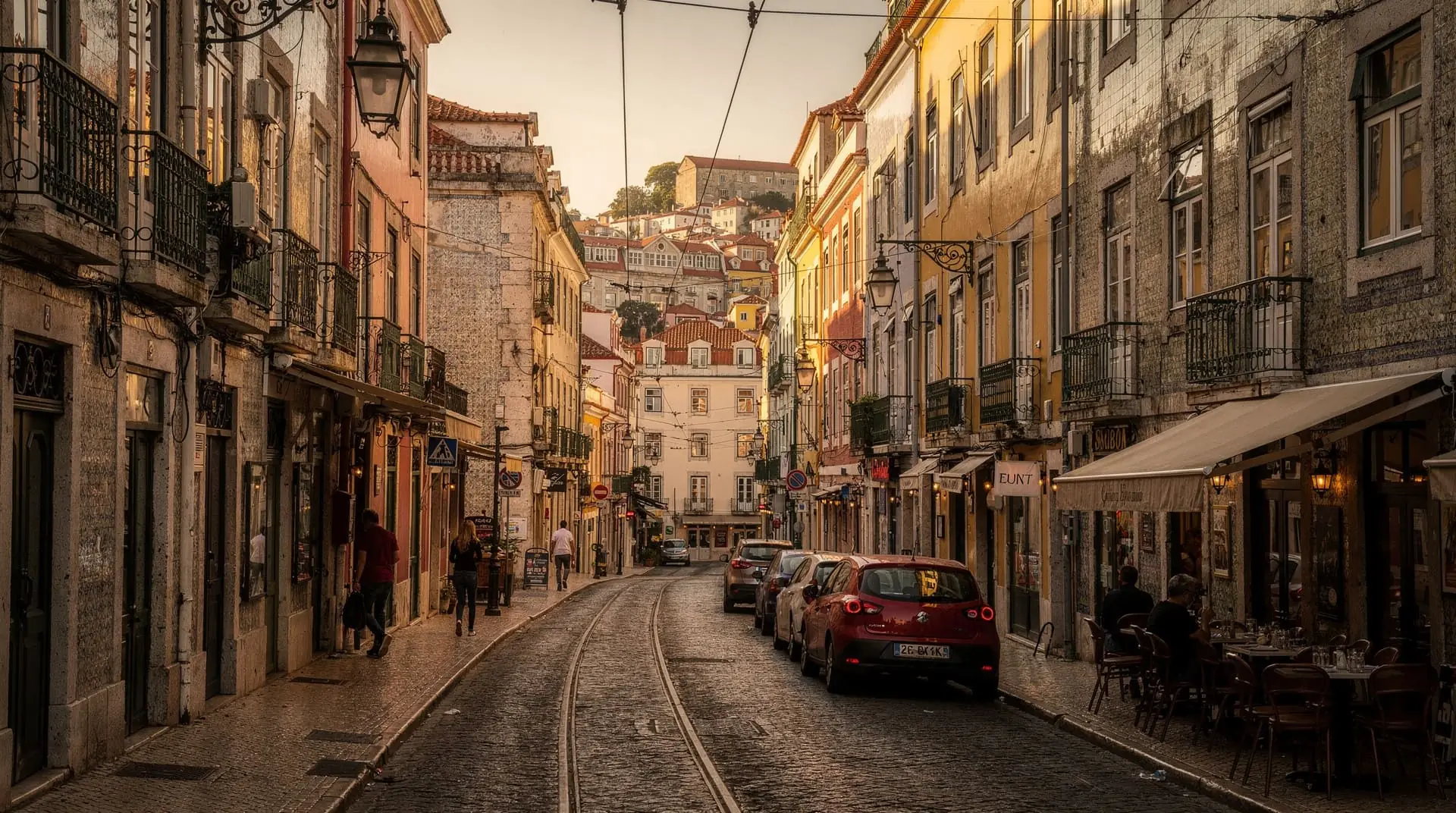
Baixa and Chiado: the complete neighbourhood guide
Navigate Lisbon's Pombaline grid, Rua Augusta, Santa Justa lift, Praça do Comércio, and Chiado's bookshops. Logistics, prices, and honest tips.
Ready to book? Top tours for this guide
We earn a small commission if you book through GetYourGuide — at no extra cost to you. Every tour is hand-picked and verified.
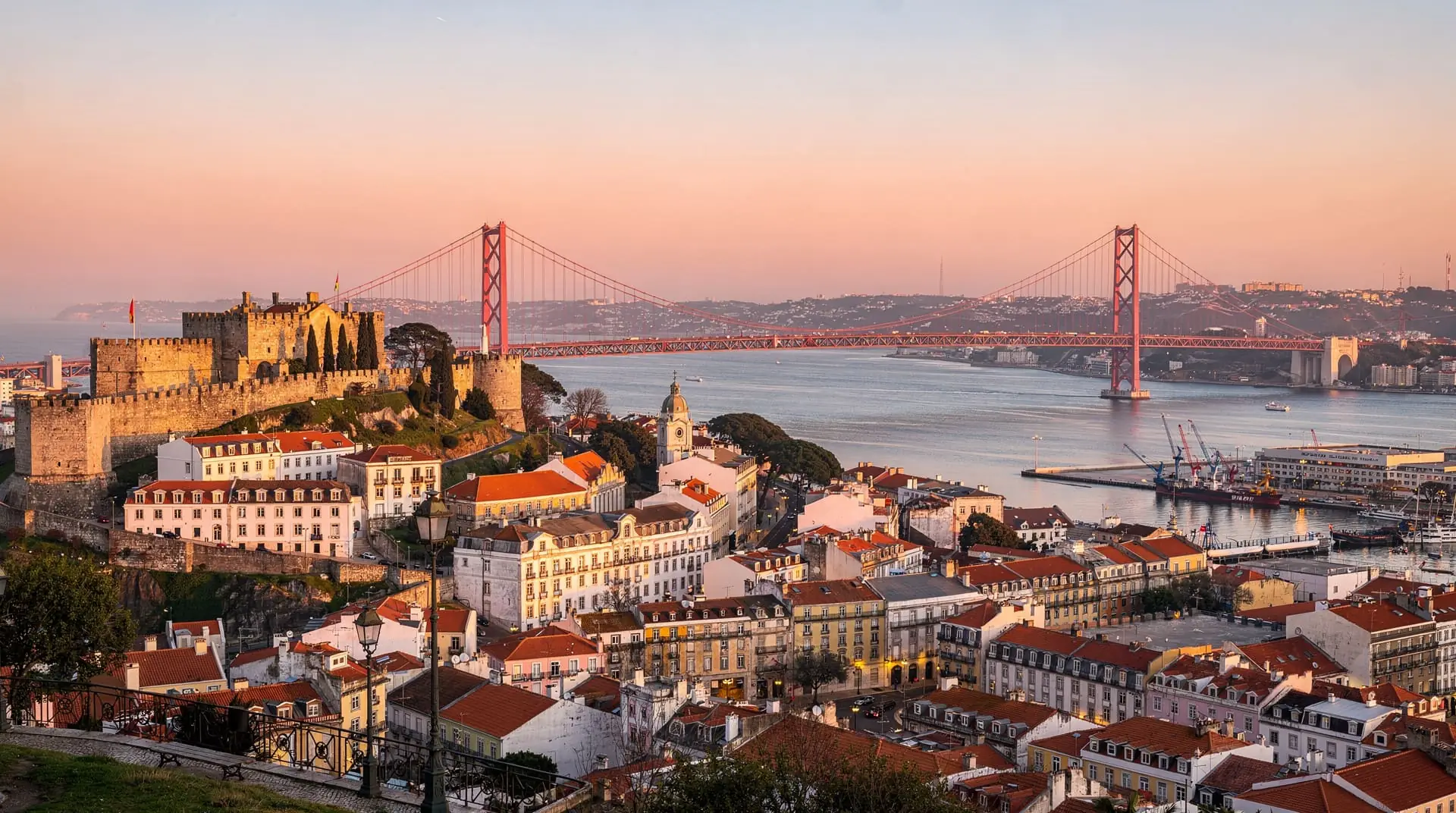
Lisbon: 48-Hour Hop-On-Hop-Off Bus Tour and Oceanarium Entry
Lisbon: MAAT Entry Ticket & Dolphin Watching Boat Tour
Lisbon: Alfama, Mouraria Walking Tour with Fado Night, Tapas
Lisbon: Hop-On Hop-Off Bus Tour
Lisbon: 1-or 2-Day Hop-On Hop-Off Bus Tour