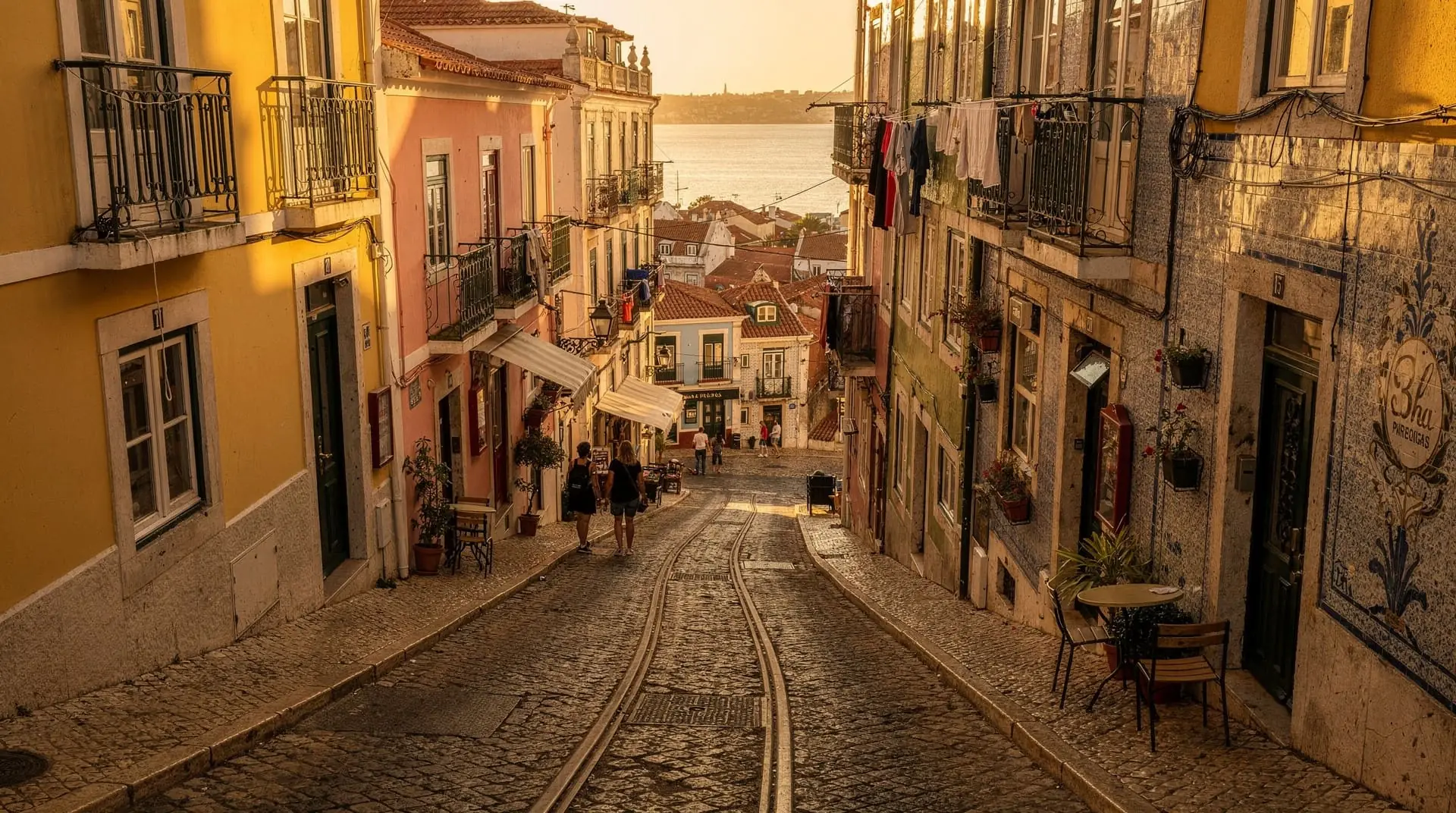
What to do in Alfama: the complete walking guide
Last reviewed
How long do you need to explore Alfama properly?
A half-day (3-4 hours) covers the core circuit: Sé, São Jorge Castle, Portas do Sol, Miradouro da Graça, and a wander through the residential lanes. Add a full evening if you want a fado dinner and the atmospheric late-night alleys. Combine morning exploration with lunch, then fado at around 8-9pm.
Alfama is Lisbon’s oldest surviving quarter — the only part of the city that the 1755 earthquake left largely intact. Its Moorish street plan pre-dates the Portuguese conquest of 1147: alleys so narrow that laundry can be passed between windows, staircases that count as streets, and viewpoints that appear without warning at the end of dead-ends. It is also the birthplace of fado, and on any given evening you’ll hear a guitarra portuguesa drifting from a ground-floor casa.
This guide gives you a real walking circuit — with logistics, honest advice on what’s worth your time, and what to skip. Prefer to explore with a local rather than navigating the lanes alone? A guided walking tour through Alfama’s old quarter covers the same ground with context along the way.
| Where | East of Baixa, below São Jorge Castle |
| Cost | Free to walk; Sé cloister €3, Castle €15, Museu do Fado €5 |
| Time needed | 3-4 hours for the core circuit; add an evening for fado |
| Getting there | Tram 28, metro to Martim Moniz + walk, or taxi to the Sé |
| Best time | 8-10am or after 6pm; avoid 11am-4pm on weekends |
Getting to Alfama
Tram 28 is the romantic option. You board at Martim Moniz or Rua da Conceição (Baixa) and ride uphill to Portas do Sol or further to Graça. It’s slow, packed, and pickpocket-heavy — keep your bag in front. As a pure transport tool it works; as a sightseeing ride it’s overrated (the windows are filthy, the crowd is dense). See our tram 28 guide for what to watch.
Métro + walk: Linha Verde to Martim Moniz, then walk east along Rua da Mouraria or up through the Mouraria steps. Takes about 8 minutes on foot to reach the Sé.
Taxi / Uber / Bolt: Drop off at the Sé (Largo da Sé) or Portas do Sol. From the city centre it’s under €5, takes 4 minutes. Worth it early morning when the tram isn’t running.
On foot from Baixa: From Praça do Comércio, walk east along the waterfront (Rua do Arsenal), then cut uphill on any staircase. The walk from Praça to the Sé takes about 12 minutes.
The walking circuit: Sé to Graça
This loop takes 3-4 hours at a relaxed pace. Start at the Sé, finish at Miradouro da Graça, then descend to Santa Apolónia or back down via the Castle.
1. Sé de Lisboa (cathedral)
Start here. The Sé is a Romanesque fortress-church begun in 1147, the year Afonso Henriques took Lisbon from the Moors. Entrance to the nave is free; the cloister and treasury cost €3 and €2.50 respectively. The cloister archaeological excavations are the real surprise — Roman, Moorish, and medieval layers all visible through glass panels in the floor.
Go at opening (9am weekdays, 10am Saturdays, 2pm Sundays). By 11am there are tour groups. The Sé exterior is photogenic from Largo da Sé; the best angle is from the tram stop, facing west with the rose window framed.
Hours: Mon-Sat 9am-7pm, Sun 2-7pm. Cost: nave free, cloister €3.
2. Alfama lanes: the maze between Sé and Castle
Walk north-east from the Sé up any staircase. The neighbourhood between the cathedral and São Jorge Castle is the dense residential core — this is where people actually live. Look for:
- Rua dos Remédios: long, slightly wider lane with local tascas (taverns). Has a few authentic petisco bars with no English menus.
- Beco do Carneiro and Beco da Cardosa: short dead-end alleys typical of the Moorish layout.
- Largo do Chafariz de Dentro: square with a 17th-century fountain. The Museu do Fado is here (€5, worth an hour if you want the full history of the genre).
Don’t try to plan the route too precisely — getting mildly lost is the point. The streets are all uphill, so you can always find your direction.
3. São Jorge Castle
São Jorge Castle sits at the top of Alfama’s hill (110m). The Moorish and medieval fortification has been heavily restored and the interior (Ulysses Tower museum, peacocks wandering the grounds) is modest for the €15 entry. What you’re paying for is the 360-degree panorama from the battlements: the Tagus to the south, Mouraria below, Chiado and the Vasco da Gama bridge to the west.
Is it worth it? If you care about the views and have time, yes. If you’re tight on budget or only have a few hours, the free Portas do Sol viewpoint 400m away gives similar Tagus angles.
Book your São Jorge Castle e-ticket and audio guideHours: Daily 9am-9pm (Nov-Feb until 6pm). Cost: €15 adults, €7.50 concessions, under 10 free.
4. Portas do Sol
Walk east from the Castle along Rua do Chão da Feira and you hit Portas do Sol (Gates of the Sun), a broad terrace with an unobstructed view over the red-tiled rooftops of lower Alfama and the Tagus. Free. The café (Esplanada Portas do Sol) charges €3.50 for a coffee — reasonable for the view.
This is the best spot to understand Alfama’s topography: the neighbourhood cascades down from here to the river, with Santa Apolónia station visible below.
5. Santa Luzia viewpoint
Two minutes’ walk west of Portas do Sol. Santa Luzia church’s terrace garden (with azulejo panels depicting pre-earthquake Lisbon) overlooks the same panorama, with shade from the pergola and benches. Quieter than Portas do Sol, no café charging a premium.
6. The residential descent: Santa Luzia to Largo das Portas do Sol
Take the steps downhill from Santa Luzia towards Rua de São Tomé and Rua dos Alfaiates. This stretch — away from the Castle tourist flow — shows the real Alfama: lines of washing overhead, cats on windowsills, residents carrying shopping up impractical staircases. You’ll pass Largo de Santa Marinha (small square, local bar) on the way down.
7. Miradouro da Graça
Double back uphill (or take a different approach from Alfama’s eastern side) to reach Graça, the neighbourhood just above and north-east of Alfama. The Miradouro da Graça (Largo da Graça) is a more lived-in viewpoint than the Castle and Portas do Sol — benches under trees, locals reading newspapers, a kiosk selling beer for €1.50. The view west takes in the Castle battlements with the Tagus behind.
Getting there from Portas do Sol: 20 minutes on foot, climbing. Or board tram 28 at Portas do Sol and ride two stops to Graça (check the current stop situation — as of 2026 there are occasional engineering works).
Miradouro circuit: the best viewpoints in Alfama
For a concentrated viewpoint tour, the following sequence works well in early morning or late afternoon:
- Miradouro de São Pedro de Alcântara (not technically Alfama — Bairro Alto — but a good start before heading east)
- Miradouro de Santa Catarina (Adamastor)
- Portas do Sol
- Santa Luzia
- Miradouro da Graça
- Miradouro da Senhora do Monte (Graça, highest point in Lisbon)
See our best Lisbon viewpoints guide for opening times and specific directions for each.
Fado in Alfama: where to go (and what to avoid)
Fado originated in Alfama — or at least that’s the official mythology. The real history is more complex (Mouraria and Bairro Alto were equally important), but Alfama is where fado tourism concentrates, and where both the best and worst experiences exist.
Genuine casas de fado in Alfama:
- Tasca do Chico (Rua do Diário de Notícias 39, actually Bairro Alto, but the gold standard for unpretentious fado vadio): no reservation, standing only, arrive by 7:30pm to get in.
- A Baiuca (Rua de São Miguel 20, Alfama): intimate, family-run, eight tables. Book well ahead.
- Zé da Mouraria (Rua João do Outeiro 24): lower-budget neighbourhood restaurant with live fado several nights a week.
Avoid: restaurants near the Sé or along Rua Augusta with A4 paper signs saying “FADO TONIGHT” or men distributing flyers. These are tourist-trap performances with inflated set menus (€45-60+) and professional-but-detached singers performing for coach groups.
Read our full fado in Alfama guide and the honest assessment of fado dinner shows before booking.
Devour the best of fado and food in Alfama with a local guideEating and drinking in Alfama
Tasca do Corvo (Rua do Corvo 1): neighbourhood tasca, lunch only, €8-12 for a full meal with wine. No reservations. Get there by noon.
A Cevicheria (Principe Real, a short walk away): if you want something more polished, this is Lisbon’s best ceviche. Budget €25-35/person.
Taberna da Rua das Flores (Rua das Flores 103): petiscos menu, no printed menu — the server reads the day’s dishes. €20-30/person. Worth the walk.
For quick coffee and a pastel de nata, Padaria São Luís (Rua de São Tomé) charges €1.20 for espresso + custard tart, serves locals, no tourist markup.
Practical tips
Best time to visit: 8-10am (golden light, empty alleys, locals commuting rather than tourists). Or evening from 6pm when the tour groups clear and the neighbourhood shifts to fado and neighbourhood bars.
Worst time: 11am-4pm on weekends — Tram 28 disgorges groups continuously, Portas do Sol is elbow-to-elbow.
Footwear: Cobblestones throughout. Anything with thin soles will hurt after an hour. Trainers or flat-soled walking shoes are mandatory.
Tram 28 pickpockets: The route through Alfama is the single most pickpocket-dense spot in Lisbon. Keep phones in front pockets or a zipped bag. Don’t use your phone while standing on a moving tram. Read our tram 28 pickpocket warning.
Photography: The light in Alfama is best from the west-facing viewpoints in late afternoon (3-6pm in summer). Graça faces west; Portas do Sol faces south-west.
Alfama photography tour with a local — golden hour and blue hour shotsIf you have limited time
1 hour: Walk from the Sé to Portas do Sol. Views, architecture, atmosphere. Skip the Castle (not enough time to do it justice).
2 hours: Add a descent through the residential lanes and a coffee at Santa Luzia esplanada.
Half day (3-4 hours): Full circuit as above plus Miradouro da Graça. Lunch at a tasca.
Full day + evening: Add São Jorge Castle in the morning, Museu do Fado mid-afternoon, fado dinner from 8pm.
Frequently asked questions about Alfama
Is Alfama safe to visit?
Yes, during the day it’s very safe for tourists. At night the main risk is pickpocketing on Tram 28 and in crowded bar areas (particularly Beco das Cruzes near the Fado Museum). The alleys themselves are not dangerous — they’re residential and quiet by 11pm.
Can I see Alfama without climbing steep hills?
Not really. The neighbourhood is built on a hillside and the streets are unavoidably steep. The best workaround: take Tram 28 or a taxi to Portas do Sol (highest viewpoint area), then walk downhill towards the Sé and waterfront. This reverses the usual route and eliminates the uphill climb.
Is the São Jorge Castle worth the €15 entry?
For the views: yes, if you have 90 minutes and a clear day. For history: partially — the site has archaeological layers but the museum is thin. The free option (Portas do Sol viewpoint, 400m away) covers 80% of the same panorama for free.
Where exactly does fado vadio happen in Alfama?
True fado vadio (amateur singers joining a session, no fixed programme) happens in neighbourhood tascas, not tourist-facing fado houses. Tasca do Chico in Bairro Alto is the best-known; in Alfama proper, try Zé da Mouraria (Rua João do Outeiro 24) on weeknights.
What’s the difference between Alfama and Mouraria?
Mouraria is the neighbourhood immediately west of Alfama, below the Castle. Historically the Moorish quarter after the Christian reconquest in 1147. Today it’s slightly grittier and more multicultural than Alfama, with a strong South Asian and Chinese community. Less touristic, with the Intendente square as a recent regeneration hub. Worth combining with an Alfama walk.
How do I get from Alfama to Belém?
The straightforward route: take Tram 15E from Praça do Comércio (15-minute walk downhill from Alfama) to Belém — about 20 minutes. Or bus 727 from Santa Apolónia station. See our Belém half-day guide for the full itinerary.
Is the Museu do Fado worth visiting?
Yes, if you have an hour and an interest in music history. The permanent collection traces fado from its origins through key performers (Amália Rodrigues, Carlos do Carmo) with listening stations and instruments on display. €5 entry. Closed Mondays. Located at Largo do Chafariz de Dentro 1.
What should I do if it’s raining in Alfama?
The cobbled lanes get slippery and the viewpoints lose their appeal in heavy rain, so shift the plan indoors: the Sé cathedral, the Museu do Fado, and São Jorge Castle’s covered sections (the Ulysses Tower exhibit) all work. A rainy morning is also a good time for a fado dinner booked earlier than usual, since the atmospheric alleys matter less than the music itself when you’re indoors.
How does Alfama compare to Mouraria and Graça for a first visit?
Alfama has the highest concentration of postcard views and fado houses, making it the priority for a first circuit. Graça, just above it, is quieter and more residential — good for a calmer coffee stop and the highest miradouro in the city. Mouraria, immediately west, is grittier and less touristic, best combined with Alfama rather than visited alone on a short trip. See the best Lisbon viewpoints guide for how the three connect.
Alfama by time of day: what changes
| Time | Atmosphere | What works best |
|---|---|---|
| 8-10am | Golden light, near-empty alleys, locals commuting | Photography, the Sé, quiet lanes |
| 11am-4pm (weekdays) | Moderate, tour groups arriving | Castle, Museu do Fado, lunch at a tasca |
| 11am-4pm (weekends) | Crowded, Tram 28 disgorging groups | Avoid Portas do Sol; walk the residential lanes instead |
| 6-8pm | Golden hour returns, neighbourhood shifts to evening mode | Miradouros, sunset views from Graça |
| 8pm onward | Fado houses open, streets quieten | Dinner, fado, atmospheric late walks |
If you only remember one thing
Alfama punishes rigid planning and rewards wandering — the streets are steep and disorienting by design, and getting mildly lost between the Sé and the Castle is not a failure of navigation, it is the neighbourhood working as intended. Keep the practical anchors (Sé, Castle, Portas do Sol, Graça) as loose waypoints rather than a strict itinerary, and leave room for whichever alley or tasca catches your attention along the way.
Want to combine Alfama with a wider Lisbon itinerary? See our 3-day Lisbon itinerary and the first-time Lisbon tips.
Related guides
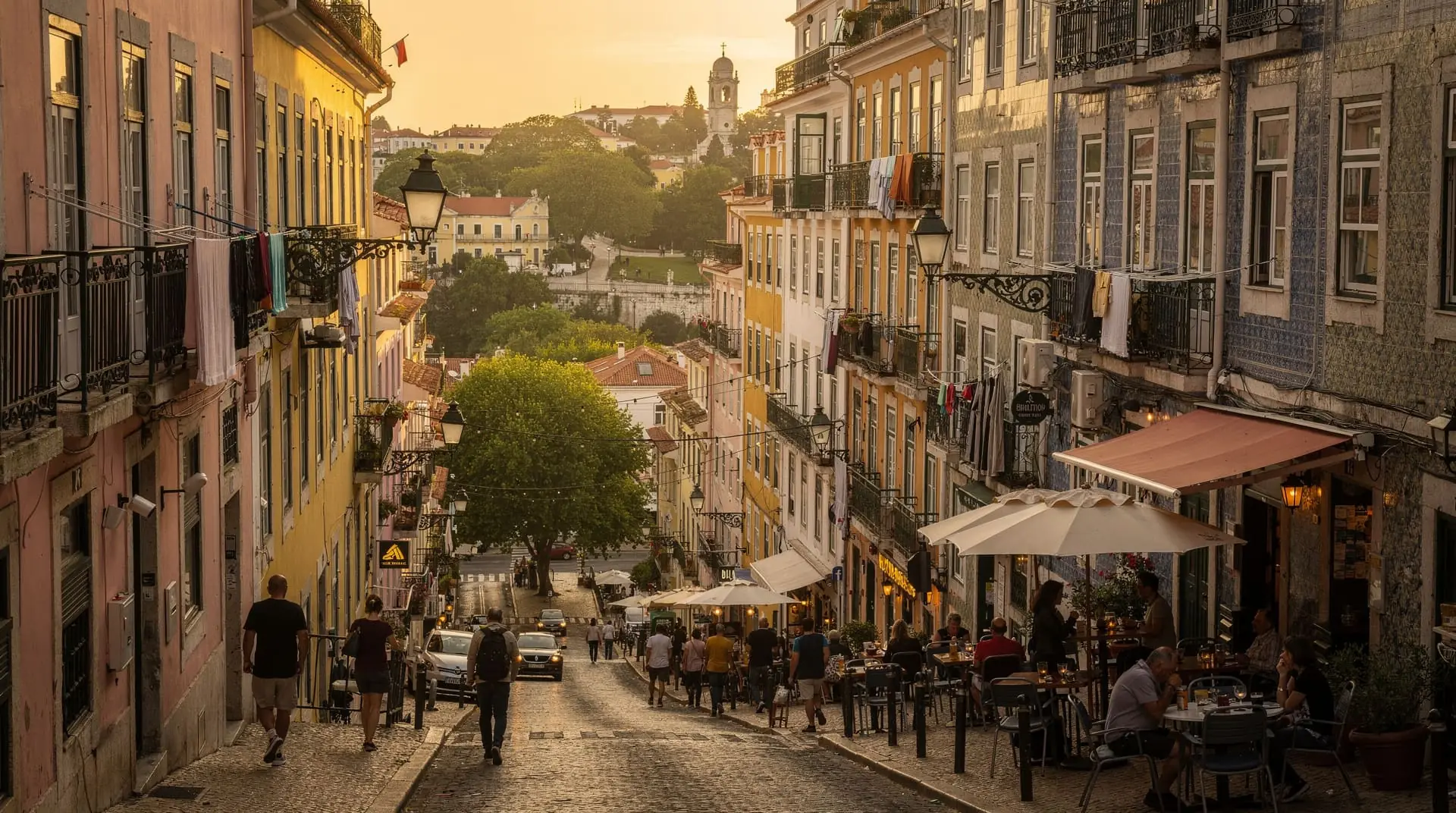
Bairro Alto: day life, nightlife, and the Príncipe Real transition
Bairro Alto by day: vintage shops, fado houses, and Chiado walks. By night: Lisbon's densest bar strip. Honest guide with no tourist-trap bars.
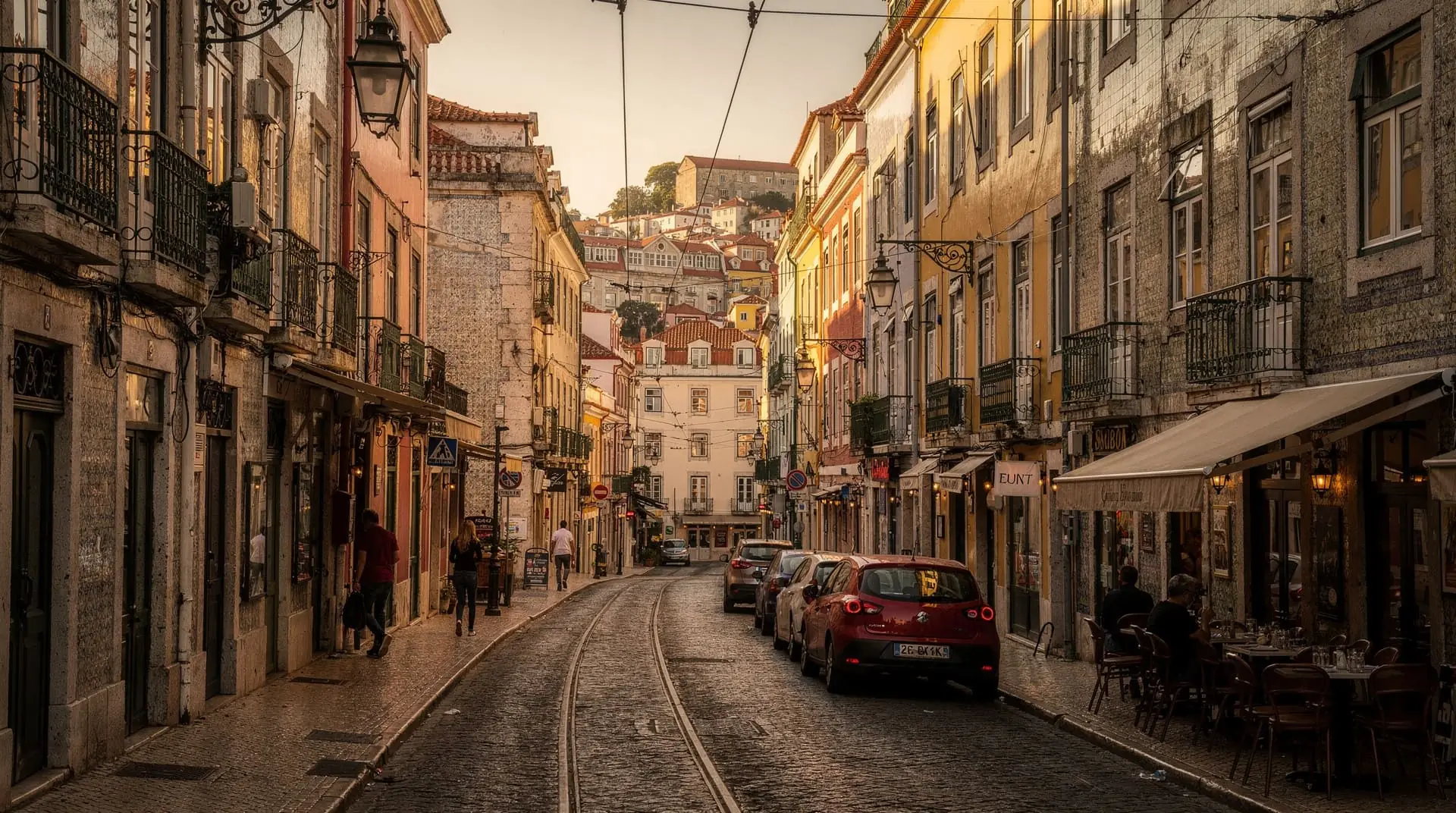
Baixa and Chiado: the complete neighbourhood guide
Navigate Lisbon's Pombaline grid, Rua Augusta, Santa Justa lift, Praça do Comércio, and Chiado's bookshops. Logistics, prices, and honest tips.
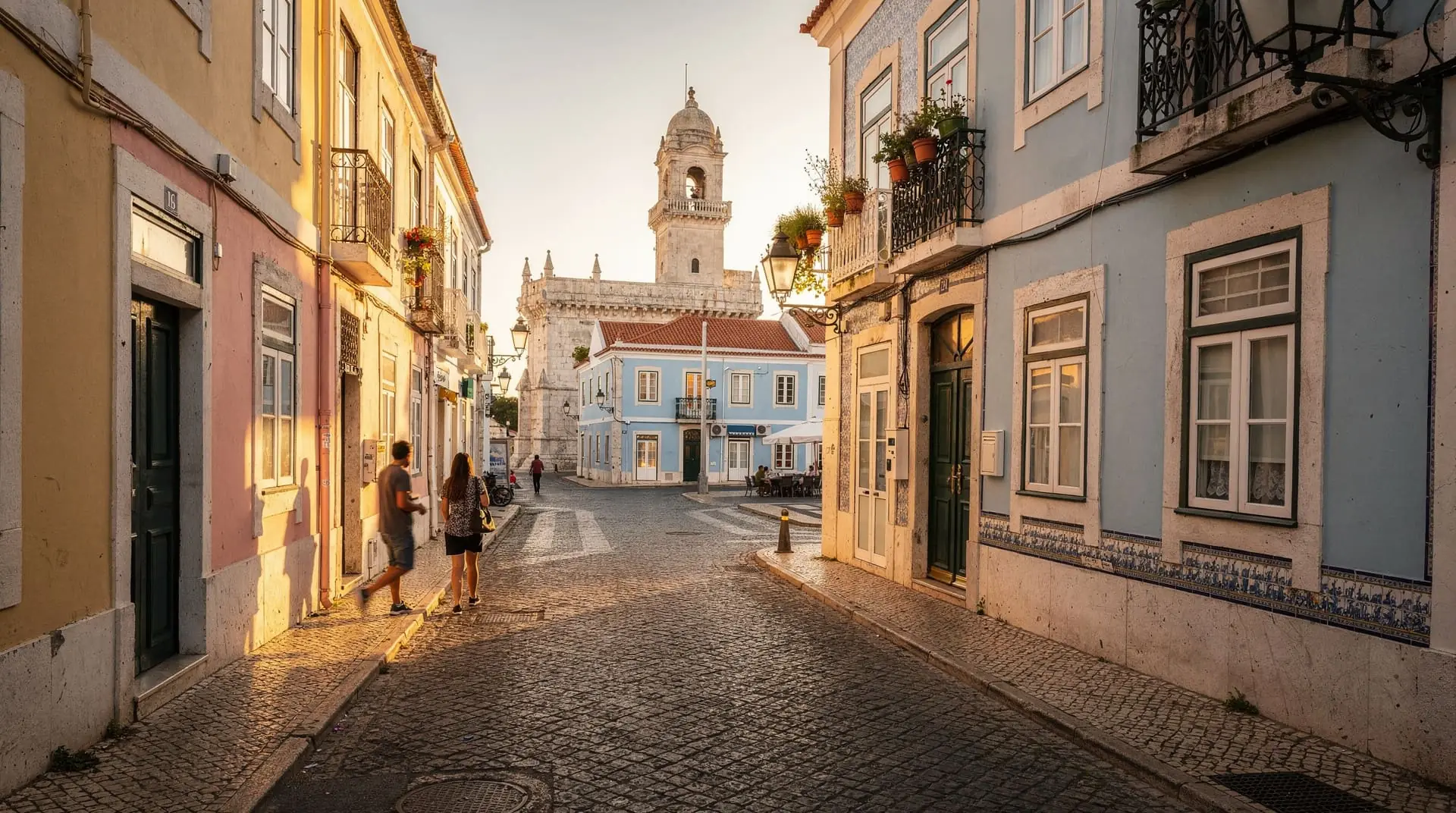
Belém half-day itinerary: Jerónimos, the Tower, MAAT, and pastéis
Plan the perfect half-day in Belém. Tram 15E logistics, Jerónimos Monastery, Belém Tower queues, MAAT gallery, Pastéis de Belém, and where to eat.
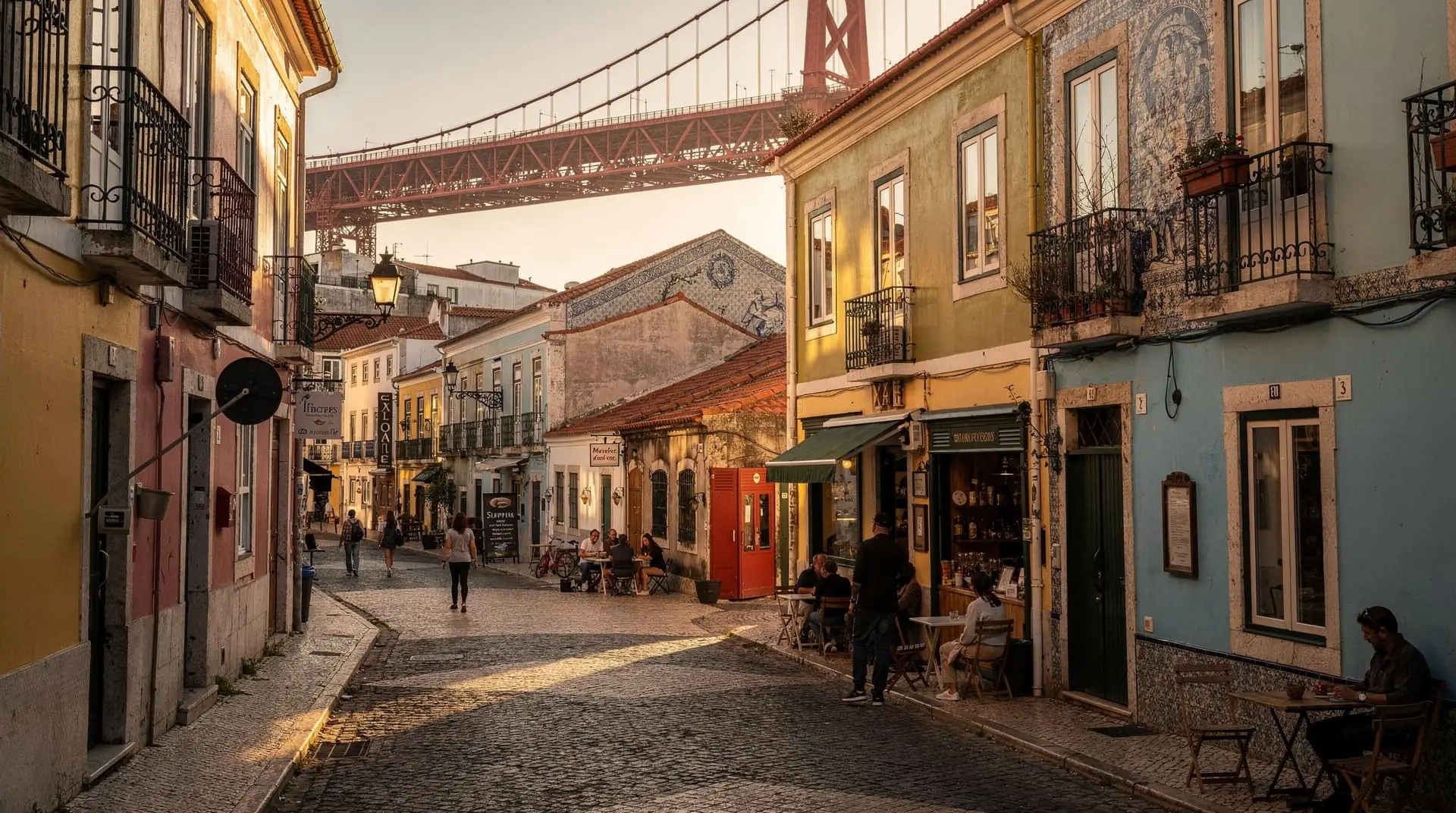
LX Factory: Alcântara's creative complex under the bridge
LX Factory in Alcântara: Ler Devagar bookshop, Sunday market, brunch spots, weekend nightlife, and the 25 de Abril bridge overhead. Everything to know.
Ready to book? Top tours for this guide
We earn a small commission if you book through GetYourGuide — at no extra cost to you. Every tour is hand-picked and verified.
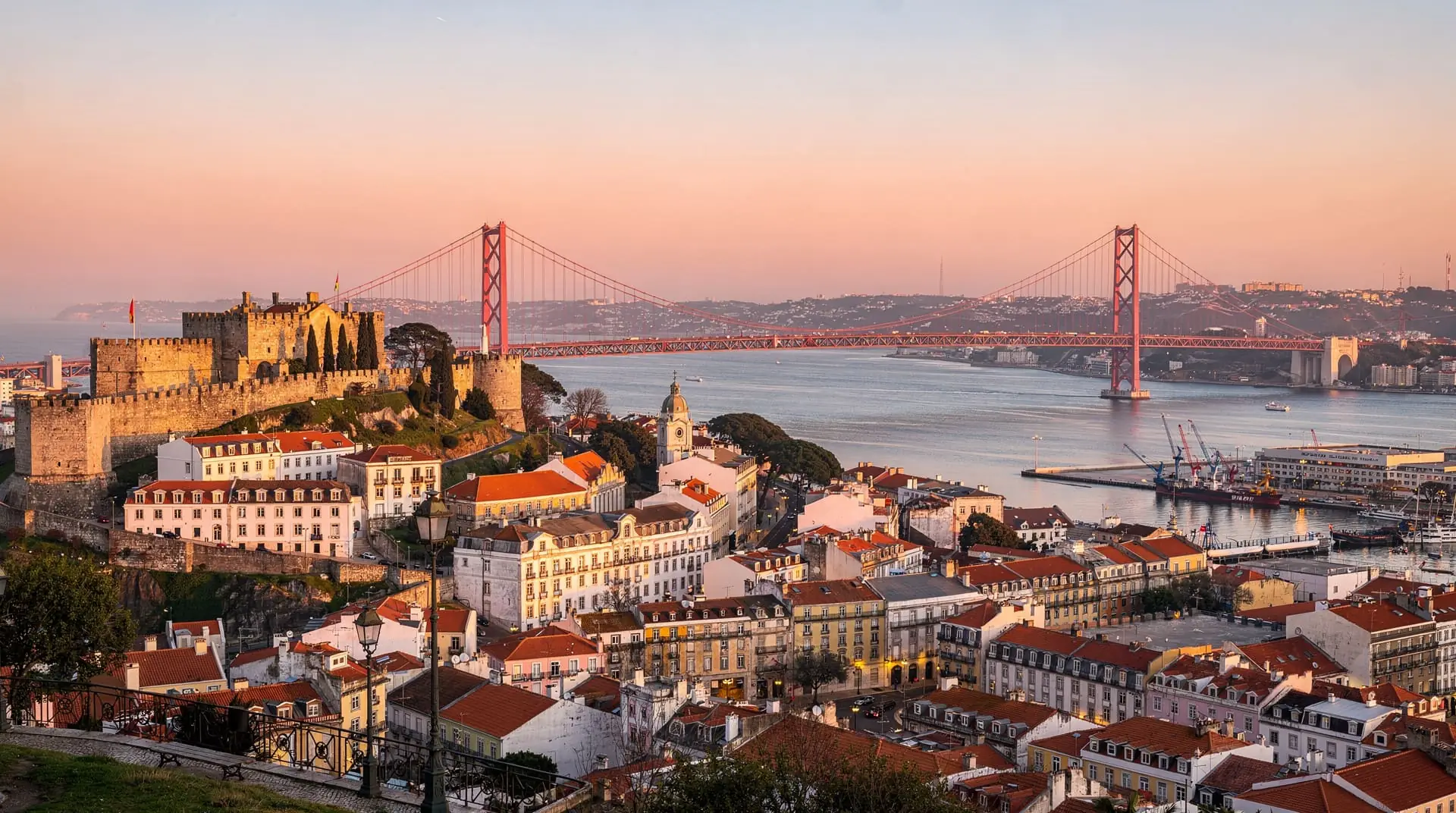
Lisbon: 48-Hour Hop-On-Hop-Off Bus Tour and Oceanarium Entry
Lisbon: MAAT Entry Ticket & Dolphin Watching Boat Tour
Lisbon: Alfama, Mouraria Walking Tour with Fado Night, Tapas
Lisbon: Hop-On Hop-Off Bus Tour
Lisbon: 1-or 2-Day Hop-On Hop-Off Bus Tour