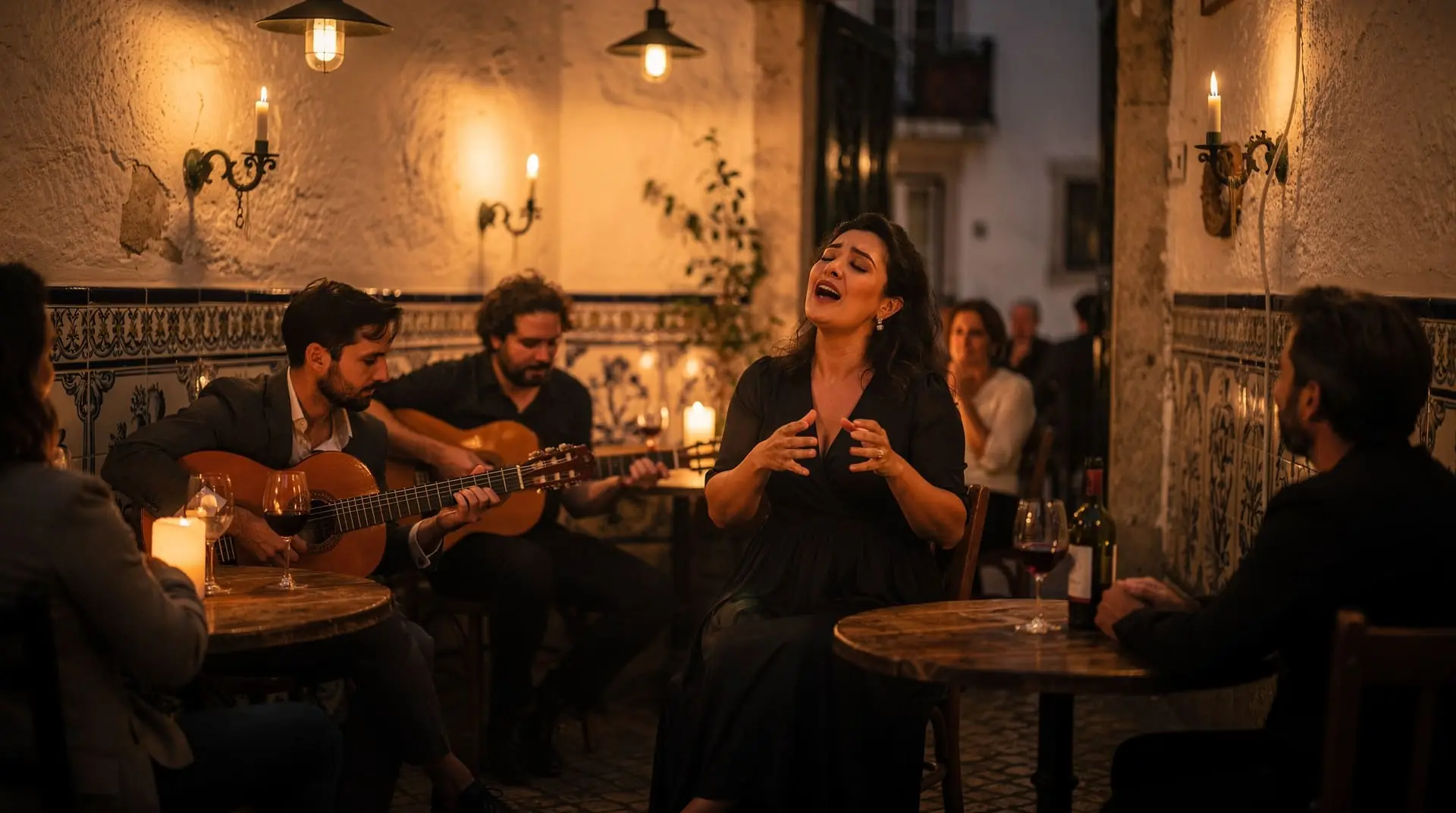
Fado in Alfama: the walking circuit, casas, and Museu do Fado
Last reviewed
Where in Alfama can I hear authentic fado?
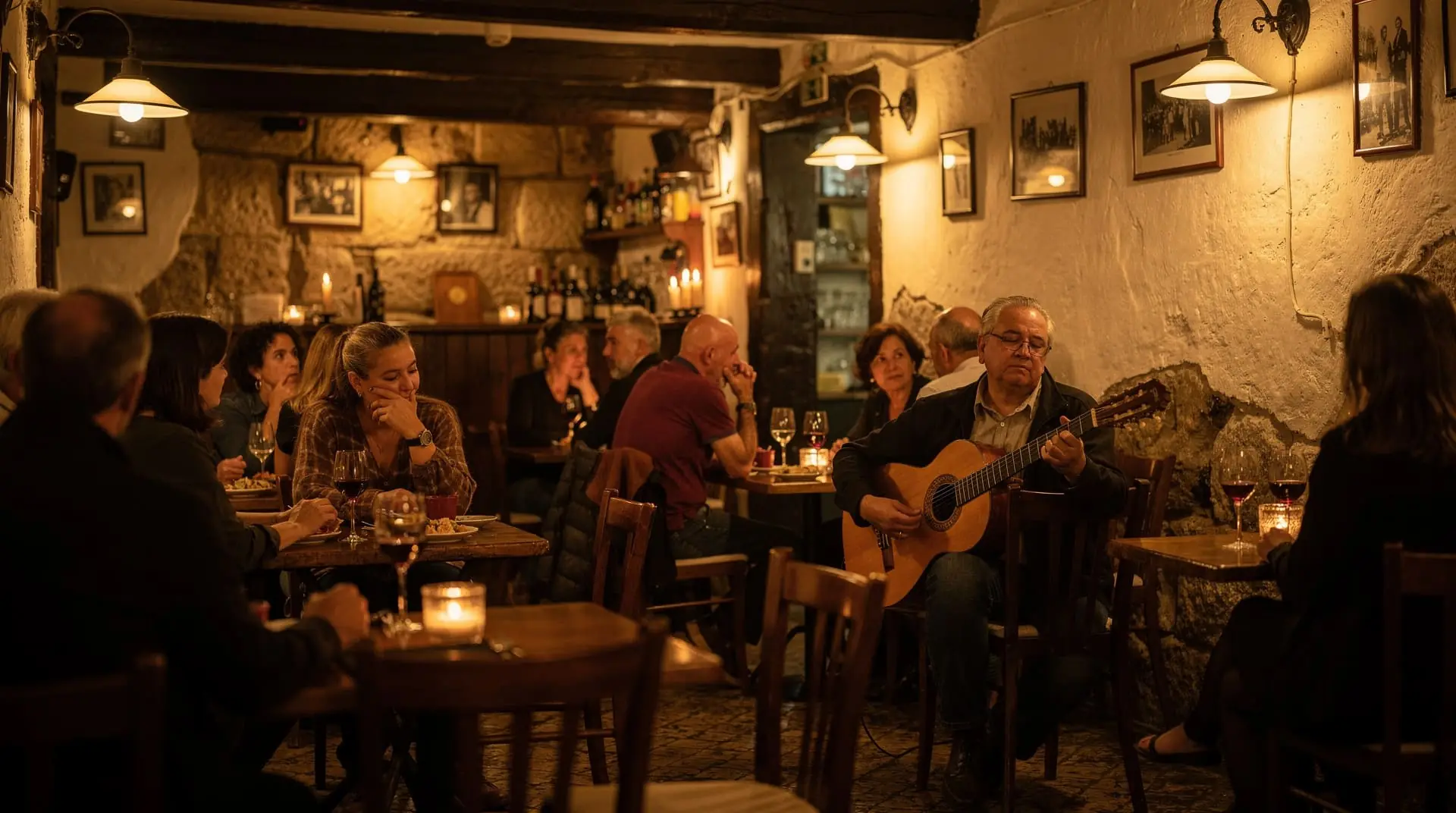
Alfama's best fado venues are Mesa de Frades (Rua dos Remédios 139a, 25 seats, book 10-14 days ahead), Parreirinha de Alfama (Beco do Espírito Santo 1), and Tasca do Caseiro (quieter, more local). The Museu do Fado (Largo do Chafariz de Dentro 1) gives essential context for €5. During Santo António in June, fado spills onto the streets of Alfama without any ticket or minimum consumption.
Alfama is Lisbon’s oldest neighbourhood, pre-dating the 1755 earthquake that destroyed much of the rest of the city. The Moors built here — the name is from the Arabic al-hamma (hot springs) — and their street grid survived: steep, narrow, unpredictable alleyways that car and even tram can barely navigate. The Visigoths built their cathedral (Sé) at the foot. The Portuguese of the 19th century added their houses on top of everything else.
Fado emerged in Alfama’s tascas and streets in the early 1800s. Exactly why remains contested — the origins debate mixes African rhythmic influences, Arabic melodic traditions, and the Portuguese concept of saudade (an untranslatable longing). What is certain is that fado grew from the urban poor, from sailors’ wives and Mouraria market women, from communities that had little else to give but voice and grief. Alfama is not just where fado happened to start. It shaped what fado is.
| Where | Alfama, east of the Sé, below São Jorge Castle |
| Time needed | 2-3 hours for the walking circuit, plus an evening for a fado house |
| Cost | Museu do Fado €5; fado houses €25-75 minimum consumption |
| Getting there | 15-20 min walk from Baixa, or tram 28/bus 737 |
| Best time | Late afternoon for the walk, after 21:00 for live fado |
The Museu do Fado: start here
Address: Largo do Chafariz de Dentro 1, Alfama
Hours: Tue-Sun 10:00-18:00
Entry: €5 adults, €2.50 reduced
Metro: Closest is Martim Moniz (green line), then 15-minute walk downhill
The Museu do Fado is the right first stop in Alfama, especially if you plan to attend a fado house the same evening. The permanent exhibition covers:
The guitarra portuguesa: The 12-string instrument specific to Portuguese fado, with its distinctive pear-shaped body and characteristic timbre. It evolved from the English guitar brought by merchants in the 18th century and was adapted into something uniquely Portuguese. The museum has examples from different periods; listening stations let you hear the sound in isolation.
Amália Rodrigues: The great fadista (1920-1999) who transformed fado from a marginal urban music into an internationally recognised art form. Born in Alcântara, raised in Alfama, Amália began singing in tascas in the 1930s and ended her career filling opera houses across Europe. Her recording of “Estranha forma de vida” is fado’s equivalent of Billie Holiday’s “Strange Fruit” — emotionally total, technically perfect.
The Estado Novo years: Fado was simultaneously regulated by Salazar’s regime (fadistas needed official licenses, political content was censored) and used as a cultural export — fado films in the 1940s and 1950s projected an image of content, nostalgic Portugal abroad. The museum handles this ambiguity honestly.
UNESCO designation: In 2011, fado was inscribed on UNESCO’s Representative List of Intangible Cultural Heritage of Humanity, the first Portuguese cultural practice to receive this recognition.
The temporary exhibition programme is usually strong — recent shows have covered contemporary fadistas and the overlap between fado and other musical traditions.
The Alfama fado walking circuit
This circuit takes 2-3 hours on foot and covers the streets most associated with fado history. Comfortable shoes are mandatory — Alfama is steep.
Start: Sé de Lisboa (Cathedral)
Rua Augusto Rosa, Alfama. Metro: Rossio or Terreiro do Paço, then 15-minute walk uphill. The Sé dates to 1147 and anchors the lower edge of Alfama. Begin here and walk uphill through the neighbourhood rather than descending — the uphill push is worth it for the perspective.
Largo de São Miguel
A square lined with 17th-century houses and old figueira (fig) trees. On summer evenings, residents sit outside; in June, this square fills for Santo António celebrations. The Tasca da Mouraria at the edge of the square occasionally has fado on Thursday nights — check when passing.
Rua dos Remédios
The main commercial street of lower Alfama, running roughly parallel to the Tagus. Mesa de Frades is at number 139a — note the facade for your evening return. Several other small tascas along this street offer informal music on weekend nights; there are no fixed schedules, just look for windows open, voices inside.
Largo das Portas do Sol
One of Alfama’s best miradouros (viewpoints), looking south over the rooftops to the Tagus and the Cristo Rei statue visible across the water. Worth a stop for orientation. From here, you can descend through Beco do Espírito Santo to find Parreirinha de Alfama.
Parreirinha de Alfama
Beco do Espírito Santo 1, Alfama. One of Alfama’s oldest surviving fado houses — Argentina Santos ran this institution for decades. A family-run operation with rough-hewn tables, house wine in carafes, and fado that begins when the room is ready rather than on schedule. Call ahead (+351 218 868 209) to confirm they are open on the day of your visit.
Museu do Fado
Largo do Chafariz de Dentro 1. The circuit naturally arrives here at the bottom of Alfama, near the Tagus waterfront. If you started with the museum, end the walk with a coffee at the museum café (outdoor terrace, view over the square, good pastéis de nata).
The best fado houses in Alfama
Mesa de Frades
The top recommendation — see the best fado houses guide for the full breakdown. For Alfama specifically: Mesa de Frades at Rua dos Remédios 139a is the combination of intimacy (25 seats), professional performance quality, and affordable minimum consumption (€30-35) that makes it the benchmark.
Parreirinha de Alfama
Address: Beco do Espírito Santo 1
Phone: +351 218 868 209
Hours: Mon-Sat from 20:00, fado from 21:00
Minimum consumption: €25-30 per person
Rougher than Mesa de Frades — plastic-covered tables, house wine in ceramic jugs, the occasional cat wandering in from the alley. But the emotional authenticity is complete. Argentina Santos sang here for half a century; her successors maintain the working-class Alfama fado tradition.
Tasca do Caseiro
Address: Rua de São João da Praça 39, near São Jorge Castle
Phone: +351 218 875 625
Hours: Tue-Sun from 20:00
Minimum consumption: €20-25
A local tasca that added fado nights rather than a fado venue that added food. The music is Fado Vadio — semi-amateur performers, sometimes good, occasionally exceptional, always genuine. The cheapest authentic fado in Alfama. The food is the tasca standard: grilled fish, bifana, pork with potatoes.
Alfama Fado Tours
Multiple operators offer evening walking tours that combine Alfama’s streets with a stop at a live fado venue. These work well for visitors who want context (the walking narrative, the neighbourhood) alongside the music:
Book an Alfama tour with live fado and traditional dinnerStreet fado and festival fado
Two situations where fado escapes the ticketed venue:
Santo António festival (June 12-13): The Festas de Lisboa reach their peak on Santo António night when Alfama becomes the largest outdoor party in Lisbon’s year. Sardines are grilled on every corner, marchas (costumed processions) parade through streets decorated with paper lanterns, and fado erupts spontaneously from balconies, doorways, and makeshift stages. No venue, no minimum consumption, no booking — just walk through Alfama after 21:00 on June 12. Carry a small amount of cash for sardines and wine. See the Santo António festival guide for the full picture.
Arraial (neighbourhood parties): Outside June, certain Alfama and Mouraria tascas host informal arraiais on warm weekends. These are not tourist events — they are neighbourhood celebrations where fado might appear alongside accordion music and popular songs. Walk through Rua das Farinhas and Largo da Severa (Mouraria) on a Saturday evening in summer and listen.
Understanding what you are hearing
The structure of fado
A standard fado is built around three musicians: the fadista (singer), the guitarra portuguesa player (12-string), and the viola baixo player (Spanish guitar for harmonic support). Some houses add a second guitarra or a bass guitar.
The song structure is typically A-B-A with an introduction: the guitarra plays an introduction (entrada), the fadista enters on the melody, moves through the verse structure, and returns to the tema. The emotional intensity builds through the performance rather than following pop music’s verse-chorus structure.
Fado de Lisboa versus Fado de Coimbra: Lisbon fado (what you hear in Alfama) is raw, urban, emotionally intense — about loss, love, fate, the sea. Coimbra fado, sung only by men, is more melodically ornate and academically influenced. In Lisbon’s houses, you hear exclusively the Lisbon style.
The guitarra portuguesa
The instrument has 12 wire strings in six double courses, played with metal fingerpicks on the right hand. The sound is characteristically bell-like and crystalline — quite unlike any Spanish or classical guitar. It is the sonic signature of fado: when you hear those first notes, you know where you are.
The guitarra is tuned differently from the standard guitar and uses specific harmonic patterns. Learning the instrument takes years; many of the best players in Lisbon’s fado houses have been performing since childhood.
Saudade
Every explanation of fado eventually arrives at saudade — the Portuguese word for a particular kind of melancholic longing. It combines nostalgia, grief, love, and acceptance in a single concept. Saudade is not depression: it is bittersweet, sometimes almost pleasurable in its ache. Fado gives saudade a musical form.
The best way to understand it is not through definition but through listening: find a recording of Amália Rodrigues singing “Estranha forma de vida” or “Uma casa portuguesa” and sit with it for the full duration. The museum has listening booths.
Getting to Alfama
From Baixa (Praça do Comércio/Terreiro do Paço): 15-20 minute walk uphill through the narrow streets east of the Sé cathedral. The easiest approach for finding the Museu do Fado.
Tram 28: From Martim Moniz down through Alfama — but note that tram 28 is notorious for pickpockets. Keep bags in front, no phones visible. See the tram 28 guide for honest advice.
Bus 737: From Praça da Figueira (Baixa) to Castelo — stops at the top of Alfama near São Jorge Castle. Safer and less crowded than tram 28 for the uphill journey.
On foot from Chiado: Cross the Baixa (20 minutes) and climb into Alfama from Rua dos Remédios. The walk is pleasant in the evening.
Alfama by day vs Alfama by night
Alfama is different at different times. By day: tourists at São Jorge Castle, quieter streets, laundry on lines, cats in the sun, the Sé. By evening: the neighbourhood comes alive as residents return, restaurants open, fado houses prepare for the night. Visiting Alfama in both modes on the same day — morning for the castle and walking circuit, evening for fado — gives you the fullest picture.
For the daytime Alfama itinerary, see what to do in Alfama and São Jorge Castle. For the viewpoints, Portas do Sol and Senhora do Monte are the key stops.
Attend a live fado show in historic Alfama with port wineHonest assessment
Alfama is worth the effort. It is genuinely atmospheric, genuinely historic, and the fado is genuinely moving when you are in the right venue. The downside: the tourist pressure on the neighbourhood has been severe. Tram 28 is jammed with visitors; São Jorge Castle has hourlong queues without prebooked tickets; the viewpoints are crowded at sunset.
The fado houses — especially Mesa de Frades, Parreirinha de Alfama, and Tasca do Caseiro — remain genuine because they are small and require advance booking. The tourists who cannot plan that far ahead end up at tourist-trap venues with recorded fado near Rossio, which keeps the good houses authentic by filtering the audience.
Go with a booking, go willing to sit in a small room and be silent for two hours, and Alfama will repay the planning completely. See how many days in Lisbon for fitting this into your itinerary and Lisbon 3-day itinerary for a sample schedule that includes Alfama and fado.
Photographing Alfama’s fado streets without being intrusive
Alfama’s steep lanes, tiled facades and washing lines are among the most photographed streets in Lisbon, and the temptation to shoot into open doorways and lit windows in the evening is strong — that is often where the fado sound is coming from. Be respectful: residents live behind those doors and windows, and a camera pointed into a private home is not welcome even if the shot looks perfect. Photograph the streets, the miradouros and the exteriors of fado houses freely; ask before photographing inside a small tasca, since some fadistas and venues do not allow flash or phone photography during a performance out of respect for the room’s atmosphere.
The best low-intrusion photography times are late morning (soft light, few tourists) and the hour before sunset at Portas do Sol or Senhora do Monte, when the miradouros catch the golden light over the Tagus without the evening crowds that build after 19:00.
Combining the fado circuit with a full Alfama day
Visitors with a single day to give Alfama get the most out of it by structuring the day around the evening fado booking rather than squeezing fado in as an afterthought. A workable structure: morning at São Jorge Castle before the crowds build, early afternoon exploring what to do in Alfama and the Museu do Fado, a break to rest before dinner (Alfama’s hills are tiring), then the fado walking circuit described above leading into your evening booking at Mesa de Frades, Parreirinha de Alfama or Tasca do Caseiro.
This sequencing matters because fado in the evening asks for calm attention, and arriving exhausted from a full day of uphill walking makes it harder to sit still and listen for two hours. Building in a rest window between the daytime sights and the evening fado house is the single most useful piece of logistics advice for a first Alfama visit.
Related guides
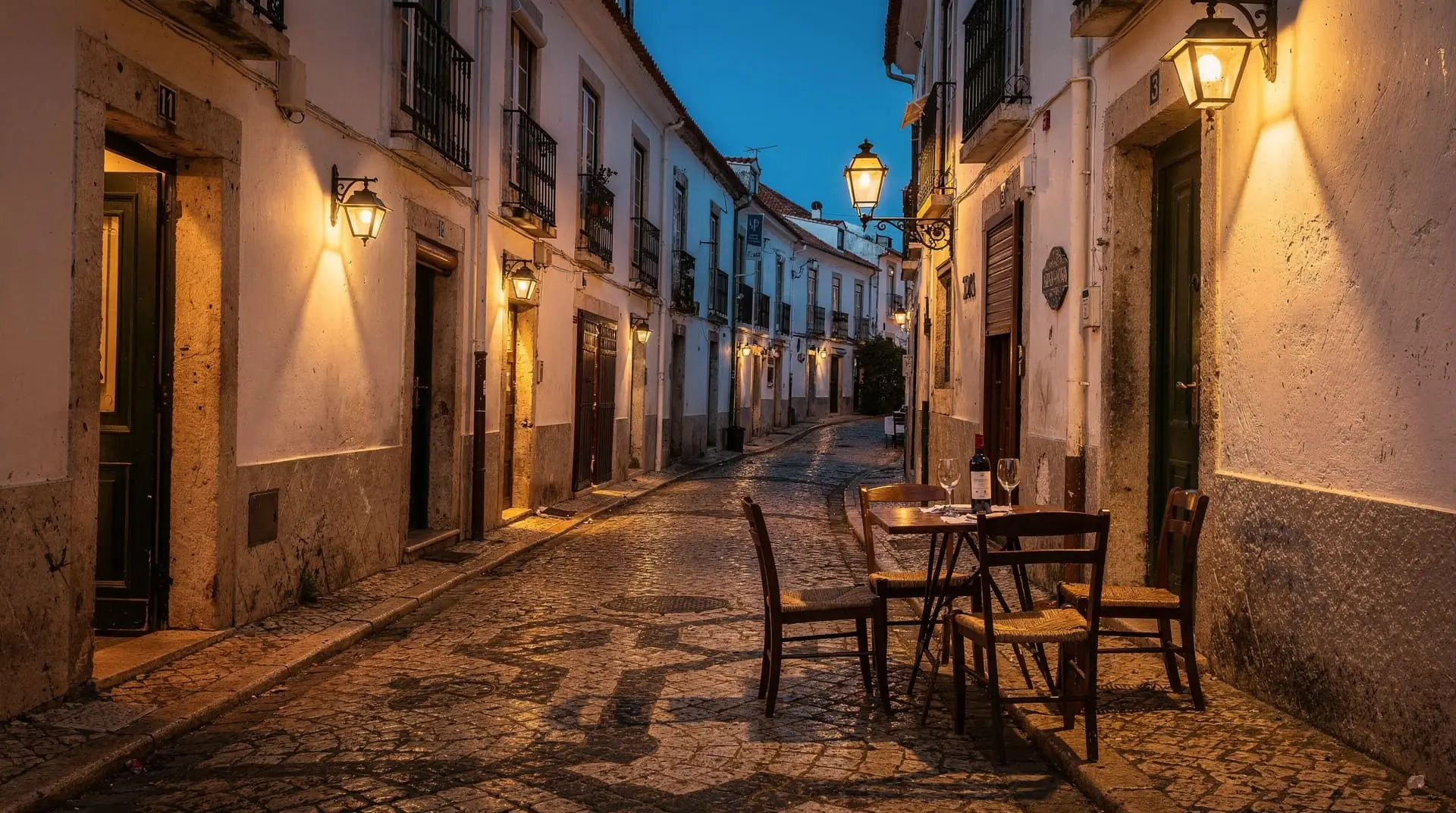
Best fado houses in Lisbon: authentic picks and honest warnings
The best fado houses in Lisbon: Clube de Fado, Mesa de Frades, Tasca do Chico, A Severa. Real prices, booking tips, tourist-trap warnings.
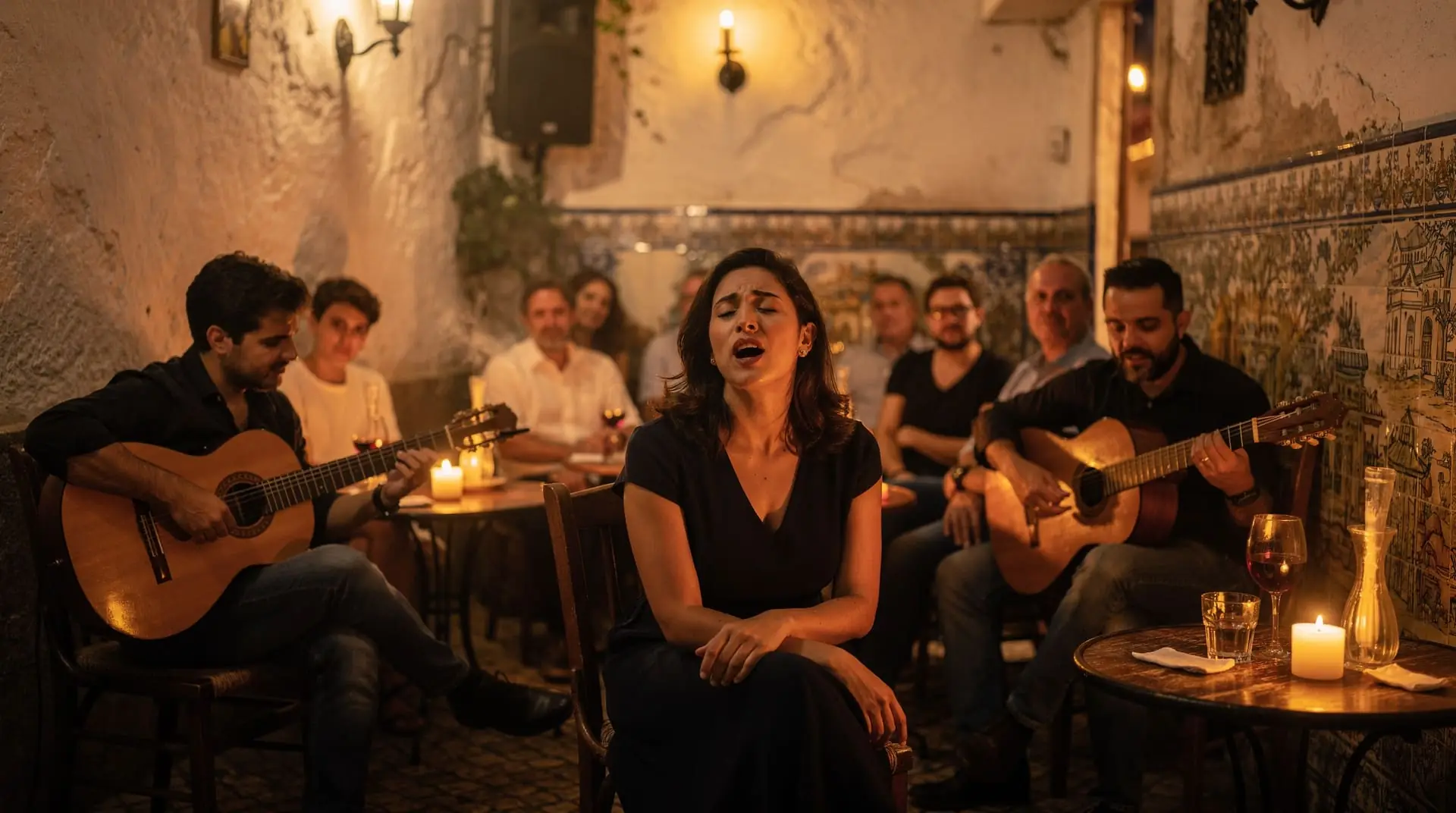
Fado dinner shows in Lisbon: what to expect, prices, and honest advice
Fado dinner shows in Lisbon: €45-90 prices, tasca fado vs dinner venues, what to expect, and how to avoid overpaying. Honest 2026 guide.
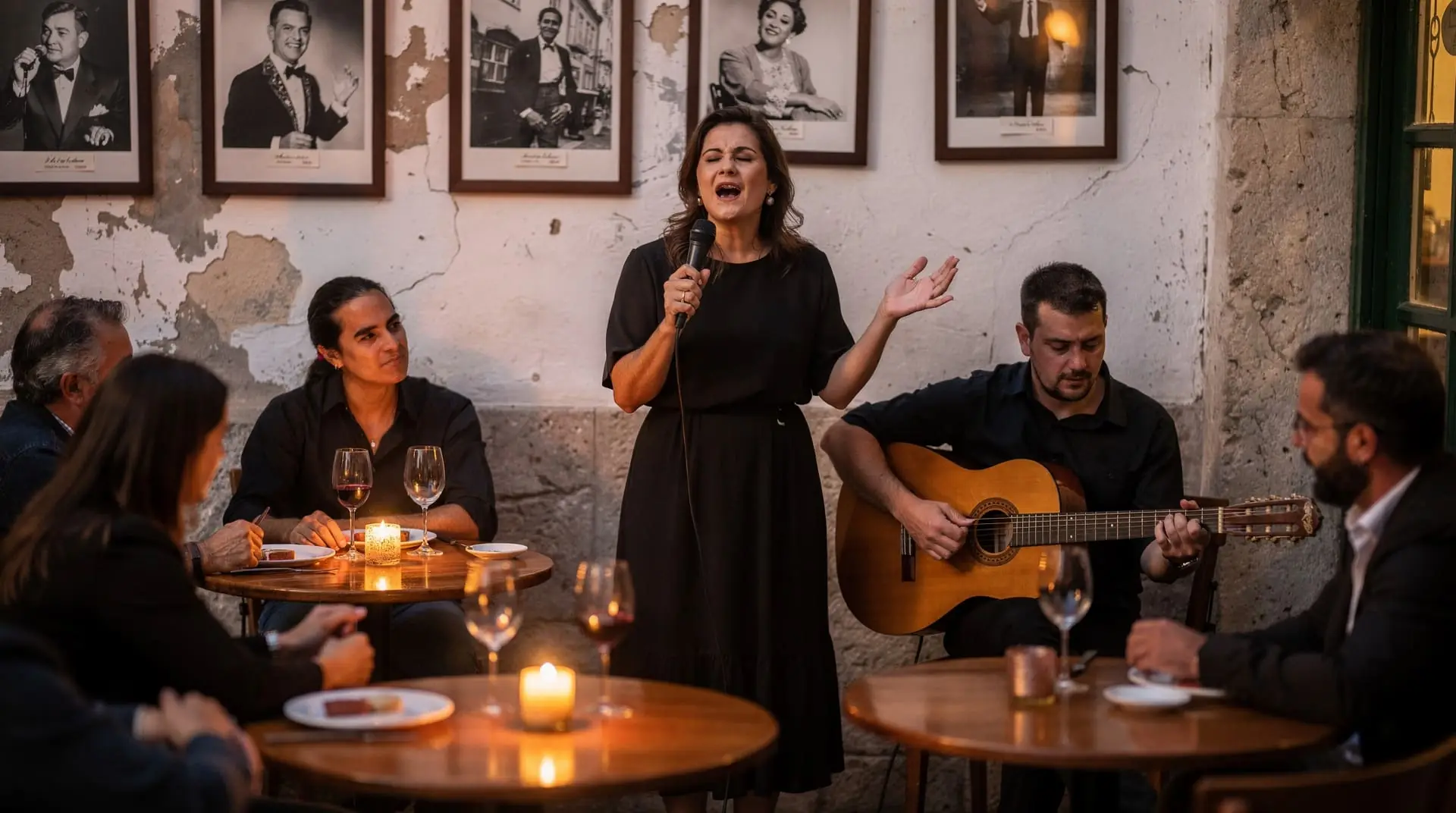
History of fado: from Maria Severa to UNESCO heritage
Fado's origins in 19th-century Alfama, the Estado Novo years, Amália Rodrigues, UNESCO recognition in 2011, and today's scene with Mariza and Camané.
Fado houses compared: which one should you book?
Side-by-side comparison of Lisbon's main fado venues: atmosphere, price, quality and tourist-trap risk. Honest picks for every budget.
Ready to book? Top tours for this guide
We earn a small commission if you book through GetYourGuide — at no extra cost to you. Every tour is hand-picked and verified.

Lisbon: 48-Hour Hop-On-Hop-Off Bus Tour and Oceanarium Entry
Lisbon: MAAT Entry Ticket & Dolphin Watching Boat Tour
Lisbon: Alfama, Mouraria Walking Tour with Fado Night, Tapas
Lisbon: Hop-On Hop-Off Bus Tour
Lisbon: 1-or 2-Day Hop-On Hop-Off Bus Tour