Santo António festival: Lisbon's Festas de Lisboa guide
Last reviewed
What is the Santo António festival in Lisbon and when does it happen?
The Festas de Lisboa (Lisbon Festivities) run throughout June, peaking on June 12-13 for Santo António — Lisbon's patron saint. June 12 night is the main event: sardines grilled on every street corner, neighbourhood processions (arraiais) throughout the city, the marchas populares parade on Avenida da Liberdade at 22:00, and Alfama becoming an open-air party until dawn. Free to attend; just show up. Be aware that Alfama is effectively impassable by car after 19:00 on June 12.
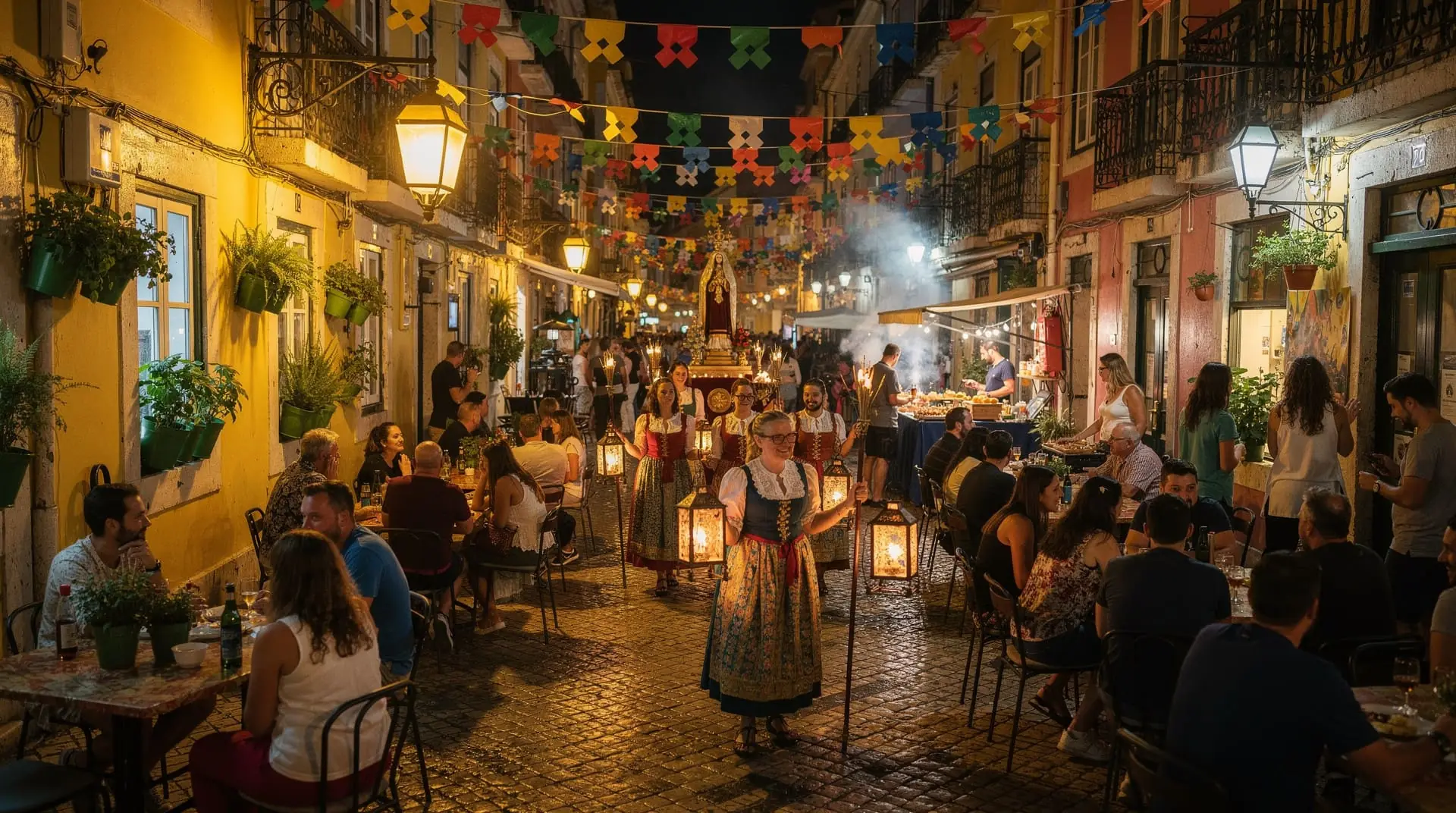
June 12 in Lisbon: every street in Alfama smells of charcoal and sardines. Basil pots hang from balconies (the traditional Santo António offering). The narrow alleyways are packed with folding tables, the neighbours are all outside, and somewhere above the general noise a fado singer has begun performing from a doorway. It is the most genuinely communal night of Lisbon’s year.
This is the Festas de Lisboa — the June festival that culminates in Santo António, Lisbon’s patron saint, and the most important date in the city’s calendar. Unlike most European city festivals that cater primarily to tourists, Santo António is something the city does for itself, and has done for centuries. Visitors are welcome to join; they are just not the target audience.
| When | Throughout June; peaks June 12 evening–June 13 |
| Cost | Free — arraiais and marchas have no entry fee |
| Where | Alfama, Mouraria, Bairro Alto, Santos, Avenida da Liberdade |
| Getting there | Metro to Rossio, Baixa-Chiado, or Martim Moniz, then walk |
| Booking | Accommodation 3+ months ahead; fado/restaurants 3–4 weeks ahead |
What is the Festas de Lisboa
The Festas de Lisboa is a month-long celebration running through June, consisting of:
Arraiais: Street parties organised by each neighbourhood parish (the administrative-religious subdivisions of Lisbon’s historic centre). Each arraial sets up in its local square or street with tables, grills, decoration, music, and cheap food and drink. The arraiais begin in early June and run through June 13, with the intensity increasing each week.
Marchas populares: The highlight parade on June 12, when each parish sends a team of dozens of costumed participants to march and perform on Avenida da Liberdade. Each marcha (procession) has its own original song for the year, choreographed dances, and elaborate matching costumes. This is competitive — the neighbourhoods take it seriously and the results are judged.
Casamentos de Santo António: Mass civil weddings held on June 13 for couples who have applied through the city. Spectators welcome.
Fado and music: Throughout June, Alfama and Mouraria have spontaneous and organised fado evenings. The fado houses are booked solid; informal street fado appears without schedule.
Sardines: The month’s food obsession. Sardines are in season from May; June is peak sardine season. Grilled on charcoal, served on bread, eaten standing up.
Santo António: the saint and the city
António was born in Lisbon in 1195 (Rua da Saudade, Alfama — a plaque marks the house). He joined the Franciscans, became a famous preacher and theologian in Padua (hence “Saint Anthony of Padua” in international contexts), and died in 1231 at age 35 or 36. He was canonised the following year — remarkably fast even by medieval standards.
In Lisbon, he is not primarily a religious figure but a neighbourhood saint — the patron of marriages, lost objects, and the poor. The tradition of placing small earthenware figures of Santo António in windows and doorways during June dates back centuries. The basil pot tradition is more recent but equally established: giving a decorated pot of basil to someone you love during June, with a paper carnation and a rhyme.
The mass weddings (Casamentos de Santo António) reinforce the marriage connection: the city pays for the ceremony, the couple provides the marriage. In the 1950s when the tradition was revived, this was practical charity for poor couples who could not afford a wedding. Today it is a civic ceremony with symbolic rather than economic meaning.
The night of June 12: a practical guide
Planning your position
The marchas parade (Avenida da Liberdade, 22:00-01:00): This is the set-piece event. The avenue is closed to traffic from around 19:00. The marchas begin around 22:00-22:30 and continue until after midnight.
Viewing positions: The entirety of Avenida da Liberdade is open to spectators. The best viewing is from the wide pavements (the avenue has broad pedestrian walkways with trees — position yourself here). Paid grandstands (bancadas) are along the sides of the avenue — €10-25 depending on position, book through the Câmara Municipal de Lisboa website from April onwards.
Crowd density: By 21:00, the avenue and surrounding streets are packed. By 22:30, movement is difficult. Arrive by 20:30 for a reasonable position; 19:30 for a comfortable one.
After the parade: The street parties (arraiais) continue through the night. Most people move from the avenue to their favourite neighbourhood. Alfama and Mouraria fill beyond comfortable capacity after 01:00.
The arraiais: where to go
Alfama (Largo de São Miguel, Rua dos Remédios, Largo do Chafariz de Dentro): The historic heart of the festival. The most atmospheric, the most chaotic, the most photographed. Sardines, basil pots, spontaneous fado, residents singing from balconies. Overwhelming by 23:00 on June 12; extraordinary if you embrace the density.
Mouraria (Largo da Severa, Intendente): Mouraria runs its own arraial with a strong multicultural character — the neighbourhood is genuinely diverse and the festival reflects this. Slightly less tourist-dense than Alfama.
Bairro Alto: The Bairro Alto arraial in Rua da Barroca and surrounding streets has more of the neighbourhood bar energy — music spills from open doorways, tables line the narrow streets. A good option if you want to join the festival without the Alfama density.
Santos (Rua do Prior, Rua da Madragoa): The Santos neighbourhood arraial is one of the most local-feeling — smaller, less tourist-oriented, genuinely residential. Hard to find without local knowledge; worth the effort.
Eating at the festival
The sardines are universal and excellent. Buy from any brazier; they will all be fresh (the neighbourhood associations buy daily for the event). A portion costs €3-5. Eat with bread, drink with cold Super Bock beer (€1.50-2 a can from festival stalls) or red wine by the plastic cup (€1-1.50).
Beyond sardines:
- Chouriço assado (grilled chouriço sausage, split and flamed): €3-4
- Bifanas (pork sandwiches): €3-5
- Queijo assado (grilled sheep’s cheese with butter and oregano): €3-4
- Ponche (the festival sweet punch — white wine, brandy, sugar, lemon; deceptively strong): €2-3
Restaurants in Alfama are pointless on June 12-13 — avoid booking a sit-down meal in the festival zone. Eat at the arraial or dine before 19:00 in Chiado.
Join an Alfama and Mouraria walking tour with fado night and tapasThe honest warnings
Alfama is impossible June 12 after 19:00
This is not hyperbole. By 21:00 on June 12, the streets of Alfama are moving-speed-limited by the density of people. Carrying anything (a bag, food, a child) is significantly harder than normal. If you are staying in Alfama accommodation, confirm with your host that you can access your apartment — some streets are effectively blocked. Plan for taxis to drop you outside the zone and walk in; plan the same for exit.
The noise issue for accommodation
Alfama and Mouraria accommodation has essentially zero possibility of sleep before 05:00 on June 12-13. If you are staying in these neighbourhoods during the festival, accept this in advance or consider earplugs and joining the all-nighter. If your trip is not specifically for the festival, do not book Alfama or Mouraria accommodation for June 12.
Pickpockets
The dense crowds on Avenida da Liberdade and in Alfama after midnight are prime pickpocket environments. Use a front-facing bag or a money belt. Leave valuables at the hotel. Do not photograph with your phone in very dense crowds — hands bump into each other continuously.
June accommodation prices and availability
June 12-13 accommodation in Lisbon is booked 3-6 months ahead for anything central. If you are planning to visit specifically for the festival, book accommodation before April. If you find yourself without a booking, options exist in Belém, Alcântara, and northern Lisbon — less convenient but functional.
Where to base yourself for the festival
Your choice of neighbourhood shapes how much of the festival you experience versus how much sleep you get. A quick comparison:
| Base | Festival access | Noise until |
|---|---|---|
| Alfama / Mouraria | Inside the festival, walk to everything | ~05:00 on June 12–13 |
| Chiado / Baixa | 10–15 min walk to Alfama, tram/metro access | Moderate, mostly quiet by 02:00 |
| Príncipe Real | 20 min walk or short taxi to the core | Quiet |
| Belém / Alcântara / north Lisbon | Requires transport, but available if fully booked | Quiet |
For the fuller context on choosing a base for a June visit generally, see the where to stay in Lisbon guide, and for planning around the festival dates specifically, the weekend break itinerary can be adapted around June 12–13.
If Alfama itself is the draw, pair the festival night with a daytime visit — the neighbourhood is a different, calmer place before the arraiais start. See the Alfama destination guide, what to do in Alfama, and the Santo António in Alfama blog post for a first-person account of the night itself.
Fado during the festival
June is one of the best months to hear fado in Lisbon, precisely because it spills out of the houses and into the street. Beyond the scheduled fado houses (booked solid, see best fado houses), informal fado vadio appears without warning in Alfama doorways throughout the festival period. The fado in Alfama guide explains the difference between fado vadio and the professional house shows, and how to recognise a genuine impromptu performance versus a staged one aimed at passing tourists.
The rest of June: quieter arraiais
The full month has street parties, not just June 12-13. Smaller arraiais run on weekends throughout June in various neighbourhoods. These are more relaxed than the Santo António peak:
Corpus Christi (variable — typically mid-June): Occasionally coincides with arraials.
Festas Populares in Graça and Pena: The Graça neighbourhood hosts its own arraial focused on Santo António with a somewhat more residential, less tourist-visited character.
Mercado de Levante (Intendente area): The Intendente neighbourhood market, particularly lively in June with outdoor dining and music.
Photography and the festival
June 12-13 is Lisbon’s most photogenic night and also its most difficult for photography — dark streets, moving crowds, mixed lighting. Practical advice:
- Use a phone with good night-mode rather than expecting professional results from a DSLR in a crowd
- The best images are close-up: sardines on a grill, hands holding basil pots, faces in firelight, people dancing
- Alfama rooftops and the miradouro at Portas do Sol give citywide perspective — worth visiting at 20:00 before the density makes it difficult
- The marchas parade on Avenida is easier to photograph from the paid grandstands (buy the seat, the elevated angle is worth it for photography)
Around the festival: what else to do in June
The festival is the centrepiece but June in Lisbon has more:
LX Factory Sunday markets (every Sunday): The artisan market in the converted Alcântara factory complex is at its best in June. See LX Factory.
Beaches opening up: June is the first proper beach month. Cascais beaches and Costa da Caparica are warm enough for swimming (water around 18-20°C). Arrábida parks (22-24°C in June) are spectacular. See best beaches near Lisbon.
Sintra in June: Easier than July-August but booking ahead (5-10 days) is still necessary for weekends. The gardens at Quinta da Regaleira in June — roses and hydrangeas — are extraordinary. See Sintra day trip.
Fado special programming: Several Lisbon fado venues have special June programmes tied to the Festas. Clube de Fado often features special guest performers. Book well ahead. See best fado houses.
Getting to and from the festival
Metro: The lines serve stations around the festival zone — Rato (yellow line), Marquês de Pombal (yellow/blue), and Rossio (green line) are the useful entry points for the avenue and Alfama. Metro runs until 01:00 on June 12-13, then extended to 02:30 — check the Metropolitano de Lisboa schedule, as it varies by year.
Taxis and Uber: Impossible to get near Alfama after 19:00 on June 12. Get dropped at Praça do Comércio or Terreiro do Paço (minimum) and walk in. Order rides from the perimeter, not the festival streets.
Walking: This is how the festival works. Lisbon’s historic centre is walkable — Chiado to Alfama takes 20 minutes on foot. Plan to walk.
Night buses: After metro closure, a network of night buses (Nocturnos) covers main routes every 30-60 minutes.
If you’re only in Lisbon for one festival night
Visitors with a single evening to spare should prioritise differently depending on what they want. For the spectacle, arrive on Avenida da Liberdade by 20:30 for the marchas populares and stay through the parade — this is the most reliably impressive single event of the festival and does not require navigating Alfama’s density at all. For the atmosphere, skip the parade and go straight to an arraial in Alfama or Mouraria after 21:00, accepting that you’ll be standing in a crowd rather than seated. Trying to do both in one night is possible but means arriving at the arraial after the best tables and street positions are taken — most locals treat it as a choice, not a checklist.
If travelling with children or preferring an early night, the smaller neighbourhood arraiais earlier in June (rather than June 12–13 specifically) give a gentler version of the same experience with a fraction of the crowd density.
For visitors weighing up whether June is the right month at all, it’s worth being honest: this is Lisbon’s busiest, hottest, and most expensive fortnight of the year, and the festival crowds are real, not a marketing exaggeration. If a quieter, cooler Lisbon trip matters more to you than the festival itself, consider May or late September instead — the Lisbon in spring guide covers a gentler alternative with much of the same good weather.
For the broader June experience and summer planning, see Lisbon in summer, what to do in Alfama, and first-time Lisbon tips. The day trip matcher helps plan June day trips around the festival calendar.
Related guides
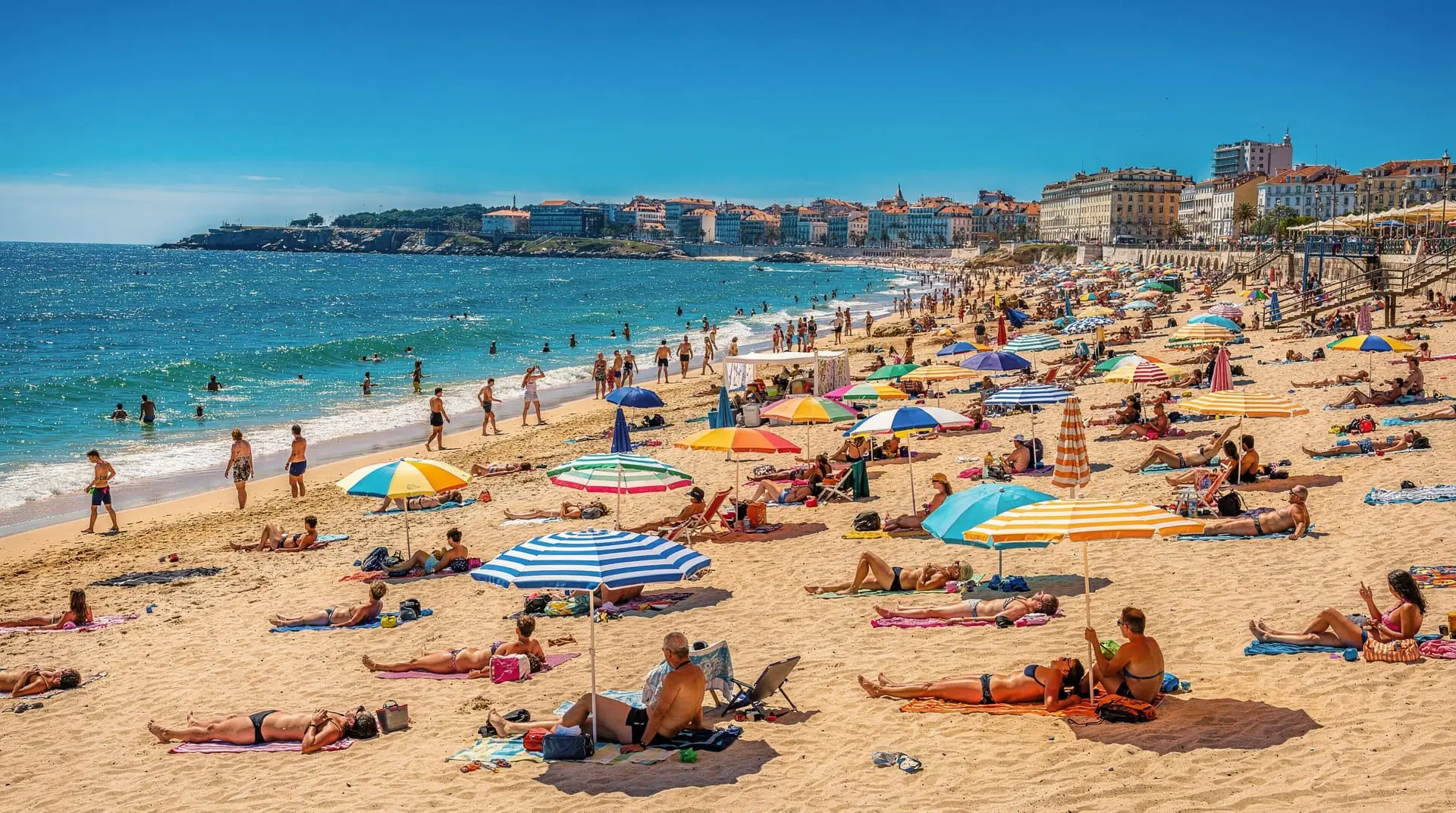
Lisbon in summer: heat, crowds, beaches, and what actually works
Lisbon in June, July, and August: 30°C+, Santo António festival, essential beach day-trips, crowd management, and the honest summer survival guide.
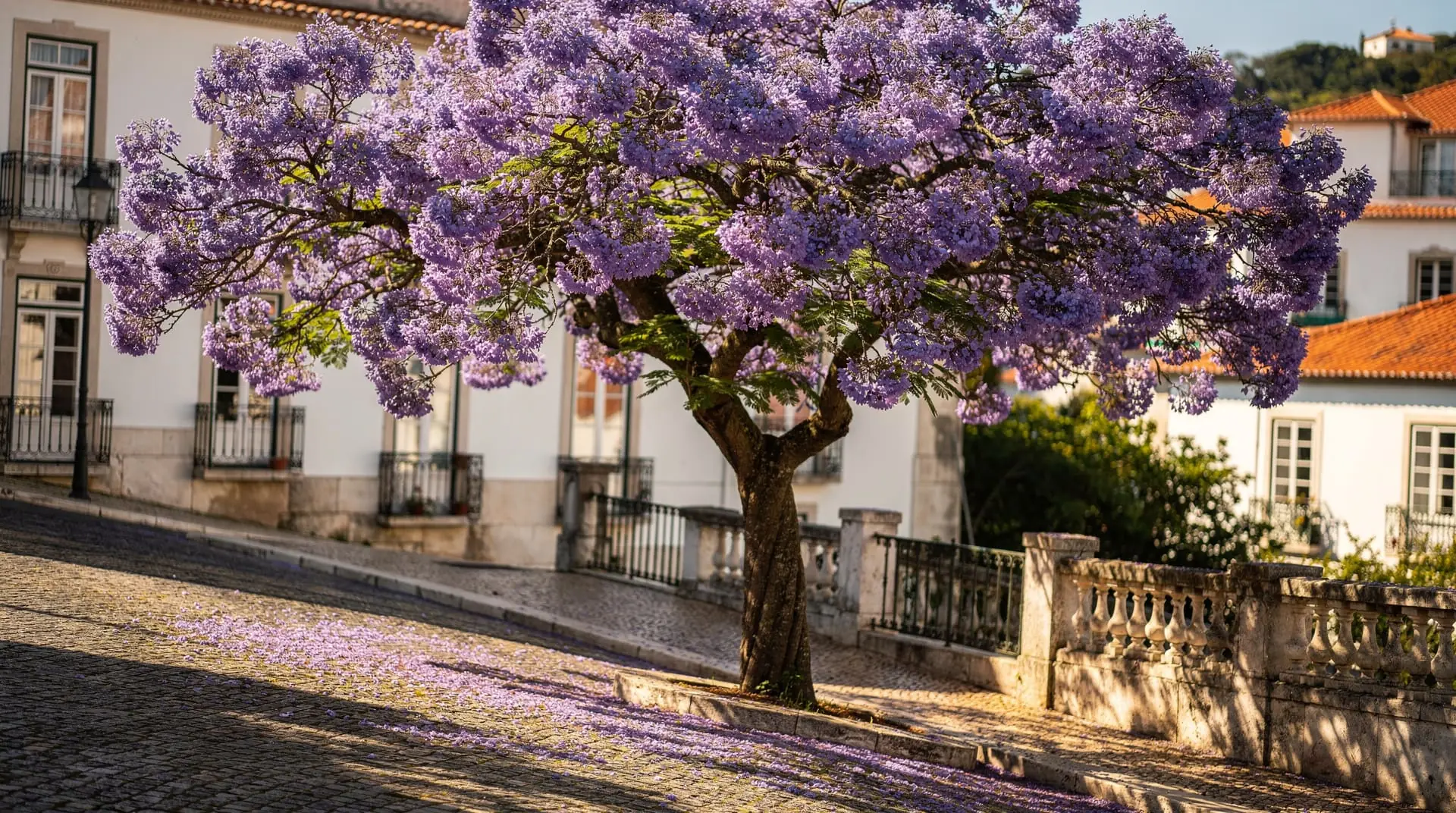
Lisbon in spring: jacarandas, ideal weather, and fewer crowds
Lisbon in March, April, and May: jacaranda bloom, Easter week, 20-25°C weather, and the last chance for off-peak value before summer. Best time to visit guide.
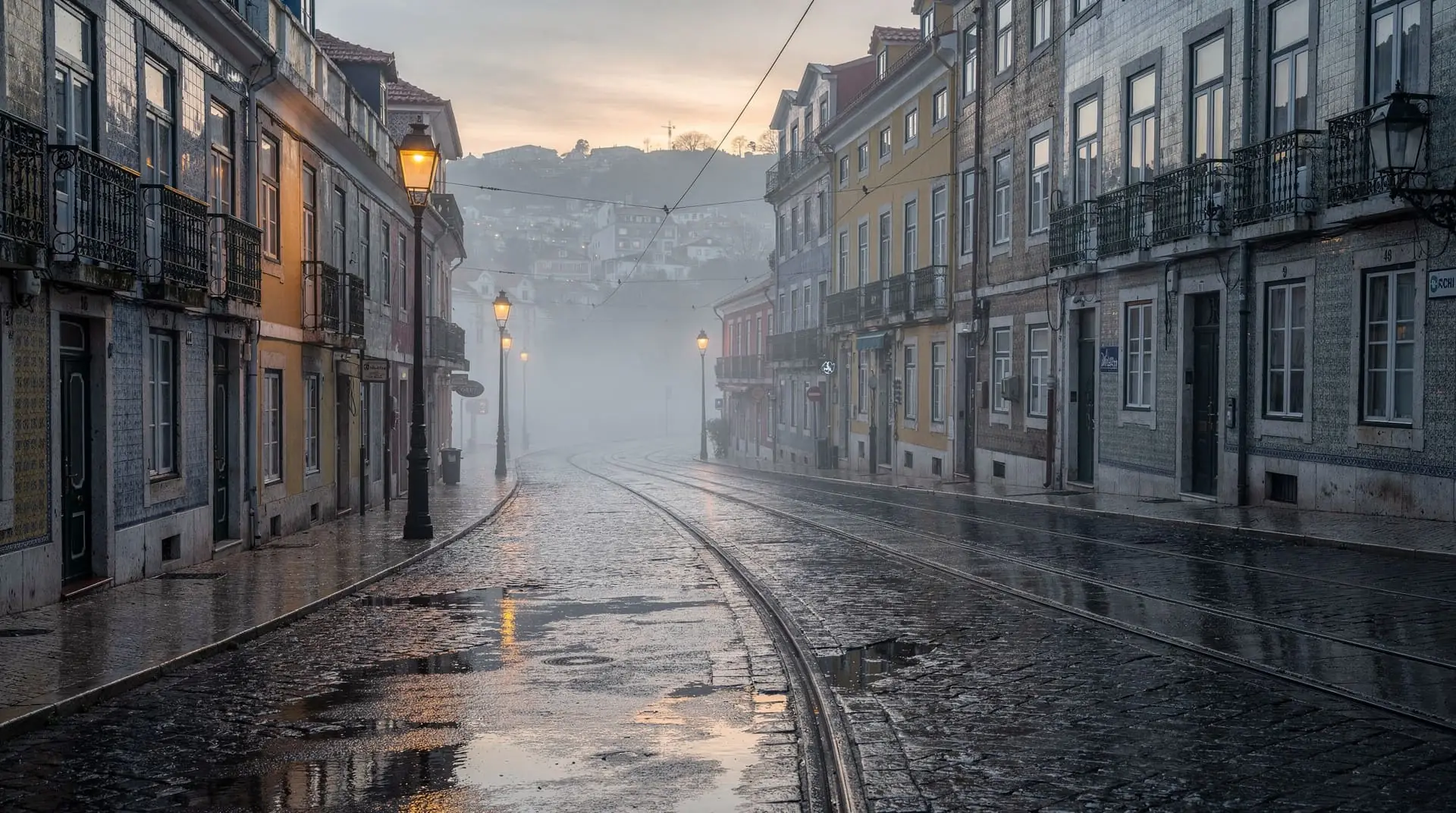
Lisbon in winter: mild, rainy, cheap, and underrated
Lisbon in December, January, and February: 12-17°C, Christmas markets, off-season prices, rain strategy, and the best winter activities. Honest seasonal guide.
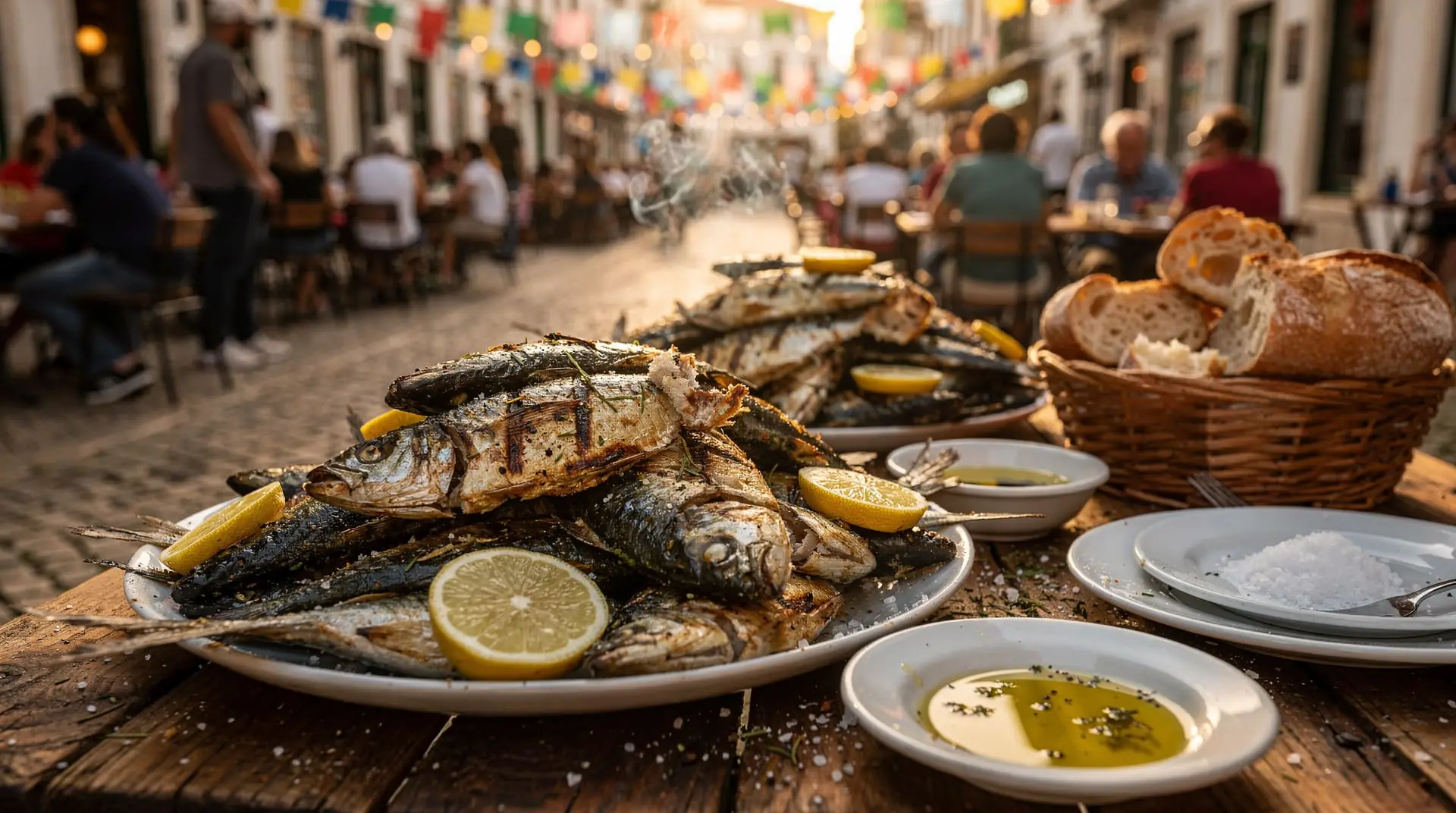
Sardines in Lisbon: sardine season, Santo António, and where to eat them
Everything about eating sardines in Lisbon — season, best restaurants, the Santo António festival in June, and Festas de Lisboa. Real addresses and prices.
Ready to book? Top tours for this guide
We earn a small commission if you book through GetYourGuide — at no extra cost to you. Every tour is hand-picked and verified.
Lisbon: 48-Hour Hop-On-Hop-Off Bus Tour and Oceanarium Entry
Lisbon: MAAT Entry Ticket & Dolphin Watching Boat Tour
Lisbon: Alfama, Mouraria Walking Tour with Fado Night, Tapas
Lisbon: Hop-On Hop-Off Bus Tour
Lisbon: 1-or 2-Day Hop-On Hop-Off Bus Tour