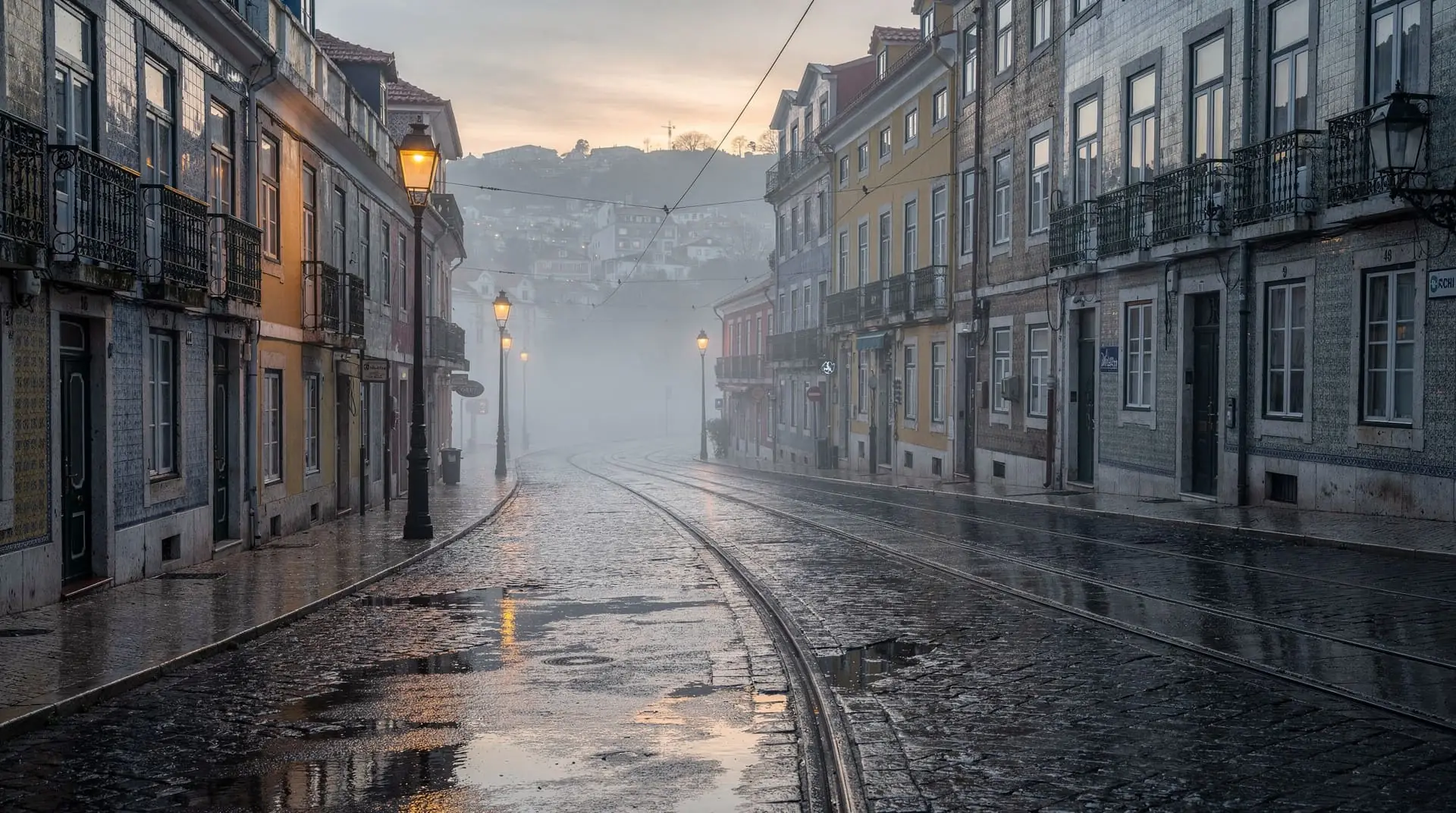
Lisbon in winter: mild, rainy, cheap, and underrated
Last reviewed
What is Lisbon like in winter and is it worth visiting?
Lisbon in December through February is mild (12-17°C average), rainy but not relentlessly so, and dramatically cheaper than summer. Museums are uncrowded. Sintra is manageable. Christmas markets run through December in Parque Eduardo VII and Chiado. The main downside is rain — bring a waterproof layer and plan indoor activities for afternoon. January-February off-peak is the best value for money of any time to visit.
Lisbon in winter is Portugal’s best-kept tourism secret. The city that hosts 3 million tourists in summer receives a fraction of that between December and February. The museums have space to breathe. The trams run without queues. Sintra’s palaces are explorable without the summer scrum. And the accommodation prices drop to a level that makes Lisbon genuinely affordable.
The trade-off is weather — not extreme cold, but rain and shorter days. Understanding how to work with rather than against winter weather makes it one of the best European city breaks of the year.
| Best months | January (quietest, cheapest), December (Christmas markets) |
| Weather | Around 12-17°C, rain on roughly 10-14 days a month |
| Crowds | Low, minimum of the year in January |
| Prices | Around €50-180/night, annual low |
| Book ahead | Sintra tickets often bookable same-day; hotels 1-2 weeks |
Weather: what winter actually means in Lisbon
Lisbon sits at 38°N, the same latitude as Lisbon, Portugal (obviously), but also as Washington D.C. and Seville. The Atlantic influence keeps temperatures remarkably mild:
December: Average high 14-16°C, average low 8-10°C. Rain on roughly 10-12 days. Days are short (sunset around 17:15). This is Christmas market season.
January: Average high 13-15°C, average low 7-9°C. The coldest month. Rain on 10-14 days. Some days of brilliant cold sunshine. January is the quietest month for tourism — hotels at minimum occupancy, restaurants happy to seat walk-ins.
February: Average high 15-17°C, average low 8-10°C. Almond trees begin to blossom in the south (Algarve) by mid-February. In Lisbon, the occasional warm day (19-20°C) hints at spring.
The critical point: Lisbon’s winter rain is Atlantic rain — it comes in bursts and passes. A morning of heavy rain often gives way to afternoon sun. This is not northern European grey drizzle for days on end. It is Mediterranean-Atlantic weather, volatile but manageable.
What Lisbon does not have in winter: snow (essentially never in the city, though the Serra da Estrela mountains 200 km north see snowfall), frost (rare), extreme cold. A fleece or light down jacket is the maximum you need.
December: Christmas and mild crowds
December is the most varied winter month in Lisbon. The first half has light Christmas decorations and the beginning of the festive atmosphere; the second half has full Christmas markets, Lisbon full of Portuguese families from the north and a moderate but not overwhelming tourist presence.
Christmas markets
Parque Eduardo VII: The main Christmas market runs from late November through December 31. A large, commercial market — food stalls, artisan crafts, children’s rides — spread across the park’s hillside above Marquês de Pombal. Best visited in the evening when the lights are on (16:30 onward). Entry is free. Mulled wine (vinho quente), castanhas assadas (roasted chestnuts), and rabanadas (Portuguese French toast) are the essential seasonal foods.
Rossio and Praça do Comércio: Smaller Christmas stalls around the main squares from mid-December. More photo-opportunity than market, but the decorated square at night is atmospheric.
Chiado: The Chiado and Príncipe Real neighbourhoods have the best independent Christmas shopping. The Mercado de Natal do Príncipe Real (usually at Jardim do Príncipe Real, mid-December) is the artisan market worth visiting.
Campo Pequeno (Christmas Circus): The Portuguese Christmas circus at the Campo Pequeno bullring — a popular local event, not a tourist attraction. If you are visiting with children, this is authentic rather than touristy.
Christmas Day (December 25)
Lisbon is significantly quieter on Christmas Day — a family occasion, with most restaurants closed or on holiday menus. The major sights (Belém Tower, São Jorge Castle) remain open. If you are visiting over Christmas, book restaurant tables well ahead; many of the best places close December 24-25.
New Year’s Eve
Praça do Comércio hosts a free outdoor concert and fireworks display at midnight. It draws crowds of 50,000+; arrive by 21:00 for a reasonable position. The Tagus waterfront is the viewing point. Several rooftop bars and restaurants offer New Year’s packages (€60-120 per person, dinner and champagne); book by October for the best options.
January and February: the real off-season
January is Lisbon at its quietest. Hotel prices drop to their annual minimum:
- Budget guesthouse: €50-80 (vs €120-140 in August)
- Mid-range hotel: €80-130 (vs €170-220 in August)
- Boutique hotel in Chiado: €120-180 (vs €250-320 in August)
This is the month to treat yourself to accommodation you could not justify in summer. The Bairro Alto Hotel (Lisbon’s most prestigious boutique), the Bettina & Nicola Trussardi Hotel in Príncipe Real, and the Memmo Alfama — all offer winter rates that represent genuine value.
Museu do Azulejo in January: One of Lisbon’s best museums under any circumstances — the collection of Portuguese ceramic tiles across 500 years of decorative arts. In January, it is yours without the summer crowds. See Tile Museum guide.
Gulbenkian in January: The Museu Calouste Gulbenkian and its sister Centro de Arte Moderna form the most ambitious private museum collection in Portugal — ancient Egyptian artefacts through Lalique glassware and Impressionist paintings. Rarely crowded at the best of times; in January, you can spend 3 hours moving at your own pace. See Gulbenkian Museum guide.
What actually works well in winter
Museums without queues
Winter is when you visit the museums you skipped in summer. The Coach Museum in Belém — overlooked by visitors who prioritise Jerónimos — has the world’s most spectacular collection of royal carriages. The MAAT (Museum of Art, Architecture and Technology) on the Tagus waterfront is excellent on a grey day with the river visible through floor-to-ceiling windows. Berardo Collection (Belém) for modern and contemporary art.
Visit the Lisbon Story Centre to understand the city’s historySintra in winter
Sintra on a December or January weekday: you book your Pena Palace ticket online for the same morning, take the 09:38 train from Rossio, and arrive to a palace with perhaps 20 people inside rather than 200. The fog in Sintra in winter — a regular occurrence due to its Atlantic elevation — is actually beautiful, wrapping the palaces in mist and giving the Romantic landscape a proper Gothic atmosphere.
The hiking trails in the Sintra-Cascais Natural Park (to Cabo da Roca, to Praia da Ursa, along the ridgeline from the Moorish Castle) are at their best in winter: mud underfoot, green hillsides, no summer heat. See Sintra day trip.
Fado in winter
Fado houses are slightly easier to book in winter — tables that require two weeks’ notice in July might be available with 3-4 days’ notice in January. The experience itself is no different; a January night at Mesa de Frades is identical in quality to a June night. And walking through Alfama to a fado house on a cold, slightly misty winter night has its own atmospheric perfection.
Visit the Calouste Gulbenkian Museum with an entry ticketThe food scene
Lisbon’s restaurant scene does not have winter and summer menus in the way that some coastal resort cities do — the city’s restaurants are open year-round. January and February are actually better months for eating: no need to book weeks ahead, tables available walk-in at good restaurants, chefs working for regular customers rather than tourist volume.
Winter seasonal food to try: caldo verde (kale and potato soup with chouriço — this is the comfort food of cold Portuguese evenings), bacalhau com broa (salt cod baked with cornbread crust, a warming winter dish), alheira de mirandela (smoked sausage, originally made without pork by Jewish communities during the Inquisition, now containing a mix of meats). Cataplana de mariscos — the copper-pot seafood stew — is available year-round but particularly satisfying on cold days.
Rain strategy
A rainy day in Lisbon is not a wasted day. The best rainy-day strategies:
Tile Museum (Museu do Azulejo): The 16th-century convent building is beautiful even in rain. The collection takes 2-3 hours. Café in the courtyard.
Museu Calouste Gulbenkian: At least 3 hours. The building is vast and the permanent collection requires time. The modern art wing across the garden is excellent.
LX Factory: The covered passages and ground-floor spaces of the converted factory complex in Alcântara work in rain. Sunday market and various restaurants.
Berardo Collection (Belém): World-class modern art collection, free entry, large dry spaces.
Coffee culture: Lisbon is a city for sitting in cafés. A rainy afternoon at A Brasileira (Chiado), Café Martinho da Arcada (Praça do Comércio, 1782, Pessoa’s favourite), or the Palácio do Chiado café requires nothing except an espresso and a book.
The Tagus by tram: Tram 15E from Praça da Figueira to Belém and back in rain is cosy rather than miserable, and the riverside view is dramatic in winter light.
What does not work well in winter
Beach day-trips: Not impossible, but unlikely to be warm enough for swimming. Costa da Caparica and Cascais beaches are dead in winter. Guincho surf beach is active year-round for surfers. The view from Cabo da Roca in winter storms is extraordinary.
Outdoor viewpoints at dusk: Sunset at 17:15 means the viewpoints (miradouros) do not have the golden-hour magic of summer evenings. They are still worth visiting, but plan for 15:30-16:30 rather than 20:00-21:00.
Day-trip heavy itinerary: Winter days are short (sunset 17:00-17:30 December-January). A day trip to Évora or Sintra that makes sense with 14 hours of daylight is more compressed with 9 hours. Plan for one day-trip maximum and spend the remaining days in Lisbon.
Winter vs the other seasons
| Factor | Winter | Spring | Summer |
|---|---|---|---|
| Weather | Mild, rainy | Ideal, occasional rain | Hot, dry |
| Crowds | Lowest | Medium | Highest |
| Prices | Lowest | Medium | Highest |
| Daylight | Short (9-10h) | Growing | Maximum |
| Sintra ease | Easy, often same-day | Easy-medium | Hard, book ahead |
| Beach | No | Late May only | Yes |
For the seasonal trade-offs beyond winter, see Lisbon in spring and Lisbon in summer, or the full best time to visit Lisbon breakdown.
Winter with kids or on a tight budget
Winter suits families who want to avoid summer’s heat and queues — the Lisbon with kids itinerary works well compressed into shorter winter days since indoor attractions (Oceanário, MAAT, the Lisbon Story Centre) dominate anyway. It’s also the strongest season for budget travellers: dorm beds and guesthouses hit their annual low, and Lisbon on a budget stretches further in January than in any other month. Pair it with the Lisbon travel budget guide for a realistic daily spend.
Transport and logistics
All normal Lisbon transport runs year-round with no schedule changes for winter. The Viva Viagem card and Lisboa Card work the same in winter — and the Lisboa Card is better value in winter because museum entry (which it covers) is more central to your itinerary than in summer when beaches and outdoor sightseeing dominate.
The Lisboa Card calculator helps determine whether it is worth buying based on your specific plans. In winter, if you are visiting 4+ museums, it almost certainly is.
Driving: Rain makes Lisbon’s hills more treacherous. The calcada portuguesa cobblestones become slippery. Walking pace slows in wet conditions. Add 10-15 minutes to any walking-based itinerary on rainy days.
Getting around: The metro and buses run their normal timetables through winter, and both are the more comfortable choice on wet days over tram 28, which gets slippery boarding steps and steamed-up windows. See getting around Lisbon for the full network, and taxis and Uber/Bolt for when a short ride beats a wet walk.
Practical packing for Lisbon winter
- Waterproof outer layer (a packable rain jacket that folds small — not a heavy winter coat)
- Mid-layer fleece or light down jacket for evenings
- Comfortable walking shoes that are not ruined by wet (leather or synthetic waterproof; not canvas trainers)
- Umbrella (a small folding one — gale-force gusts make large umbrellas impractical)
- Layers that can be removed mid-day if it warms up
Leave behind: heavy winter boots (unnecessary — average low is 8°C, not -5°C), beach gear, sunscreen as a priority (though still useful on sunny days).
Winter trip planning
A winter Lisbon trip of 4-5 days might look like:
Day 1: Arrive, Chiado and Bairro Alto walking tour, dinner and fado
Day 2: Belém (Jerónimos, Belém Tower, Coach Museum — no queues), lunch by the river
Day 3: Sintra day trip (easy to book same-day in winter)
Day 4: Museum day (Gulbenkian + Centro de Arte Moderna), Alfama evening
Day 5: Alfama and Mouraria walking, Museu do Fado, departure
See Lisbon 4-day itinerary, first-time Lisbon tips, and Lisbon on a budget for further planning. Compare seasons at Lisbon in spring and Lisbon in summer.
Join a small-group guided walking tour through Lisbon’s historic centreFAQ
Is Lisbon too rainy to enjoy in winter? No — Lisbon’s winter rain tends to arrive in bursts rather than settling in for the whole day, and a rainy morning often clears to sunshine by afternoon. Build in a museum or café buffer for the wettest hours and the rest of the day is usually fine outdoors.
Which winter month is best value: December, January, or February? January is the cheapest and quietest, with hotel prices at their annual minimum and the shortest queues anywhere. December has Christmas markets but is busier and pricier around the holidays. February starts to feel like early spring by the second half, with occasional 19-20°C days.
Related guides
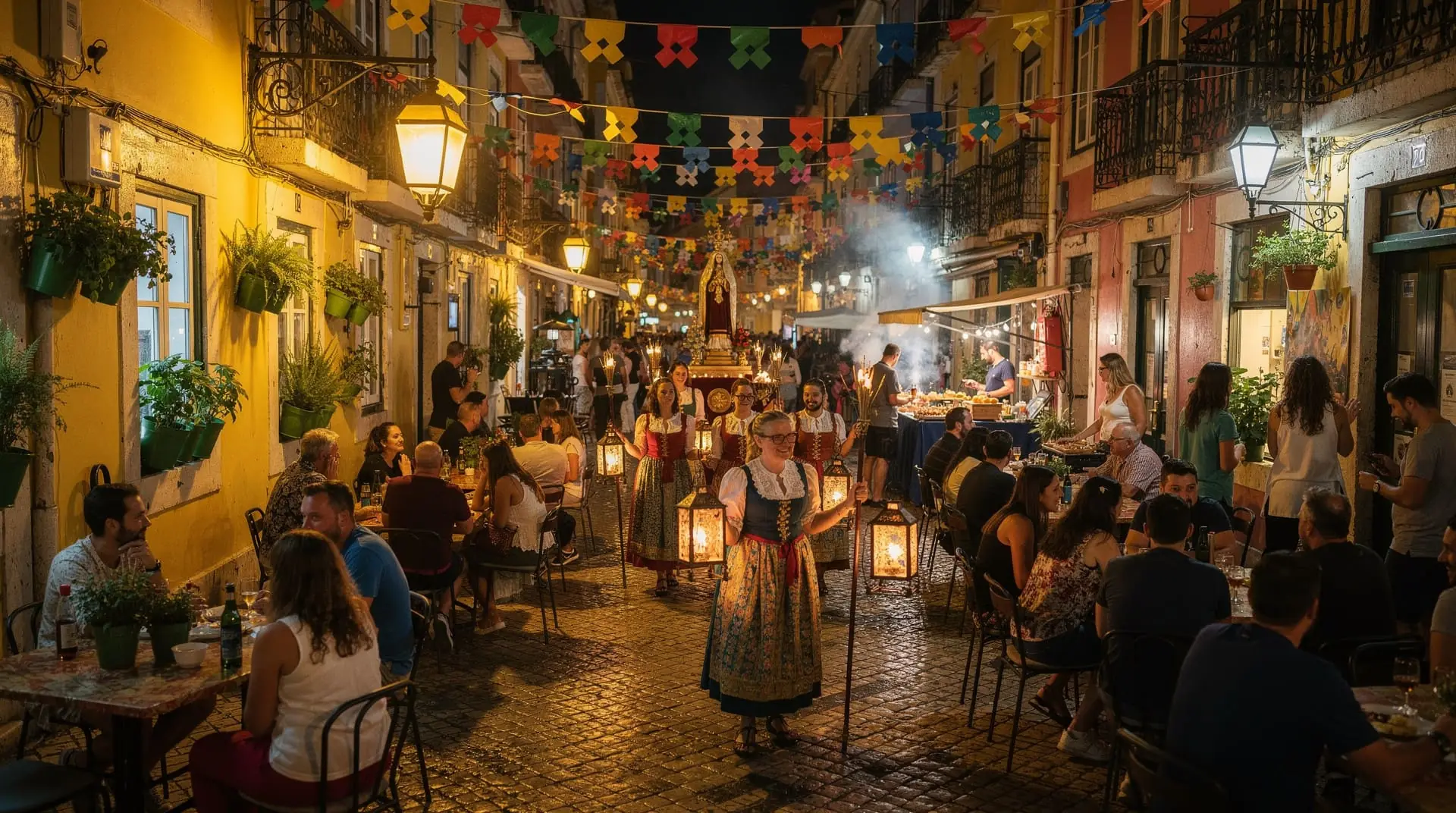
Santo António festival: Lisbon's Festas de Lisboa guide
Festas de Lisboa in June: sardines, marchas populares, mass weddings, Alfama all-nighters, and survival tips for June 12-13 when Alfama becomes impossible.
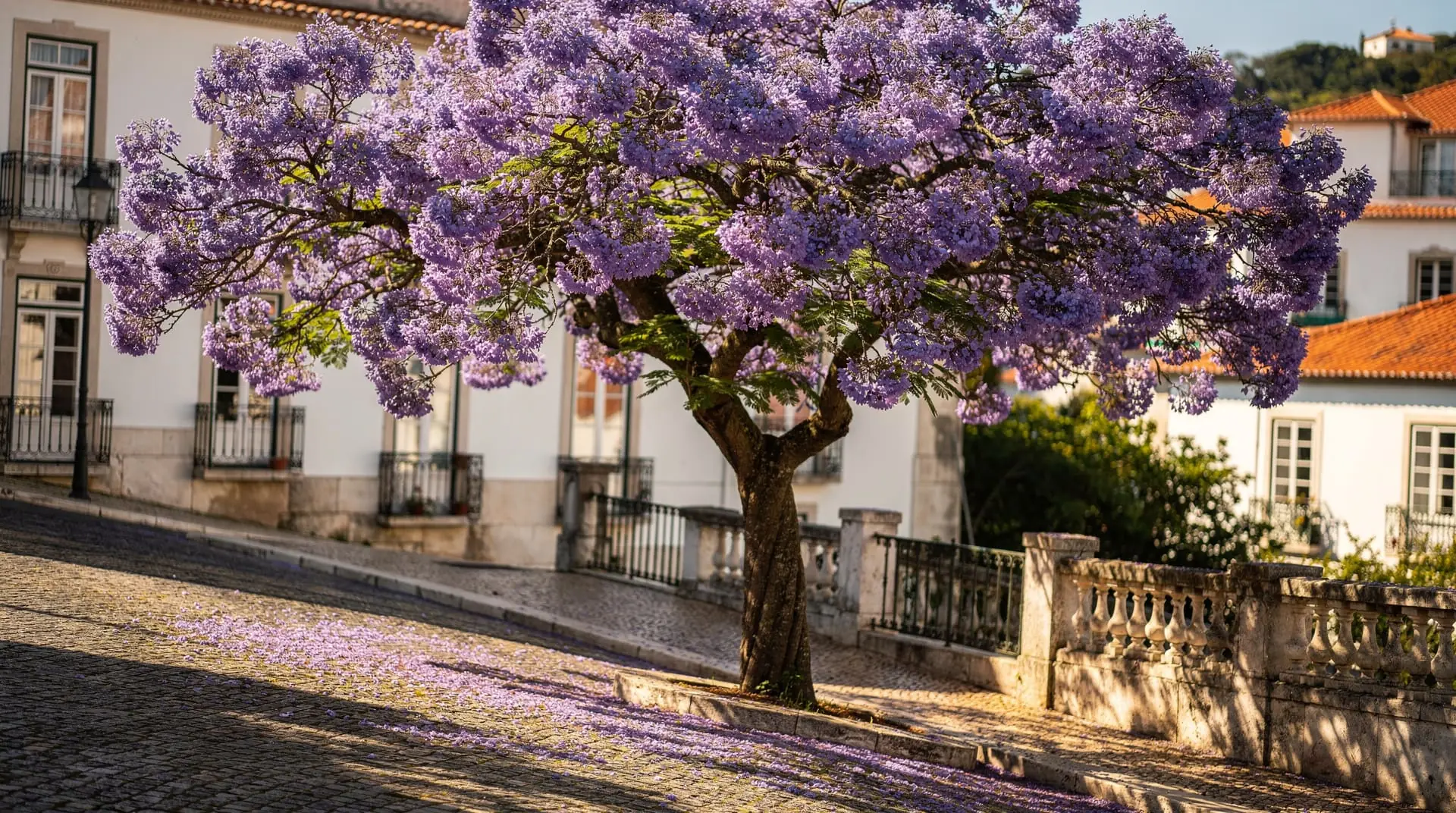
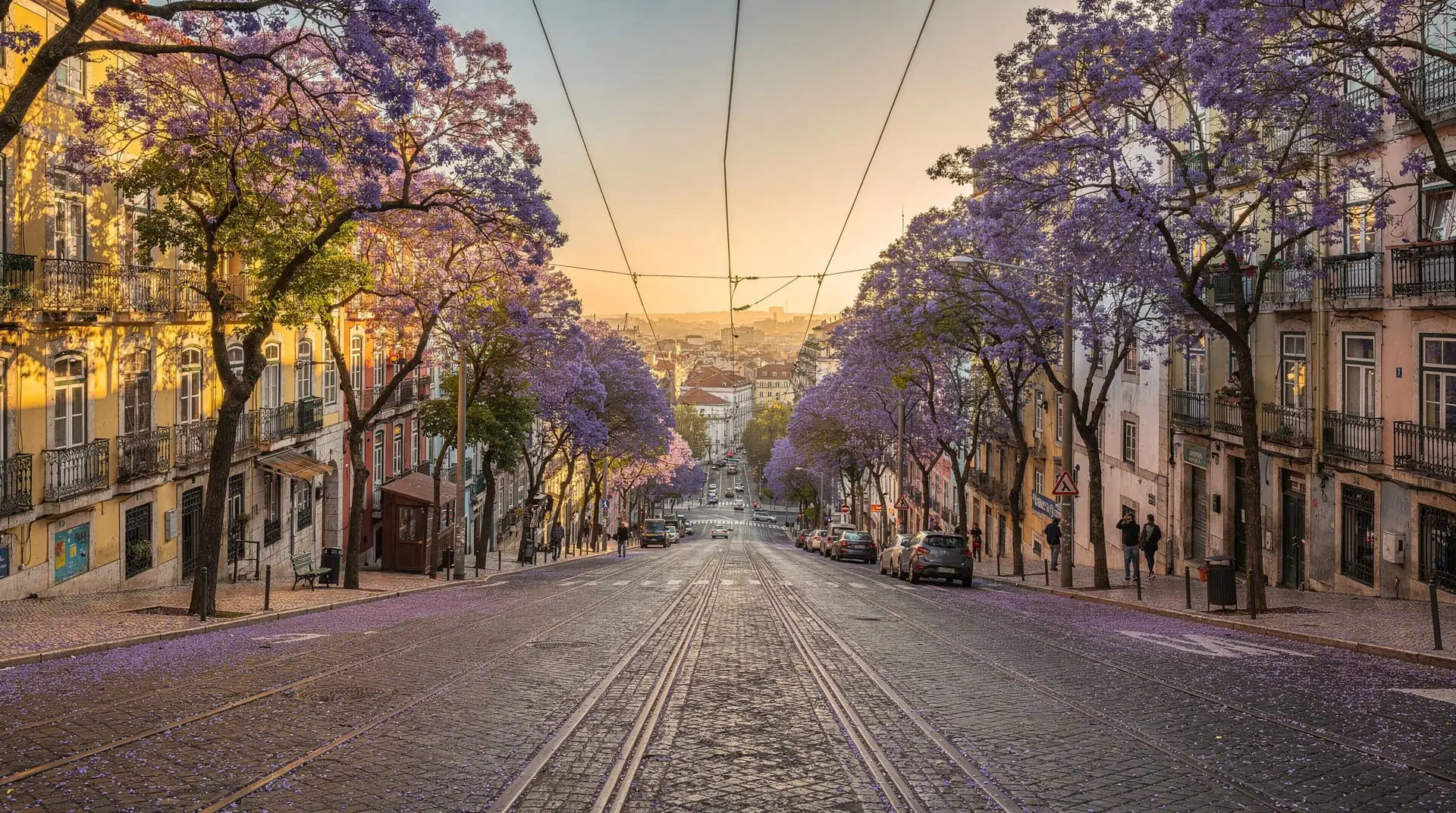
Lisbon in spring: jacarandas, ideal weather, and fewer crowds
Lisbon in March, April, and May: jacaranda bloom, Easter week, 20-25°C weather, and the last chance for off-peak value before summer. Best time to visit guide.
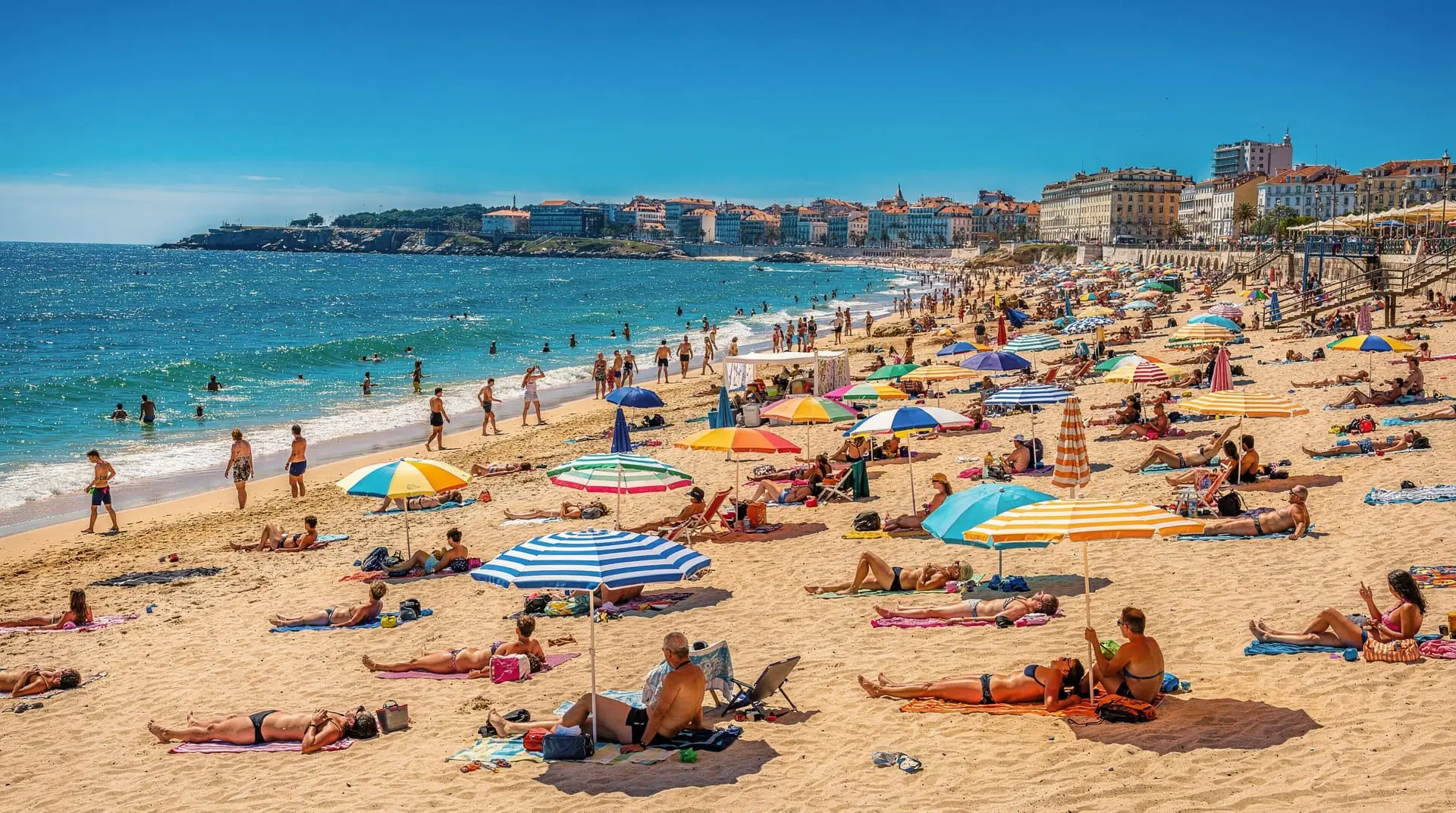
Lisbon in summer: heat, crowds, beaches, and what actually works
Lisbon in June, July, and August: 30°C+, Santo António festival, essential beach day-trips, crowd management, and the honest summer survival guide.
Best time to visit Lisbon — month-by-month breakdown
When to visit Lisbon: April-June and September-October are ideal. Summer is hot and crowded. Winter is cheap and mild. Month-by-month guide with real data.
Ready to book? Top tours for this guide
We earn a small commission if you book through GetYourGuide — at no extra cost to you. Every tour is hand-picked and verified.
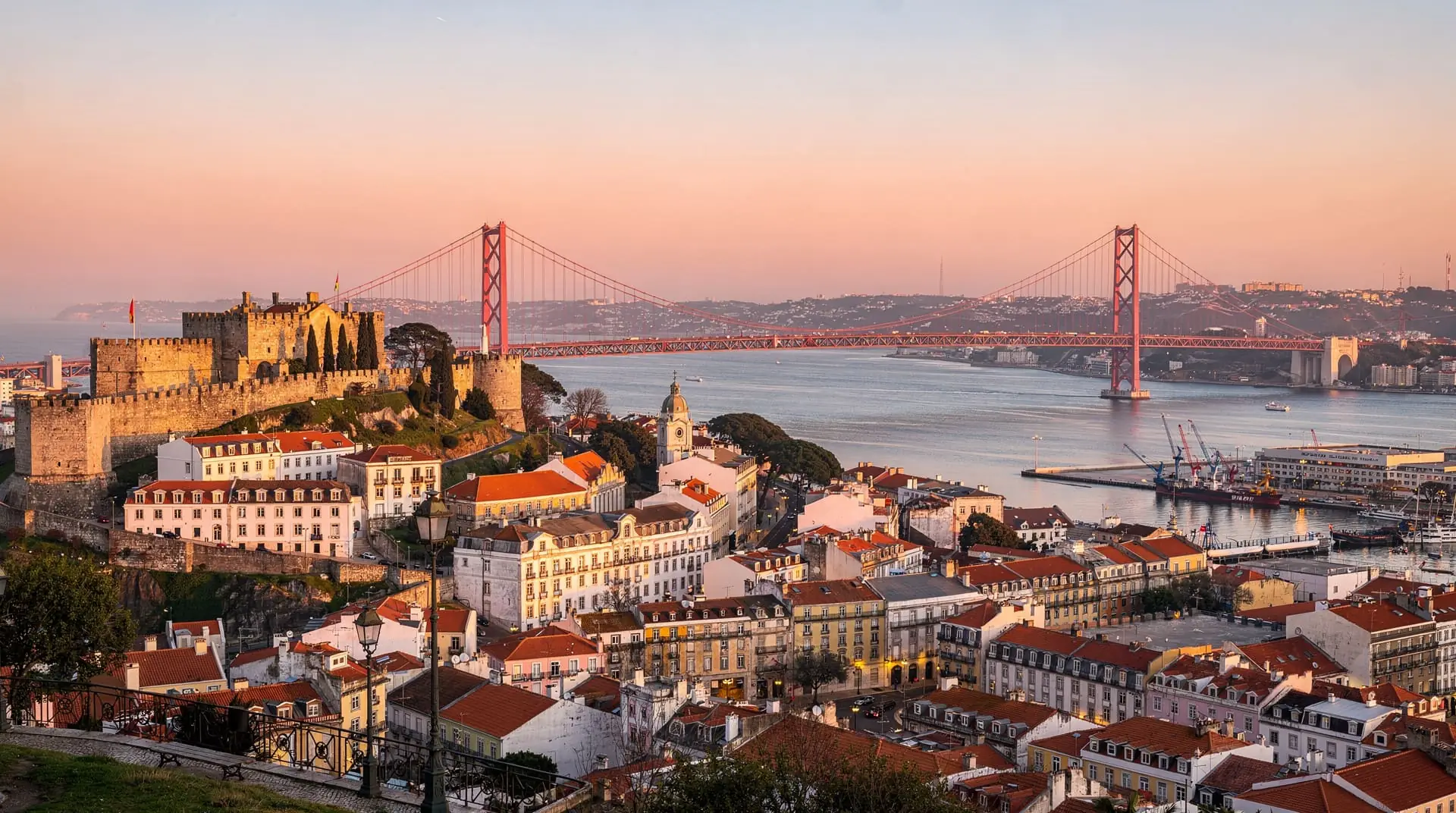
Lisbon: 48-Hour Hop-On-Hop-Off Bus Tour and Oceanarium Entry
Lisbon: MAAT Entry Ticket & Dolphin Watching Boat Tour
Lisbon: Alfama, Mouraria Walking Tour with Fado Night, Tapas
Lisbon: Hop-On Hop-Off Bus Tour
Lisbon: 1-or 2-Day Hop-On Hop-Off Bus Tour