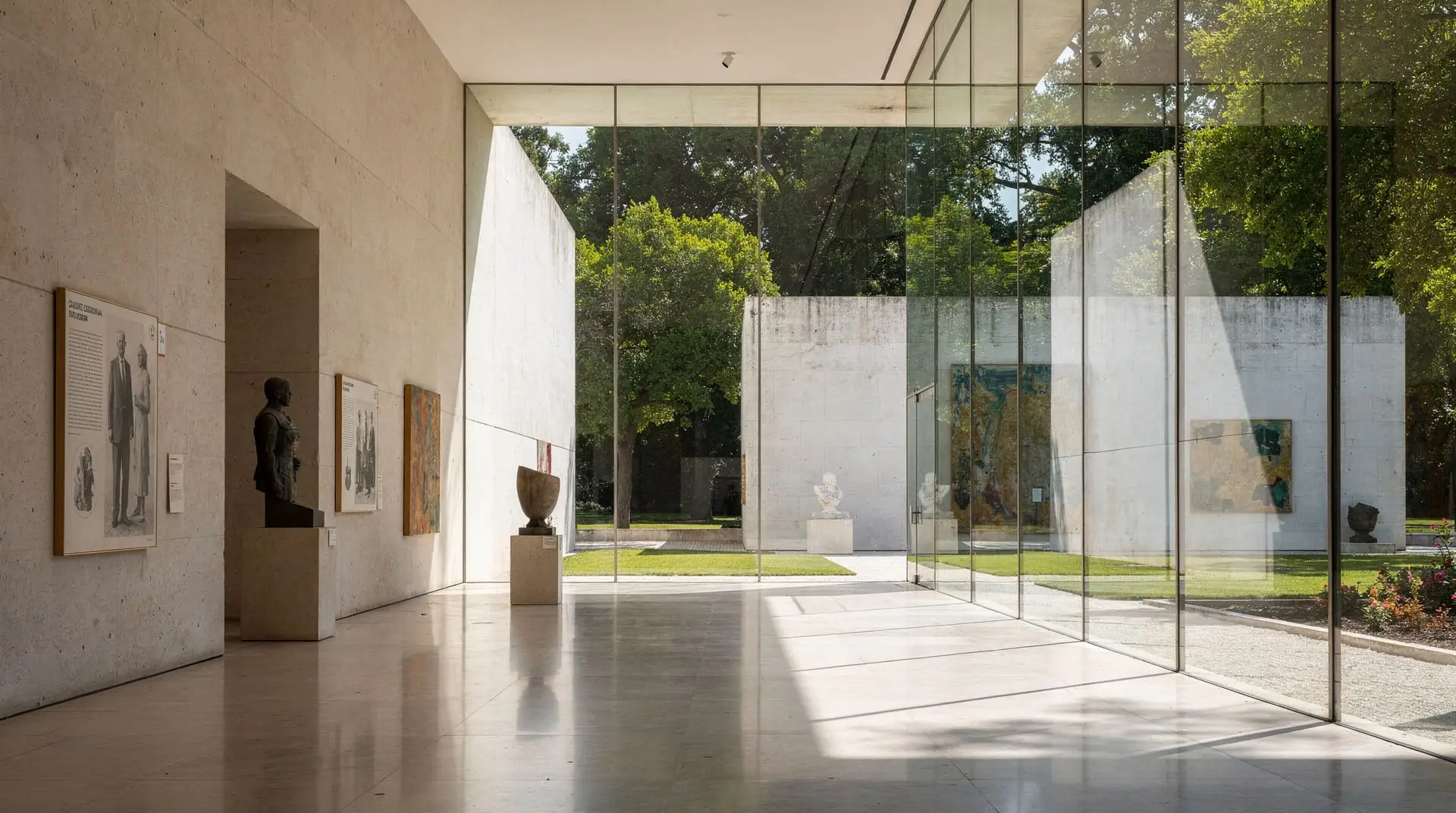
Calouste Gulbenkian Museum — the founder's collection
Last reviewed
What is in the Gulbenkian Museum in Lisbon?
The Founder's Collection covers 5,000 years of art: Egyptian antiquities, Islamic manuscripts, Chinese porcelain, European Old Masters, French decorative arts, and René Lalique Art Nouveau glass. It was assembled by Armenian oil magnate Calouste Gulbenkian and is considered one of Europe's great private collections. Entry is around €10.
One man’s obsession with beauty
Calouste Sarkis Gulbenkian was an Armenian oil financier whose 5% stake in the Iraq Petroleum Company earned him the nickname “Mr Five Per Cent” and one of the largest private fortunes in the world. Between 1900 and his death in Lisbon in 1955, he spent a significant portion of it buying art — not decoratively, not for investment, but with the rigorous focus of a man who read catalogues with the same intensity he applied to contracts.
The collection he left behind is startling in its coherence and depth. Displayed in a purpose-built museum that opened in 1969 in the Pombalina gardens of northern Lisbon, the Founder’s Collection covers approximately 6,000 objects spanning Egyptian antiquities, Greek coins, Islamic illuminated manuscripts, Chinese porcelain, Flemish and Dutch Old Masters, French 18th-century furniture and silver, and — in a climax room that visitors remember for years — an almost complete holding of René Lalique’s Art Nouveau glass and jewellery.
This is not a broad national collection covering every period. It is a single sustained vision of aesthetic quality across five millennia, and that makes it feel unlike most museums of comparable scope.
| Where | Av. de Berna 45A, northern Lisbon (near Praça de Espanha) |
| Entry | Around €10 (Founder’s Collection); ~€14 combined with CAM |
| Time needed | 90 minutes to 3 hours |
| Getting there | Metro to São Sebastião or Praça de Espanha, then 8-10 min walk |
| Best time | Weekday mornings; avoid the final 90 minutes before closing |
What to see — room by room
Egyptian, Greek, and Mesopotamian antiquities
The collection begins with Egyptian funerary objects — shawabtis, canopic jars, a gilded bronze cat — selected for their formal beauty rather than archaeological completeness. The Greek section includes coins of rare quality: Gulbenkian collected coins the way others collect paintings, treating each as a miniature sculpture. Several pieces here are among the finest known specimens of their type.
Islamic manuscripts and carpets
Gulbenkian was of Armenian heritage and had deep connections to the Islamic world through his business activities. The manuscript collection reflects this: Quranic pages of exceptional calligraphic quality, Persian miniature paintings with colours that have retained their intensity across five centuries, and Iznik ceramics. The Turkish carpets in this section are displayed on the floor as well as the walls — one of the few museums that treats carpets as the three-dimensional objects they were intended to be.
Far Eastern art
Chinese porcelain from the Song through Qing dynasties, Japanese lacquerwork, and Indian jade objects. Gulbenkian acquired several pieces from the imperial collections dispersed after the fall of the Chinese empire in 1912. The quality is high but this section is smaller than the Islamic holdings.
European paintings and sculpture
Flemish and Dutch Old Masters include Rembrandt, Rubens, and Van Dyck. French 18th-century work is represented by Fragonard and Boucher — very much to period taste but well-chosen examples. There is a Ghirlandaio portrait and several fine Guardi vedute of Venice. The sculpture section includes pieces by Houdon and Falconet.
French decorative arts
An entire gallery devoted to 18th-century French furniture, silverwork, and Sèvres porcelain. Much of it came from royal collections. The cabinet-making here is of a quality rarely seen outside Versailles — marquetry and ormolu at a level that seems designed to intimidate rather than please.
René Lalique (the climax room)
The final and most famous gallery holds Gulbenkian’s collection of works by René Lalique, the Art Nouveau glass designer whose pieces were made primarily between 1895 and 1912. Gulbenkian was Lalique’s patron and close friend, commissioning several pieces directly. The collection includes jewellery, perfume bottles, vases, and architectural glass — the jewellery in particular, with its combination of enamel, carved ivory, and semi-precious stones, represents Art Nouveau at its most refined. This room alone justifies the trip to the museum.
Practical information
Address: Av. de Berna 45A, 1067-001 Lisbon (northern Lisbon, near Praça de Espanha).
Getting there:
- Metro: São Sebastião (Blue or Red line) — 10-minute walk east along Av. de Berna, or Praça de Espanha (Blue line) — 8-minute walk north. São Sebastião is the most direct.
- Bus: 716, 726, 742 to the museum stop.
- The museum is not walkable from central Baixa in reasonable time (about 35 minutes on foot). Metro is the practical choice.
Opening hours: Wednesday to Monday, 10:00 to 18:00. Closed Tuesdays.
Entry: Around €10 for the Founder’s Collection. The combined ticket for both the Founder’s Collection and the Modern Art Centre (CAM) is around €14 — good value if you want to see both. Under-30 visitors from EU/EEA: free admission. Under-12: free.
Lisboa Card: Covered by the Lisboa Card — a genuine saving if you are also visiting transport-linked attractions.
Pre-book Gulbenkian Museum entry tickets to guarantee access during busy periods, particularly in spring and autumn when school groups are common in the mornings.
The gardens
The Gulbenkian Foundation campus covers 7.5 hectares of designed landscape — one of the largest green spaces in central Lisbon. The jardim (garden) between the museum and the modern CAM building was designed as an ecological garden with a small lake, water features, and plantings chosen to support urban biodiversity. It is free to enter at all times.
On warm days, the garden is an excellent place to decompress between museum visits. There is a café terrace in the garden open during museum hours. In summer, the outdoor amphitheatre hosts concerts (the Gulbenkian Orchestra performs here regularly — check their programme).
The garden is about 20 minutes from the Marquês de Pombal roundabout on foot if you want to walk from central Lisbon. The route along Av. da Liberdade and then north is pleasant.
Combining with the Modern Art Centre
The Centro de Arte Moderna (CAM) — the foundation’s contemporary art museum — is on the same campus, a five-minute walk through the garden from the Founder’s Collection building. CAM reopened in 2024 after a major renovation by Japanese architect Kengo Kuma and now presents Portuguese modern and contemporary art from the early 20th century to the present.
The combined Gulbenkian founder’s collection and modern art centre ticket saves money if you want to see both. Most visitors spend around three hours total on the campus — about 90 minutes in each building with a coffee break in the garden.
When to go and how long to allow
The Founder’s Collection takes between 90 minutes and three hours depending on your pace. Do not rush it. The Islamic manuscript room and the Lalique room reward slow looking. Mornings on weekdays are quietest; Saturday afternoons can be crowded, particularly the Lalique gallery.
The museum is air-conditioned throughout — a practical advantage in July and August when midday Lisbon temperatures reach 30–35°C. The garden café is pleasant in spring. In winter the garden is bare but the indoor collections are unaffected, and visitor numbers drop significantly. See the Lisbon seasonal guide for broader timing context.
Honest tips
The museum gift shop has unusually good reproductions and publications — the Lalique catalogue in particular is excellent. Prices are reasonable by museum-shop standards.
Audio guides are included in the entry price and are well-scripted — not the usual superficial summaries but genuinely informative explanations of why specific pieces were acquired and what Gulbenkian saw in them.
Avoid arriving in the final 90 minutes before closing if you want to see the Lalique room properly — it gets crowded with people rushing through. Come when the museum opens and work through methodically.
The Lisboa Card is worth calculating before purchasing: if you are also planning to visit the National Azulejo Museum, MAAT, and several metro journeys, the card can save meaningful money. Use the Lisboa Card calculator to check.
How the Gulbenkian fits into a longer Lisbon trip
The Gulbenkian sits outside the tight historic centre, so it needs a deliberate half-day rather than a quick add-on between other sights. Visitors on a 3-4 day Lisbon trip generally slot it into a museum-focused morning or afternoon paired with a slow lunch nearby — the streets around Praça de Espanha have solid neighbourhood restaurants without the tourist markup of Baixa. Budget travellers weighing whether the entry fee is worth it should see the Lisbon travel budget guide for how museum costs stack up against the rest of a typical daily spend.
Because the museum, garden and CAM sit on one calm campus away from the crowds of Alfama or Belém, it also works well as a deliberate change of pace midway through a busy trip — a few hours where nobody is trying to get past you on a narrow street.
Frequently asked questions about the Gulbenkian Museum
Who was Calouste Gulbenkian?
Calouste Sarkis Gulbenkian (1869–1955) was an Armenian-British oil tycoon who negotiated the founding agreements of the Iraq Petroleum Company and retained a 5% interest — earning him his famous nickname. Born in Istanbul, he eventually settled in Lisbon during World War II and died there. His will established the Calouste Gulbenkian Foundation, which continues to fund arts, education, and scientific research internationally.
Is photography allowed inside the Gulbenkian Museum?
Personal, non-flash photography is generally permitted in the permanent collection galleries. Restrictions may apply in rooms displaying loaned works. Check with staff on arrival for the current policy.
How is the Gulbenkian different from the Modern Art Centre?
The Founder’s Collection (main Gulbenkian Museum building) displays art assembled personally by Calouste Gulbenkian — ancient to early 20th century, predominantly Western and Islamic art. The CAM (Modern Art Centre) is a separate building on the same campus showing Portuguese modern and contemporary art and the foundation’s post-Gulbenkian acquisitions. They are complementary rather than overlapping.
Is the Gulbenkian Museum worth visiting with children?
Older children (10+) who have some interest in art or history often respond well to the Egyptian antiquities section and the Lalique jewellery. The garden is excellent for younger children. Under-12 admission is free.
Can I get to the Gulbenkian by tram?
Trams do not serve this part of Lisbon directly. The metro (to São Sebastião or Praça de Espanha) is the most practical connection from central Lisbon, combined with a short walk. See the getting around Lisbon guide for detailed transport advice.
Does the Gulbenkian get crowded like the Belém monuments?
No — even in high season, the Gulbenkian is noticeably calmer than Jerónimos Monastery or Belém Tower, since it draws a mix of art-focused visitors rather than the full tourist circuit. The main exception is Saturday afternoons and periods with school groups on weekday mornings, when the Lalique room in particular can feel busier.
Related guides
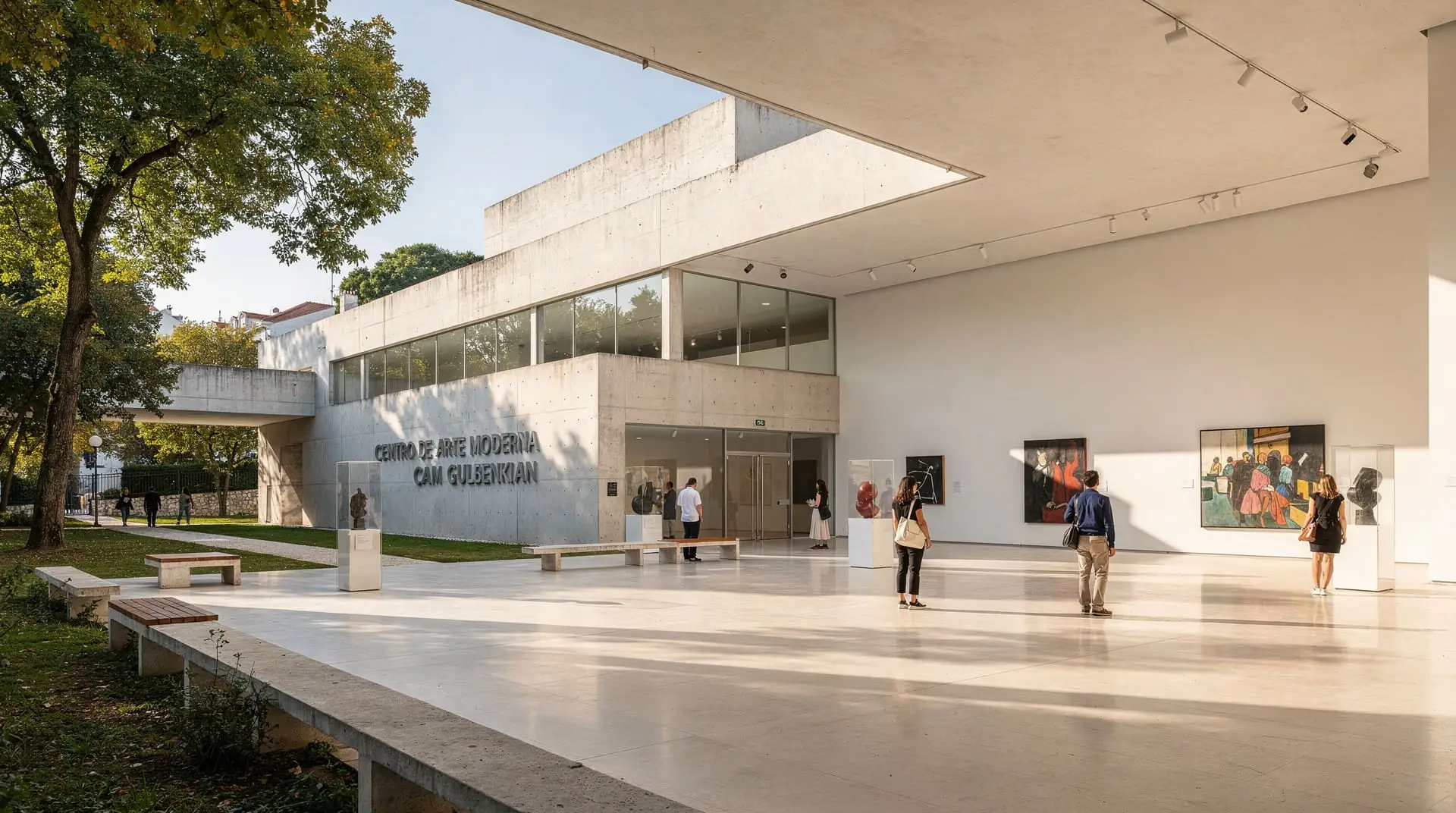
Centro de Arte Moderna (CAM) — Gulbenkian's modern art centre
Guide to CAM Gulbenkian in Lisbon: Kengo Kuma's 2024 redesign, Portuguese modernism, combined ticket with the Founder's Collection, gardens, and prices.
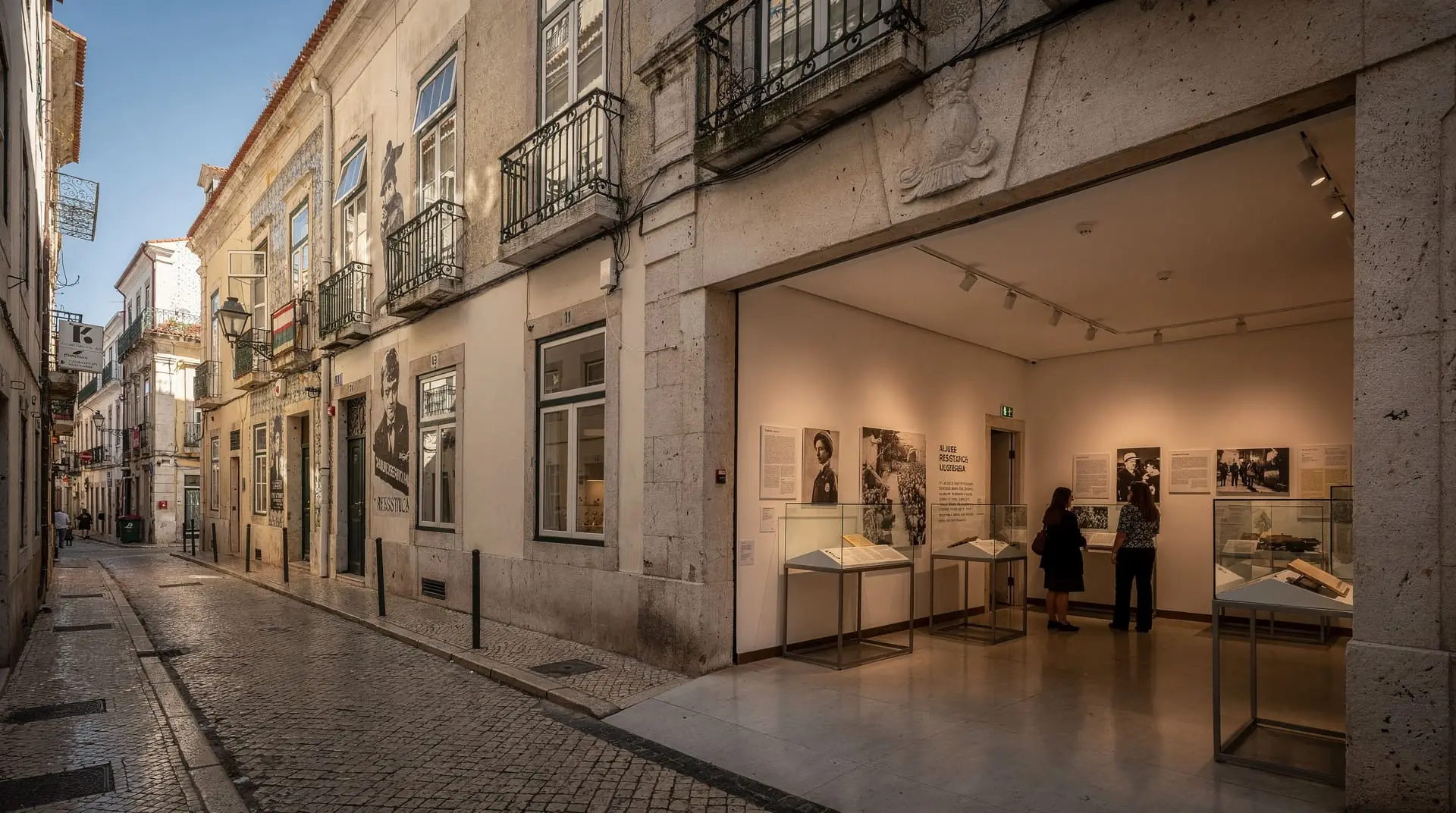
Aljube Resistance Museum — Lisbon's anti-fascist memorial
Guide to the Aljube Museum in Lisbon: the PIDE political prison near the Sé cathedral, the Estado Novo dictatorship, entry prices, and how to visit.
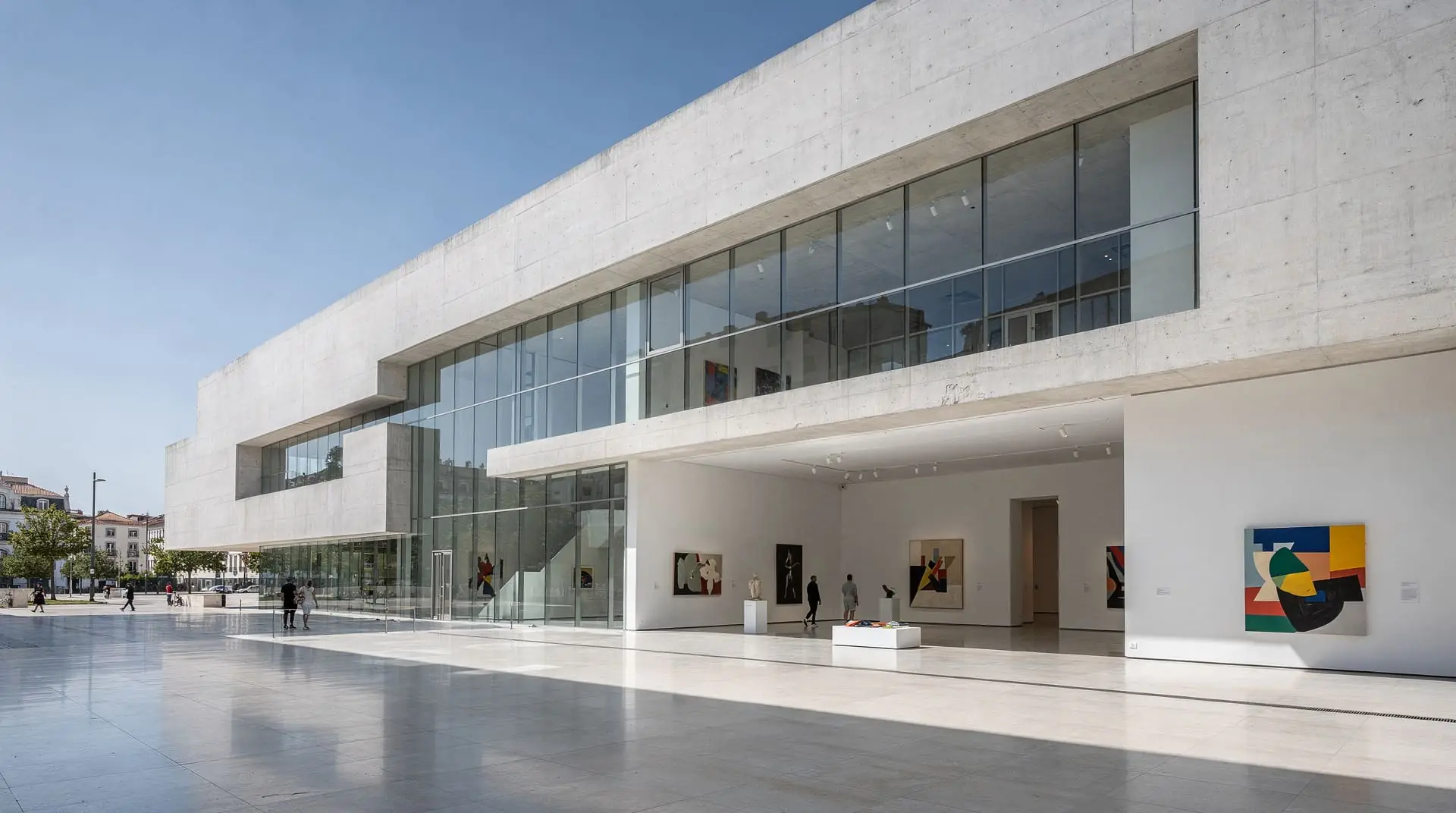
Berardo Collection at CCB — modern art in Belém
Guide to the Berardo Collection Museum in Belém: Picasso, Warhol, Bacon, free Saturdays, entry prices, and how to plan your visit alongside Jerónimos.
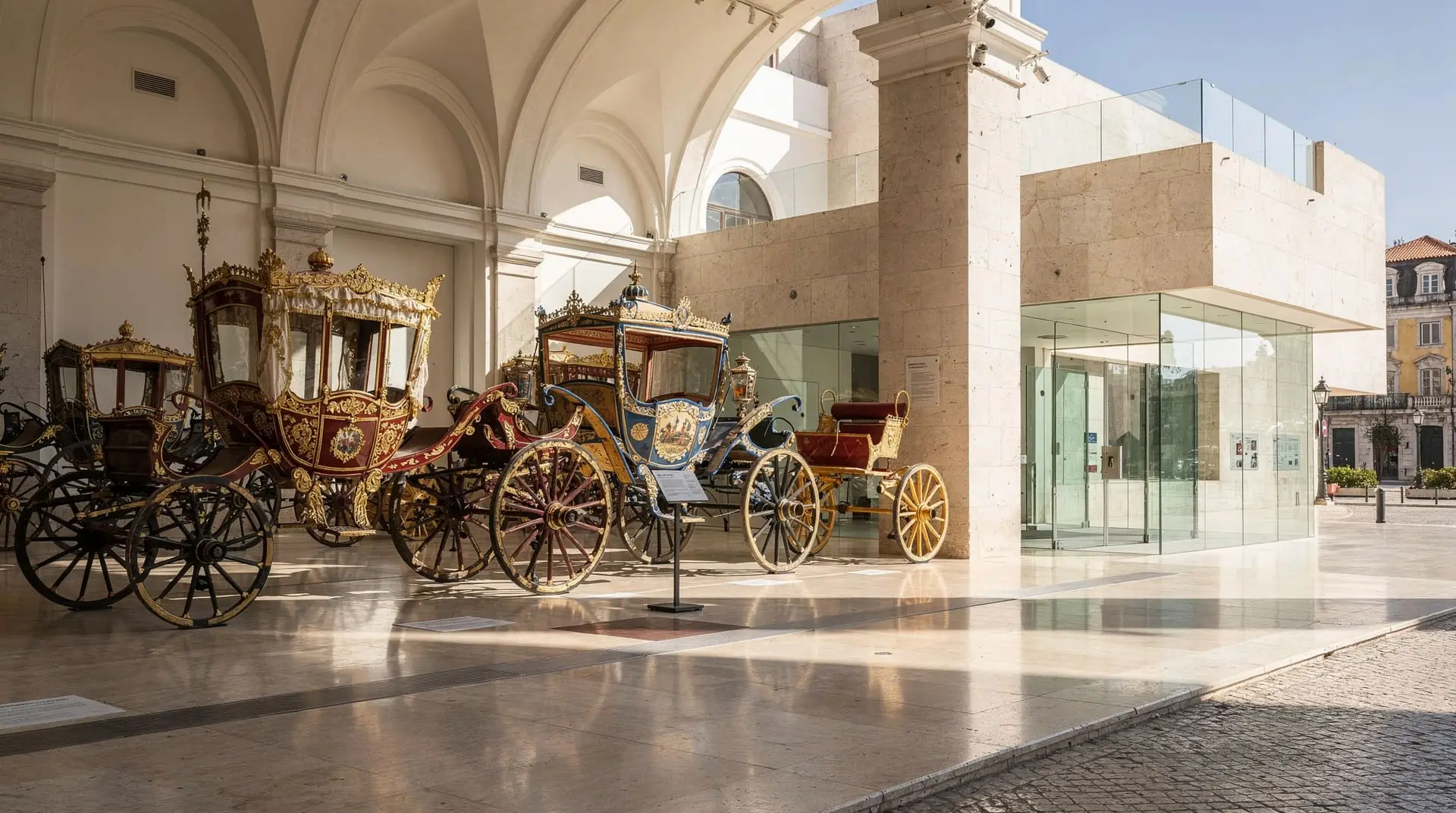
National Coach Museum Belém — royal carriages of Portugal
Guide to Lisbon's National Coach Museum in Belém: royal carriages, entry prices, the Philip III papal coaches, and how to combine it with Jerónimos.
Ready to book? Top tours for this guide
We earn a small commission if you book through GetYourGuide — at no extra cost to you. Every tour is hand-picked and verified.

Lisbon: 48-Hour Hop-On-Hop-Off Bus Tour and Oceanarium Entry
Lisbon: MAAT Entry Ticket & Dolphin Watching Boat Tour
Lisbon: Alfama, Mouraria Walking Tour with Fado Night, Tapas
Lisbon: Hop-On Hop-Off Bus Tour
Lisbon: 1-or 2-Day Hop-On Hop-Off Bus Tour