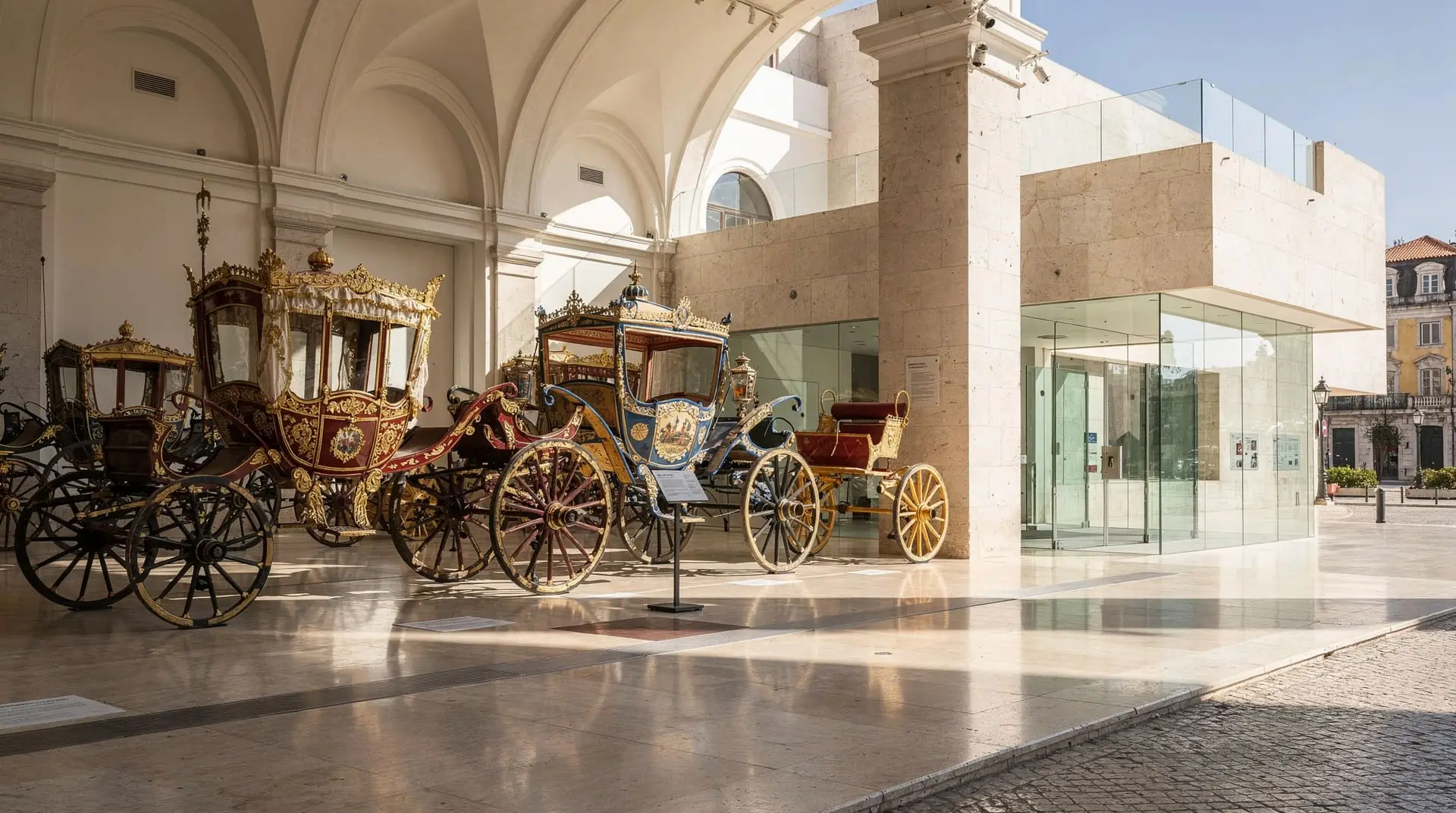
National Coach Museum Belém — royal carriages of Portugal
Last reviewed
Is the Coach Museum in Lisbon worth visiting?
Yes, if you have any interest in the material culture of the Portuguese royal court. The collection of 17th and 18th-century ceremonial carriages is the finest in the world. The highlight is the set of three baroque coaches sent by King Philip III of Spain to Pope Clement XI in 1716 — objects of extraordinary craft and almost obscene opulence. Entry is around €10.
| Where | Av. da Índia 136, Belém (plus riding-school building nearby) |
| Cost | Around €10 (reduced ~€5; free first Sunday until 14:00) |
| Time needed | 60-90 minutes |
| Getting there | Train to Belém (12 min from Cais do Sodré) |
| Best time | Opening (10:00) before tour groups arrive |
Not your average museum
The Museu Nacional dos Coches occupies the single most striking new museum building constructed in Lisbon in recent years: a vast rectangular structure by Brazilian architect Paulo Mendes da Rocha, opened in 2015, that sits in the Belém cultural district like a concrete and glass ship permanently docked beside the older riding school building of the Royal Palace of Belém.
The collection inside is the world’s greatest assembly of horse-drawn ceremonial vehicles: 70 coaches, carriages, litters, and palanquins spanning roughly 400 years of Portuguese court life, from a functional sedan chair of the early 1600s to the elaborately gilded state landau used by King Carlos I at the end of the 19th century. If the word “carriage” suggests something fusty and minor, understand that these objects are among the most extravagant three-dimensional artworks produced in the baroque era — sculpture, painting, gilding, and leather-work combined in vehicles designed to project royal and ecclesiastical power at an almost hallucinatory level of intensity.
The collection
The Ceremonial Coaches of Philip III
The museum’s centrepiece and one of the most remarkable objects in any Portuguese institution is the set of three coaches commissioned by Philip III of Spain (Philip II of Portugal — the Spanish king who ruled Portugal in personal union) and sent as a gift to Pope Clement XI in 1716. These are not vehicles that were ever used for travel. They are moving sculptures: the central coach, the “Coach of Oceans,” stands nearly three metres tall, covered in gilded carvings of sea creatures, allegorical figures representing the continents, and martial trophies, every surface alive with detail. Looking at it for 15 minutes and you will still be finding new figures in the composition.
The other two coaches in the set — representing Europe and Portuguese power — are equally extraordinary. The three together constitute a complete baroque programme of royal ideology: empire, religion, and dynastic legitimacy rendered in oak, gilding, and velvet.
17th and 18th-century court coaches
The rest of the main hall covers the development of the Portuguese royal carriage from functional vehicle to ceremonial statement. The coaches used by Manuel I (who commissioned the Jerónimos Monastery a few hundred metres away) are among the oldest surviving royal coaches in the world — plain by later standards, but immensely dignified. By the 18th century, under João V (who also funded the building of Mafra Palace), the vehicles had become enormous — wide enough to be stable at the walking pace required for formal processions, every surface gilded.
19th-century and transitional vehicles
The later section of the collection includes vehicles from the Constitutional Monarchy period: the state berlins used for royal processions in the 19th century, travelling carriages designed for actual use on poor roads (notice the suspension systems), and the equipment of the royal stables including harnesses and livery.
The original riding school building
The museum uses both the new Mendes da Rocha building and the 18th-century riding school of the Royal Palace of Belém. The old building — a long, arched hall that was the palace’s formal riding school — displays a smaller selection of vehicles but in a setting that gives a clearer sense of how these objects existed in their original context. The tile panels on the walls of the riding school are worth examining for their depictions of 18th-century equestrian exercises.
Practical information
Address: Av. da Índia 136, 1300-300 Lisbon (new main building). The old building (Praça Afonso de Albuquerque) is a 5-minute walk away — both are included in the same ticket.
Opening hours: Tuesday to Sunday, 10:00 to 18:00 (last entry 17:30). Closed Mondays.
Entry: Around €10 for adults. Reduced rate (around €5) for youth aged 13–25, students, and seniors over 65. Under-13 free. Free admission on the first Sunday of each month from opening until 14:00.
Lisboa Card: Covered — see the Lisboa Card guide and calculator to determine whether the card saves money on your planned itinerary.
Getting there:
- Train from Cais do Sodré to Belém station — 12 minutes, trains every 20–30 minutes. The museum is a 5-minute walk west from the station.
- Tram 15E from Praça da Figueira or Praça do Comércio to Belém — about 30 minutes.
- The riverside cycle path from Cais do Sodré takes about 25 minutes at a casual pace.
Book National Coach Museum entry tickets with audio guide — the audio guide provides context on the specific monarchs and occasions associated with each vehicle.
Combining with the rest of Belém
The Coach Museum is part of a dense cultural district. The Jerónimos Monastery is 600 metres to the east, the Belém Tower another 600 metres west along the waterfront, and MAAT is just beyond the tower. A full Belém half-day typically runs: arrive at 09:30, Coach Museum when it opens (to beat groups), walk to Jerónimos by 11:30, lunch in the area, and then the tower or MAAT in the afternoon.
The combined Belém, Jerónimos, and Coach Museum guided tour packages all three main sites in a single morning with a local guide — useful if you want narrative context rather than self-guided exploration. The guide versions of this circuit tend to cover the political history of the Manueline period (under which Belém was developed) in ways the audio guides do not.
Pastéis de Belém, the original pastel de nata bakery, is on Rua de Belém, a 10-minute walk from the Coach Museum. There is consistently a queue. If it is more than 20 people long, go to the Pastéis de Belém takeaway window on the side of the building rather than waiting for a table inside — the takeaway queue moves faster. The cakes are best eaten warm. See the pastéis de nata guide for context on the Belém queue versus alternatives elsewhere in the city.
Who will enjoy this museum most
The Coach Museum works well for:
- Anyone interested in material culture, craft history, or decorative arts — the level of technical achievement in these objects is genuinely remarkable.
- Children who respond to scale and spectacle — the largest coaches are enormous objects, and the gilding under museum lighting has a theatrical quality that impresses most eight-year-olds.
- Visitors interested in European baroque culture and court life.
- Architecture enthusiasts — the Mendes da Rocha building is a significant work of contemporary architecture and worth seeing in its own right.
It works less well for visitors primarily interested in fine arts (painting, sculpture in the conventional sense) or for those who have limited time and are prioritising Jerónimos or the Belém Tower. If you have only two hours in Belém, the monastery and the tower are generally more rewarding unless carriages specifically interest you.
Honest tips
The new building can feel cold in winter — it is a large, climate-controlled concrete hall. The air conditioning in summer is effective, making midday visits comfortable even in August.
The museum gets busy from 11:00 onward, especially when tour coaches arrive from central Lisbon. Arriving at opening (10:00) and spending the first 45 minutes in the large hall before the groups arrive gives you the Philip III coaches almost to yourself.
The museum gift shop sells high-quality reproductions and art history books — better than average. The café is inside the main building and is functional rather than remarkable. Better lunch options are in the Belém village (the small streets behind the monastery) or at the LX Factory (10-minute walk east, under the bridge).
For transport planning between Belém sites, the Belém half-day guide has a worked schedule. For the full picture on Lisbon’s museum scene, see how many days to spend in Lisbon. If your interest runs more toward painting and modern art than decorative craft, the Berardo Collection a few minutes’ walk away is a better use of the same time slot.
How it fits a Belém priority list
Belém has enough sights to fill a full day, and most visitors have to prioritise. If ceremonial craft and baroque spectacle genuinely interest you, put the Coach Museum ahead of the Berardo Collection or MAAT — there is nothing comparable to the Philip III coaches anywhere else in Lisbon. If you are choosing between the Coach Museum and Jerónimos Monastery with limited time, Jerónimos is the higher-priority stop for a first-time visitor; the Coach Museum is the better second choice once the Manueline landmarks are covered.
Honest verdict
Related guides
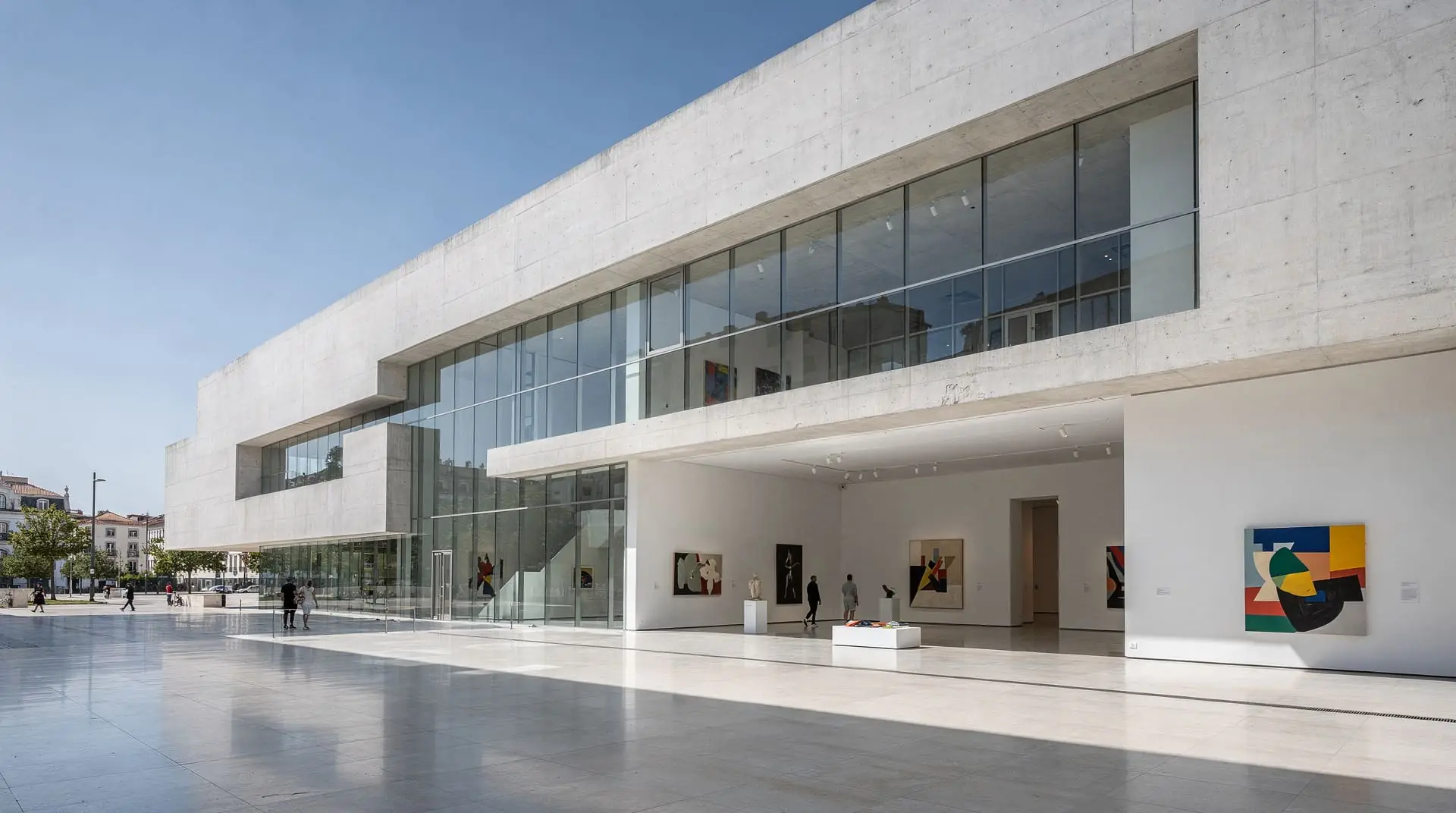
Berardo Collection at CCB — modern art in Belém
Guide to the Berardo Collection Museum in Belém: Picasso, Warhol, Bacon, free Saturdays, entry prices, and how to plan your visit alongside Jerónimos.
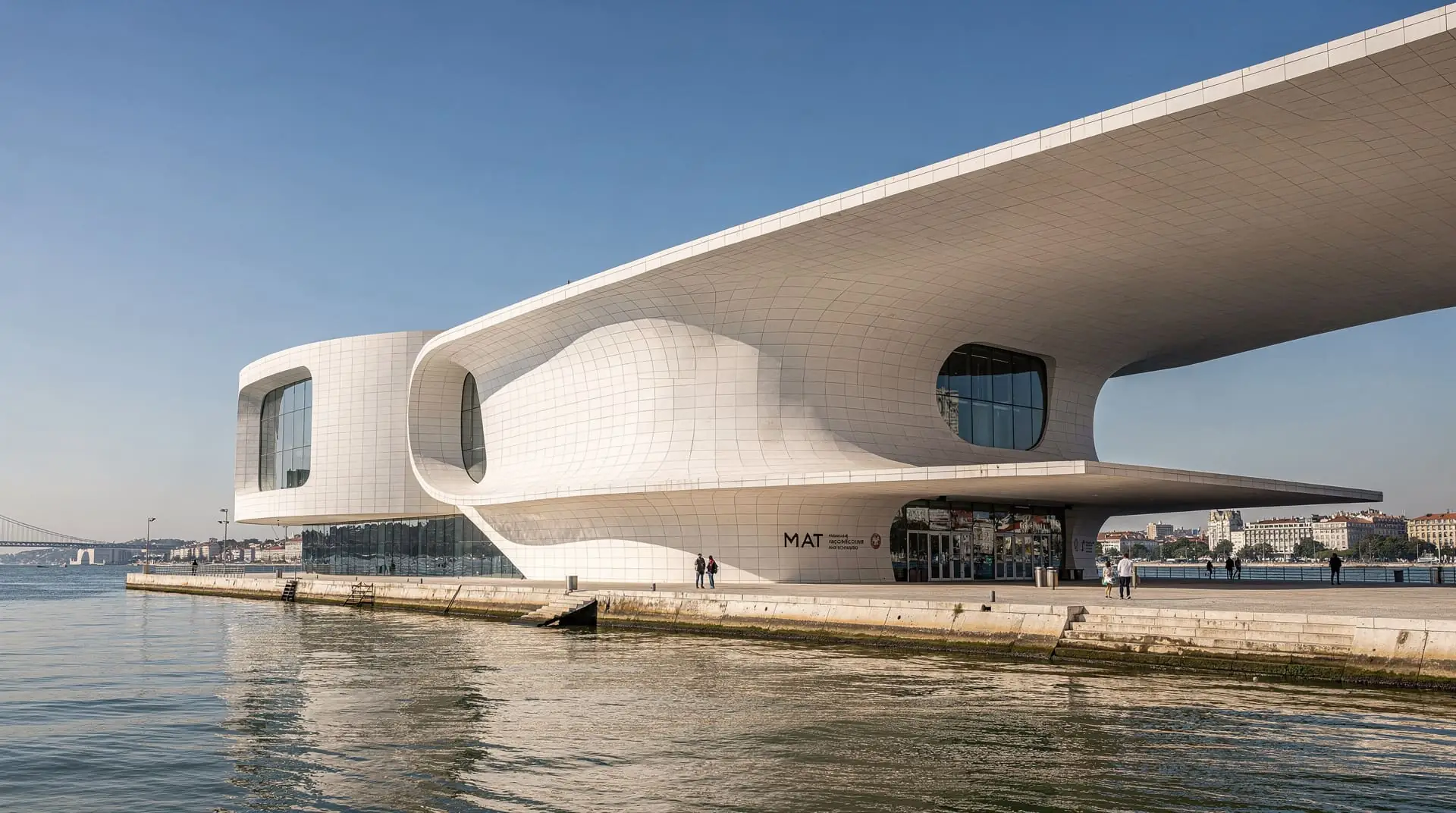
MAAT — Museum of Art, Architecture and Technology, Lisbon
Complete guide to MAAT in Belém: two buildings, rooftop Tagus views, prices, hours, and how to combine it with Jerónimos and LX Factory.
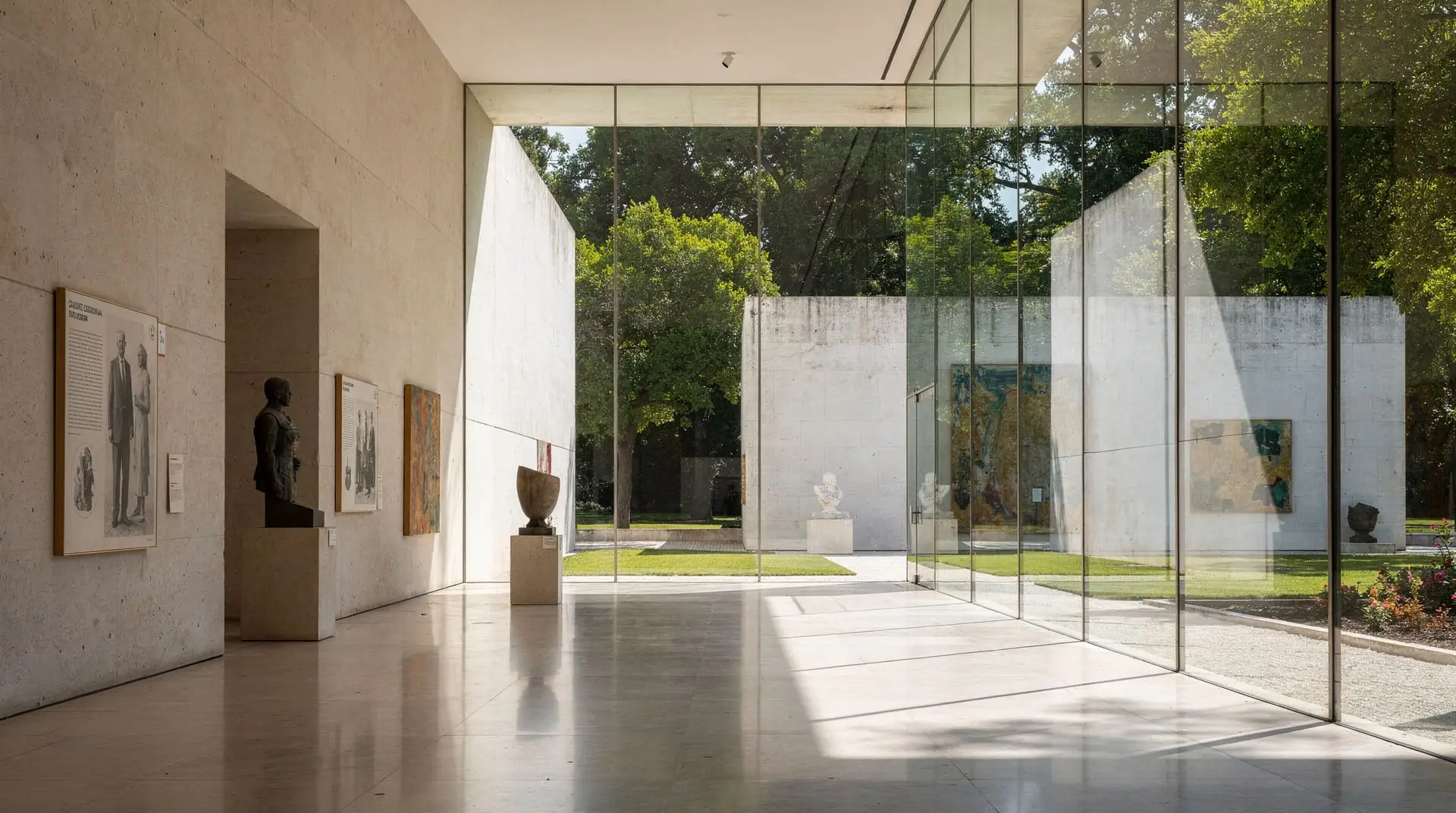
Calouste Gulbenkian Museum — the founder's collection
Complete guide to the Gulbenkian Founder's Collection in Lisbon: Egyptian antiquities to Art Nouveau, tranquil gardens, prices, and how to get there.
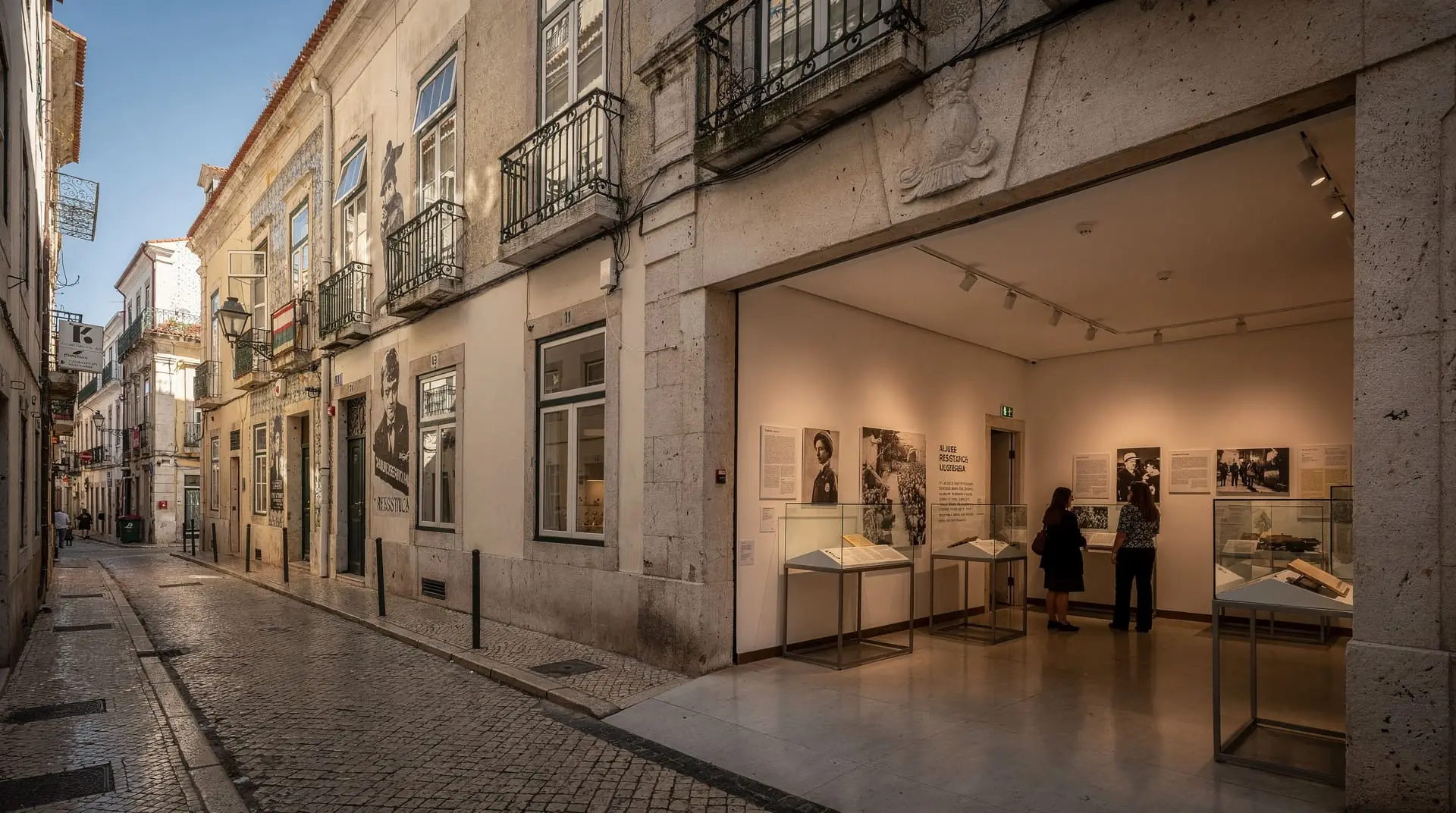
Aljube Resistance Museum — Lisbon's anti-fascist memorial
Guide to the Aljube Museum in Lisbon: the PIDE political prison near the Sé cathedral, the Estado Novo dictatorship, entry prices, and how to visit.
Ready to book? Top tours for this guide
We earn a small commission if you book through GetYourGuide — at no extra cost to you. Every tour is hand-picked and verified.

Lisbon: 48-Hour Hop-On-Hop-Off Bus Tour and Oceanarium Entry
Lisbon: MAAT Entry Ticket & Dolphin Watching Boat Tour
Lisbon: Alfama, Mouraria Walking Tour with Fado Night, Tapas
Lisbon: Hop-On Hop-Off Bus Tour
Lisbon: 1-or 2-Day Hop-On Hop-Off Bus Tour