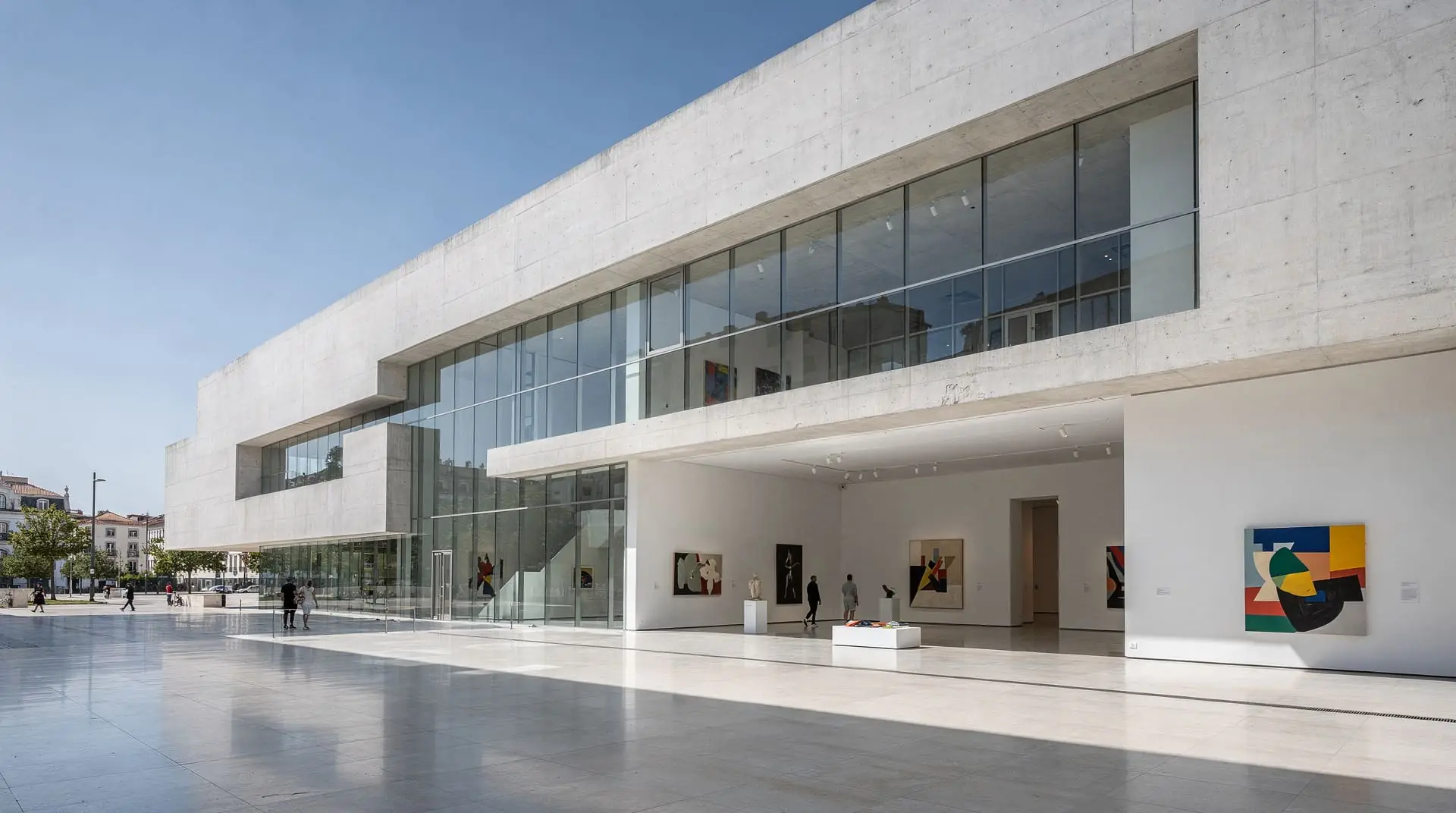
Berardo Collection at CCB — modern art in Belém
Last reviewed
Is the Berardo Collection Museum free in Lisbon?
The Berardo Collection at the CCB has historically offered free entry on Saturdays, though this policy can change — verify before visiting. Standard entry is around €7. The collection includes major works by Picasso, Warhol, Francis Bacon, and Duchamp across 900 pieces of modern and contemporary art from 1900 to the present.
The Berardo Collection is easy to walk past on a Belém itinerary crowded with the monastery, the tower and the pastry queue — but for anyone with even a passing interest in 20th-century art it is one of the best-value museum hours in the city, and it sits inside a building most visitors only see from the outside.
| Where | CCB, Praça do Império, Belém |
| Cost | Around €7 (reduced ~€3.50; under-18 free) |
| Time needed | 60–90 minutes; longer with temporary exhibitions |
| Getting there | Train to Belém (12 min from Cais do Sodré) or tram 15E |
| Best time | Weekday mornings; Saturdays are free but crowded |
Modern art in a cultural centre
The Museu Coleção Berardo occupies the ground and first floors of the Centro Cultural de Belém (CCB), a large multidisciplinary cultural institution opened in 1992 for Portugal’s presidency of the European Communities. The building itself is a significant piece of post-modern civic architecture — heavy limestone, angular, occupying an entire block between the Coach Museum and the Tagus waterfront. It was controversial when built and remains a marmite structure: some love its solidity, others find it oppressive in a neighbourhood of Manueline extravagance.
Inside, the Berardo Collection presents around 900 works from the collection of José Manuel Rodrigues Berardo, a Portuguese-British businessman who amassed one of the most comprehensive private holdings of 20th and 21st-century art assembled outside North America. The collection arrived at the CCB in 2006 on long-term loan and has been displayed here since, organised thematically and by movement rather than strictly chronologically.
The range is extraordinary: from Pablo Picasso’s early cubist works and Marcel Duchamp’s readymades to Roy Lichtenstein pop paintings, Andy Warhol silk-screens, Francis Bacon triptych studies, and a substantial holding of Portuguese modernism that puts the international names in local context.
What to see
Early 20th century: cubism and surrealism
The collection opens with the movements that broke with figurative representation: cubist works by Picasso (several significant pieces, not merely peripheral examples), Fernand Léger, and Juan Gris. The surrealism section includes works by Salvador Dalí, René Magritte, and Max Ernst — the Magritte in particular is one of the more arresting pieces in the collection, a medium-format canvas that stops most visitors in their tracks.
Marcel Duchamp is represented by reproductions and documentation of his readymades, which raises questions about what “the collection” actually means for conceptual work — a legitimate curatorial dilemma the museum acknowledges rather than papers over.
Abstract expressionism and post-war European art
Works by Mark Rothko, Clyfford Still, and Franz Kline hang alongside the Portuguese abstractionists who were working in parallel but largely unknown outside Portugal until recently. This juxtaposition is one of the collection’s strengths: it contextualises Portuguese modernism within international movements without pretending the traffic was equal in both directions.
Pop art
The Warhol holdings are significant: multiple silk-screen works across different series, including several from the Marilyn and Mao editions. Roy Lichtenstein comic-strip paintings, James Rosenquist, and Tom Wesselmann round out the American pop section. David Hockney’s presence here is a reminder that pop art was not exclusively an American phenomenon.
Francis Bacon
The Bacon works are among the most powerful pieces in the collection. Several figurative paintings from the 1960s and 1970s — characteristic tortured figures in isolated rooms, paint applied with a violence that contrasts completely with the Warhol silk-screens in adjacent rooms. Bacon lived briefly in Cascais and has a documented connection to Portugal; the Berardo is one of the better places to see significant Bacon works outside London.
Contemporary and Portuguese art
The final rooms include installation, video, and photographic work from the 1990s and 2000s, including Portuguese artists such as Julião Sarmento and Pedro Calapez. The curation is denser and less confident here than in the historical sections, but the Portuguese modernism holdings are worth studying — internationally underexposed artists of genuine quality.
Practical information
Address: Praça do Império, 1449-003 Lisbon (inside the CCB, entrance on Praça do Império facing the Tagus).
Opening hours: Daily 10:00 to 18:00 (last entry 17:30). Open seven days a week — the Berardo does not close on Mondays or Tuesdays unlike many other Lisbon museums.
Entry: Around €7 for adults. Reduced rate (around €3.50) for students and seniors. Under-18 free. Historically, the museum has offered free admission on Saturdays — but this policy has changed in the past, so verify on the official website before planning your visit around it.
Lisboa Card: Check whether the Berardo is included in the current Lisboa Card scheme — coverage has varied. Use the Lisboa Card calculator to determine the best value for your itinerary.
Getting there:
- Train from Cais do Sodré to Belém station — 12 minutes. The CCB is a 3-minute walk from the station, directly opposite the Coach Museum.
- Tram 15E from central Lisbon.
- The riverside cycle path from Cais do Sodré takes about 25 minutes.
A Belém art circuit
The Berardo Collection and MAAT make a natural pairing for visitors with a sustained art interest. The Berardo covers the 20th century in depth; MAAT focuses on contemporary and media art from roughly 1990 to the present. The two buildings are 300 metres apart. Allowing 90 minutes in each, with a walk along the riverfront between them, constitutes a serious morning of contemporary art-seeing.
The Belém walking tour with Jerónimos entry focuses on the neighbourhood’s cultural and historical dimension rather than the art specifically — good if you want to understand why Belém became what it is, from the Age of Discovery through to the 20th-century cultural investments represented by the CCB.
For a broader Belém day, see the Belém half-day guide for a worked itinerary covering the Berardo, MAAT, Coach Museum, Jerónimos, and Belém Tower in sequence.
How it compares to the Gulbenkian
Both the Berardo and the Gulbenkian Founder’s Collection are major private-collection museums in Lisbon. They are not competitors — they cover entirely different ground and are 10 kilometres apart.
The Gulbenkian is a deeper, more personal collection with 5,000 years of scope, reflecting one man’s extraordinary taste across civilisations. The Berardo is broader in its coverage of 20th-century Western art and includes more genuinely famous works (the Picasso, Warhol, and Bacon pieces are more recognisable to most visitors than Gulbenkian’s medieval manuscripts). The Modern Art Centre (CAM) at the Gulbenkian campus bridges them — Portuguese modernism in an international context.
If you have to choose one: the Gulbenkian for depth and uniqueness; the Berardo for breadth of modern art and the convenience of being in Belém alongside other major sites.
| Berardo | Gulbenkian Founder’s Collection | |
|---|---|---|
| Scope | 20th-century Western art, ~900 pieces | 5,000 years, one private taste |
| Big names | Picasso, Warhol, Bacon, Duchamp | Rembrandt, Lalique, Islamic art |
| Location | Belém, alongside Jerónimos and MAAT | Northern Lisbon, quieter campus |
| Entry | Around €7 | Around €10 (combined CAM ticket ~€14) |
| Best for | Breadth, recognisable modern names | Depth, a single collector’s eye |
Visiting with limited time
If you only have 45–60 minutes in the CCB, skip the contemporary rooms at the end and prioritise the cubism/surrealism opening, the pop art hall, and the Bacon room — these three sections carry most of the collection’s genuine highlights. The Portuguese modernism rooms reward a second, unhurried visit more than a rushed first pass.
Combine the Berardo with a stop at Jerónimos Monastery, a five-minute walk east, if your Belém morning has room for one more Manueline landmark before or after the art. A Lisboa Card is worth checking against your full itinerary, since museum coverage varies year to year.
Honest tips
The CCB building has good signage but a confusing internal layout. The Berardo Museum entrance is on the ground floor facing Praça do Império — not the main CCB entrance on the north side of the building. Look for the Berardo logo and signs from the square.
The terrace café of the CCB (accessible separately from the museum) has good coffee and river views. It is a better option for a post-visit break than the internal museum café.
Saturday mornings with free entry can be genuinely crowded, particularly in summer. If you are paying for entry and want more space, go on a weekday morning.
The permanent collection is supplemented by rotating temporary exhibitions in the upper CCB galleries — these cost separately and can be excellent or routine depending on the show. Check what is on during your visit. See the Lisbon museums guide for help prioritising across the city’s major institutions.
A combined Belém, Jerónimos, and Coach Museum tour is a useful option if you want guide-led narrative context for the whole Belém cultural district — some tours incorporate a stop at the CCB/Berardo as well.
Related guides
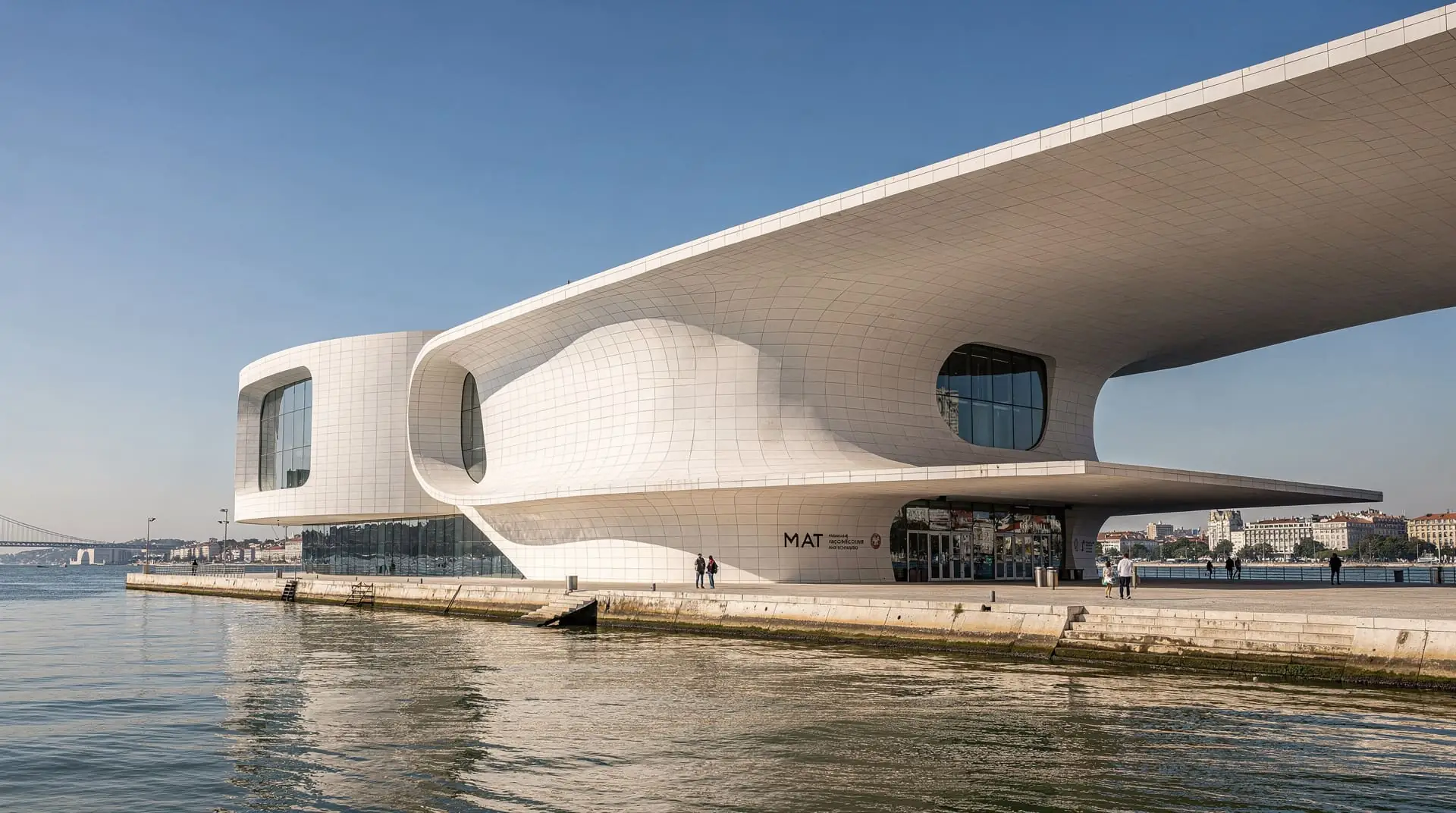
MAAT — Museum of Art, Architecture and Technology, Lisbon
Complete guide to MAAT in Belém: two buildings, rooftop Tagus views, prices, hours, and how to combine it with Jerónimos and LX Factory.
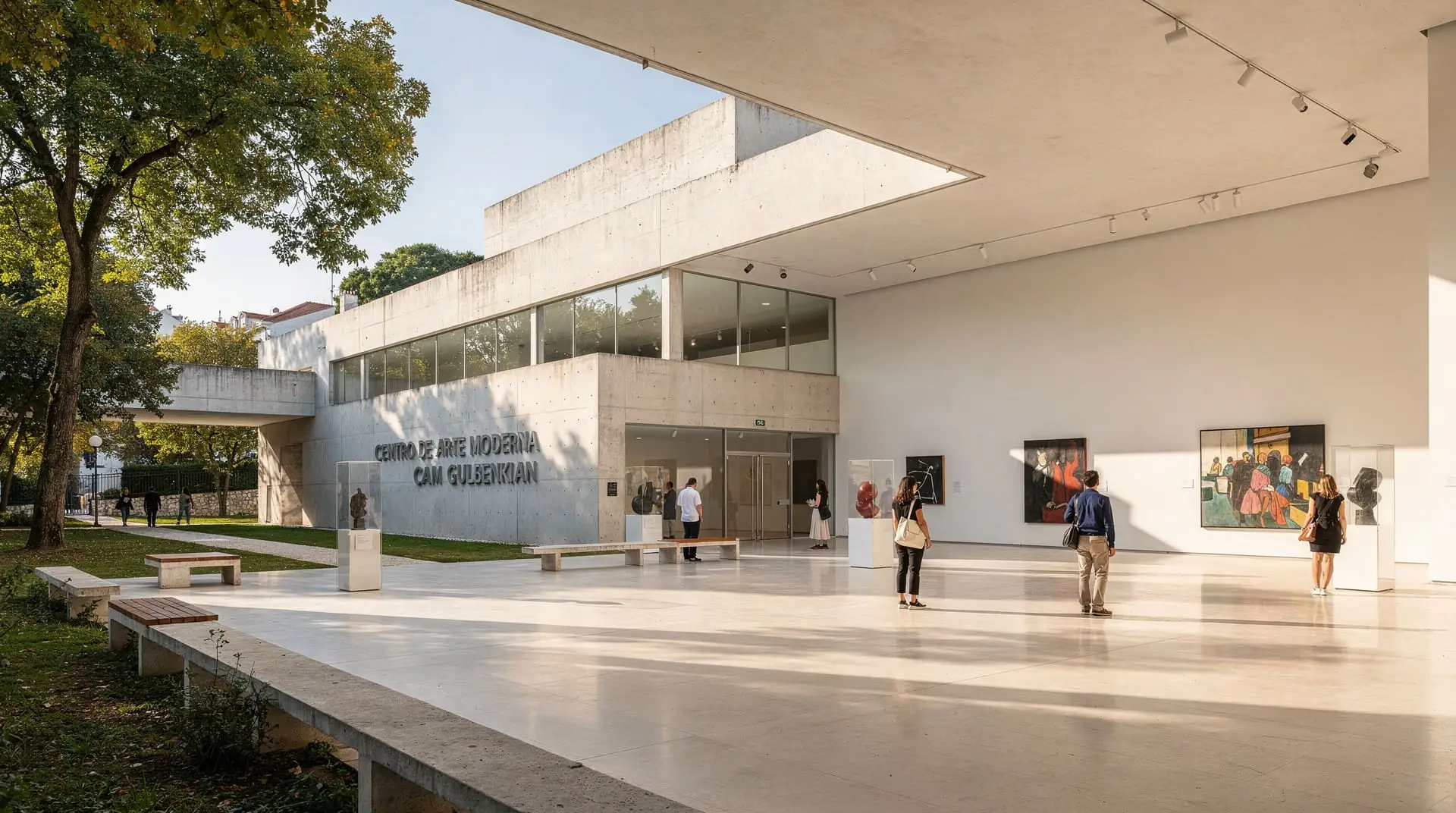
Centro de Arte Moderna (CAM) — Gulbenkian's modern art centre
Guide to CAM Gulbenkian in Lisbon: Kengo Kuma's 2024 redesign, Portuguese modernism, combined ticket with the Founder's Collection, gardens, and prices.
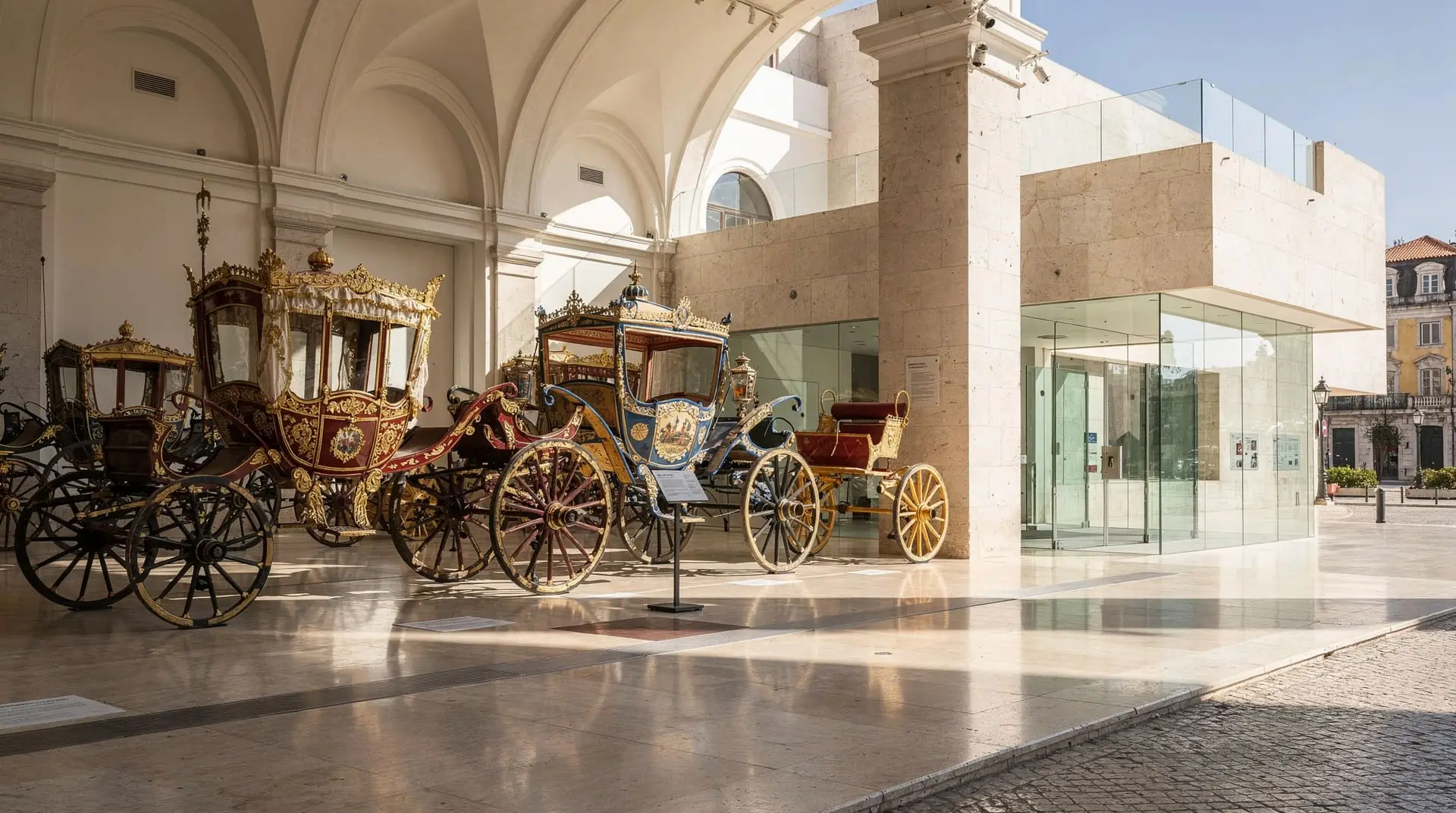
National Coach Museum Belém — royal carriages of Portugal
Guide to Lisbon's National Coach Museum in Belém: royal carriages, entry prices, the Philip III papal coaches, and how to combine it with Jerónimos.
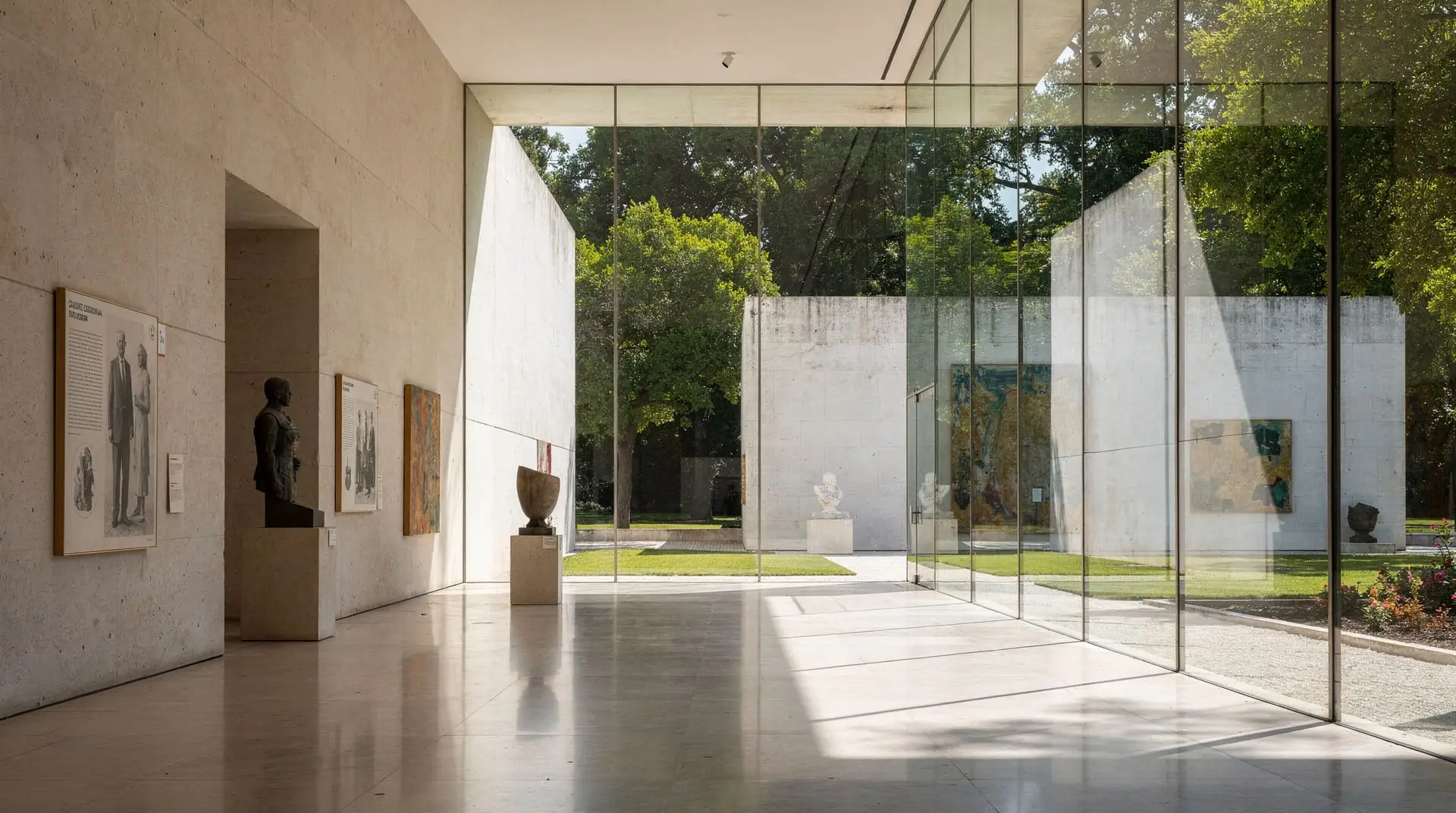
Calouste Gulbenkian Museum — the founder's collection
Complete guide to the Gulbenkian Founder's Collection in Lisbon: Egyptian antiquities to Art Nouveau, tranquil gardens, prices, and how to get there.
Ready to book? Top tours for this guide
We earn a small commission if you book through GetYourGuide — at no extra cost to you. Every tour is hand-picked and verified.

Lisbon: 48-Hour Hop-On-Hop-Off Bus Tour and Oceanarium Entry
Lisbon: MAAT Entry Ticket & Dolphin Watching Boat Tour
Lisbon: Alfama, Mouraria Walking Tour with Fado Night, Tapas
Lisbon: Hop-On Hop-Off Bus Tour
Lisbon: 1-or 2-Day Hop-On Hop-Off Bus Tour