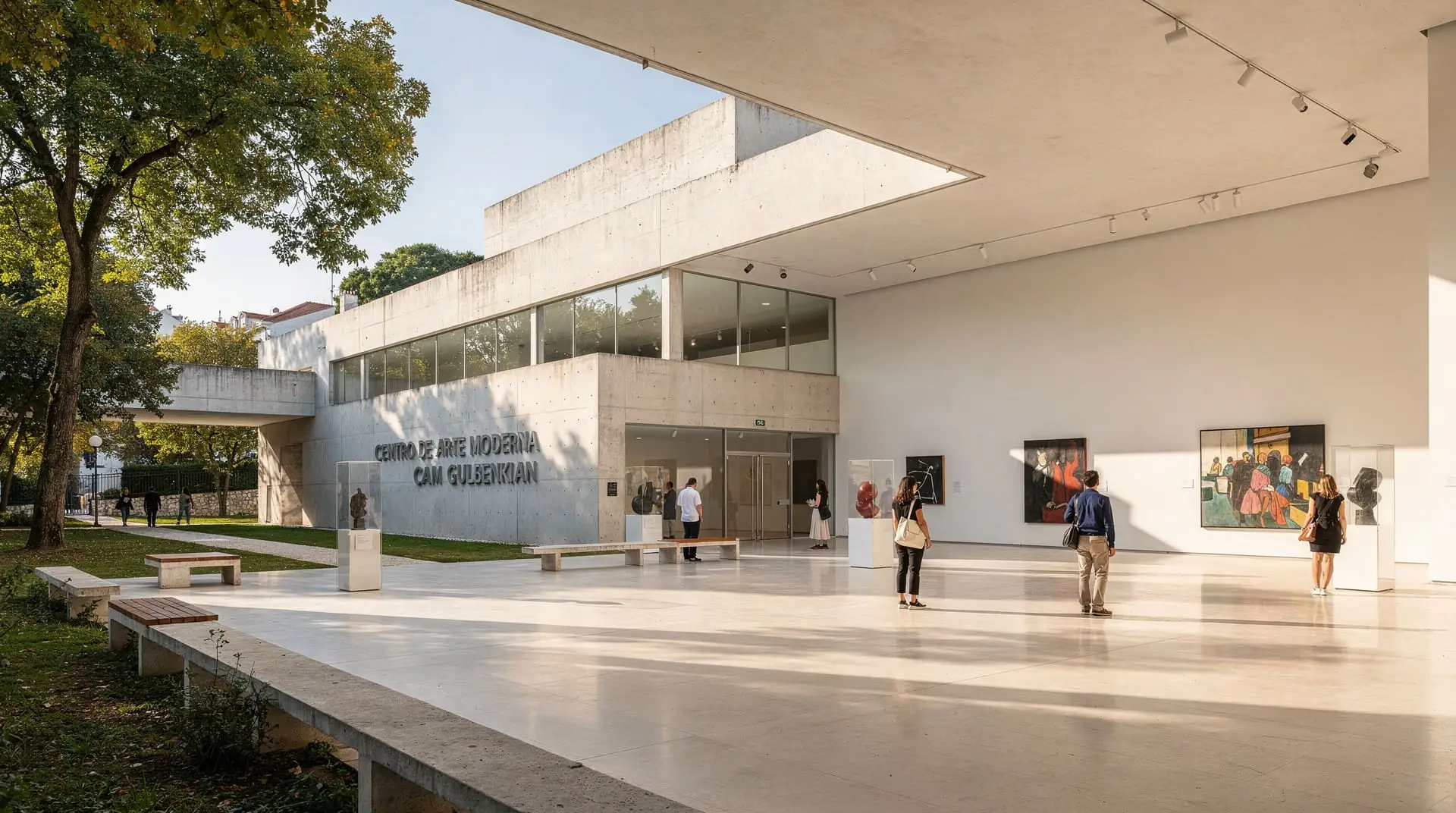
Centro de Arte Moderna (CAM) — Gulbenkian's modern art centre
Last reviewed
What is the CAM at the Gulbenkian Foundation in Lisbon?
CAM (Centro de Arte Moderna) is the Gulbenkian Foundation's museum of Portuguese modern and contemporary art, reopened in 2024 after a major renovation by Japanese architect Kengo Kuma. It sits in the same garden campus as the Founder's Collection and holds one of Portugal's most important collections of 20th and 21st-century work. Entry is around €7, or €14 combined with the Founder's Collection.
| Where | Gulbenkian campus, northern Lisbon |
| Cost | Around €7 alone; ~€14 combined with Founder’s Collection |
| Time needed | 90 minutes to 2 hours |
| Getting there | Metro to São Sebastião or Praça de Espanha |
| Closed | Tuesdays |
A museum reinvented
The Centro de Arte Moderna at the Gulbenkian Foundation has existed since 1983, when the foundation opened a second building on its northern Lisbon campus specifically to house Portuguese modern and contemporary art — a deliberately separate institution from the Founder’s Collection in the main building across the garden. For decades it operated reliably but somewhat below the international visibility it deserved, partly because the building felt cramped relative to the collection’s ambitions.
In 2024, after a multi-year closure for renovation, CAM reopened with the interior substantially redesigned by Japanese architect Kengo Kuma — known internationally for his work on the 2020 Tokyo Olympic Stadium and the V&A Dundee museum. Kuma brought his characteristic approach: materials rooted in natural texture (timber, stone, woven surfaces), spatial sequences that create a sense of gradual revelation rather than institutional parade, and a close relationship between interior and exterior that in this case means the garden views are integrated into the museum experience rather than excluded from it.
The renovation increased gallery space, improved natural lighting, and — crucially — gave the curators more room to display a collection that had been partially in storage for years. CAM now ranks among the better venues in Lisbon for sustained engagement with 20th and 21st-century art.
What the collection contains
Portuguese modernism (1910–1960)
The CAM collection’s core strength is Portuguese modernism of the early-to-mid 20th century — a period when Portugal was politically isolated under the Estado Novo dictatorship but artistically connected to international movements in ways the dictatorship often tried to suppress.
Amadeo de Souza-Cardoso (1887–1918) is the revelation of this section: a Portuguese painter who spent years in Paris alongside Modigliani and Robert Delaunay, absorbed cubism and expressionism, and developed a furiously individual style before dying in the flu pandemic at 30. The CAM holds a significant group of his works. If you know nothing about him — almost no one outside Portugal does — the CAM is one of the few places in the world where you can see why his reputation is rising sharply among art historians.
Maria Helena Vieira da Silva (1908–1992) is the other major figure: an abstract painter of the generation after Souza-Cardoso who spent most of her career in France and Brazil but whose Portuguese roots are acknowledged here with a substantial display. Her dense, web-like compositions influenced later generations of European abstraction.
Almada Negreiros (1893–1970) appears in multiple mediums — painting, drawing, illustration, and the extraordinary mosaic programmes he designed for the Gare do Oriente (check if these are still visible on a visit to the station). The CAM is one of the few museums that shows Negreiros’s range.
Post-war and contemporary Portuguese art
The collection extends through the second half of the 20th century and into the 21st, representing artists who came of age during or after the 1974 Carnation Revolution. The artistic flowering that followed the end of censorship is visible here: politically engaged work, photography, video installation, and sculpture by artists who are increasingly internationally shown but still most fully represented in Portuguese collections.
International acquisitions supplement the Portuguese holdings — the foundation has bought works by artists with connections to Portugal or working in dialogue with Portuguese themes, rather than assembling a generic international contemporary collection.
The garden’s role
One of Kuma’s key decisions was to make the garden visually accessible from inside the galleries. Several ground-floor rooms have large windows or glass walls facing the garden, so you are always aware of the landscape. This is not incidental to the experience: the garden was designed as part of the original museum campus and includes outdoor sculpture — walk it even in cooler weather for the outdoor works and the relationship between buildings.
Practical information
Address: Rua Dr. Nicolau de Bettencourt, 1067-001 Lisbon (Gulbenkian Foundation campus, same entrance complex as the Founder’s Collection).
Opening hours: Wednesday to Monday, 10:00 to 18:00. Closed Tuesdays.
Entry: Around €7 for CAM alone. The combined ticket with the Founder’s Collection (main Gulbenkian Museum) is around €14 — recommended if you have time for both, since the two collections are complementary.
Getting there:
- Metro: São Sebastião (Blue or Red line) — 10-minute walk east, or Praça de Espanha (Blue line) — 8-minute walk north.
- The campus entrance is shared with the main Gulbenkian Museum.
Pre-book the combined Gulbenkian founder’s collection and modern art centre ticket for a discount on separate entry prices and to skip queuing at the desk.
The garden and café
The 7.5-hectare garden between the two museum buildings is free to enter at all times. It has become one of the pleasant surprises of the Gulbenkian campus for visitors who wander through: a designed ecological landscape with a lake, informal planting, and a sense of calm unusual this close to a major urban area.
The garden café (between the two buildings, accessible from both) is good for lunch or a coffee break between museums. The Gulbenkian restaurants are among the better museum catering options in Lisbon — not destination dining, but genuinely competent food at non-tourist prices.
The outdoor concert season in summer uses the garden amphitheatre for evening performances by the Gulbenkian Orchestra and visiting ensembles. Check the foundation’s programme if you are visiting in June, July, or August — the combination of a garden concert and museum visit makes for an excellent Lisbon evening.
CAM versus Berardo: how to choose
Both CAM and the Berardo Collection are major modern art museums in Lisbon, but they serve different purposes:
CAM focuses on Portuguese modern and contemporary art in depth, with excellent international context. The renovated building (2024) makes the experience of the space itself part of the visit. Best for visitors interested in specifically Portuguese cultural history and in artists they may not know.
Berardo covers the international 20th century in breadth — Picasso, Warhol, Bacon, Lichtenstein — with Portuguese modernism in a supporting role. Located in Belém, so easier to combine with Jerónimos, the Coach Museum, and MAAT in a single day. Best for visitors who want to see internationally famous names in a good collection.
If you are spending four or more days in Lisbon, see both, and pair the visit with a stop at Jerónimos Monastery or the Coach Museum on a separate Belém day. If you have only time for one modern art museum and you are based in the Baixa/Alfama area, CAM is the better choice for depth. If you are already making a Belém day, the Berardo fits naturally into that circuit.
Honest tips
CAM is genuinely under-visited by international tourists compared to its quality. The combination of its northern location (off the standard tourist circuit) and its focus on artists unfamiliar to non-Portuguese audiences means you often have rooms to yourself that would be crowded in a comparable London or Paris museum. This is an advantage: use it.
The Amadeo de Souza-Cardoso rooms are the single strongest justification for the visit. If you leave knowing who he was and having seen the work, you will understand something about early 20th-century modernism that most art history education misses.
Allow at least 90 minutes for CAM alone; two hours is better. Combined with the Founder’s Collection across the garden, budget a full morning (four hours plus lunch break).
For the full picture on Lisbon’s museum landscape — including prioritisation by interest type and time available — see how many days to spend in Lisbon and the Lisbon first-timer guide.
CAM vs Berardo at a glance
| CAM (Gulbenkian) | Berardo Collection | |
|---|---|---|
| Focus | Portuguese modernism in depth | International 20th-century breadth |
| Building | 2024 Kengo Kuma renovation | 1990s CCB, post-modern architecture |
| Location | Northern Lisbon, quieter | Belém, combines with Jerónimos/MAAT |
| Star works | Souza-Cardoso, Vieira da Silva | Picasso, Warhol, Bacon |
| Crowds | Genuinely under-visited | Moderate, busiest free Saturdays |
| Combined ticket | ~€14 with Founder’s Collection | Standalone ~€7 |
Honest verdict
Related guides
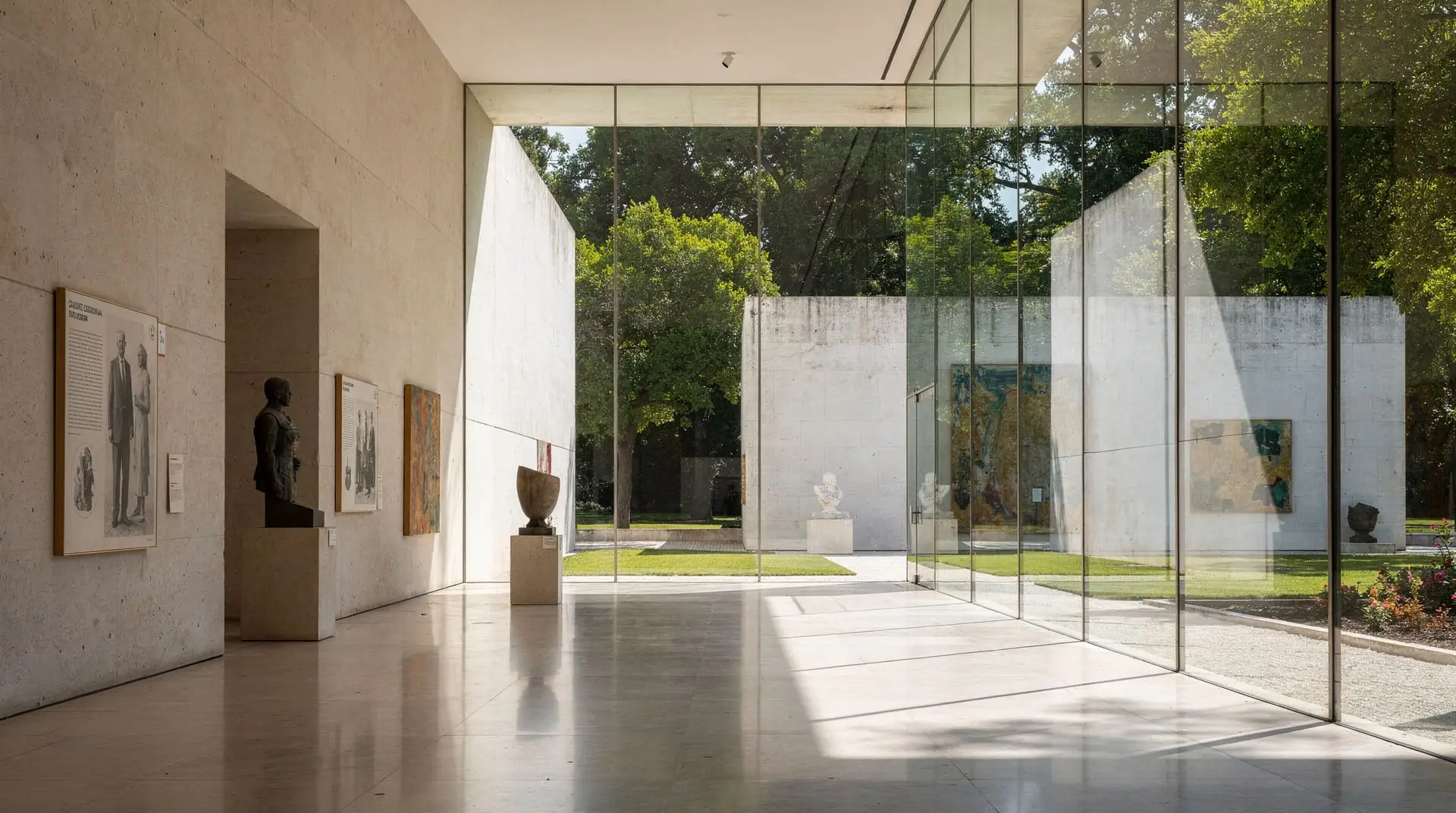
Calouste Gulbenkian Museum — the founder's collection
Complete guide to the Gulbenkian Founder's Collection in Lisbon: Egyptian antiquities to Art Nouveau, tranquil gardens, prices, and how to get there.
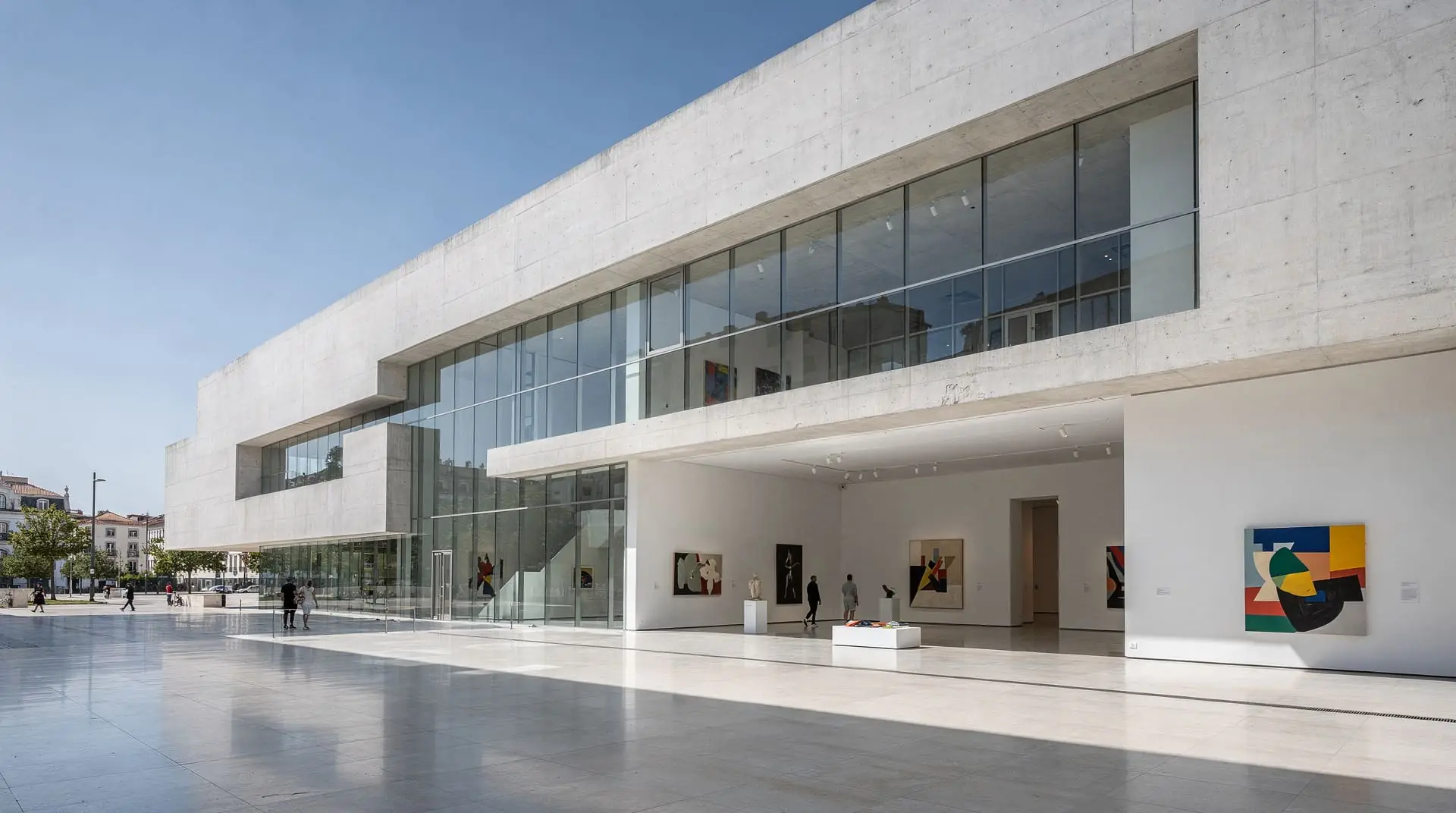
Berardo Collection at CCB — modern art in Belém
Guide to the Berardo Collection Museum in Belém: Picasso, Warhol, Bacon, free Saturdays, entry prices, and how to plan your visit alongside Jerónimos.
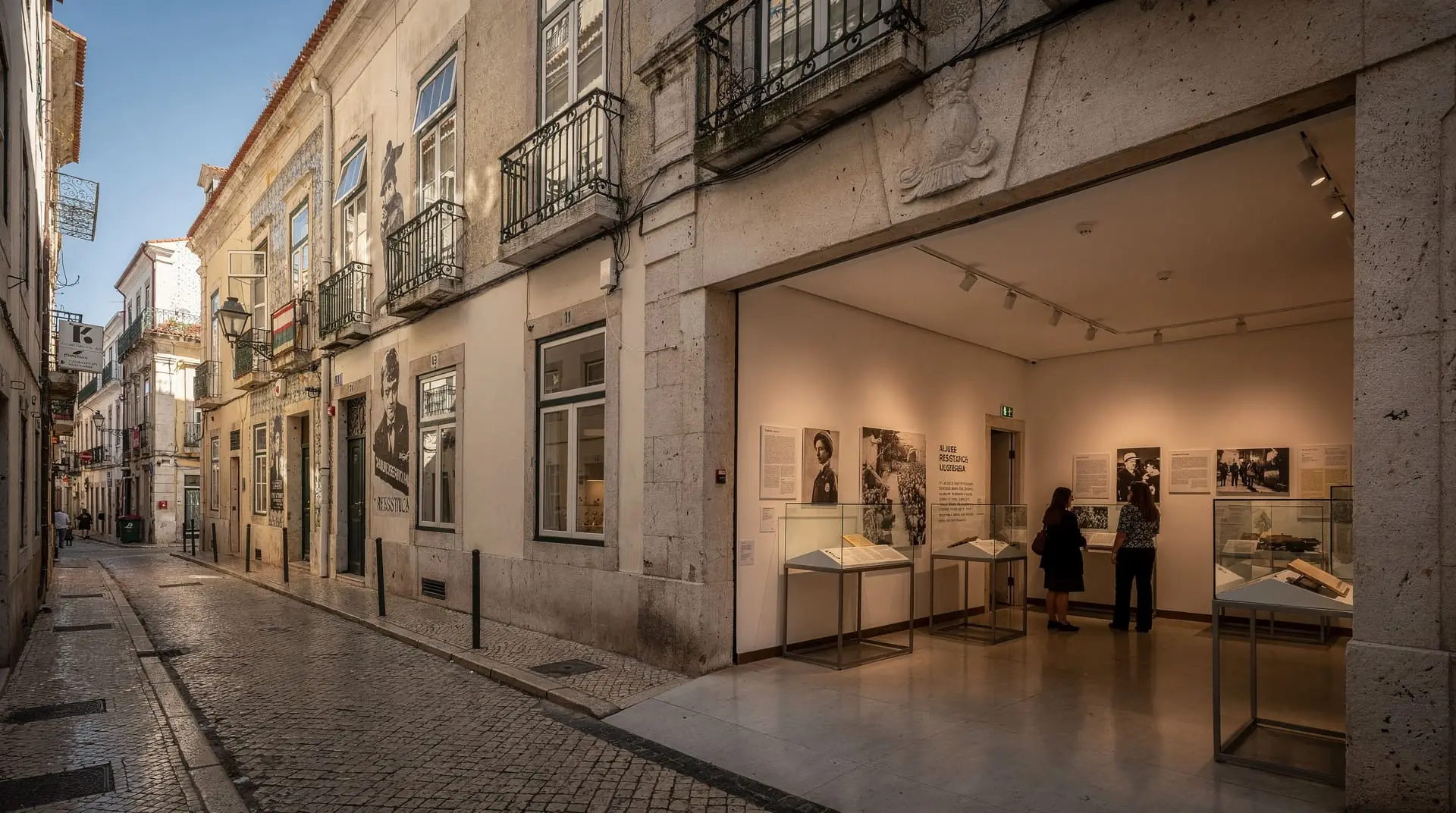
Aljube Resistance Museum — Lisbon's anti-fascist memorial
Guide to the Aljube Museum in Lisbon: the PIDE political prison near the Sé cathedral, the Estado Novo dictatorship, entry prices, and how to visit.
National Coach Museum Belém — royal carriages of Portugal
Guide to Lisbon's National Coach Museum in Belém: royal carriages, entry prices, the Philip III papal coaches, and how to combine it with Jerónimos.
Ready to book? Top tours for this guide
We earn a small commission if you book through GetYourGuide — at no extra cost to you. Every tour is hand-picked and verified.
Lisbon: 48-Hour Hop-On-Hop-Off Bus Tour and Oceanarium Entry
Lisbon: MAAT Entry Ticket & Dolphin Watching Boat Tour
Lisbon: Alfama, Mouraria Walking Tour with Fado Night, Tapas
Lisbon: Hop-On Hop-Off Bus Tour
Lisbon: 1-or 2-Day Hop-On Hop-Off Bus Tour