National Azulejo Museum — Lisbon's tile masterpiece
Last reviewed
What is the National Azulejo Museum in Lisbon?
The Museu Nacional do Azulejo occupies a 16th-century convent in eastern Lisbon and traces the history of azulejo tile-making from Moorish origins to contemporary design. Its centrepiece is a 23-metre-long blue-and-white panoramic tile panel depicting Lisbon before the 1755 earthquake. Entry is around €6.
| Where | Xabregas, eastern Lisbon, about 3 km beyond Alfama |
| Cost | around €6 entry; free first Sunday of the month |
| Time needed | 90 minutes to 2 hours |
| Getting there | Bus 794 from Santa Apolónia, or taxi/Uber (around €8–10) |
| Best time | weekday mornings, 10:00–11:00, for quiet rooms and best church light |
Why tiles matter in Portugal
Portugal did not invent the azulejo. The word is Arabic — from the Andalusian tradition of geometric tile-work that arrived on the Iberian Peninsula during the Moorish period. What Portugal did was transform it into something distinctly its own: a dominant visual language for architecture, narrative storytelling, and civic identity that covers the facades of railway stations, church interiors, palace walls, and neighbourhood houses with an intensity found nowhere else in Europe.
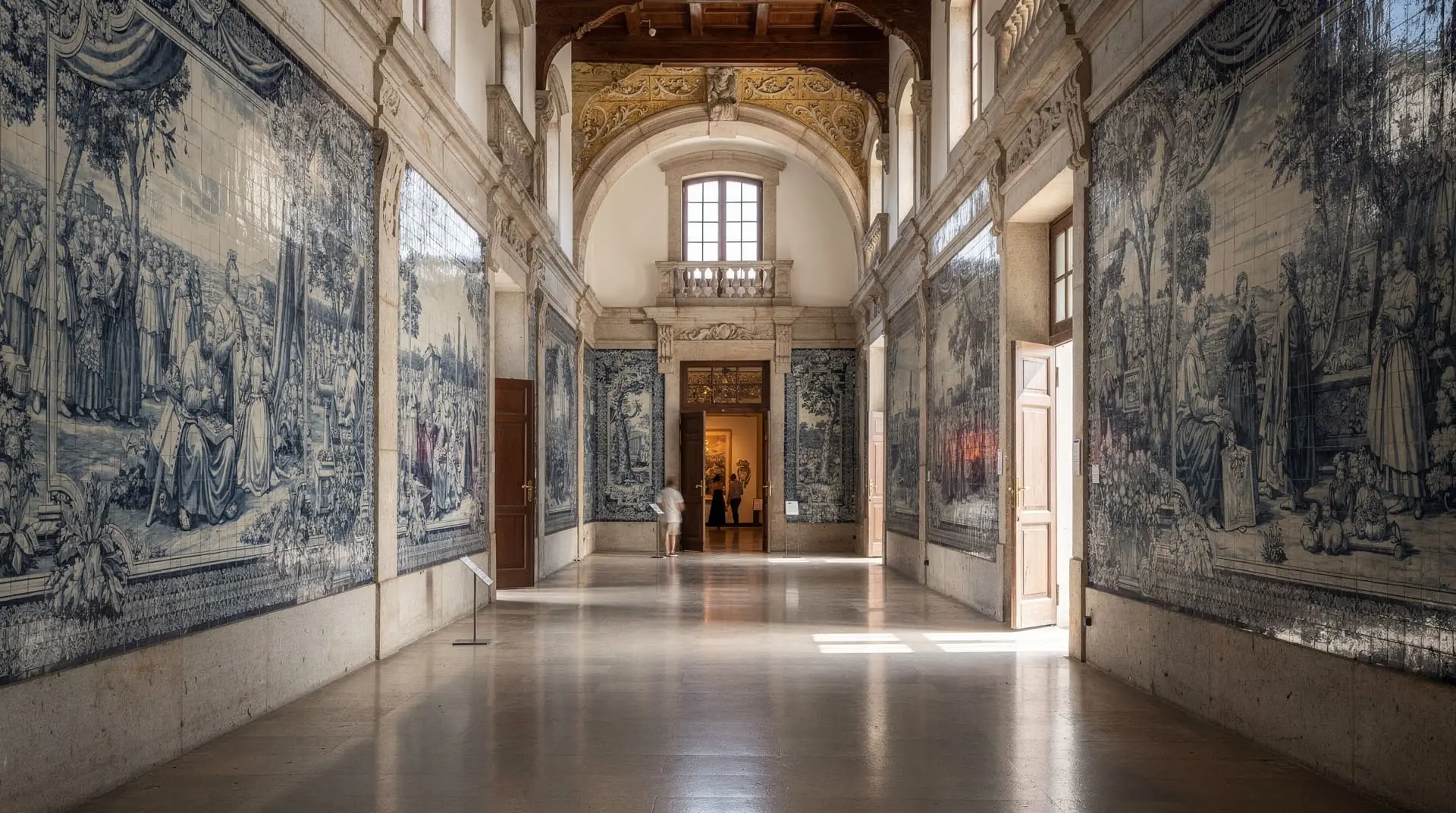
The Museu Nacional do Azulejo is the only museum in the world dedicated solely to this tradition. It occupies the Convento da Madre de Deus, a Franciscan convent founded in 1509 by Queen Leonor, and the building itself is as much an attraction as the collection inside it: walls sheeted in blue-and-white 17th-century azulejo panels, an 18th-century baroque church with gilded carving and painted tile wainscoting, and a restored cloister garden.
The collection: 500 years of tilework
Medieval and Mudéjar origins
The museum opens with 15th and 16th-century geometric tiles in the Moorish tradition: interlocking star patterns, chevrons, and abstract forms in green, white, and blue on a cream ground. These were the models that Portuguese craftsmen adapted after tiles began arriving via the Seville trade in the late 1400s.
The great 17th-century narrative panels
By the mid-17th century, Portuguese tile-makers had developed a distinctive figurative style: large panels of blue-and-white tiles depicting scenes from mythology, the Bible, hunting, and daily life — a kind of ceramic equivalent of tapestry painting. The museum displays several of the finest examples, including panels depicting the life of Saint Francis and allegorical garden scenes from demolished aristocratic quintas (country estates). These are extraordinary works on any terms, not merely as applied art.
The Lisbon panorama panel (the centrepiece)
The museum’s single most important object is the 23-metre-long panel on the upper floor depicting Lisbon’s waterfront as it appeared before the earthquake of 1 November 1755. Made around 1738, it shows the Ribeira Palace (destroyed in the quake), the Igreja do Corpo Santo, and the old Customs House — an entire lost cityscape rendered in blue and white, strikingly detailed and completely irreplaceable. Nothing else shows pre-earthquake Lisbon with this clarity. Stand in front of it for a moment and understand what the disaster erased.
18th-century baroque tile walls
The convent church, the sacristy, and the chapterhouse all retain their original 18th-century tile programmes. The church is exceptional: blue-and-white panel tiles from floor to gallery height on all four walls, each panel depicting scenes from the life of Saint Anthony or from Franciscan history. The gilt carving of the altarpiece and the tiled wainscoting work together in a way that requires seeing to understand — photographs do not capture the spatial effect.
Modern and contemporary design
The final rooms of the collection trace 20th-century tile design, including Art Nouveau patterned facades (widely used on Lisbon apartment buildings), the modernist revival of the mid-20th century, and recent contemporary commissions. Portuguese tile-making never stopped; the contemporary section shows it is still evolving.
Practical information
Address: Rua da Madre de Deus 4, 1900-312 Lisbon (eastern Lisbon, beyond Alfama).
Opening hours: Tuesday to Sunday, 10:00 to 18:00 (last entry 17:30). Closed Mondays.
Entry: Around €6. Reduced rate (around €3) for seniors over 65 and youth aged 13–17. Under-13 free. Free admission on the first Sunday of every month (from opening until 14:00).
How to get there: This is the aspect of the Azulejo Museum that most guides omit or soft-pedal. The museum is in a working-class district of eastern Lisbon called Xabregas, roughly 3 kilometres east of the Alfama. It is not walkable from central Lisbon in reasonable time.
Options:
- Bus 794 from Santa Apolónia train station — departures every 20–30 minutes; journey about 8 minutes.
- Bus 718 or 742 from Praça do Comércio — journey about 25 minutes.
- Taxi or Uber from central Lisbon — around €8–10 and takes 15–20 minutes depending on traffic.
- If you have a Lisboa Card, the bus journeys are included. The metro does not serve this area directly — the nearest station (Santa Apolónia) is still 15 minutes by bus.
Do not attempt this on foot from Alfama unless you enjoy long industrial waterfront walks without pavements.
Book the National Tile Museum e-ticket with audio guide before your visit — the audio commentary adds real context to the historical rooms.
The convent building
Half the pleasure of visiting is the building itself. The Convento da Madre de Deus was founded by Queen Leonor in 1509 and substantially enlarged in the 17th and 18th centuries. The two-level cloister is tiled in its lower register with scenes from the life of Saint Francis (17th century) and opens to a small garden. The upper cloister passageway is painted with figurative panels that blend secular and religious imagery in the manner typical of the period.
The grand staircase leading to the upper floor museum galleries is lined with large tile panels depicting hunting scenes — the kind of aristocratic decoration that would originally have appeared in a country palace, transplanted here when its original building was demolished. The convent church, off the main museum circuit, is accessible through a separate door and is often missed by visitors in a hurry. Do not miss it.
Making tiles yourself
If the collection inspires a more hands-on response, Lisbon has several tile workshops that teach the basics of azulejo design and painting. The azulejo design workshop lets you create a small tile panel to take home — a genuinely portable souvenir that means something. Sessions run for about two hours and cost around €50. For a longer experience, the full-day tile workshop and tour combines a museum visit with an afternoon workshop session.
These workshops are popular with families and with design professionals — the tile tradition is taken seriously by contemporary Portuguese designers, not merely as a heritage curiosity.
How to integrate the Azulejo Museum into your Lisbon schedule
The museum typically takes 90 minutes to two hours for a thorough visit. Because it requires a bus or taxi from the centre, plan it as a dedicated half-morning rather than squeezing it between other sites.
A logical combination: take the bus 794 from Santa Apolónia (itself a spectacularly tiled railway station — worth arriving early to photograph the azulejo panels in the main hall), visit the Azulejo Museum, then take a taxi or Uber west towards the Alfama to continue your day. The Alfama guide and the nearby Aljube Resistance Museum can follow.
For shoppers interested in Portuguese tiles and crafts: the museum shop sells high-quality reproductions and tile-related gifts. The Portuguese souvenirs and crafts guide covers other good tile shops in central Lisbon.
Honest tips
The museum can feel remote and lightly visited on weekday mornings — which is an advantage, not a drawback. You can stand in front of the great panorama panel without anyone else in the room, which is the correct way to experience it.
The light in the baroque church is best in the morning, when sun enters the south-facing nave windows and illuminates the tile wainscoting at a low angle. If you can arrive between 10:00 and 11:00, the church interior is at its finest.
The outdoor garden (accessed through the cloister) is a quiet spot for a break. There is a small café inside the museum — nothing elaborate, but coffee and snacks are available. Lunch options near the museum are limited to local tascas (simple Portuguese restaurants serving daily specials) — check a current maps app for the nearest ones, as they change.
If azulejos interest you beyond museum visiting, see the tile workshop guide and use the walk through Alfama and Bairro Alto to notice tiles in their natural habitat: on the facades of houses, covering entire apartment blocks, lining shop doorways. The city walking tours that focus on architectural details often include azulejo spotting as an explicit theme.
Who this museum is genuinely for
This is not a museum for a rushed itinerary — the detour east, however short, filters out casual passers-by, which is exactly why it rewards the visitors who make the effort. Art and design lovers, anyone with an interest in the 1755 earthquake and pre-quake Lisbon, and travellers who have already noticed tiles everywhere in the city and want to understand why will get the most out of it. If your Lisbon time is limited to a single day and you have to choose between this and central-Lisbon essentials like São Jorge Castle or the Alfama, the castle and the neighbourhood win on a first visit — save the Azulejo Museum for a second trip or a longer stay. See how many days in Lisbon for how a 4-day-plus itinerary can fit it in comfortably.
What to skip if you’re short on time
A thorough visit takes up to two hours, but a focused one can be done in 45 minutes if you prioritise. Head straight to the 23-metre Lisbon panorama panel on the upper floor, then the convent church with its floor-to-gallery tile walls, then the cloister garden for a breather. The medieval and Mudéjar rooms at the start and the contemporary design rooms at the end are the first things to cut if you’re pressed for time — interesting, but not what makes this museum unmissable.
Frequently asked questions about the National Azulejo Museum
Is the National Azulejo Museum worth the trip out of central Lisbon?
Yes, for most travellers with more than two days in the city. The 23-metre pre-earthquake panorama panel and the tiled convent church are genuinely unique — nothing comparable exists elsewhere in Lisbon or Portugal. If your trip is a single rushed day, prioritise central Lisbon sights first and treat the Azulejo Museum as a highlight for a return visit.
Can I combine the Azulejo Museum with Santa Apolónia or Alfama in one outing?
Yes, and it is the most efficient way to do it. Santa Apolónia train station itself has a beautifully tiled main hall worth photographing, sits on the same bus route (794) as the museum, and is a short taxi or walk from the eastern edge of Alfama. Budget a full morning for the combination rather than trying to rush all three.
Related guides
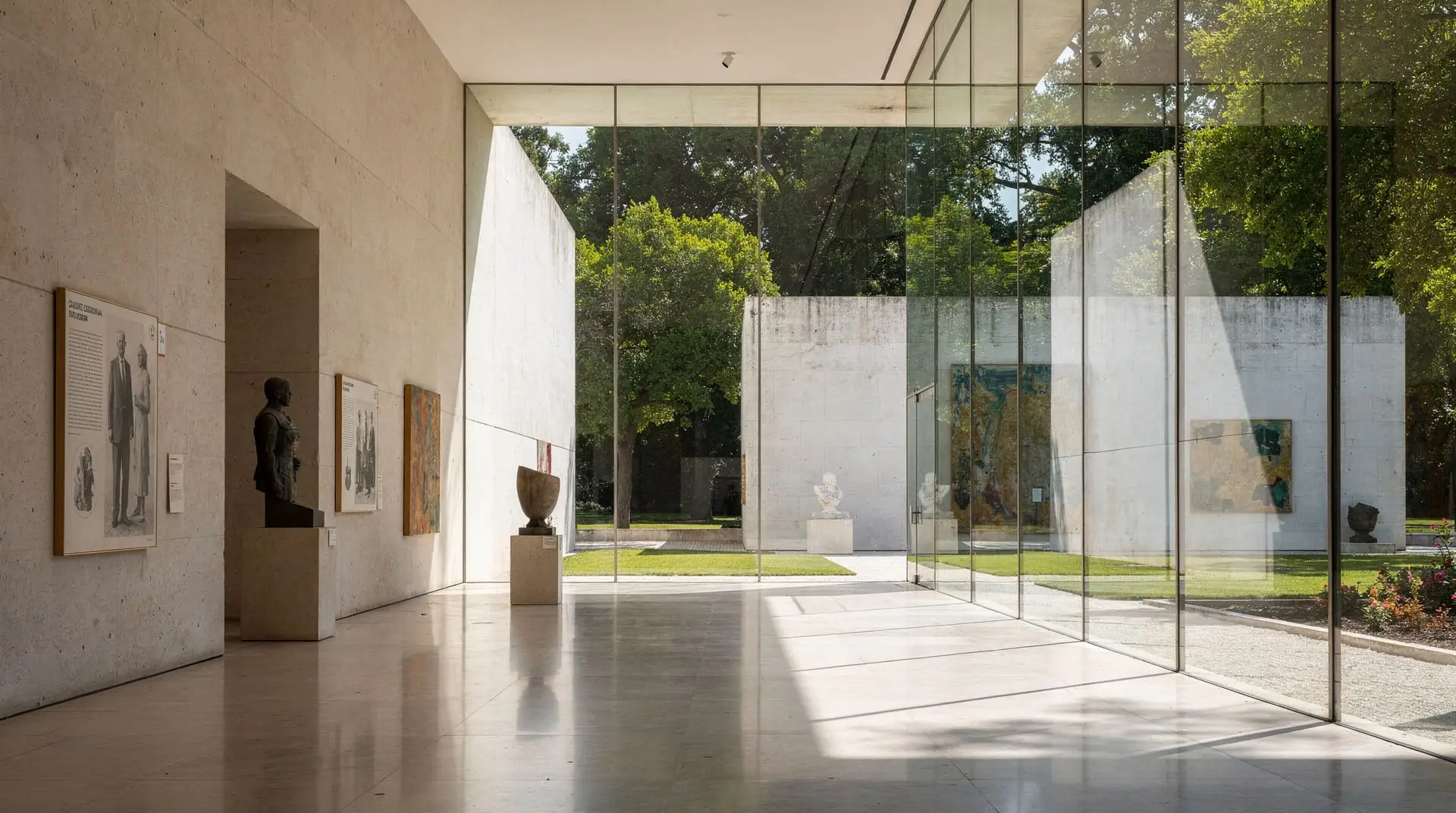
Calouste Gulbenkian Museum — the founder's collection
Complete guide to the Gulbenkian Founder's Collection in Lisbon: Egyptian antiquities to Art Nouveau, tranquil gardens, prices, and how to get there.
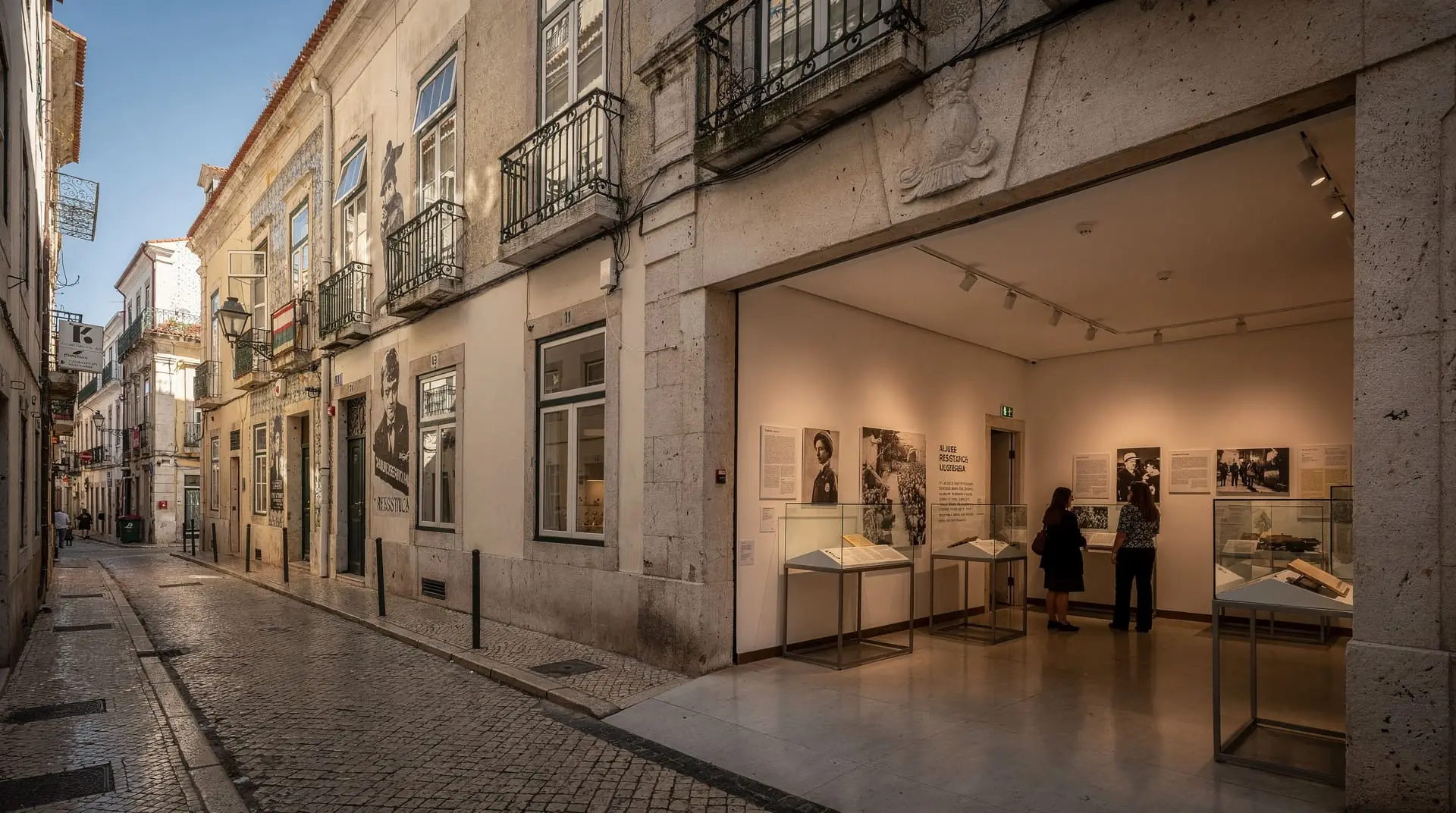
Aljube Resistance Museum — Lisbon's anti-fascist memorial
Guide to the Aljube Museum in Lisbon: the PIDE political prison near the Sé cathedral, the Estado Novo dictatorship, entry prices, and how to visit.
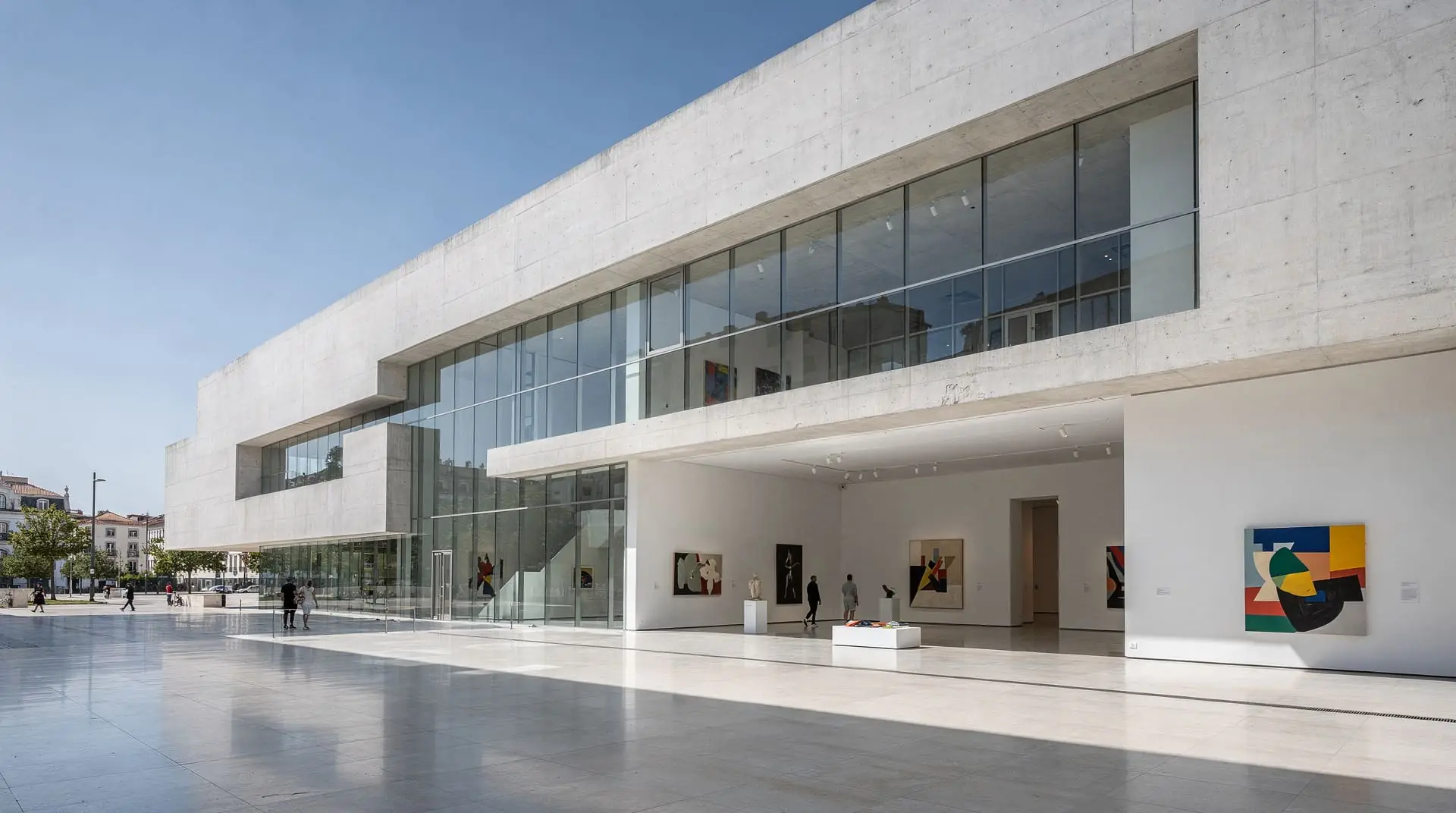
Berardo Collection at CCB — modern art in Belém
Guide to the Berardo Collection Museum in Belém: Picasso, Warhol, Bacon, free Saturdays, entry prices, and how to plan your visit alongside Jerónimos.
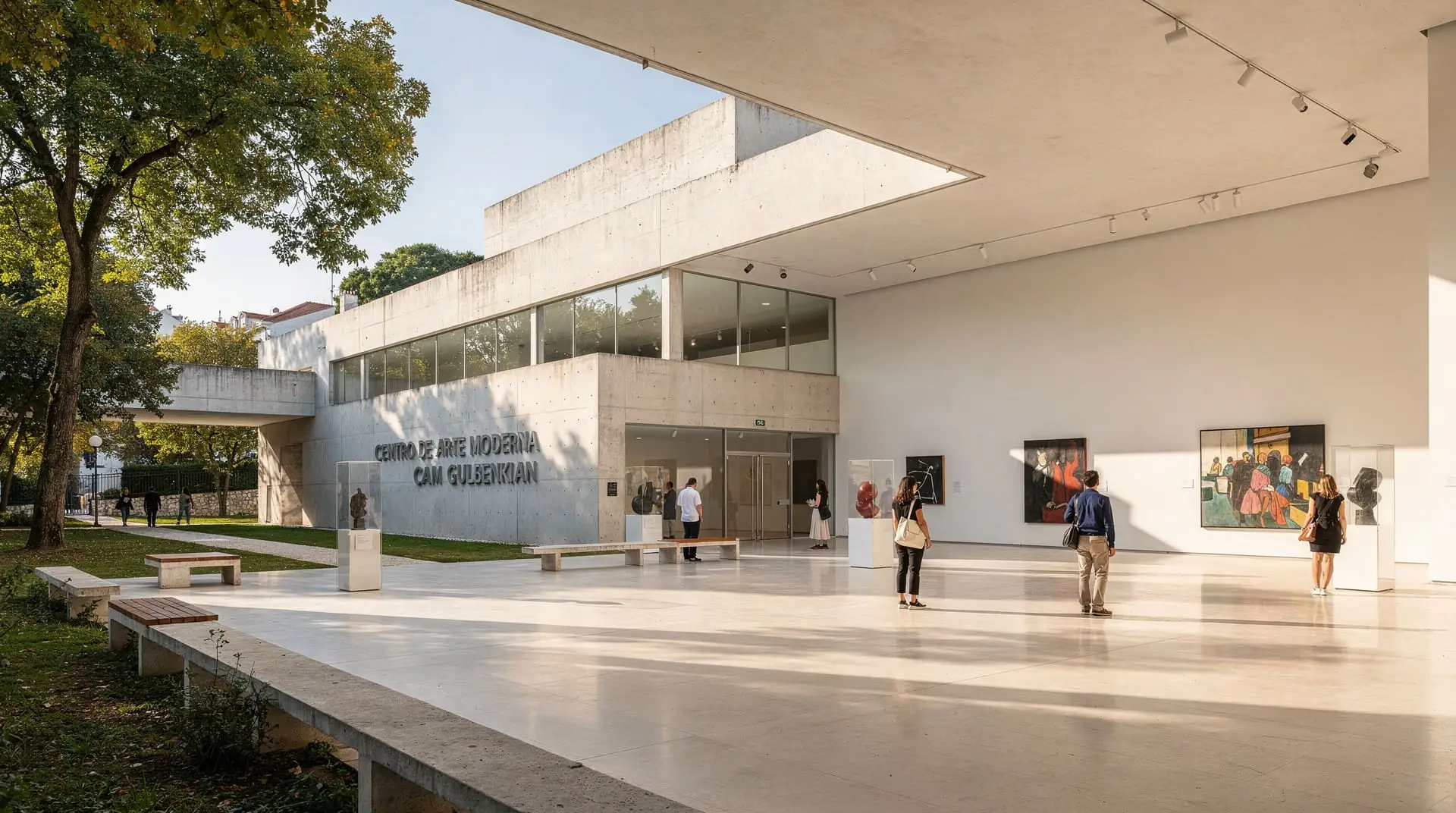
Centro de Arte Moderna (CAM) — Gulbenkian's modern art centre
Guide to CAM Gulbenkian in Lisbon: Kengo Kuma's 2024 redesign, Portuguese modernism, combined ticket with the Founder's Collection, gardens, and prices.
Ready to book? Top tours for this guide
We earn a small commission if you book through GetYourGuide — at no extra cost to you. Every tour is hand-picked and verified.

Lisbon: 48-Hour Hop-On-Hop-Off Bus Tour and Oceanarium Entry
Lisbon: MAAT Entry Ticket & Dolphin Watching Boat Tour
Lisbon: Alfama, Mouraria Walking Tour with Fado Night, Tapas
Lisbon: Hop-On Hop-Off Bus Tour
Lisbon: 1-or 2-Day Hop-On Hop-Off Bus Tour