Portuguese souvenirs and crafts: what to buy in Lisbon
Last reviewed
What are the best souvenirs to buy in Lisbon?
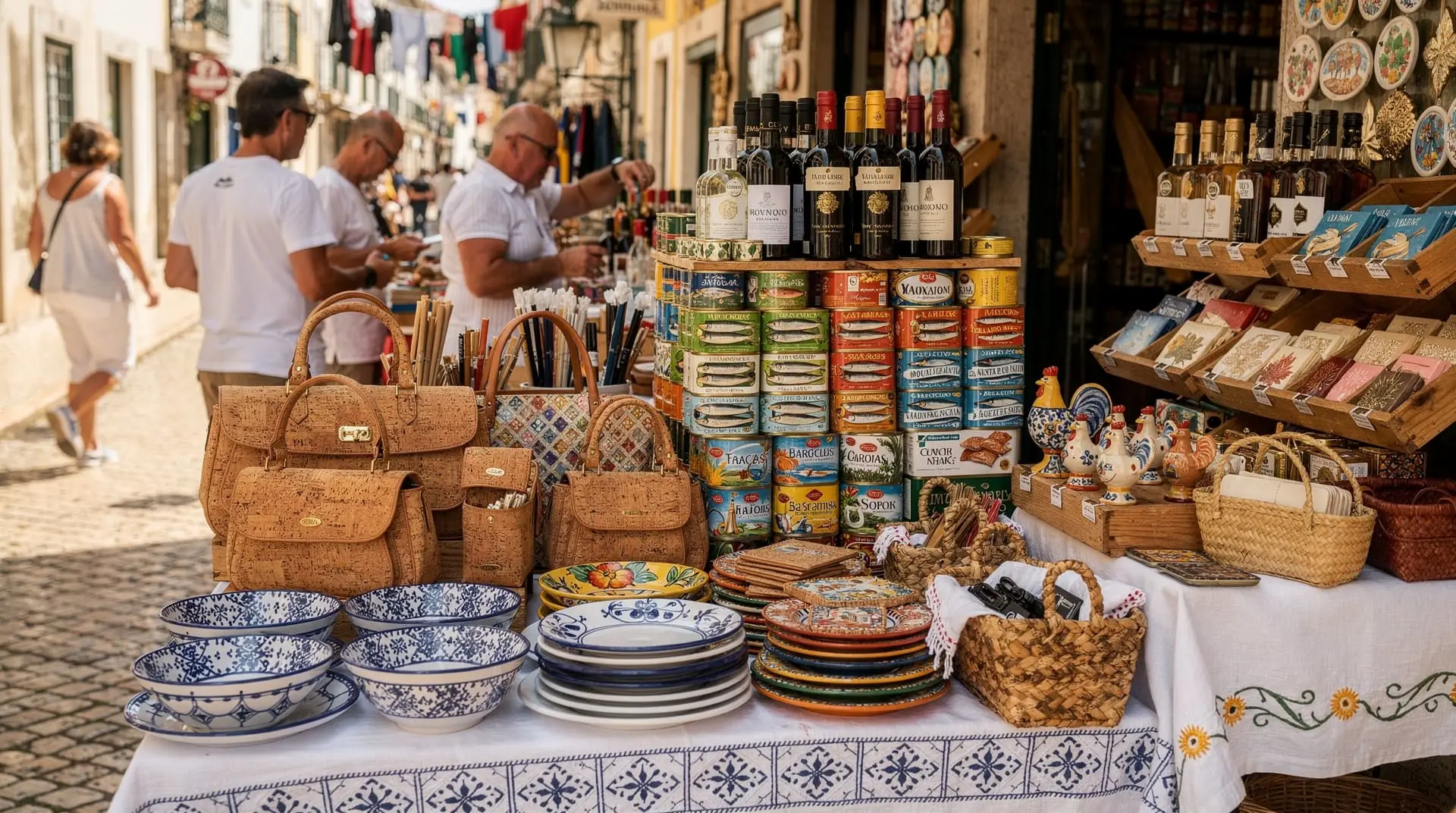
The most authentic Portuguese souvenirs are: hand-painted azulejo tiles (not mass-produced), premium tinned sardines from Conserveira de Lisboa, cork products (Portugal produces 50% of the world's cork), and Vista Alegre porcelain. Avoid the generic rooster-of-Barcelos and mass-produced tiles sold near monuments.
The tourist shops near São Jorge Castle and around Pastéis de Belém sell the same mass-produced items you can buy in Porto, the Algarve, or from an Amazon warehouse: plastic roosters, generic ceramic plates, miniature trams, and tiles printed in China. None of these has anything to do with genuine Portuguese craft. This guide covers what is actually worth buying — the things made in Portugal, with Portuguese materials, by Portuguese producers — and where to find them.
| Where | Chiado, Baixa, Alfama, Intendente, Príncipe Real |
| Cost | around €3 (tinned fish) to €350 (custom shoes) |
| Time needed | 2–4 hours for a focused shopping afternoon |
| Getting there | walkable across central Lisbon neighbourhoods |
| Best time | weekday afternoons, shops open ~10:00–19:00 |
Azulejos: tiles done properly
The azulejo is Portugal’s most distinctive decorative art form — a geometric or pictorial tile tradition that arrived via the Moors and was developed into something uniquely Portuguese over five centuries. The Tile Museum (Museu Nacional do Azulejo) in Lisbon gives the full historical context. This section covers what to buy.
Mass-produced vs hand-painted
The vast majority of azulejo souvenirs sold in tourist shops are:
- Laser-printed onto a tile surface (not painted)
- Screen-printed in bulk factories
- Made in Spain, China, or Brazil
- Generic patterns with no connection to Lisbon or Portugal
Authentic hand-painted azulejos are more expensive and look different: slight variations in the pattern, brushstroke texture visible on the surface, a weight and density to the glaze that reproduction tiles lack.
How to tell the difference: Flip the tile over. Factory tiles have a smooth, identical back with a brand mark. Authentic tiles have irregular clay backs, sometimes with the artist’s workshop stamp.
Where to buy authentic azulejos
Sant’Anna Fábrica (Rua do Alecrim 95, Chiado): Operating since 1741, Sant’Anna is the oldest azulejo manufacturer in Portugal. The Chiado showroom stocks tiles made in the Calçada do Monte workshop — genuine hand-painted pieces in traditional and contemporary patterns. Prices reflect the work: a single hand-painted tile costs €15–40; complete compositions are more. Custom commissions possible with lead time of several weeks.
Viúva Lamego (Largo do Intendente Pina Manique 25, Intendente): Another historic manufacturer (1849) with a showroom in the increasingly interesting Intendente neighbourhood. Less touristed than Sant’Anna; competitive prices.
Azulejos do Convento (Rua da Escola Politécnica 1, Príncipe Real): A workshop focused on contemporary azulejo design that respects traditional technique. Each piece is made by hand in the adjacent studio.
Feira da Ladra (see markets guide): Salvaged azulejo tiles from demolished buildings are sold at the Saturday flea market. These are imperfect — cracked, chipped, incomplete — but genuinely old and genuinely Portuguese. €2–25 per piece.
The tile workshop experience
Making your own azulejo tile in a Lisbon workshop takes 2–3 hours and produces a genuinely personal souvenir. You choose a pattern, apply traditional cobalt oxide pigment, and the piece is fired. Workshops ship internationally for those who do not want to carry ceramic in luggage.
Lisbon: design and create your own azulejo tile in a workshop Full-day tile workshop and walking tour of Lisbon’s azulejo heritageCork: the most underrated Portuguese product
Portugal produces approximately 50% of the world’s cork, harvested from cork oak forests (montados) primarily in the Alentejo. Cork has been a Portuguese export for centuries; it is now being developed into an impressive range of products beyond wine stoppers.
What to buy:
Bags and accessories: Cork leather is light, waterproof, and durable. A cork handbag costs €40–120 at quality retailers; cork wallets are €15–40. The material ages well and is genuinely more sustainable than leather alternatives.
Home products: Cork trivets, placemats, coasters, and kitchen items are functional and genuinely distinctive. A good cork trivet: €8–15.
Fashion accessories: Cork umbrellas, belts, and hats exist and are durable. The umbrella format is particularly useful — lightweight, with a cork-covered handle.
Wine accessories: Beyond corks themselves, cork-covered wine coolers, bottle stoppers, and holders are good gifts for wine enthusiasts.
Where to buy:
Cork and Co (Rua das Salgadeiras 10, Bairro Alto; also LX Factory and Embaixada): The best-curated cork retailer in Lisbon. Products are locally designed and manufactured. The range covers bags, accessories, and homeware with decent design.
Corkor (Rua do Carmo 27, Chiado): Focus on fashion accessories. The bags and belts are well-made. Prices: bags €55–150.
Cooltucho (Rua Vasco da Gama 14, Belém; also Rua do Carmo 87, Chiado): Originally known for embroidery (see below), Cooltucho also stocks cork products with good design credentials.
Embroidery: Viana do Castelo and beyond
Portuguese embroidery traditions are regional — Viana do Castelo (red and white on linen), Madeira (white on white, extremely fine), and Arraiolos (carpet-style needlework from the Alentejo). What is sold in Lisbon as embroidery varies enormously in quality.
What to look for: Hand-embroidered napkins, tablecloths, and cushions from Viana do Castelo in the traditional red-on-white pattern. A set of four hand-embroidered napkins: €25–60. Machine embroidery uses perfectly regular stitching; hand embroidery has slight variations.
Cooltucho (Rua do Carmo 87, Chiado): The best specialist embroidery shop in central Lisbon, with work from regional artisans across Portugal. Products are labelled by origin and technique. The staff can explain regional traditions.
Casa dos Bordados (Rua Garrett 59, Chiado): Traditional embroidery shop with a focus on Madeira lace and Viana embroidery. Has been on Rua Garrett for generations.
Canned fish: the gourmet souvenir
Premium canned fish — sardines, mackerel, and tuna — in vintage-designed tins from small Portuguese producers is one of the most underrated Lisbon souvenirs. It is light (until you buy several kilos), genuinely delicious, improves with age (sardines particularly, like wine), and completely authentic.
Conserveira de Lisboa (Rua dos Bacalhoeiros 34, Alfama): The essential address, operating since 1930. The shop stocks brands from small producers on the Portuguese and Galician coasts — Pinhais, Bom Petisco, Major, and others. Tins range from €3 (basic sardines in olive oil) to €15+ (aged sardines, premium tuna, razor clams in escabeche). The staff are knowledgeable and will advise based on what you want.
Sol e Pesca (Rua Nova do Carvalho 44, Cais do Sodré): A former bait shop converted into a sardine bar and retail shop. You can open tins here to eat on the premises with bread and wine, or buy to take home. Same brands as Conserveira at similar prices.
A Vida Portuguesa (Rua Anchieta 11, Chiado): Stocks a curated selection of the best producers alongside other Portuguese heritage products.
Customs and transport: Tinned fish is allowed in both carry-on and checked luggage in the EU and most international destinations. Wrap tins in plastic in case of puncture; store flat. Shelf life of 3–5 years from production date.
Vista Alegre porcelain
Vista Alegre, established in 1824 in Aveiro (central Portugal), is the country’s most prestigious porcelain manufacturer. The pieces range from traditional white-and-blue tableware to contemporary designer collections.
Where to buy in Lisbon: The Vista Alegre flagship store is at Largo do Chiado 18 (Chiado). Full collection available; staff can arrange international shipping for larger pieces. Prices: mugs €25–50, plates €30–80, serving pieces €80–200+. Holiday and limited-edition pieces cost more.
What to look for: The “Viana” pattern (blue floral on white) and the “Arte Nova” collection (Art Nouveau-inspired) are the strongest traditional offerings. Contemporary collaborations with Portuguese designers produce more striking modern pieces.
El Corte Inglés (Amoreiras): The department store carries Vista Alegre at full price alongside other Portuguese ceramics brands.
Wines to take home
Portuguese wine is excellent and underpriced relative to quality. See the wine guide for drinking; here, the focus is on bottles to take home.
Best carriers: Vinho verde (white, light, aromatic — the classic summer white), Alentejo reds (full-bodied, often with Alicante Bouschet character), Douro reds (Portugal’s best for ageing), and Moscatel de Setúbal (sweet dessert wine from the peninsula south of Lisbon).
Where to buy: Garrafeiras (wine shops) have better selection and prices than supermarkets. Manuel Tavares (Rua da Betesga 1, Baixa) is the most historic address — operating since 1860. Garrafeira Nacional (Rua de Santa Justa 18, Baixa) has the best contemporary selection.
Transport: EU carry-on limit is 100ml for liquids; checked baggage has no alcohol limit within EU domestic/Schengen flights. For intercontinental flights, check departure airport duty-free for the safest carry-on purchase.
Authentic heritage brands
A Vida Portuguesa (Rua Anchieta 11, Chiado; Largo do Intendente): The most important curated heritage shop in Lisbon. Owner Catarina Portas spent years researching and reviving Portuguese products that had been manufactured continuously for generations but were invisible to consumers. The shop stocks: Viarco pencils (made in São João da Madeira since 1907), Confiança soaps (Braga, 1910), Fábrica de Cerâmica do Prado ceramics, and dozens of other genuine heritage products. Every item is documented and verified. Prices are not cheap — €5–80 for most items — but you know exactly what you are buying.
Napoleão (Rua dos Fanqueiros 70, Baixa): Historic chocolate and sweets shop with Portuguese confectionery including queijadas, ovos moles (egg-yolk pastries from Aveiro), and regional specialties.
Ceramics beyond azulejos
Portuguese ceramics production extends well beyond the azulejo tradition. Several regional centres produce distinctive tableware and decorative ceramics:
Bordallo Pinheiro (Caldas da Rainha): The most distinctive Portuguese ceramics brand, founded in 1884 by the artist and satirist Rafael Bordallo Pinheiro. The signature style is naturalistic: dinner plates shaped like cabbage leaves, teapots in the form of frogs, serving bowls that look like coral. Sold at the Bordallo Pinheiro shop (Rua Ivens 15, Chiado) and at the Embaixada. An individual piece costs €20–80; a full dinner service runs to several hundred euros.
Olaria do Rato (Lisbon): Traditional Lisbon faience, blue-and-white in the 17th-century Portuguese style. Less showy than Bordallo Pinheiro; more classical. Available at antique shops and some ceramics galleries.
Bisalhães ceramics (Vila Real): Black burnished earthenware made by hand in northern Portugal — jugs, pots, and decorative pieces fired in open pits rather than kilns. The surface has a distinctive dark metallic sheen. Sold at A Vida Portuguesa (€15–45) and specialty ceramics shops.
Hand-painted Portuguese pottery: The blue-and-white Delft-adjacent tradition in Coimbra and Alcobaça produces individual pieces at ceramics markets and shops. Distinct from azulejo tiles in form (bowls, plates, vases) but using similar cobalt-on-white technique.
Footwear: shoes and accessories
Portugal has a serious footwear manufacturing industry, producing for major European brands at factories concentrated in the north. The result is that Portuguese shoe quality is high and prices (for Portuguese-made products) are reasonable.
Undandy (Rua do Carmo 63, Chiado): Custom shoes made in Portugal. You choose leather, colour, sole, and style; the shoes are made in Porto and delivered within 2–3 weeks. €180–350 for a pair of custom Oxfords.
Fly London (multiple locations): A Portuguese brand that makes comfortable, distinctive shoes in a slightly avant-garde style. €80–150 per pair. The designs are genuinely Portuguese in character even when they resemble nothing traditional.
Loja das Conservas (Rua do Arsenal 130, Baixa): Primarily a tinned fish shop but with a dedicated Portuguese crafts section including leather goods made in small Portuguese workshops.
The fado CD question
If you want to take home genuine fado music rather than a generic “fado” CD from a tourist shop, the following approach works: visit FNAC (Rua Nova do Almada 102, Chiado) and ask for the fado section. The staff know the difference between commercial fado compilations and serious releases. Key names to look for:
Amália Rodrigues: The defining fado voice of the 20th century. Her recordings from the 1950s–1970s are the foundation. Look for “Estranha Forma de Vida” or “Com que Voz” compilations.
Mariza: The contemporary voice that brought international attention to fado after 2001. “Fado em Mim” and “Fado Curvo” are starting points.
Ana Moura: More contemporary production; good gateway for listeners not familiar with the traditional form.
Camané: The finest male fadista of his generation. “Esta Coisa da Fado” is the introduction.
CDs cost €10–15 at FNAC. Vinyl releases of fado recordings are available at Discoteca do Carmo (Rua do Carmo 2A) for collectors.
What not to buy
The rooster of Barcelos: The colourful painted rooster is a genuine Portuguese symbol (connected to a medieval legend from Barcelos), but 99% of what is sold in Lisbon tourist shops is mass-produced in China. If you want an authentic rooster from a Barcelos craftsman, buy at an artisan fair or specifically from a Portuguese ceramicist. The Embaixada and A Vida Portuguesa both carry authentic versions.
Generic tram souvenirs: Miniature Tram 28 models sold in most tourist shops are not Portuguese-made. A 15-cm die-cast model costs €8–15 in tourist shops; the same model is available from the actual Carris museum shop (at the Electrico Museum in Alcântara, also called Museu da Carris) with more authenticity.
Fado-themed items: Most fado-branded merchandise (posters, CDs of unknown artists, “traditional” costumes) sold near tourist sites are low quality. Buy CDs at FNAC with guidance from staff.
“Handmade in Portugal” claims: Not all products bearing this label are what they claim. A reputable shop will be able to tell you the specific producer and workshop. If they cannot, the claim is doubtful.
Practical shopping notes
Customs and carry-on: The main practical issues with Lisbon souvenirs are size (azulejo panels, wine cases) and liquid rules (spirits, liqueurs). Tinned fish, cork items, and ceramics travel well in checked luggage. Liquids over 100ml in checked luggage only.
Shipping from shops: Most heritage retailers (Vista Alegre, Sant’Anna, A Vida Portuguesa) offer international shipping. DHL and FedEx have collection points throughout Lisbon for self-arranged shipping.
Authentication documents: At reputable antique dealers and heritage shops, ask for a certificate of authenticity (certificado de autenticidade) for any purchase over €100. This documents the origin, age, and provenance.
For the full shopping neighbourhood context, see where to shop in Lisbon, and the markets guide for finding vintage and second-hand versions of many of these categories.
Regional souvenirs worth a day trip
Some of Portugal’s best crafts are made outside Lisbon, and a handful are worth planning a day trip around if you have the time. Caldas da Rainha, home to Bordallo Pinheiro, has a ceramics market and factory outlet with prices noticeably below the Chiado shop. Arraiolos, in the Alentejo, produces the carpet-style needlework that gives the town its name — visiting the workshops there, rather than buying a finished piece in Lisbon, gets you a wider range and better prices. If your itinerary already includes the Alentejo wine day trip, it’s worth building in an hour for the Arraiolos carpet workshops along the way. Vila Real, source of the black Bisalhães pottery, is too far north for a Lisbon-based day trip but worth seeking out if your itinerary extends to the Douro.
Shipping larger pieces home
Anything too large or fragile for luggage — full Vista Alegre dinner services, salvaged azulejo panels from Feira da Ladra, large ceramic pieces — is best shipped rather than carried. Heritage retailers like Vista Alegre and Sant’Anna have experience packing and shipping internationally and will quote a price before you commit to buying; expect shipping costs of €30–80 within Europe and more for intercontinental delivery, plus 1–3 weeks transit time. For items bought at markets or from independent workshops without an in-house shipping service, DHL and FedEx both operate collection points across central Lisbon, but you’ll need to arrange your own packing — bring or buy bubble wrap and a sturdy box before your purchase, since ceramics shops rarely stock packing materials for walk-in shipping.
Budgeting a souvenir shopping trip
| Category | Typical spend | Where |
|---|---|---|
| Tinned fish (few tins) | €15–40 | Conserveira de Lisboa, Sol e Pesca |
| Cork accessory | €15–120 | Cork and Co, Corkor |
| Hand-painted tile | €15–40 per piece | Sant’Anna, Viúva Lamego |
| Embroidered linen set | €25–60 | Cooltucho, Casa dos Bordados |
| Vista Alegre piece | €25–200+ | Largo do Chiado flagship |
| Bordallo Pinheiro piece | €20–80 | Rua Ivens, Chiado |
| Wine bottle | €7–40 | Manuel Tavares, Garrafeira Nacional |
A realistic “one of everything” souvenir haul for a couple runs €80–200, weighted toward tinned fish and a cork item as the most portable, universally appreciated options. Custom shoes, full Vista Alegre services, or salvaged azulejo panels push the budget much higher and usually require shipping rather than carrying home.
Combining shopping with a guided walk
If navigating this list feels like more research than you want to do on holiday, a guided crafts walk covers several of the categories above in one outing — typically a tile workshop plus stops at a handful of the heritage shops, with a guide who can explain what makes each item genuine.
Lisbon crafts and heritage shopping walking tourThis works well combined with the tile workshop experience above if you want a hands-on souvenir as well as ones you buy ready-made.
Related guides
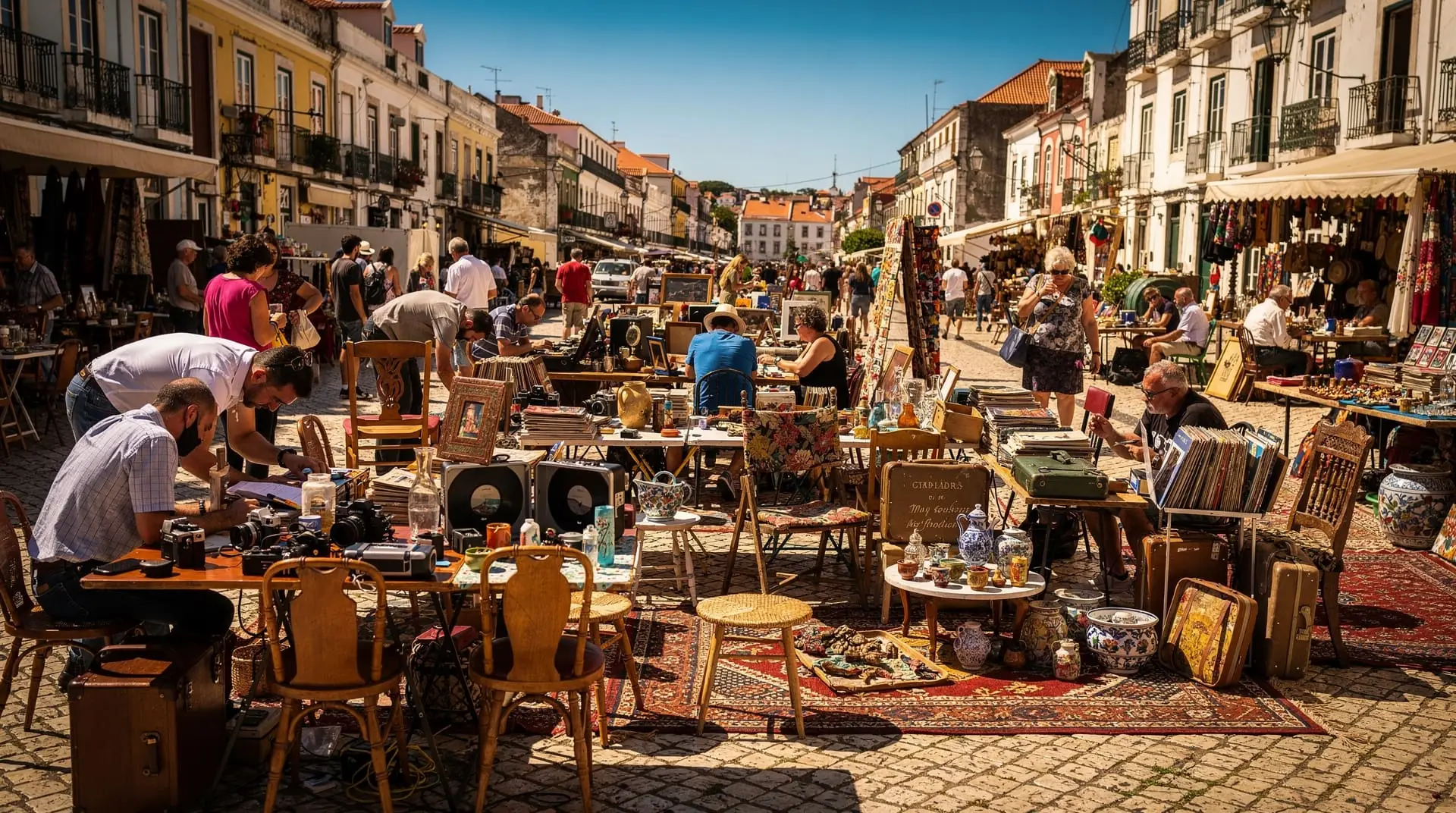
Lisbon markets: Feira da Ladra, LX Market, and Christmas markets
Complete guide to Lisbon's best markets — Feira da Ladra flea market, LX Factory Sunday market, Mercado de Santa Clara, and seasonal Christmas markets.

Where to shop in Lisbon: best neighbourhoods and stores
Shopping in Lisbon by neighbourhood — Chiado mainstream, Príncipe Real boutiques, Embaixada concept store, and Bairro Alto independents. 2026 guide.

Getting from Lisbon airport to the city centre — all options compared
Metro, Aerobus, Uber, taxi: how to get from Humberto Delgado airport to central Lisbon. Real prices 2026, journey times, and scam warnings.

Belém Tower: tickets, queues and what to expect inside
How to visit Belém Tower without wasting an hour in the queue. Fast-track tickets, best time to go, and what the Manueline tower actually shows you.
Ready to book? Top tours for this guide
We earn a small commission if you book through GetYourGuide — at no extra cost to you. Every tour is hand-picked and verified.

Lisbon: 48-Hour Hop-On-Hop-Off Bus Tour and Oceanarium Entry
Lisbon: MAAT Entry Ticket & Dolphin Watching Boat Tour
Lisbon: Alfama, Mouraria Walking Tour with Fado Night, Tapas
Lisbon: Hop-On Hop-Off Bus Tour
Lisbon: 1-or 2-Day Hop-On Hop-Off Bus Tour