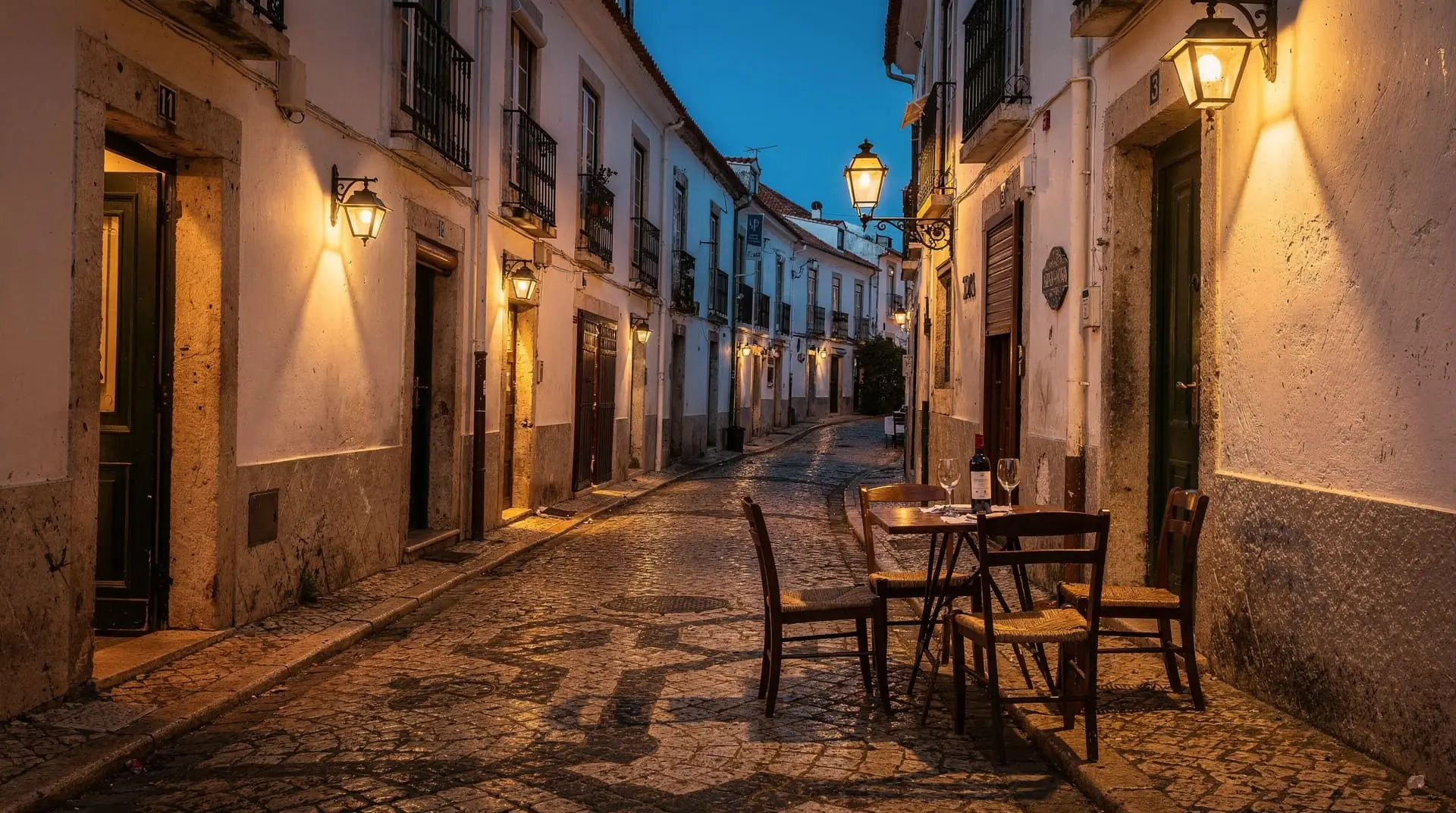
Best fado houses in Lisbon: authentic picks and honest warnings
Last reviewed
Which are the best fado houses in Lisbon?
For authentic fado in Alfama: Mesa de Frades (small, intimate, professional musicians, €30-40 minimum consumption) and Tasca do Chico (the most genuine tasca atmosphere, book 2 weeks ahead). For a polished dinner-fado experience: Clube de Fado (Alfama, prestige venue, €60-90 including dinner). A Severa in Bairro Alto is a classic for those who want fado with dinner in a larger venue. Avoid street touts near Rossio and Praça do Comércio offering fado shows — none are the real thing.
Fado divides Lisbon’s entertainment landscape sharply: there are genuine houses where professional fadistas perform traditional repertoire for audiences who are there for the music, and there are tourist operations that use fado as a backdrop to overcharge for indifferent food. The gap between them is significant, and finding your way to the former requires some navigation.
This guide covers the serious venues — their character, their pricing, what to expect, and how to book. It also tells you where not to go and why.
| Where | Alfama (intimate) or Bairro Alto (larger dinner-fado) |
| Cost | €25-100 per person depending on venue and dinner |
| Booking | 10-14 days ahead in summer; essential for Clube de Fado |
| Start time | Fado usually begins 20:30-21:30, after dinner service |
| Avoid | Any tout near Rossio or Praça do Comércio |
Why fado house matters
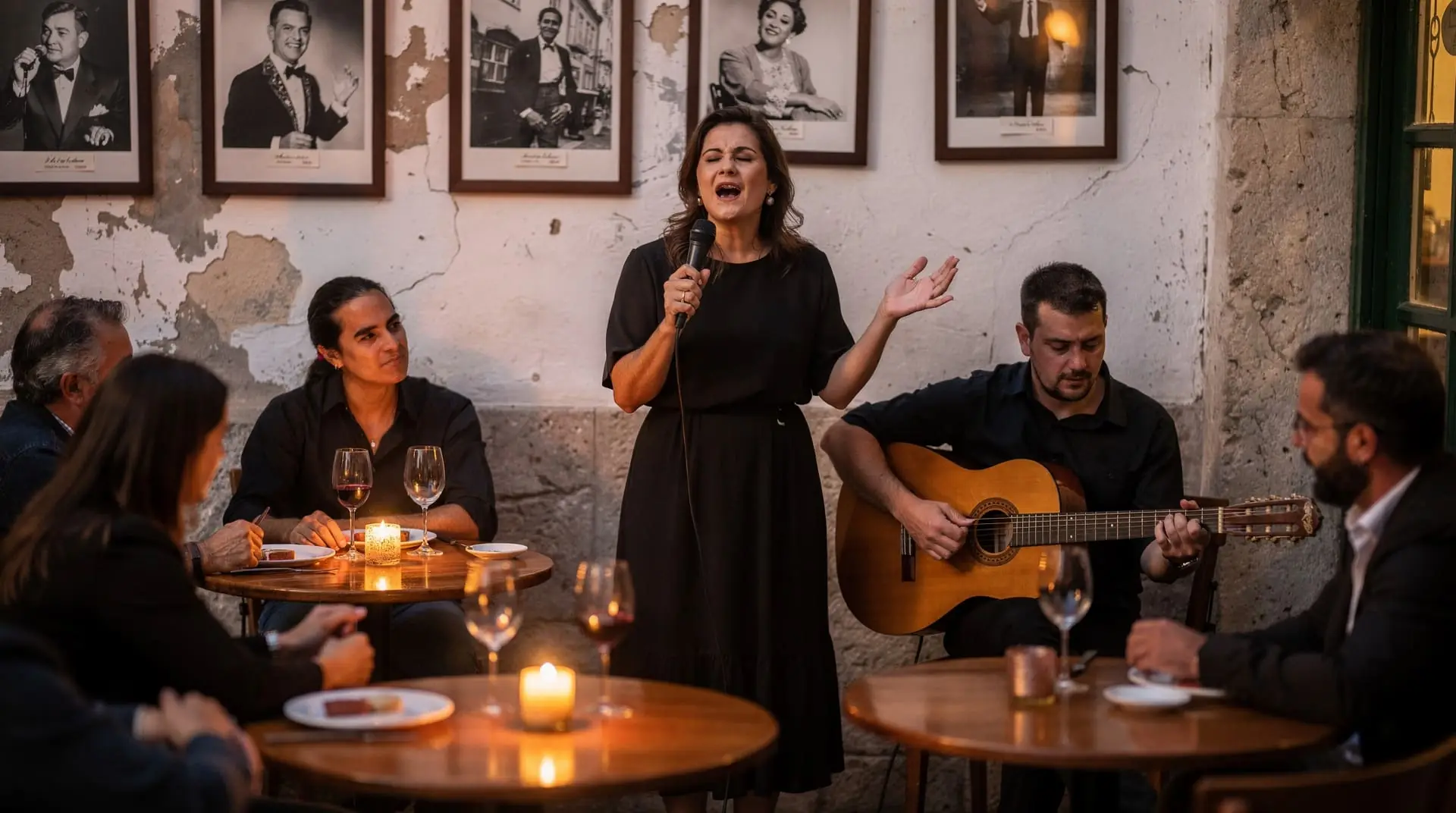
Fado is not a concert format. It is a genre that emerged from Lisbon’s poorest neighbourhoods — Alfama, Mouraria, Mouraria — in the early 19th century, and the traditional setting is a tasca (a small tavern) where people ate, drank, and listened. The fadista (singer) performs surrounded by a guitarist (viola baixo, the Portuguese 12-string guitar) and a violão (Spanish guitar for rhythmic support), in a room with 20-40 people at close quarters. The emotional power depends on that intimacy.
The best fado houses preserve this format. Chairs close together, candles on the tables, complete silence requested when the singing begins (and observed, because the audience is genuinely listening). A bad fado house — typically a large dining room with fado as amplified background music — destroys the experience.
The best fado houses in Alfama
Mesa de Frades
Address: Rua dos Remédios 139a, Alfama
Hours: Tue-Sat from 19:30 (fado from 21:00)
Minimum consumption: €30-35 per person
Capacity: About 25 seats
Booking: mesedefrades@gmail.com or +351 917 029 436 (email preferred, book 10-14 days ahead)
Mesa de Frades is housed in a former chapel — the original azulejo tiles on the walls, barrel-vaulted ceiling, an atmosphere that feels like it predates Lisbon’s gentrification. This is the recommendation for a first-time visitor who wants fado that is both authentic and comfortable.
The musicians are professional — they also perform at Clube de Fado and on festival stages. The fadistas rotate: some nights you get an established name, other nights a rising younger singer. The quality is consistently high. The minimum consumption covers the Portuguese cheese, presunto, and bread available, plus drinks; you are not paying for a three-course dinner, which keeps the focus on music.
The critical point is that Mesa de Frades has 25 seats. At 21:00 on a Friday in July, every one is taken and has been reserved for two weeks. Plan accordingly.
Tasca do Chico
Address: Rua do Diário de Notícias 39, Bairro Alto (also has a second venue in Mouraria)
Hours: Mon-Sat from 19:30
Minimum consumption: €25-30 per person
Capacity: About 30-35 seats
Booking: +351 961 339 696 (phone only; email not reliable)
Tasca do Chico is the closest to unmediated fado culture that a visitor can access. Manuel “Chico” Rodrigues has run this tasca since 1999; it attracts serious fado listeners, local musicians who come to listen on their night off, and a trickle of well-informed tourists who have found it without being told by a hotel concierge.
The food is simple tasca food: bread, cheese, cold cuts, wine by the carafe. The minimum consumption is lower than the formal venues. The singing begins when it begins — there is no fixed schedule, no announcer, no show format. A fadista will stand, the guitarra player will tune, and the room goes quiet.
The Bairro Alto location is on the same street as BA Wine Bar — combine them for a wine-before-fado evening.
Clube de Fado
Address: Rua de São João da Praça 94, Alfama
Hours: Mon-Sat from 20:00
Dinner and fado: €70-100 per person including food and minimum wine
Capacity: About 80 seats
Booking: clubedefado.com or +351 218 852 704
Clube de Fado is the prestige venue: larger than a tasca, with a proper restaurant kitchen, and consistently hosting the most celebrated fadistas in Lisbon. Owners Mário Pacheco (a leading Portuguese guitarist) and his partners have built a venue that serves serious fado alongside serious food — grilled sea bass, cataplana, arroz de pato (duck rice).
The experience is more formal than Mesa de Frades. Tables are set for dinner, servers in black, fado performances interspersed with courses. The advantage: the quality of performance is extremely high, and on special evenings you might hear an established name like Camané, Katia Guerreiro, or Ana Moura — artists who sell out concert halls — performing in a room of 80 people.
The cost reflects this: budget €80-90 per person for dinner and the mandatory minimum consumption. Book two to three weeks ahead for Friday and Saturday in summer.
Book an Alfama tour with live fado and traditional dinnerFado in Chiado
Address: Rua da Misericórdia 14, Chiado
Hours: Daily from 19:00
Minimum consumption: €30-40 per person
Capacity: 50-60 seats
A mid-size venue between a tasca and a dinner-fado restaurant in atmosphere. More accessible for walk-ins on weeknights than the tightly-booked Alfama houses. The performances are professional — typically two or three fadistas over the evening — and the food is decent Portuguese cuisine.
Less intimate than Mesa de Frades, less ambitious than Clube de Fado, but a reliable choice for visitors who cannot book well ahead and still want a proper fado evening.
The best fado houses in Bairro Alto
A Severa
Address: Rua das Gaveas 51, Bairro Alto
Hours: Mon-Sat from 20:00 (fado from 21:30)
Dinner and fado: €45-70 per person
Capacity: About 100 seats
Booking: asevera.com or +351 213 464 006
Named after Maria Severa Onofriana, the 19th-century fadista considered fado’s first star, A Severa has operated since 1955 and is Bairro Alto’s most established fado house. It is larger than the Alfama tascas — a proper restaurant with a fado stage area — and the experience is more dinner-with-fado-accompaniment than pure fado listening.
The food is good: cataplana de marisco (shellfish stew), bacalhau à brás (shredded salt cod with eggs and fried potatoes), arroz de tamboril (monkfish rice). The wine list is reasonable.
The fado quality varies: the resident musicians are solid, but the intensity drops in a room of 100 where some diners are treating the music as background. Visit A Severa for a complete Portuguese evening — dinner, wine, fado — rather than for the most concentrated fado experience.
Café Luso
Address: Travessa da Queimada 10, Bairro Alto
Hours: Mon-Sat from 19:30 (fado from 21:00)
Dinner and fado: €55-80 per person
Capacity: About 150 seats
Booking: cafeluso.pt or +351 213 422 281
Café Luso has been open since 1927 and is the grande dame of Bairro Alto fado — traditionally the choice of Portuguese celebrities, politicians, and the older generation of fado lovers. The space is spectacular: tiles, dark wood, chandeliers, and a stage area that has hosted nearly every significant Portuguese fadista over the past century.
Today it operates more as a dinner-fado venue for tourists than a local institution, which is honest — the local fado audience has drifted toward smaller, more intimate venues. But the production quality is high: professional musicians, multiple fadistas per evening, and the history of the room is palpable.
For a special occasion or a visitor who wants the full theatrical experience of Portuguese fado with dinner in a beautiful historic venue, Café Luso delivers.
Mouraria: the fado heartland
Mouraria is where fado is said to have been born — the neighbourhood of Maria Severa and the 19th-century sailors and criminals who first performed it. The gentrification that reached Alfama has touched Mouraria more lightly; it remains rougher, more lived-in, more multilingual (it has historically been Lisbon’s most diverse neighbourhood).
Fado Vadio at Tascas: Several Mouraria tascas host informal fado nights without a structured show format. Check Tasca da Mouraria (Largo da Severa) and Tascô (Rua dos Lagares 60) for current schedules — they change seasonally and are best found by asking at the Museu do Fado.
Museu do Fado (Largo do Chafariz de Dentro 1, Alfama — technically on the Alfama-Mouraria border): Essential context for understanding all the fado houses above. Entry €5. The permanent exhibition covers Amália Rodrigues, the UNESCO heritage designation, the guitarra portuguesa, and the social history of the genre. 2 hours well spent before your first fado evening.
Book a Fado Vadio tour with Portuguese tapas in AlfamaThe fake fado warning
Fake fado is a real problem. The tell-tale signs:
Location: Any fado offered by a tout in the Baixa (Rossio, Praça do Comércio, Rua Augusta) is not authentic. Real fado houses do not have street touts because they are booked solid without needing them.
Price: “Fado show and dinner €15” is an immediate red flag. Genuine houses cost €25-100 because real musicians expect real payment. Ultra-cheap offers trade on the name while providing pre-recorded or karaoke-quality “fado.”
Show format with fixed times: Authentic fado does not begin at 19:00 sharp and end at 21:00. It is organic — the fadista performs when ready, the audience responds, the set continues. Fixed-schedule “shows” indicate a performance product, not a music experience.
Amplification: Traditional fado is performed acoustically in a small room. Amplified fado in a large room is a different experience — not necessarily bad (the big stages at Coliseu do Porto or São Luís in Lisbon are fine for concert fado) but not what you get in an intimate house.
For a full breakdown of fake fado and where to avoid it, see fake fado warning.
Practical booking advice
When to book: 10-14 days ahead for Alfama tascas in summer (June-September); 3-5 days ahead in winter. Clube de Fado on Friday/Saturday: 2-3 weeks minimum in any season.
How to book: Email or phone directly. GetYourGuide and similar platforms list some venues but at premium prices; the marginal convenience is rarely worth the extra cost. Exception: if you are arriving with no local phone number and need confirmation in English — platforms handle this well.
What to wear: Smart casual. Dark jeans and a collared shirt for men, similar equivalent for women. No need for formal dress except at Clube de Fado where the restaurant setting calls for it. Do not wear shorts or football shirts — not prohibited, just conspicuous.
What to drink: House wine (typically decent Alentejo) is the default at minimum consumption prices. If you want to spend up, ask about bottle selections — most fado houses have reasonable Portuguese wine lists at restaurant markup (€20-45 per bottle).
Silence rules: When the fadista begins, silence is expected and enforced — gently but firmly. Do not take phone calls, do not speak above a whisper, do not clink glasses during performance. Applause between songs is appropriate and warm.
Book a fado night with dinner at a typical Lisbon fado housePlanning fado into your Lisbon trip
Fado houses are evening experiences — budget from 20:00 to midnight. They work well following:
- Afternoon in Alfama: What to do in Alfama, Alfama walking guide, sunset at Portas do Sol or Senhora do Monte
- A museum visit: Museu do Fado provides context; Gulbenkian is further from fado territory
- Dinner and fado as a single evening: Use one of the dinner-fado venues (Clube de Fado, A Severa) — no separate restaurant booking needed
For your overall Lisbon itinerary, see how many days in Lisbon and first-time Lisbon tips. Fado is one of those experiences that reward putting it near the beginning of a trip rather than the end — it changes how you see the city.
What a fado evening actually costs, beyond the minimum
The minimum consumption is the floor, not the ceiling. At a tasca like Tasca do Chico or Mesa de Frades, most people naturally spend at or slightly above the minimum — a carafe of wine, some cheese and presunto, maybe a bacalhau fritter. Budget €30-45 total per person once you factor in a tip (10% is generous and appreciated but not mandatory in Portugal). At the dinner-fado venues (A Severa, Café Luso, Clube de Fado), the quoted price often already includes a set menu, so the real additional cost is mainly extra wine by the bottle — a decent Alentejo red runs €20-35 and easily serves four. For a couple doing Clube de Fado properly — starter, main, dessert, wine, coffee — realistic total spend is €160-200 for the evening, not the €140-180 the base pricing suggests.
Tipping the musicians directly is not customary and can feel awkward — applause between songs is the expected form of appreciation. If a venue passes a tip jar or CD for sale at the end, buying a recording from a fadista you particularly enjoyed is a well-regarded way to show appreciation without disrupting the format.
Solo travellers: Fado houses are genuinely comfortable for solo diners — tascas in particular seat single guests at the bar or a shared table without fuss, and the intimacy of the format means you are never the odd one out at a table for two. Mesa de Frades and Tasca do Chico both handle solo bookings well; the larger dinner venues can feel slightly more geared toward couples and groups but will still seat a solo diner without issue. If you’re travelling alone and slightly nervous about walking into a venue solo, mention it when you book by phone or email — most fado houses will confirm a good seat and put you at ease before you arrive, and the atmosphere at a genuine tasca makes solo attendance feel entirely normal rather than conspicuous.
Comparing the main venues at a glance
| Venue | Neighbourhood | Price | Style | Booking window |
|---|---|---|---|---|
| Mesa de Frades | Alfama | €30-35 | Intimate, former chapel, no forced dinner | 10-14 days |
| Tasca do Chico | Bairro Alto / Mouraria | €25-30 | Unmediated tasca fado, no fixed schedule | 1-2 weeks |
| Clube de Fado | Alfama | €70-100 (dinner incl.) | Prestige, top fadistas, formal dinner | 2-3 weeks |
| Fado in Chiado | Chiado | €30-40 | Mid-size, easier walk-in access | Few days |
| A Severa | Bairro Alto | €45-70 | Dinner-forward, larger room | 3-5 days |
| Café Luso | Bairro Alto | €55-80 | Historic, theatrical, since 1927 | 3-5 days |
Use this table with the neighbourhood profiles above — if intimacy and unhurried music matter more than a polished dinner, Mesa de Frades and Tasca do Chico outrank the larger Bairro Alto rooms every time.
Honest verdict
Related guides
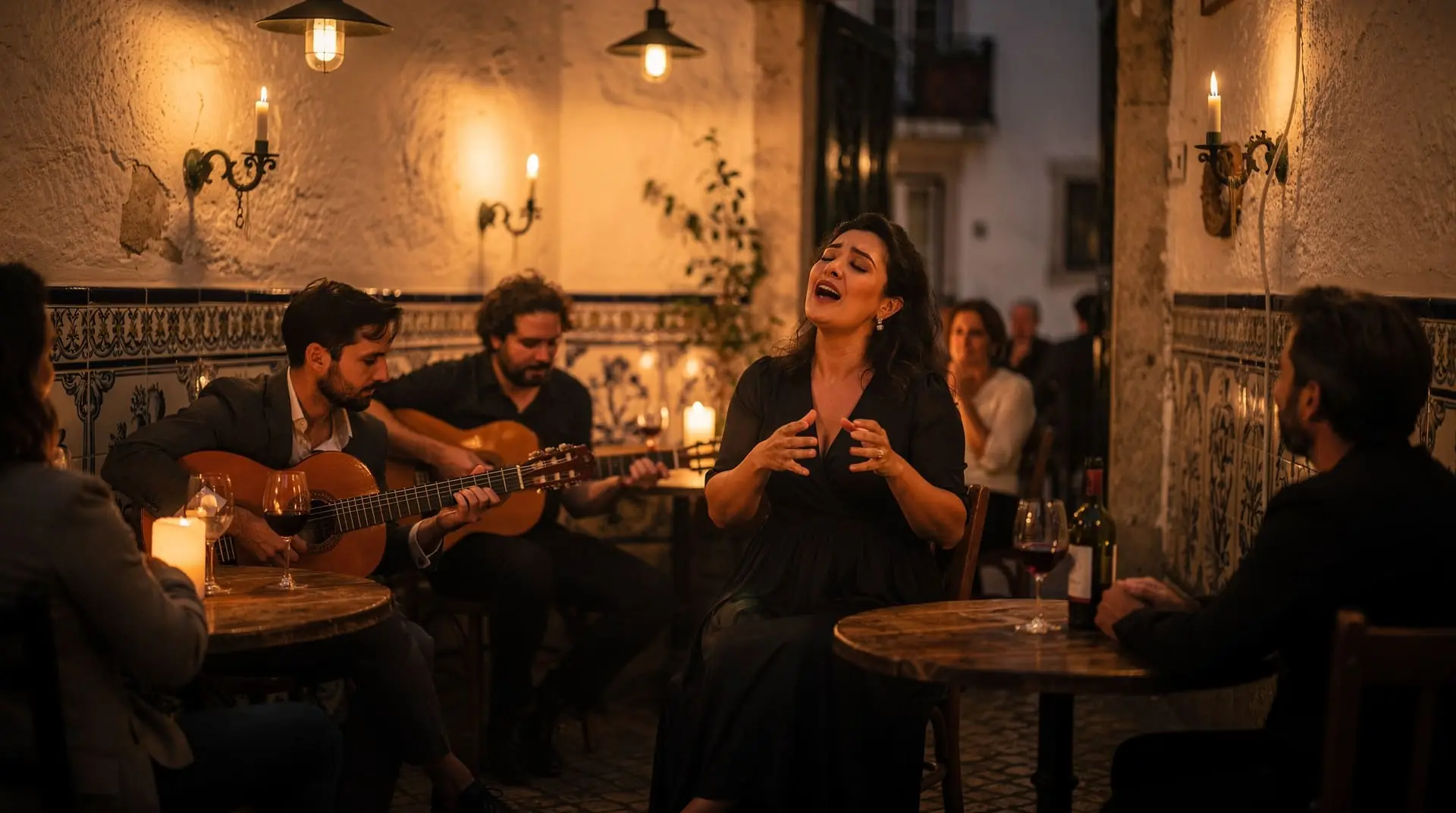
Fado in Alfama: the walking circuit, casas, and Museu do Fado
Why Alfama is fado's true home: the best casas, a walking circuit through fado history, Museu do Fado, and where to hear live fado on Alfama's steep streets.
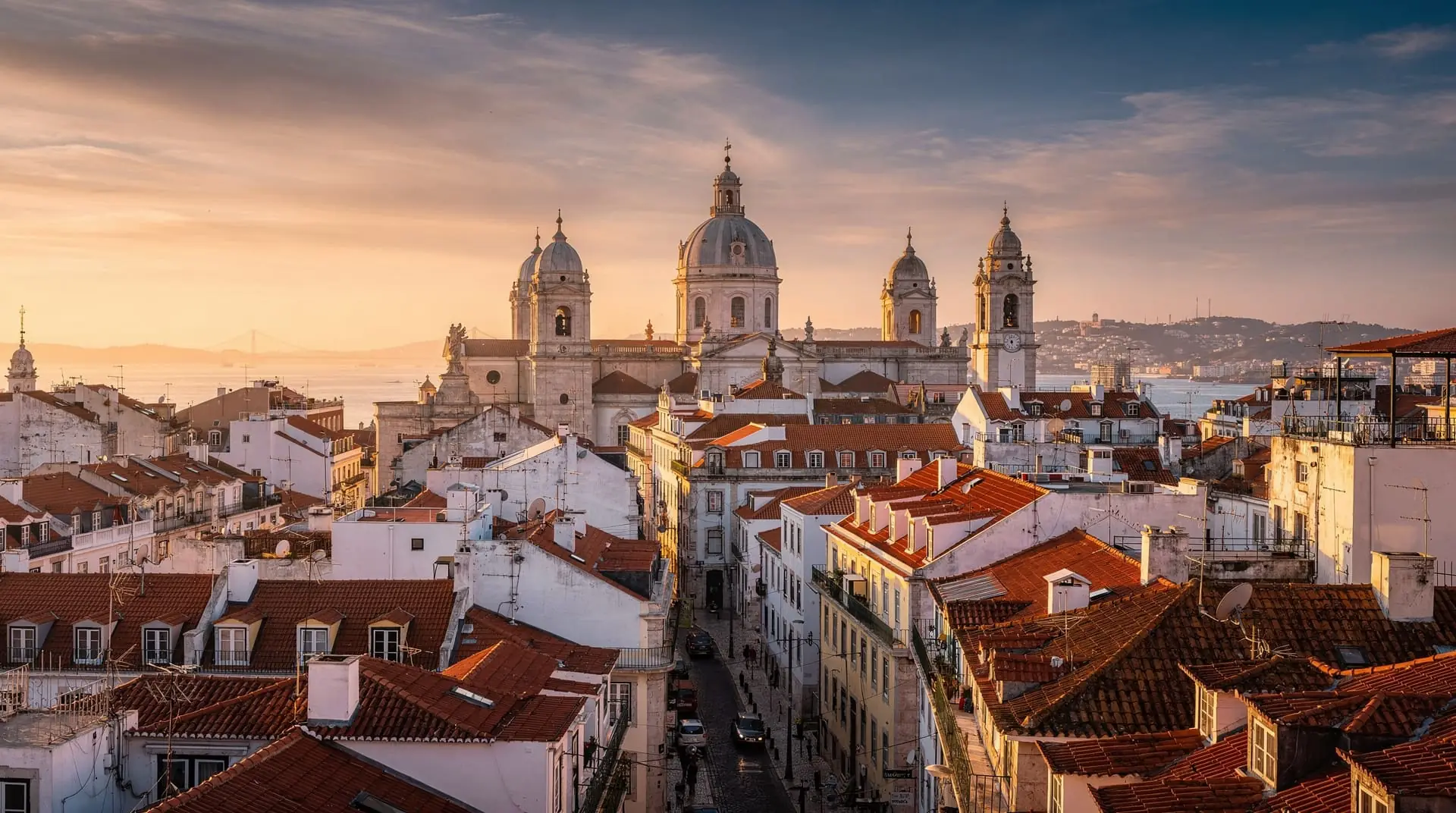
Best viewpoints in Lisbon — ranked and honest
The 8 best miradouros in Lisbon ranked: Senhora do Monte, Portas do Sol, São Pedro de Alcântara, Santa Catarina, Graça, Santa Luzia, Castelo, Cristo Rei.
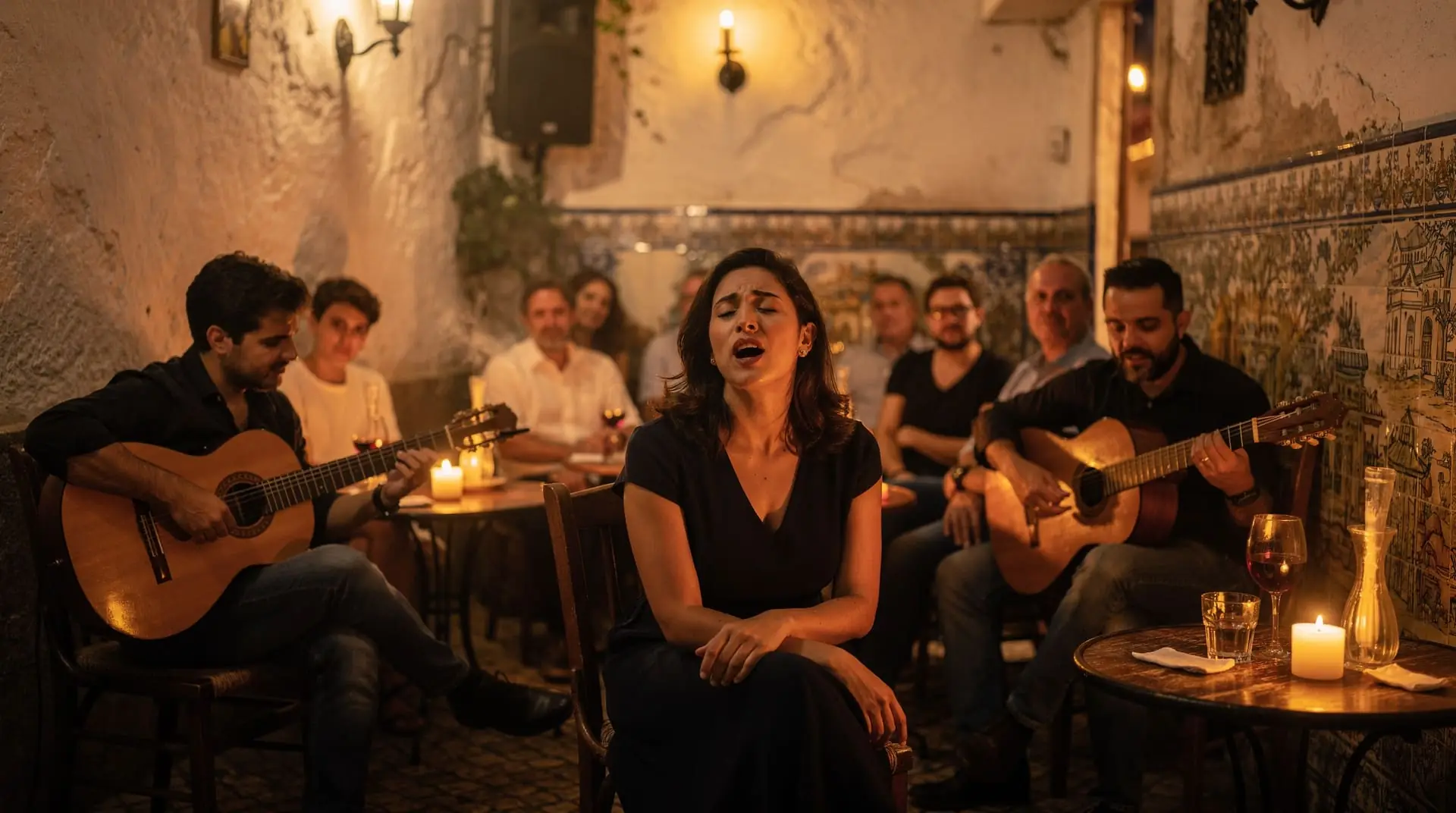
Fado dinner shows in Lisbon: what to expect, prices, and honest advice
Fado dinner shows in Lisbon: €45-90 prices, tasca fado vs dinner venues, what to expect, and how to avoid overpaying. Honest 2026 guide.
History of fado: from Maria Severa to UNESCO heritage
Fado's origins in 19th-century Alfama, the Estado Novo years, Amália Rodrigues, UNESCO recognition in 2011, and today's scene with Mariza and Camané.
Ready to book? Top tours for this guide
We earn a small commission if you book through GetYourGuide — at no extra cost to you. Every tour is hand-picked and verified.

Lisbon: 48-Hour Hop-On-Hop-Off Bus Tour and Oceanarium Entry
Lisbon: MAAT Entry Ticket & Dolphin Watching Boat Tour
Lisbon: Alfama, Mouraria Walking Tour with Fado Night, Tapas
Lisbon: Hop-On Hop-Off Bus Tour
Lisbon: 1-or 2-Day Hop-On Hop-Off Bus Tour