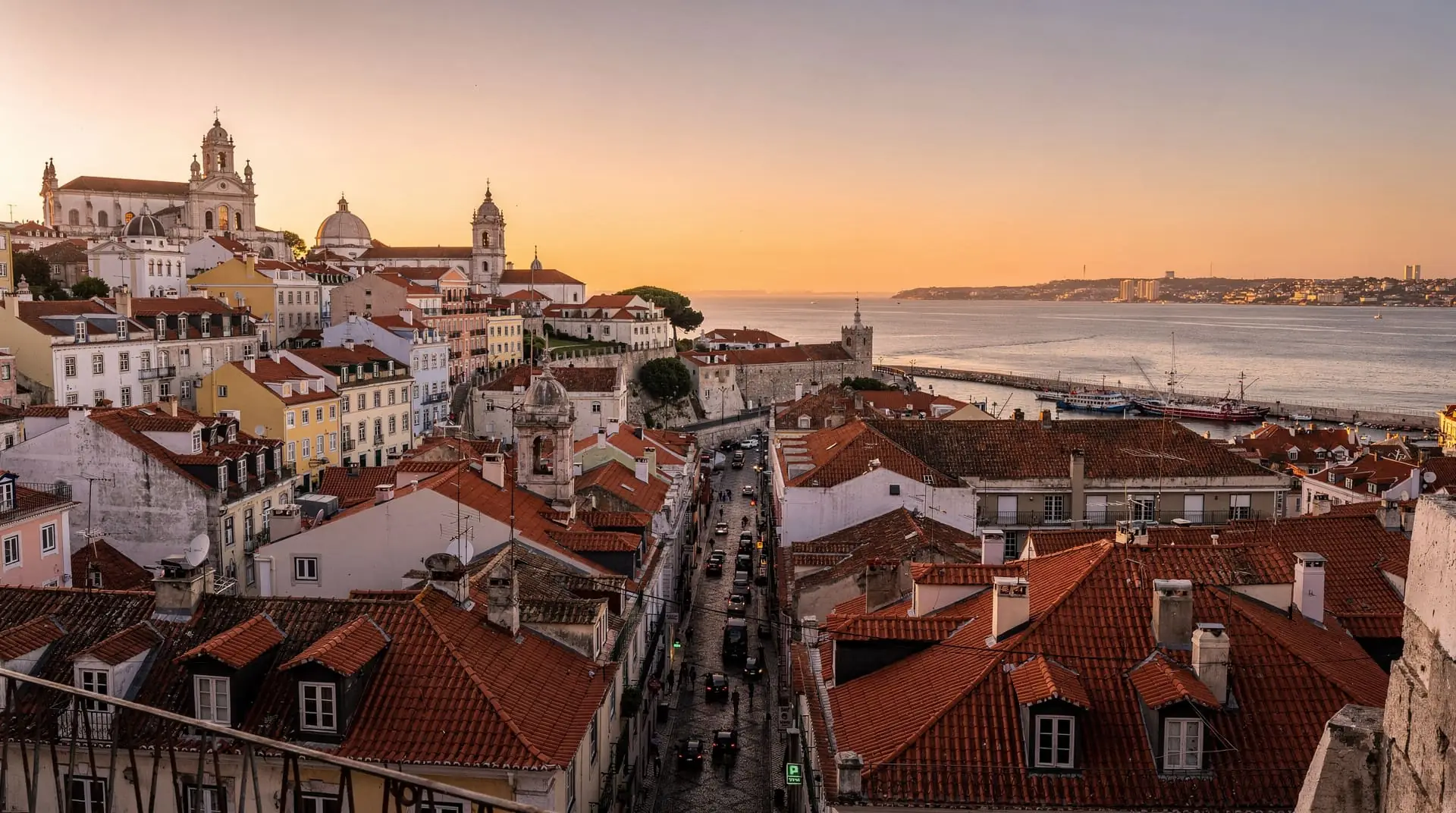
Miradouro das Portas do Sol — the iconic Alfama viewpoint
Last reviewed
How do I get to Miradouro das Portas do Sol in Lisbon?
Take tram 28 from Martim Moniz or Rua da Conceição (in Baixa) directly to the Portas do Sol stop, or walk 20 minutes uphill from Praça do Comércio through the Alfama streets. The miradouro is on a wide terrace with a café and ginjinha vendors, overlooking the tiled rooftops of Alfama and the Tagus river.
The postcard view of Lisbon
Miradouro das Portas do Sol is where most photographs of the Alfama roofscape are taken. The viewpoint sits on the eastern edge of the Alfama plateau, above the medieval stairways and alleys that cascade downhill towards the Tagus. From the terrace: orange rooftiles, white painted walls, television aerials, satellite dishes, laundry drying, and — as the ground drops away — the wide grey-blue expanse of the Tagus river beyond. The church of Santo Estêvão and the dome of the National Pantheon punctuate the roofline. On clear days the south bank hills above Almada are visible.
This is the most immediately legible of Lisbon’s viewpoints: it shows you exactly what you came to see in an unobstructed, accessible, easily understood panorama. It is also, as a direct consequence, the most visited and often the most crowded viewpoint in the city. Understanding both sides of that equation helps you get the best out of it.
| Where | Alfama, eastern edge above the Tagus |
| Cost | free; around €2–3 for ginjinha at the terrace bars |
| Time needed | 20–30 minutes, longer with a walking circuit |
| Getting there | tram 28, a 20-minute walk from Baixa, or taxi |
| Best time | weekday mornings 09:30–11:00 or 17:00–18:30 |
What you are looking at
The roofscape
Alfama is the oldest surviving neighbourhood in Lisbon — it predates the Moorish city and occupies the most sheltered part of the hillside below the castle. The dense pattern of orange-tiled rooftops visible from Portas do Sol reflects centuries of incremental building: houses added onto houses, courtyards infilled, narrow lanes threading between structures that occasionally reach five or six storeys when measured from below but appear from above as a continuous horizontal plane of rooftiles.
The dome visible to the right of centre is the National Pantheon (Igreja de Santa Engrácia) — a 17th-century church completed in 1966 after 284 years of construction. It is the origin of the Portuguese expression “obras de Santa Engrácia” (Saint Engrácia’s works) meaning an endless, never-finished project.
The statue of São Vicente
On the parapet of the terrace, the white statue of São Vicente (Saint Vincent) with his ravens marks the site. Vicente is the patron saint of Lisbon — his relics were brought to the city from Algarve in 1173, transported by sea with ravens as escorts, which is why ravens appear on Lisbon’s coat of arms. The statue is a mid-20th-century addition to the terrace rather than a historic monument, but it has become part of the Portas do Sol iconography.
The Tagus and the south bank
The Tagus at this point is approximately two kilometres wide. The south bank — the municipality of Almada — rises in hills that on clear days reveal the Cristo Rei statue (a smaller sibling of Rio’s Christ the Redeemer, built in 1959 as a thanksgiving offering after Portugal was spared from World War II). The Cristo Rei visit from Almada provides the reverse view — Lisbon as seen from across the water.
Getting there
Tram 28
The tram 28 is both the most scenic and the most complicated way to reach Portas do Sol. It stops directly on the terrace (stop: Portas do Sol), and the ride through the Alfama stairways and the narrow Graça streets is genuinely beautiful. However, tram 28 is systematically targeted by professional pickpockets — particularly at the Martim Moniz terminus and on the uphill sections where the tram moves slowly. Read the tram 28 guide before boarding, and store your phone and wallet in a front pocket or inside bag.
Take the tram for the experience; take a taxi or Uber if you are carrying anything valuable or are traveling with children.
The guided tram 28 and walking tour includes pickpocket-aware guidance from a local who knows which stops are most vulnerable — a worthwhile structure for first-time riders.
On foot from Baixa
Walk north on Rua dos Bacalhoeiros from Praça do Comércio, then turn right onto Rua de São Pedro and continue uphill through the increasingly narrow Alfama lanes for about 20 minutes. This is the most interesting approach — the streets become medieval, the stairways open onto unexpected small squares, and you arrive at Portas do Sol from below having understood something of the neighbourhood’s geography. Use Google Maps for navigation; the lane names are easy to miss.
Taxi or Uber
From Baixa or the riverfront, around €6–8. The driver will deliver you to the terrace-level road immediately above the viewpoint.
When to go
Morning (09:30–11:00): The terrace is relatively quiet and the light falls on the Alfama rooftops from the east — the best photography conditions. Weekday mornings before 10:30 can be near-empty.
Late afternoon (17:00–18:30): The light softens and the rooftops glow. Still busy in summer but noticeably less frantic than midday.
Avoid: Summer weekend middays (12:00–16:00) when coach groups arrive and the terrace can become genuinely unpleasant. Weekend summer evenings are also packed. If crowds bother you, go to Senhora do Monte instead — equally good, half the visitors.
Ginjinha at the terrace
Several small bars at the foot of the Portas do Sol terrace serve ginjinha — the sour cherry liqueur that is Lisbon’s traditional street drink. The classic serving: a small glass (around €2–3) with or without a morello cherry. Some bars also sell ginjinha poured into a small chocolate cup — the chocolate is eaten after the liqueur, which is a combination that sounds contrived but works.
This is genuine, not tourist theatre. The same drink sold in the same way at Largo de São Domingos (in Baixa, near Rossio) has been a Lisbon institution since 1840. At Portas do Sol the bars are simpler but the product is identical.
What to do nearby
Portas do Sol is a natural hub for the upper Alfama. Within walking distance:
Miradouro de Santa Luzia — 200 metres south along the terrace road. A quieter, garden viewpoint with decorative tile panels on the adjacent church wall. Often overlooked because it is in Portas do Sol’s shadow.
São Jorge Castle — 10-minute walk uphill from the terrace, or you can see it from where you are standing. Entry around €15.
Alfama lanes — Any downhill street from Portas do Sol leads into the heart of the old neighbourhood. The stairway of Escadinhas de Santo Estêvão (take the left-hand lane from the bottom of the terrace) leads to one of the more photogenic sections of Alfama. See the Alfama guide for a route.
Miradouro da Senhora do Monte — 25-minute uphill walk north through the Graça neighbourhood. The full Alfama viewpoint circuit (Portas do Sol → Santa Luzia → Graça miradouro → Senhora do Monte) takes about two hours at a comfortable pace.
Guided tours that include Portas do Sol
The Alfama district 2.5-hour walking tour includes Portas do Sol as a named stop and provides guide narration for the roofscape and neighbourhood context. The small group format (typically under 12 people) means the guide can stop at the viewpoint for genuine explanation rather than a photo-and-move routine.
The private tuk-tuk tour is good for visitors who want to reach Portas do Sol, Santa Luzia, and potentially Senator do Monte in a single tuk-tuk circuit without walking the hills.
Crowd levels by time of day
| Time | Crowd level | Notes |
|---|---|---|
| 09:30–11:00 | Low | Best light for photos, near-empty on weekdays |
| 11:00–17:00 | Moderate to high | Coach groups arrive from midday |
| 12:00–16:00 (summer weekends) | Very high | Genuinely crowded, worth avoiding |
| 17:00–18:30 | Moderate | Softer light, still pleasant |
| After 19:00 | Low | Quiet, good for a calmer visit without sunset light |
Accessibility and practical notes
The terrace itself is flat and easy to reach on foot from the tram stop, but every route into Alfama below it involves steps, cobbles or steep lanes — there is no fully step-free way to combine Portas do Sol with a walk down into the neighbourhood. Wheelchair users and anyone with mobility concerns should plan to arrive and leave by taxi or tram rather than attempting the on-foot approach from Baixa. There are no public toilets directly on the terrace; the nearest are at cafés nearby, for paying customers. Free wifi is not available at the miradouro itself, so download offline maps before you go if you plan to explore the surrounding lanes.
What locals do differently
Lisboetas who live in Alfama tend to treat Portas do Sol as a thoroughfare rather than a destination — somewhere you pass on the way to Santa Luzia or down into the neighbourhood, rather than somewhere you stand still for twenty minutes. If you want a more local rhythm to your visit, buy a ginjinha, walk the length of the terrace once, then continue immediately toward Santa Luzia rather than lingering at the busiest section by the São Vicente statue, which is where most of the crowd concentrates.
Honest assessment
Portas do Sol is the best-known Alfama viewpoint for a reason: the view is objectively excellent and the terrace is easy to reach. The crowds at peak times are a genuine inconvenience — in summer, Saturday afternoon, you will be standing shoulder-to-shoulder with several hundred people holding phones up. This does not make the view worse, but it makes the experience different.
The solution is not to avoid Portas do Sol but to calibrate when you go. A weekday morning visit to this terrace followed by a late afternoon visit to Senhora do Monte for sunset gives you the two best angles on Alfama in a single day under very different conditions.
For navigation and transport to all the central Lisbon viewpoints, see getting around Lisbon and the Viva Viagem card guide.
Related guides
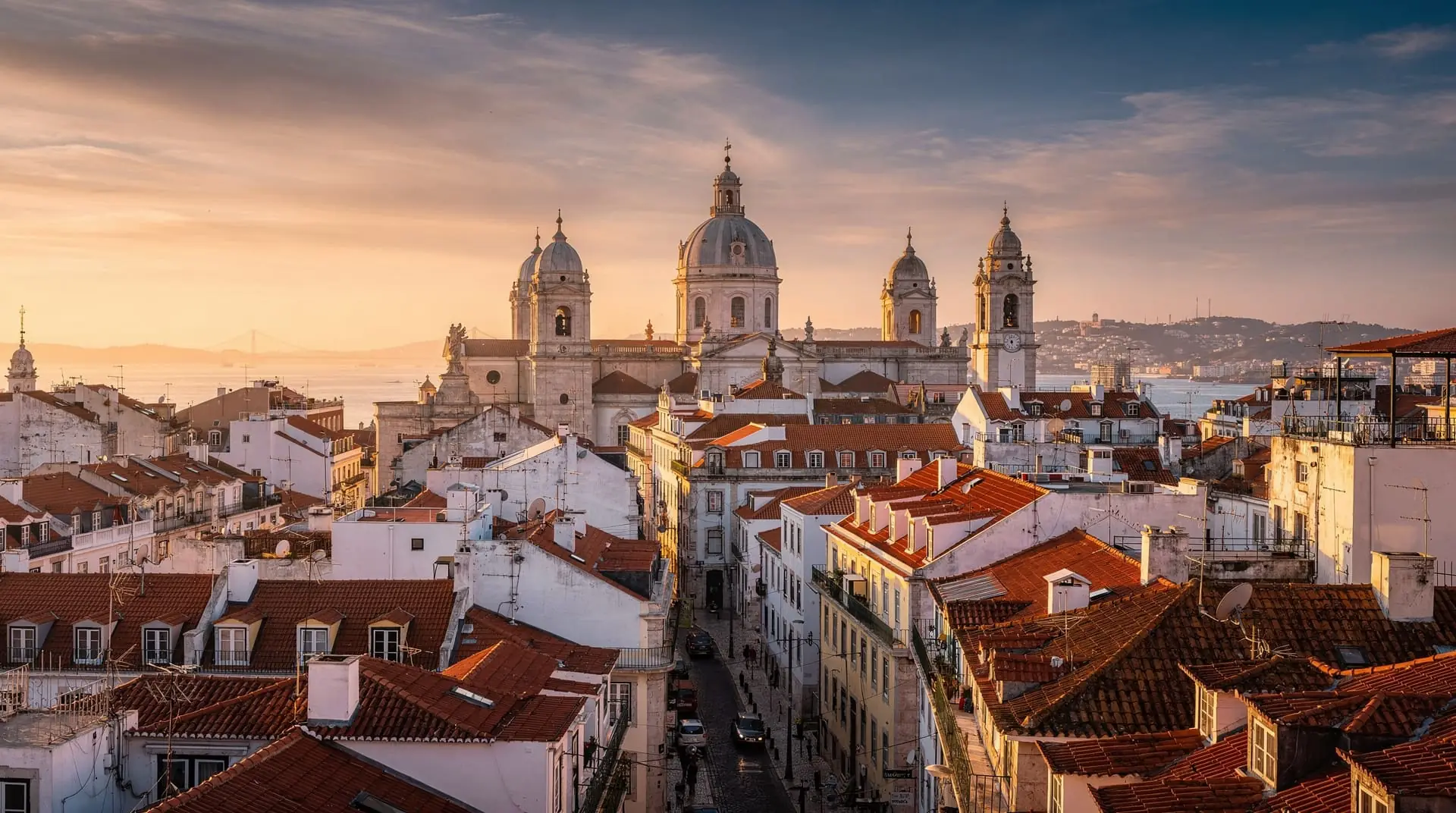
Best viewpoints in Lisbon — ranked and honest
The 8 best miradouros in Lisbon ranked: Senhora do Monte, Portas do Sol, São Pedro de Alcântara, Santa Catarina, Graça, Santa Luzia, Castelo, Cristo Rei.
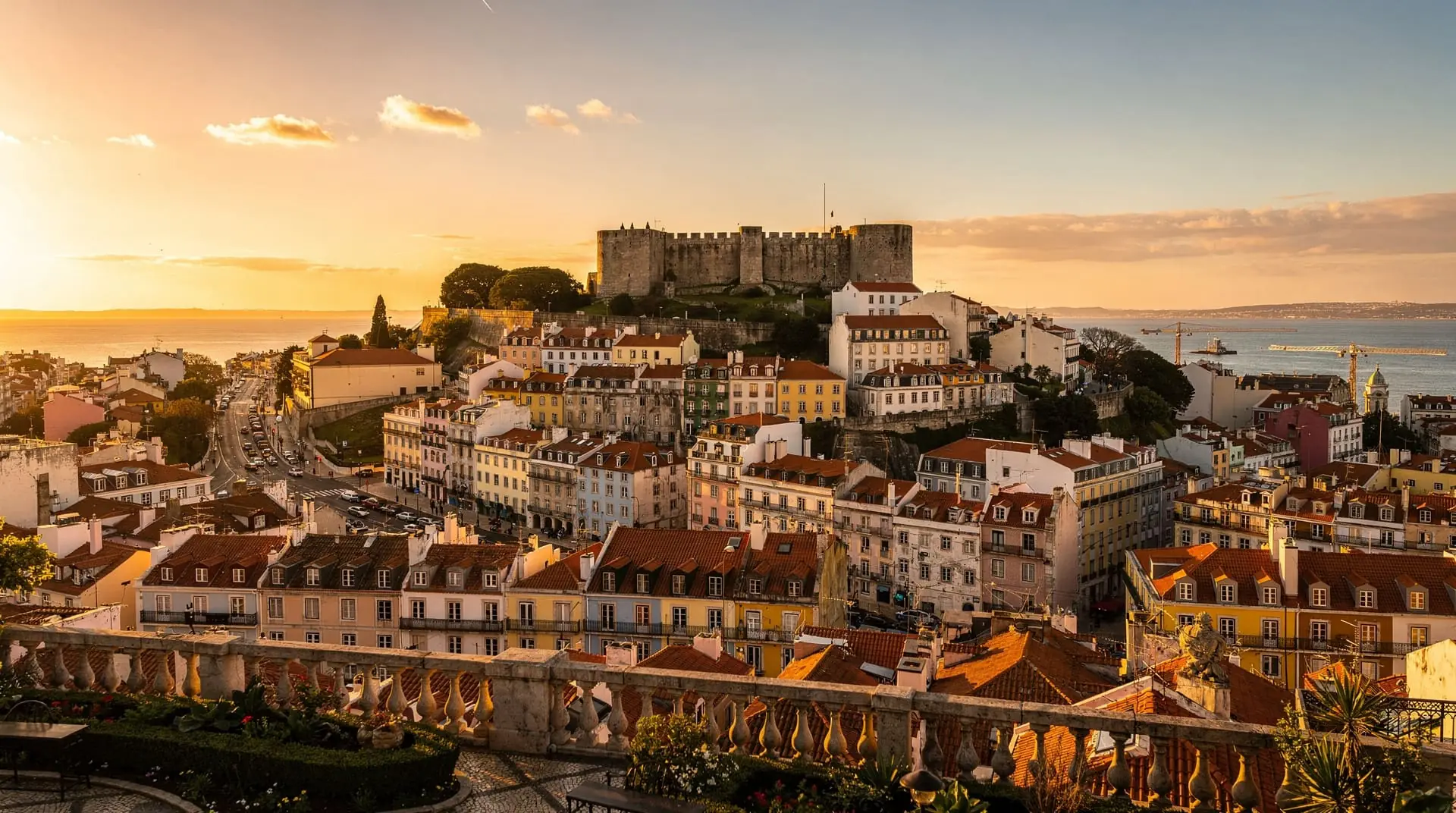
Miradouro de São Pedro de Alcântara — Bairro Alto's castle view
Miradouro de São Pedro de Alcântara, Bairro Alto: Glória funicular, garden viewpoint, castle panorama, best times, and what to do nearby.
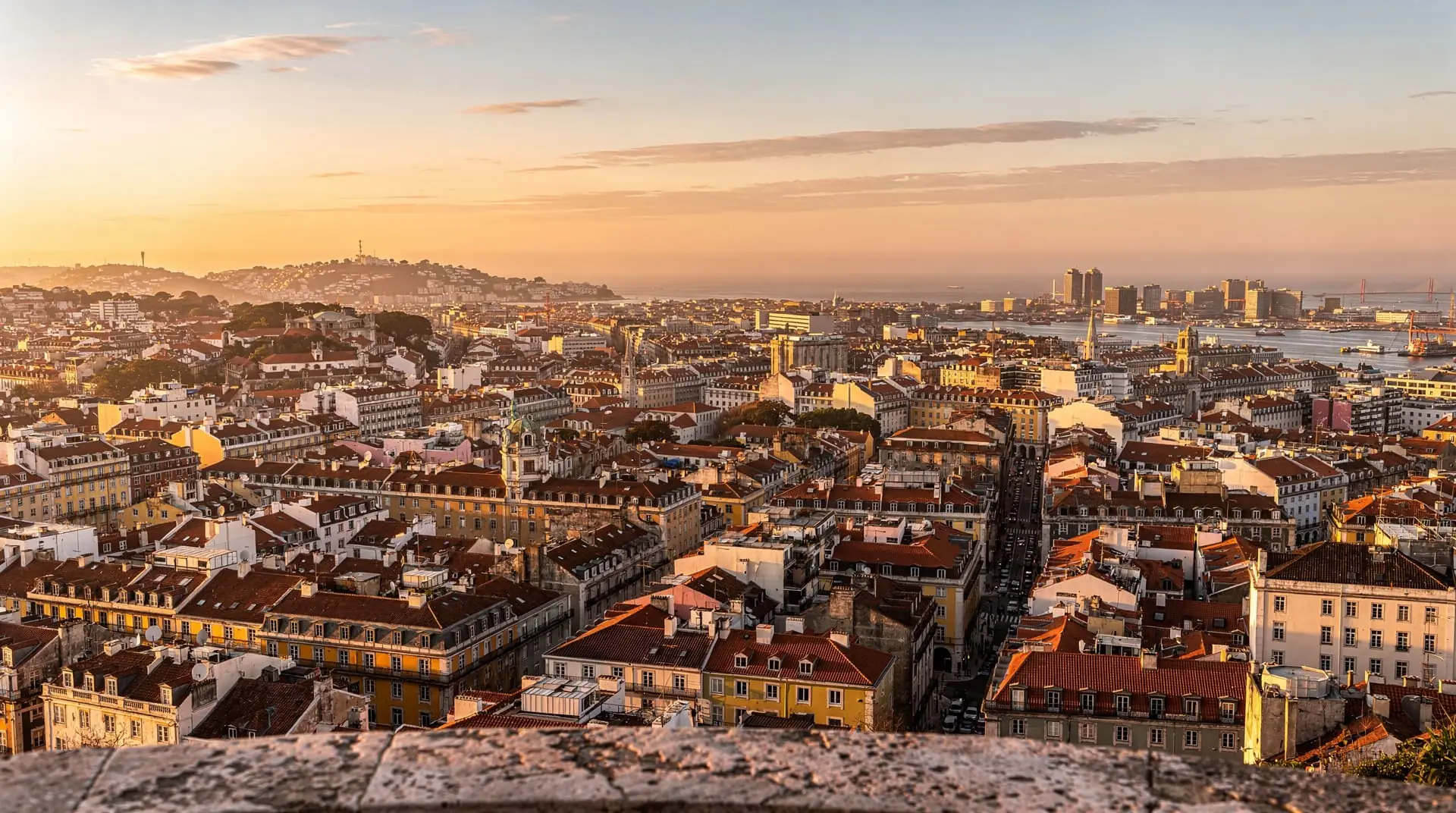
Miradouro da Senhora do Monte — the highest viewpoint in Lisbon
Guide to Miradouro da Senhora do Monte in Graça: the best panoramic viewpoint in Lisbon, how to get there from Martim Moniz, sunset tips, and what to see.
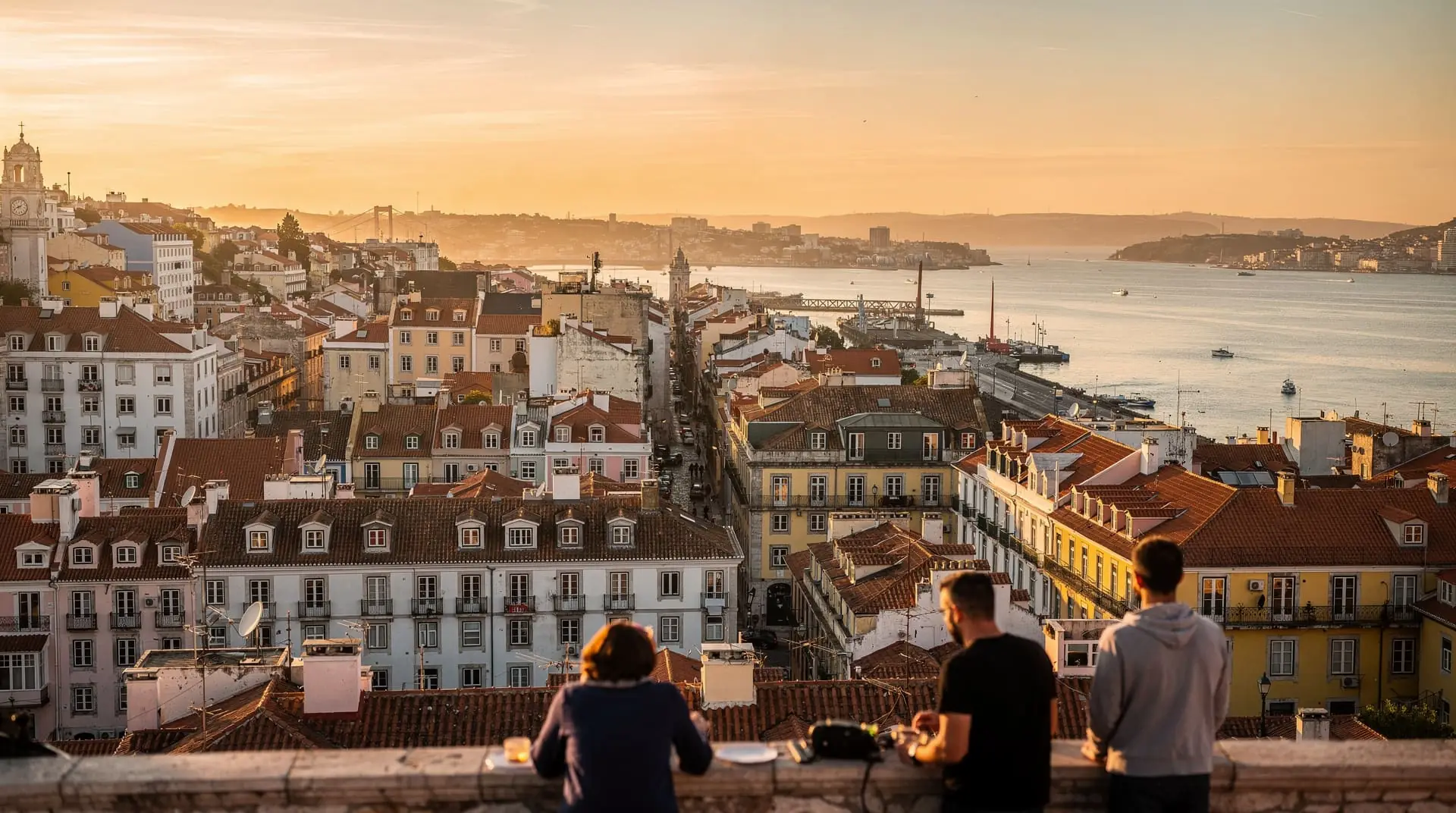
Miradouro de Santa Catarina — the Adamastor viewpoint
Guide to Miradouro de Santa Catarina in Lisbon: the Adamastor sculpture, Tagus and bridge views, Bica funicular, sunset crowds, and the Cais do Sodré area.
Ready to book? Top tours for this guide
We earn a small commission if you book through GetYourGuide — at no extra cost to you. Every tour is hand-picked and verified.
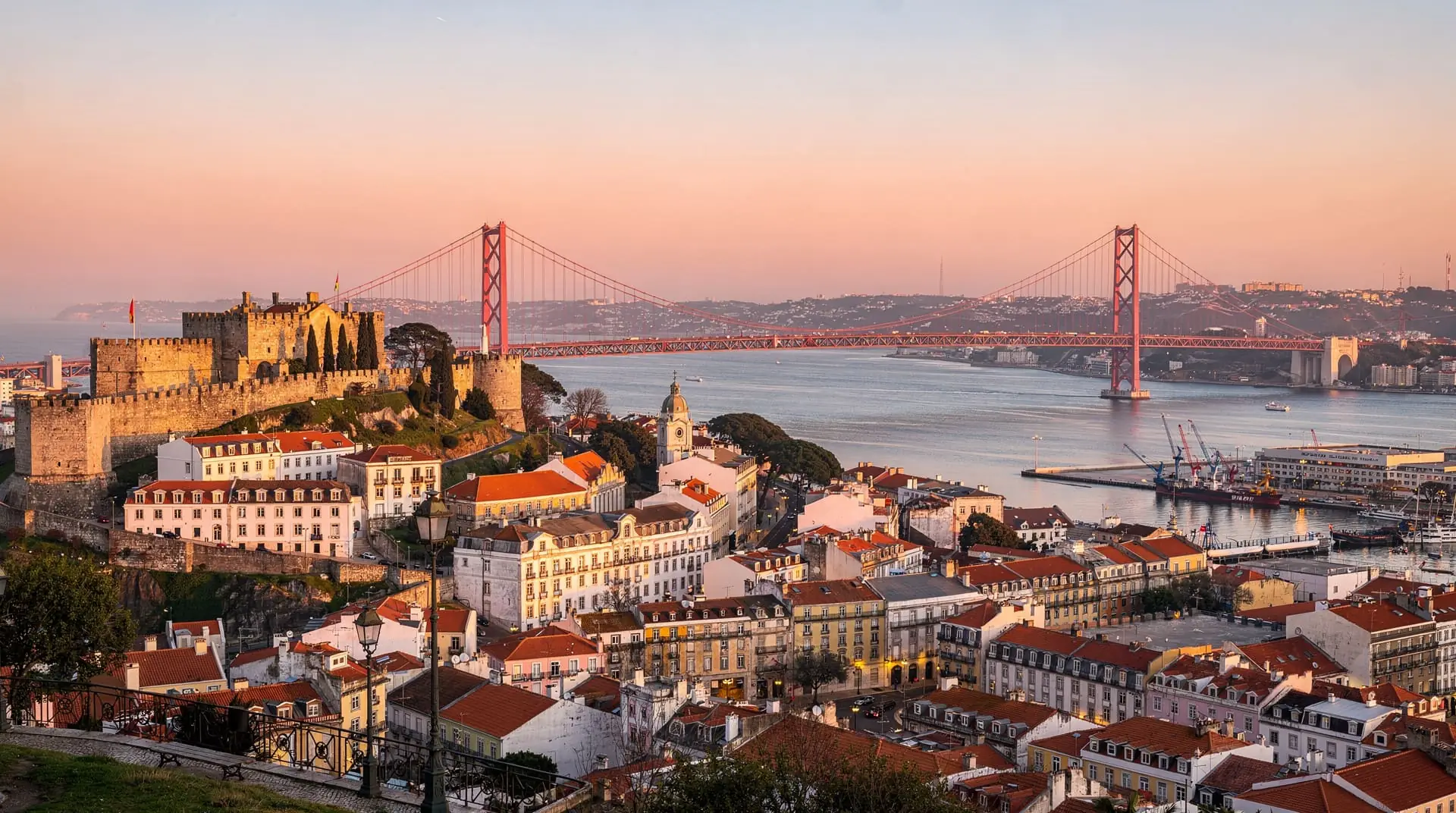
Lisbon: 48-Hour Hop-On-Hop-Off Bus Tour and Oceanarium Entry
Lisbon: MAAT Entry Ticket & Dolphin Watching Boat Tour
Lisbon: Alfama, Mouraria Walking Tour with Fado Night, Tapas
Lisbon: Hop-On Hop-Off Bus Tour
Lisbon: 1-or 2-Day Hop-On Hop-Off Bus Tour