Sardines in Lisbon: sardine season, Santo António, and where to eat them
Last reviewed
When is sardine season in Lisbon?
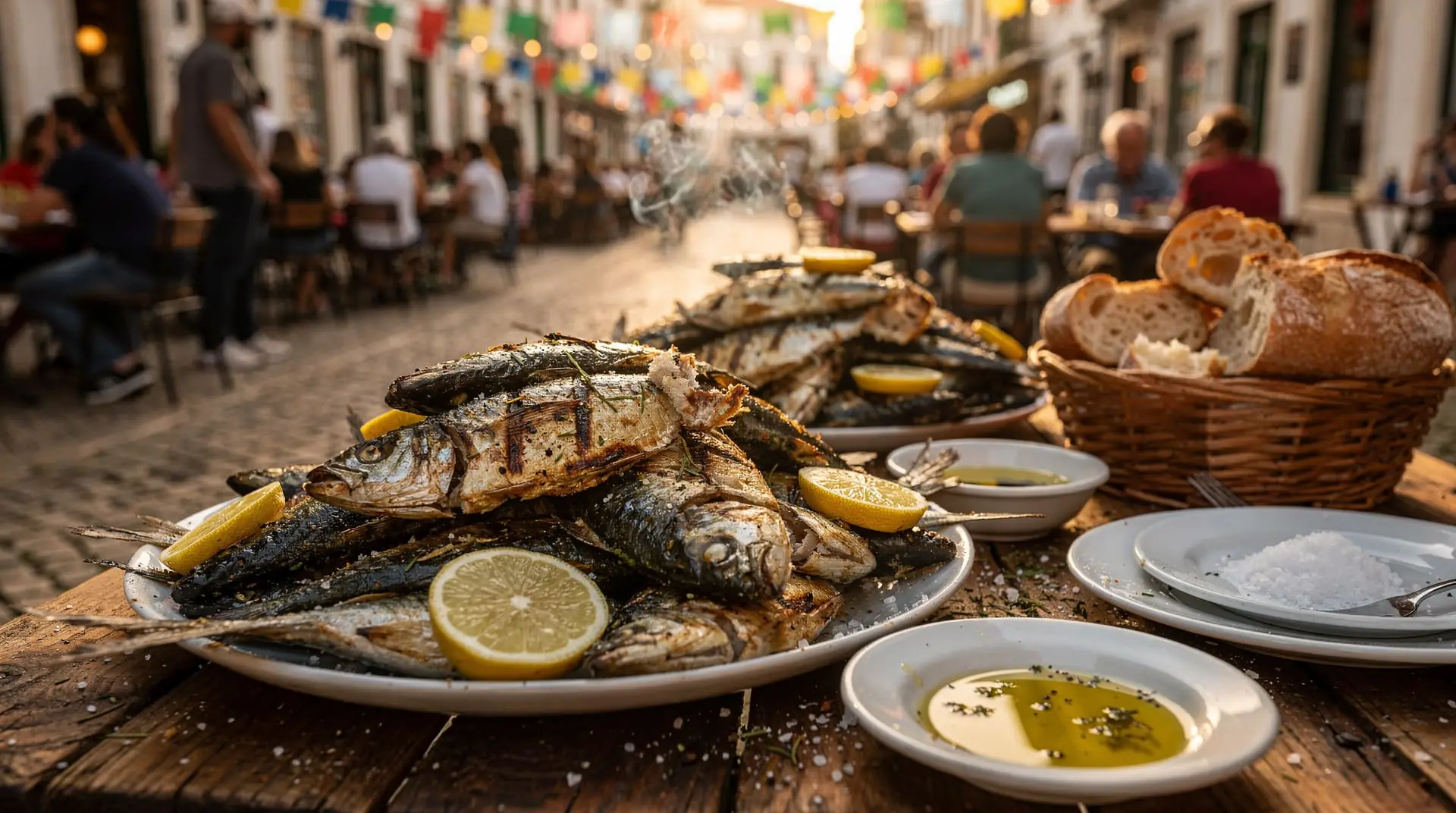
Fresh sardines (sardinhas frescas) are at their best from June through September, when the fish are fattest from summer feeding. The peak cultural moment is June — the Festas de Lisboa and Santo António festival fill Alfama and Mouraria with street grills throughout the month.
A plate of grilled sardines in June in Alfama, eaten at a plastic table on a cobbled street while someone plays accordion two balconies up — this is one of the defining Lisbon experiences. It is also one of the cheapest good meals the city offers. But sardine culture in Lisbon runs deeper than a June festival: the fish is embedded in the city’s identity, its art (the azulejo tiles at the fish market), its slang (calling someone a sardinha is affectionate, not insulting), and its calendar.
This guide explains when sardines are good, where to eat them, and how to navigate the Festas de Lisboa if you are visiting in June.
| Where | Alfama, Mouraria, and neighbourhood tascas citywide |
| Cost | Around €10–15 (tasca), €18–25 (restaurant), €6–10 (June arraial) |
| Best season | June–September, peak fat content |
| Getting there | Metro to Baixa-Chiado or Martim Moniz, then walk into Alfama |
| Booking | No booking for arraiais; reserve ahead at Tasca do Chico |
The sardine calendar
Atlantic sardines (Sardina pilchardus) run along Portugal’s coast year-round, but their fat content — which determines flavour intensity — peaks in summer. A June sardine is different from a March sardine in the same way a September tomato is different from a February tomato.
June–September: Peak season. Fresh sardines daily at fish markets, most tascas and marisqueiras carry them. October–November: Still good, slightly leaner. December–May: Out of season. Some restaurants serve frozen sardines; these are not the same experience. A few substitute grilled horse mackerel (carapau), which is respectable but different.
The best indicator: ask the waiter “são sardinhas frescas?” (are these fresh sardines?). At a good restaurant they will tell you honestly. At a tourist restaurant near Praça do Comércio, assume the answer is frozen unless proven otherwise.
Sardine season at a glance:
| Months | Quality | What to expect |
|---|---|---|
| June–September | Peak | Fresh daily, fattest, best flavour |
| October–November | Good, leaner | Still fresh, slightly less fat |
| December–May | Out of season | Frozen sardines or grilled carapau instead |
Santo António and the Festas de Lisboa
June is Lisbon’s festival month, dominated by the Festas de Lisboa — a series of popular festivals in each neighbourhood, culminating in the Santo António (St. Anthony) celebrations on 12–13 June. The neighbourhood most associated with the saint is Alfama, where António was supposedly born in 1195.
Throughout June, the streets of Alfama, Mouraria, and Graça fill with:
- Arraiais: Neighbourhood street parties with grills, tables outside, and music. Entry is generally free or involves a €1–2 symbolic charge.
- Marchas populares: Neighbourhood parades that march down Avenida da Liberdade on 12 June, each with elaborate costumes and songs. Free to watch from the pavement.
- Sardinhada: Grilled sardine feasts, the centrepiece of every arraial. A portion of 4–6 sardines with bread and a glass of wine costs €8–12.
The key nights are 12–13 June (the Saint’s Eve and Day), but every Friday and Saturday throughout June has arraials running in at least three or four neighbourhoods simultaneously.
Practical notes for June visitors: Book accommodation well in advance — June is peak season. Alfama is extremely crowded on 12–13 June nights; arrive early (by 8 pm) to get a seat at an arraial. Rua de São Miguel and Rua dos Remedios are the best streets for arraials in Alfama; Intendente has a larger, more local event. Pickpockets are active in these crowds — a reality to acknowledge and prepare for rather than a reason to avoid the experience.
Where to eat grilled sardines
Restaurants open year-round (but best June–September)
O Velho Eurico (Largo de Santa Helena 4, Alfama): No-frills tasca with excellent fresh grilled sardines priced by the piece (approximately €2.50 each). The best neighbourhood sardine spot in Alfama. No reservations; go early or wait.
Tasca do Chico (Rua dos Remedios 83, Alfama): Known for informal fado singing on some evenings, also serves good sardines in season. Reservations taken for dinner; limited seating.
Solar dos Presuntos (Rua das Portas de Santo Antão 150, Restauradores): The classic restaurant serves fresh sardines as a seasonal special during June–September, done properly with olive oil and grilled slowly over charcoal. Around €18 for a full portion.
Zé da Mouraria (Rua João do Outeiro 24, Mouraria): Neighbourhood tasca frequented by locals from the Mouraria community. Sardines, grilled octopus, and daily fish specials. Lunch only, closed evenings.
Cervejaria Pinóquio (Praça dos Restauradores 79, Restauradores): A more upscale marisqueira that grills sardines properly when in season. More expensive than a tasca but good quality and walk-in friendly.
The arraial option (June only)
The arraials in Alfama do not serve “restaurant quality” sardines. They are grilled over charcoal on open grills in the street by volunteers, served on a piece of bread, with no accompaniment other than a glass of wine or sangria. The sardines are often slightly larger and less precisely cooked than a restaurant version. They are also more fun. This is a valid trade.
Most arraials charge for sardines by the piece (€2–3 each, 2–4 per serving) or by portion. Bring cash — card machines are rare.
How sardines are eaten
In a restaurant, grilled sardines arrive with boiled potatoes, salad, and a drizzle of olive oil. No knife — you eat them with your hands. The technique: press down gently on the spine with your thumb, slide it from head to tail, and the two fillets lift off cleanly. The backbone, fins, and head are left on the plate. The skin is eaten.
Traditionalists eat the head — the eyes and cheeks have good flavour. This is optional.
Season with lemon juice and coarse salt. No sauce. The fish should taste of the sea, smoke, and olive oil and nothing else.
Drink: vinho verde (particularly from the Minho region), a cold lager (Sagres or Super Bock), or a chilled Alentejo white.
The sardine in Lisbon art and culture
The sardine became the unofficial mascot of Lisbon through the Festas de Lisboa. Every year since 2009, a symbolic “burial of the sardine” ceremony at the end of the festivals marks the transition out of the festive season (an older tradition adapted and now performed more playfully than literally).
Contemporary artist Hugo Canoilas redesigned the festival sardine image in 2013, and the illustrated sardine prints now appear on posters, tiles, and souvenirs throughout Alfama and Chiado. The most authentic version sold as a souvenir is the printed cotton tea towel with the sardine illustration — available at most mercearias and design shops in Chiado for around €8–12.
Canned sardines: the gourmet version
Portugal has an entire premium canned sardines industry. Conserveira de Lisboa (Rua dos Bacalhoeiros 34, Alfama) is the most celebrated shop — operating since 1930, selling canned sardines, mackerel, and tuna from small producers in vintage-style tins. Prices range from €3 for a basic tin to €15+ for aged sardines (yes, aged like wine — sardine tins improve over several years).
The Portuguese crafts and souvenirs guide has more on canned fish as an authentic Lisbon gift.
Other excellent tinned fish shops: Sol e Pesca (Rua Nova do Carvalho 44, Cais do Sodré) — a former bait shop turned sardine bar, where you can open tins on the premises with bread and wine.
Sardines outside Lisbon
The sardine culture extends throughout Portugal’s coast. In Setúbal, the fishing fleet brings fresh sardines daily to a market that is significantly cheaper than Lisbon restaurants. If you are doing the Arrábida day trip, the fishing town of Setúbal has excellent grilled sardines at waterfront restaurants for €12–15 per person.
Sesimbra, accessed on a Sesimbra day trip, has a daily fish market and several restaurants that grill the same day’s catch. Worth noting if your visit falls in summer.
The sardine in Portuguese history
The sardine’s centrality to Portuguese food culture has deep economic roots. For centuries, the Atlantic sardine was the protein of the poor — abundant, cheap, and preserved easily in salt. The salt trade and the sardine trade were intertwined: Portugal’s salt pans in Setúbal and the Algarve produced the curing agent for the same fish that sustained the fishing communities.
The 19th century brought canning technology, and Portuguese entrepreneurs built an industry that at its peak (1900–1960) employed hundreds of thousands of workers in canneries from Matosinhos in the north to the Algarve in the south. The art deco tin labels from this era are now collectible — Conserveira de Lisboa stocks reproduction labels alongside the original brand tins.
The collapse of the sardine population in the 1960s–1970s (overfishing combined with climate-driven changes in ocean circulation) reduced the fleet dramatically. Modern management practices and marine reserves have helped stocks recover, but the Portuguese sardine industry is a shadow of its former scale. Premium canned sardines from small producers using traditional techniques are now something closer to an artisanal product than an industrial one.
The June festivals: a practical guide for visitors
The Festas de Lisboa run throughout June with dozens of events. For someone visiting for a week in June, here is what is actually useful to know:
The marchas (June 12): The big neighbourhood parade down Avenida da Liberdade runs from 9 pm on June 12. Free viewing from the pavement; arrive by 8 pm for a good spot. The parade is genuinely impressive — each bairro has a different costume theme and original music, with community members who have rehearsed for months. The Alfama march, Mouraria march, and Bairro Alto march are usually the strongest. It finishes around midnight.
The arraials: Happen on every Friday and Saturday throughout June, and intensively on June 12–13. The largest and most famous is in Alfama — specifically Rua de São Miguel and the streets around it. The most local and least touristed are in inner neighbourhoods: Mouraria, Graça, Intendente. Go to Intendente for a better ratio of locals to visitors.
The paper flowers: A Lisbon June tradition involves decorating neighbourhood streets with paper flowers (papéis de seda) and strings of lights. The effect in Alfama’s narrow streets is remarkable. Best seen by walking through Alfama on any evening between June 1 and 15.
Booking advice: If you are in Lisbon during June, book accommodation at least 6 weeks ahead — the city fills up significantly. Rates are 20–40% above shoulder season. The upside is that the energy of the city in June is genuinely special.
Where to buy sardine memorabilia and art
The sardine has inspired a cottage industry of sardine-themed art and objects in Lisbon. Most of it is kitsch (sardine key rings, sardine T-shirts, sardine ceramic magnets). Some of it is genuinely good.
Good sardine gifts: The illustrated sardine print designed for the annual Festas de Lisboa — each year a different artist creates the official image, printed on quality paper, sold at cultural shops. The 2020 and 2022 editions are particularly well-designed. Available at A Vida Portuguesa (Rua Anchieta 11, Chiado) for €8–15.
Premium tinned sardines: A box of 6 tins from Conserveira de Lisboa, with the original 1930s packaging, costs €20–40 and is both beautiful and edible. The aged sardines (2-3 year vintage) are the most interesting for food enthusiasts.
Azulejo sardine panels: Several workshops produce sardine-themed azulejo tiles in the traditional blue-and-white format. Sant’Anna (Rua do Alecrim 95) does the most authentic version.
The sardine at other times of year
Outside June–September, several Lisbon restaurants maintain the sardine experience year-round in different formats:
Tinned sardines: Sol e Pesca (Rua Nova do Carvalho 44) opens tins for you to eat on the premises at any time of year, with bread and wine. The restaurant format means you can eat a tin of premium sardines as a starter for lunch in January when fresh sardines are not available.
Frozen sardines: Many traditional tascas serve frozen sardines year-round. These are not the same experience as fresh — the texture is softer and the flavour less pronounced — but they are better than no sardines at all. Always ask “são congeladas?” (are they frozen?) before ordering to calibrate your expectations.
Preserved sardines in escabeche: A traditional preparation where sardines are marinated in vinegar, olive oil, and herbs after cooking. Available year-round at delis and some tascas; quite different in character from grilled fresh sardines but a valid winter alternative.
Sardines vs other Lisbon summer fish
Sardines get the cultural spotlight, but they’re not the only grilled fish worth ordering in the June–September window. Carapau (horse mackerel) is smaller, oilier, and often cheaper — a reasonable substitute in winter and a good complement in summer if you want variety on the same table. Cavala (mackerel) appears on some menus with a similar preparation. Neither carries the same cultural weight, but both are legitimately good and rarely disappoint if a restaurant’s sardines have sold out.
For visitors curious about the wider grilled-fish tradition beyond sardines specifically, the seafood guide covers dourada, robalo, and the other whole-grilled options available year-round at Lisbon’s marisqueiras — useful context if your trip falls outside peak sardine season.
Worth noting: a genuinely good sardine is not a subtle dish. The smoke, the oiliness, and the strong marine flavour are the point, not a flaw to be masked with heavy sauce. If your first taste feels intense, that’s usually a sign it’s the real thing rather than a sign to look elsewhere — sardines cooked to mild, restaurant-safe blandness are usually frozen ones handled cautiously.
Practical summary
June through September: eat fresh sardines at O Velho Eurico or a neighbourhood tasca, attend an arraial if visiting in June, visit Sol e Pesca for canned varieties. October through May: stick to other fish; the marisqueira experience remains excellent year-round with different species (see the seafood guide for year-round options).
Budget: a plate of 4–6 fresh grilled sardines with bread, olive oil, and a glass of wine costs €10–15 at a good tasca, €18–25 at a restaurant. At an arraial in June: €6–10 for a portion with bread, eaten standing.
For the full picture of Lisbon’s seasonal food calendar and the Santo António festival logistics, see Lisbon in summer and the Santo António festival guide.
Beyond sardines: the rest of the Alfama food scene
Sardines are the entry point into a much wider Alfama and Mouraria food culture. The Alfama destination guide and what to do in Alfama cover the neighbourhood’s other tascas, viewpoints, and the fado houses that often sit a few doors down from the best sardine spots. For a wider budget picture beyond sardines specifically, see cheap eats in Lisbon and the complete restaurant guide; for building a full day around Lisbon’s food, the foodie itinerary is a useful starting framework.
Lisbon food and wine walking tour — includes sardine season specialties when available Lisbon food tour: 10+ tastings of local delicacies — sardine culture included in the cultural narrativeRelated guides
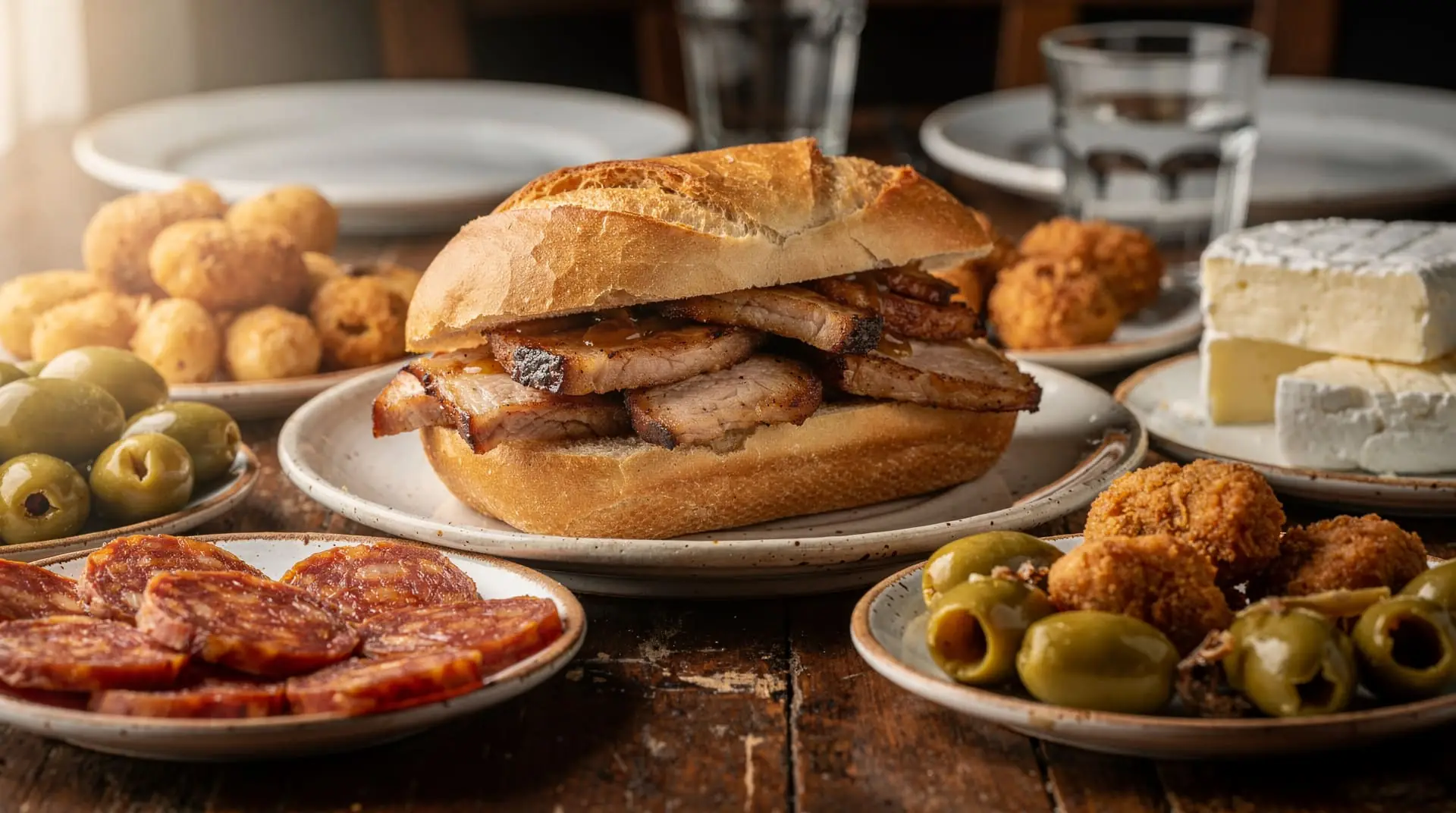
Bifana, petiscos, and Portugal's essential small plates
The best bifanas, peixinhos da horta, pataniscas, and petiscos in Lisbon — where to find them, what they cost, and why they matter.
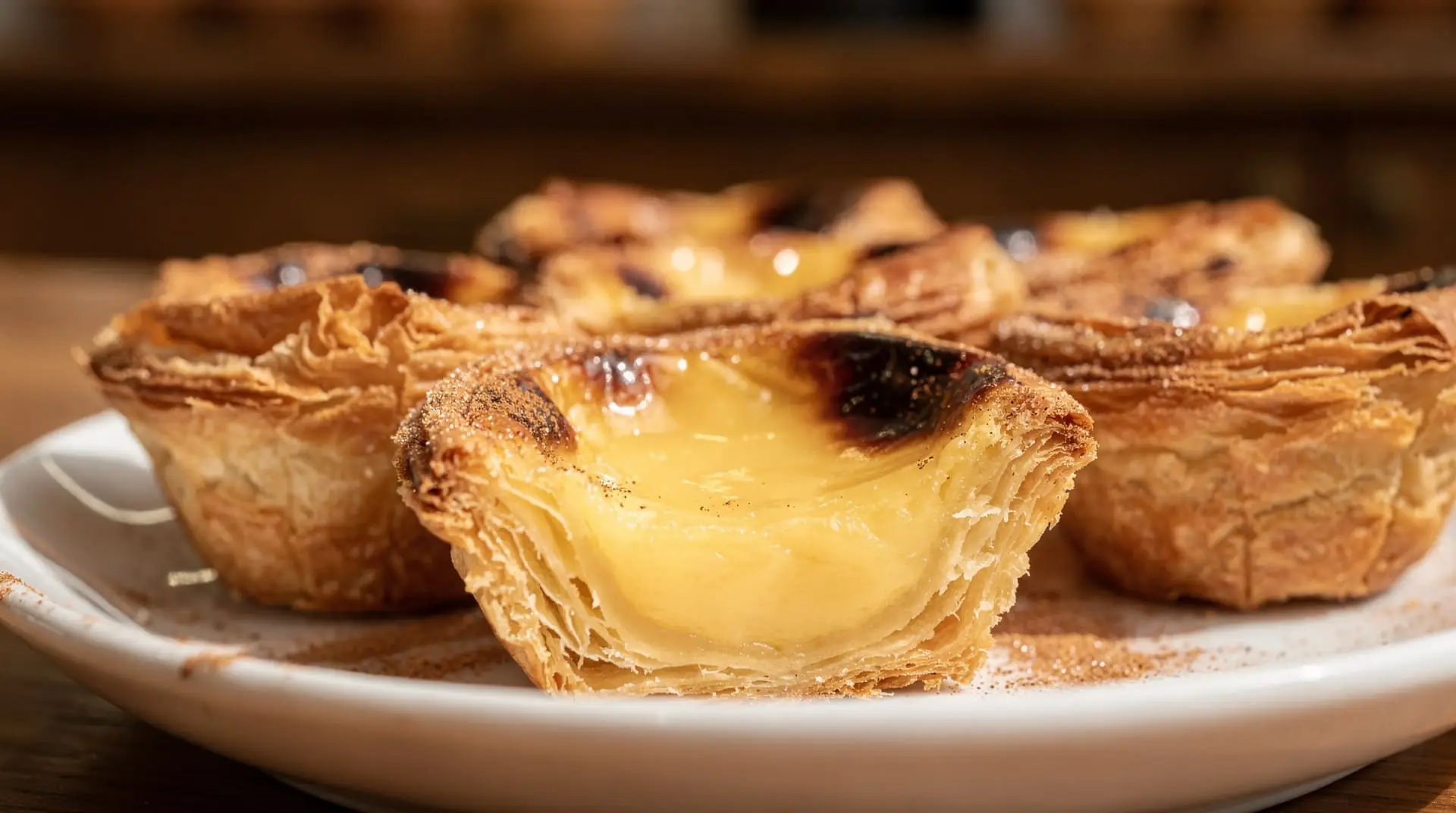
Pastéis de nata: where to eat the best in Lisbon
The honest guide to Lisbon's iconic custard tarts — Pastéis de Belém vs Manteigaria, Aloma, Castro and Fábrica da Nata, with queue strategies.
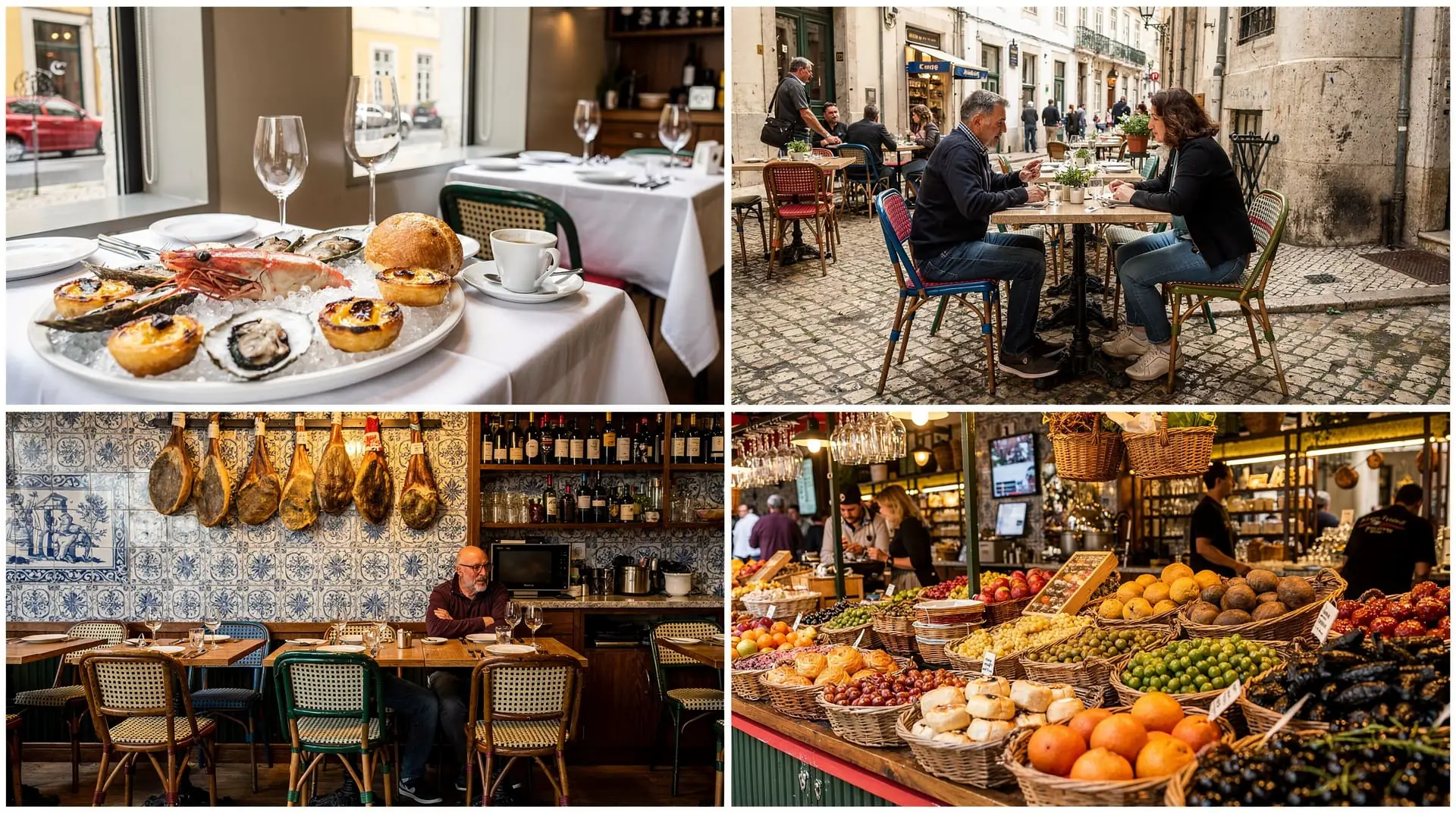
Where to eat in Lisbon: the honest restaurant guide
Tascas, marisqueiras, and Michelin stars — the best restaurants in Lisbon by neighbourhood, with honest tips on prices and what to avoid.
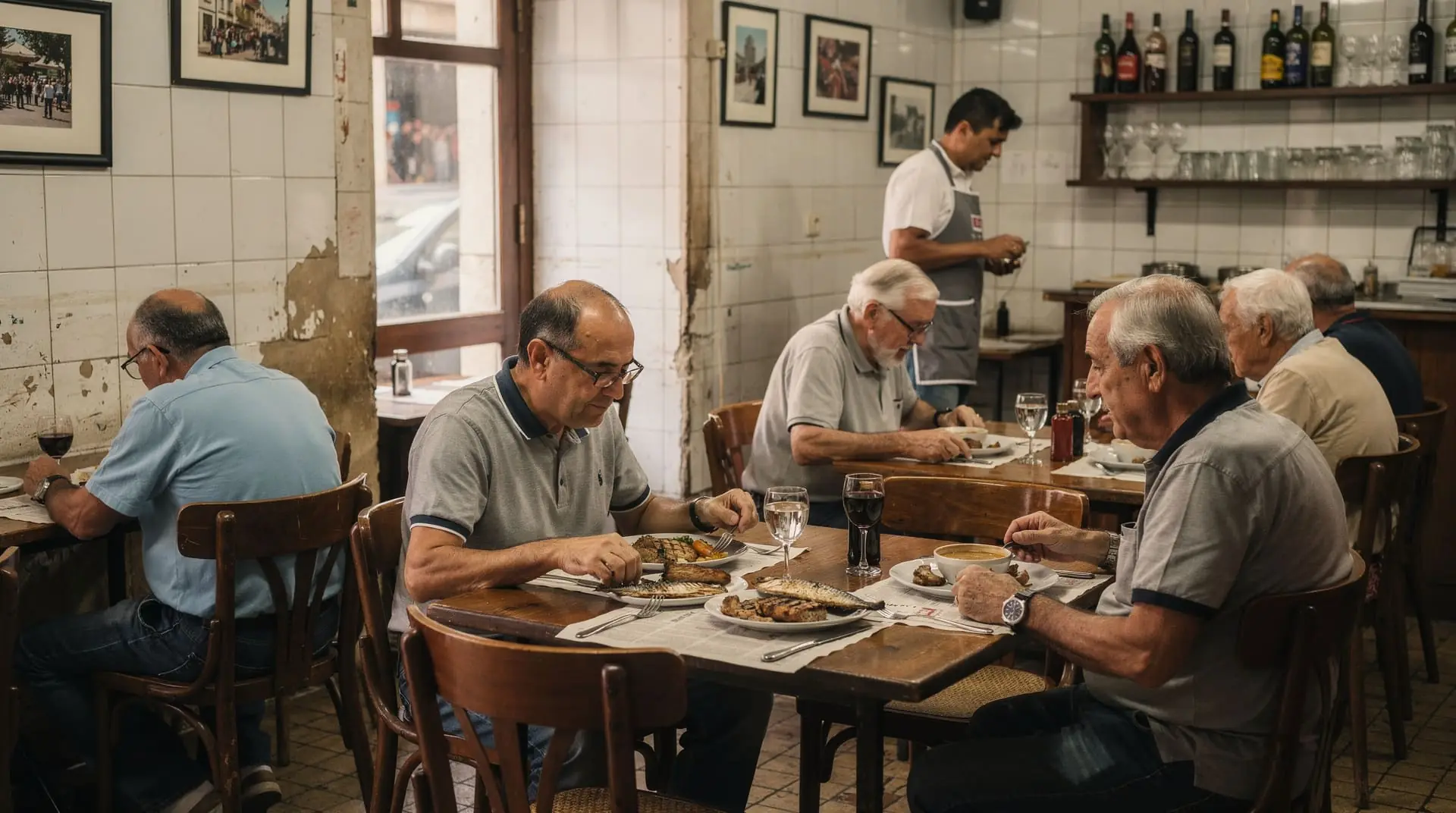
Cheap eats in Lisbon: tascas and lunch under 15 euros
Best cheap eats in Lisbon — tascas under €15 for lunch: Zé dos Cornos, Tasca do Chico, O Trevo bifanas, and Casa Independente. Real prices for 2026.
Ready to book? Top tours for this guide
We earn a small commission if you book through GetYourGuide — at no extra cost to you. Every tour is hand-picked and verified.

Lisbon: 48-Hour Hop-On-Hop-Off Bus Tour and Oceanarium Entry
Lisbon: MAAT Entry Ticket & Dolphin Watching Boat Tour
Lisbon: Alfama, Mouraria Walking Tour with Fado Night, Tapas
Lisbon: Hop-On Hop-Off Bus Tour
Lisbon: 1-or 2-Day Hop-On Hop-Off Bus Tour