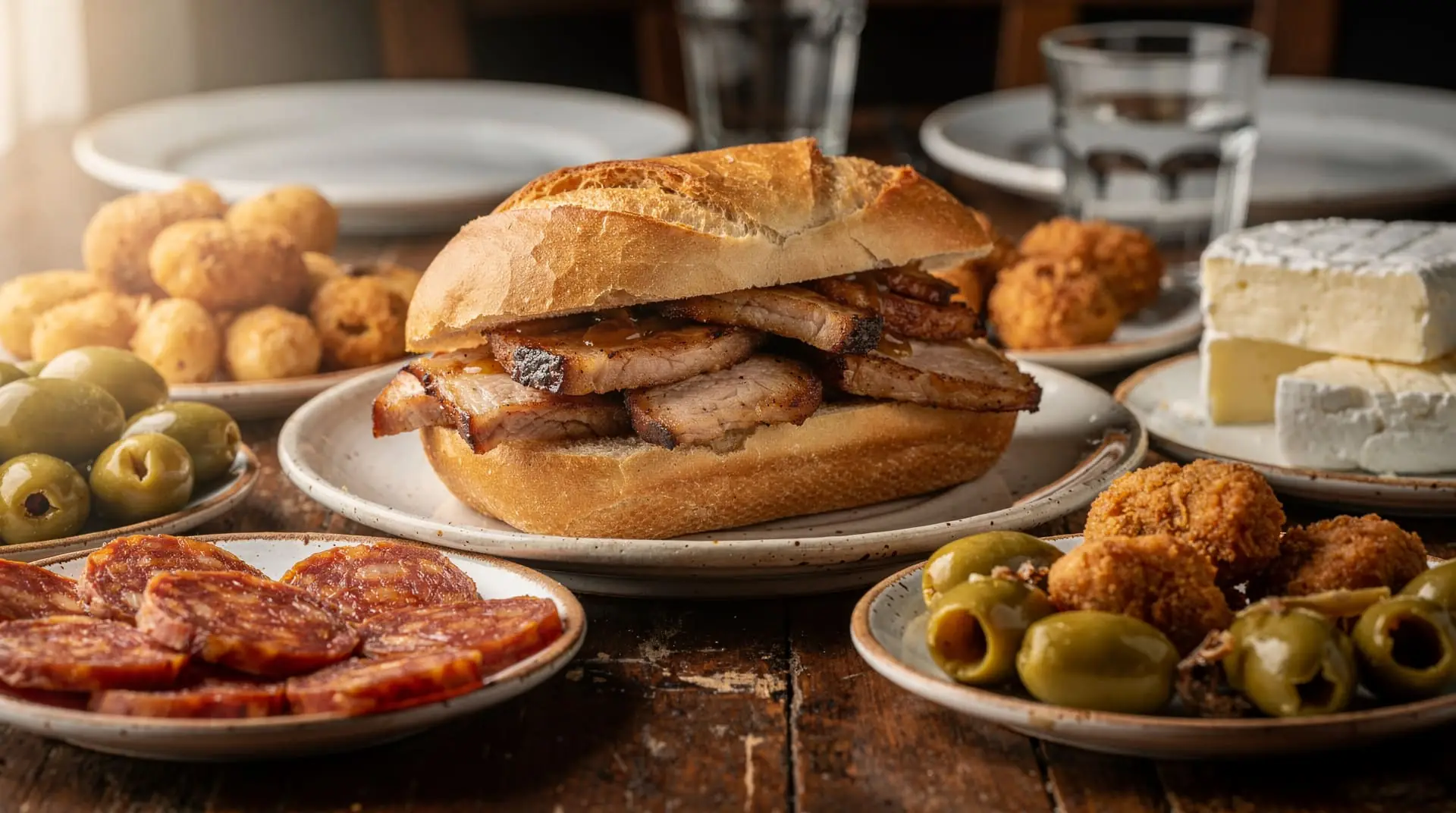
Bifana, petiscos, and Portugal's essential small plates
Last reviewed
What are petiscos and where can I eat them in Lisbon?
Petiscos are Portugal's small shared plates — similar to tapas but distinct in flavour. The best spots for petiscos in Lisbon are Taberna da Rua das Flores (Chiado), A Cevicheria (Príncipe Real), and Taberna Tosca (Mouraria). A bifana — pork tenderloin sandwich — is the city's best fast food, found at O Trevo and Tasca do Trevo for under €3.
| What | Bifana (pork sandwich, €2-3.50) and petiscos (small shared plates) |
| Where | O Trevo, Taberna da Rua das Flores, Taberna Tosca |
| Cost | €20-30/person for a proper petiscos meal with wine |
| Best time | Bifana late morning; petiscos 15:00-17:00 or 19:00-20:30 |
| Booking | Walk-in for bifanas; book ahead for Taberna da Rua das Flores, A Cevicheria |
Portugal’s eating culture has always been built around small portions eaten at odd hours — a bifana from a counter bar at 11 am, a plate of pataniscas shared over wine at 5 pm, peixinhos da horta as a starter before a proper dinner. This is petiscos culture: the Portuguese art of small, flavourful things eaten unhurriedly.
Understanding petiscos makes you a better eater in Lisbon. This guide covers the essential dishes — what they are, where they come from, and which specific addresses serve them well.
The bifana: Lisbon’s essential sandwich
The bifana is pork tenderloin marinated in white wine, garlic, paprika, and lard, then cooked quickly in its marinade until just tender. It is served in a soft, slightly crusty white bread roll — a papo-seco. The bread soaks up the cooking liquid. The whole thing costs €2–3.50 at a counter bar.
No lettuce, no tomato, no sauce. Sometimes a smear of mustard on request. Sometimes a pinch of piri-piri. The bifana is a study in restraint.
Where to eat the best bifanas in Lisbon:
O Trevo (Rua da Madalena 176, Baixa): This is the standard by which Lisboan bifanas are judged. A tiny counter bar that has been feeding the city since the 1940s. The pork is thin, tender, and swimming in a rich, garlicky cooking liquid. €2.50. Open Monday–Friday 07:00–20:00; closed weekends. Arrive before the lunch rush.
Tasca do Trevo (Calçada do Combro 76, Bairro Alto): No relation to O Trevo despite the name, but also excellent. Open in the evenings when O Trevo is closed.
Cafetaria do Mercado de Campo de Ourique (Rua Coelho da Rocha, Campo de Ourique): The café inside the market sells bifanas to market vendors and neighbourhood residents from early morning. Among the cheapest and most authentic in the city at €2.
Diferente (Rua do Norte 18, Bairro Alto): A slight upgrade — the bread is better, the pork is thicker, and the sandwich can be augmented with cheese. Still under €4. Worth it.
The prego: the bifana’s beef cousin
The prego (literally “nail”) is thin-sliced beef steak in garlic butter, served in a crusty roll. It is more expensive than a bifana (€5–9 at a café, up to €14 at a proper restaurant) and slightly more substantial. The best prego in the city is at Café de São Bento (Rua de São Bento 212), which has been making them since 1982 and charges around €12 for a restaurant-quality version with egg and chips.
The prego no pão — sandwich version — is the fast-food edition. Casa da Bifana (Praça da Figueira 10) does both bifanas and pregos and is open late.
Petiscos: the small plates tradition
Petiscos predate tapas culture and are distinct from it. Spanish tapas evolved as free food with drinks; Portuguese petiscos are ordered and paid for, though portions are small and the spirit is sharing. The culture involves: ordering four or five plates for two people, eating slowly, drinking vinho verde or a jug of wine, and spending two hours without feeling rushed.
The essential petiscos dishes
Peixinhos da horta (little fish from the garden): Green beans battered in a light, crispy tempura-style coating and fried. The name comes from the shape and the way they look like small fish; the dish is entirely vegetarian. Historians trace them as the likely ancestor of Japanese tempura — Portuguese traders brought the technique to Japan in the 16th century. Order them at Taberna da Rua das Flores or any good tasca. €7–10 per plate.
Pataniscas de bacalhau: Fritters made from shredded salt cod (bacalhau) mixed with egg, flour, and parsley, fried until golden. Dense and deeply savoury. A standard petisco at almost any tasca. Served with rice cooked in tomato and onion. €8–12 per plate.
Peixe espada com banana (black scabbardfish with banana): A Madeiran dish that has become popular in Lisbon — black scabbardfish fillet pan-fried and served with a slice of banana and a splash of passion fruit. Strange combination on paper; excellent in practice. Available at restaurants with Madeiran connections and some upscale tascas. €14–18 as a main course.
Croquetes: Deep-fried croquettes filled with meat (typically veal and pork mixed), rolled in breadcrumbs. Almost every café and tasca sells them; quality varies enormously. At their best, the filling is dense, highly seasoned, and the coating shatters. At their worst, they are floury and bland. The Croqueteria at Time Out Market serves them in every variation. €2–3 each at a café counter.
Rissóis de camarão: Crescent-shaped pastry filled with béchamel and shrimp, deep fried. Classic café counter food. About €1.50–2.50 each.
Caracóis (snails): A summer petisco found from June to September at tascas that specialize in them. Small land snails cooked in garlic, oil, white wine, and coriander. Eaten with a toothpick. €6–10 per bowl. Most famous at Casa dos Caracóis, but many neighbourhood tascas serve them seasonally.
Amêijoas à bulhão pato (clams with coriander): Clams steamed in white wine, garlic, coriander, and olive oil. Named after a 19th-century Portuguese poet allegedly very fond of them. The finest version is at a marisqueira; an acceptable version exists at most tascas near the river. €15–22 at a restaurant.
Where to eat petiscos in Lisbon
Taberna da Rua das Flores (Rua das Flores 103, Chiado): The best petiscos restaurant in Lisbon. Chef André Magalhães applies real thought to every dish. Book ahead. €20–30 per person with wine.
A Cevicheria (Rua Dom Pedro V 129, Príncipe Real): Chef Kiko Martins blends Portuguese seafood with Peruvian technique. The petiscos format here meets the contemporary. Reservations helpful; often booked a few days ahead. €25–35.
Taberna Tosca (Calçada do Monte 23, Intendente): Natural wine bar with an excellent rotating petiscos menu. Less well-known than Chiado addresses; equally good. About €20–25 per person.
Solar dos Presuntos (Rua das Portas de Santo Antão 150): Charcuterie petiscos — presunto, chouriço, alheira — done properly. The antipasto-style board of cured meats is a strong version. Sit at the bar for just petiscos and wine without a full meal.
A Tasca do Chico (Rua dos Remedios 83, Alfama): Informal and genuinely neighbourhood. Petiscos and sometimes informal fado. Go on a weekday to avoid the tourist surge. €15–20 per person.
The cooking class route
If you want to learn to make peixinhos da horta, pataniscas, and croquetes yourself, a petiscos cooking class is one of the better few hours you can spend in Lisbon. Several operators run sessions that include a market visit to buy ingredients, a kitchen session, and eating what you made. If you’ve never cooked Portuguese food before, this Portuguese cooking class for beginners keeps the pace gentle while still covering the same essentials.
Lisbon: Portuguese petiscos cooking class — make and eat traditional small platesAlheira: the sausage with a backstory
The alheira is a smoked sausage that deserves its own mention because the history is remarkable. When the Portuguese Inquisition began targeting conversos (Jews who had converted to Christianity) in the 15th century, many Jewish families continued practicing their faith privately. They could not eat pork — pork-free households were a red flag. So they made sausages that looked like chouriço but were filled with chicken, game, and bread instead of pork.
The modern alheira contains many variations — chicken, rabbit, veal, even some pork in some versions. It is smoked, crumbled, and typically served fried alongside a fried egg and greens. Available at almost every tasca. The best come from Trás-os-Montes (particularly Mirandela). About €8–12 as a main petisco.
Piri-piri culture
A word on heat: Portuguese food is not inherently spicy. The piri-piri (African bird’s eye chilli, introduced through the spice trade) is served as a condiment — a small bottle of oil-based chilli sauce placed on the table. You add it yourself. At most tascas it is genuinely hot; be cautious the first time. At tourist restaurants it has often been diluted to the point of irrelevance.
Frango de churrasco com piri-piri (barbecued chicken with piri-piri) is the main dish where piri-piri is applied as a marinade. The best version in Lisbon comes from the rotisserie restaurants of Mouraria and Intendente.
Wines and drinks for petiscos
The correct drink with petiscos depends on the dish and the time of day.
Vinho verde: The light, slightly effervescent white wine from the Minho region — low alcohol (9–11%), high acidity, perfect with fried dishes and seafood petiscos. Ask for “um copo de vinho verde branco” at any tasca. €2–4 per glass.
Alentejo white: Richer and more full-bodied than vinho verde; good with cheese and presunto petiscos. The Esporão and Herdade do Esporão labels are widely available. €4–7 per glass.
Sagres or Super Bock on draft: Beer (cerveja) is the default drink at a counter bar. A fino (small draft) costs €1–1.50 at a tasca, €2.50–4 at a tourist café. The beer is fine, the price difference is large.
Moscatel de Setúbal: The sweet, amber wine from the Setúbal peninsula works as both an aperitif and a digestivo alongside cheese and presunto. Available at good wine bars and some tascas. €3–5 per glass.
Ginjinha: The sour cherry liqueur (see the dedicated ginjinha guide) is sometimes served as a punctuation between petiscos courses — a shot before the main food arrives. This is more tradition than necessity.
Regional variations worth seeking
Portuguese petiscos culture varies significantly by region. The Lisbon version — dominated by bacalhau fritters, croquettes, and seafood — reflects the city’s coastal and trading position. Travelling an hour in any direction produces different conventions:
Alentejo: Petiscos lean toward pork, game, and legumes. Migas (bread crumbs with olive oil and garlic), ensopado de borrego (lamb stew), and queijo de évora with olive oil and oregano are the regional standards. Available in Lisbon at Alentejo-themed restaurants (Casa do Alentejo on Rua das Portas de Santo Antão is the most famous address).
Setúbal peninsula: Choco frito (fried cuttlefish), arroz de lingueirão (razor clam rice), and various shellfish petiscos reflect proximity to the Atlantic and the Sado estuary. If you are doing the Setúbal day trip, eating petiscos at a Setúbal waterfront restaurant is dramatically cheaper than in Lisbon.
Minho: Farinheira (smoked sausage made with wheat flour and paprika) and rojões (pork pieces fried in lard) — heavy, flavourful, and completely unlike the Lisbon version. Not easy to find in Lisbon; more available in the north.
The fado connection: eating at Tasca do Chico
The overlap between petiscos culture and fado culture is strongest at Tasca do Chico (Rua dos Remedios 83, Alfama). On some evenings — not every night, check in advance — musicians show up and fado breaks out informally. This is not a fado show with a fixed ticket price; it is closer to a jam session at a restaurant.
The petiscos here are honest: bacalhau fritters, grilled sardines when in season, good presunto. Around €15–20 per person for food, plus drinks. The informal fado is not guaranteed and is the better for it — on the right night, with the right musicians, it is the most authentic version of the experience available in the city.
For the full fado restaurant context, see the best fado houses guide and the fado in Alfama guide.
Building a petiscos lunch
The correct approach to a petiscos lunch at a taberna: arrive with 2–3 people (petiscos are sharing food, less fun alone), order 4–5 plates over the course of 1.5–2 hours, and drink wine from the carafe or by the glass. The kitchen can pace the dishes if you ask.
A functional petiscos lunch for two at Taberna da Rua das Flores or a similar quality spot:
- Peixinhos da horta: €8
- Pataniscas de bacalhau: €9
- Presunto ibérico com queijo: €12
- Azeitonas (olives): €4
- Carafe of house white wine: €8
- Two espressos to close: €2.40
- Total: Approximately €43 for two (€21.50 each)
This is the mid-range petiscos experience. The budget version at a neighbourhood tasca in Mouraria runs €15–20 for two including drinks. The premium version at A Cevicheria in Príncipe Real runs €55–70 for two.
Practical notes
Petiscos are best eaten mid-afternoon (around 15:00–17:00) or as a pre-dinner selection (19:00–20:30) rather than as a replacement for a full meal — though they can function as one. Order three or four plates for two people and see where you are.
Most good petiscos spots are in Chiado, Príncipe Real, Mouraria, and Alfama. The tourist-facing restaurants near Rossio and Praça do Comércio do a passable petiscos menu but at higher prices and lower quality.
For a self-guided eating day, combine bifanas at O Trevo for late breakfast, petiscos at Taberna da Rua das Flores for lunch, and pastéis de nata at Manteigaria in the afternoon. That covers the essential Lisbon small-plates culture in one day.
True taste of Lisbon: Portuguese tapas, wine, and ginjinha tasting tour Lisbon petiscos cooking class — learn to make the essential small plates yourselfFor the full food context, see where to eat in Lisbon, the cheap eats guide, and the Lisbon food tours overview.
Building a self-guided petiscos crawl
For visitors who want to sample widely rather than commit to one restaurant, a petiscos crawl across two or three venues in Chiado or Príncipe Real works well as a self-guided evening. Start with a bifana at O Trevo or Diferente around 18:00 as a warm-up (this is unconventional timing but nobody minds), then move to one plate at Taberna Tosca — a natural wine and one shared plate, about 30-40 minutes — before finishing with the main petiscos meal at Taberna da Rua das Flores or A Cevicheria. This spreads the eating across roughly three hours and three distinct atmospheres rather than committing the whole evening to one kitchen.
The reverse order also works for a lower-budget version: start at a proper petiscos restaurant for two or three plates, then finish the night with a late bifana at a counter bar that stays open past 20:00, such as Casa da Bifana near Praça da Figueira. Either sequence beats trying to fit the entire experience into a single sitting, since the pacing and formality differ meaningfully between a chef-led taberna and a counter-bar sandwich stop.
Venues compared
| Venue | Neighbourhood | Style | Price/person | Booking |
|---|---|---|---|---|
| O Trevo | Baixa | Counter-bar bifana only | €2.50 | Walk-in |
| Taberna da Rua das Flores | Chiado | Chef-driven petiscos | €20-30 | Book ahead |
| A Cevicheria | Príncipe Real | Portuguese-Peruvian petiscos | €25-35 | Book a few days ahead |
| Taberna Tosca | Intendente | Natural wine + petiscos | €20-25 | Walk-in, sometimes busy |
| Tasca do Chico | Alfama | Informal, occasional fado | €15-20 | Walk-in |
| Café de São Bento | Bairro Alto/São Bento | Prego specialist | €12-15 | Walk-in |
Honest verdict
Related guides
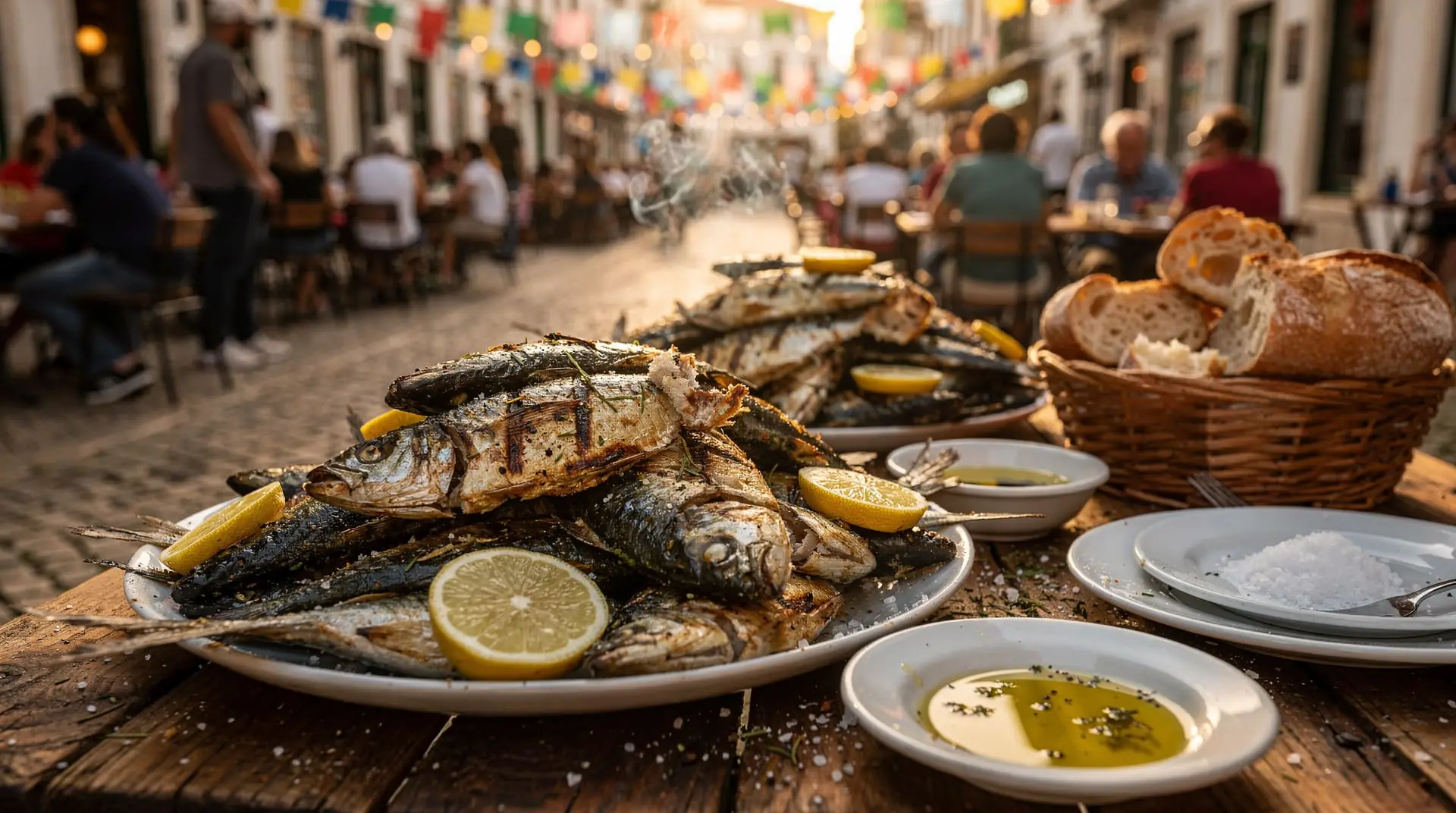
Sardines in Lisbon: sardine season, Santo António, and where to eat them
Everything about eating sardines in Lisbon — season, best restaurants, the Santo António festival in June, and Festas de Lisboa. Real addresses and prices.
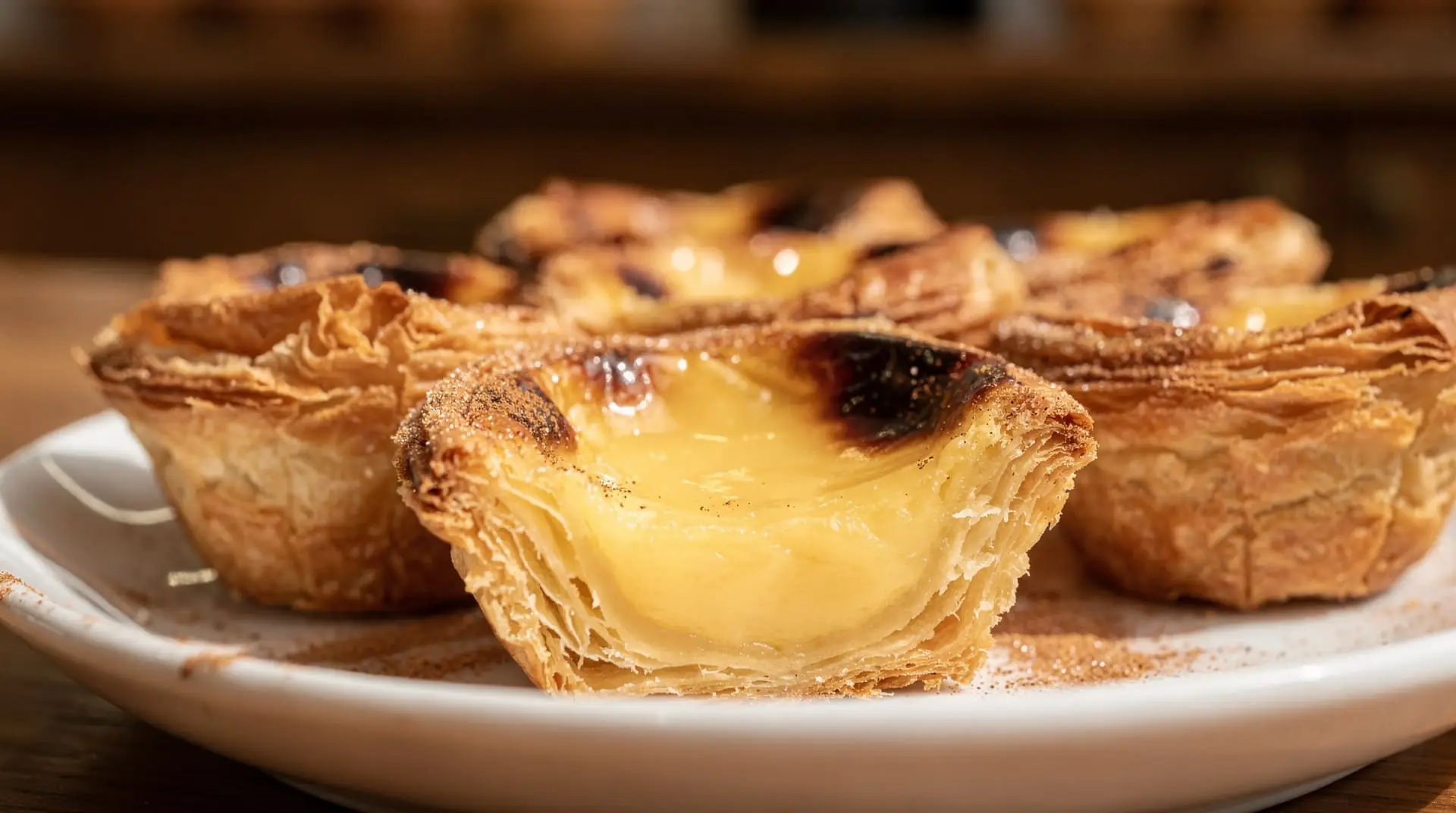
Pastéis de nata: where to eat the best in Lisbon
The honest guide to Lisbon's iconic custard tarts — Pastéis de Belém vs Manteigaria, Aloma, Castro and Fábrica da Nata, with queue strategies.
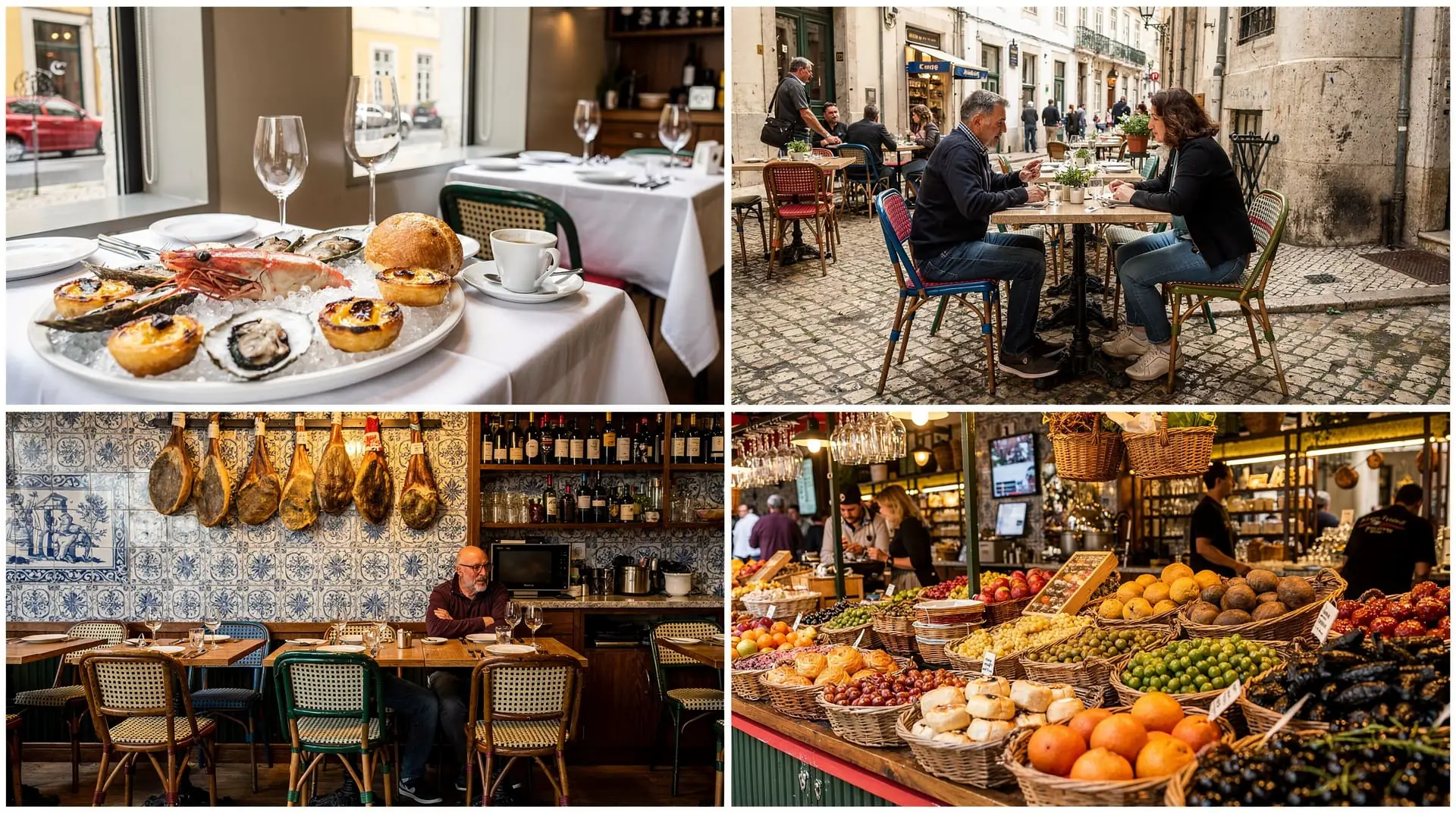
Where to eat in Lisbon: the honest restaurant guide
Tascas, marisqueiras, and Michelin stars — the best restaurants in Lisbon by neighbourhood, with honest tips on prices and what to avoid.
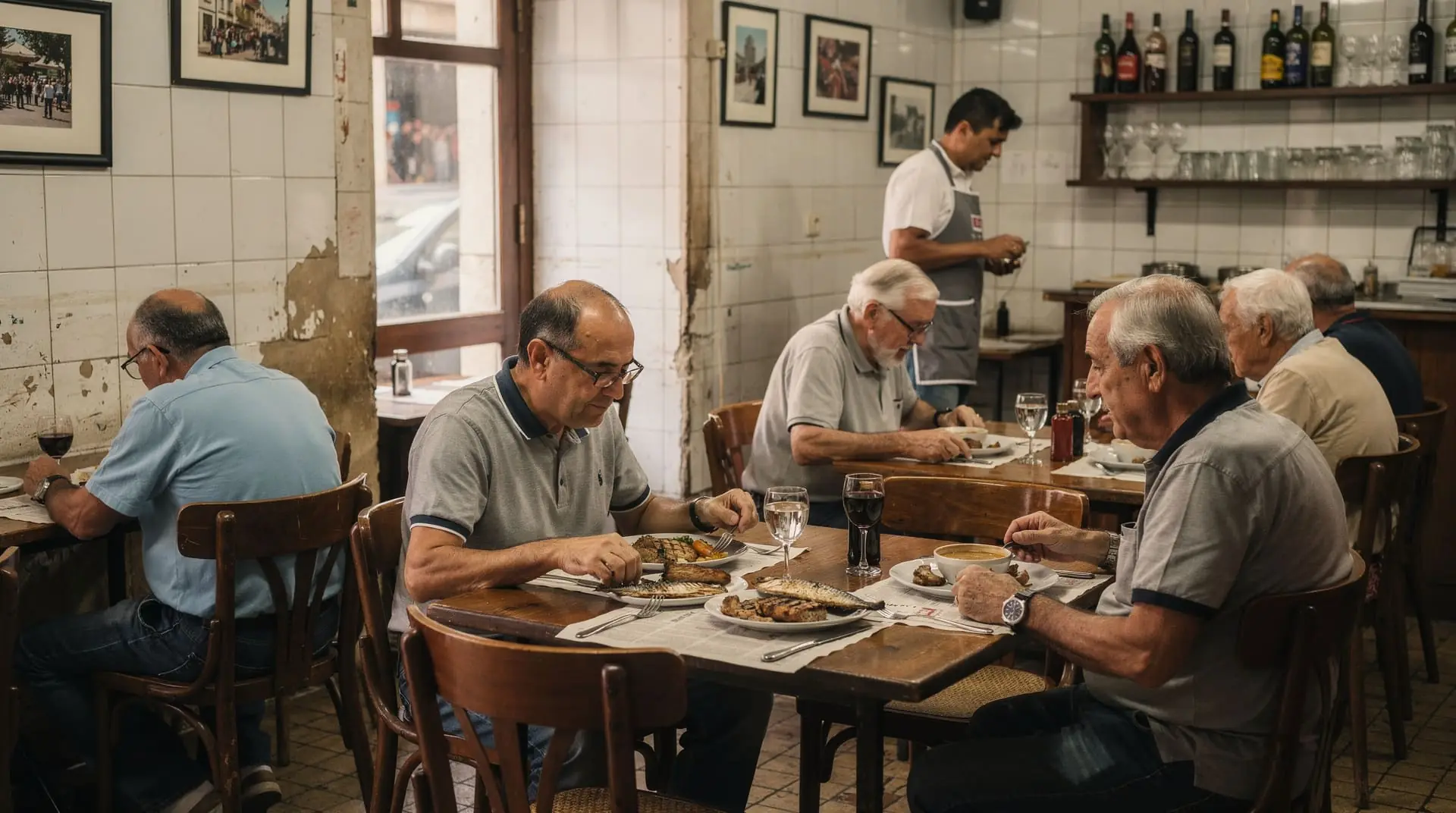
Cheap eats in Lisbon: tascas and lunch under 15 euros
Best cheap eats in Lisbon — tascas under €15 for lunch: Zé dos Cornos, Tasca do Chico, O Trevo bifanas, and Casa Independente. Real prices for 2026.
Ready to book? Top tours for this guide
We earn a small commission if you book through GetYourGuide — at no extra cost to you. Every tour is hand-picked and verified.

Lisbon: 48-Hour Hop-On-Hop-Off Bus Tour and Oceanarium Entry
Lisbon: MAAT Entry Ticket & Dolphin Watching Boat Tour
Lisbon: Alfama, Mouraria Walking Tour with Fado Night, Tapas
Lisbon: Hop-On Hop-Off Bus Tour
Lisbon: 1-or 2-Day Hop-On Hop-Off Bus Tour