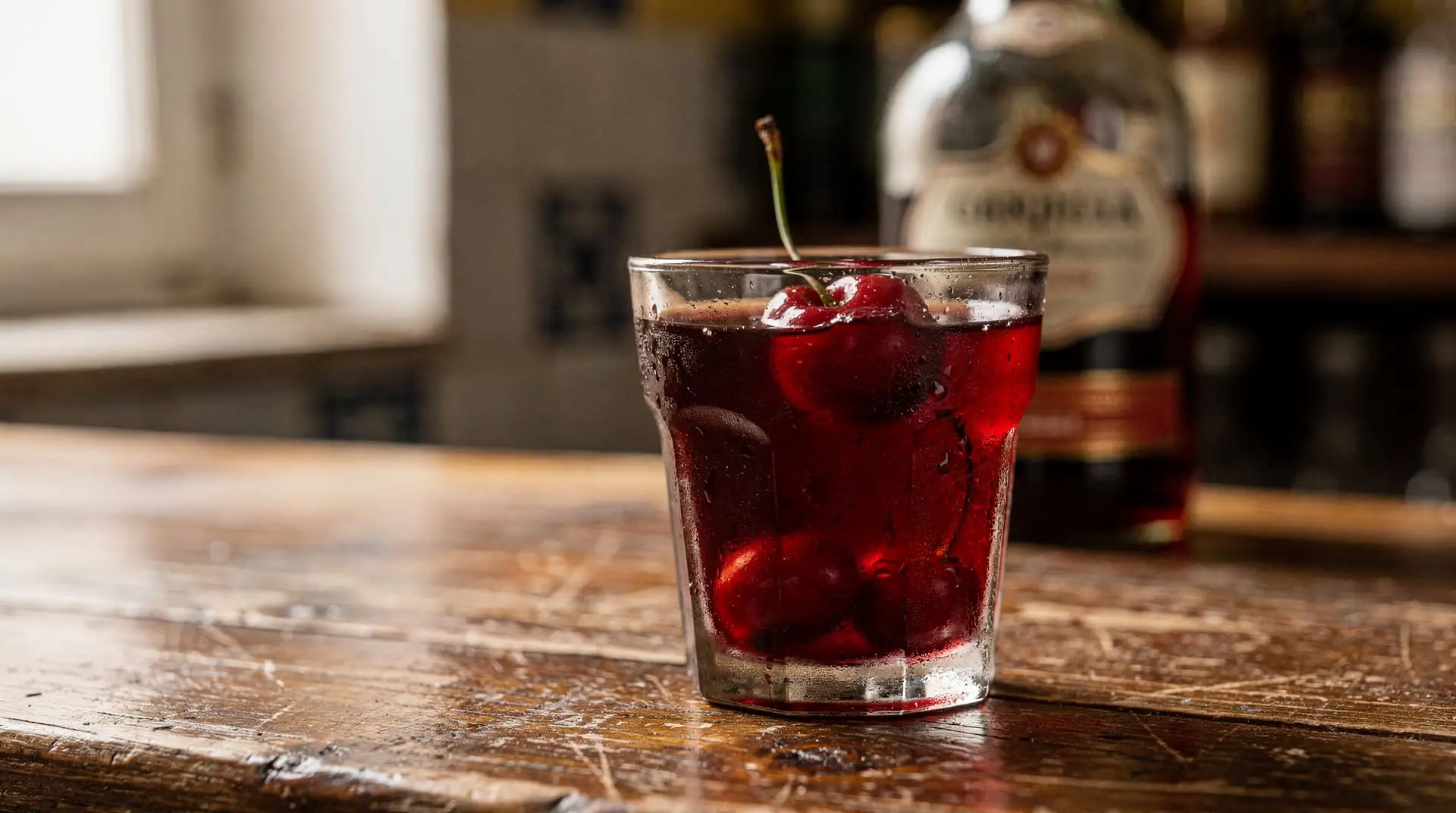
Ginjinha in Lisbon: where to drink the city's cherry liqueur
Last reviewed
What is ginjinha and where is the best place to drink it in Lisbon?
Ginjinha (or ginja) is a Portuguese sour-cherry liqueur, served in a shot glass at around 22-24% alcohol. The most famous address is A Ginjinha at Largo de São Domingos 8 — a standing-only bar that has served the same recipe since 1840. Expect to pay €1.60–2.50 per shot.
A shot of ginjinha drunk standing at a tiny counter bar in Lisbon is one of those experiences that crystallises what is good about this city: cheap, uncomplicated, historically rooted, and best enjoyed without ceremony. The liqueur is made from ginja berries (sour Morello cherries) steeped in aguardente (Portuguese grape spirit) with sugar and cinnamon. The result is dark red, sweet-sharp, and approximately 22–24% alcohol. You drink it in one or two sips.
| Where | Largo de São Domingos (Baixa), Restauradores, Óbidos |
| Cost | €1.50–2.50 per shot; €2–3 in a chocolate cup in Óbidos |
| Time needed | 5-10 minutes for the ritual itself |
| Best time | Late afternoon (3-6pm), before dinner |
| Alcohol | 22-24% ABV — small glass, but strong |
The origin of Lisbon’s ginjinha culture
The first ginjinha shop in Lisbon was opened in 1840 by a Spanish friar named Francisco Espinheira, who sold the liqueur from a single barrel in Largo de São Domingos — a square near Rossio that has always been a gathering point for working-class Lisboans. The shop has been there continuously for 186 years and has barely changed its formula.
Most of the ginjinha available in Lisbon today comes from either the Alcobaça region (where the best sour cherries grow) or from the Sintra hills. The main distinction between producers is sweetness level and whether the berries are left in the bottle (com ela — with it) or filtered out (sem ela — without it). The berries are macerated for months and are alcoholic; eating several is inadvisable on an empty stomach.
A Ginjinha: the essential stop
Address: Largo de São Domingos 8, Baixa Hours: Mon–Sun 09:00–22:00 (approximately — hours are somewhat flexible) Price: €1.60–1.80 per shot Size: Tiny. Standing room only. About 6 people fit comfortably.
This is the original Espinheira shop. The formula is unchanged: dark wood interior, a single shelf of bottles, two or three bottles open on the counter, and whoever is behind the counter pouring shots into small glasses. There is no menu. You ask for “uma ginjinha, com ela ou sem ela?” and receive your glass. Payment at the counter.
The square outside, Largo de São Domingos, is where the city was bombed by the Inquisition and where thousands of conversos were burned during the 16th century. A plaque on the wall notes the history. The juxtaposition of extreme historical gravity and the small pleasure of a cheap cherry liqueur is very Lisbon.
Go in the late afternoon: the bar fills with a mix of locals finishing work and tourists doing the right thing. Avoid August weekends when the queue stretches into the square.
Ginjinha Sem Rival
Address: Rua das Portas de Santo Antão 7, Restauradores Hours: Daily 09:00–22:00 Price: €1.80 per shot
The competitor to A Ginjinha — slightly larger, slightly more comfortable, slightly sweeter recipe. Some Lisboans prefer it; the debate is roughly equivalent to the Pastéis de Belém vs Manteigaria argument. Both are good. If the queue at Largo de São Domingos is excessive, walk 400 metres to Restauradores.
A Sem Rival also sells ginjinha by the bottle (€8–15 depending on size) for gifts or self-catering.
Eduardo’s Ginjinha (Taberna Típica Quarta-Feira)
Address: Rua do Conde de Redondo 97, Avenidas Novas Hours: Tue–Sat 12:00–15:00 and 19:00–22:00; closed Mon and Sun
An interesting neighbourhood version: this is technically a taberna that also makes its own ginjinha on site. The recipe is slightly drier and more aromatic than the Baixa versions. Worth seeking if you are in the area and willing to combine a shot with lunch.
How to drink ginjinha
The ritual: order your shot (specify com ela if you want the cherries, sem ela without). Receive a small glass roughly the size of a thimble. Drink in one shot or in two sips. Eat the cherries if present — they are strong and slightly sweet.
The usual time of day: anytime from noon onward, but most commonly mid-afternoon (3–5 pm) or before dinner as an aperitif. Some Lisboans have a morning shot with coffee, but this is a minority practice.
Pairing: ginjinha pairs naturally with a cheese board, petiscos, or nothing at all. It is also drunk alongside bifanas and sandwiches at counter bars.
Óbidos: the chocolate cup version
In the medieval walled town of Óbidos, the local ginjinha tradition involves serving the shot in a small cup made of dark chocolate. You drink the ginjinha and eat the cup afterward. It is a tourist experience and aware of the fact — but genuinely pleasant. Several shops along the main street (Rua Direita) sell ginjinha in chocolate cups for €2–3.
The Óbidos ginjinha uses locally grown sour cherries and tends to be sweeter than the Lisbon versions. If you are doing the Óbidos day trip, this is the correct local experience to have.
Buying ginjinha as a gift
Ginjinha bottles make excellent gifts and travel well. Alcohol is permitted in both checked and carry-on luggage within the EU; for international flights, buy at the airport duty-free or put bottles in checked luggage securely wrapped.
Where to buy:
- A Ginjinha and Ginjinha Sem Rival both sell bottles
- Mercearias (grocery-delis) throughout Alfama and Chiado stock regional brands
- Conserveira de Lisboa has a small selection alongside their tinned fish
- Airport duty-free at Lisbon Humberto Delgado is reliable but slightly more expensive
Prices: €8–12 for a 500ml bottle, €14–20 for a 700ml bottle. The Espinheira brand from A Ginjinha is the obvious choice for authenticity.
Other Portuguese spirits worth knowing
While in Lisbon, you may also encounter:
Medronho: Strawberry-tree berry spirit from the Algarve, very strong (40–50% ABV), raw and aromatic. Available at specialty delis. Not mainstream in Lisbon but interesting.
Bagaço: Pomace brandy — made from grape skins after pressing. Portugal’s version of grappa. Available at most restaurants as a digestivo.
Aguardente vínica: Standard grape spirit used as the base for ginjinha and port wine production. Drunk straight by some, it is considerably less refined than the liqueurs made from it.
Licor Beirão: A herbal liqueur from central Portugal, similar to Jägermeister in function but based on 36 different herbs and seeds. Very popular domestically; available everywhere. €10–15 a bottle.
Ginjinha and the neighbourhood bars of Alfama
Alfama has its own ginjinha culture embedded in the neighbourhood bars (tabernas and mercearias) that have served the same streets for generations. These are not dedicated ginjinha bars — they sell beer, wine, and coffee alongside the liqueur — but a bottle of ginja on the shelf is standard.
Tasca do Chico (Rua dos Remedios 83): Known primarily as a tasca and informal fado venue, Tasca do Chico serves ginjinha as part of its counter bar operation. The setting — a stone-walled room in the heart of Alfama — makes the experience more atmospheric than the Baixa options.
Taberna do Largo (Largo do Chafariz de Dentro 5): A small bar at the base of Alfama, near the Fado Museum, with a reasonable ginjinha selection and a terrace on the square. Pleasant in the late afternoon when the heat of the day breaks.
Mercearia do Manel (Rua dos Bacalhoeiros 14): A traditional grocery-deli at the bottom of Alfama that keeps a bottle on the counter for regular customers. Slightly cheaper than the tourist-facing bars at €1.50 per shot.
Combine a ginjinha stop with the Alfama walking guide for a coherent afternoon: miradouros in the late afternoon light, a shot of ginja before dinner, and a tasca dinner in the neighbourhood.
The wine connection: aguardente and port
Ginjinha’s base spirit — aguardente vínica (Portuguese grape brandy) — connects it to another tradition: the fortification of port wine. Port is made by adding aguardente to fermenting grape juice to stop fermentation and preserve natural sweetness. The same distilling traditions that produce the aguardente for ginja also supply the Douro Valley for port production.
This matters in Lisbon because several bar experiences now combine ginjinha tastings with port wine and Moscatel de Setúbal in a sequence that maps Portuguese sweet drink culture. The wine bars guide covers the best addresses for these combinations.
Home production: the ginjinha recipe
Ginjinha is one of the few Portuguese culinary traditions that can be replicated at home. The basic formula requires: ginja berries (available from Portuguese grocery importers in major European cities, or substituted with Morello cherries), aguardente or neutral spirit (40% ABV), white sugar, and a cinnamon stick.
The method: combine 500g cherries, 750ml spirit, 300g sugar, and 1 cinnamon stick in a sealed jar. Store in a cool dark place for 30 days, shaking every few days. Strain into bottles, reserving the cherries if desired. The result is close to commercially produced ginjinha; not identical (the commercial producers use specific cherry cultivars from Alcobaça and specific distillates), but recognisably the same drink.
Several Lisbon food shops sell pre-made kits with Alcobaça cherries and instructions.
Ginjinha at the airport and online
Lisbon’s Humberto Delgado Airport has two shops on the departures level (post-security) selling ginjinha. The selection is standard — Espinheira brand is usually available. Prices are 10–15% above city prices but within acceptable range for duty-free.
A Ginjinha ships within the EU via their website (espinheira.pt). Several Portuguese food export shops based in London, Paris, and Amsterdam carry the Espinheira brand and Ginja de Óbidos.
Where to fit ginjinha into your day
The natural position for ginjinha in a Lisbon day is the late afternoon transition: after the monuments close (17:00–18:00), before dinner (20:00). This is when locals appear at counter bars for a quick shot before heading home. The ritual takes 5–10 minutes and costs under €2. It is, in the best possible way, a nothing-special-and-completely-wonderful moment.
Suggested sequence: Spend the afternoon at Baixa-Chiado or walking Alfama. Around 17:30, detour to Largo de São Domingos. Order your ginjinha (com ela — with the cherries). Stand in the square, drink it, eat the cherry, look at the 16th-century church. Walk to dinner.
Ginjinha de Óbidos vs Lisbon ginjinha: what is different
The Óbidos version uses a slightly different cherry cultivar grown in the Óbidos lagoon microclimate. The result is sweeter and less acidic than the Alcobaça cherries used by Lisbon producers. The chocolate cup is purely an Óbidos invention — started in the 1990s as a tourism hook and now integral to the experience.
Both are worth trying if you do the Óbidos day trip — the comparison is genuinely interesting. Some visitors prefer Óbidos’s sweeter version; most Lisboans prefer the sharper Lisbon style. The correct answer is to try both and decide for yourself.
The ginjinha in context
Understanding ginjinha helps with one broader truth about Lisbon’s drinking culture: the city still has a strong counter-bar culture where drinks are cheap and consumed standing up. A bica (espresso) costs €0.80–1.20; a ginjinha costs €1.60–1.80; a glass of house wine at a tasca costs €1.50–2.50. These prices have not doubled to match international tourism inflation the way they have in many cities. Part of this is because the counter bars serve local clientele who would simply stop coming if prices rose significantly.
This culture extends from ginjinha through to the coffee culture — see the coffee guide for more — and to the wine bars and petiscos spots in Bairro Alto and Mouraria.
Lisbon walking tour with historic tram 28 ride and tastings — includes ginjinha stop Lisbon tastes and traditions guided food tour — ginjinha tasting includedFor a full food and drink day in Lisbon, combine a morning espresso at A Brasileira, a bifana at O Trevo for late breakfast, a food tour for lunch, and a ginjinha at Largo de São Domingos in the afternoon. The lisbon-foodie itinerary builds this logic across several days.
Ginjinha etiquette: what locals notice
A handful of small habits mark out a visitor who has done their homework versus one who hasn’t, and none of them are difficult:
Do not order a double. Ginjinha is drunk in single small shots. Asking for a “large” ginjinha or ordering two shots at once at A Ginjinha or Sem Rival gets a slightly bemused look — the format is one small glass, repeated if you want another, not scaled up.
Do not linger at the counter with an empty glass. These bars are standing-room, high-turnover spaces, particularly at A Ginjinha where six people fit and a queue often waits outside. Drink, pay, step aside if you want to chat, and let the next person in.
Pronunciation matters less than confidence. “Ginjinha” (jeen-JEEN-ya) is a genuinely tricky word for non-Portuguese speakers. Locals are used to tourists mangling it and will understand “ginja” (the shorter, easier form) just as well — most Lisboetas use both interchangeably.
Com ela or sem ela is a real choice, not decoration. Deciding whether you want the cherries floating in your glass (com ela) or a clean shot (sem ela) before you reach the counter speeds up the transaction and reads as someone who has done this before.
Seasonal and limited availability
Ginjinha is available year-round at the fixed bars covered above, but a few seasonal variations are worth knowing. Some producers release a ginjinha nova (new season) in late autumn once the year’s cherry harvest has macerated for the minimum required weeks — connoisseurs seek out this fresher batch at specialty delis rather than the standing bars, which serve from larger, continuously replenished stock. During the Santo António festival in June, some Alfama street stalls sell ginjinha alongside grilled sardines as part of the general street-food economy of the festival — a different, more festive context than the quiet counter-bar ritual described above. See the sardine festivals guide for how this fits into June’s wider street food culture.
Related guides
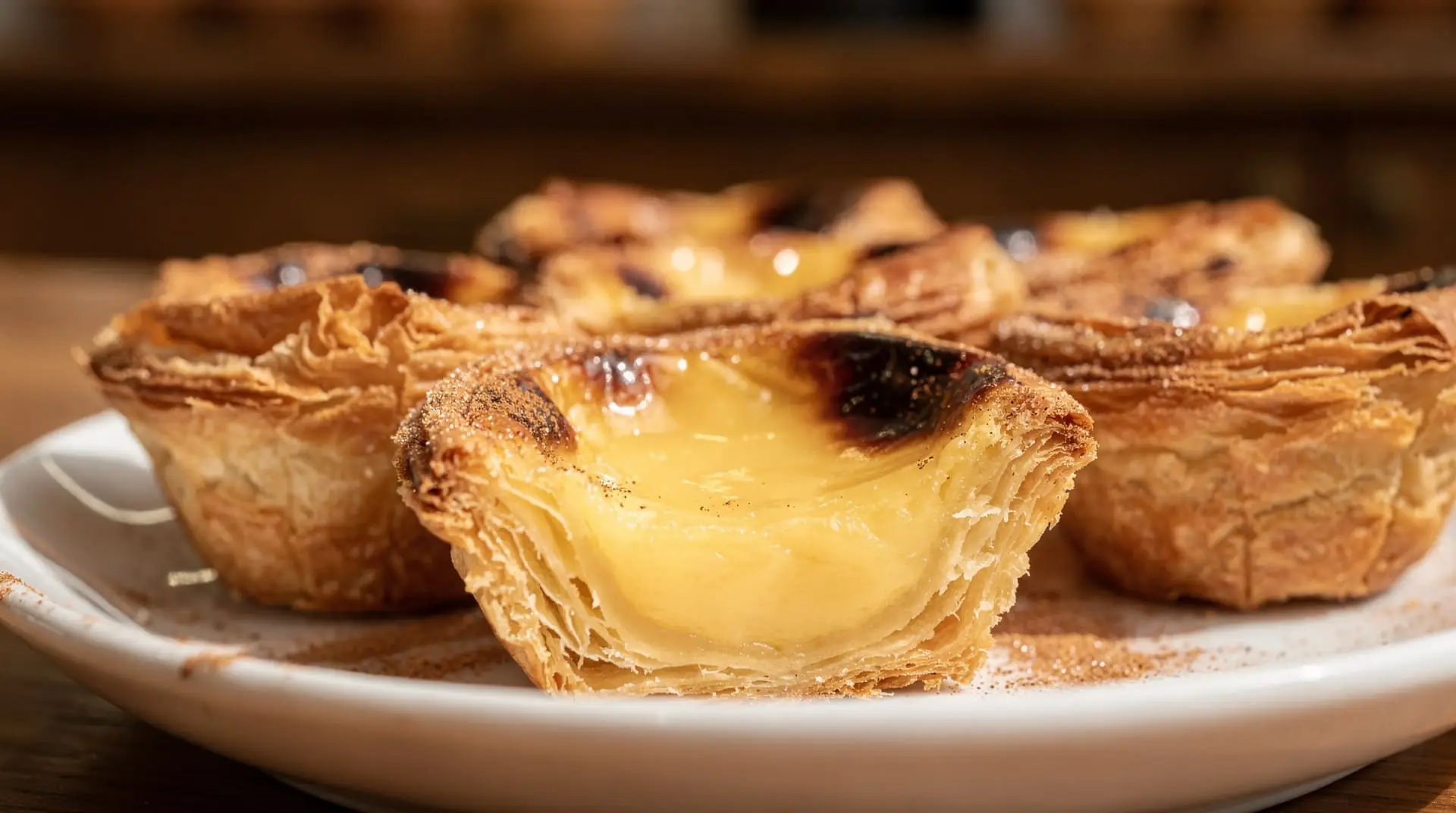
Pastéis de nata: where to eat the best in Lisbon
The honest guide to Lisbon's iconic custard tarts — Pastéis de Belém vs Manteigaria, Aloma, Castro and Fábrica da Nata, with queue strategies.
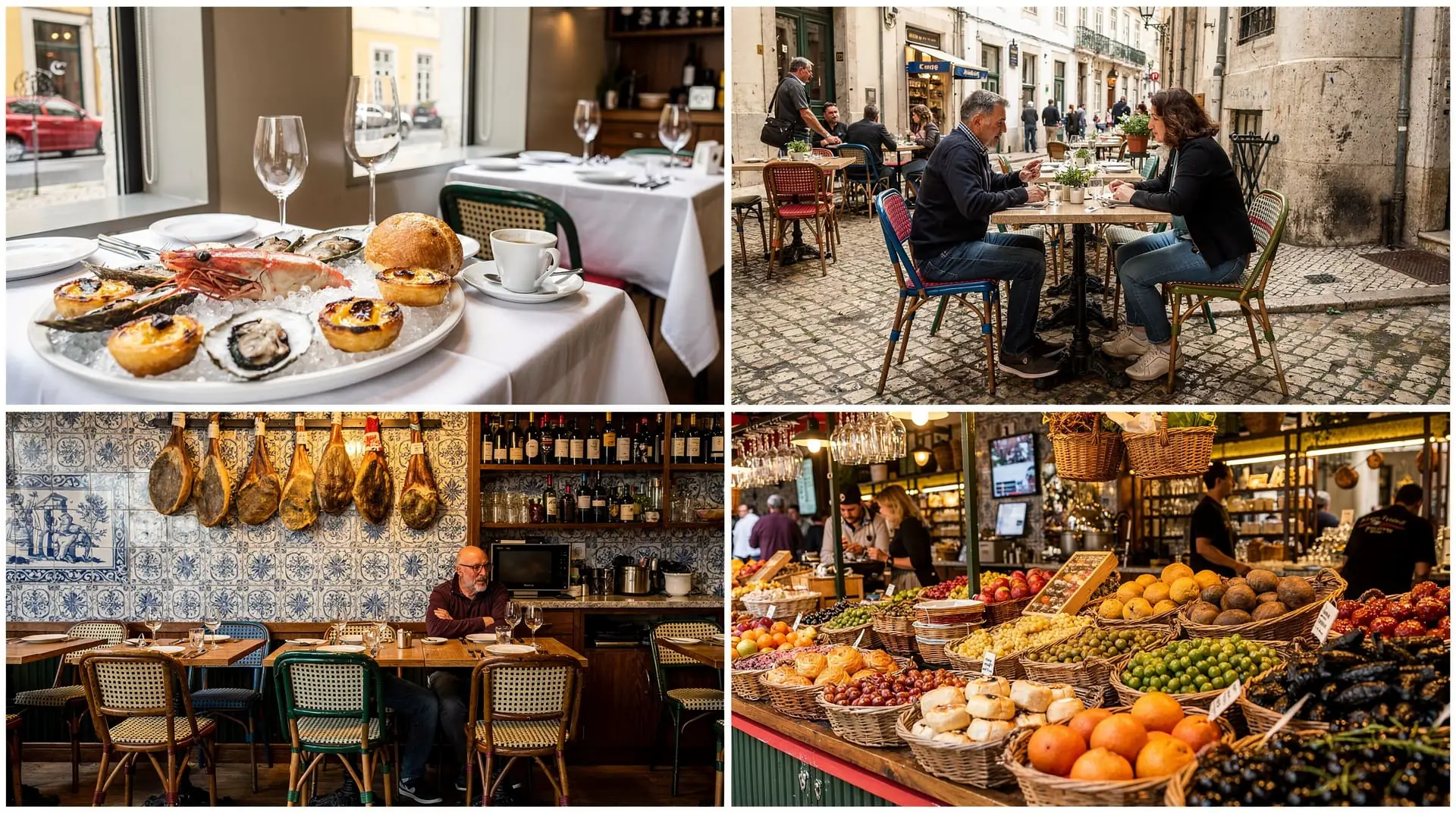
Where to eat in Lisbon: the honest restaurant guide
Tascas, marisqueiras, and Michelin stars — the best restaurants in Lisbon by neighbourhood, with honest tips on prices and what to avoid.
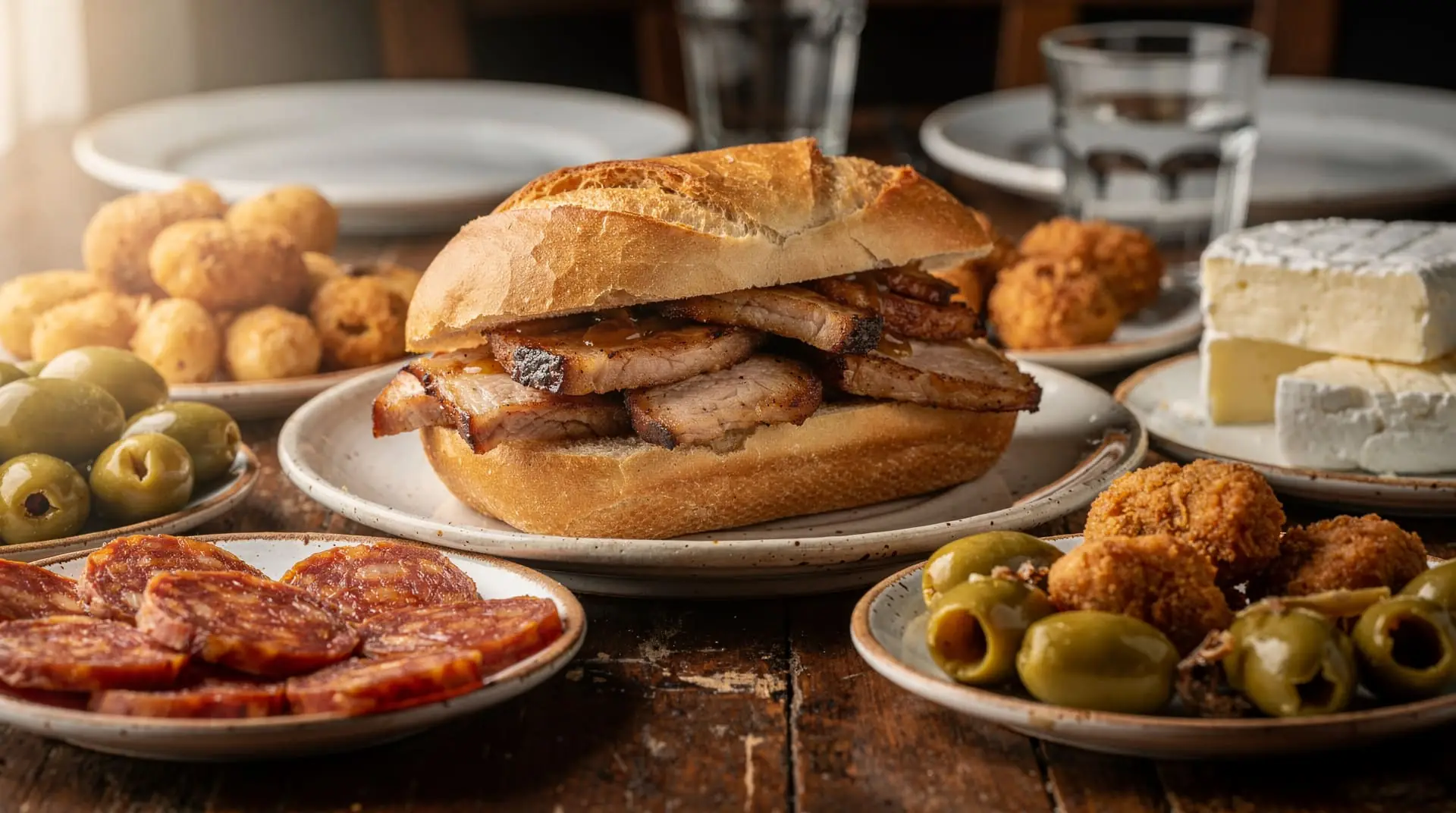
Bifana, petiscos, and Portugal's essential small plates
The best bifanas, peixinhos da horta, pataniscas, and petiscos in Lisbon — where to find them, what they cost, and why they matter.
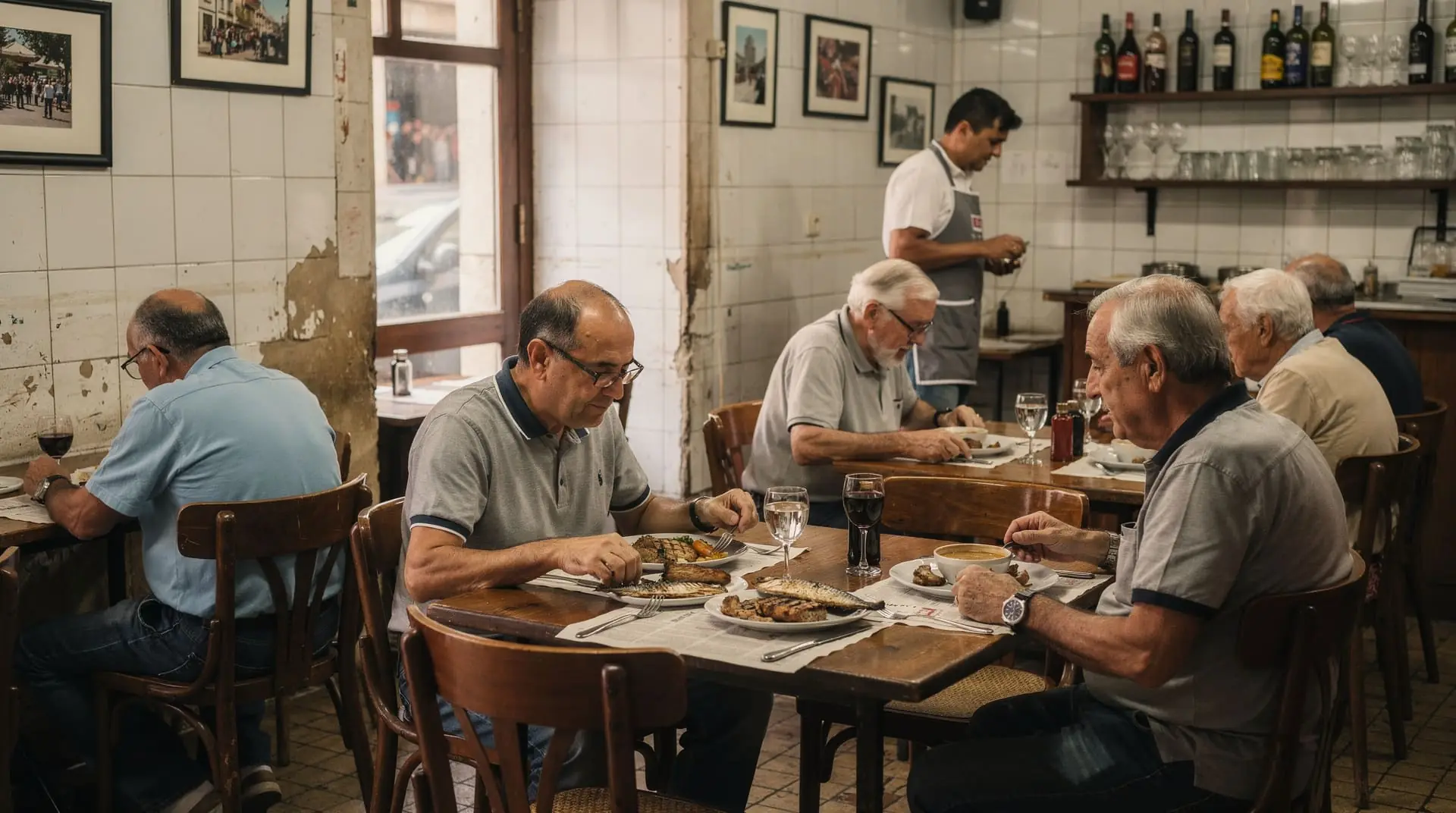
Cheap eats in Lisbon: tascas and lunch under 15 euros
Best cheap eats in Lisbon — tascas under €15 for lunch: Zé dos Cornos, Tasca do Chico, O Trevo bifanas, and Casa Independente. Real prices for 2026.
Ready to book? Top tours for this guide
We earn a small commission if you book through GetYourGuide — at no extra cost to you. Every tour is hand-picked and verified.
Lisbon: 48-Hour Hop-On-Hop-Off Bus Tour and Oceanarium Entry
Lisbon: MAAT Entry Ticket & Dolphin Watching Boat Tour
Lisbon: Alfama, Mouraria Walking Tour with Fado Night, Tapas
Lisbon: Hop-On Hop-Off Bus Tour
Lisbon: 1-or 2-Day Hop-On Hop-Off Bus Tour