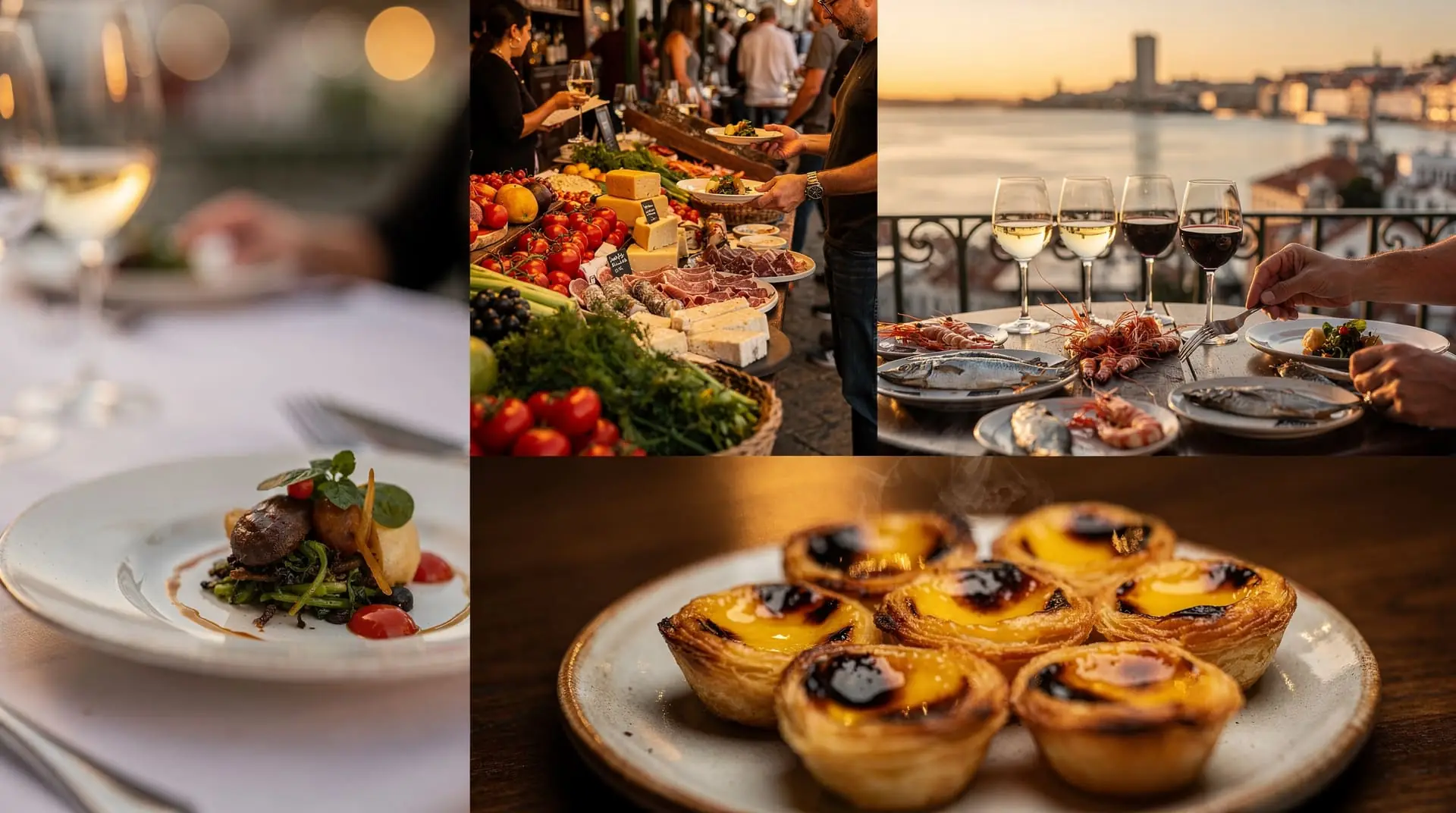
Lisbon foodie itinerary: 4 days of food, wine and markets
Last reviewed
Lisbon has become one of Europe’s most interesting food cities — not because of Michelin stars (it has those) but because the everyday food is excellent, the wine is remarkable relative to its price, and the raw ingredients (seafood from the Atlantic, olive oil from Alentejo, wines from Setúbal and Douro) are genuinely special. This itinerary is for people who want to eat and drink their way through four days rather than monument-hop.
There are still monuments. Lisbon without the Tagus or Alfama’s tiles is incomplete. But this itinerary builds them around food, not the other way around.
| Where | Lisbon city, plus a day trip to Setúbal and Azeitão |
| Cost | around €520–660 per person, excl. flights and hotel |
| Time needed | 4 days, easy pace with one full-day excursion |
| Getting around | On foot, tram and metro in the city; train or guided tour to Setúbal |
| Best time | Year-round; spring and autumn keep market mornings comfortable |
Day-by-day at a glance
| Day | Focus | Highlight |
|---|---|---|
| 1 | Alfama food walk and petiscos | Fado dinner in a converted chapel |
| 2 | Guided food tour, Belém, Time Out Market | Cooking class or a bacalhau dinner |
| 3 | Setúbal wine country | Moscatel tasting in Azeitão |
| 4 | Neighbourhood markets and bacalhau | Chiado shopping before departure |
Foodie setup: what to know before you eat
Portuguese meal structure: lunch (almoço) is the main meal, typically 12:30–14:30. A prato do dia (dish of the day, €9–13 including bread, wine and dessert) at a neighbourhood tasca is among the best-value eating in Europe. Dinner (jantar) runs 19:30–23:00; the Portuguese eat late, and the best restaurants get busy after 20:30.
Couverts: the bread, olives and queijo fresco (fresh cheese) brought to your table automatically are charged (€1.50–3 per person). Send them back if you don’t want them. See restaurant couvert scam.
Wine: Portugal has remarkable wines at honest prices. Vinho verde (green wine — light, slightly effervescent, from the north) is the perfect lunch wine (€3–4/glass in restaurants). Alentejo reds are rich and earthy (€4–6/glass). Setúbal Moscatel (a fortified dessert wine from the peninsula south of Lisbon) is Portugal’s answer to Muscat and genuinely wonderful. Most wine bars charge €4–8 per glass for serious bottles.
Tipping: not expected in Portugal at the same rate as the US or UK. Leaving coins or rounding up the bill is appreciated; 10% is generous.
Reservations: Day 1 cooking class and fado dinner, Day 2 food tour, and any dinner at a named restaurant — all need advance booking.
Coffee, ginjinha and the drinking culture
A Lisbon day runs on bica (the local name for an espresso, around €0.80–1.20 standing at the counter) rather than the milkier drinks tourists expect — order a galão if you want something closer to a latte. Café culture here is fast and functional: locals drink standing at the zinc counter, not lingering over a table. Our coffee culture guide covers the etiquette and the best neighbourhood cafés if you want to slow the itinerary down for a morning.
Ginjinha (sour cherry liqueur, €1.50–2 a shot, served in a chocolate cup or a glass) is Lisbon’s other signature drink — two rival kiosks face off on Largo de São Domingos near Rossio, and comparing them is a genuine Lisbon ritual. Beyond the kiosks, Lisbon’s wine bars are where the Setúbal Moscatel and Alentejo reds from this itinerary are worth revisiting by the glass, often with a small cheese board to pair.
Vegetarian and dietary notes for a foodie trip
Portuguese cooking leans heavily on fish, seafood and pork, so a foodie itinerary needs a little planning if you or a travel companion eats vegetarian or vegan. Petiscos menus usually include grilled vegetables, queijo fresco, olives and bread that work without adaptation, but bacalhau, presunto and the classic bifana (pork sandwich, €2.50–3.50 at any casual counter — see bifana and petiscos guide) are all meat or fish by default. Chiado and Príncipe Real have a growing number of dedicated vegetarian and vegan kitchens; the vegetarian and vegan Lisbon guide lists the ones worth building a meal around, useful for adapting Day 1’s petiscos crawl or Day 4’s bacalhau lunch.
Day 1: Alfama, petiscos and a fado dinner
Morning — Alfama food walk (9:00–12:30)
Start at Mercado de Santa Clara in Graça (Tuesday and Saturday mornings, 9:00–14:00) — one of Lisbon’s least touristic markets, full of secondhand ceramics, antiques, and a small food section with cheeses and charcuterie. Walk down through Alfama, stopping at any bakery for a bica and a pastel de nata (€1.50 each). The best local café pastry in Alfama is the queijada (sheep’s milk and cinnamon, around €1.50).
At Museu do Fado (€10), the audio installations let you hear the real thing — useful context for tonight’s dinner. Allow 45 minutes.
Walk east toward the Santa Apolónia neighbourhood where a cluster of good restaurants has emerged around the old station: Copenhagen Coffee Lab, Café Buenos Aires and Zé da Mouraria are all within a 5-minute walk.
Midday — petiscos at Zé da Mouraria (12:30–14:30)
Zé da Mouraria on Rua João do Outeiro: one of the city’s best petiscos bars. Petiscos are Portugal’s answer to tapas — small dishes designed for sharing and sustained drinking. Order: croquetes (fried meat croquettes, €3), grilled blood sausage (morcela, €6), pica-pau (marinated pork, €5), and a green wine. Budget €20–25 per person including wine.
Afternoon — Chiado and wine tasting (14:30–18:30)
Walk or tram to Chiado. The Garrafeira Nacional wine shop near Rossio (Rua de Santa Justa) has one of Portugal’s best wine selections with prices close to retail. Stock a bottle of Setúbal Moscatel or a Douro red to take home.
At 16:00, a Portuguese wine tasting session in Chiado — several wine bars and cellars run 1-hour structured tastings covering the main wine regions (Alentejo, Douro, Vinho Verde, Setúbal, Dão). Budget €20–35 per person. By the Wine on Rua das Flores runs informal tastings by the glass; ask the staff for recommendations. See wine tasting in Lisbon.
Lisbon: Portuguese wine and cheese tasting with lunchEvening — fado and Portuguese dinner (from 19:30)
Tonight: a fado dinner in Alfama. Mesa de Frades or Tasca do Chico are the best options for a foodie — the kitchens at both are better than the show-dinner format venues near Rossio. Mesa de Frades (a converted chapel, €50+ per person with dinner) has strong Portuguese food alongside the music.
Alternatively: Cais da Pedra at the Santos waterfront for excellent seafood without a fado soundtrack (mains €20–28, booking essential). See where to eat in Lisbon and seafood in Lisbon.
If fado isn’t your thing: swap the chapel dinner for a petiscos crawl through Bairro Alto instead — the neighbourhood’s tascas serve the same small plates without the show, and it stays lively later into the night.
Day 2: Food tour, Belém and the Time Out Market
Morning — guided food tour (9:30–13:00)
A Lisbon food walking tour covers more ground and more food history than going independently. The best operators combine tastings with neighbourhood context — the difference between a bifana (pork sandwich in white roll, the original Portuguese fast food, €2.50) and a prego (steak sandwich), why ginjinha (cherry liqueur) tastes different at the two competing bars on Rossio, why bifanas should never have mayonnaise added. Some, like the Eat & Walk Through Lisbon food and wine experience, pair each stop with a wine pour rather than sticking to food alone.
Most tours start in Baixa or Chiado and include 8–12 tastings: pastéis de nata, bifanas, petiscos, cheese, charcuterie, wine, ginjinha and more. Budget €65–80 per person. See Lisbon food tours guide.
Lisbon food tour: 10+ tastings of local delicacies and winesMidday — Belém pastry circuit (13:30–16:00)
Train from Cais do Sodré to Belém (10 min). Pastéis de Belém — the original pastel de nata, custard still warm from the oven, dusted with cinnamon and powdered sugar. Queue 5–15 minutes; eat inside. Two pastéis and a galão: €5.
Walk the Belém riverfront. Stop at the exterior of Jerónimos Monastery for the Manueline carved stone (entry optional if you’ve covered monuments elsewhere in the trip). The Museu de Arte Popular next to the Monument to the Discoveries (€3) covers Portuguese folk crafts — ceramics, weaving, toys — and is often empty.
Take tram 15E back toward the centre, stopping at LX Factory (Rua Rodrigues de Faria). The bookshop Ler Devagar and the resident food stalls are worth 45 minutes.
Afternoon — Mercado da Ribeira (16:30–19:00)
Mercado da Ribeira (Time Out Market) at Cais do Sodré: the original covered market hall (fresh produce, fish, cheese, vegetables) is worth walking through even if you don’t buy — the morning fish market section (before noon) is the most authentic. The Time Out food hall (west wing) opens at 10:00 and runs until midnight.
For an afternoon snack: the cured meats counter on the original market side has excellent presunto (dry-cured ham) and chouriço at market prices. See Time Out Market guide.
Evening — cooking class or restaurant (from 19:00)
Option A — Portuguese cooking class: a 2–3 hour class ending with dinner covers pastéis de nata, arroz de pato (duck rice), bacalhau (salt cod) or petiscos depending on the curriculum. Budget €75–90 per person. Several operators in Chiado and Bairro Alto; book days ahead. See Lisbon food tours guide.
Lisbon: traditional Portuguese cooking classOption B — restaurant: Tasca do Chico (no music tonight, just dinner), O Corvo in Mouraria, or Bota Alta in Bairro Alto for traditional Portuguese (bacalhau com natas, cataplana, ameijoas à bulhão pato).
Day 3: Setúbal wine country and Azeitão
This is a full-day excursion to the Setúbal Peninsula — the wine and food heartland south of Lisbon.
Getting there
By guided tour: the most practical option. Most Lisbon-based wine tour operators run Setúbal/Arrábida/Azeitão day trips including winery visits, Moscatel tasting and lunch. Departs ~9:00, returns ~18:00. Budget €80–100 per person including lunch and tastings. Book in advance. See Setúbal Moscatel and Azeitão wine guide.
Lisbon: full-day wine tasting tour in Setúbal, all inclusiveBy train (DIY): Fertagus train from Entrecampos to Setúbal: 50 minutes, €3.40 each way. From Setúbal city, a taxi to Azeitão (the wine village, 15 km from Setúbal, €15–20) is the easiest connection. The train is excellent for reaching Setúbal city; public transport to Azeitão village itself is limited.
Azeitão: the Moscatel village (10:30–13:30)
Azeitão is a small village 15 km west of Setúbal, home to some of Portugal’s most important wine estates. Quinta de Bacalhôa and José Maria da Fonseca (the oldest continuously operating wine company in Portugal, since 1834) are both open for tastings.
José Maria da Fonseca on Rua José Augusto Coelho: guided cellar tour and tasting (€15–25 per person, book ahead). The Periquita red and the Setúbal Moscatel are the wines that made the company’s reputation.
Azeitão sheep’s cheese (queijo de Azeitão): a DOP-protected soft sheep’s milk cheese that Portuguese food lovers rank among the country’s best. Buy at the village market or at any cheese shop. Eat with fresh bread and a glass of Moscatel.
Midday — Setúbal waterfront (13:30–16:00)
Drive or taxi to Setúbal city (15 km). The covered market (Mercado do Livramento) near the waterfront is one of the most beautiful in Portugal — a 1930s tiled hall with a fresh fish counter that reflects the Sado estuary catch. Lunch at one of the restaurants on the waterfront — grilled choco (cuttlefish, a Setúbal speciality, €12–16), local ameijoas (clams), and a carafe of house wine.
The Sado estuary view and the distant Arrábida hills are an attractive backdrop. Dolphin watching on the Sado is possible in the afternoon — bottlenose dolphins are resident year-round. Book in advance. See dolphin watching guide.
Afternoon — return to Lisbon (16:30 onwards)
Train or return with the tour group. Back in Lisbon by 18:00–18:30.
Evening — wine and cheese night in Lisbon (from 19:00)
With the Azeitão queijo you bought and a bottle of Setúbal Moscatel, this is a night for the hotel room or an apartment kitchen. Alternatively: Taberna in Chiado or A Travessa in Santos for a Portuguese dinner that puts the day’s tastings in context.
Day 4: Mercados, bacalhau and departure
Morning — Mercado de Alvalade or Feira da Ladra (9:00–12:00)
Feira da Ladra (Flea Market, Campo de Santa Clara, Alfama): runs Tuesday and Saturday. Secondhand ceramics, vintage tiles, old cookbooks, and the occasional excellent piece of Portuguese earthenware. Budget €20–50 if you want to take things home.
Mercado de Alvalade (metro to Alvalade): a residential neighbourhood market with some of the best cheese, charcuterie and produce stalls in Lisbon. Less touristy than Mercado da Ribeira; better for actual shopping. Open Tuesday–Saturday, 8:00–13:00.
Midday — bacalhau lunch (12:30–14:30)
Bacalhau (salt cod) is Portugal’s national dish — with over 365 supposed recipes. For a first bacalhau experience, Bacalhau de Braga near Rossio or Solar dos Presuntos (Rua das Portas de Santo Antão, mains €18–26) are consistently excellent. The dish to order for a first timer: bacalhau à Brás (salt cod with eggs, potatoes and olives) or bacalhau com natas (baked with cream).
See where to eat in Lisbon for the full list of recommended restaurants.
Afternoon — Chiado shopping and departure (14:30 onwards)
Final afternoon for wine and food shopping in Chiado. Mercearia Liberdade (Avenida da Liberdade 39), Loja dos Queijos (Chiado), and Garrafeira Nacional near Rossio for bottles to take home. Most food shops allow you to pick up vacuum-packed cheeses, cured meats and wines within EU carry-on limits.
Metro to the airport: green line to Alameda, red line to Aeroporto (35 minutes total). See airport transport guide.
Foodie budget guide (4 days, mid-range)
| Category | Day | Estimate |
|---|---|---|
| Food tour (morning) | Day 2 | €70–80 |
| Wine tasting session | Day 1 | €25–35 |
| Setúbal wine day tour | Day 3 | €80–100 |
| Cooking class (optional) | Day 2 eve | €75–90 |
| Fado dinner | Day 1 eve | €50 |
| Daily meals (3 per day x 4 days, excl. above) | All | €180–240 |
| Transport (Lisboa Card 48h + metro/taxi) | All | €45–60 |
| Total (excl. flights and hotel) | €520–660 |
Use the Lisbon budget calculator for a personalised total.
Frequently asked questions
What’s the best food market in Lisbon?
For variety and accessibility: Mercado da Ribeira (Time Out Market). For authenticity: Mercado de Alvalade (residential, non-touristy). For the experience: Feira da Ladra flea market in Alfama (Tue/Sat). See Lisbon markets guide.
Is Portuguese wine good value in restaurants?
Yes, remarkably so. A decent Alentejo red costs €15–25 for a bottle in a good restaurant — less than a single glass of a comparable wine in London or Paris. The house wine at a local tasca (carafe of vinho da casa) is usually €3–5 and drinkable.
What is Moscatel de Setúbal and where should I try it?
A naturally fortified dessert wine made from Muscat grapes on the Setúbal Peninsula, with a distinctive orange blossom and apricot character. The best producers are José Maria da Fonseca and Bacalhôa. Try it in Azeitão at the source, or at any good Lisbon wine shop. See Setúbal Moscatel guide.
Can I do a food tour on a first visit to Lisbon?
Yes — food tours are actually one of the best orientations to a new city. A good guide combines neighbourhoods, history and food in a 3-hour walk. See Lisbon food tours guide.
Do I need a car for this foodie itinerary?
No. Everything in Lisbon itself is walkable or a short tram/metro ride, and the Setúbal day is easiest by guided tour or train — a car adds parking hassle without saving time. See the Lisbon without a car itinerary for the general approach.
Is four days too much if I only care about food, not wine?
Not really — trim it to three by dropping the Setúbal day and folding a Moscatel tasting into an evening at one of Lisbon’s wine bars instead. You’ll still cover the markets, the food tour and the fado dinner.
Related guides
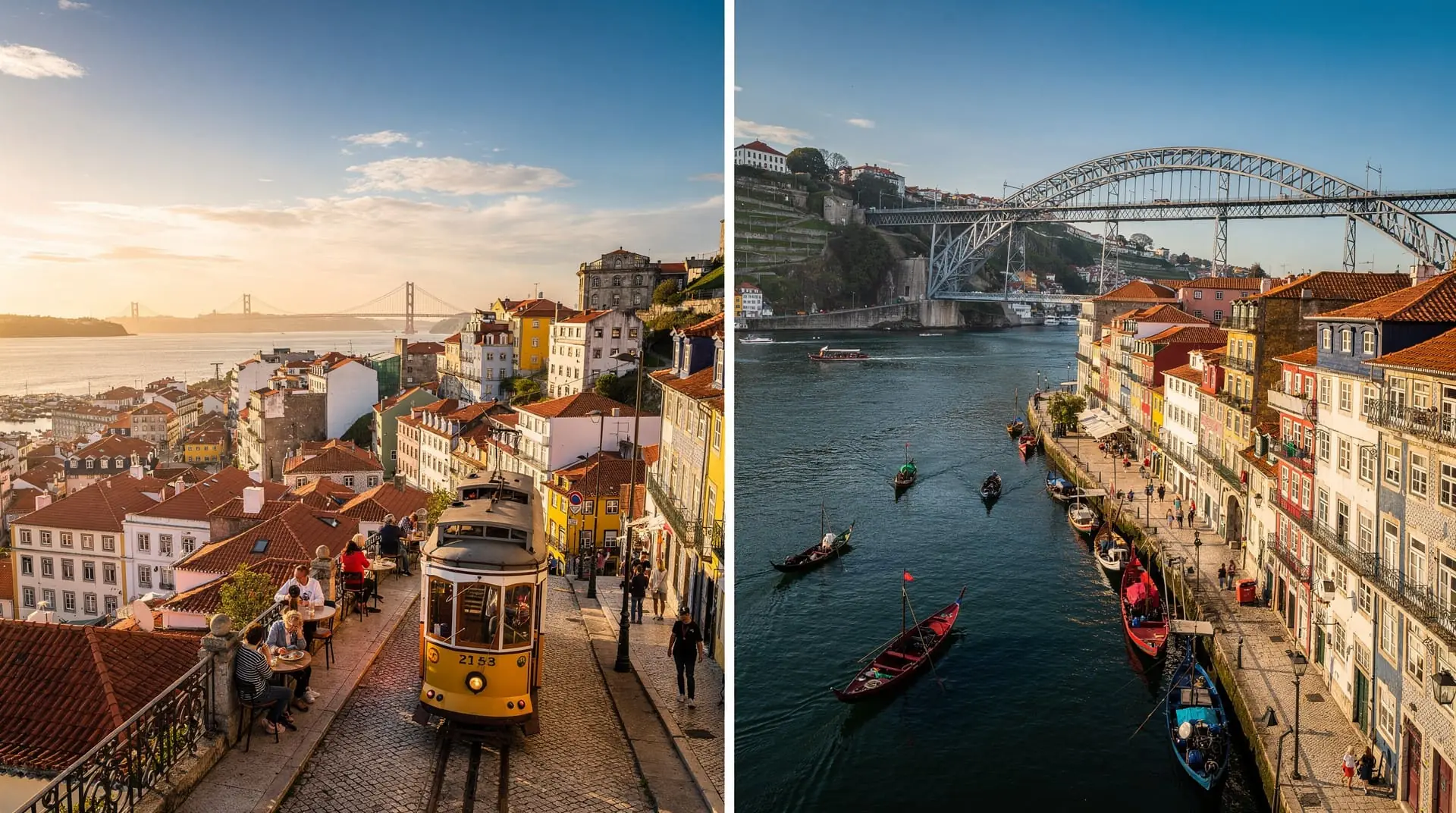
Lisbon vs Porto: which Portuguese city should you visit?
Honest head-to-head: vibe, weather, food, wine, day-trips and budget. Which city wins for your trip — and when to visit both.
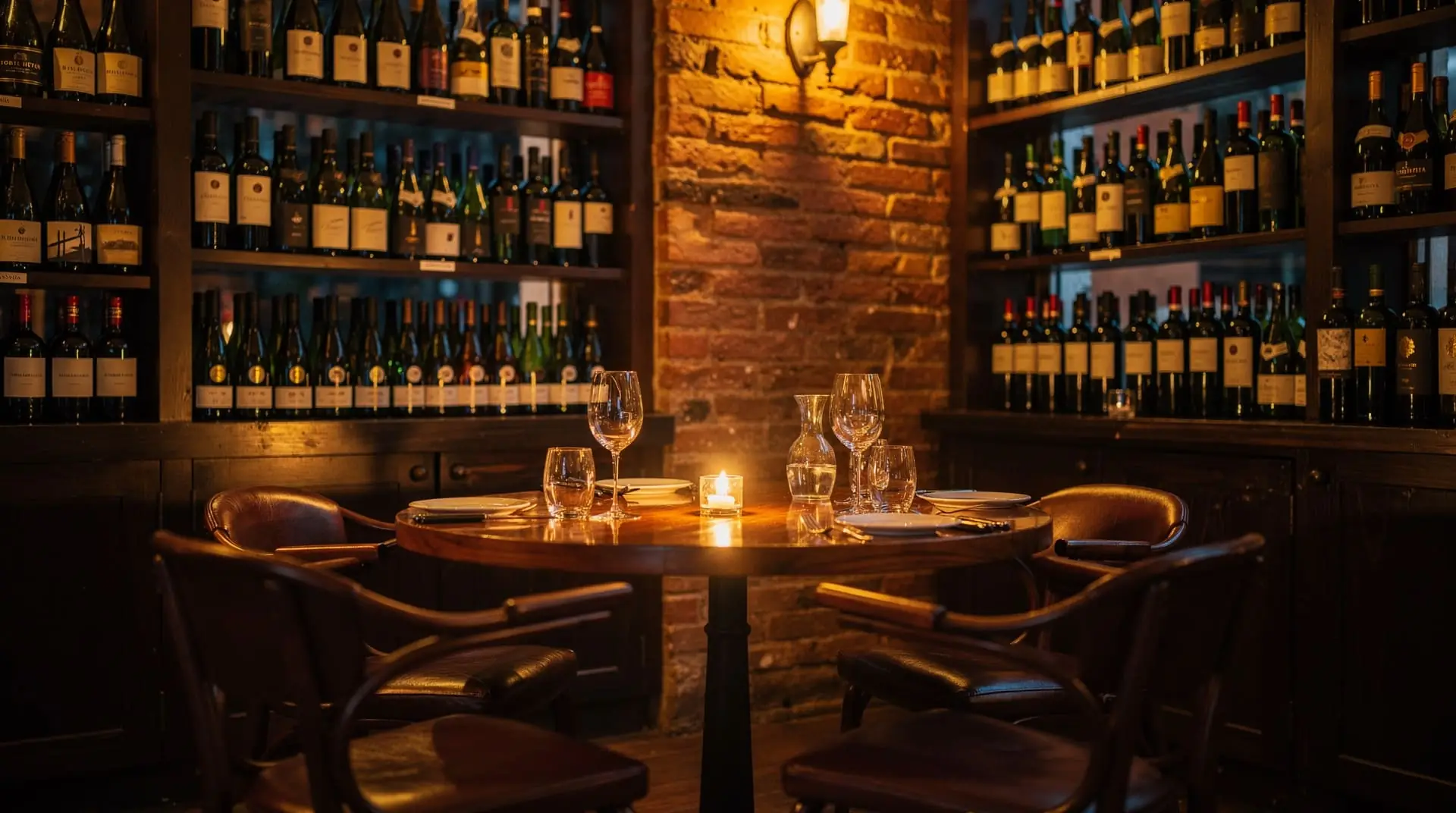
Best wine bars in Lisbon to taste Portuguese wines
From By the Wine to Wine Bar do Castelo, the best Lisbon wine bars to discover Alentejo reds, Vinho Verde, and local Moscatel. Real picks, real prices.
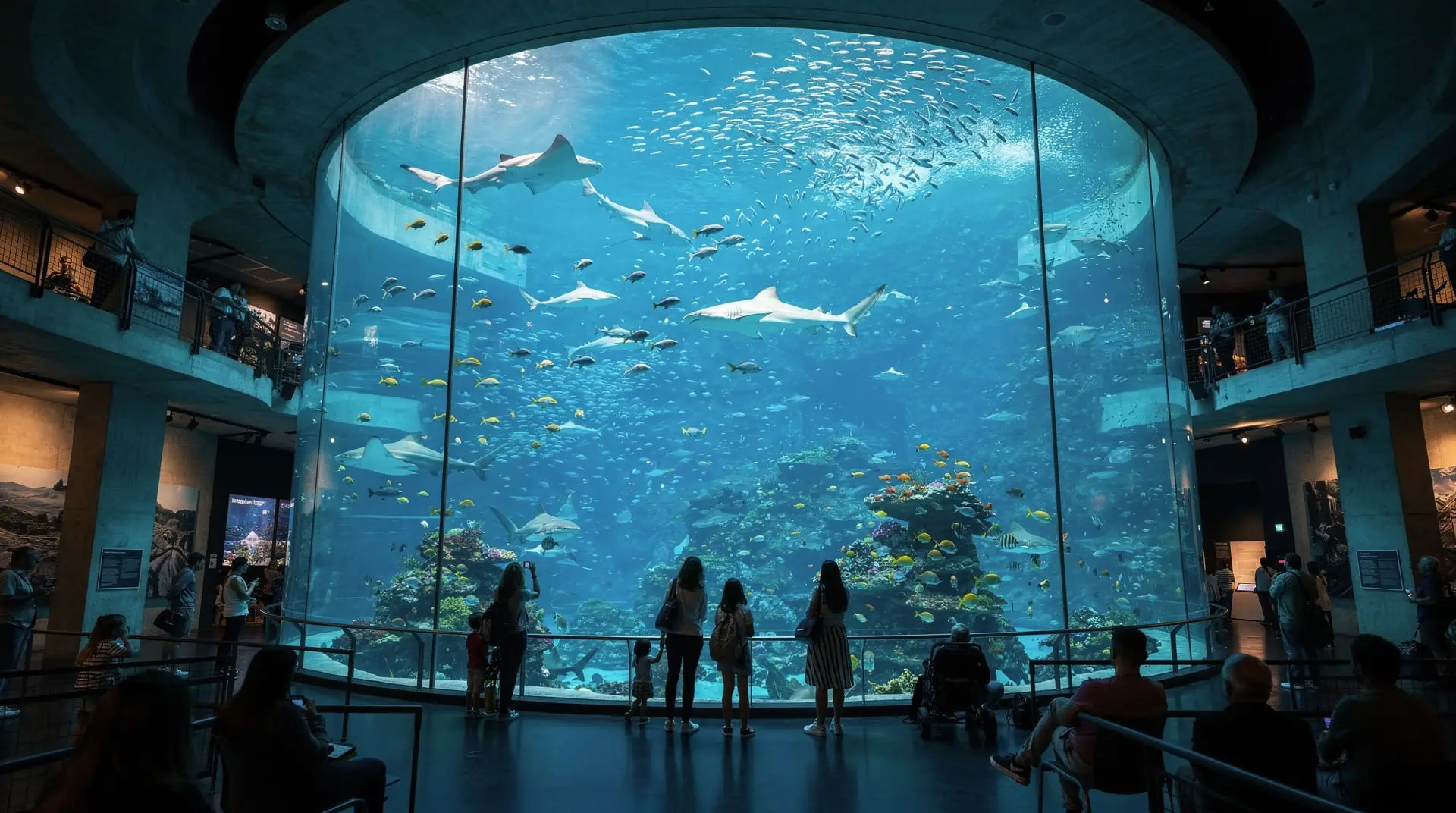
Oceanário de Lisboa: tickets, queues, and what to expect inside
Oceanário de Lisboa 2026: ticket prices, best visit times, exhibit-by-exhibit guide, and honest tips for avoiding Saturday-afternoon crowds.

Getting from Lisbon airport to the city centre — all options compared
Metro, Aerobus, Uber, taxi: how to get from Humberto Delgado airport to central Lisbon. Real prices 2026, journey times, and scam warnings.
Ready to book? Top tours for this guide
We earn a small commission if you book through GetYourGuide — at no extra cost to you. Every tour is hand-picked and verified.

Lisbon: 48-Hour Hop-On-Hop-Off Bus Tour and Oceanarium Entry
Lisbon: MAAT Entry Ticket & Dolphin Watching Boat Tour
Lisbon: Alfama, Mouraria Walking Tour with Fado Night, Tapas
Lisbon: Hop-On Hop-Off Bus Tour
Lisbon: 1-or 2-Day Hop-On Hop-Off Bus Tour