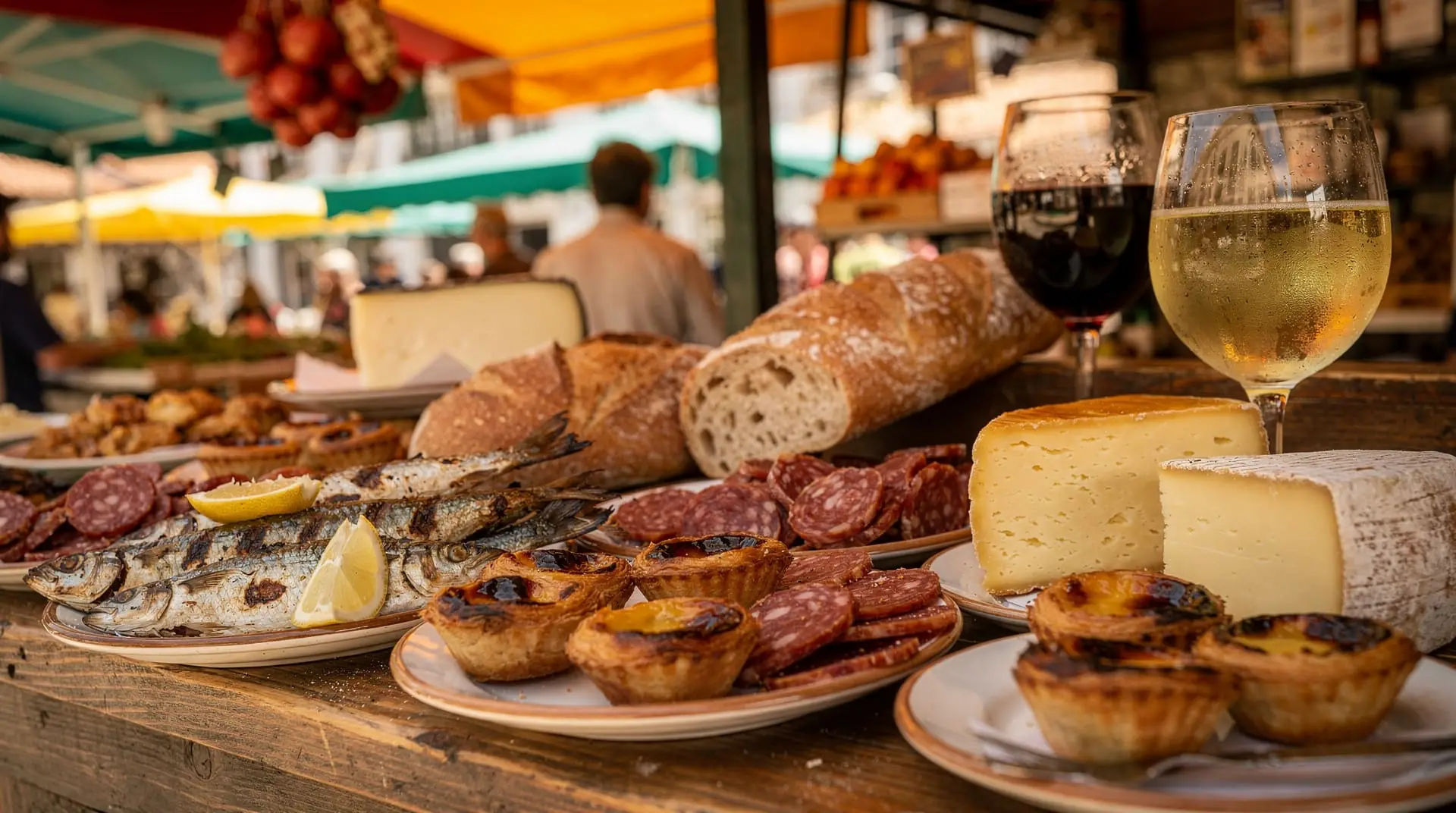
Best markets in Lisbon: from Ribeira to Feira da Ladra
Last reviewed
What are the best markets in Lisbon?
Mercado da Ribeira (Time Out Market) is the most famous food hall. For local produce and neighbourhood atmosphere, Mercado de Campo de Ourique (Tuesday–Sunday) is superior. Feira da Ladra (Campo de Santa Clara, Tuesday and Saturday) is the city's main flea market. Mercado de Espanha in Sete Rios is the biggest general market.
Lisbon’s market culture reflects the city’s split personality: one side deeply traditional, with municipal markets that have served the same neighbourhoods for a century; the other contemporary, with curated food halls and weekend design markets aimed at a younger, more international audience. Both are worth knowing. This guide covers the main options, what you will find, and when to go.
| Best for food halls | Time Out Market, Cais do Sodré |
| Best for locals-only atmosphere | Mercado de Campo de Ourique, Tuesday morning |
| Best for flea-market finds | Feira da Ladra, Saturday from 08:00 |
| Best for a Sunday out | LX Factory’s Feira da LX |
| Cost | Free to browse; €20–40 cash for a full market morning |
Which market should you visit?
| Market | Vibe | Day to go | Time needed |
|---|---|---|---|
| Time Out Market | Curated food hall, touristy | Any day | 45–60 min |
| Campo de Ourique | Neighbourhood, local | Tuesday morning | 60–90 min |
| Feira da Ladra | Flea market, browsing | Saturday | 90 min–2 hrs |
| LX Factory (Feira da LX) | Artisan, design-focused | Sunday | 2–3 hrs |
| Mercado de Espanha | Working produce market | Weekday early | 30–45 min |
If you only have time for one and want an authentic neighbourhood experience over a polished food hall, go to Campo de Ourique. If you want souvenirs and browsing, Feira da Ladra on Saturday is the better choice — see the souvenirs and crafts guide for what is worth buying.
Mercado da Ribeira (Time Out Market)
Address: Av. 24 de Julho 49, Cais do Sodré Hours: Sun–Wed 10:00–00:00; Thu–Sat 10:00–02:00 Getting there: Cais do Sodré metro or train station, 2-minute walk
The east wing is the famous Time Out Market food hall — see the dedicated Time Out Market guide for stall-by-stall detail. The west wing is the traditional market: fruit, vegetables, flowers, and fish sold from permanent stalls by vendors who have been there for decades.
The west wing closes by 14:00 and is primarily a wholesale market in the morning. If you want to see the fish section — fresh Atlantic fish laid on ice, sold by weight, bought by restaurants and neighbourhood households — arrive before 12:00. The fish names on the displays are all in Portuguese; photo identification cards on the stalls help.
The traditional wing is free, uncrowded relative to the food hall, and genuinely interesting for 20 minutes.
Mercado de Campo de Ourique
Address: Rua Coelho da Rocha, Campo de Ourique Hours: Tue–Sun 10:00–23:00 (food stalls until approximately 22:00); closed Monday Getting there: Bus 758 from Cais do Sodré; Tram 28 to Campo de Ourique terminus
The best neighbourhood market in Lisbon and largely unknown to tourists. The ground floor has traditional stalls: fishmonger, butcher, greengrocers, a bread baker, and the café where market vendors eat lunch for €7 a set menu. The upper floor is a food court with local operators — not the international-name-brand quality of Time Out Market, but authentic Lisbon neighbourhood cooking.
What makes this market worth a trip: it has not been curated for tourism. The grocery stalls sell to people who live in Campo de Ourique. The café serves exactly what the market workers eat. The weekly cycle of what is fresh determines what is on the stalls. Visit on a Tuesday morning when everything is at peak freshness.
The neighbourhood itself is one of the most pleasant residential areas in Lisbon — elegant early-20th-century apartment blocks, calm streets, and several good restaurants. Combine with Aloma pastelaria (three minutes’ walk) for the best pastéis de nata in the city outside Belém.
Feira da Ladra: the Alfama flea market
Address: Campo de Santa Clara, São Vicente, Alfama Hours: Tuesday 09:00–17:00; Saturday 07:00–17:00 Getting there: Tram 28 to its Martim Moniz stop, then a 15-minute walk uphill, or Tuk-Tuk from Alfama; bus 734
The Feira da Ladra (literally “Thieves’ Market”, though no one is being accused of anything) is Lisbon’s famous outdoor flea market, operating on Campo de Santa Clara since at least the 18th century. It spreads across the square and the sloping streets below, with somewhere between 200 and 400 stalls depending on weather and day of week.
What you will find: Second-hand books (many in Portuguese; some French and English), vintage clothing, second-hand household goods, old ceramics, azulejo tile fragments (often salvaged from demolitions), vinyl records, postcards and prints, old coins, and a good deal of outright junk. Genuine antique finds require patience and knowledge; casual browsers find it entertaining regardless.
What to buy: Azulejo tile fragments are the most distinctive souvenir — the cracked, imperfect pieces from demolished buildings have more character than the reproduction tiles sold in tourist shops. Prices: €2–10 per piece depending on pattern. Vintage postcards of Lisbon (pre-1980) cost €0.50–3 each and make excellent lightweight gifts.
Honest warnings: Not everything here is what it seems. “Antique” items are often reproductions. Pickpockets operate in the market, particularly in the densest areas on Saturday mornings — use a front pocket or an inside pocket for your valuables.
Best time: Saturday morning from 08:00, when stalls are fullest and the adjacent São Vicente de Fora monastery and National Pantheon are open for a combined visit (National Pantheon guide). Tuesday is smaller but less crowded.
Lisbon market experience and cooking class — visit a local market with a chefLX Factory: the Sunday market
Address: Rua Rodrigues de Faria 103, Alcântara Hours: Sunday 11:00–19:00 (market); restaurant and shops open most days Getting there: Tram 15E from Praça da Figueira to the Calvário stop (20 min)
LX Factory is a converted 19th-century textile factory complex that houses independent shops, restaurants, studios, and a weekend market. The Sunday Feira da LX (typically 11:00–19:00) brings around 100 vendors selling vintage clothing, handmade crafts, design objects, plants, street food, and second-hand books.
The complex functions as a semi-permanent market seven days a week: the permanent shops include Ler Devagar (one of Europe’s most beautiful bookshops, in a former printing room), Cork & Co (cork products), and several independent clothing designers. On Sundays, the outdoor market multiplies the options.
Food options within LX Factory: several restaurants and food stalls, with quality ranging from good (the sushi and the pizza spots) to mediocre (most of the street food). Better to eat here as part of a market visit than to make a special trip solely for food.
Getting there note: The 15E tram from central Lisbon takes approximately 20 minutes and is the most comfortable option. The tram runs every 10–15 minutes.
Mercado da Praça de Espanha
Address: Rua Carlos Alberto da Mota Pinto 12, Sete Rios Hours: Mon–Sat 06:00–14:00 Getting there: Metro to Praça de Espanha (Linha Azul/Blue Line)
Lisbon’s biggest indoor produce market and the least touristed on this list. A working market that supplies restaurants, delis, and neighbourhood households. The fish section is exceptional — every Atlantic species available, impeccably fresh, priced at wholesale rates. The meat section has specialist butchers.
Go here if you have access to a kitchen and want to shop where Lisbon’s restaurant chefs shop. Not a visitor attraction in the traditional sense but fascinating for serious food enthusiasts.
Mercado de Santa Clara
Address: Campo de Santa Clara (adjacent to Feira da Ladra site) Hours: Saturdays 08:00–17:00 (approximately; seasonal and irregular)
A smaller antiques and collectibles market that sometimes accompanies the Feira da Ladra on Saturday mornings. More focused on genuine antiques than the flea market — 18th and 19th century ceramics, silver, and furniture. Higher prices but more reliable provenance than the Feira da Ladra stalls.
Seasonal and Christmas markets
Lisbon Christmas Market (Natal em Lisboa): Various locations December–January; the main version runs along Avenida da Liberdade with wooden chalets selling handicrafts and food. A secondary market operates in Praça do Comércio. Food stalls serve seasonal specialties including rabanadas (Portuguese French toast), caldo verde (kale soup), and roasted chestnuts. Quality is moderate; atmosphere is pleasant.
Santos Populares markets (June): During the June festivals, temporary markets appear throughout Alfama and Mouraria with handicrafts, food, and ceramics. More interesting than the Christmas version because they serve local communities rather than tourist impulse purchases.
The morning fish market ritual
Lisbon’s most perishable and most interesting market experience is the morning fish sale at Mercado da Ribeira (west wing) and Mercado de Espanha. Both operate from before dawn, with the main action between 06:00 and 10:00 when restaurant buyers and household shoppers arrive before the fish is picked over.
The Portuguese Atlantic fish vocabulary is worth knowing before you arrive. The displays use Portuguese names only:
- Bacalhau verde (fresh green cod, unsalted) — rare; the dried version is the norm
- Robalo (European sea bass) — mild and expensive; €15–20/kg
- Dourada (gilt-head sea bream) — the everyday grilled fish of Portugal; €10–15/kg
- Cherne (wreckfish) — deep-water, firm, excellent; €20–30/kg
- Pargo (red porgy) — firm-fleshed, good for roasting; €12–18/kg
- Polvo (octopus) — sold fresh and frozen; fresh is dramatically better; €8–15/kg
- Ameijoas (clams) — various species; key for à bulhão pato preparation; €5–10/kg
- Percebes (barnacles) — the most prized and most expensive shellfish; €40–70/kg
Standing beside professional buyers watching them assess a fish — squeezing the belly, checking the eyes (bright and clear means fresh), smelling the gills — is a brief education in quality assessment that transfers directly to ordering at a marisqueira.
The Alfama fish traders
Separate from the formal markets, Alfama has a persistent informal fish trade that operates on Rua dos Bacalhoeiros and adjacent streets near the waterfront. Small vans arrive from the Setúbal and Sesimbra fishing ports with the morning’s catch, and women — the vardinas, a tradition going back centuries — sell directly from baskets and crates on the street or from their doorsteps.
This is increasingly rare (perhaps 10–12 active vendors in 2026 compared with hundreds a generation ago), but it still exists. The prices are roughly equivalent to market prices; the informality is part of the appeal. Walk along Rua dos Bacalhoeiros and the parallel streets between 07:00 and 10:00 on a weekday morning to see it.
The LX Factory market ecosystem
LX Factory’s Sunday market (Feira da LX) sits in a different category from the traditional produce and flea markets — it is a curated artisan market in an industrial space, with selected vendors rather than anyone who pays a pitch fee. The distinction matters:
What this means in practice: Less junk, fewer reproductions, more consistent quality. Prices are set rather than negotiable. The vendors tend to be young Portuguese designers, independent food producers, and artisans rather than professional flea market traders.
What you will find: Handmade jewellery using Portuguese materials (cork, azulejo fragments, silver), illustrated prints of Lisbon street scenes, natural cosmetics using local plants (lavender, rosemary, citrus), independent clothing labels, specialty food (artisanal cheese, honey, olive oil from small farms), and plants.
The food element: Several food trucks operate on Sunday, including options for vegetarians and vegans that are less common at traditional markets. Specialty coffee, organic juices, and street food from various traditions.
For the full LX Factory picture, see the shopping neighbourhood guide.
Market neighbourhoods and what they reveal
Each market is embedded in a neighbourhood and reflects it. Campo de Ourique market is in one of Lisbon’s most affluent residential areas — the vendors are permanent, the produce is high quality, and the café serves the exact demographic that lives in the surrounding streets. Feira da Ladra reflects the east of the city: historically working-class, diverse, and resistant to gentrification in ways that Chiado and Príncipe Real are not.
Visiting both gives you a more complete picture of how Lisbon works than visiting only the tourist-facing market (Time Out Market) and the tourist-facing flea market (Feira da Ladra). Campo de Ourique on a Tuesday morning — no tourists, just neighbourhood residents shopping for the week — is a version of Lisbon that most visitors never see.
Markets as a way into the neighbourhoods
Markets are one of the easiest ways to experience a Lisbon neighbourhood without a guided tour. Feira da Ladra sits inside Alfama’s quieter northeast corner — pair it with a slow walk through the district using the what to do in Alfama guide rather than rushing straight back to Baixa afterward. Campo de Ourique rewards the same approach: the market is a starting point for exploring one of Lisbon’s most liveable residential neighbourhoods, not a standalone stop.
Market shopping tips
Cash is king: Most traditional market vendors and Feira da Ladra stalls are cash-only. Bring €20–40 in small denominations.
Arrive early: For produce markets, 09:00–11:00 is when everything is freshest and fully stocked. For flea markets, serious collectors arrive at opening; casual browsers can arrive later.
Negotiate at flea markets: Prices at Feira da Ladra are usually negotiable by 10–20%. Offer politely and accept gracefully if declined. Do not negotiate at food stalls.
Photography: Always ask before photographing vendors or their goods at traditional markets. At the Feira da Ladra this is generally fine; in traditional produce markets it can be intrusive.
Language: A few words of Portuguese go a long way at traditional markets. “Quanto custa?” (how much does it cost?), “obrigado/a” (thank you, masculine/feminine), and “tem troco?” (do you have change?) cover most interactions.
Combining markets with food
A market visit pairs naturally with eating. Some combinations:
Feira da Ladra Saturday + lunch: The market finishes by 14:00; walk downhill through Alfama to O Velho Eurico (Largo de Santa Helena 4) for a late lunch of fresh grilled fish or sardines.
Campo de Ourique Tuesday morning: Market + café lunch inside + Aloma pastelaria for pastéis de nata. A complete neighbourhood morning for under €20.
LX Factory Sunday: Market + brunch at one of the LX Factory restaurants + Ler Devagar bookshop browse. Full afternoon.
Mercado da Ribeira morning: Traditional wing (07:00–12:00) + pastéis de nata at Manteigaria (inside the food hall) + coffee.
Lisbon market experience and cooking class — visit a local market and cook with fresh ingredientsFor the shopping side of Lisbon, the souvenirs and crafts guide and the where to shop guide cover the best non-market options.
Frequently asked questions about Lisbon’s markets
What is the best market in Lisbon for food?
Time Out Market (Mercado da Ribeira) has the widest range of quality vendors under one roof. For a more local, less curated food experience, the upper floor of Mercado de Campo de Ourique is better value and less crowded.
Which day is best for the Feira da Ladra flea market?
Saturday, from 08:00, when the stalls are fullest. Tuesday is smaller but quieter and easier to browse without crowds. Both days run from morning until mid-afternoon.
Are Lisbon’s traditional markets cash-only?
Mostly yes, particularly Feira da Ladra and the traditional produce stalls at Mercado da Ribeira and Mercado de Campo de Ourique. Bring cash in small denominations; card payment is inconsistent at flea-market stalls.
Related guides
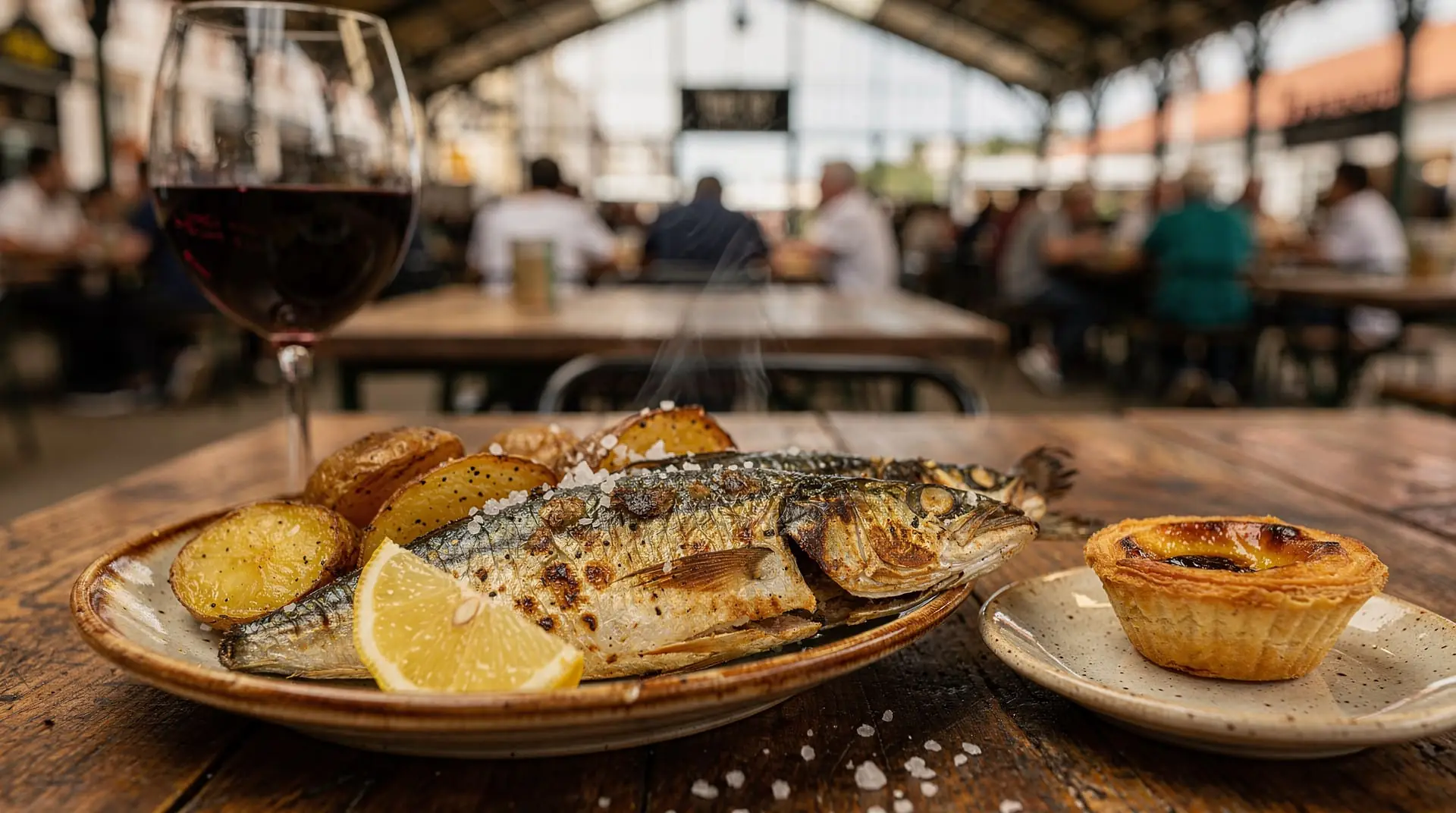
Time Out Market Lisbon: honest guide to Mercado da Ribeira
What to eat at Lisbon's Time Out Market, which stalls are worth it, how to find seating, and when to avoid the crowds. Honest tips for 2026.
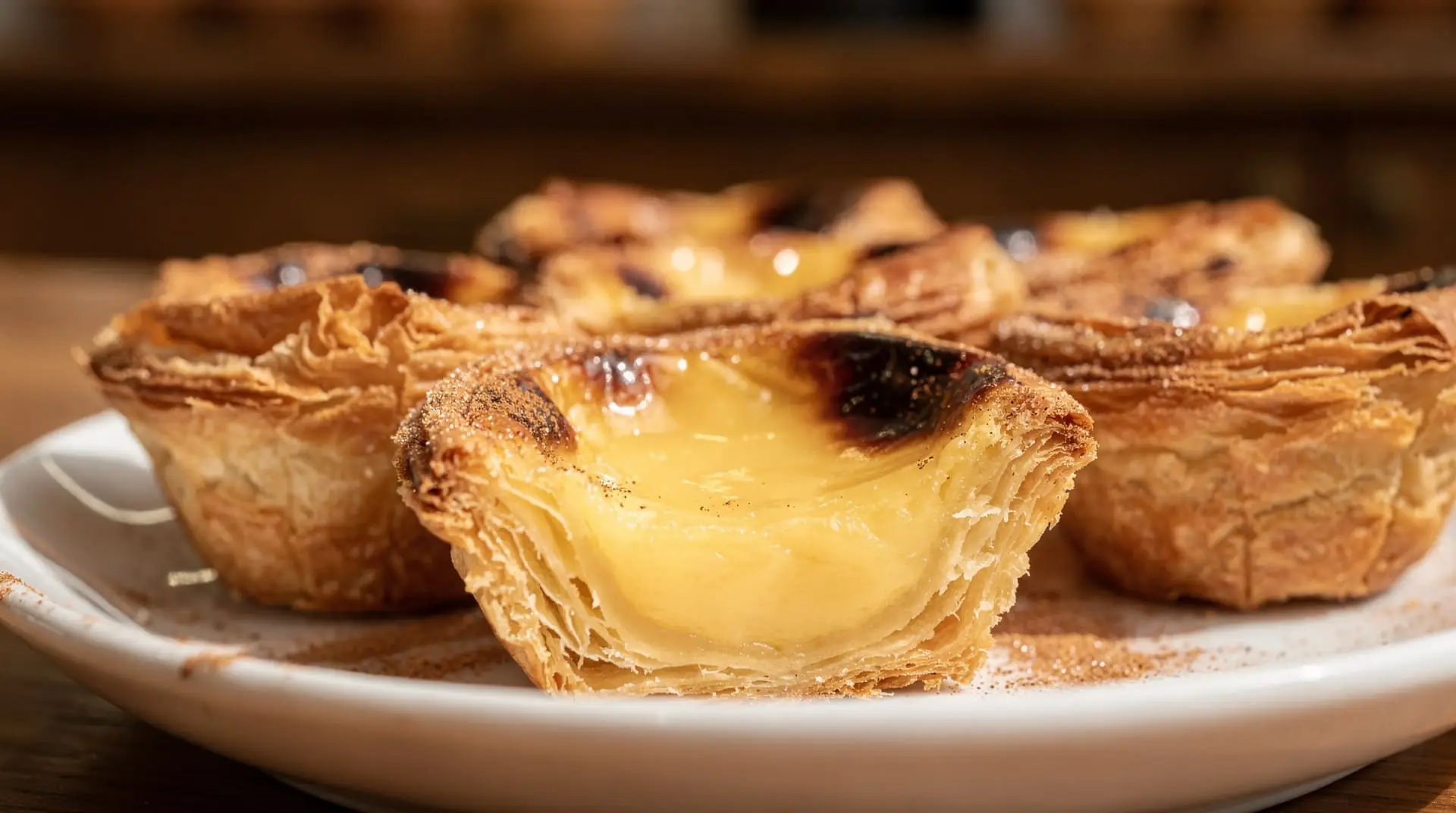
Pastéis de nata: where to eat the best in Lisbon
The honest guide to Lisbon's iconic custard tarts — Pastéis de Belém vs Manteigaria, Aloma, Castro and Fábrica da Nata, with queue strategies.
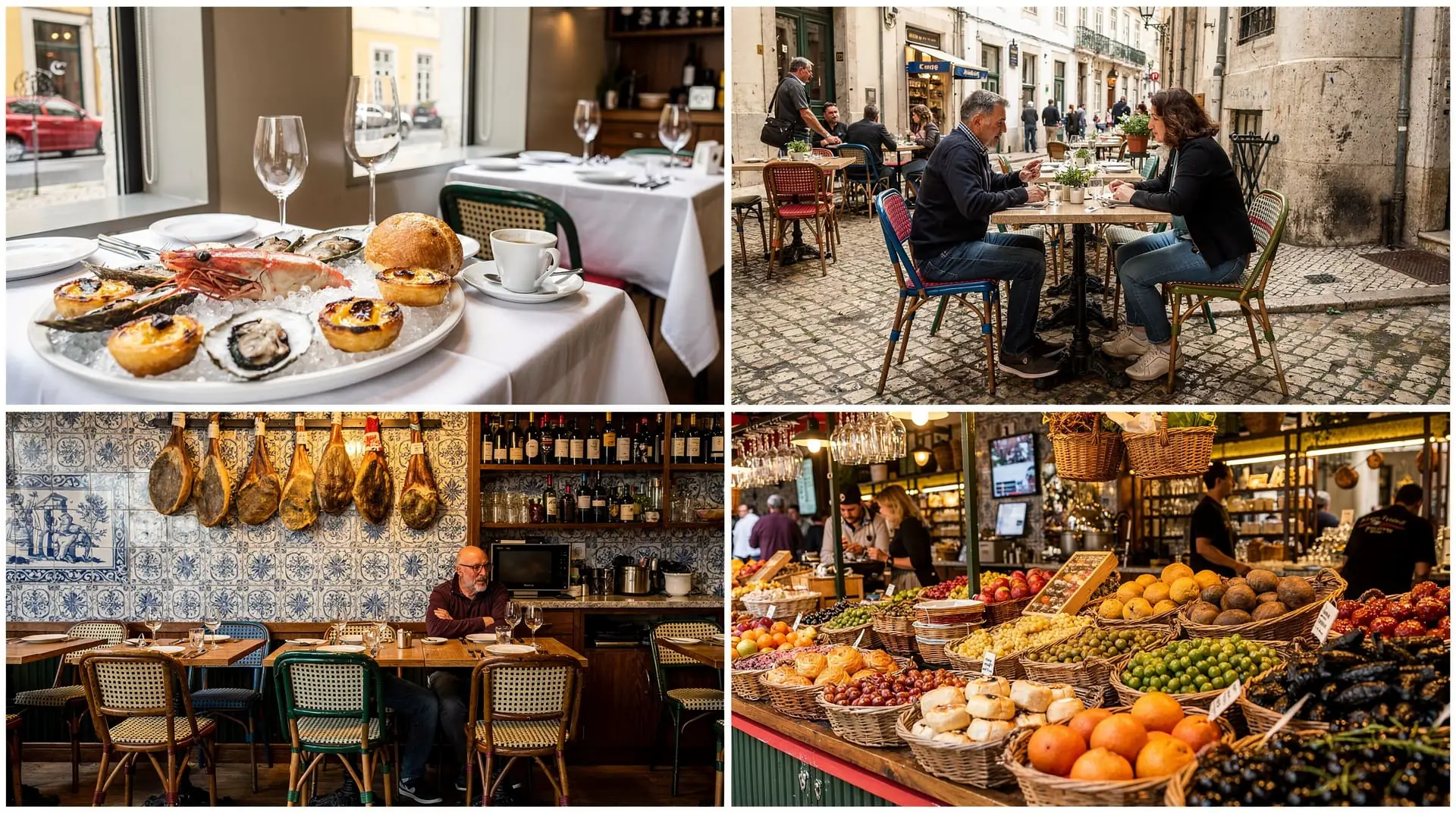
Where to eat in Lisbon: the honest restaurant guide
Tascas, marisqueiras, and Michelin stars — the best restaurants in Lisbon by neighbourhood, with honest tips on prices and what to avoid.
Bifana, petiscos, and Portugal's essential small plates
The best bifanas, peixinhos da horta, pataniscas, and petiscos in Lisbon — where to find them, what they cost, and why they matter.
Ready to book? Top tours for this guide
We earn a small commission if you book through GetYourGuide — at no extra cost to you. Every tour is hand-picked and verified.

Lisbon: 48-Hour Hop-On-Hop-Off Bus Tour and Oceanarium Entry
Lisbon: MAAT Entry Ticket & Dolphin Watching Boat Tour
Lisbon: Alfama, Mouraria Walking Tour with Fado Night, Tapas
Lisbon: Hop-On Hop-Off Bus Tour
Lisbon: 1-or 2-Day Hop-On Hop-Off Bus Tour