Where to eat seafood in Lisbon: marisqueiras and fish restaurants
Last reviewed
Where is the best place to eat seafood in Lisbon?
Cervejaria Ramiro (Av. Almirante Reis 1) is the gold standard — established 1956, no reservations for small parties, queues of 1–2 hours on weekend evenings. Go Tuesday lunch or after 10 pm on a weekday. Sea Me in Chiado is the best mid-range option without a long wait. Avoid seafood restaurants near Praça do Comércio — quality does not match price.
Lisbon is 10 kilometres from the Atlantic Ocean, fed by the Tagus estuary, and has been eating the sea’s produce for 3,000 years. The city’s seafood is not incidental to its food culture — it is the food culture. Bacalhau (salt cod) is the national staple; sardines define the calendar; percebes (barnacles) and gambas (prawns) are the measure by which restaurants are judged.
This guide covers where to eat seafood at every price point, from the city’s legendary marisqueira to neighbourhood tascas with daily fish specials, plus everything you need to know to order confidently.
| Where | Intendente, Chiado, Cais do Sodré (main marisqueiras) |
| Cost | Around €30–70 per person; €8–14 at a tasca |
| Time needed | 2–3 hours for the full marisqueira ritual |
| Getting there | Metro to Intendente (Ramiro) or Baixa-Chiado (Sea Me) |
| Booking | Not accepted at Ramiro for small groups; recommended at Sea Me |
The marisqueira: seafood as ritual
A marisqueira is a seafood restaurant, but the term implies a specific format: live or very fresh shellfish displayed on ice at the entrance, sold by weight, cooked simply (steamed, grilled, or in simple sauces), and eaten with beer or white wine. The atmosphere is convivial and unhurried. A meal takes 2–3 hours.
The ritual: you arrive, look at what is displayed, ask prices (priced per kilogram, usually posted on a chalkboard), order, drink, eat, and end with a prego (steak sandwich) — the traditional Ramiro closing move.
Cervejaria Ramiro
Address: Av. Almirante Reis 1, Intendente Hours: Tue–Sun 12:00–00:30; closed Monday Price: €40–70 per person Reservation: Not taken for parties under 6
Ramiro is the institution — open since 1956, consistently cited as the best seafood restaurant in Lisbon, used by local families for celebrations and by food writers as the benchmark. The quality is maintained through volume (the restaurant is large and serves hundreds of covers daily) and through sourcing: the seafood arrives daily from the Setúbal peninsula and Algarve fishing ports.
What to order: Start with amêijoas à bulhão pato (steamed clams, €18–22 per portion). Add gambas ao alho (garlic prawns, €28–35/kg) and camarão da costa (small local shrimp, €20–25/kg). If budget allows, percebes (€50–60/kg), centolla (spider crab, €30–40 each), or lagosta (lobster, market price). Close with a prego no pão (€10–12) — the Ramiro tradition.
Queue strategy: Tuesday to Friday, arrive at opening (12:00 for lunch) or after 22:00 for dinner. The restaurant uses a pager system on busy evenings — collect a pager, wait at the Museu do Azulejo café or nearby, return when called. On Saturday nights in July and August, expect a 90-minute wait regardless of arrival time.
Eating Lisbon: food and cultural walking tour — understand the marisqueira culture before your visitSea Me
Address: Rua do Loreto 21, Chiado Hours: Daily 12:30–00:00 Price: €30–55 per person
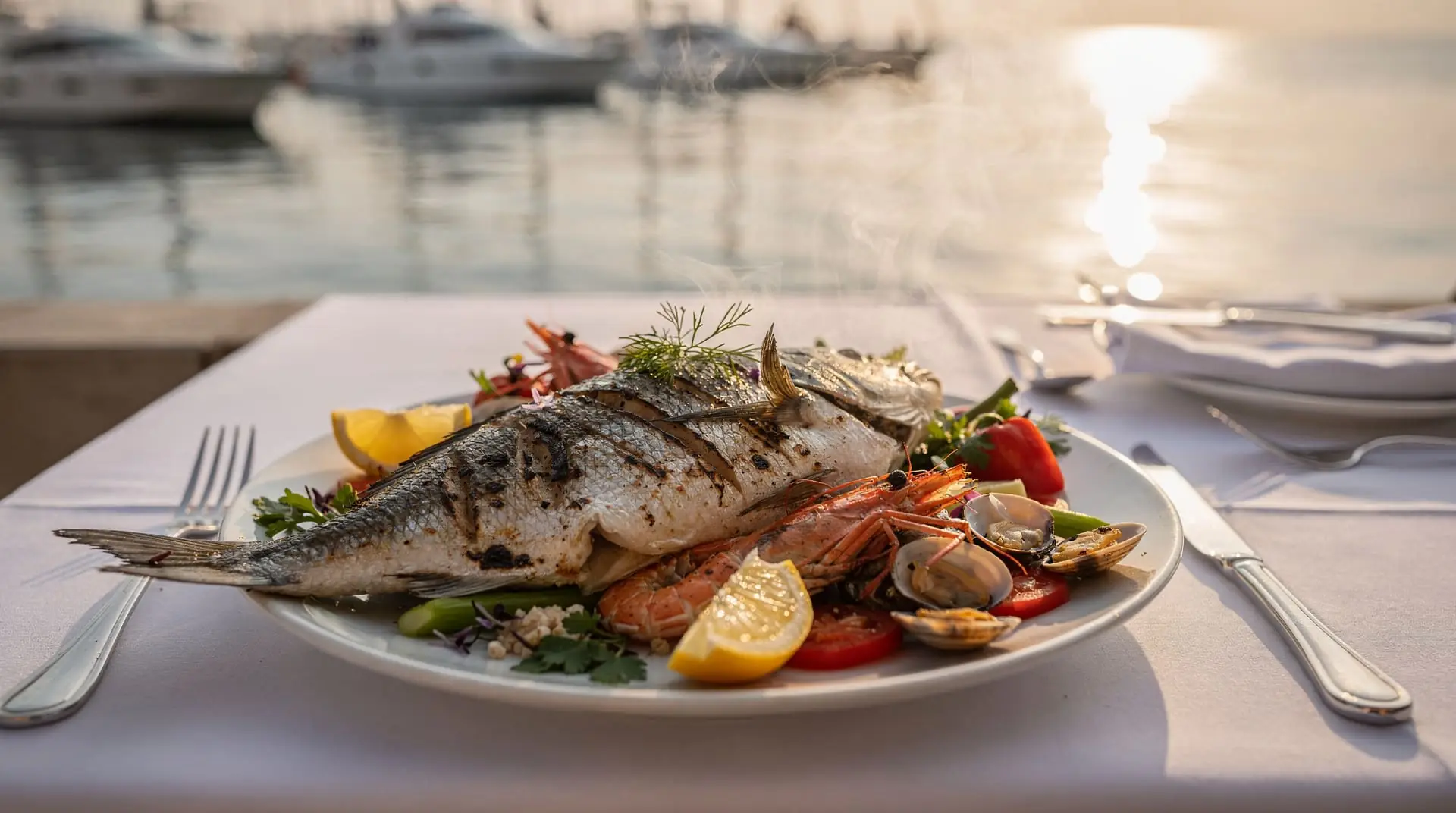
The most reliable mid-range seafood restaurant in Lisbon, combining a fishmonger’s display at the entrance (you choose your fish and it is cooked to order) with a more creative kitchen than a traditional marisqueira. The octopus carpaccio, the black rice with cuttlefish, and the whole grilled sea bream are all consistently good. Reservations recommended for dinner.
Sea Me works better than Ramiro for visitors who want flexibility — you can order à la carte at variable portions, add vegetable dishes, and spend €30 or €80 depending on what you choose.
Cervejaria Pinóquio
Address: Praça dos Restauradores 79, Restauradores Hours: Daily 12:00–00:00 Price: €35–60 per person
An anomaly in the tourist-heavy Restauradores square — Pinóquio is a genuine marisqueira that has maintained standards since 1965. The location brings in tourists alongside the loyal local clientele, and the kitchen is consistent enough that it does not matter. The percebes and gambas are well-sourced; the house white wine is good. More accessible location than Ramiro with shorter queues.
Cervejaria do Bairro (Cervejaria da Ribeira)
Address: Rua da Ribeira Nova 21, Cais do Sodré Hours: Daily 12:00–23:00 Price: €30–50 per person
A smaller, less formal marisqueira near the waterfront. Excellent for grilled fish of the day (peixe do dia), which changes depending on the morning catch. The arroz de lingueirão (razor clam rice) is a standout. Less of a tourist magnet than the other addresses; regulars are primarily local.
Comparing the four marisqueiras:
| Restaurant | Price | Wait | Best for |
|---|---|---|---|
| Cervejaria Ramiro | €40–70 | Long, no reservations under 6 | The full institutional experience |
| Sea Me | €30–55 | Short, reservations taken | Flexibility and à la carte |
| Cervejaria Pinóquio | €35–60 | Moderate | Accessible location, shorter queues |
| Cervejaria do Bairro | €30–50 | Short | Local atmosphere, daily catch |
Bacalhau: the salt cod story
The Portuguese relationship with salt cod is extraordinary: a fish that does not swim in Portuguese waters, caught historically by fleets off Newfoundland and Iceland, preserved in salt for weeks of transit, and then transformed through 48 hours of rehydration into the raw material for Portugal’s most beloved dishes.
The key bacalhau dishes and where to find them:
Bacalhau à brás (shredded cod with scrambled egg, potato crisps, and olives): Available at virtually every traditional restaurant. The benchmark version is at Solar dos Presuntos (Rua das Portas de Santo Antão 150).
Bacalhau com natas (baked in a cream and potato gratin): A rich, unctuous preparation typical of Lisbon. Tavares (Rua da Misericórdia 37) does an excellent version.
Bacalhau à lagareiro (baked with olive oil and roasted potatoes, drizzled with more olive oil): The best preparation for appreciating the cod’s texture. Available at most marisqueiras.
Bacalhau à Gomes de Sá (Oporto style — with potato slices, hard-boiled egg, and olives): Less common in Lisbon than Porto but available at traditional restaurants.
Fresh fish restaurants beyond the marisqueiras
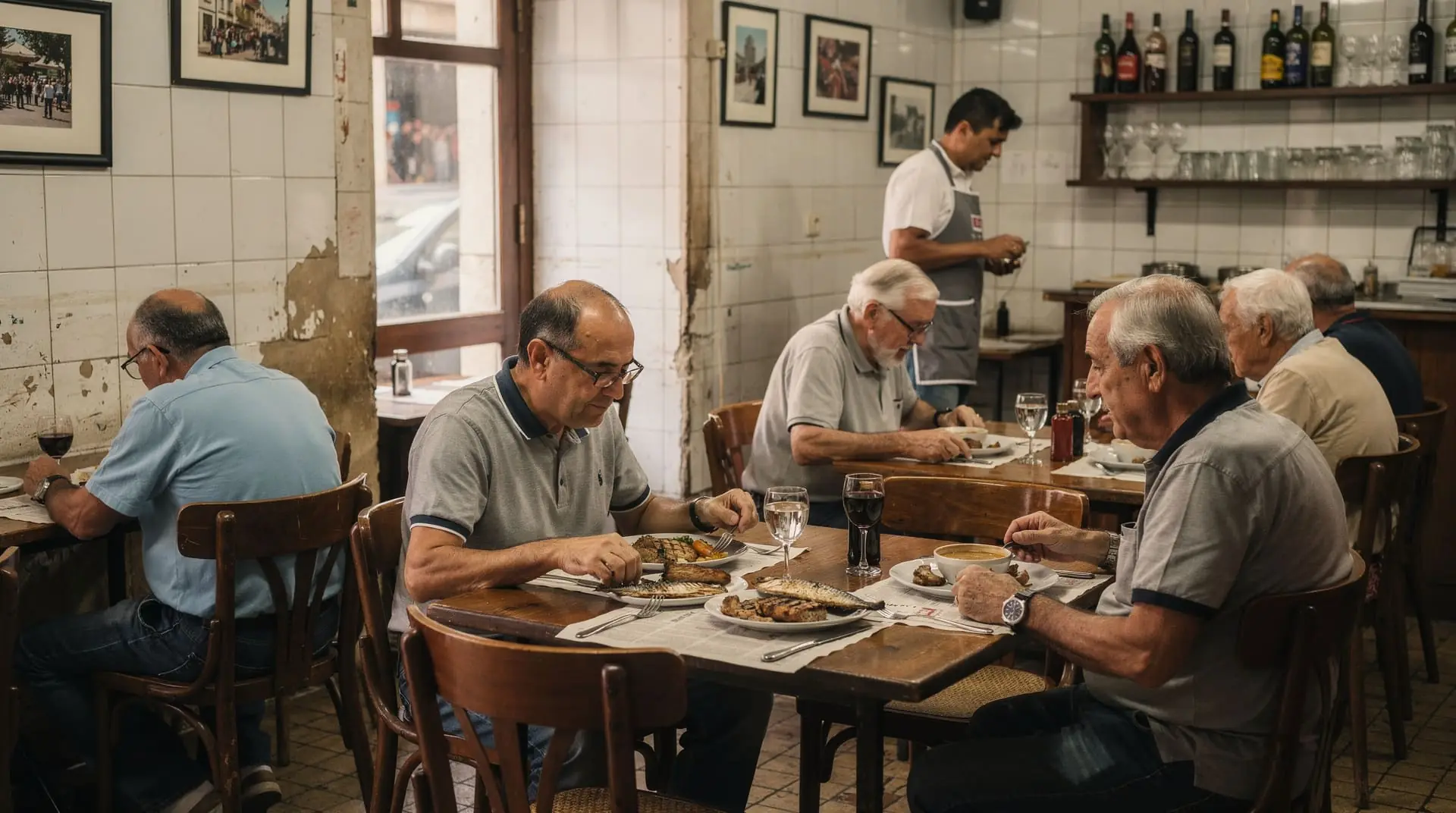
Not every good seafood meal in Lisbon comes from a dedicated marisqueira. Several neighbourhood restaurants serve daily fresh fish at substantially lower prices:
O Velho Eurico (Largo de Santa Helena 4, Alfama): Chalkboard menu, whatever arrived that day. Grilled dourada (sea bream) or robalo (sea bass) priced by piece (approximately €8–12 per fish). No frills; consistently fresh.
Zé da Mouraria (Rua João do Outeiro 24, Mouraria): Lunch only; daily fish at tasca prices (€10–14 per portion). Grilled octopus when available is excellent.
Café do Mercado de Campo de Ourique (inside the municipal market): Grilled fish from the morning’s market delivery. Among the cheapest fresh fish in central Lisbon at €8–12 for a full plate.
Outside Lisbon: better seafood, better prices
If you are willing to travel 30–45 minutes, the seafood gets better and cheaper.
Setúbal: The fishing city 50 km south has a waterfront lined with restaurants serving the morning’s catch at prices significantly below Lisbon. A grilled choco (cuttlefish) with migas in Setúbal costs €12–15. Same dish in Chiado: €20–25. The Setúbal and Arrábida day trip covers this in detail.
Cascais waterfront: The fish market at Cascais (Mercado do Peixe de Cascais) operates mornings; several restaurants near the fishing harbour serve fresh local catch. The Cascais day trip guide has recommendations.
Sesimbra: Tiny fishing village 40 km south of Lisbon. Arguably the freshest seafood option near Lisbon — the fleet goes out daily and the restaurants buy from it. The Sesimbra day trip guide covers the best spots.
The trade-off with all three is time and logistics: expect at least an hour each way by train or car, and a full day if you want to combine the meal with beach or town time. For a Lisbon-based itinerary with limited days, staying in the city and choosing carefully from Ramiro, Sea Me, or the neighbourhood tascas above will get you most of the quality without the travel.
Seafood vocabulary: ordering at the counter
| Portuguese | English | Notes |
|---|---|---|
| Percebes | Barnacles | Most expensive; typically €50–60/kg |
| Gambas | Prawns | Grilled or steamed; al ajillo (with garlic) is best |
| Camarão | Shrimp | Smaller than gambas |
| Lagosta | Lobster | Market price; always confirm |
| Sapateira | Spider crab | Served cold, dressed |
| Centolla | Large spider crab | Larger variety |
| Amêijoas | Clams | Usually prepared à bulhão pato |
| Lingueirão | Razor clams | Often in rice |
| Mexilhão | Mussels | In white wine or grilled |
| Polvo | Octopus | Grilled, fried, or in salad |
| Choco | Cuttlefish | Grilled, fried, or in ink rice |
| Lulas | Squid | Fried (fritas) or grilled |
| Dourada | Sea bream | Whole grilled fish |
| Robalo | Sea bass | Whole grilled fish |
| Bacalhau | Salt cod | Dried and salted; always rehydrated |
| Peixe espada | Black scabbardfish | Madeira specialty; also in Lisbon |
The cataplana: Lisbon’s seafood stew
The cataplana is named for the copper hinged pan it is cooked in — a Portuguese pressure cooker that seals steam inside while the ingredients braise. A seafood cataplana contains: clams, prawns, and sometimes chunks of monkfish, cooked with tomato, onion, garlic, white wine, coriander, and piri-piri. It arrives at the table in the copper pan, opened tableside.
This is a winter and autumn dish — the ingredients (particularly clams) are at their best when the water is cooler. A cataplana for two costs €30–50 at a proper restaurant; avoid the cheap versions under €15, which use inferior clams. Good cataplana in Lisbon: O Cozinhado de Lisboa (Rua do Alecrim 91, Chiado), and the restaurant at Solar dos Presuntos sometimes carries it.
The Algarve is the spiritual home of the cataplana — the copper pan originates there. If you are combining a Lisbon trip with any southern travel, a cataplana in the Algarve will be more authentic and cheaper than in the city.
Ordering etiquette and avoiding a surprise bill
Portuguese seafood restaurants operate on a few unwritten rules that catch first-time visitors off guard. The couvert — bread, olives, sometimes a small pâté or cheese — arrives automatically at the table and is charged whether you eat it or not, typically €2–5 per person. Declining it is entirely acceptable: just say “não, obrigado” when it’s set down and ask for it to be removed, or leave it untouched (most restaurants won’t charge if it’s returned unopened).
The bigger risk is the “market price” items — lobster, larger crabs, and some percebes are priced per kilogram and can vary significantly day to day. Always confirm the total price after weighing, before the kitchen starts cooking. A reputable marisqueira will show you the scale readout without being asked; if a restaurant seems reluctant to confirm price before cooking, that’s a signal to reconsider the order or the venue.
Tipping is not obligatory in Portugal, but rounding up or leaving 5–10% for good service at a sit-down seafood restaurant is standard and appreciated. It is not expected at a casual tasca or a market food stall.
One more habit worth adopting: at a proper marisqueira, the waiters are usually happy to recommend what’s genuinely best that day rather than pushing the most expensive item. Asking “o que está mais fresco hoje?” (what’s freshest today?) often gets a more honest and useful answer than working strictly from the printed menu, especially at Ramiro and Pinóquio, where the daily delivery genuinely varies.
This applies equally to the smaller tascas — the daily fish special (peixe do dia) chalked up at O Velho Eurico or Zé da Mouraria changes with the morning market, and staff will tell you honestly which fish arrived best that day if you ask rather than default to whatever’s listed first.
Octopus: the year-round constant
Polvo (octopus) is arguably the most versatile seafood ingredient in Portuguese cooking, appearing year-round in multiple preparations and at multiple price points. Understanding the main formats:
Polvo à lagareiro: Whole octopus tentacles baked or grilled with generous olive oil and roasted potatoes. A classic Sunday lunch dish. The octopus should be tender enough to cut with a fork; overcooked octopus is rubbery and common. €16–24 per portion at a proper restaurant.
Salada de polvo: Cold octopus salad with olive oil, parsley, and sometimes potato. A summer petisco. Good versions at: Solar dos Presuntos and Taberna da Rua das Flores.
Arroz de polvo: Octopus cooked long and slow until very tender, then used to flavour rice cooked in the resulting broth. Dense, dark, intensely savoury. €14–20 per portion.
Polvo frito (fried octopus rings): Less common than the above; more commonly found at beach kiosks on the Setúbal peninsula.
Wine pairings with Lisbon seafood
Seafood and wine matching in Portugal is simpler than in France — the regional conventions are clear:
Vinho verde (white): The default companion for clams, prawns, and fried fish. The high acidity cuts through any residual sweetness in the shellfish. Varieties from the Minho region; Alvarinho (Albariño) sub-variant for a more aromatic version. €3–6 per glass at a marisqueira.
Douro white: Full-bodied and complex; appropriate for grilled sea bass or sea bream. Quinta do Crasto and Quinta de Vallado make reliable bottles. €4–8 per glass.
Setúbal Moscatel (with shellfish aperitif): Unusually, the sweet Moscatel de Setúbal works as an aperitif alongside percebes — the brine of the barnacles and the sweetness of the wine create an unusual but effective combination. Not conventional; worth trying once.
Vinho verde tinto (red): Exists and is interesting — a light, slightly tannic red from the same region, chilled slightly. Works with grilled octopus. Less common but ask for it.
Sparkling Bairrada: The Bairrada region north of Lisbon produces a genuine sparkling wine by traditional method (same as champagne). Expensive (€20–35 per bottle) but a serious alternative to champagne with top-tier shellfish.
The marisqueira experience: what to expect
For visitors unfamiliar with the marisqueira format, a brief guide to the experience:
Entry: The seafood is displayed on ice near the entrance. Look, ask prices (the chalkboard above usually has current per-kg prices), and make your selection before sitting down.
The bread basket: Arrives automatically. This is a legitimate couvert — the bread is good and will be charged (€2–4 per person). You can decline it; most people don’t.
Ordering sequence: Start with amêijoas à bulhão pato (clams, non-negotiable). Then shellfish by weight (percebes if budget allows, gambas otherwise). End with grilled fish if still hungry. Close with a prego (the Ramiro tradition) or skip dessert.
The prego to close: At Ramiro specifically, finishing a shellfish meal with a small steak sandwich (prego no pão, €10–12) is the house tradition. The salt from the shellfish makes the beef sandwich taste exceptional. Do not skip it.
Bill: Will be itemised with each item at the price confirmed before cooking. Check against what was ordered. Discrepancies are rare at reputable marisqueiras but worth reviewing.
Practical notes
Pricing by weight: Confirm the weight and price with the waiter before it is cooked. This is standard practice. Any legitimate marisqueira will show you the fish on a scale and confirm before the kitchen proceeds.
Seasonal availability: Percebes peak in autumn and winter when Atlantic barnacles are at their largest. Sardines (grilled, not as sushi) are best June–September. Bacalhau is available year-round. Cataplana (seafood stew) is more common in winter.
Dress code: Marisqueiras are casual — no dress code. A neat appearance is appropriate; very casual beach wear is slightly out of place at Ramiro at dinner.
Allergy note: Shellfish is used pervasively in Lisbon restaurants; always ask specifically about cross-contamination if you have shellfish allergies.
For context on the full Lisbon food scene, the complete restaurant guide and the lisbon-foodie itinerary build on the seafood focus here. The sardines festival guide covers seasonal grilled sardines specifically.
Guided food tours and where seafood fits
If ordering by weight and navigating a chalkboard menu feels intimidating on a first visit, a guided Lisbon food tour is a low-stress way to be introduced to the marisqueira ritual with someone explaining it as you go. Several tours specifically route through Alfama and Mouraria tascas rather than the big-name marisqueiras, which is a good complement if you plan to do Ramiro or Sea Me independently afterwards. See what to do in Alfama for the neighbourhood context, and the Time Out Market guide if you want a lower-commitment way to sample multiple seafood stalls in one visit. For budget-conscious visitors, cheap eats in Lisbon covers the tasca end of the seafood spectrum in more depth.
Related guides
Where to eat in Lisbon: the honest restaurant guide
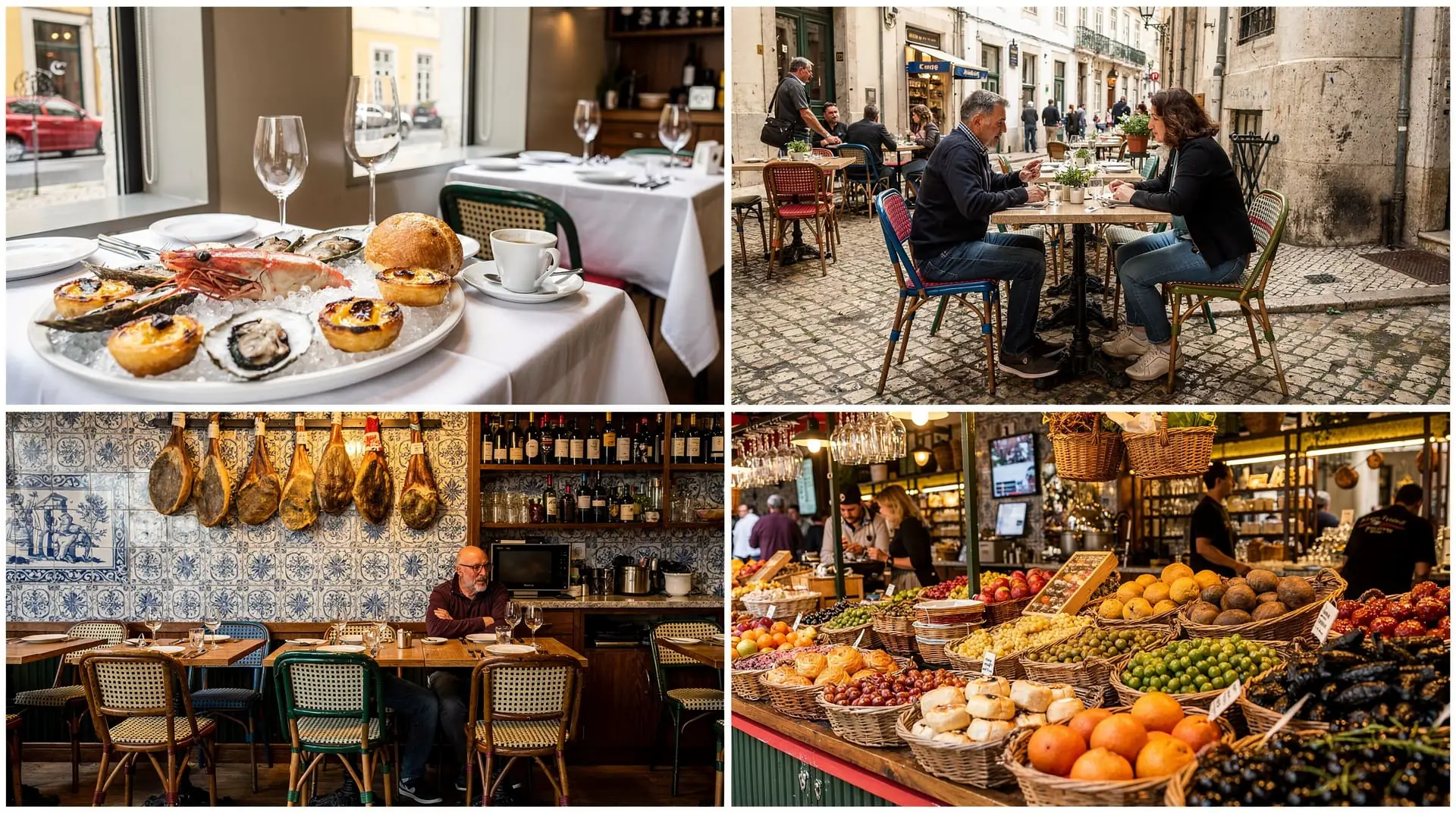
Tascas, marisqueiras, and Michelin stars — the best restaurants in Lisbon by neighbourhood, with honest tips on prices and what to avoid.
Pastéis de nata: where to eat the best in Lisbon
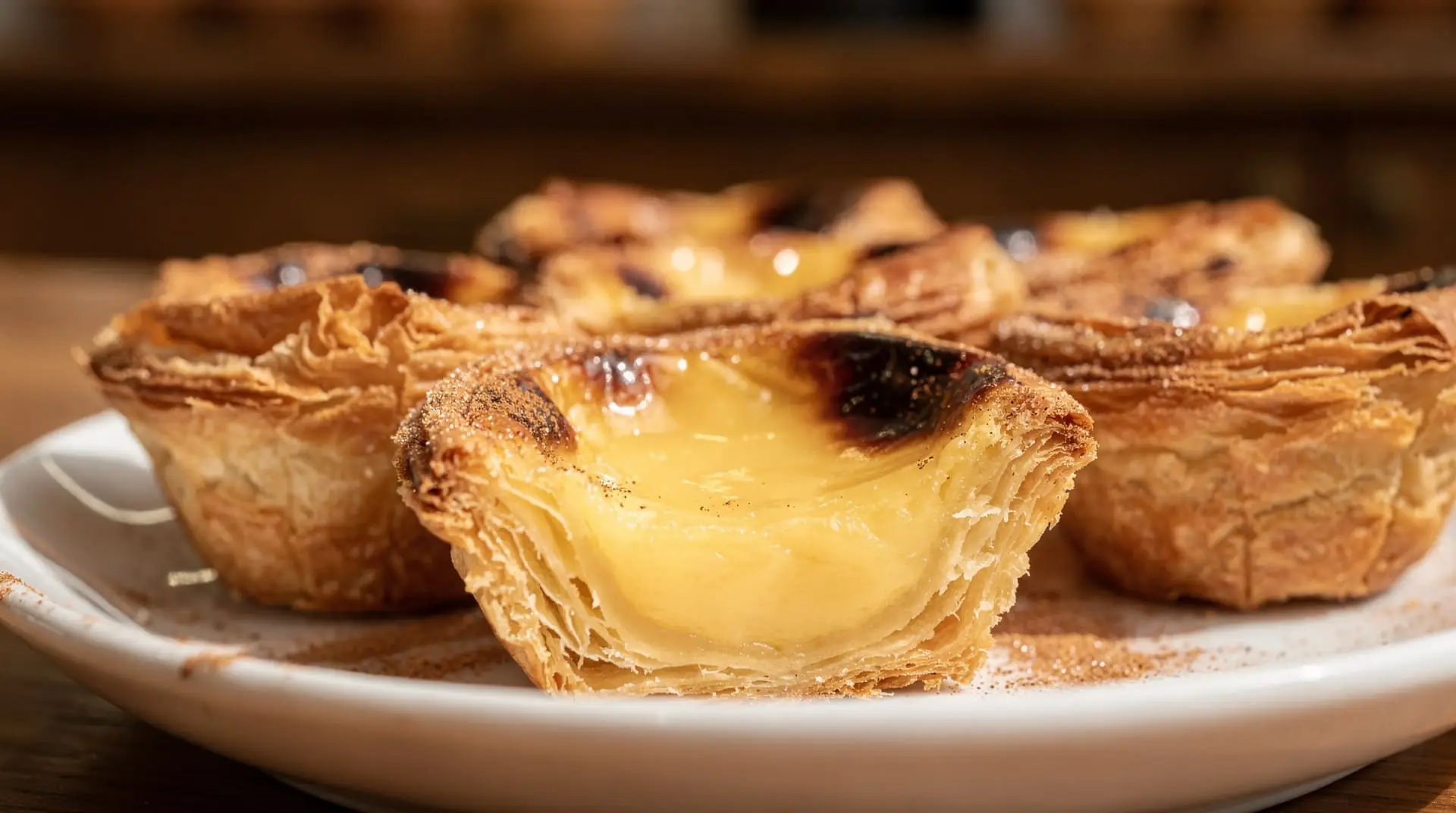
The honest guide to Lisbon's iconic custard tarts — Pastéis de Belém vs Manteigaria, Aloma, Castro and Fábrica da Nata, with queue strategies.
Bifana, petiscos, and Portugal's essential small plates
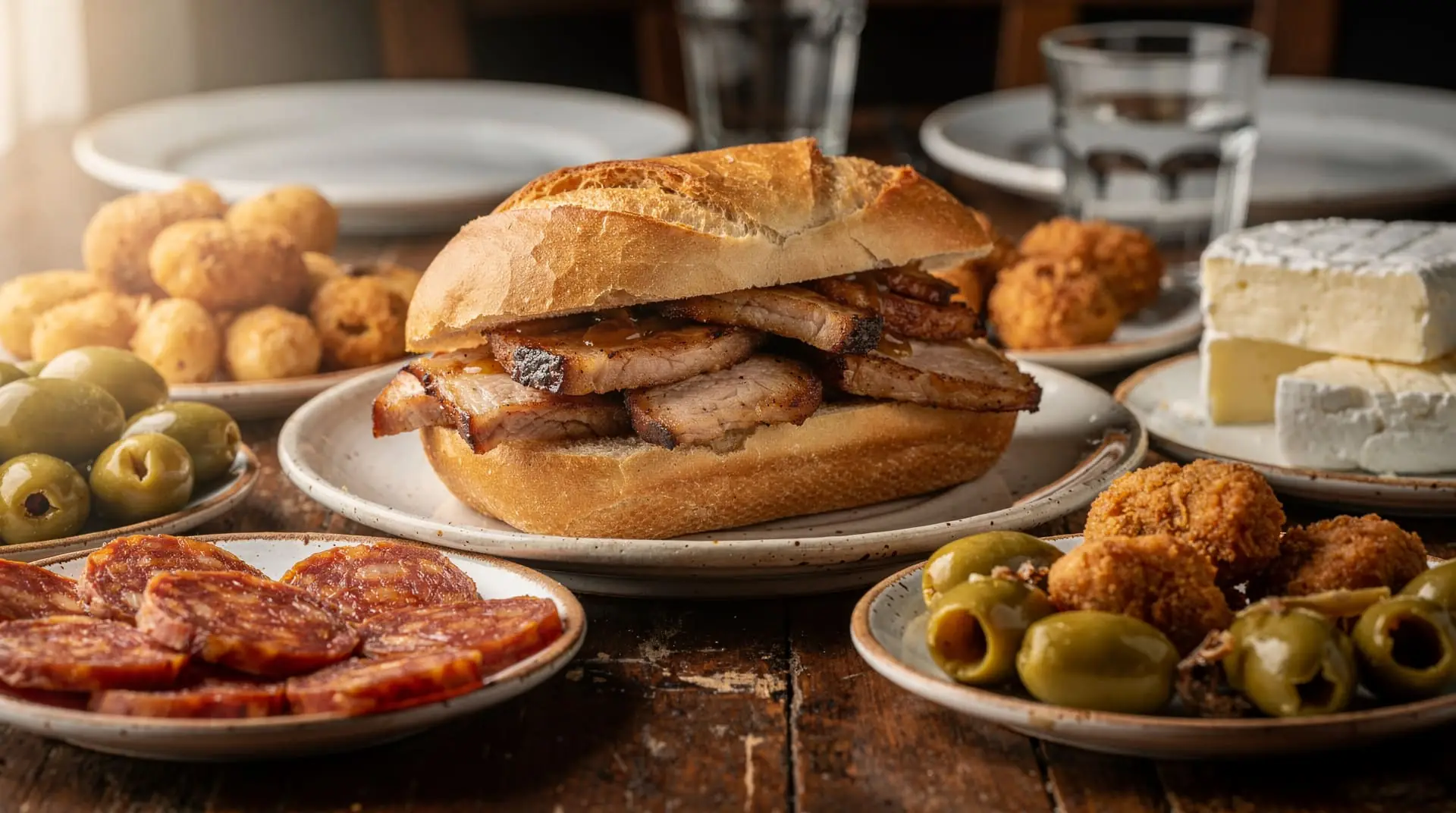
The best bifanas, peixinhos da horta, pataniscas, and petiscos in Lisbon — where to find them, what they cost, and why they matter.
Cheap eats in Lisbon: tascas and lunch under 15 euros
Best cheap eats in Lisbon — tascas under €15 for lunch: Zé dos Cornos, Tasca do Chico, O Trevo bifanas, and Casa Independente. Real prices for 2026.
Ready to book? Top tours for this guide
We earn a small commission if you book through GetYourGuide — at no extra cost to you. Every tour is hand-picked and verified.

Lisbon: 48-Hour Hop-On-Hop-Off Bus Tour and Oceanarium Entry
Lisbon: MAAT Entry Ticket & Dolphin Watching Boat Tour
Lisbon: Alfama, Mouraria Walking Tour with Fado Night, Tapas
Lisbon: Hop-On Hop-Off Bus Tour
Lisbon: 1-or 2-Day Hop-On Hop-Off Bus Tour