
Lisbon in 3 days: the complete first-time itinerary
Last reviewed
Three days is the sweet spot for Lisbon. Long enough to stop rushing, short enough that most people can swing it. This itinerary covers everything a first-time visitor genuinely needs — Alfama and the castle, Belém’s Manueline masterpieces, a Tagus cruise at sunset, a full day in Sintra — without padding the schedule with overrated filler.
A word on honest expectations: Sintra on Day 3 is a full day, not a quick excursion. The train takes 40 minutes each way, and the palaces each need 45–90 minutes. You will not visit four palaces. You will visit two properly and enjoy it.
| Where | Alfama (Day 1), Belém (Day 2), Sintra (Day 3) |
| Cost | around €200–260/person, incl. 72h Lisboa Card and Sintra tickets |
| Time needed | 3 full days |
| Getting there | tram, Cais do Sodré train, Rossio–Sintra train |
| Best time | year-round; book Sintra and Jerónimos weeks ahead in summer |
Day-by-day summary
| Day | Focus | Evening |
|---|---|---|
| Day 1 | Baixa, São Jorge Castle, Alfama, Mouraria, Graça | fado dinner in Alfama |
| Day 2 | Belém (Jerónimos, Coach Museum, tower), Tagus cruise, LX Factory | Chiado, Bairro Alto sunset |
| Day 3 | Sintra: Pena Palace, Quinta da Regaleira | low-key dinner back in Lisbon |
Before you go
Book these before you leave home:
- Jerónimos Monastery tickets (capacity-limited — book 48 hours ahead minimum, weeks ahead in July–August)
- Sintra palace tickets — Pena Palace and Quinta da Regaleira are the most popular; both sell out daily in high season
- Fado dinner reservation (quality venues book up 1–2 weeks ahead in summer)
Lisboa Card 72 hours (€43 in 2026): covers three days of unlimited trams, metro, suburban trains to Sintra and Cascais, free entry to Sintra’s National Palace, São Jorge Castle, Jerónimos and Belém Tower (though not Pena Palace). See the Lisboa Card breakdown to calculate whether it’s worth it for your specific plans.
Where to stay: Chiado or Bairro Alto give you the best access to trams, the waterfront and restaurants. Alfama is atmospheric but requires more walking on steep streets. See where to stay in Lisbon.
Day 1: Alfama, the castle and a fado evening
Morning — Baixa and Alfama (9:00–13:00)
Begin at Praça do Comércio, the vast 18th-century square opening onto the Tagus. The morning light across the water is worth the early start. Walk through the Rua Augusta Arch (€5 to go up the tower) and north through the pedestrianised Baixa grid. Stop at the Rua Augusta for a bica and a pastel de nata at Café Nicola or Confeitaria Nacional (both on Rossio, around €3 for coffee and pastry).
From Rossio, make your way to São Jorge Castle — either on foot up Rua da Madalena and the Alfama steps (20 minutes, passes the Sé Cathedral en route), or by tram 28 to the castle stop. Arrive by 9:30 to beat tour groups. Entry €15, free with Lisboa Card. The Moorish ramparts, the Ulysses Tower (panoramic view of the entire city) and the remains of the medieval village inside the walls take 60–75 minutes.
Descend into Alfama from the castle’s east gate. This is the oldest and most labyrinthine part of Lisbon — narrow alleys, azulejo-tiled house fronts, cats on doorsteps. Walk toward Largo das Portas do Sol (good viewpoint, café) and then down to the Museu do Fado — the city’s excellent museum charting fado’s history and its UNESCO recognition (€10, closed Mondays).
Alfama 2.5-hour walking tour with a local guideAfternoon — Mouraria, Graça and a miradouro (13:00–18:00)
Lunch in Alfama or Mouraria. Zé da Mouraria and A Tasquinha are reliable and unpretentious (mains €10–14, set lunch €9–11). The couvert (bread, olives) is charged unless you refuse it — say “não, obrigado” to avoid the €1.50–2 per-person extra.
After lunch, walk up to Mouraria — traditionally the quarter of Lisbon’s Moorish community after the Christian reconquest, now ethnically diverse and home to some of the city’s best inexpensive restaurants. The Intendente neighbourhood nearby has excellent bakeries and coffee spots.
At 16:30, head to Miradouro da Graça for the best castle-and-rooftops view in Lisbon. The alternative, Senhora do Monte, is quieter and slightly higher but less accessible. Both are free.
Evening — fado dinner in Alfama (20:00 onwards)
Tonight is fado night. Alfama is the home of fado, but choose carefully — the tourist-show restaurants near Rossio are expensive and formulaic. In Alfama, Mesa de Frades (a converted chapel, pre-booking essential, around €50 per person with dinner) and Tasca do Chico (more intimate, around €10 minimum consumption, book far ahead) are genuinely good. Sr. Vinho in Lapa is consistently praised by fado aficionados.
Read best fado houses and fake fado warning before booking. The difference between an authentic casas de fado and a tourist show matters enormously.
Day 2: Belém, a river cruise and Chiado
Morning — Belém (8:30–13:00)
Train from Cais do Sodré to Belém: 10 minutes, runs every 15 minutes, €1.55 (free with Lisboa Card). Arrive by 9 am.
Jerónimos Monastery first. The late 16th-century cloisters are a UNESCO masterpiece — twisted stone pillars covered in maritime symbols, monks’ cells around the upper gallery, and a sense of proportion that photographs underestimate. Entry €15, pre-booked ticket, free with Lisboa Card. Give it 60 minutes.
The monastery is directly across the road from the Coach Museum (Museu Nacional dos Coches) — the world’s best collection of royal coaches, some dripping with gold leaf and painted mythological scenes. Genuinely surprising if you expected a snooze. Entry €10, free with Lisboa Card. 45 minutes suffices.
Walk west to Belém Tower along the riverside promenade (500m). Entry €8, free with Lisboa Card. The interior is worth 20–30 minutes; the exterior view of the 25 de Abril Bridge in the distance is the classic Lisbon photo.
Pastéis de nata at Pastéis de Belém: queue moves in 5–15 minutes. Eat in the blue-tiled café, not standing outside. Two pastéis and a coffee costs around €5.
Belém walking tour with Jerónimos Monastery ticketAfternoon — Tagus cruise and LX Factory (13:30–18:30)
After Belém, take tram 15E or train back to the centre. For an afternoon Tagus cruise, book a 1–2 hour cruise departing from Cais do Sodré or Terreiro do Paço. The sunset cruise (departing 17:00–18:00) is more atmospheric; the daytime cruise gives better visibility of Belém Tower and the 25 de Abril Bridge from the water.
Tagus River sunset cruise in a traditional vesselIf you prefer something on land, LX Factory on Rua Rodrigues de Faria (between Belém and Cais do Sodré, 15 minutes by tram 15E from Belém) is worth 1–1.5 hours any day — and exceptional on Sundays when the market runs (10:00–18:00). Good coffee, bookshop (Ler Devagar is one of Portugal’s best), vintage clothes, and decent food.
Evening — Chiado and Bairro Alto (18:30 onwards)
Chiado for shopping or the Museu do Chiado (contemporary Portuguese art, €6) or the ruins of Convento do Carmo (€5.50) — both close at 18:00 or 19:00, so time carefully.
Dinner in Bairro Alto: dozens of options from €10 tascas to €30+ restaurants. Taberna da Rua das Flores (book ahead, mains €18–24) is consistent. Páteo in Bairro Alto is reliable and mid-range. The miradouro of São Pedro de Alcântara (free) is a 5-minute walk uphill and gives you a sunset panorama.
For wine after dinner, By the Wine on Rua das Flores (wine by the glass from €5, excellent selection) or Park Bar (rooftop, views, open until late, drinks €8–12). See Lisbon wine bars for more.
Day 3: Sintra
Getting there (depart 8:30)
Train from Rossio station to Sintra: 40 minutes, runs every 20–30 minutes, around €2.25 each way (not covered by Lisboa Card, but covered by the Viva Viagem card with a zapping balance). Buy a round-trip ticket at Rossio. Trains fill up fast on weekends; arrive at Rossio by 8:15 to board without stress.
Tickets for Sintra must be booked online in advance. Pena Palace and Park: €22 (park only) or €18 (palace + park). Quinta da Regaleira: €15. Both sell out daily in summer. No tickets available on the day = wasted journey. See Sintra crowds and parking for honest detail.
Morning — Pena Palace and the park (9:30–13:00)
From Sintra train station, take bus 434 (runs every 20 minutes, €5 return) up to Pena Palace. The bus goes via the National Palace, the Moorish Castle and Pena. Get off at Pena. The palace exterior — a explosion of turrets, colours and Romanticism — is more interesting than the interior, which is Victorian-royal clutter. Give 90 minutes to the palace and the surrounding park.
Pena Park and Palace skip-the-line ticketAfternoon — Quinta da Regaleira and the village (13:00–17:30)
Walk or take bus 434 back down toward Sintra village. Lunch in the village: Incomum or Café de Paris (midrange, mains €14–18). Alternatively, the cafés inside the train station or along Volta do Duche are cheaper and quicker.
Quinta da Regaleira is the one Sintra sight that genuinely surprises people who expected another palace. The initiation well — a spiral staircase descending into the earth, connected by tunnels — is genuinely remarkable. The neo-Gothic palace is interesting. Allow 90 minutes.
Return on bus 434 or 435 to Sintra station; trains back to Rossio run until around 23:00. The 17:30–18:00 train avoids the worst peak crush.
Evening — low-key dinner back in Lisbon
After Sintra, you will be tired. Skip elaborate plans. Pick a straightforward restaurant near your accommodation. Chiado’s Tasca do Chico or the food stalls at the Mercado da Ribeira (Time Out Market) are both open late and require no booking. See where to eat in Lisbon for current-year recommendations.
Practical notes for 3 days
Days best in order: Day 1 (Alfama — use energy for hills), Day 2 (Belém + river — gentler), Day 3 (Sintra — longest day, start early).
Packing: comfortable walking shoes are non-negotiable. Lisbon’s cobblestones destroy cheap soles in two days. See Lisbon packing list.
Budget: roughly €200–260 total for three days (mid-range), including Lisboa Card, monument entries, all meals, the sunset cruise and Sintra tickets. Budget Lisbon travel budget guide has a full line-by-line breakdown.
Extending to 4 days: add Cascais by train (40 minutes from Cais do Sodré), the Tile Museum, or Setúbal/Arrábida. See Lisbon 4-day itinerary.
If Sintra’s crowds worry you
Sintra in July and August genuinely gets crowded — bus 434 queues, packed palace rooms, and a village centre that feels like a theme park by noon. It’s still worth it if you book ahead and start early, as this itinerary does, but if you’d rather trade Sintra for a quieter day, Cascais and the wild Cabo da Roca coastline make a completely different, far less crowded Day 3, reachable by train from Cais do Sodré. See Sintra vs Cascais as a day trip for the honest comparison, or pena palace without the crowds for timing tricks if you’re set on Sintra.
Sintra, Cascais and Cabo da Roca full-day tourDoing this itinerary without a private guide
Everything above is written for independent travel by train, tram and foot, which keeps costs down and lets you set your own pace. If you’d rather not manage Sintra’s bus queues and ticket logistics yourself, a small-group or private tour covers Pena Palace, Regaleira and Cabo da Roca in one organised day — worth considering if this is your only full day for Sintra and you don’t want the risk of a sold-out ticket.
Where this itinerary is flexible
The order above (Alfama, then Belém, then Sintra) is the one that best matches energy levels and opening hours, but it isn’t the only way to run three days. Families with young children often prefer to do Sintra first, while everyone is fresh, and save the flatter, more forgiving Belém day for last — see Lisbon with kids for that variant. Whichever order you pick, keep Alfama and Sintra on separate days; both involve significant walking on uneven ground, and stacking them back to back is the single most common reason people report feeling exhausted rather than charmed.
Frequently asked questions
Is 3 days enough for Lisbon?
Three days covers the essential Lisbon experience: Alfama and the castle, Belém, a river cruise, Sintra and time for real meals. You won’t see everything, but you’ll leave understanding the city. For museums, multiple day trips and a slower pace, plan 5 days.
Should I do Sintra on Day 1, 2 or 3?
Day 3. Your first days in Lisbon are better spent understanding the city itself before heading out. Sintra also makes more sense contextually after you’ve seen the Age of Discovery monuments in Belém.
Can I do Sintra without a tour?
Yes — the train from Rossio is simple and cheap. Bus 434 from Sintra station reaches the main palaces. You need to pre-book palace tickets. See Sintra without a car for step-by-step logistics.
Which is better: Pena Palace or Quinta da Regaleira?
Different experiences. Pena Palace is spectacular from outside — a fairytale hilltop fortress with extraordinary valley views. Quinta da Regaleira is more intimate and stranger — the initiation well and underground tunnels are genuinely mysterious. With one afternoon, do Regaleira after a morning at Pena. See the Sintra in one day guide.
Is a 3-day Lisboa Card worth it if I’m doing Sintra?
Partially. The 72-hour card covers the Sintra train, São Jorge Castle, Jerónimos, Belém Tower and the National Palace in Sintra, but not Pena Palace or Quinta da Regaleira, which are run separately. It still tends to pay off given the transport and Lisbon-side monuments alone — see the Lisboa Card breakdown for the full calculation.
What’s the biggest mistake people make on a 3-day Lisbon trip?
Underestimating Sintra. It looks like a single stop on a map, but Pena Palace and Quinta da Regaleira alone take a full day once you include the train, the bus up the hill, and queues. Treating it as a quick add-on to a Lisbon day is the single most common regret reported by first-time visitors.
Related guides
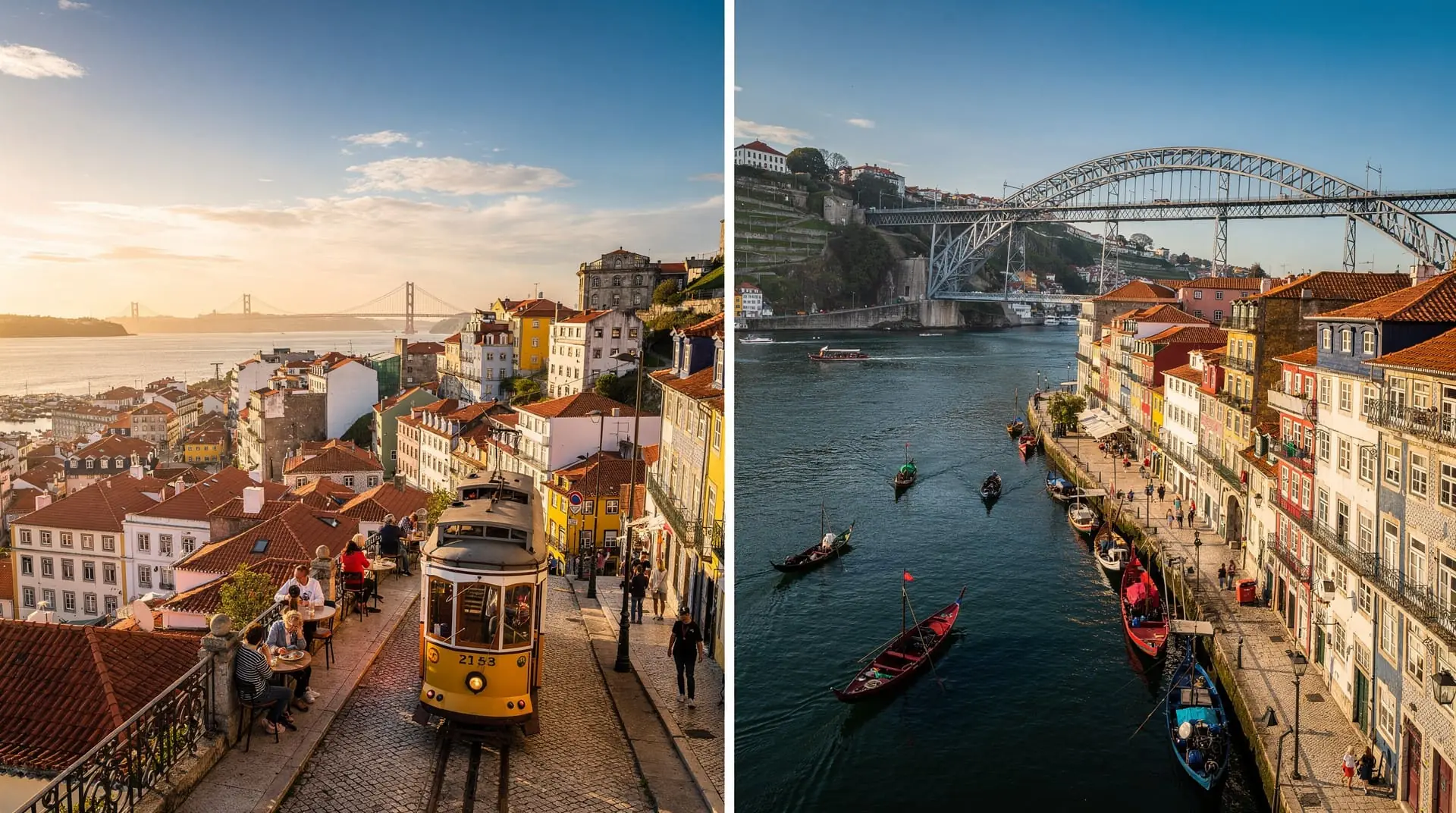
Lisbon vs Porto: which Portuguese city should you visit?
Honest head-to-head: vibe, weather, food, wine, day-trips and budget. Which city wins for your trip — and when to visit both.
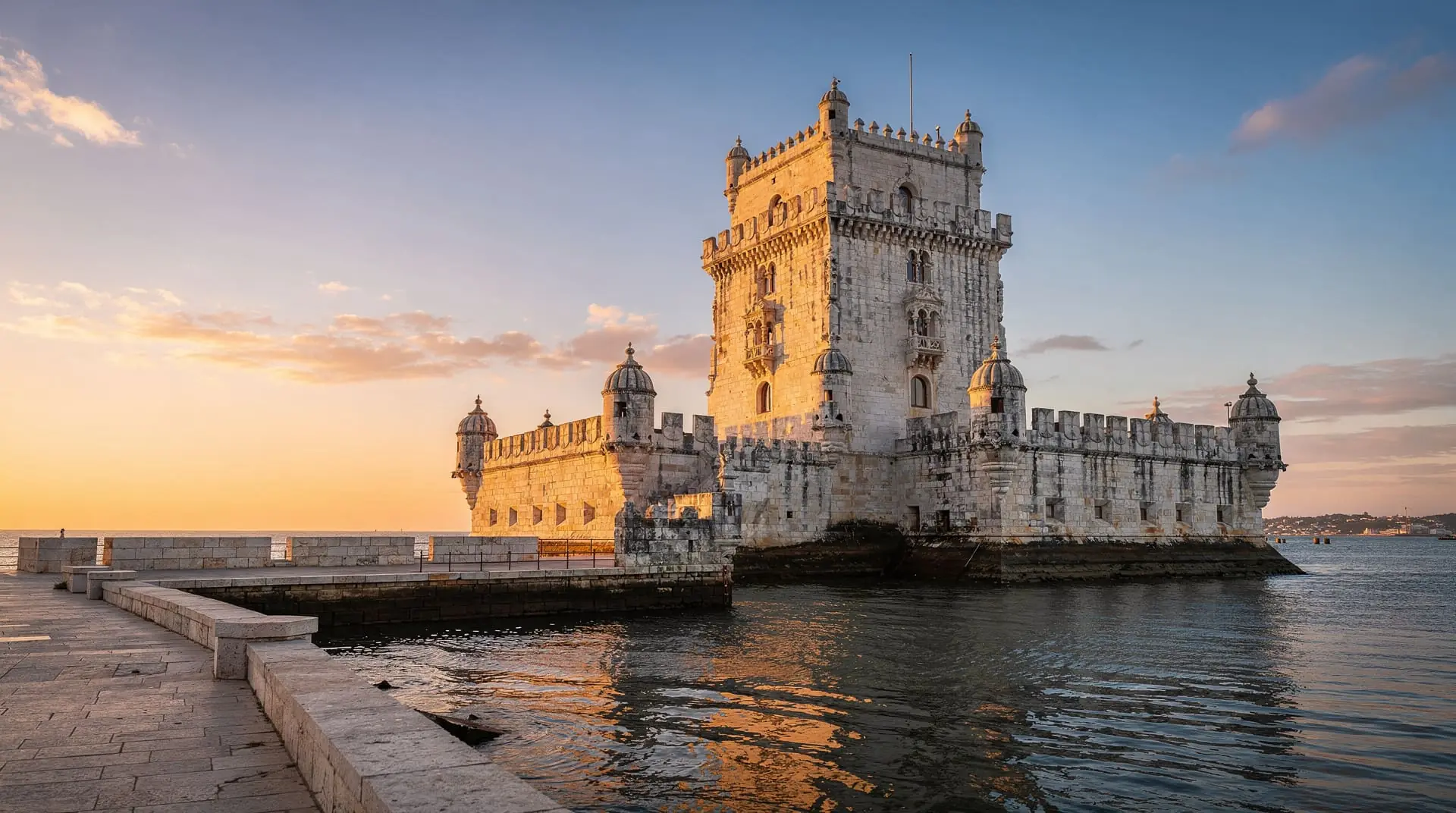
Belém Tower: tickets, queues and what to expect inside
How to visit Belém Tower without wasting an hour in the queue. Fast-track tickets, best time to go, and what the Manueline tower actually shows you.
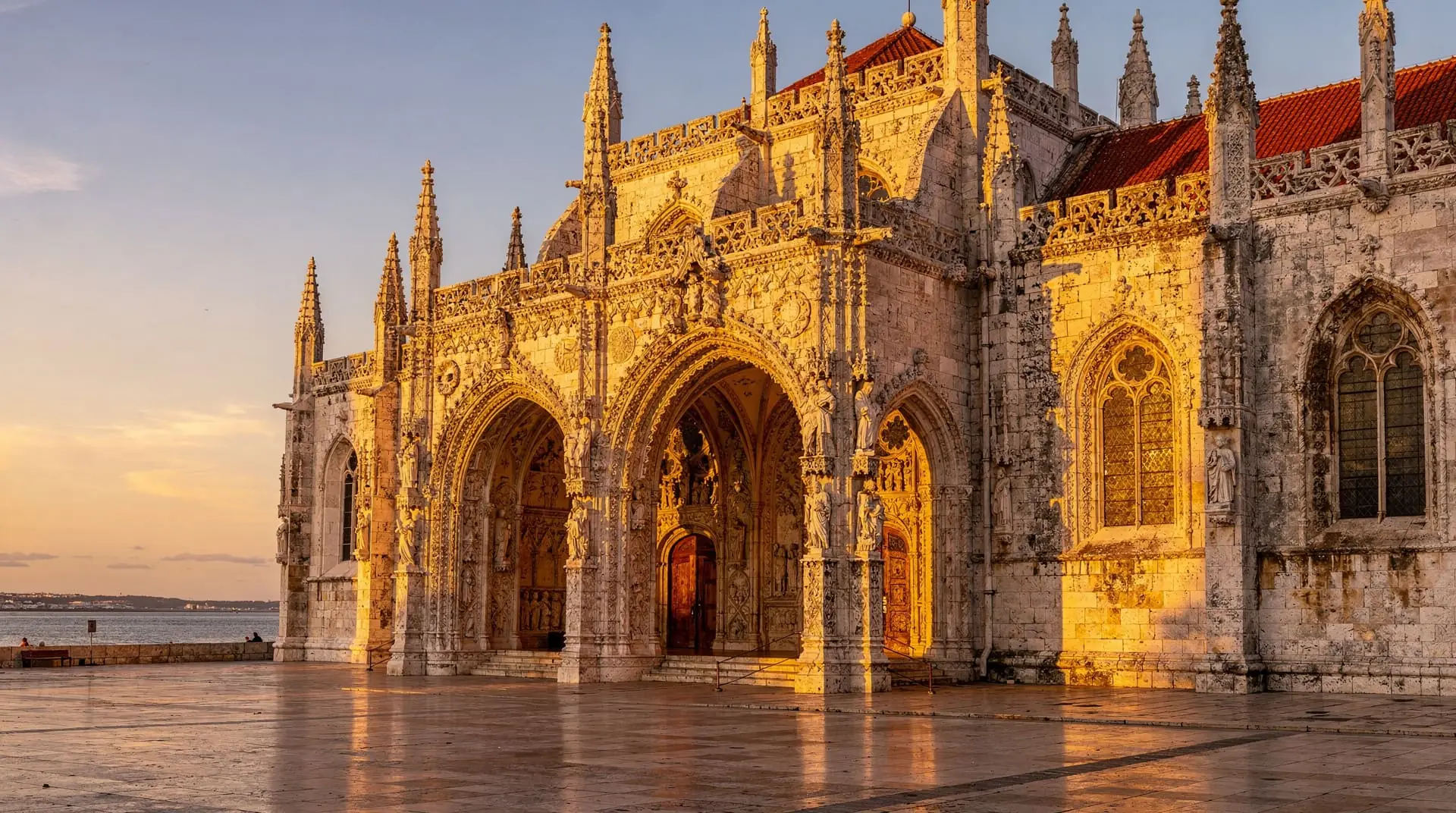
Jerónimos Monastery: the complete visit guide
Everything you need to visit Jerónimos Monastery in Belém — tickets, timed entry, the cloister, Vasco da Gama's tomb, and how long it really takes.

Pena Palace: tickets, queues and how to make the most of your visit
How to visit Pena Palace in Sintra — timed entry tickets, bus 434, park-only vs palace+park options, and what to expect inside the Romantic hilltop castle.
Ready to book? Top tours for this guide
We earn a small commission if you book through GetYourGuide — at no extra cost to you. Every tour is hand-picked and verified.

Lisbon: 48-Hour Hop-On-Hop-Off Bus Tour and Oceanarium Entry
Lisbon: MAAT Entry Ticket & Dolphin Watching Boat Tour
Lisbon: Alfama, Mouraria Walking Tour with Fado Night, Tapas
Lisbon: Hop-On Hop-Off Bus Tour
Lisbon: 1-or 2-Day Hop-On Hop-Off Bus Tour