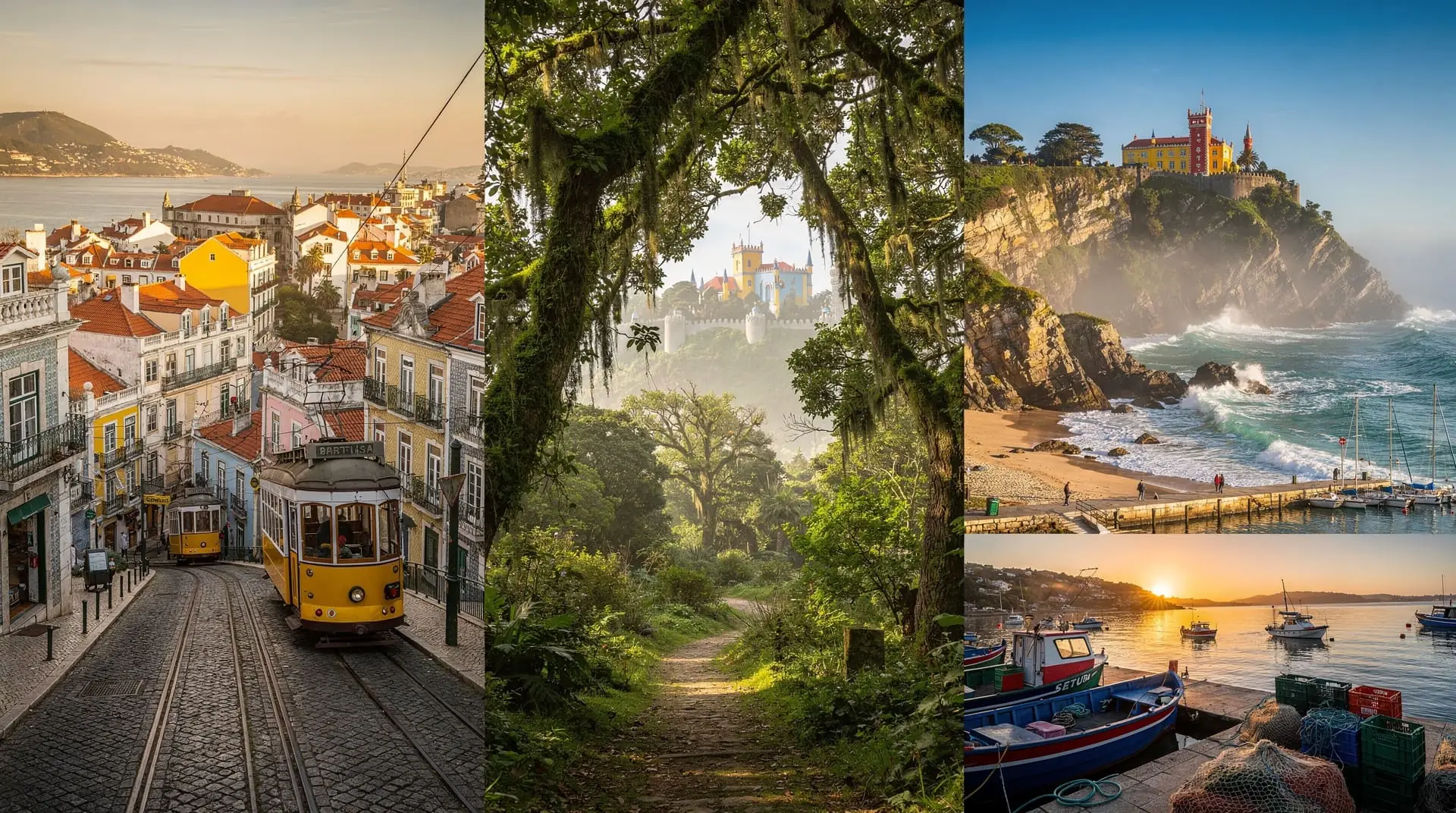
Lisbon in 5 days: city highlights, Sintra and Cascais
Last reviewed
Five days unlocks the full Lisbon experience: three days to understand the city properly, one day in Sintra’s fairytale hills, one day along the Cascais coast. Both day trips run entirely on public transport — no car, no taxi drama, no parking stress. The trains are frequent, cheap and genuinely enjoyable.
This is the itinerary most visitors wish they’d had more time for. If you have fewer days, see the 3-day or 4-day versions. If you have more, the 7-day plan adds Setúbal, Arrábida and Évora.
| Where | Alfama, Belém, Sintra, Cascais |
| Cost | around €450–570/person for five days, incl. cards, tickets and meals |
| Time needed | 5 full days |
| Getting there | tram, Cais do Sodré/Rossio trains, bus 434 in Sintra |
| Best time | year-round; book Sintra and fado weeks ahead in July–August |
Before you go: the logistics that matter
Book in advance:
- Jerónimos Monastery tickets (capacity daily — book 48+ hours ahead, weeks ahead in July–August)
- Pena Palace and Quinta da Regaleira Sintra tickets (both sell out; no on-the-day sales)
- Fado dinner at a real Alfama casas de fado (1–2 weeks ahead in summer)
Transport cards: the 48-hour Lisboa Card (€35) covers Days 1–2 in the city; a separate Viva Viagem card with Zapping credit covers trains to Sintra (€2.25 each way from Rossio), Cascais (€2.25 each way from Cais do Sodré), and city trams/metro on Days 3–5. Or buy a 120-hour Lisboa Card if the maths works — check the Lisboa Card calculator.
Saturday trains to Cascais and Sintra: these fill up early. Aim to be at the station 20 minutes before departure. Standing on a 40-minute commuter train is unpleasant but survivable.
Day 1: Alfama, the castle and evening fado
Morning — Praça do Comércio to São Jorge Castle (9:00–13:00)
Begin at Praça do Comércio, the 18th-century square at the Tagus waterfront. Walk the Rua Augusta Arch (tower entry €5, skip if time is tight), through the Baixa grid, and up to the Sé de Lisboa — the Romanesque cathedral built after the Christian reconquest, cloister entry €3.
From the Sé, walk 15 minutes uphill (steep) or take tram 28 one stop to São Jorge Castle. The Moorish battlements, the inner archaeological village and the Ulysses Tower view take 60–75 minutes. Entry €15, free with Lisboa Card.
São Jorge Castle skip-the-line entry ticketDescend east into Alfama — wander the medieval alleys, stop at Largo das Portas do Sol for the rooftop view, and visit the Museu do Fado (€10) if the evening fado dinner doesn’t serve as enough immersion.
Afternoon — Mouraria and viewpoints (13:00–18:00)
Lunch in Alfama or Mouraria (mains €10–14). Walk into Mouraria — the old Moorish quarter, now diverse and less touristy — and up to Miradouro da Graça at 16:30 for the best rooftops-and-castle view in Lisbon. Free.
Evening — fado dinner (from 20:00)
Book Mesa de Frades, Tasca do Chico or Clube de Fado in advance. Budget €40–60 per person including dinner. Authentic Alfama fado is one of the reasons to come to Lisbon at all. Read fado in Alfama and best fado houses before choosing.
Day 2: Belém, LX Factory and a Tagus cruise
Morning — Belém (8:30–13:00)
Train from Cais do Sodré to Belém: 10 minutes, every 15 minutes, €1.55 (free with Lisboa Card). Arrive early.
Jerónimos Monastery (pre-booked, €15 or free with Lisboa Card): 60 minutes for the UNESCO cloisters and the tomb of Vasco da Gama.
Belém Tower (€8, free with Lisboa Card): 25 minutes for the Manueline fortress and Tagus views.
Pastéis de Belém: queue then eat inside. Two pastéis and a coffee, around €5.
Belém Tower e-ticket with audio guideAfternoon — LX Factory and sunset cruise (13:00–19:00)
Tram 15E from Belém to LX Factory (15 minutes). Lunch in the converted factory complex (mains €12–18). On Sundays, the market (10:00–18:00) adds a great browse.
Return to the centre by 16:30 for a Tagus sunset cruise departing from Cais do Sodré or Terreiro do Paço. The 1–2 hour boats loop under the 25 de Abril Bridge and give you Belém Tower from the water. Book ahead in summer.
Lisbon sunset catamaran boat tour with music and drinksEvening — Chiado (19:30 onwards)
Dinner in Chiado or Bairro Alto. Wine at By the Wine (Rua das Flores, from €5/glass). See Lisbon wine bars.
Day 3: Tile Museum, Príncipe Real and local Lisbon
This day is deliberately paced — the cultural depth that first-timers miss, the residential neighbourhoods that make Lisbon loveable.
Morning — Tile Museum (9:30–12:30)
The Museu Nacional do Azulejo in eastern Lisbon is essential. The 23-metre pre-earthquake panorama of Lisbon, the Manueline chapel inside the museum, and the chronological survey of 500 years of Portuguese tile-making are all magnificent. Entry €8 (free with Lisboa Card). Take an Uber (15 min) or metro to Santa Apolónia, then a 10-minute walk. Allow 90 minutes.
See Tile Museum guide for what not to miss.
Midday — Chiado and Príncipe Real (12:30–16:30)
Walk or metro to Chiado. Lunch at Mercado da Ribeira (Time Out Market) — open 10:00–24:00, no booking, excellent range from €8 pastéis de nata stations to €18 steak plates. See Time Out Market guide.
After lunch, wander up to Príncipe Real — Lisbon’s quietest elegant neighbourhood. The Saturday market on Praça das Flores (9:00–15:00), antique shops, the Jardim das Amoreiras, and the best selection of mid-range wine shops in the city. Solar dos Presuntos in Príncipe Real is the best mid-range lunch option if you skip Time Out.
Afternoon — Bairro Alto and miradouros (16:30–19:00)
Up to Miradouro de São Pedro de Alcântara (free, best Tagus panorama in the centre) via the Glória funicular from Restauradores (€4 one-way, free with Lisboa Card). The viewpoint garden has benches and a good view of the 25 de Abril Bridge at dusk.
Walk down through Bairro Alto at the pre-dinner lull — cobblestone streets, independent bookshops, small galleries. Dinner here or back in Chiado. See Bairro Alto guide.
Day 4: Sintra
Getting there (depart 8:15)
Train from Rossio station to Sintra: 40 minutes, every 20–30 minutes, from about 6:30 am. Ticket: €2.25 each way (Viva Viagem Zapping). Buy at the automated machines in Rossio; avoid the queues at the ticket windows. Arrive platform-side by 8:15 in summer.
Critical: buy Sintra palace tickets online before this day. Pena Palace + Park: €22; Quinta da Regaleira: €15; Moorish Castle: €13. Both Pena and Regaleira sell out completely in summer. No tickets = no entry. The tourist office at Sintra station cannot sell tickets on sold-out days. See Sintra day trip and Sintra crowds and parking.
Morning — Pena Palace and the park (9:30–12:30)
Bus 434 from Sintra station up to Pena Palace (€5 return, runs every 20 min). Hop off at the Moorish Castle first (10 minutes walk from Pena) for the 10th-century Moorish battlements — a completely different experience from the Romantic palace. Then walk up to Pena.
Pena Palace is unmistakable — a Disneyesque explosion of turrets, archways and vivid colours set above the Serra de Sintra pine forest. The palace interior is Victorian-royal; the exterior and upper gardens are the real event. Allow 90 minutes.
Sintra: Moorish Castle, Pena Palace, Cabo da Roca and Cascais tourAfternoon — Quinta da Regaleira and the village (12:30–17:30)
Bus 434 back down to Sintra village. Lunch on Rua das Padarias or at the cafés near the National Palace: Café de Paris (mains €14–18) or Casa Piriquita (lighter, known for travesseiros pastries).
Quinta da Regaleira: 15-minute walk from the village centre (or one stop on bus 435). The neo-Masonic estate with its underground initiation well is genuinely unlike anything else on the Sintra circuit. Allow 90 minutes.
Sintra station trains to Rossio run until around 23:00. Aim for the 17:00–17:30 departure to avoid peak crush.
Evening — Lisbon, quiet dinner
After Sintra, dinner near your accommodation, no fuss. The Time Out Market is always open (until midnight) and needs no planning.
Day 5: Cascais coast
Getting there (depart 9:00)
Train from Cais do Sodré to Cascais: 40 minutes, every 15–20 minutes, €2.25 each way (Viva Viagem Zapping). The train runs along the coastline through Estoril — the journey itself is scenic. On Saturday mornings, trains fill up from Belém onward. Board at Cais do Sodré for a seat.
Cascais does not require advance booking for anything. Just turn up.
Morning — Cascais town (10:00–13:00)
Cascais is a former royal fishing village that grew into a relaxed resort town. The old town (Bairro dos Museus) is compact — good pastry shops, the Museu dos Condes de Castro Guimarães (local history, free to walk the grounds), and the fishing harbour with morning catch.
Walk 15 minutes west along the promenade to Boca do Inferno (Hell’s Mouth) — a sea-eroded rock arch that’s dramatic in rough weather and prettier than photos suggest on calm days. Free, always open.
Midday — Estoril or Cascais beaches (13:00–16:00)
Lunch in Cascais old town: O Pescador (seafood, mains €15–22) or any of the simpler restaurants one street back from the waterfront. Avoid the tourist-facing places on the main promenade — same quality, higher prices.
After lunch: Cascais has three town beaches — Praia da Rainha, Praia da Ribeira and Praia do Guincho (10 km west, dramatic Atlantic dunes, accessible by local bus). For a beach afternoon, Praia de Cascais is fine for swimming in summer. For serious Atlantic surf, Guincho is the one. See Cascais beaches guide.
The back-train stops at Estoril (2 minutes from Cascais) if you want to walk past the casino — once the haunt of wartime spies and supposedly the inspiration for James Bond. The exterior is all that’s interesting.
Afternoon — return to Lisbon (16:30 onwards)
Train from Cascais back to Cais do Sodré by 17:00 for the early evening. The journey is 40 minutes and scenic all the way.
Evening — farewell dinner
For a five-day finale, try Cervejaria Ramiro in the Intendente neighbourhood (northern Portugal’s classic seafood cervejaria, shared mains €25–40, booking essential), or A Cevicheria in Príncipe Real (creative seafood, booking essential, mains €20–28), or simply revisit your favourite neighbourhood tasca. See where to eat in Lisbon.
Five-day summary and budget
| Day | Main focus | Transport |
|---|---|---|
| 1 | Alfama, castle, fado | City trams/walk |
| 2 | Belém, LX Factory, sunset cruise | Train + tram 15E |
| 3 | Tile Museum, Príncipe Real, Bairro Alto | Metro + walk |
| 4 | Sintra: Pena, Moorish Castle, Regaleira | Rossio train + bus 434 |
| 5 | Cascais, Boca do Inferno, coast | Cais do Sodré train |
Total budget (mid-range, 2026): €450–570 for five days including all transport, monument entries, meals and the sunset cruise. The Lisbon travel budget guide has a full breakdown.
Use the day trip matcher to decide between Sintra, Cascais, Setúbal/Arrábida and Évora if you want to swap one of the day trips.
Swapping Cascais for a different Day 5
Cascais is the easiest day trip to swap if you’ve already seen a coastal resort town elsewhere or want something different. A Setúbal and Arrábida day trip trades Cascais’s polish for dolphin-watching on the Sado estuary and dramatic cliff-backed beaches; an Évora day trip trades the coast for Alentejo wine country and a genuinely eerie Chapel of Bones. Both need a car or an organised tour rather than the simple train Cascais offers.
Arrábida Natural Park kayaking half-day tourPacing five days without burning out
The two travel days (Sintra and Cascais) are the ones people underestimate — a train out, hours on foot on hills or along a promenade, and a train back is more tiring than it looks on paper, especially after three days of city walking. If your group includes young kids or anyone with limited stamina, consider swapping Day 3’s Tile Museum and Príncipe Real for a genuinely lazy morning — a late breakfast, Time Out Market, and just one neighbourhood walk. Five days works best with at least one deliberately slow day built in, and Day 3 is designed to be that day if you need it to be.
Frequently asked questions
Should I do Sintra or Cascais first?
Do Sintra first (Day 4) while you have more energy — it involves more walking and a hillier terrain. Cascais (Day 5) is flatter and more relaxed, perfect for a last day before flying home.
Can I combine Sintra and Cascais in one day?
Yes, but only on a guided tour or with a car. By public transport, you’d need to take the Sintra train back to Lisbon and then a different train to Cascais — feasible but leaves very little time at each. Recommended only if you’ve already visited one of them. See Sintra vs Cascais comparison.
Is the Sintra train covered by the Lisboa Card?
The suburban train to Sintra is not covered by standard Lisboa Card zones. You need Zapping credit on a Viva Viagem card. Some Lisboa Card versions include suburban zones — check the Lisboa Card guide before buying.
What’s the best beach near Cascais for swimming?
For calm, family-friendly swimming: Praia da Rainha or Praia de Cascais in town. For dramatic Atlantic scenery: Guincho (10 km west, local bus or taxi). For the best sand: Estoril’s Praia de Tamariz. See beaches near Lisbon.
Should I swap Cascais for Setúbal, Arrábida or Évora?
If you want a coastal town with resort polish and an easy train, keep Cascais. If you’d rather see dolphins and dramatic cliffs, or genuine Alentejo wine country, Setúbal/Arrábida or Évora are strong alternatives, though both are easier with a car or organised tour than Cascais’s simple train.
Is 5 days too much for a first visit to Lisbon?
Not if you use it as this itinerary does — three city days plus two paced day trips. It’s a noticeably more relaxed trip than 3 or 4 days, with less risk of feeling rushed on Sintra or Cascais. If it feels like too much, drop Cascais and keep the 4-day version instead.
Related guides

Sintra vs Cascais: which day-trip should you pick?
Sintra offers palaces and hills but costs time and crowds. Cascais offers beaches and a marina and half the effort. Pick the right one for your trip.
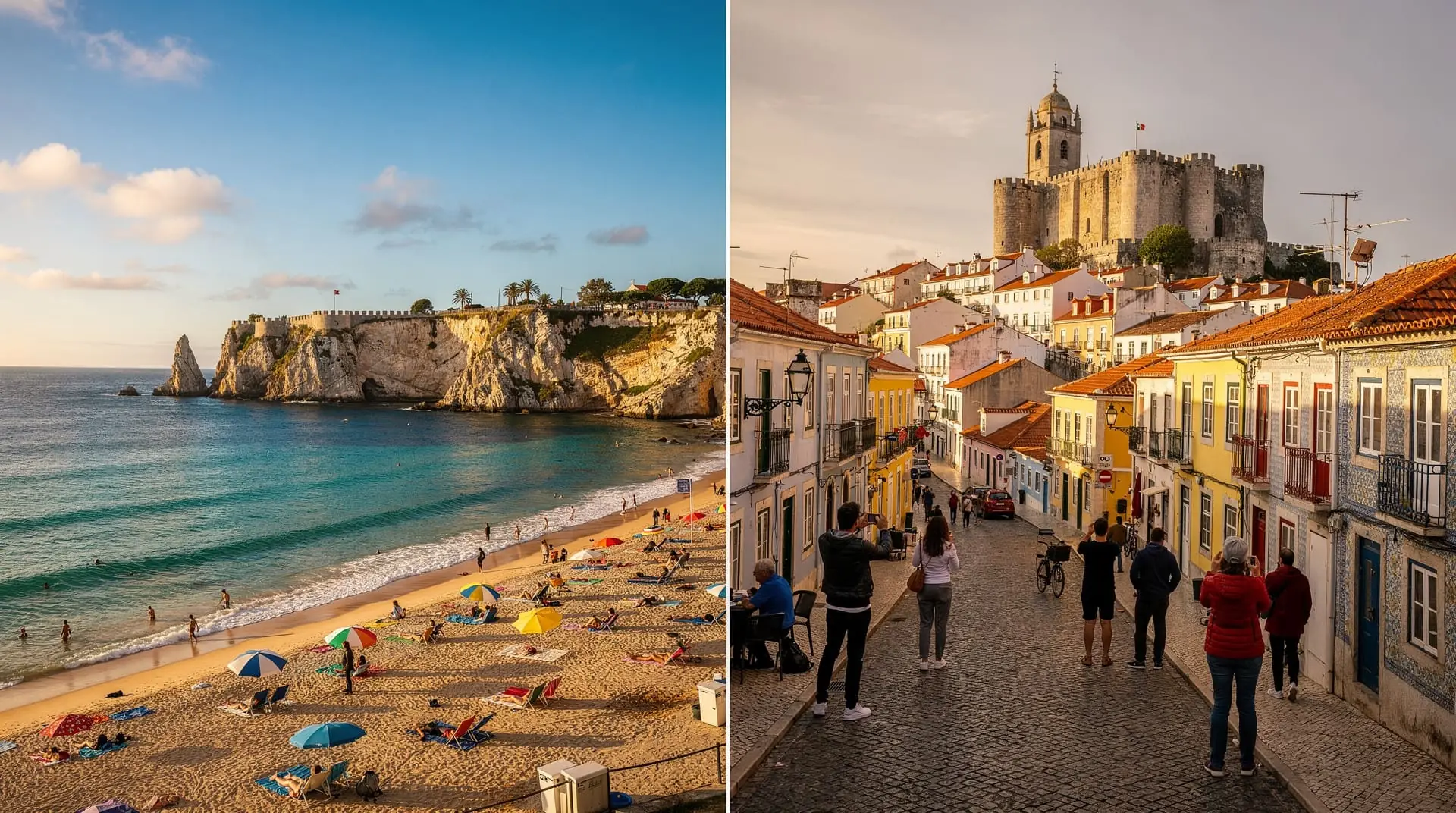
Which day-trip from Lisbon is right for you?
Decision guide: first-timer, foodie, family, pilgrim, beach lover or second visit. Pick the right Lisbon day-trip without guessing.

Best family day trips from Lisbon: Sintra, Cascais, Óbidos, and more
Top family day trips from Lisbon in 2026: Sintra by train, Cascais beach, Óbidos chocolate, transport logistics, real age recommendations.
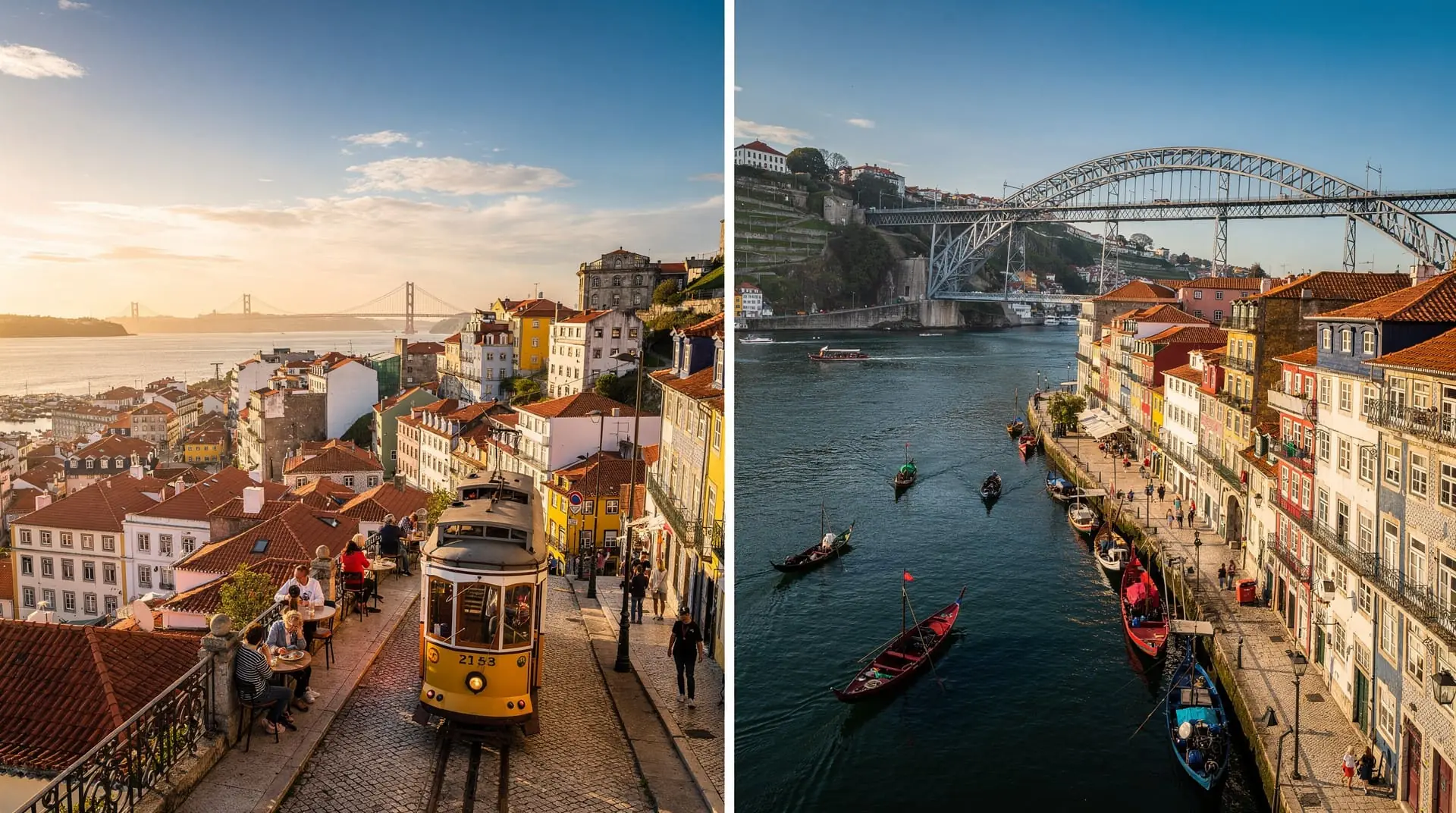
Lisbon vs Porto: which Portuguese city should you visit?
Honest head-to-head: vibe, weather, food, wine, day-trips and budget. Which city wins for your trip — and when to visit both.
Ready to book? Top tours for this guide
We earn a small commission if you book through GetYourGuide — at no extra cost to you. Every tour is hand-picked and verified.

Lisbon: 48-Hour Hop-On-Hop-Off Bus Tour and Oceanarium Entry
Lisbon: MAAT Entry Ticket & Dolphin Watching Boat Tour
Lisbon: Alfama, Mouraria Walking Tour with Fado Night, Tapas
Lisbon: Hop-On Hop-Off Bus Tour
Lisbon: 1-or 2-Day Hop-On Hop-Off Bus Tour