
Pena Palace: tickets, queues and how to make the most of your visit
Last reviewed
How do you get to Pena Palace from Sintra town?
Bus 434 runs from Sintra train station to the palace gate every 15–20 minutes (€4.10 for a hop-on hop-off day ticket). The walk up is possible — about 3.5 km from the station on a steep forest path — and many people do it coming down but take the bus up. Tuk-tuks are also available from the station square.
Pena Palace is the most visited monument in Portugal after the Jerónimos Monastery, and in summer it earns that distinction partly through crowd chaos. The palace itself — a deliberately absurd 19th-century fantasy of coloured towers, Moorish battlements, Manueline portals and neo-Gothic turrets, all painted terracotta and yellow against the green Sintra hills — is genuinely astonishing. The views from the ramparts across the Serra da Sintra to the Atlantic are among the best in the country.
But getting there and managing the queues requires planning. This guide gives you the practical reality.
| Where | Serra da Sintra, above Sintra-Vila |
| Cost | around €10 (park only) to €20 (palace + park) |
| Time needed | half a day, including bus and queues |
| Getting there | train to Sintra, then bus 434 or tuk-tuk |
| Best time | opening (09:45) or after 15:30 |
What Pena Palace actually is
The Palácio da Pena was built between 1842 and 1854 for King Ferdinand II of Portugal (Ferdinand of Saxe-Coburg-Gotha), the “artist king” who also financed the restoration of the Quinta da Regaleira grounds. Ferdinand bought the ruins of a 16th-century Hieronymite monastery on the highest peak of the Serra da Sintra and commissioned the German architect Baron Wilhelm von Eschwege to create something unprecedented: a palace that incorporated every architectural style he admired into a unified — if visually chaotic — whole.
The result is Romantic nationalism expressed in stone and plaster. Manueline windows sit next to Moorish crenellations, a Germanic keep towers over neo-Romanesque arches, and the whole thing is painted in colours that were originally even more vivid than they appear today (restoration has brought some of the historic pigments back).
The interior has been preserved largely as the royal family left it when they fled Portugal after the 1910 republican revolution. The queen’s bedroom, the king’s private rooms, the Arabesque room and the great hall are furnished as they were in 1910 — a rare case of a royal palace that feels genuinely inhabited rather than emptied for display.
Tickets: park only vs. palace and park
This is the most important practical decision.
Park ticket (€10 per adult): gives access to the grounds, gardens, exterior terraces, and the rampart walkway around the palace exterior. You can see the exterior architecture, walk the full perimeter, and enjoy the views. You cannot enter any interior rooms.
Palace + Park ticket (€20 per adult): adds interior access to the palace rooms — approximately 30–45 minutes of room-by-room visits. EU students/seniors: €10. Under-6: free.
The interior is genuinely interesting — the furnished royal apartments feel more intimate than most European palace interiors. But if you are visiting in peak season and face a 45-minute interior queue on top of the general entry queue, the park-only ticket is a legitimate option if you are primarily interested in views and exterior architecture.
Pena Palace skip-the-line park and palace ticketThe skip-the-line ticket reserves a timed entry window — it does not mean you bypass all queues inside (popular rooms can back up), but it eliminates the ticket-purchase queue which is where most time is wasted. For a more hands-off way to skip the same queues, a private half-day tour to Pena Palace and Sintra handles ticketing and transport together.
Online booking is mandatory in July–August: both the park and palace entry have online quotas. Walk-up tickets sell out on busy Saturdays by 11:00. Book at minimum 48 hours ahead in summer.
Getting to Pena Palace
From Lisbon to Sintra
Train from Rossio station (Lisbon) or Oriente to Sintra: 40 minutes, approximately €2.35 each way. Trains run every 15–20 minutes. Sintra is at the end of the Linha de Sintra — you cannot miss it.
Do not drive to Sintra if you can avoid it. Parking near the historic centre is extremely limited, the approach roads are narrow, and summer traffic jams are legendary. See the Sintra crowds and parking guide for full details. The train is faster, cheaper and vastly less stressful.
From Sintra station to Pena Palace
Bus 434: departs from outside Sintra station, stops at Sintra-Vila (the historic centre, where you can alight for the National Palace and the centre) and continues up the hill to the Moorish Castle and then Pena Palace. Day ticket €4.10 (hop-on hop-off). Journey time from station to palace gate: approximately 20 minutes, depending on traffic.
The bus operates frequently (every 15–20 minutes in season) but fills up fast. In peak season, queues at the station bus stop can mean waiting for the second or third bus. Arrive early.
Tuk-tuk: around €15–20 per vehicle from the station square up to the palace gate. Convenient if you are travelling with small children or have limited mobility.
Walking up: from the station, the walk through Sintra-Vila and up the forested path to Pena takes about 60–75 minutes on a steep trail. Most people walk down (after visiting the palace) and take the bus up. The walk down through the park is beautiful if you have the time.
What to see at Pena
The palace exterior
The terrace walkway around the exterior gives the best overall sense of the architectural madness. Start at the main entrance gateway (the Triton arch, with a Manueline-style carved figure of a sea creature) and walk clockwise. The yellow-painted clock tower section houses the queen’s apartments; the terracotta section is the older monastery core integrated into the design.
The Manueline portal
A direct reference to Jerónimos in Belém — Ferdinand II had Eschwege incorporate a surviving 16th-century Manueline portal from the original monastery into the new palace design. Compare it with the south portal of Jerónimos when you visit Belém.
The interior rooms
The Arabesque Room is the most remarkable interior space — an orientalist fantasy of plaster-moulded arches and geometric patterning. The kitchen is one of the most interesting rooms for a practical sense of royal life: enormous copper pots, spit roasting equipment, servants’ quarters visible through interior passages.
The royal apartments on the upper floor feel genuinely intimate — this was a working family home, not a state reception palace.
The ramparts
The highest walkable point on the exterior gives 360-degree views: Atlantic Ocean to the west (on a clear day, the shore at Cabo da Roca is visible), the Moorish Castle below and to the west, the Serra da Sintra forest, and on the clearest days Lisbon’s waterfront far to the east.
The park
The palace grounds cover 200 hectares of forest — the Pena Park extends well below the palace itself and contains a High Cross garden, a lake with black swans, the remains of the Chalet da Condessa d’Edla (Ferdinand II’s intimate retreat, accessed via a separate path) and extensive hiking trails. If you have a park-only ticket, you can explore the full 200 hectares.
Timing and the queue reality
Peak season (July–August) Saturdays are the worst. The access road to the palace fills with buses and tuk-tuks. The interior can have 45-minute queues between rooms.
Best time to visit:
- April, May, June, September, October: book 24 hours ahead; visit early (10:00 opening) or after 15:00.
- July–August: book 48–72 hours ahead; arrive for 09:30 (before opening at 09:45 in summer). After 15:30 is also quieter.
- November–March: uncrowded; tickets usually available online with 12 hours’ notice.
The Moorish Castle coordination: if you plan to visit both Pena Palace and the Moorish Castle — which is within walking distance downhill through the forest — visit Pena first (opening), walk down to the Moorish Castle by mid-morning, and bus back from the Moorish Castle stop.
Sintra: Moorish Castle, Pena Palace, Cabo da Roca and Cascais tourCrowds by month
| Months | Crowd level | Advice |
|---|---|---|
| June–August | Very high | Book 48–72hrs ahead, arrive by 09:30, expect interior queues |
| April–May, September–October | Moderate | Book 24hrs ahead, visit at opening or after 15:00 |
| November–March | Low | Tickets available with 12hrs notice, few queues |
Combining Pena with a full Sintra day
Sintra’s main monuments are grouped close enough to combine multiple in a day — but not all four. A realistic one-day combination:
09:30–12:30: Pena Palace (palace + park, early arrival) 12:30–13:30: Walk down through the park to the Moorish Castle, or bus down to Sintra-Vila for lunch (A Piriquita for travesseiros and pastéis de Sintra; Tulhas for lunch) 14:00–15:30: Quinta da Regaleira (walkable from Sintra-Vila, pre-book timed entry) 16:00–17:00: Sintra National Palace (in Sintra-Vila, last entry 17:30) 17:30: Train back from Sintra station to Lisbon
This works without a car. See the Sintra in one day guide and the Sintra without car guide for detailed logistics.
For a private guided day trip that handles transport and tickets from Lisbon:
From Lisbon: Sintra day trip with Pena Palace entry includedThe history of Fernando II and Romantic nationalism
Ferdinand II of Portugal (1816–1885) was born Ferdinand of Saxe-Coburg-Gotha, a German prince who married Queen Maria II of Portugal in 1836. He became King Consort and, after Maria’s death in 1853, remained in Portugal as the widowed king-consort until his death. He was, in the peculiar way of 19th-century European royalty, simultaneously Portuguese king, German prince, first cousin of Queen Victoria, and uncle of Napoleon III.
His artistic temperament expressed itself at Pena. He purchased the ruined Hieronymite monastery on the highest peak of the Serra da Sintra in 1838 and spent the next 15 years working with the German architect Baron Wilhelm von Eschwege to create something unprecedented. The palace was designed not as a functional residence but as a statement about Portugal’s identity — incorporating Manueline architecture (the medieval Portuguese golden age), Moorish patterns (the Iberian-Islamic heritage), and Gothic and Renaissance elements (the European mainstream) into a single structure.
This is what Romantic nationalism looked like in practice. Ferdinand was articulating a Portuguese identity that was simultaneously medieval, imperial, hybrid and unique — against the backdrop of growing pressure from more powerful European states. The palace is not historical pastiche; it is a deliberate philosophical programme expressed in building.
Ferdinand also renovated the Quinta da Regaleira grounds and the Monserrate estate — though the Monserrate palace was rebuilt by Sir Francis Cook after Ferdinand’s time. His legacy on the Serra da Sintra is comprehensive: the Romantic landscape you see is largely his vision.
The paint: what the colours mean
The famous terracotta-and-yellow colour scheme of Pena Palace is a 19th-century original, recently restored to greater accuracy. Ferdinand II and Eschwege chose colours that referenced both the Moorish-influenced buildings of Andalucia and the bold painted decoration of South American colonial baroque. The result was deliberately emphatic — a palace visible from the coast at Cabo da Roca, 10 km west.
Historical photographs from the early 20th century show the colours considerably more vivid than what tourists see today. The current restoration programme, begun in the 2000s, has been bringing the colours back toward their original intensity as archival evidence is found. The process continues.
The different colour zones correspond to different phases of construction and different architectural registers: the terracotta section is the older monastery core (raised on the original 16th-century foundations); the yellow section houses the main royal apartments; the grey gatehouse section represents the medieval castle pastiche.
Practical information
Opening hours: 09:45–19:00 (last entry 18:30) in summer; 10:00–18:00 (last entry 17:00) in winter. Open daily except 25 December.
Photography: allowed everywhere. No tripods in palace interiors.
Accessibility: the palace exterior terraces are partially accessible. Interior rooms involve steps and narrow passages; call ahead for current accessibility information. The park paths are mostly unpaved and steep.
Food and drink: one café inside the palace complex (basic, expensive). Better options in Sintra-Vila: Piriquita for pastries, several restaurants on Rua das Padarias.
What to wear: comfortable walking shoes with grip. The palace grounds involve uneven cobbled paths and forest trails.
Toilets and facilities: toilets are available near the ticket gate and inside the palace complex; none inside the park itself away from the main buildings, so plan ahead if you’re spending hours exploring the 200 hectares.
Ticket changes and refunds: timed-entry tickets are generally non-refundable but can often be exchanged for a different time slot on the same day, subject to availability — check the confirmation email for the exact policy before travelling.
Combining Pena with the coast
A popular full-day version of the Sintra trip adds the Atlantic coastline to the palace visit: Pena and the Moorish Castle in the morning, then transport onward to Cabo da Roca, continental Europe’s westernmost point, and Cascais for a late lunch by the sea. Doing this without a car means stringing together buses and trains across a long day, which is workable but tight — most visitors who want to see all three in one day book a private or small-group tour that handles the transitions.
Sintra, Cabo da Roca and Cascais full-day tour from LisbonIf coastal scenery matters less than the palace itself, skip the add-on and spend the freed-up afternoon at a slower pace inside the Pena park, which most rushed itineraries skip entirely — the Chalet da Condessa d’Edla and the lake with black swans are both worth the extra 30–40 minutes if you have them to spare.
Frequently asked questions about Pena Palace
How early should I arrive at Pena Palace?
In peak season (June–September), aim to arrive at the palace gate by 09:30–09:45 (before the 10:00 opening). Even with a timed ticket, earlier is better because indoor room queues are first-come, first-served. Off-season, arriving by 10:30 is fine.
Is the park ticket worth it or should I get the full palace ticket?
Both are worth it, but for different visitors. The full palace + park ticket (€20) adds the furnished interior rooms — about 45 minutes of content — and is recommended for first-timers. If you have been before, or primarily want the views and exterior architecture, the park ticket (€10) covers all of that.
Can I walk between Pena Palace and the Moorish Castle?
Yes. There is a forest path connecting the two monuments — about 1.5 km, mostly downhill from Pena to the Moorish Castle, taking 20–30 minutes. The path is well-signed within the park. Some sections are steep and uneven; good footwear is needed.
What is the best way to use bus 434?
The €4.10 hop-on hop-off day ticket covers the full 434 circuit: Sintra station — Sintra-Vila — Moorish Castle — Pena Palace. Buy it on the bus. Use it to reach the palace in the morning, and at each stop you need — it runs until the late afternoon. Check the last bus time at the station when you arrive.
Is Pena Palace open in winter?
Yes, year-round. Winter hours are 10:00–18:00 (last entry 17:00). The serra can be misty and cold in December–February, which actually makes the palace look dramatic. Crowds are minimal.
Can I bring children to Pena Palace?
Yes. Under-6 is free. The exterior spaces and park are excellent for children with energy. The interior rooms have some narrow passages and several restricted areas. The bus journey up is part of the fun for younger children.
How does Pena Palace compare to Quinta da Regaleira?
Pena is larger, more visually spectacular (particularly the exterior) and more expensive. Quinta da Regaleira is smaller, esoteric, and focused on the famous Initiation Wells — a different kind of experience. Most visitors to Sintra do both. See the Quinta da Regaleira guide for detail.
Do I need to book Pena Palace tickets in advance?
Outside July and August, booking 24 hours ahead is usually enough, though weekends fill faster. In peak summer, book 48–72 hours ahead — online quotas for both the park and the palace interior sell out on busy Saturdays by mid-morning, leaving only the more expensive skip-the-line options or a wasted trip up the hill.
Where people go wrong
Most disappointing Pena Palace visits share the same root cause: arriving without a booked timed slot in July or August and assuming a ticket will be available at the gate. The second most common mistake is trying to combine Pena with three or four other Sintra sights in a single day without a car or private guide — the bus queues alone eat more time than most visitors budget. If your day trip also includes Cabo da Roca or Cascais, treat Pena and the Moorish Castle as a self-contained morning and save the coast for the afternoon with a private tour that handles the logistics.
Related guides
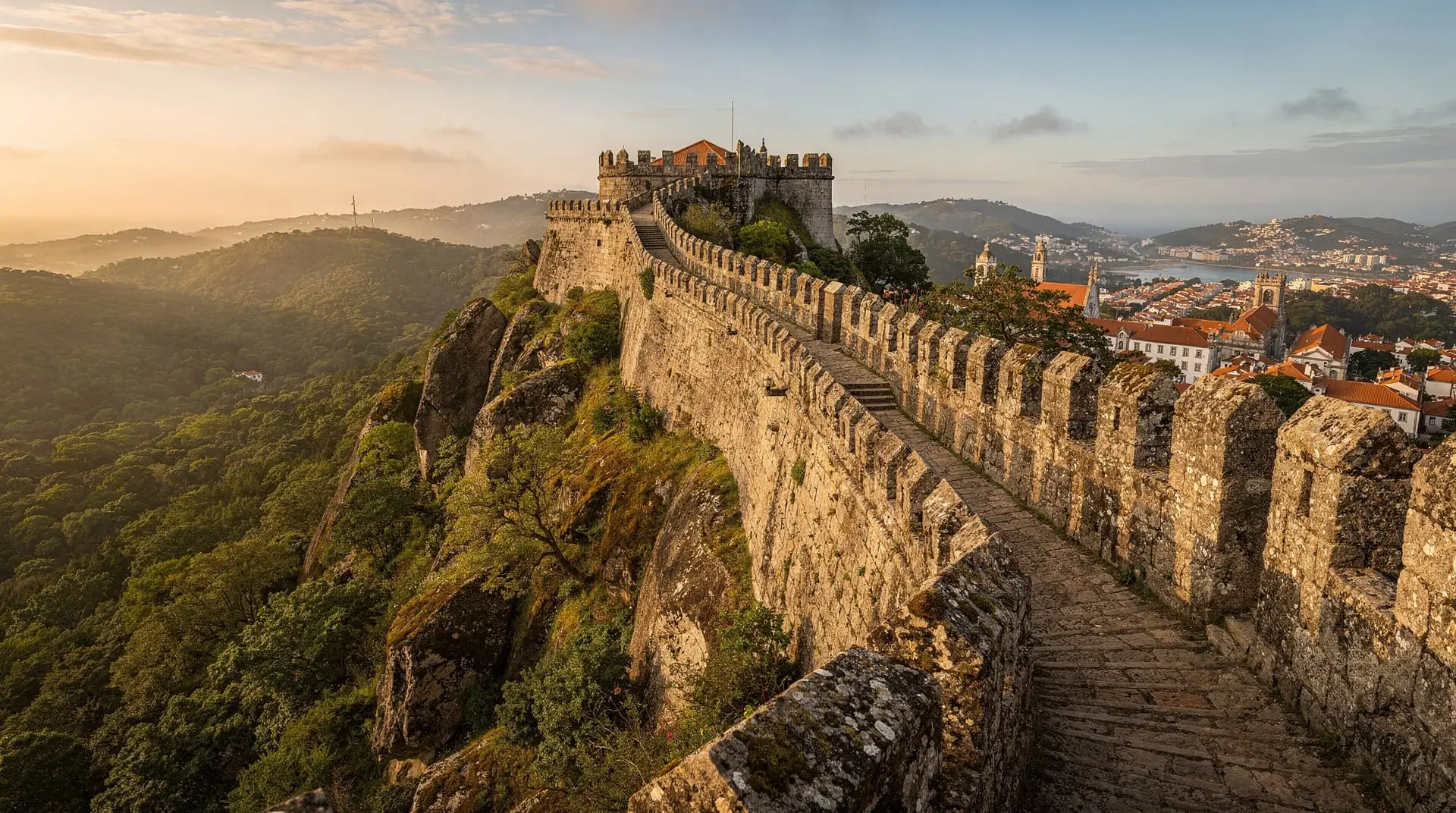
Moorish Castle Sintra: ramparts, views and how to get there
Complete guide to Sintra's Moorish Castle — 10th-century ramparts, the walk from town or bus 434, combined visits with Pena Palace, and honest tips.
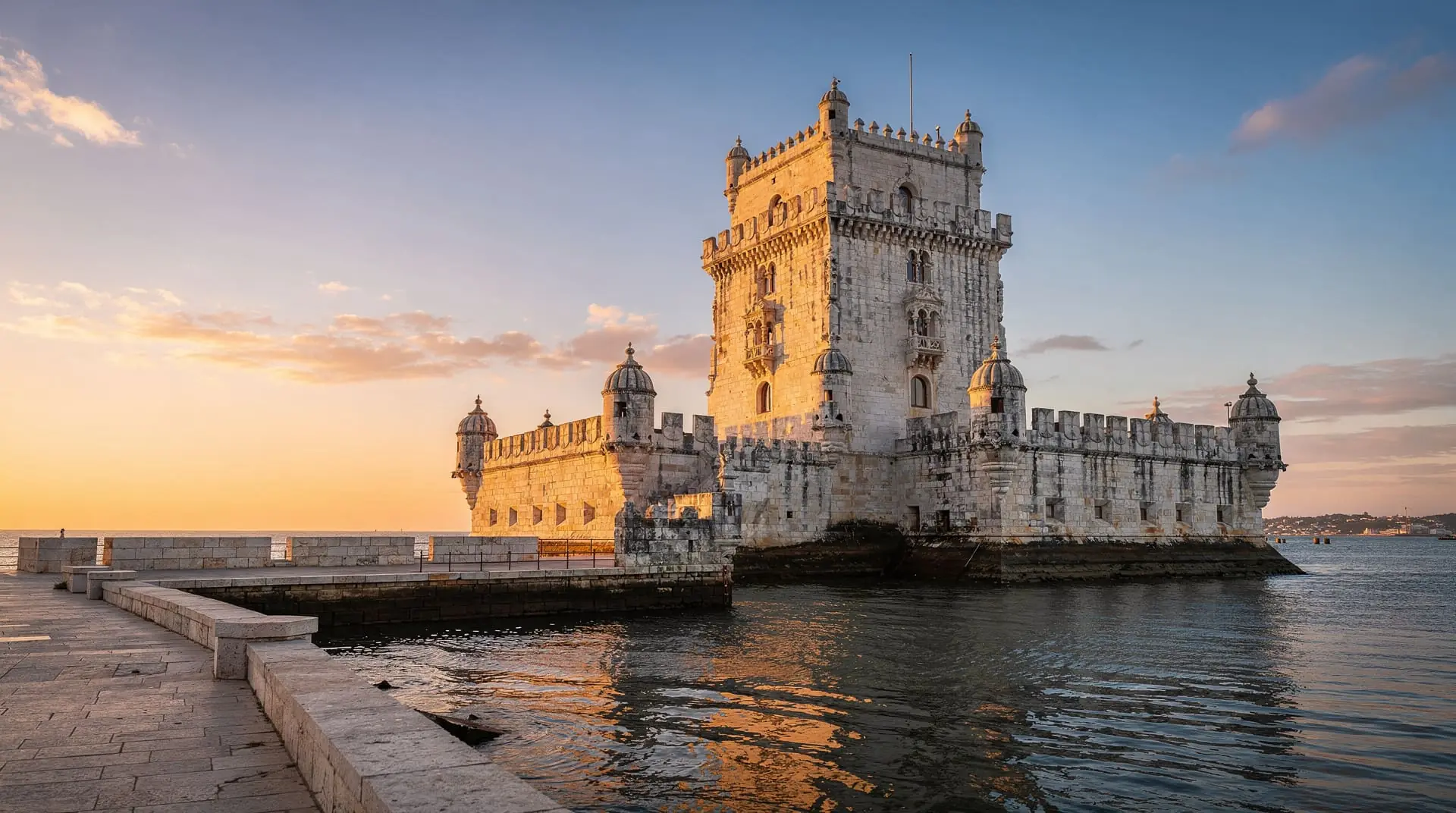
Belém Tower: tickets, queues and what to expect inside
How to visit Belém Tower without wasting an hour in the queue. Fast-track tickets, best time to go, and what the Manueline tower actually shows you.
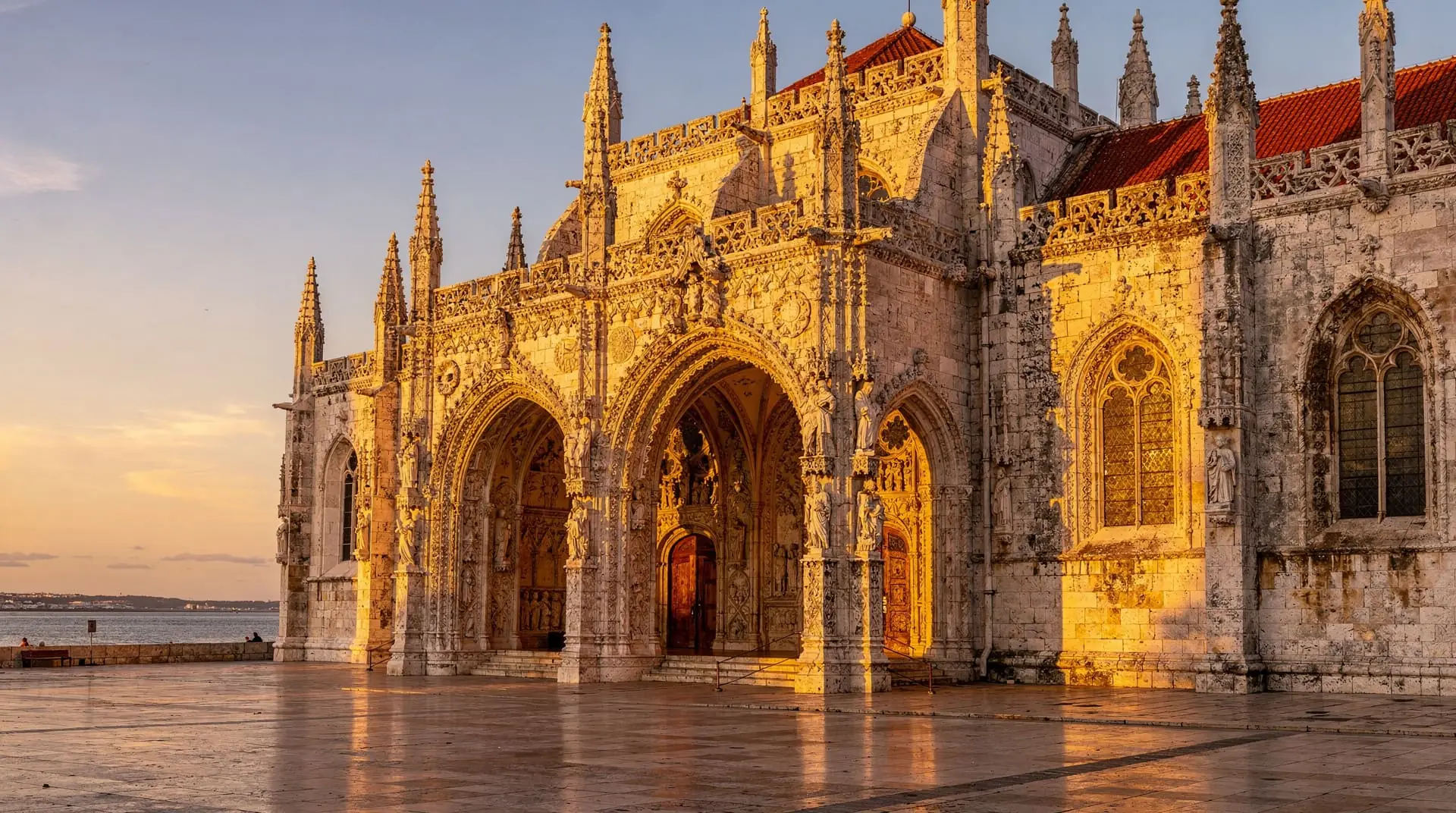
Jerónimos Monastery: the complete visit guide
Everything you need to visit Jerónimos Monastery in Belém — tickets, timed entry, the cloister, Vasco da Gama's tomb, and how long it really takes.
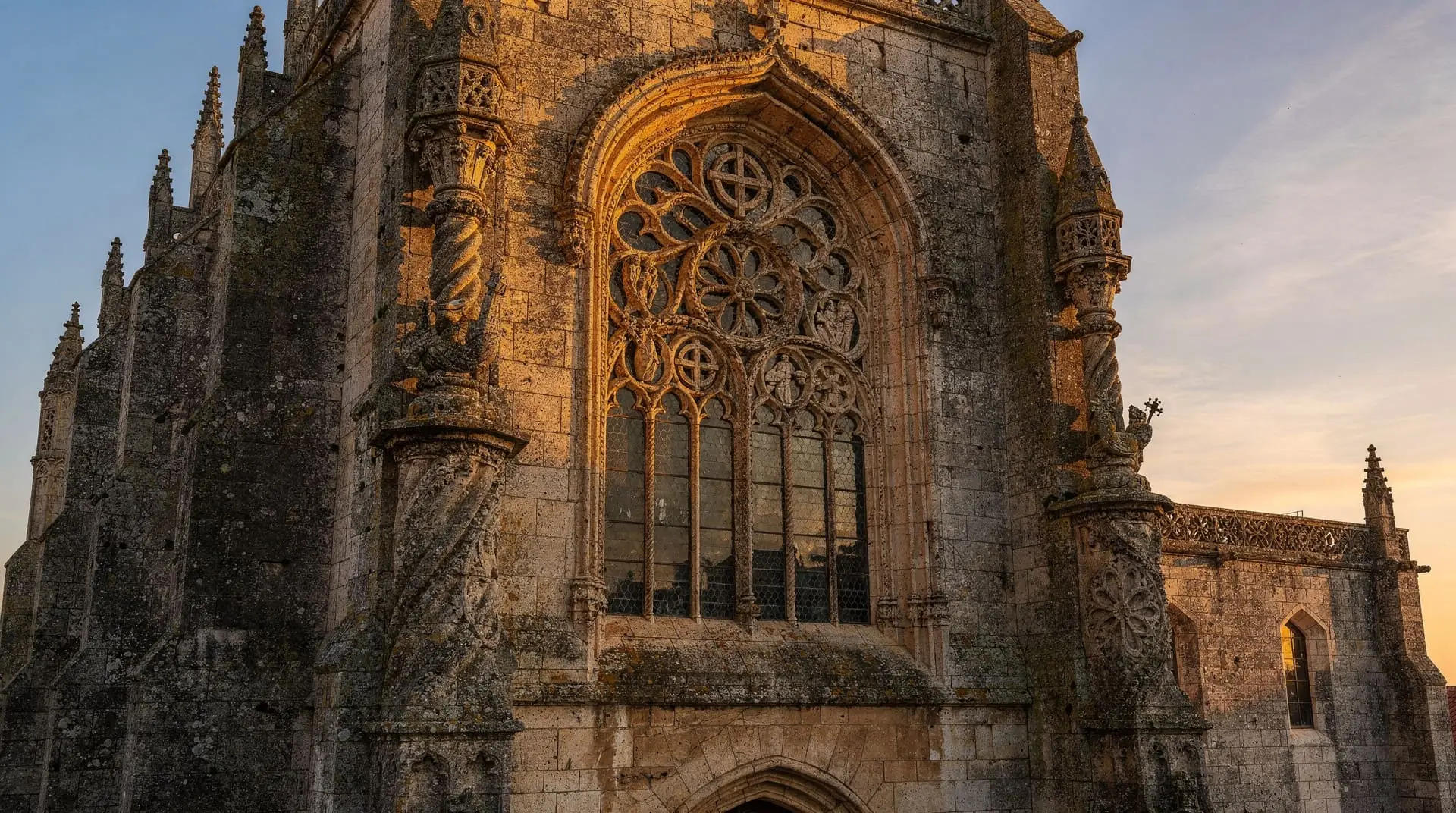
Convent of Christ in Tomar: the Templar headquarters and Manueline window
Visit guide for the Convent of Christ in Tomar — Templar castle, circular Charola, the most complex Manueline window in Portugal, and day trip logistics.
Ready to book? Top tours for this guide
We earn a small commission if you book through GetYourGuide — at no extra cost to you. Every tour is hand-picked and verified.

Pena Palace and Park Entrance Ticket
From Lisbon: Sintra Half-Day Tour with Pena Palace Tickets
Sintra: Pena Palace & Coastal Wonders Day Tour with Tickets
Sintra: Pena Park and Palace Skip-the-line Ticket
Sintra: Pena Palace Guided Tour