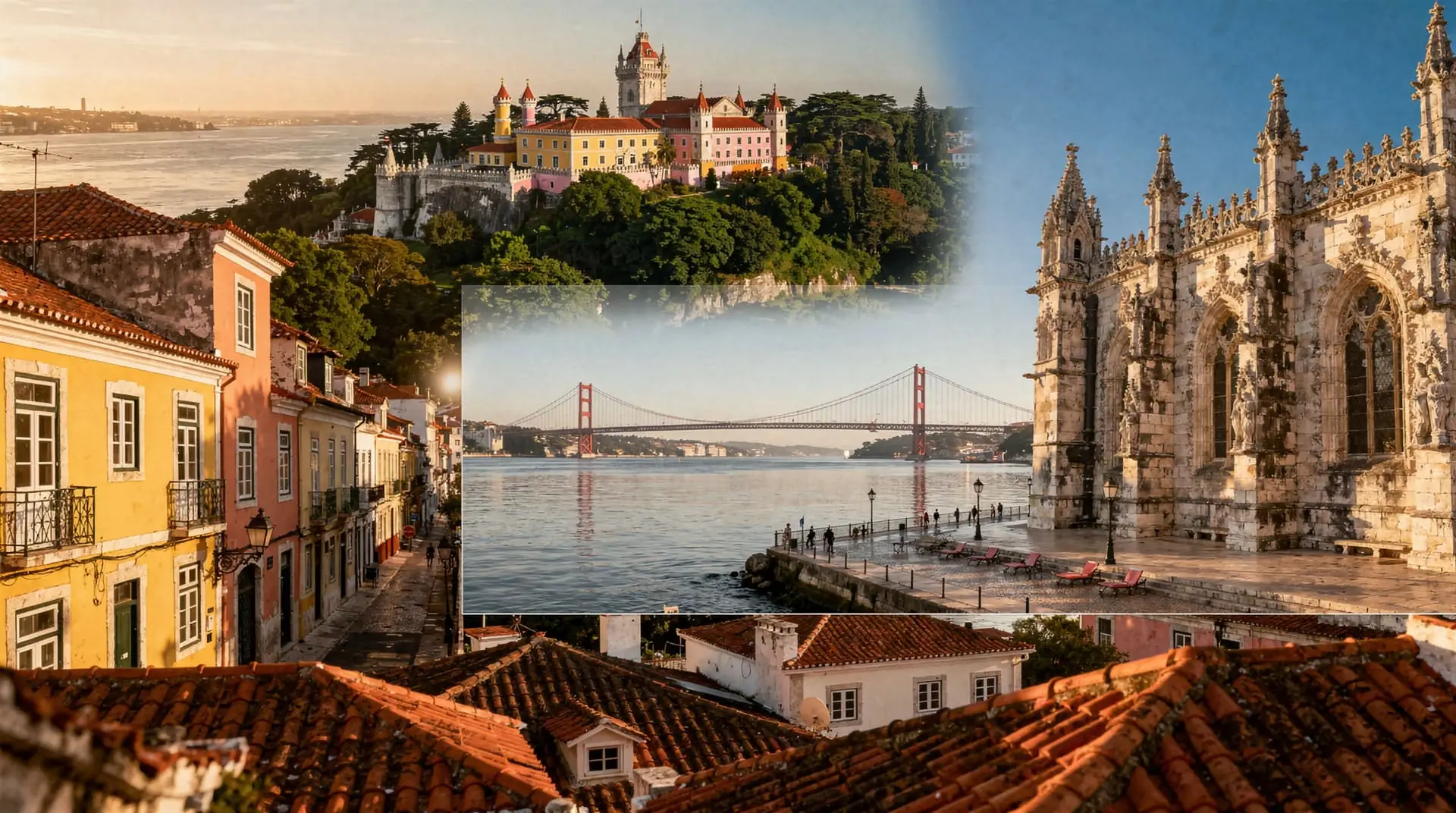
Lisbon in 2 days: the classic split itinerary
Last reviewed
Two days is the minimum that lets you feel Lisbon rather than just tick it off. The classic split — Day 1 in the historic east (Baixa, Alfama, castle, Mouraria), Day 2 in the historic west (Belém, LX Factory, Chiado) — gives each neighbourhood the time it deserves and keeps travel distances manageable. You will not run.
Book your Jerónimos Monastery tickets before arrival. Everything else on this itinerary can be done walk-up.
| Where | Day 1: Baixa, Alfama, Mouraria — Day 2: Belém, LX Factory, Chiado |
| Cost | around €150–200/person for both days, incl. 48h Lisboa Card |
| Time needed | 2 full days |
| Getting there | tram 28/15E, Cais do Sodré train, on foot |
| Best time | year-round; book Jerónimos ahead in July–August |
Day-by-day summary
| Day | Focus | Evening |
|---|---|---|
| Day 1 | Baixa, Sé, São Jorge Castle, Alfama, Mouraria | fado dinner in Alfama |
| Day 2 | Belém (Jerónimos, tower), LX Factory, Chiado | sunset at São Pedro de Alcântara, Bairro Alto |
Before you go
Lisboa Card 48 hours (€35 in 2026): covers both days of unlimited trams, metro, suburban trains, and free or discounted entry to São Jorge Castle, Jerónimos Monastery, Belém Tower, the Coach Museum and dozens more. For two full days with monument visits, it almost always pays off. Calculate your break-even at the Lisboa Card calculator.
Where to stay: Chiado and Bairro Alto put you in the middle of both days with easy access to trams east and west. Baixa is similar. Alfama is atmospheric but hilly and taxi-dependent at night. See where to stay in Lisbon for neighbourhood breakdowns.
Day 1: Historic centre and Alfama
Morning — Baixa, the Sé and the castle (9:00–12:30)
Start at Praça do Comércio, the grand riverside square flanking the Tagus. Walk through the archway of the Rua Augusta Arch (€5 to go up, worthwhile for the view) and into the grid of Baixa — Lisbon’s Pombaline downtown, rebuilt after the 1755 earthquake on a Roman-grid plan. Admire the engineering from street level; there’s no entry fee.
Continue north to Rossio, the city’s historic hub with its twin baroque fountains and wavy stone pavement. Duck into the arches for a bica (espresso, €1) at Café Nicola or Café Brasileira in adjacent Chiado — the latter was Fernando Pessoa’s haunt.
Walk east along Rua da Madalena toward the Sé de Lisboa (Lisbon Cathedral), the city’s oldest church (founded 1147). Entry to the nave is free; the cloister costs €3 and has Roman and Moorish ruins visible underfoot. Allow 20 minutes.
Continue uphill on foot or take the 28 tram one stop to São Jorge Castle. The Moorish fortifications and Alfacinha village ruins inside the walls take 45–60 minutes. The views from the battlements are the best in central Lisbon. Entry €15, free with Lisboa Card.
São Jorge Castle e-ticket with audio guideAfternoon — Alfama and Mouraria (12:30–18:00)
Descend from the castle into Alfama — Lisbon’s oldest, most labyrinthine neighbourhood. The streets defy maps; that’s the point. Wander down toward Largo de Santa Luzia for its azulejo-tiled church wall and river view. Continue to Miradouro das Portas do Sol — excellent Tagus panorama, benches, and a café.
Lunch in Alfama: Tasca do Chico or A Tascaria on Rua dos Remédios (mains €12–16, Portuguese classics, no tourist-trap ambience). Avoid the restaurants clustered at tram stops with photo menus in four languages — they charge double.
After lunch, walk north into Mouraria, Lisbon’s most authentically multicultural neighbourhood. The Intendente square has excellent cheap lunch options if you need a second stop. The Museu do Aljube (€3, free with Lisboa Card) covers Portugal’s WWII-era political resistance — not a typical tourist stop, but one of the most thought-provoking museums in the city.
At 17:00, head to Miradouro da Graça (viewpoint, free) for the classic Alfama rooftops photo with the castle as backdrop — the Instagram shot that’s become a cliché for good reason.
For a fado dinner, tonight is the right night — you’re already in Alfama. Mesa de Frades and Tasca do Chico are the most consistently praised; book at least a week ahead in summer. Both run from around 20:00. Budget €40–60 per person including dinner. Read best fado houses in Lisbon before deciding.
Fado night with dinner in a typical Alfama houseEvening budget note
If you skip the fado dinner, budget around €50–70 for Day 1 (transport card, castle, lunch, dinner). With fado dinner, add €40–60.
Day 2: Belém, LX Factory and Chiado
Morning — Belém (8:30–13:00)
Belém is 6 km west of Chiado. Take the train from Cais do Sodré to Belém — 10 minutes, runs every 15 minutes, around €1.50 (free with Lisboa Card). Arrive early; Jerónimos queues build fast.
Jerónimos Monastery is the centrepiece of Manueline Portugal — the style that mixes Gothic stonework with maritime symbols from the Age of Discovery. The cloisters are extraordinary: carved limestone pillars, armillary spheres, ropes and coral all in stone. Entry is €15 (free with Lisboa Card) with a pre-booked ticket. Walk-up is possible off-peak; in summer, do not chance it. Allow 60 minutes minimum.
The nearby Coach Museum (Museu Nacional dos Coches) houses the world’s finest collection of historic royal carriages — genuinely spectacular if you’re into ornate craftsmanship, optional otherwise. Entry €10, free with Lisboa Card.
Belém, Jerónimos Monastery and Coach Museum tourWalk to Belém Tower along the riverfront promenade. The 16th-century fortress is 500m from the monastery. Entry €8, free with Lisboa Card. Inside is cramped and the exhibit minimal; the exterior and tower views justify 30 minutes.
At the end of the promenade, stop at the Monument to the Discoveries — the giant 1960 slab facing the river. Free to look at. The panoramic view from inside costs €6 (discounted with Lisboa Card) and gives a bird’s-eye view of Belém.
Pastéis de nata at Pastéis de Belém: the queue moves faster than it looks, typically 5–10 minutes. Eat inside the 1837 café. Two pastéis plus a coffee is around €5.
Afternoon — LX Factory and the riverfront (13:00–17:30)
LX Factory is a repurposed 19th-century industrial complex on Rua Rodrigues de Faria, 1.5 km east of Belém on the same riverfront (15-minute walk or tram 15E, one stop). Open daily but best on Sunday when the weekend market runs (10:00–18:00). On other days, the restaurants, bookshops, design shops and street art are still worth 45–60 minutes. Lunch here is reliable and better value than Belém tourist restaurants — mains €12–18.
Take tram 15E back toward Chiado, alighting at Praça do Comércio. Walk up through Chiado via Rua do Carmo to the Museu do Chiado (modern and contemporary Portuguese art, €6) or the ruins of the Convento do Carmo — the gothic shell of a church ruined in the 1755 earthquake and never rebuilt, now a hauntingly beautiful archaeological museum (€5.50).
Evening — Chiado and Bairro Alto (17:30 onwards)
Miradouro de São Pedro de Alcântara at the top of Bairro Alto (free, reached by the Glória funicular from Restauradores, €4 one-way) gives you the sunset over the Tagus. Arrive 30 minutes before sunset in summer.
Dinner options in Chiado and Bairro Alto cover every budget: Tasca do Chico for petiscos (€10–14 per dish), Taberna da Rua das Flores for creative Portuguese (booking recommended, mains €18–24), or simply pick any tascas along Rua do Diário de Notícias. For drinks afterward, the pink street — Rua Nova do Carvalho (Cais do Sodré) — is where most of Lisbon’s nightlife starts.
See Bairro Alto nightlife guide and pink street and Cais do Sodré for more.
Practical notes for both days
Transport: 48-hour Lisboa Card or a loaded Viva Viagem card works for everything. The metro is fastest for cross-city moves; trams are slower but scenic. Never drive in central Lisbon.
Tram 28 pickpockets: a real issue. Keep valuables secure. See tram 28 guide.
Day 3 options: add Sintra by train from Rossio (40 minutes, buy tickets at the station), a Tagus river cruise, the Tile Museum, or Parque das Nações. See Lisbon 3-day itinerary or day trips from Lisbon.
Total budget: mid-range traveller, both days including Lisboa Card, two monument entries each day, lunches and dinners (no fado dinner): roughly €150–200. With fado dinner on Day 1: add €40–60.
If the weather turns
Lisbon in winter or a rainy shoulder-season day can knock out the miradouro views that anchor both evenings. Have a backup: the Museu do Chiado and Convento do Carmo on Day 2 are already indoor and easy to extend, and on Day 1 the Gulbenkian Museum or Tile Museum make a good rain-day swap for the outdoor miradouros. See 30 things to do in Lisbon in the rain for a longer backup list, or check Lisbon in winter if you’re travelling that season.
Two days with kids or mobility limits
Alfama’s cobbled slopes and stairs are the hardest part of this itinerary for strollers, wheelchairs, or anyone who tires on hills. If that’s a concern, take the 28 tram or a taxi up to the castle rather than walking, and treat Belém — flatter, with wide riverside promenades — as the easier of the two days. The accessibility in Lisbon guide and Lisbon with kids guide both have route-specific notes worth reading before you commit to this exact order.
Swapping a museum for a boat
If two full days of walking and monuments feels heavy, Day 2’s afternoon slot (after Belém, instead of LX Factory) works well for a Tagus river cruise — a genuinely different pace, and a good way to see Belém Tower and the 25 de Abril Bridge from the water.
Tagus river sunset cruise from central LisbonFrequently asked questions
Should I do Alfama on Day 1 or Day 2?
Day 1. Alfama and Mouraria are best explored with the energy of fresh arrival; by Day 2, tiredness sets in and you appreciate the more level, less hilly terrain of Belém.
Do I need to book anything in advance?
Jerónimos Monastery tickets and any fado dinner reservation. Everything else can be done walk-up.
Is 2 days in Lisbon enough?
For a solid first visit covering the essentials, yes. To add a day trip (Sintra, Cascais) or go deeper into museums, you need 3 days minimum.
What’s the best way to get between Alfama and Belém?
Tram 28 to Praça do Comércio, then tram 15E or a train from Cais do Sodré to Belém. Direct tram (15E from Praça Figueira) takes about 25 minutes. The train from Cais do Sodré is 10 minutes and more comfortable.
Should I buy the 48-hour Lisboa Card or pay per attraction?
Add up the castle, Jerónimos, Belém Tower and two days of transport separately and it typically comes to more than the card price, so for this exact two-monument-per-day itinerary the Lisboa Card almost always wins. It’s a closer call if you plan to skip one of the paid monuments — use the Lisboa Card calculator with your actual plan.
Is LX Factory worth it if I’m not there on a Sunday?
Yes, though it’s quieter. The shops, street art and a couple of good lunch spots still make 45–60 minutes worthwhile on a weekday; just don’t expect the full market atmosphere outside Sunday.
Related guides
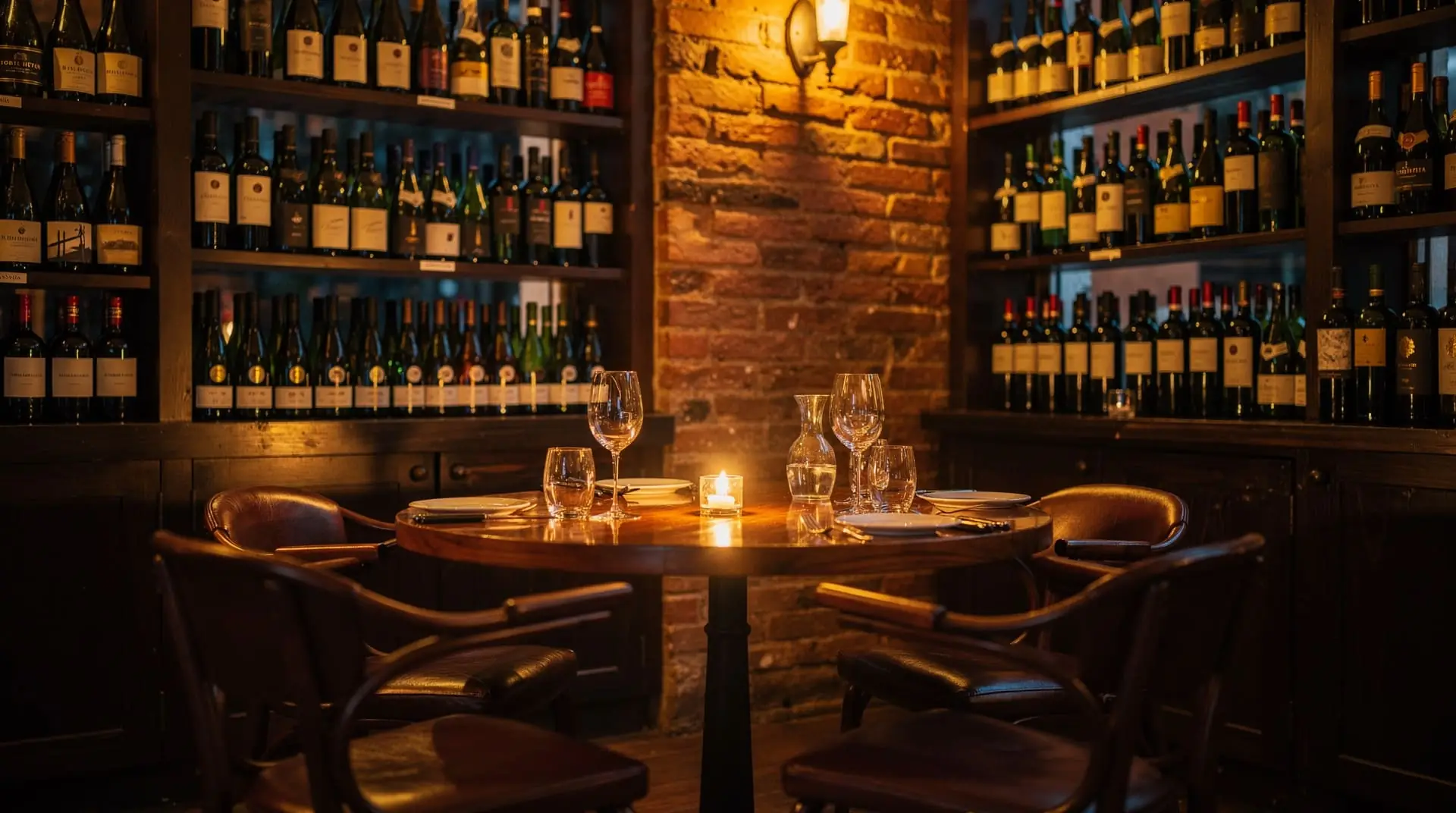
Best wine bars in Lisbon to taste Portuguese wines
From By the Wine to Wine Bar do Castelo, the best Lisbon wine bars to discover Alentejo reds, Vinho Verde, and local Moscatel. Real picks, real prices.
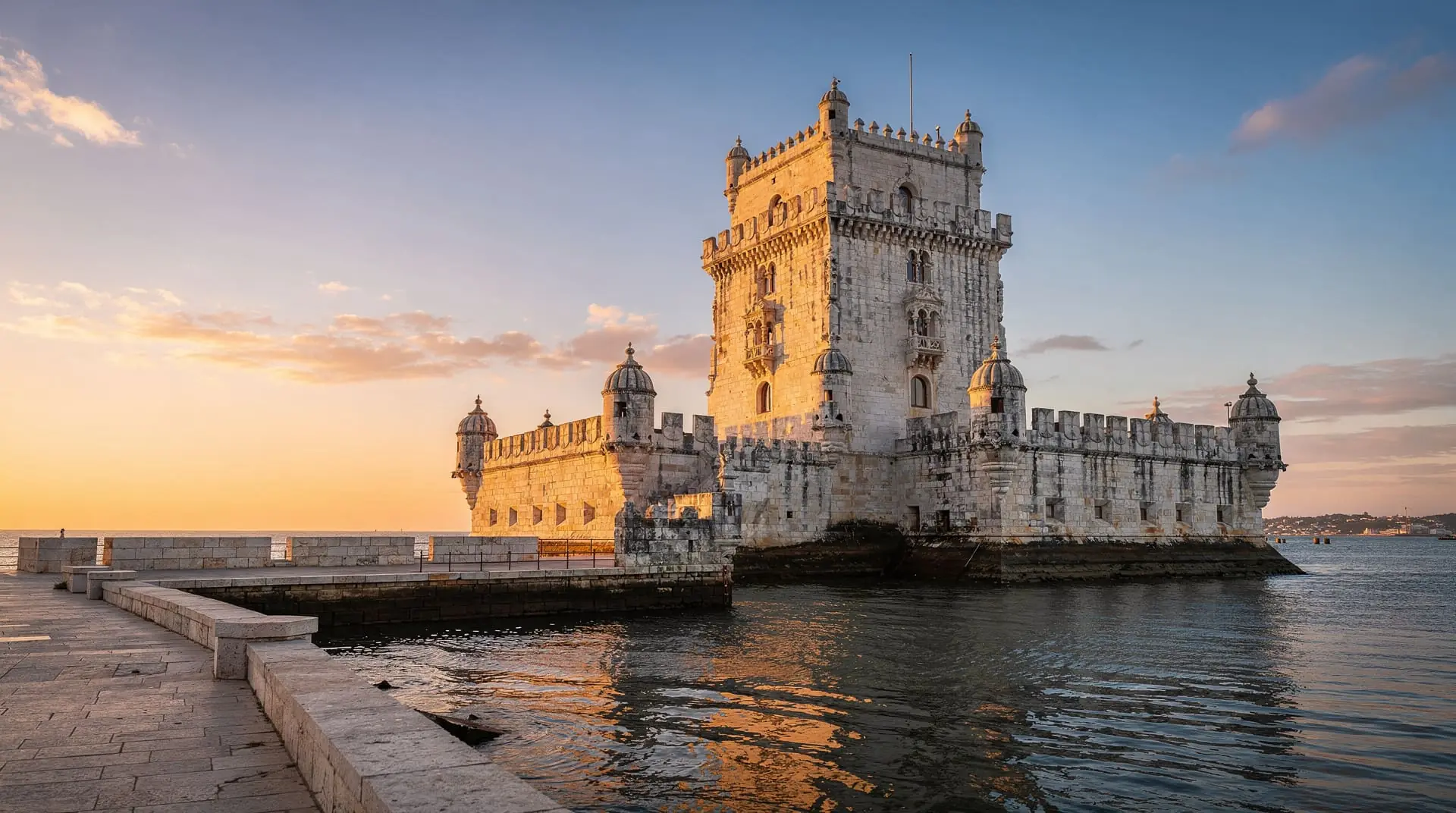
Belém Tower: tickets, queues and what to expect inside
How to visit Belém Tower without wasting an hour in the queue. Fast-track tickets, best time to go, and what the Manueline tower actually shows you.
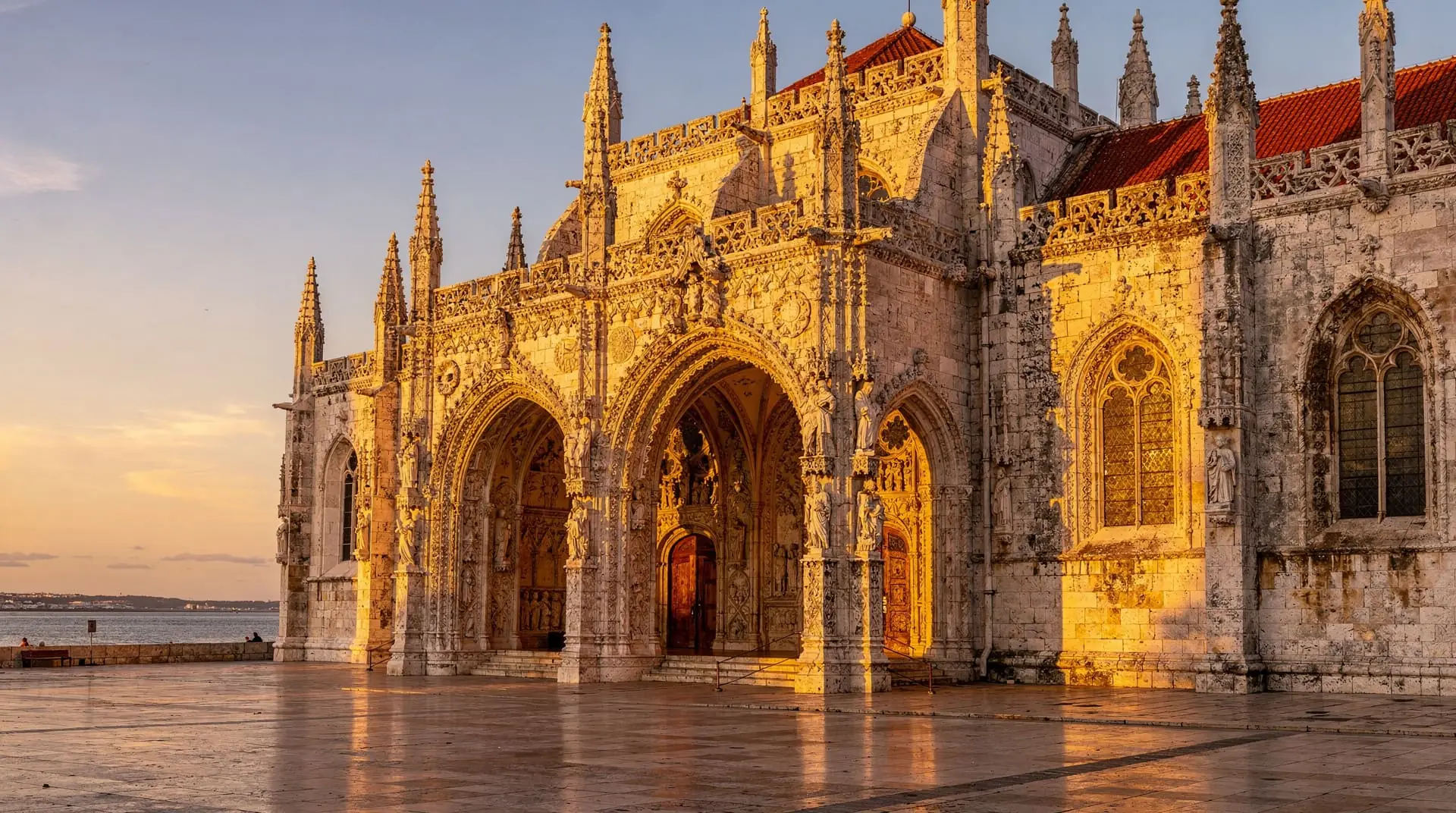
Jerónimos Monastery: the complete visit guide
Everything you need to visit Jerónimos Monastery in Belém — tickets, timed entry, the cloister, Vasco da Gama's tomb, and how long it really takes.
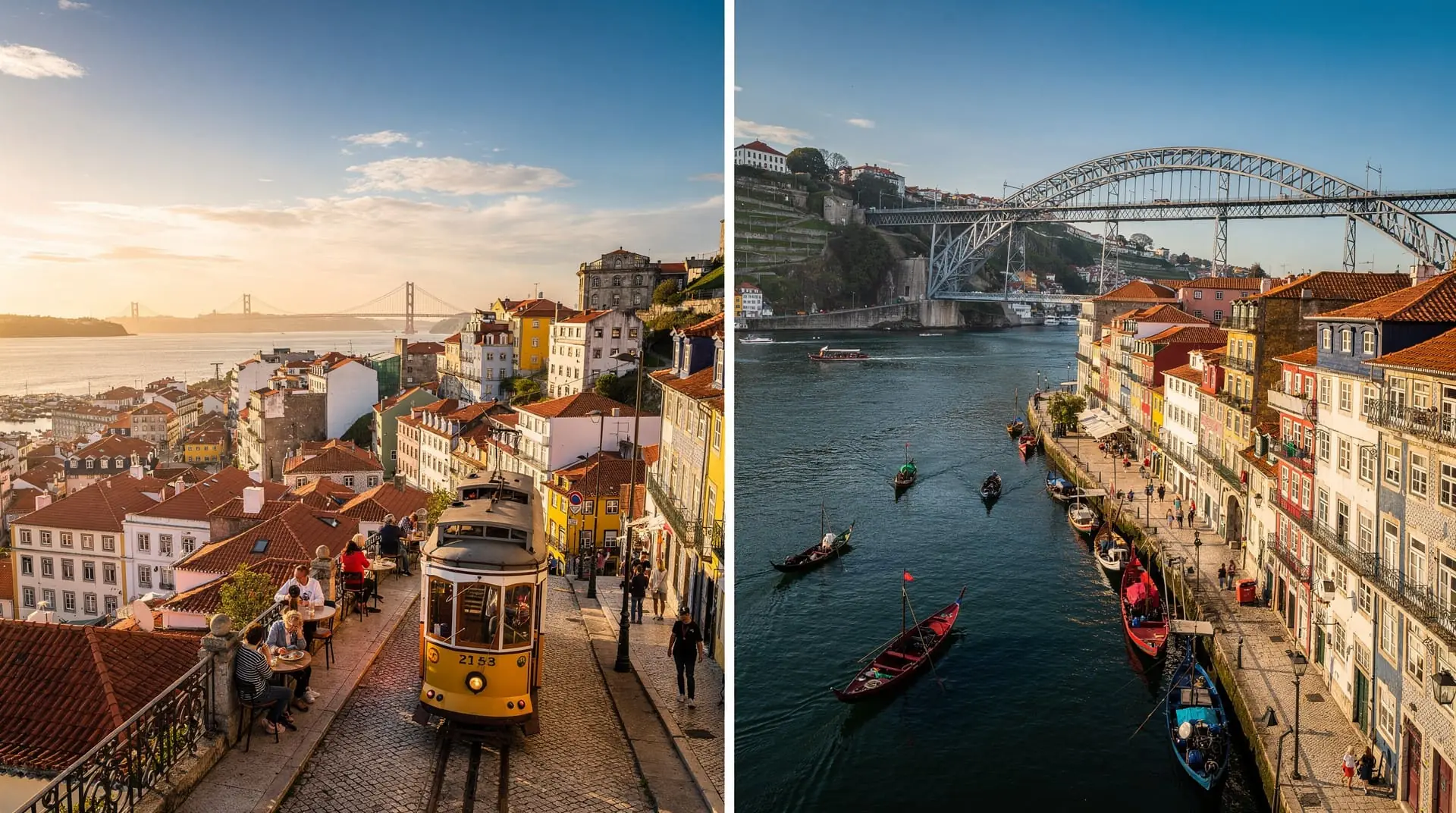
Lisbon vs Porto: which Portuguese city should you visit?
Honest head-to-head: vibe, weather, food, wine, day-trips and budget. Which city wins for your trip — and when to visit both.
Ready to book? Top tours for this guide
We earn a small commission if you book through GetYourGuide — at no extra cost to you. Every tour is hand-picked and verified.

Lisbon: 48-Hour Hop-On-Hop-Off Bus Tour and Oceanarium Entry
Lisbon: MAAT Entry Ticket & Dolphin Watching Boat Tour
Lisbon: Alfama, Mouraria Walking Tour with Fado Night, Tapas
Lisbon: Hop-On Hop-Off Bus Tour
Lisbon: 1-or 2-Day Hop-On Hop-Off Bus Tour