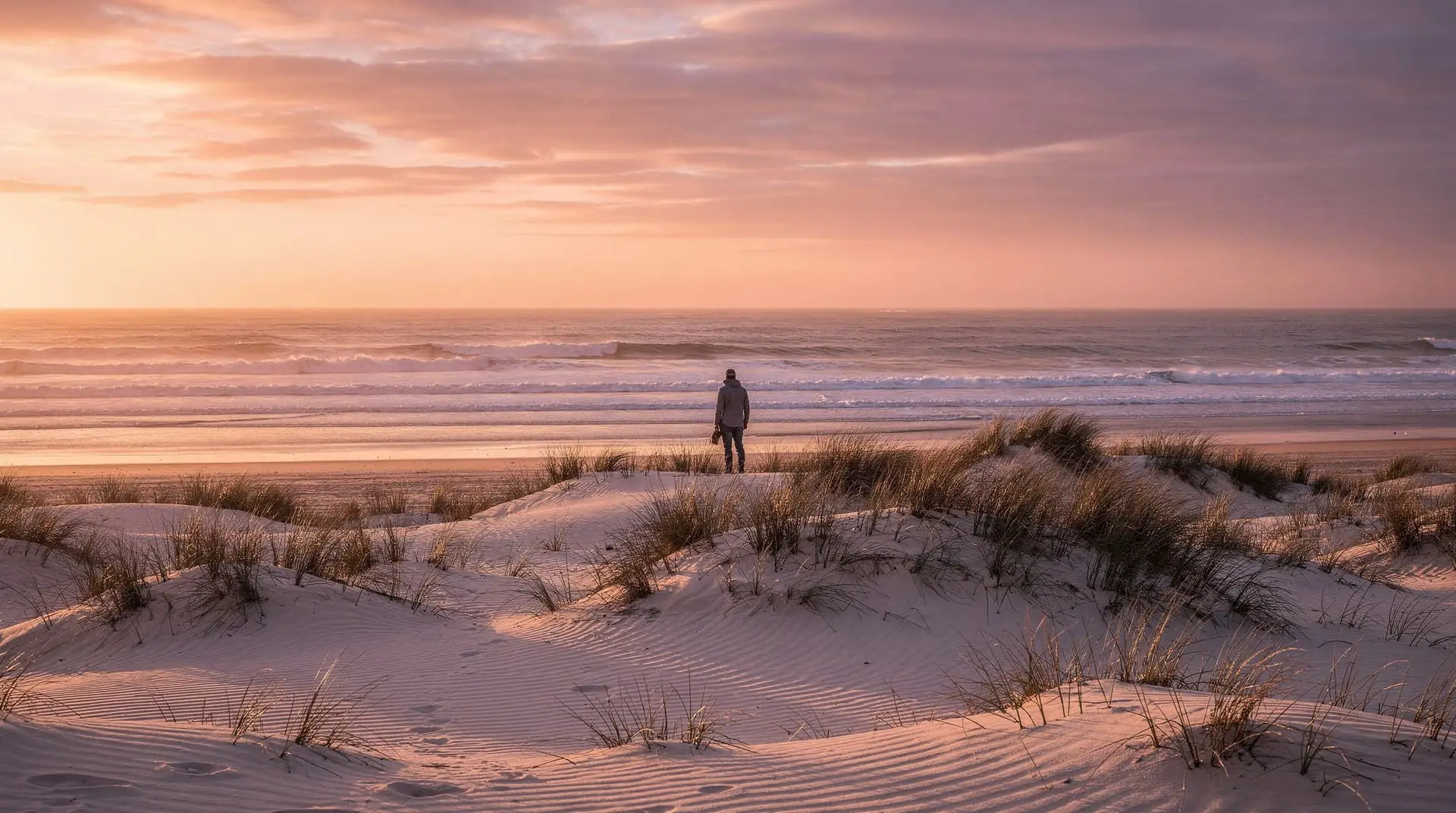
Comporta sunset from a dune: the slow coast beyond Setúbal
Published
Comporta does not feel like the same country as Lisbon. Sixty kilometres south, across the Sado estuary and through the rice paddies of the Alentejo coast, it is a different pace, a different light, a different relationship with time. I went on a Friday in July, which sounds like the worst possible choice — peak summer, peak crowds. It was still worth it.
| Where | Comporta, ~60km south, across the Sado estuary |
| Cost | car rental €40-60/day, or organised tour; wine tasting ~€25/person |
| Time needed | a full day, ideally not combined with other stops |
| Getting there | car via A2 + N253, or ferry from Setúbal/Tróia plus taxi |
| Best time | on a weekday even in July; sunset after 21:00 in summer |
The logistics problem
There is no direct public transport from Lisbon to Comporta, which is the main reason many visitors don’t go. The most practical options are:
By car: About one hour from Lisbon via the A2 and then N253. Parking near the village is free, though limited in July. A rental for the day costs around €40-60.
By ferry and taxi: Take the ferry from Setúbal or Tróia (the ferry crosses the Sado estuary in about 40 minutes from Setúbal, or 5 minutes from Tróia — the Tróia ferry runs regularly and costs about €2.80). From Tróia, taxis to Comporta village cost €15-20. Alternatively, Carris buses serve the route in summer.
Organised tour: Several operators run day trips from Lisbon combining Setúbal, Arrábida, and Comporta.
From Lisbon: Setúbal with horse riding and Comporta beach day tripI went with a friend who had a car. We left Lisbon at 7:30, took the A2 south, crossed the Sado estuary on the Marateca road, and arrived in Comporta at 8:45. The village was just waking up.
The village
Comporta village is small — maybe 500 year-round residents — and built in a low, horizontal style that reflects the Alentejo approach to architecture: white walls, flat roofs, no pretension. The rice fields begin at the edge of the village and extend toward the estuary, green and flat, a complete visual rupture from the limestone hills of Arrábida an hour north.
The village has become fashionable in a specific Portuguese coastal way — there are design-conscious restaurants, a boutique hotel that charges €400 a night in July, a handful of shops selling linen clothing and local ceramic. But it hasn’t tipped into the total tourism monoculture of some other coastal spots. On a Friday morning in July there were farmers and fish sellers as well as people with expensive sunglasses.
The beach
Comporta beach is 30 kilometres of uninterrupted Atlantic coast — the longest beach in mainland Portugal, with sections ranging from accessible (near the village) to genuinely remote (accessible only on foot or by 4x4). The sand is fine and white. The water is cold (18-19 degrees Celsius even in July) and clear. The dunes behind the beach are high — some 10-15 metres — and covered in marram grass.
We walked north from the village access point, away from the beach bars and the rented sunbeds, for about twenty minutes. The beach thinned. By the time we stopped, there were perhaps twelve people visible in either direction on an expanse of beach maybe a kilometre long.
In July. On a beach sixty kilometres from Lisbon. This is why Comporta.
For comparison, the closer beaches near Lisbon — Costa da Caparica or the coves at Arrábida — are much easier to reach but noticeably more crowded on a summer weekend. Comporta trades convenience for space, and on a long stretch of sand that trade is worth making.
The afternoon: wine and rice
We drove to Herdade da Comporta, the wine estate that dominates the area and has played a significant role in the region’s rebranding as an upmarket destination. The wine tasting (€25 per person, booked in advance) covers four or five wines, all made from Alentejo varieties with a coastal influence — the Atlantic proximity gives the reds a freshness that most Alentejo wines lack.
Private wine tasting at Herdade da Comporta — book in advance, especially in summerThe tasting room looks out over the rice paddies, which in July are a saturated, improbable green. The guide mentioned that Comporta is one of only two places in continental Europe where rice is cultivated on a significant scale (the other being the Po Valley in Italy), a fact I keep sharing and that never fails to surprise people.
The dune at sunset
This is why I’m writing about July instead of a quieter month: the summer sunsets at Comporta are long, late (after 21:00), and best experienced from height. There is a dune at the north end of the main beach access point — about 15 metres, not difficult to climb — that faces due west over the Atlantic. By 19:30 the beach crowds had mostly gone. By 20:00 there were perhaps thirty people on the beach and four of us on the dune.
The sun dropped below the Atlantic at 21:06. The sky went through orange, pink, briefly purple, then a deep blue that lasted about ten minutes before it was properly dark. The Atlantic was absolutely flat.
The honest assessment
Comporta is not easy to get to without a car. In July it is expensive — the restaurants charge Lisbon prices for simple fish dishes (grilled sea bass for €24, which seems steep until you remember you’re eating it 50 metres from the ocean). The beach is cold even in midsummer.
None of this matters much. The Comporta beaches guide has more detail on beach access points and the best sections in different seasons. The day trips from Lisbon guide situates Comporta in the full context of your options.
My specific recommendation: if you have access to a car, go to Comporta on a Thursday in July. Arrive early, walk north on the beach, eat lunch at one of the simpler places in the village, see the dune at sunset, drive home. Don’t try to do it in a day as part of a wider south-of-Lisbon circuit — it deserves its own day, and the pace requires it.
When to go
| Month | Water temp | Crowds | Notes |
|---|---|---|---|
| May-June | Cold (16-17°C) | Low | Green rice paddies, quiet beaches, cooler evenings |
| July-August | Cool (18-19°C) | High | Fashionable crowd, long sunsets, book restaurants ahead |
| September | Warmest (19-20°C) | Moderate | My pick — fewer people, still warm, golden rice fields |
| October-April | Cold | Very low | Restaurants and some shops close; village feels sleepy |
If you’d rather not drive
Without a car, the ferry-and-taxi route works but adds time and a little friction, especially getting back late after sunset when taxis on the Comporta side thin out. An organised day trip removes that risk entirely and usually includes the wine tasting.
Comporta and Alentejo coast day trip from Lisbon, with wine tasting includedIf you’d rather stay closer to Lisbon but still want the rice-paddy-and-coast combination, the day trips from Lisbon guide covers the alternatives, and Lisbon on a budget helps you weigh Comporta’s higher restaurant prices against a cheaper day out.
Related guides
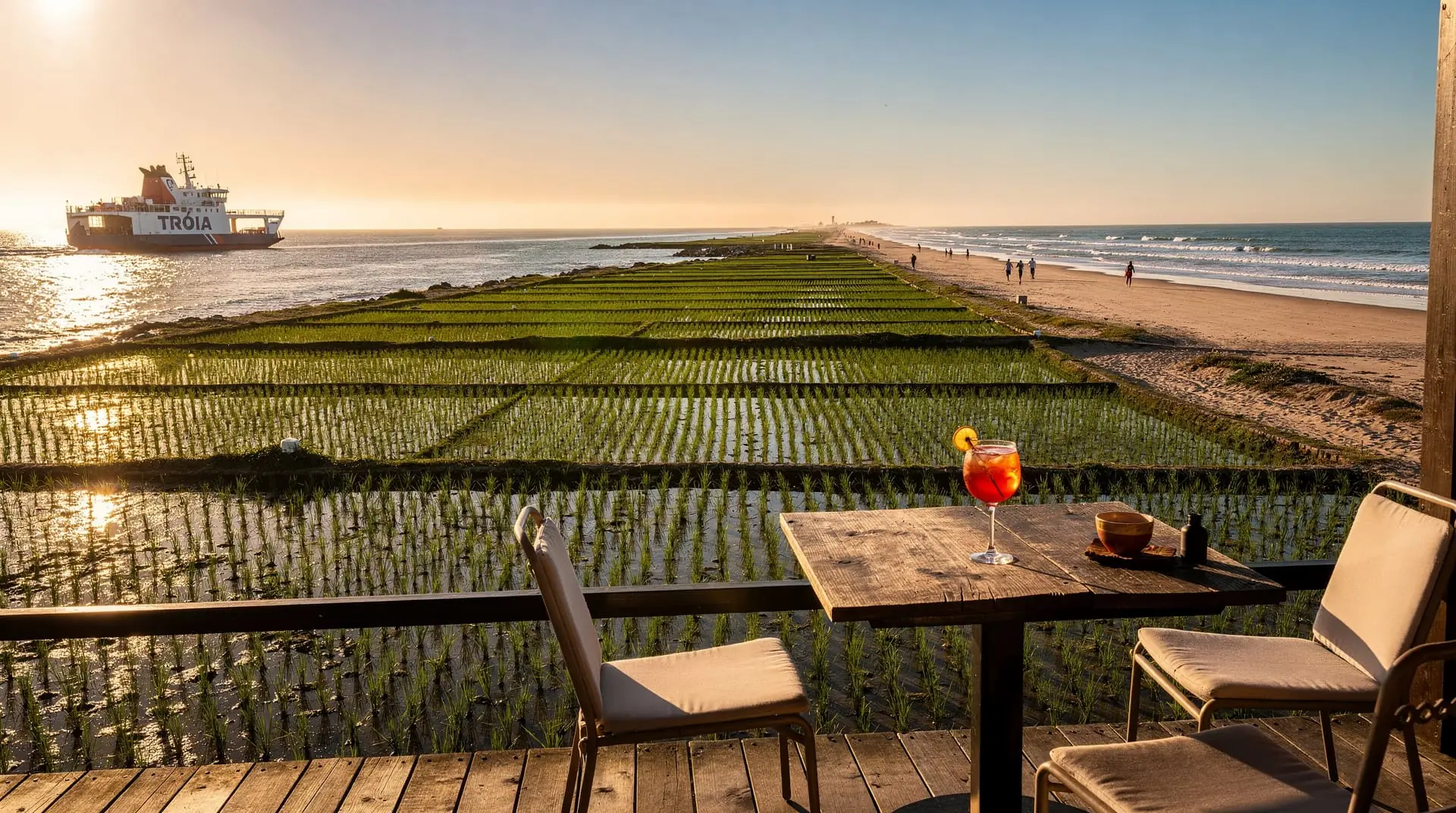
Comporta day trip from Lisbon: Tróia ferry, rice paddies, beach and the €15 cocktail
Comporta day trip via Tróia ferry — how to get there carless, the beach reality, €15 sunset cocktails, rice paddies, and whether the effort is worth it.
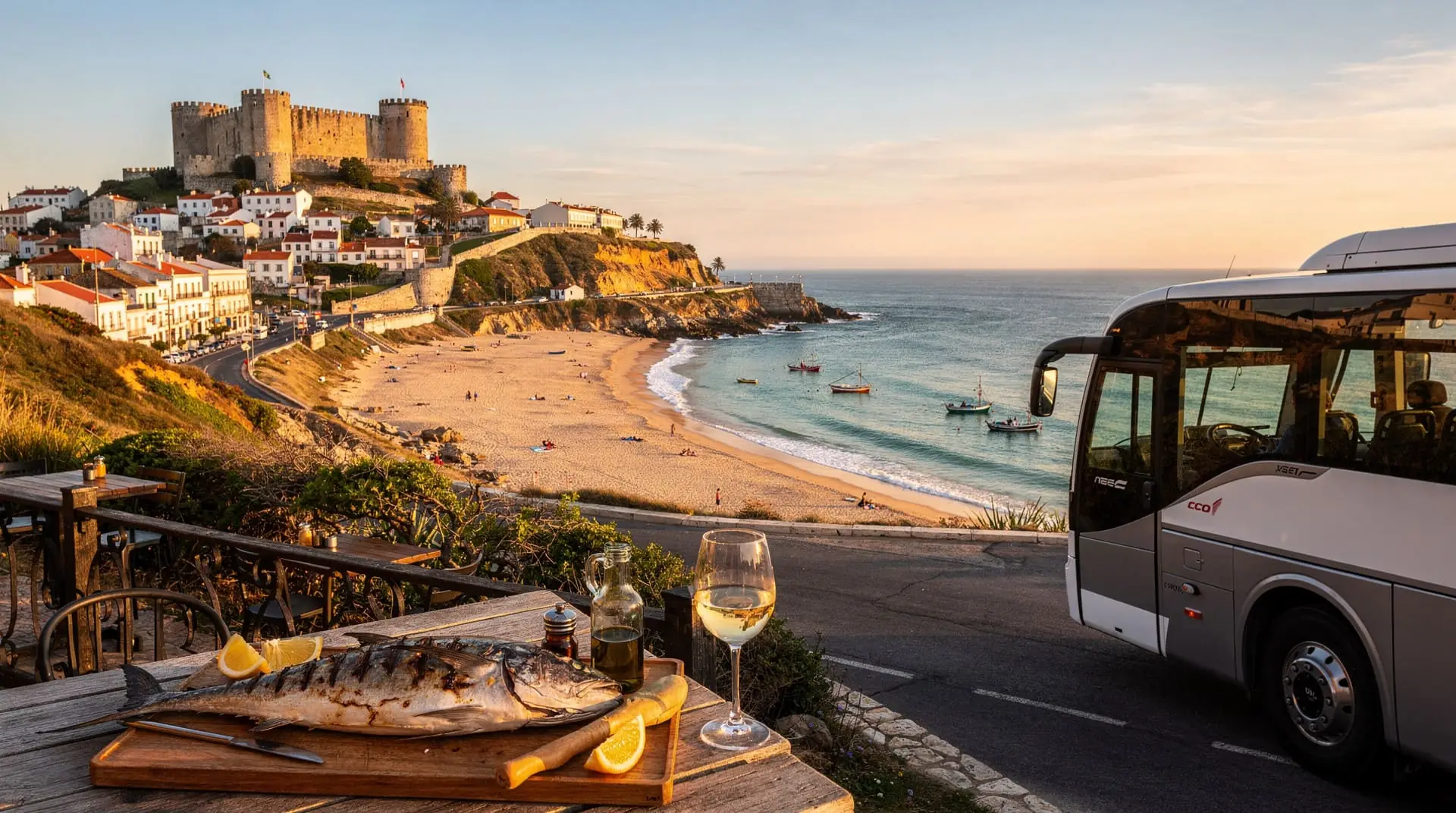
Sesimbra day trip from Lisbon: beach, castle, espadarte and how to get there by bus
Sesimbra day trip — TST bus from Praça de Espanha (75 min, €3.60), sheltered beach, medieval castle, espadarte fish lunch. Lisbon's underrated coast.
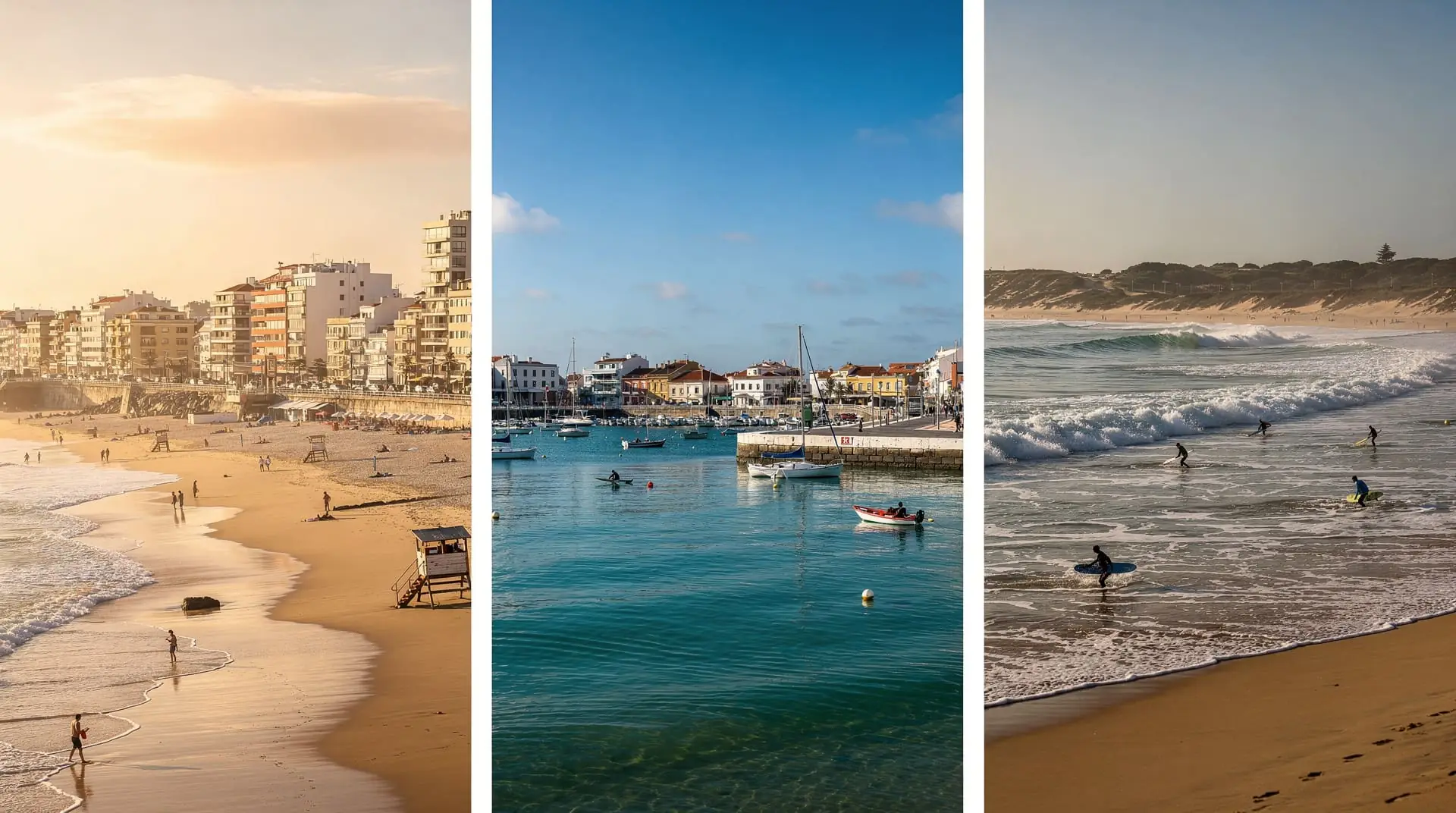
Best beaches near Lisbon — ranked by type and access
The 6 best beaches near Lisbon ranked: Caparica, Carcavelos, Cascais, Guincho, Arrábida, Comporta. By train, bus, and car with honest tips.
Best viewpoints in Lisbon — ranked and honest
The 8 best miradouros in Lisbon ranked: Senhora do Monte, Portas do Sol, São Pedro de Alcântara, Santa Catarina, Graça, Santa Luzia, Castelo, Cristo Rei.