Lisbon summer 2026: heat, crowds, and how to survive both
Published
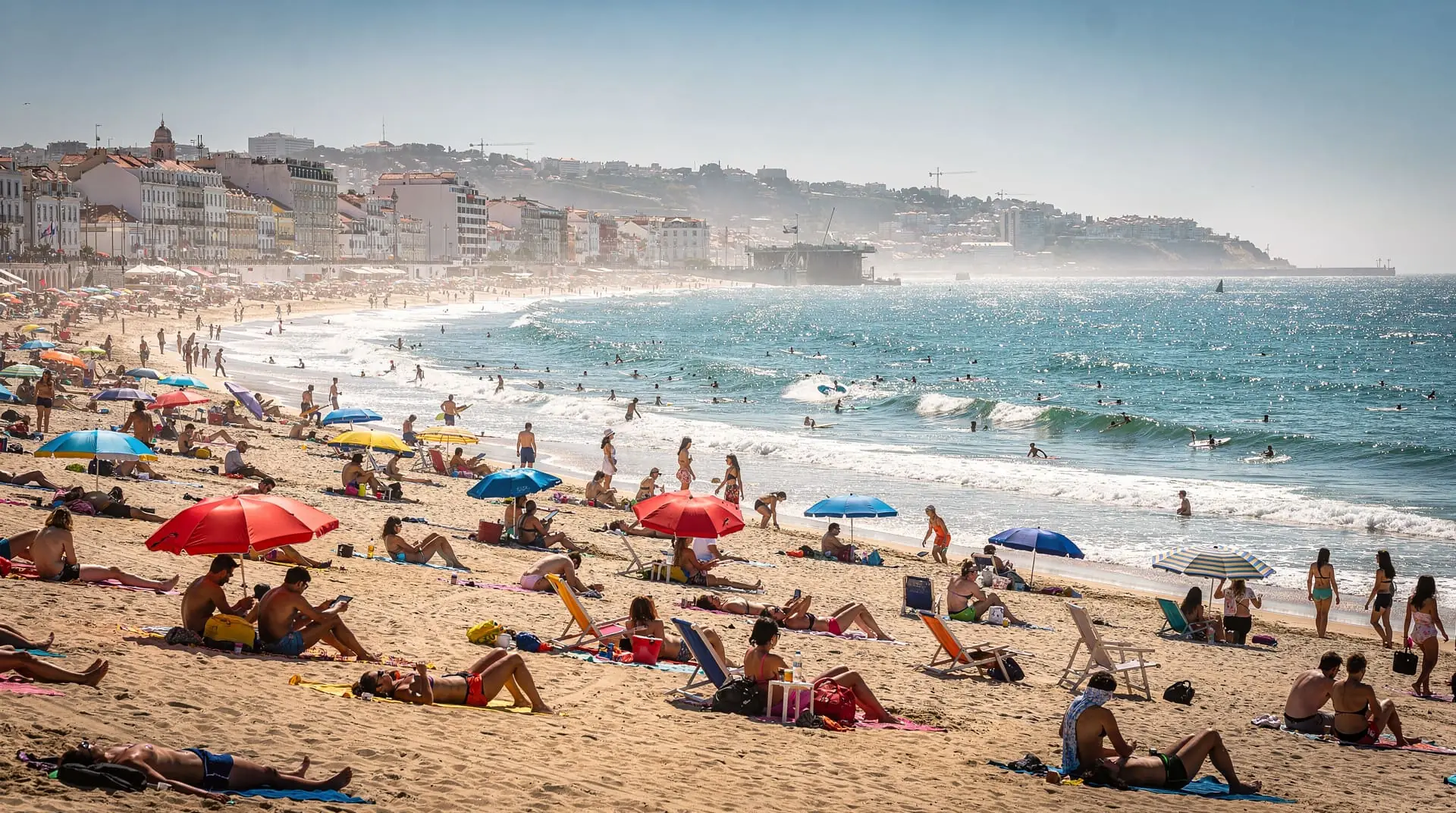
Summer in Lisbon runs hot. July and August average high temperatures of 28-32 degrees Celsius, with periodic heat waves pushing 36-40 degrees. The city is also at its most crowded — queues at Jerónimos run 45 minutes, Pena Palace tickets sell out weeks in advance, and the Miradouro de Santa Luzia at 15:00 is standing-room only.
| Peak heat window | 12:00-17:00 |
| Best sightseeing hours | 7:00-9:00 and 16:00-19:00 |
| Average July-August highs | 28-32°C, heat waves to 36-40°C |
| Nearest beach escape | Cascais, 40 min by train |
| Book palace tickets | 5-7 days ahead in peak summer |
None of this makes summer a bad time to visit. It makes it a different time to visit, with a different set of strategies required.
The summer time schedule
The key insight about summer in Lisbon: the city operates on a bimodal day. There is an active morning period (7:00-12:00), a dead afternoon (12:00-17:00 when the heat is at its worst), and a very active evening period (18:00-2:00 or later).
Working with this means:
- 7:00-9:00: Best time for Alfama walking, tram 28, viewpoints. The light is perfect, the heat is absent, the crowds haven’t arrived.
- 9:00-12:00: Museums, paid monuments, any sites where you’ve pre-booked. Jerónimos opens at 9:30 — arrive at 9:30, not 11:00.
- 12:00-16:00: Retreat. Air-conditioned museum, a long lunch at a restaurant, a café with a fan, or (ideal) your hotel room for a genuine siesta. Do not tour Alfama in this window in July.
- 16:00-19:00: The light improves, the heat begins to ease. This is the best viewpoint window — the afternoon light on the Tagus and the rooftops is extraordinary.
- 19:00 onwards: Lisbon’s real day begins. Dinner, drinks, streets becoming animated, outdoor terraces filling.
The beach escape
The single best summer strategy from Lisbon: the beach.
Cascais: 40 minutes by train from Cais do Sodré, €2.15 with Viva Viagem. The beaches in Cascais town (Praia da Rainha, Praia da Ribeira) are good and accessible. Go on a weekday before 10:00 or after 16:00 to avoid the densest crowds. The water is Atlantic-cold (18-20 degrees in summer) but you adapt.
Costa da Caparica: Across the Tagus from Lisbon, 30 kilometres of Atlantic beach. Ferry from Cais do Sodré to Cacilhas (10 minutes), then bus 161 or a taxi. The bus directly to Caparica takes about 45 minutes in non-peak traffic. The water here is slightly warmer than the Estoril coast (south-facing beach). Better surf. More local-feeling than Cascais.
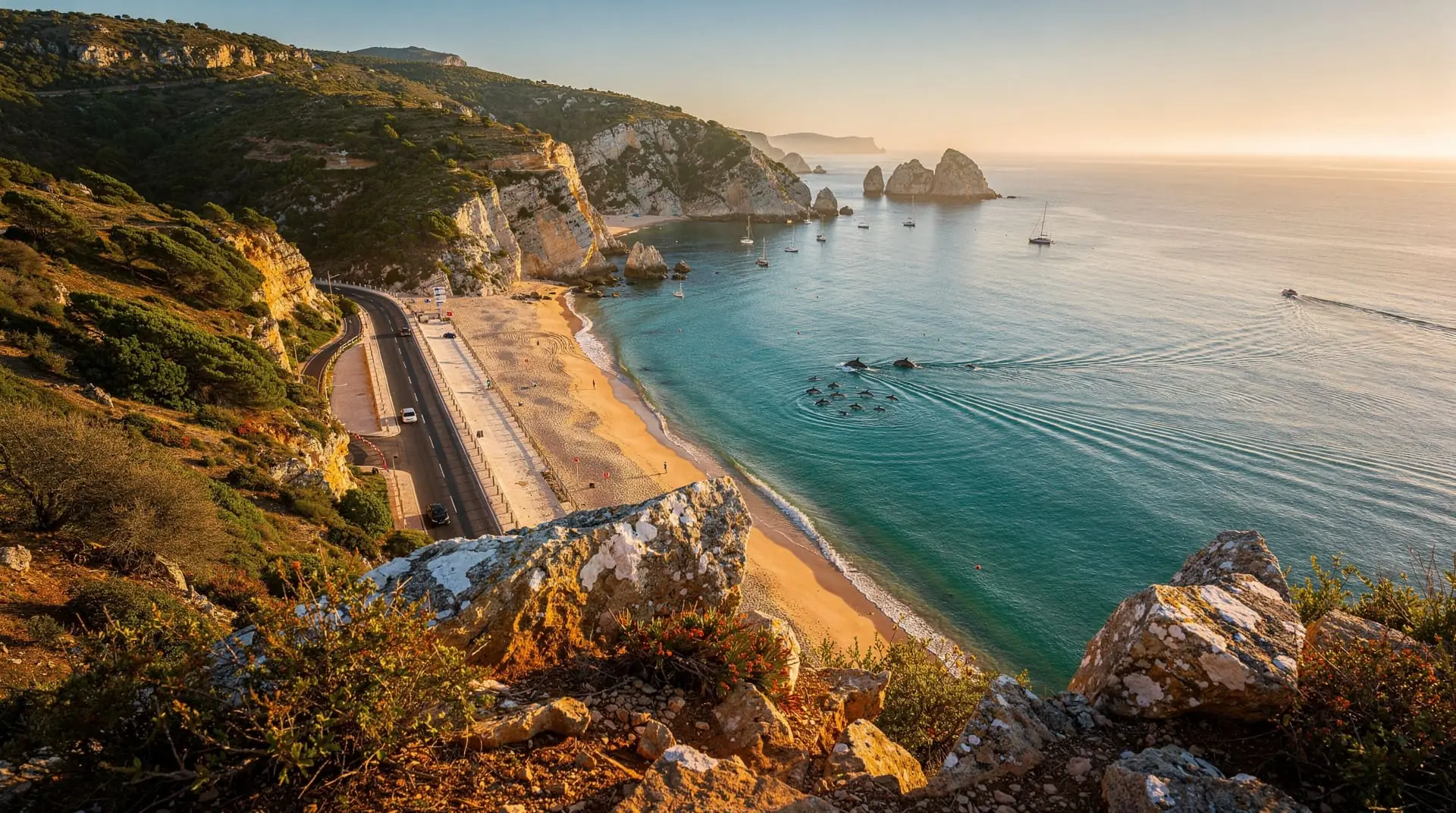
Arrábida: 1 hour south by car. The best beaches near Lisbon — clear turquoise water, limestone cliffs, genuinely Mediterranean feeling. Access by car only in summer (the approach roads are too narrow for bus service during peak hours, and there are car number restrictions in the national park). Worth renting a car for one day.
Arrábida kayak tour with beach picnic — goes to the beaches that are inaccessible to carsSurviving the monuments
Every monument worth seeing in Lisbon has a summer crowd problem. The solutions:
Jerónimos Monastery: First entry at 9:30. Be there by 9:20. You’ll be ahead of the first coach tour groups by at least 45 minutes. Pre-book on the Monumentos website.
Torre de Belém: Honestly, the exterior is the experience. The interior is a narrow staircase climb to a view that is similar to what you can see from the esplanade for free. In July, the tower queue can run 45 minutes for a 20-minute interior experience. View it from outside and spend the time on the Tagus waterfront.
São Jorge Castle: Opens at 9:00. By 11:00 the main inner courtyard is congested. Go early or late afternoon (16:00+ when some tour groups have departed).
Pena Palace: Pre-book for the earliest entry slot available. The first-entry strategy is described in the Pena Palace without crowds post.
The rooftop strategy
Summer is rooftop bar season. Lisbon has an excellent selection, and the combination of a cold drink with the Atlantic breeze at 19:30 is a specific pleasure.
The viewpoint bars at Miradouro da Graça and the Sky Bar at the Tivoli hotel (Avenida da Liberdade) are the most reliable for views and breeze. The rooftop bars guide has the full list with honest assessments of which have the view, which have the atmosphere, and which are mainly paying for the name.
Day trips in summer: what still works
What works: Évora by train (the archaeological sites don’t have queue problems in the same way as the Sintra palaces; the city stays relatively quiet even in July). The Sado dolphin watching from Setúbal (the dolphins don’t care about crowds; book a morning departure).
What requires careful management: Sintra (early start, pre-booked tickets, leave before 14:00). Cascais (weekday mornings for beaches).
What’s genuinely crowded: Nazaré (the beach in July is packed, though the big waves aren’t there in summer). Óbidos (a small walled village that becomes extremely busy on summer weekends).
The summer day trips by season guide covers which day trips are best in which months.
Staying cool without leaving the city
Not every day allows for a beach escape. On the days you’re stuck in the city during the 12:00-17:00 dead window, the tile museum and the Gulbenkian are both fully air-conditioned and genuinely worth two to three hours regardless of season — treat the heat as an excuse to do the indoor sights you’d otherwise deprioritise. The MAAT waterfront building also catches the river breeze even outside, which helps on the walk there. If you’d rather stay near your accommodation, most Baixa-Chiado cafés with interior seating are cooler than their outdoor terraces look.
Staying hydrated and safe in the heat
Portuguese heat waves are genuinely dangerous, not just uncomfortable — hospitals see a rise in heat-related admissions during the worst July and August spells. Carry water at all times (Lisbon’s public fountains, chafarizes, are generally drinkable and free), wear a hat, and take the midday retreat seriously rather than pushing through it because you’re on a tight itinerary. Sunscreen reapplication matters more than people expect given the reflected heat off cobblestones and white building facades. The Lisbon safety guide has the fuller picture on summer-specific risks beyond just crowds.
Cascais sunset boat trip — a genuinely cool way to spend the evening heat window on the waterFAQ
Is Lisbon too hot to visit in July and August? It’s hot but manageable if you plan around the schedule — mornings and evenings for sightseeing, midday for museums, cafés, or a genuine rest. Heat waves pushing 36-40°C do happen and are worth taking seriously with hydration and shade, but they’re not the daily norm.
What’s the best way to escape the summer heat for a few hours? A beach train to Cascais (40 minutes from Cais do Sodré) or a few hours in an air-conditioned museum like the Gulbenkian or the tile museum. Both work well during the 12:00-17:00 dead window described above.
The bottom line on Lisbon in summer: it’s crowded, it’s hot, and it’s also vibrant and lively in a way that January is not. The outdoor dining at 22:00, the extended daylight until 21:00, the full heat of the Atlantic coast on a beach day — these are summer-specific pleasures. Work with the schedule rather than against it.
Related guides
Setúbal and Arrábida day trip: beaches, dolphins and the summer road restrictions
Setúbal and Arrábida day trip — Galapinhos beach, Portinho da Arrábida, dolphin watching, summer road restrictions explained, and carless options.
Sintra crowds and parking: the honest reality check
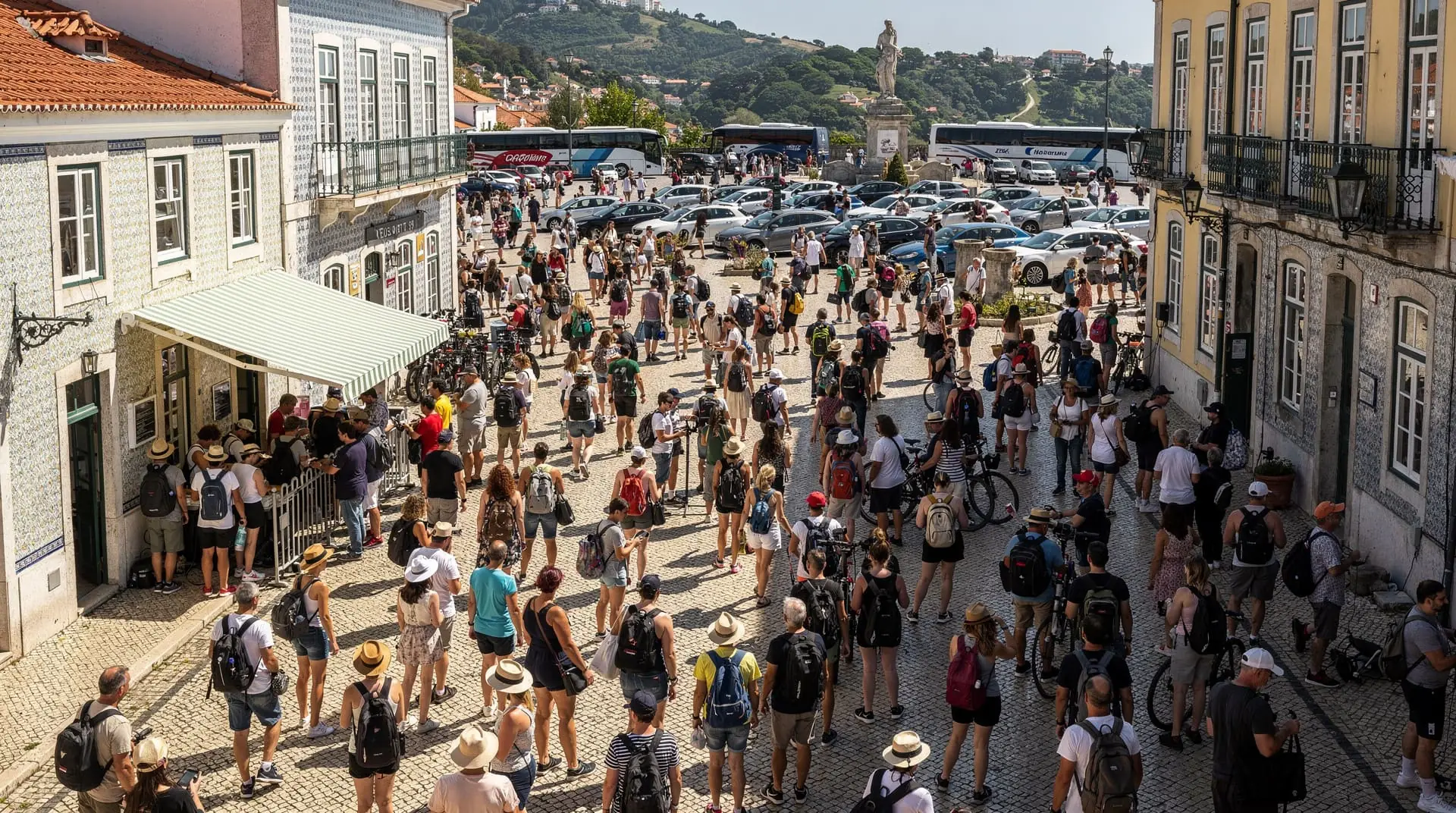
Sintra's queues, parking nightmare and bus chaos explained. What actually happens if you arrive without planning — and how to avoid it entirely.
Getting from Lisbon airport to the city centre — all options compared
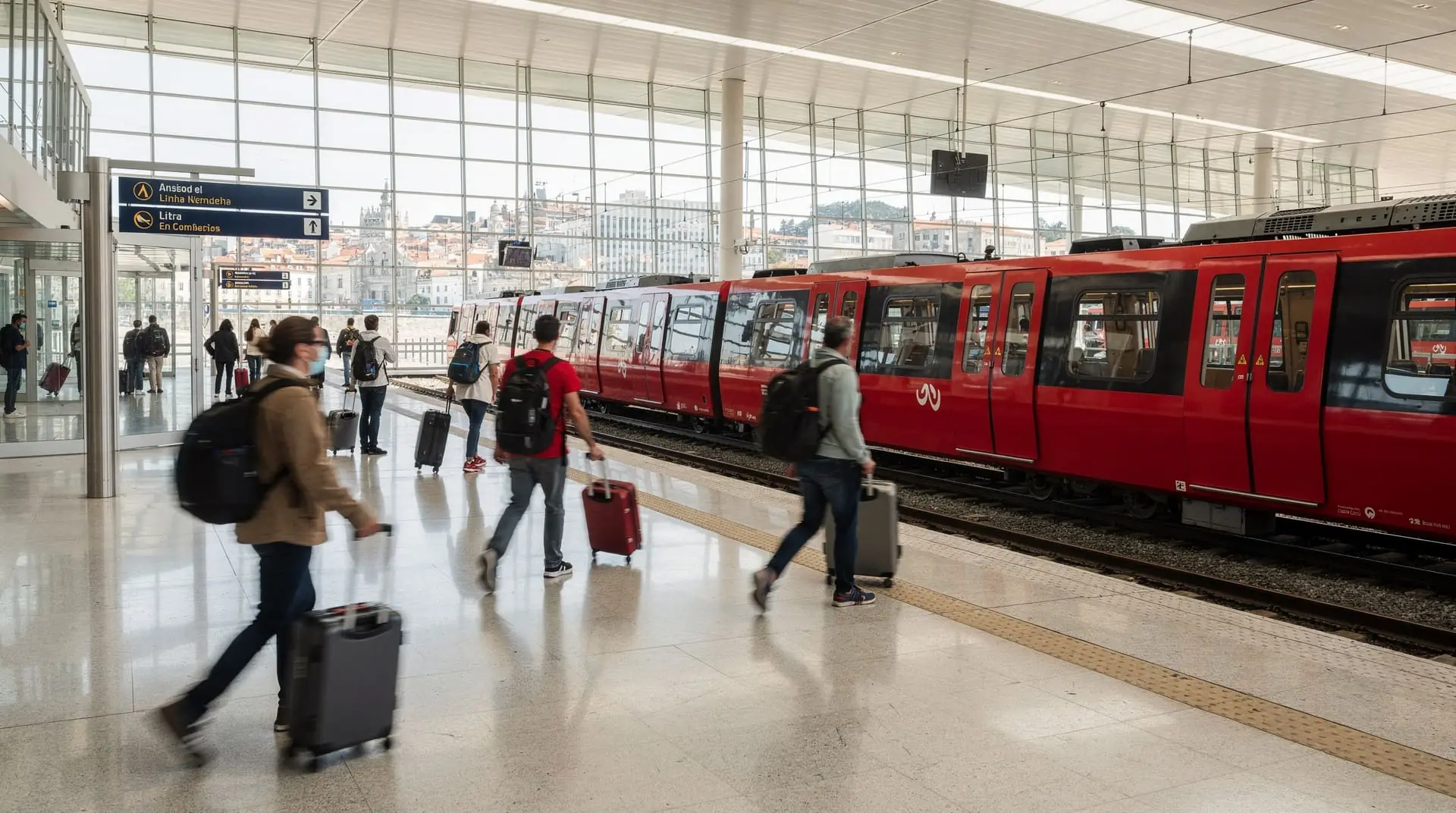
Metro, Aerobus, Uber, taxi: how to get from Humberto Delgado airport to central Lisbon. Real prices 2026, journey times, and scam warnings.
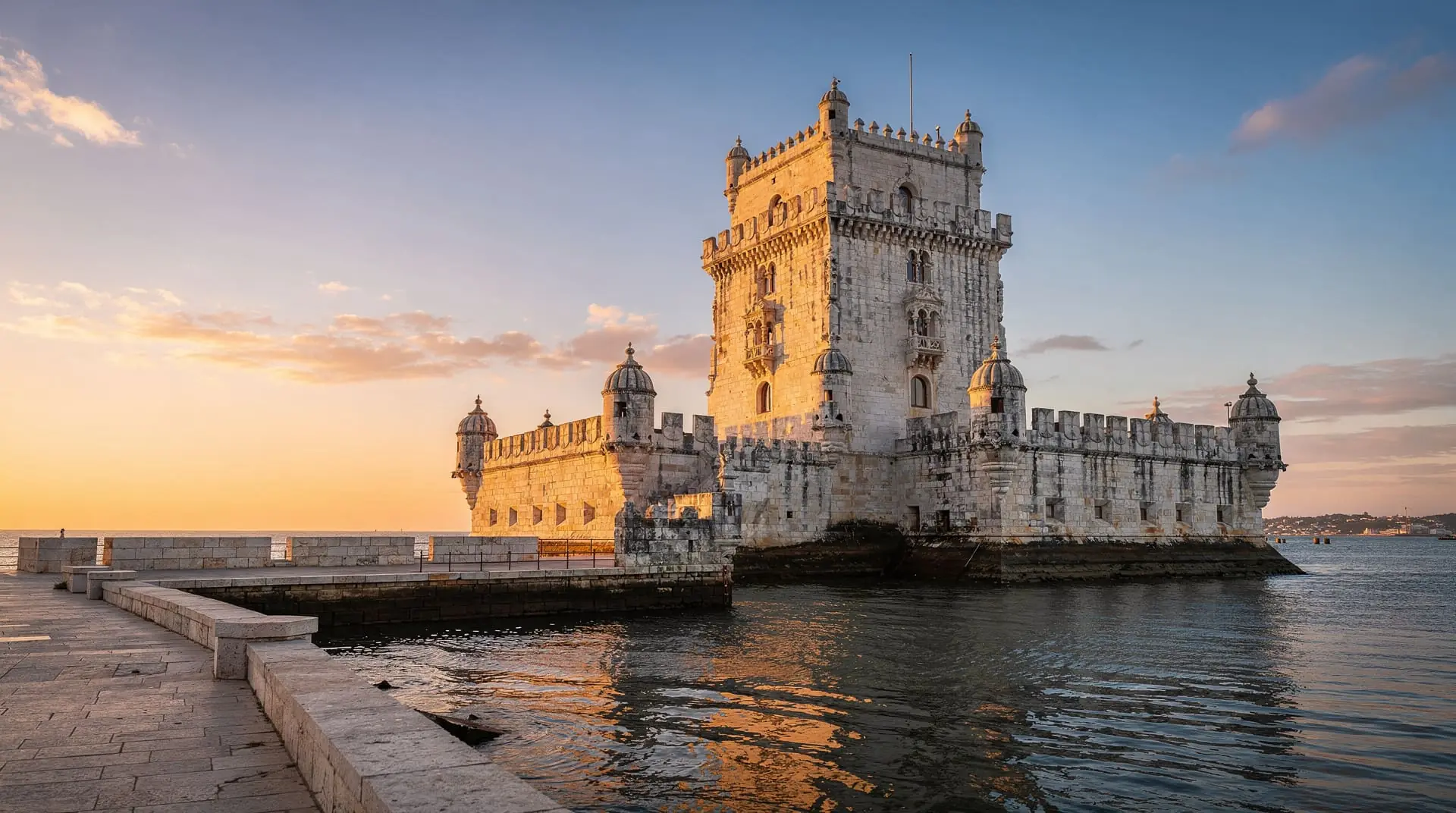
Belém Tower: tickets, queues and what to expect inside
How to visit Belém Tower without wasting an hour in the queue. Fast-track tickets, best time to go, and what the Manueline tower actually shows you.