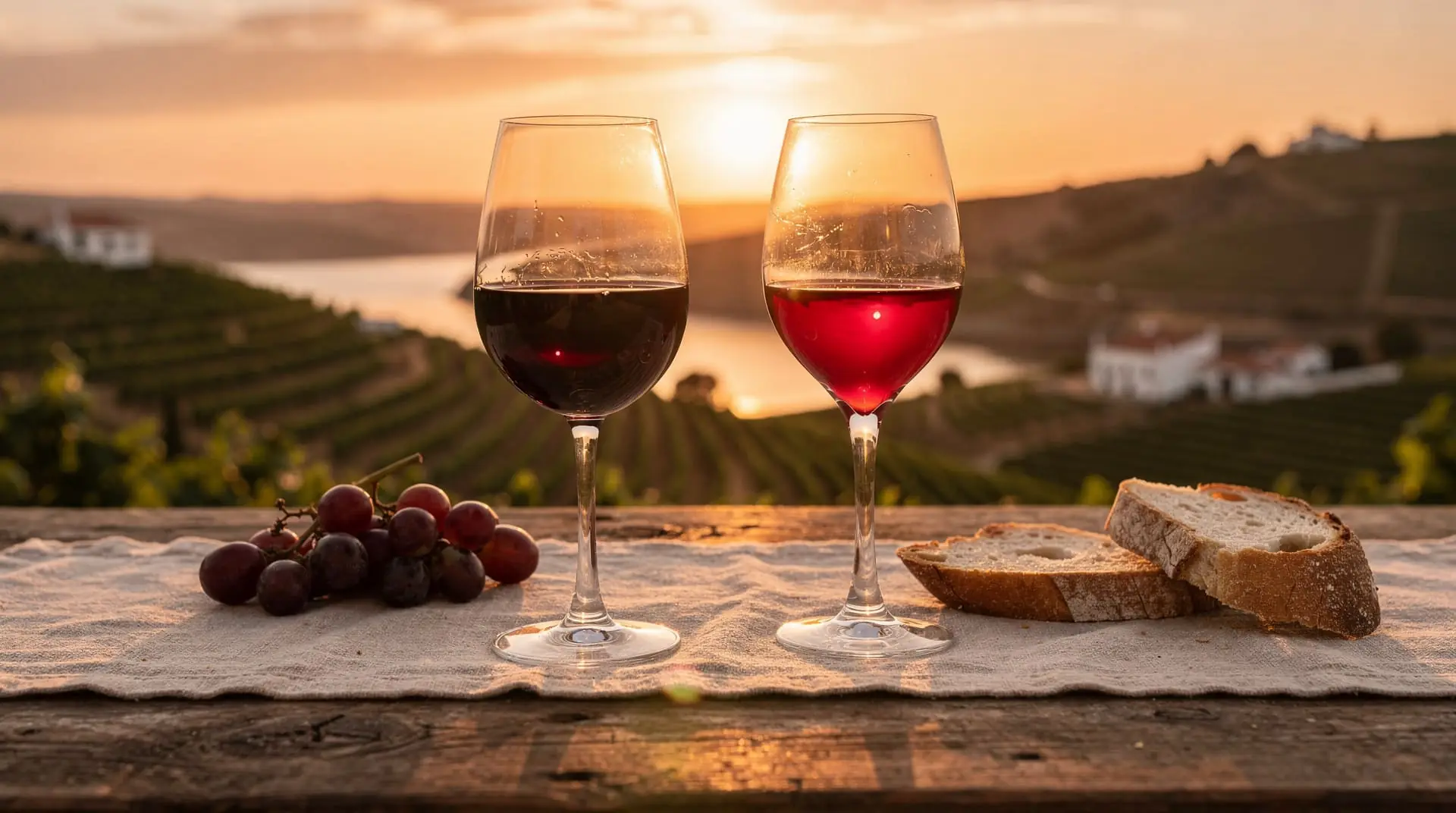
Port wine vs Lisbon-area wines: what to drink and where
Last reviewed
Should I drink port wine or local Lisbon-area wine in Lisbon?
Both are available everywhere, but Lisbon's surroundings produce their own distinct wines: Moscatel de Setúbal (sweet fortified), Bucelas whites (crisp Arinto), and rare Colares reds from ungrafted sand-dune vines. Port is from the Douro, 300 km north — excellent quality, but not a Lisbon speciality. In Lisbon's wine bars, try the regional wines first.
Most visitors arrive in Lisbon expecting port wine. They have seen the bottles in duty-free, they know the name, and the fortified, sweet dark wine feels quintessentially Portuguese. All true — but port is made 300 km north in the Douro Valley, aged in Vila Nova de Gaia across the river from Porto, and has no particular relationship with Lisbon except that it is sold everywhere.
Lisbon sits at the centre of five distinct wine regions, each producing wines of genuine character. Understanding the difference between port and what grows on Lisbon’s doorstep makes you a better drinker and leads you to better value.
| Where | Wine bars citywide; day trips to Bucelas, Colares, Setúbal, Alentejo |
| Cost | around €4–9 a glass, €18–30 for a guided tasting |
| Time needed | an evening for bars; a full day for a wine-region trip |
| Getting there | walkable in Chiado/Baixa; train or tour for the regions |
| Best time | any season — tastings run year-round |
Port wine: what it is and where it actually comes from
Port is a fortified wine: grape must (partially fermented juice) with the addition of aguardente (grape spirit) at around 77% ABV, which stops fermentation and preserves natural sugar. The result is sweet (60-130 g/L residual sugar), typically 19-22% alcohol, and designed to age.
The grapes grow on steep schist terraces in the Douro Valley — Touriga Nacional, Touriga Franca, Tinta Roriz (Tempranillo), Tinta Barroca. The wine is then trucked or shipped to Vila Nova de Gaia, where it ages in lodges (caves) and is classified:
- Ruby: young, fruity, aged 2-3 years in large barrels. Cheapest and most common.
- Tawny: aged in small barrels, oxidised, nutty, amber-coloured. The 10, 20, 30, 40-Year-Old tawnies show stunning complexity.
- Vintage: single-year declaration, bottle-aged for decades. Portugal’s most prestigious wine. A 1994 Quinta do Crasto vintage port costs €80-200 per bottle retail.
- Late Bottled Vintage (LBV): single year but filtered and ready to drink. More accessible.
- White port: made from white grapes. Serve chilled as aperitif — white port and tonic is a Portuguese summer drink.
- Colheita: tawny from a single vintage, aged at least 7 years. Underappreciated category.
Where to drink port in Lisbon: port wine tasting sessions at dedicated bars are your best option. Taylor’s has a tasting room in the Chiado area. By the Wine stocks interesting port alongside table wines.
Book a premium port wine tasting with tapas in LisbonThe Lisbon wine region (DOC Lisboa)
Often called simply “Lisboa” on labels, this sprawling region north and west of the capital covers Alenquer, Arruda, Torres Vedras, Bucelas, Carcavelos, Colares, and several sub-zones. Quality has improved dramatically since the 1990s; the region now produces wines that belong in serious conversations.
Bucelas
The most commercially accessible Lisbon sub-region. Grown on limestone hills 30 km north of the city, along the Trancão river. The grape is Arinto — also called Pedernã — which gives high acidity, citrus and mineral character, and the ability to age surprisingly well.
A young Bucelas (Quinta da Murta, Quinta de Abrigada) at 3-4 years old tastes like lemon zest, white flowers, and wet stone. At 8-10 years it develops beeswax and lanolin notes reminiscent of aged white Burgundy. It is one of Portugal’s most underrated white wines and costs €10-20 a bottle at wine shops.
You can visit Bucelas on a day trip — it is 45 minutes north of Lisbon on the A1. Several quintas do tastings: Quinta da Murta (+351 219 740 231) offers visits by appointment.
Colares
The smallest and most extraordinary Lisbon DOC sub-zone. Grown on sand dunes near the Atlantic coast, west of Sintra, on clay subsoil beneath deep layers of sand. The significance: sand stops phylloxera (the louse that destroyed European vineyards in the 19th century). Colares vines are ungrafted — they grow on their own original rootstocks, as European vines did before 1875. There are perhaps 30 hectares left.
The red grape, Ramisco, makes wines so tannic when young they are nearly undrinkable. Age them 10-20 years and they become hauntingly complex — mineral, earthy, with wild red fruit and iron notes. Adega Regional de Colares (the cooperative that controls most production) sells bottles at the winery; the 1995 and 2005 vintages occasionally appear at Lisbon wine bars for €40-80 a bottle.
White Colares is made from Malvasia de Colares. Rare, aromatic, oxidative in style. Worth seeking out if you see it.
Carcavelos
Almost extinct as a commercial wine region. A small area between Cascais and Oeiras, now mostly swallowed by urban development. The wine is a semi-dry fortified white (similar to white port but earthier, more saline from the Atlantic influence). Quinta dos Pesos is the surviving estate.
You may encounter Carcavelos at wine-focused restaurants or specialist bars. It is worth ordering once for historical interest — this was a wine exported to Britain in the 17th and 18th centuries. See vineyards near Lisbon for a day trip context.
Setúbal: Moscatel and Palmela
The Setúbal Peninsula, south of the Tagus, produces two distinct wines.
Moscatel de Setúbal
Portugal’s answer to Muscat de Beaumes-de-Venise or Samos Muscat, but richer, darker, and more complex when aged. Made from Moscatel de Setúbal (a close relative of Muscat Blanc à Petits Grains) and Moscatel Roxo (a rare pink-skinned mutation), fortified like port during fermentation.
Young Moscatel (5-7 years) is amber, sweet, with fresh orange and apricot. A 20-year Moscatel turns mahogany, developing caramel, dried fig, almond, and vanilla. The 20-year version from José Maria da Fonseca (about €18 a bottle) is one of Portugal’s best-value luxury wines.
Where to buy: The José Maria da Fonseca quinta in Azeitão (35 km from Lisbon) offers tastings and sales. By the Wine in Chiado stocks the full range. See the full Setúbal Moscatel guide.
Palmela
The broader Setúbal region also produces table wines under the Palmela DOC. Castelão (also called Periquita) is the dominant red grape — medium-bodied, red cherry, slightly rustic, very food-friendly. José Maria da Fonseca’s Periquita is the best-known label; it was the first commercially bottled table wine in Portugal (1850) and is still excellent value at €7-9.
Alentejo: the wine you will drink most in Lisbon
Alentejo — the vast, hot, cork-oak-forested region east of Lisbon — is now Portugal’s most commercially successful table wine region. The wines are big, fruity, full-bodied, and drink well young. They dominate house wine lists across Lisbon.
Key grapes: Aragonez (Tempranillo), Trincadeira, Alicante Bouschet (gives colour and structure), Touriga Nacional. Sub-zones within Alentejo — Reguengos, Redondo, Évora, Granja-Amareleja — each have slightly different characters, but all share the warm-climate richness.
Good producers to look for: Esporão (reliable, widely available), Cartuxa (estate wines from a Jesuit monastery near Évora), Herdade do Mouchão (100% Alicante Bouschet, age-worthy), Monte da Ravasqueira, Herdade da Malhadinha Nova (excellent and pricier).
The best way to understand Alentejo wine is to visit: see the Alentejo wine day trip from Lisbon for a full guide to Évora and surrounding wineries.
Try a guided Portuguese wine tasting session in LisbonDouro table wines: port’s table-wine siblings
The same Douro Valley that produces port also makes increasingly impressive dry red wines (Douro DOC). Released without fortification, the same Touriga Nacional, Touriga Franca, and Tinta Roriz grapes produce structured, concentrated reds that age well.
Look for: Quinta do Crasto, Ramos Pinto, Quinta da Gaivosa, Quinta do Vale Meão (a standout — the quinta was founded on grapes that had previously gone into Barca Velha, Portugal’s most prestigious red). These wines are available at Lisbon wine bars but are not local — they come from the same source as port.
White Douro wines are becoming interesting too: Rabigato, Viosinho, Gouveio grapes produce aromatic, textured whites that work well with fish and shellfish.
Vinho Verde: Portugal’s freshest wine
Vinho Verde (“green wine”) is from the Minho region in the far northwest — neither green in colour nor young in the traditional sense. The name refers to the verdant landscape. The wines are light (9-11% alcohol in the traditional style, though some single-varietal versions reach 13%), high in acidity, slightly petillant (naturally or from added CO2).
Most Vinho Verde drunk in Lisbon is the commercial style: pale, slightly fizzy, lemon-lime, served very cold. It is an excellent aperitif and pairs brilliantly with grilled fish (sardines, sea bass) and seafood.
The premium category — Alvarinho from Monção and Melgaço — is a different wine entirely: full-bodied, aromatic, 13%+ alcohol, comparable to Galician Albariño (same grape, same border territory). Worth seeking out at €12-20 a bottle.
Side-by-side comparison: which to choose
| Wine | Origin | Style | Best with | Price (glass) |
|---|---|---|---|---|
| Port tawny 10-year | Douro | Sweet, nutty | Cheese, nuts, alone | €5-9 |
| Port vintage | Douro | Sweet, concentrated | Dark chocolate | €8-20 |
| Moscatel de Setúbal | Setúbal | Sweet, aromatic | Desserts, foie gras | €5-8 |
| Bucelas (Arinto) | Lisboa DOC | Dry white, mineral | Fish, shellfish | €4-7 |
| Colares red | Lisboa DOC | Dry red, tannic | Aged cheese, lamb | €10-20 |
| Alentejo red | Alentejo | Dry red, fruity | Grilled meat, cheese | €4-7 |
| Dão red | Dão | Dry red, structured | Any meat dish | €5-9 |
| Vinho Verde | Minho | Light, slightly fizzy | Seafood, salads | €3-5 |
Practical buying guide
Wine bars: See best wine bars in Lisbon for where to drink by the glass and explore before buying.
Wine shops: Garrafeira Nacional (Rua Santa Catarina 28, Chiado) is the benchmark — excellent selection, fair prices, knowledgeable staff. Napoleão (several branches, Chiado and Baixa) is strong on port and sweet wines.
Supermarkets: Continente and Pingo Doce stock good Alentejo wines at €5-12 a bottle. Decent for drinking in accommodation.
At the source: If you are visiting Azeitão for Moscatel, or taking the Alentejo day trip to Évora, buy direct from the estate — significant savings, access to wines not in distribution.
Take a private Setúbal region wine tasting tour from LisbonGetting deeper: guided tastings and tours
Rather than navigating this alone, guided tastings make sense if you are spending serious time on wine:
- 1-hour tasting session: Good overview, 4-6 wines with explanation. Available at most wine bars for €18-30.
- Winery day trip: See Alentejo wine day trip or Setúbal Moscatel tour for structured visits to estates.
- Food and wine walk: Combines wine bar stops with petiscos — see Lisbon food tours.
For planning your overall Lisbon trip, check how many days in Lisbon and the Lisboa Card calculator if you plan to visit museums alongside wine experiences.
Ordering wine like a local
Portuguese wine lists are usually organised by region rather than by grape, which trips up visitors used to varietal-first menus. Ask for “um copo de branco/tinto da casa” (a glass of house white/red) if you just want something reliable and cheap, or name a region directly — “um Alentejo” or “um vinho do Douro” — and most staff will steer you toward something good at the price point you imply. Tipping isn’t expected the way it is elsewhere, but rounding up or leaving 5-10% for attentive service at a wine bar is appreciated. Water is rarely offered unprompted; ask for “uma garrafa de água” if you want it alongside your glass.
Building a one-evening wine crawl
If you only have one evening to explore Lisbon’s wine scene, structure it around contrast rather than volume. Start with a glass of Bucelas or Vinho Verde as an aperitif — both are light and won’t blunt your palate. Move to a Setúbal Moscatel or a young Colares if the bar stocks one, since these are the wines you genuinely cannot get easily outside Portugal. Finish with a tawny port and a small plate of cheese or nuts; it’s the natural closing note and pairs better with dessert than most wines on the list. Three or four glasses across two bars is enough to cover the range without the evening becoming a blur — see best wine bars in Lisbon for a shortlist of where to base this route.
Buying to take home
Most of the wines in this guide travel well in checked luggage if wrapped properly, and EU/UK/US customs allow a reasonable personal quantity duty-free (check current allowances before flying, as they change). Moscatel de Setúbal and tawny port are the best souvenirs — both are stable at room temperature for years and improve rather than spoil with a little more bottle age. Bucelas and Vinho Verde are best drunk within a year or two, so only bring these back if you’ll open them soon. Garrafeira Nacional and Napoleão both offer export-safe packaging on request, which is worth asking for if you’re buying more than a bottle or two.
Related guides
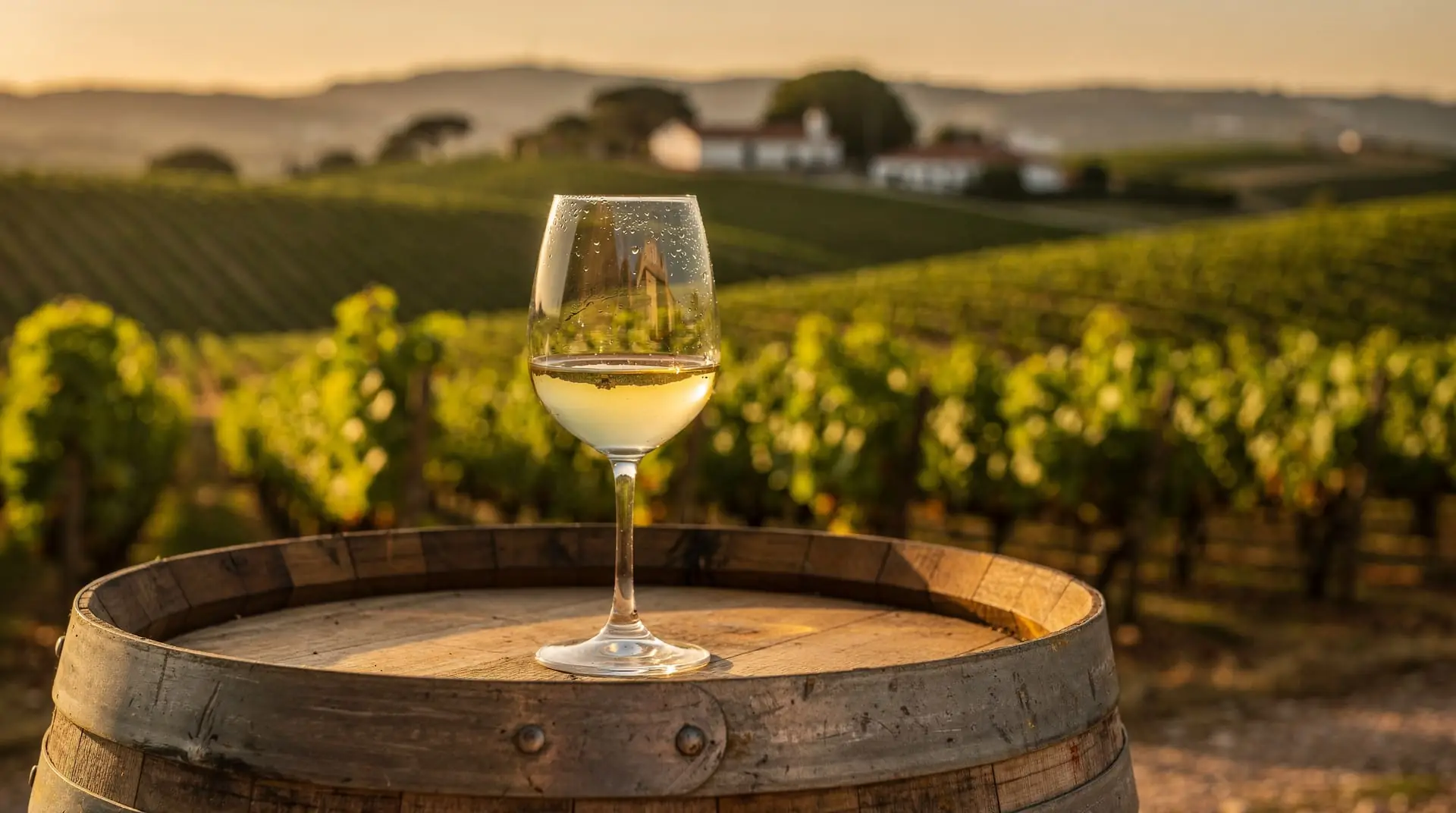
Vineyards near Lisbon: Colares, Carcavelos, Bucelas, and Adega Mãe
Vineyards within 60 km of Lisbon: ungrafted Colares vines, near-extinct Carcavelos, Bucelas Arinto whites, and Adega Mãe. Day trip guide.
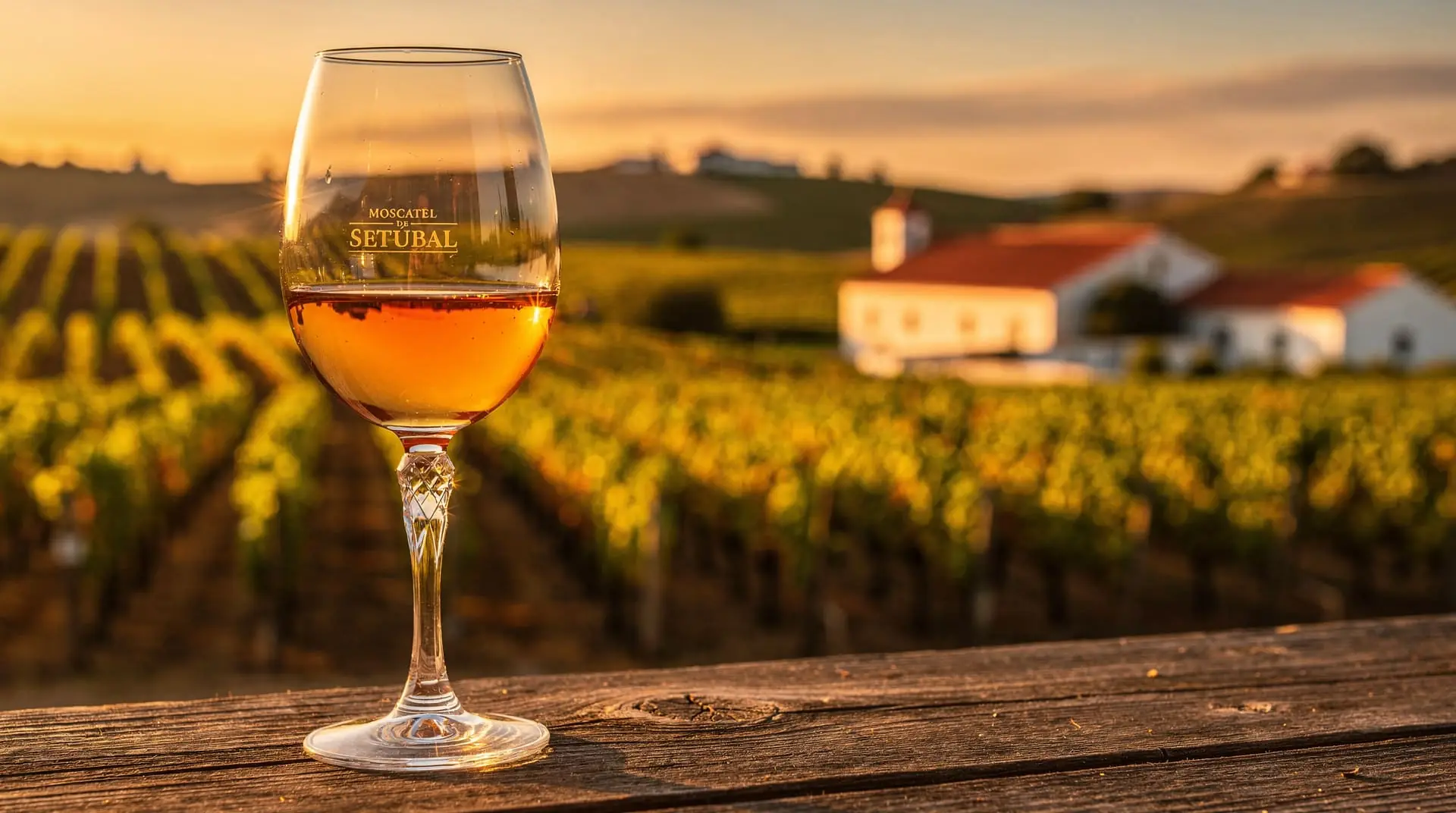
Moscatel de Setúbal and Azeitão: Portugal's great sweet wine
Moscatel de Setúbal wineries in Azeitão: José Maria da Fonseca, Bacalhôa, day trip itinerary from Lisbon, tasting notes, and prices.
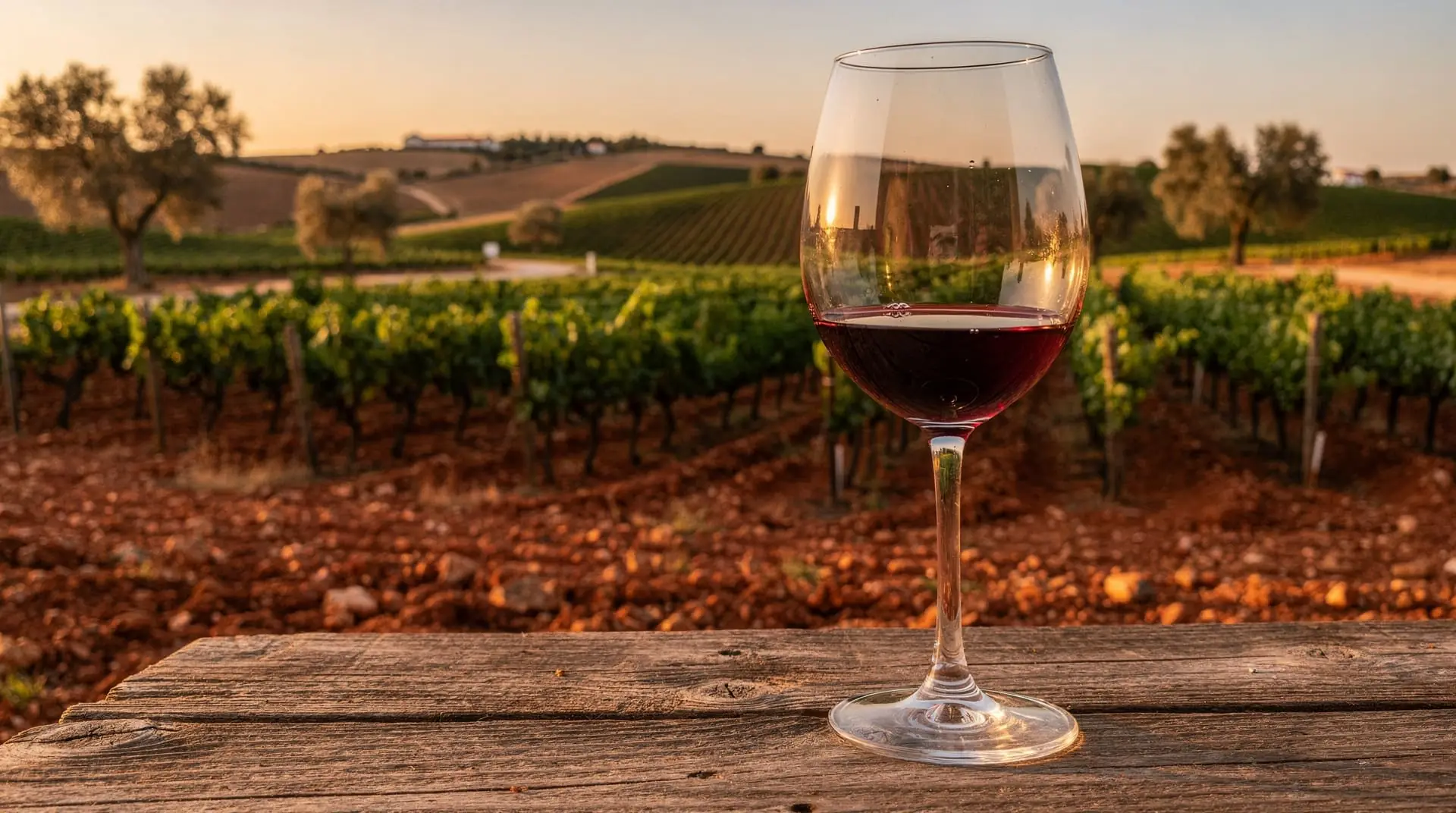
Alentejo wine day trip from Lisbon: Évora, Cartuxa, and Esporão
Full-day guide to Alentejo wineries from Lisbon: Cartuxa near Évora, Herdade do Esporão in Reguengos, red blends to taste, booking tips, and honest logistics.
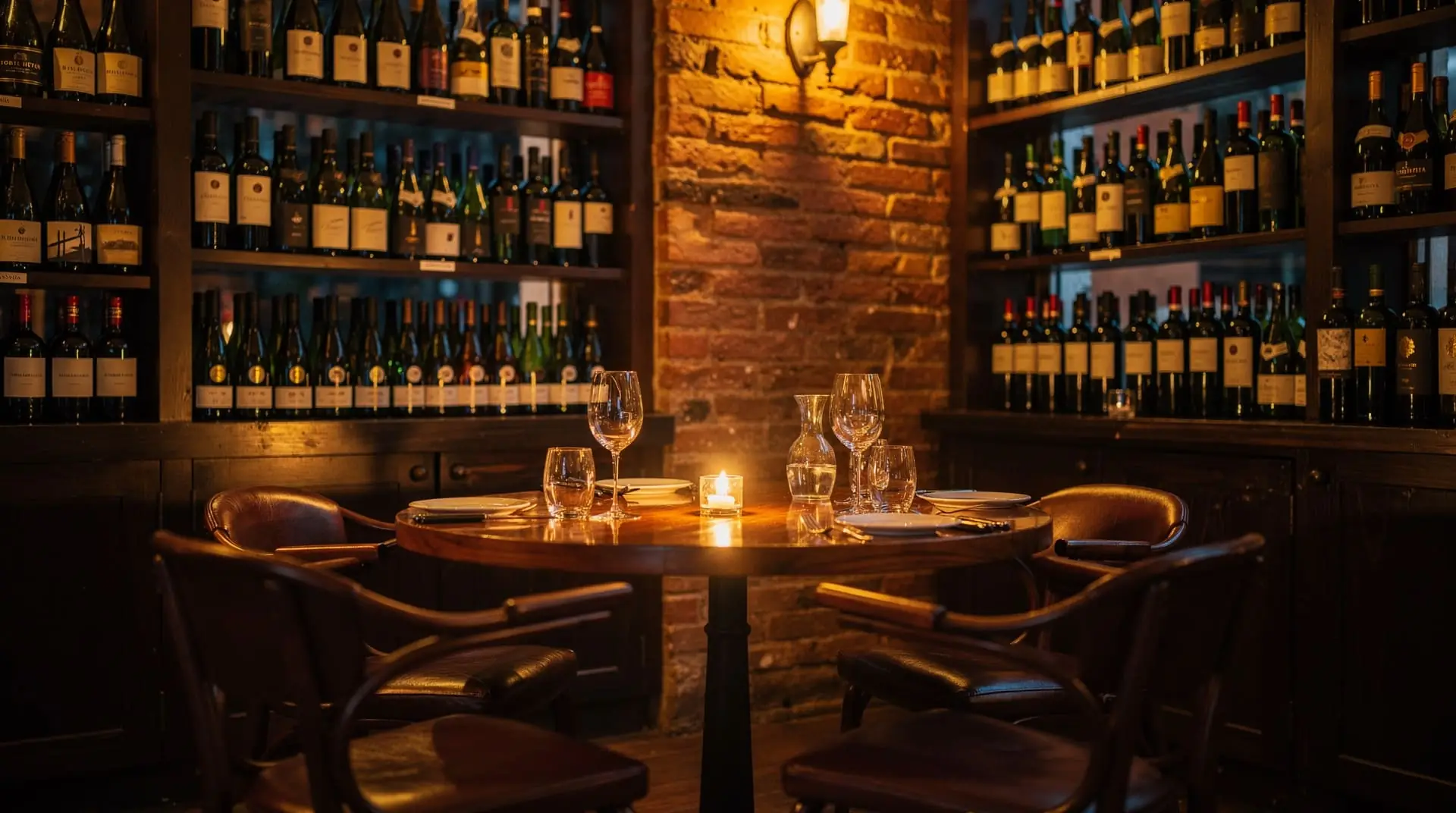
Best wine bars in Lisbon to taste Portuguese wines
From By the Wine to Wine Bar do Castelo, the best Lisbon wine bars to discover Alentejo reds, Vinho Verde, and local Moscatel. Real picks, real prices.
Ready to book? Top tours for this guide
We earn a small commission if you book through GetYourGuide — at no extra cost to you. Every tour is hand-picked and verified.

Lisbon: 48-Hour Hop-On-Hop-Off Bus Tour and Oceanarium Entry
Lisbon: MAAT Entry Ticket & Dolphin Watching Boat Tour
Lisbon: Alfama, Mouraria Walking Tour with Fado Night, Tapas
Lisbon: Hop-On Hop-Off Bus Tour
Lisbon: 1-or 2-Day Hop-On Hop-Off Bus Tour