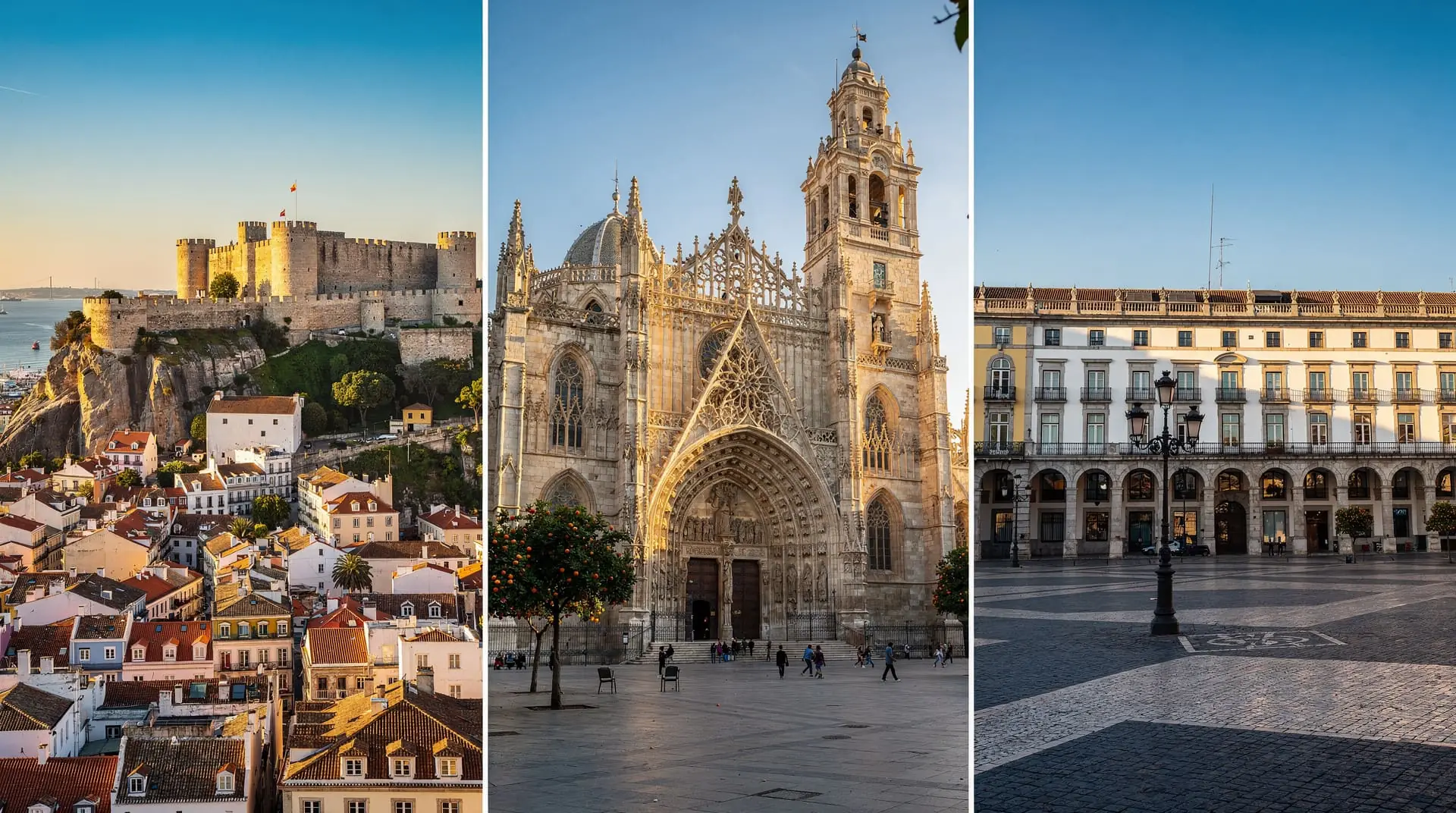
Lisbon vs Seville vs Madrid: the Iberian weekend break shootout
Published
Three cities, all within 2-3 hours of each other by flight from most of northern Europe, all excellent: Lisbon, Seville, Madrid. If you’re choosing a southern European city for a long weekend, this is a realistic choice set. Here is how they actually compare.
| Cheapest overall | Seville |
| Best museums | Madrid |
| Best day trips | Lisbon, by a wide margin |
| Best summer weather | Lisbon (ocean-moderated) |
| Best for a first Iberian trip | Any of the three; Lisbon marginally most accessible |
The cost question: Lisbon wins, but less than it used to
Five years ago, Lisbon was significantly cheaper than Seville or Madrid for accommodation, food, and drink. The gap has narrowed substantially since 2020, driven by tourism growth and the resulting hospitality price inflation.
As of 2025:
Accommodation: A decent mid-range double room in a well-located hotel costs €110-160 in Lisbon, €100-140 in Seville, €130-180 in Madrid. Lisbon and Seville are comparable; Madrid is slightly more expensive.
Eating: A decent restaurant lunch (set menu) costs €12-16 in Lisbon, €10-14 in Seville (menú del día), €13-18 in Madrid. Dinner at a mid-range restaurant: €35-50/head in Lisbon, €30-45/head in Seville, €40-60/head in Madrid. Seville is slightly cheaper for eating; Lisbon and Madrid are similar.
Drinks: Beer prices: €2.50-3.50 in Lisbon (depending on neighbourhood), €2-3 in Seville, €3-4.50 in Madrid. Seville retains the cheapest drinking culture.
Verdict: Seville is the most budget-friendly of the three for a food-and-drink-heavy weekend. Lisbon and Madrid are comparable, with Lisbon slightly better value.
What each city does best
Lisbon’s unique strengths:
- The tram 28 and the hills — no other Iberian city has this topographic character
- Fado — a UNESCO-protected music tradition that exists nowhere else in the same form
- Atlantic coast proximity: 30-40 minutes from the city to a working surf beach
- Day trips: Sintra, Cascais, Arrábida — genuinely exceptional within 90 minutes
- The azulejo tile culture — building facades as public art
- Sunset viewpoints: the miradouros at dusk are hard to match
Seville’s unique strengths:
- Flamenco: more authentic, more widespread in its natural habitat than Lisbon’s tourist fado scene
- The Alcázar and the Giralda: the Islamic architectural heritage is the best in Spain
- Orange blossom in spring (March-April): the city smells of it
- Tapas culture: free tapas with drinks in some bars still exists in Seville in a way it doesn’t in other Spanish cities
- Feria de Abril: if your dates overlap, nothing in Lisbon competes with it
Madrid’s unique strengths:
- World-class museum cluster (Prado, Reina Sofía, Thyssen) — unmatched by either Lisbon or Seville
- Scale and cosmopolitan energy: this is a capital of 3.3 million people with the nightlife and restaurant scene that implies
- El Retiro park is exceptional urban green space
- Flamenco in tablaos that are more accessible to non-initiates than Seville’s organic scene
Weather comparison
February (when this post is dated):
- Lisbon: 14-16 degrees Celsius, some rain, sunny periods. Genuinely mild for winter northern Europe.
- Seville: 13-17 degrees, sunnier than Lisbon, very pleasant.
- Madrid: 6-11 degrees, continental cold, possible frost at night.
Summer (July-August):
- Lisbon: 26-30 degrees, ocean breeze moderates it.
- Seville: 35-42 degrees, often Europe’s hottest city. Extremely beautiful and almost unwalkable in July afternoons.
- Madrid: 30-36 degrees, dry heat, brutal midday but pleasant evenings.
Spring and autumn are excellent in all three cities.
Start your Lisbon weekend with a walking tour covering Rossio, Chiado, and Alfama — gets you oriented fastThe weekend break verdict
For a first Iberian city break: All three are good choices; Lisbon is marginally the most accessible for northern Europeans (shorter flight times from northern Europe vs. Madrid or Seville, though not significantly so from London or Paris).
For culture specifically (art, music, architecture): Madrid for museums; Seville for Islamic architecture; Lisbon for fado and tile culture.
For food and nightlife: Madrid has the deepest restaurant scene; Seville has the most generous tapas culture; Lisbon has the best seafood.
For day trips from the city: Lisbon — not close.
For budget travellers: Seville.
For a spring trip: Seville in March-April (orange blossom, pre-heat) or Lisbon in May (jacaranda bloom, perfect temperature).
For combination with a coastal holiday: Lisbon — the Algarve or the Alentejo coast is easily accessible.
The honest conclusion: for a long weekend taken in isolation, these cities are more similar in quality than different. The differences lie in specifics. If you want to understand what makes Lisbon specifically worth your time, the Lisbon first-timer guide and the Lisbon weekend itinerary make the case more specifically.
What a Lisbon weekend actually gets you that the others don’t
The day trip range is worth expanding on, because it’s the single biggest differentiator. A two-night Lisbon weekend can realistically include one full day in Sintra — palaces, forest, a UNESCO landscape — and still leave a full day and two evenings for the city itself. Neither Seville nor Madrid has an equivalent within reach: Madrid’s closest comparable day trip (Toledo, Segovia) is good but doesn’t match Sintra’s density of sights, and Seville’s best day trips (Córdoba, Ronda) require more travel time for a similar payoff. If day trips are a priority for your weekend, that alone tips the decision toward Lisbon.
Booking a weekend around the crowds
All three cities get genuinely busy on summer weekends, but Lisbon’s crowd pressure concentrates specifically at Sintra and the main viewpoints rather than spreading evenly across the city, which makes it more manageable if you plan around it — early mornings for Alfama and the miradouros, and a pre-booked Sintra slot rather than a walk-up ticket. The best time to visit Lisbon guide covers which weekends to avoid if your dates are flexible.
FAQ
Which of the three cities is cheapest for a weekend break? Seville, consistently, across accommodation, food, and drink, though the gap to Lisbon has narrowed since 2020. Madrid is the most expensive of the three overall.
Which city is best if I only have two days and want to include a day trip? Lisbon. A two-night weekend can fit a full Sintra day trip and still leave time for the city itself — neither Seville’s nor Madrid’s best day trips match that density within similar travel time.
Related guides
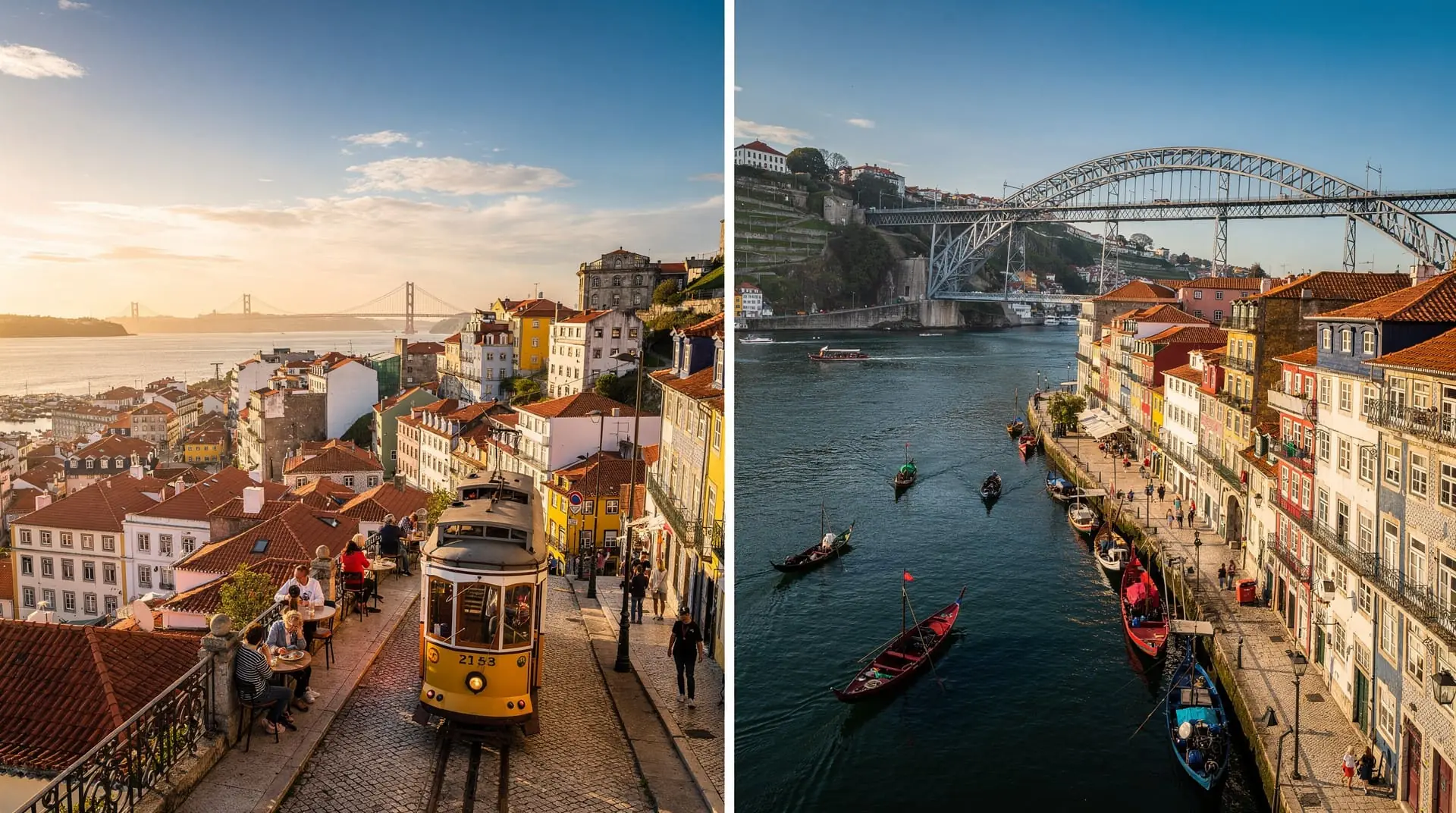
Lisbon vs Porto: which Portuguese city should you visit?
Honest head-to-head: vibe, weather, food, wine, day-trips and budget. Which city wins for your trip — and when to visit both.
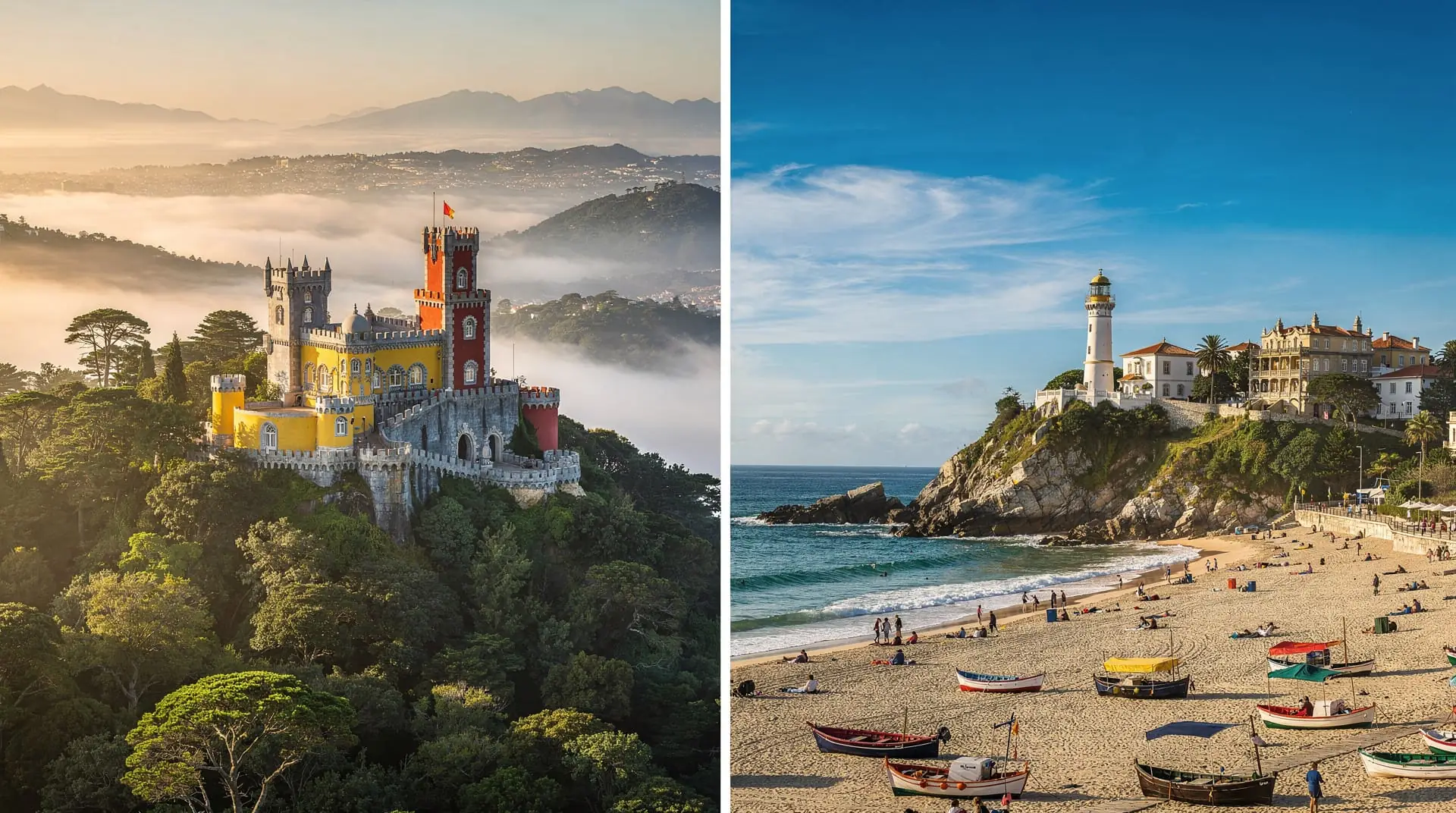
Sintra vs Cascais: which day-trip should you pick?
Sintra offers palaces and hills but costs time and crowds. Cascais offers beaches and a marina and half the effort. Pick the right one for your trip.
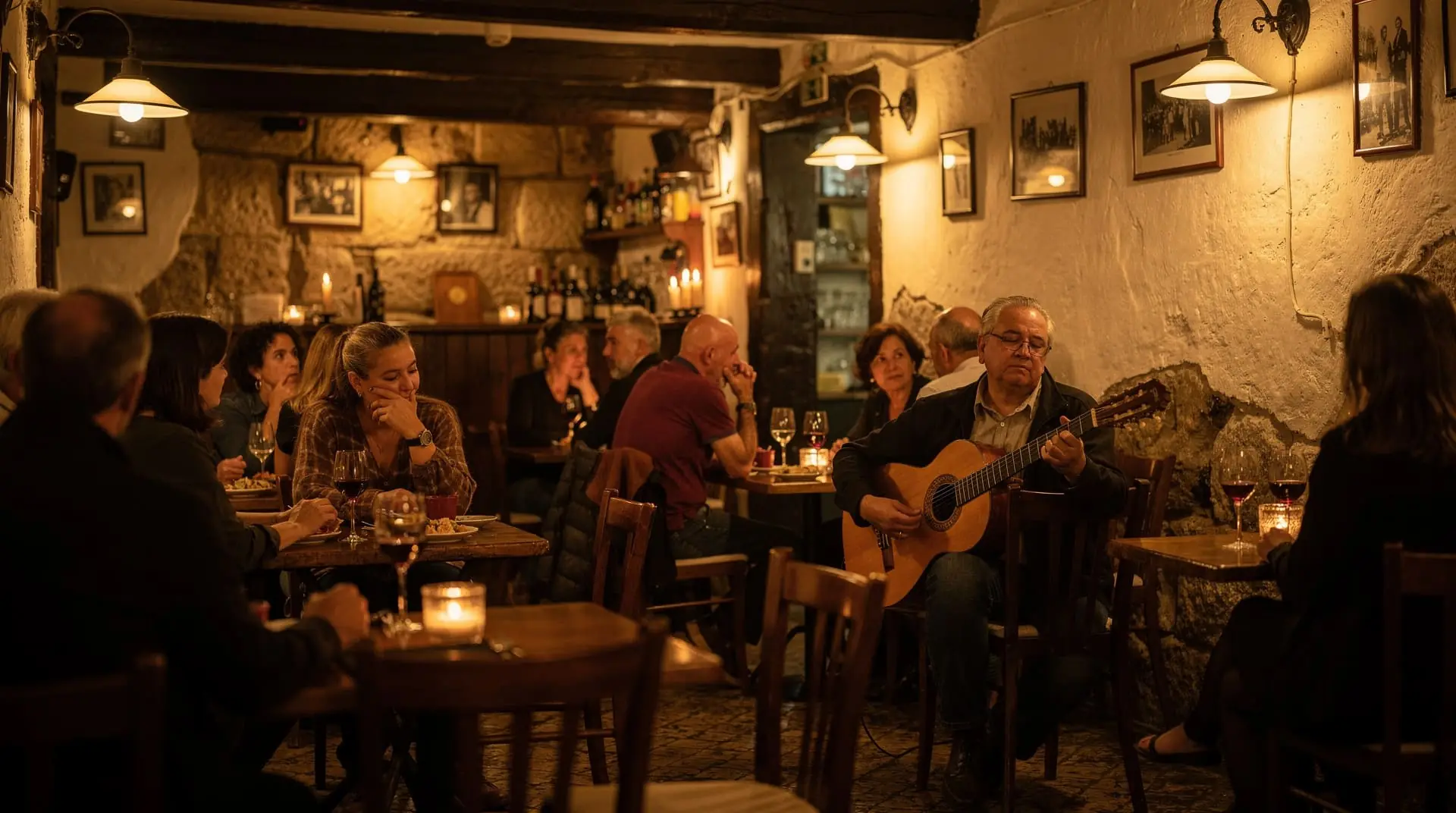
Fado houses compared: which one should you book?
Side-by-side comparison of Lisbon's main fado venues: atmosphere, price, quality and tourist-trap risk. Honest picks for every budget.
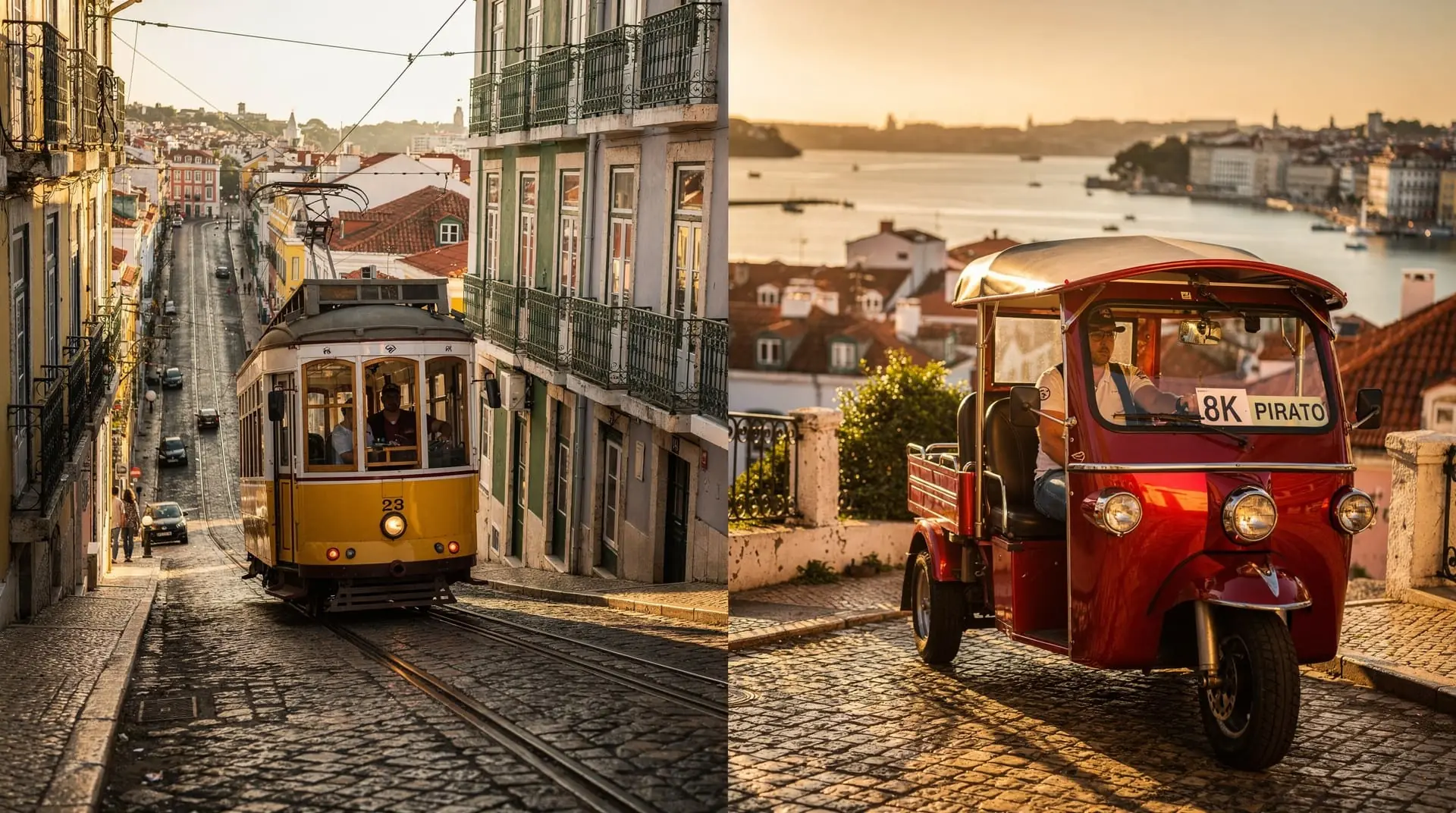
Tram 28 vs tuk-tuk in Lisbon: which is worth it?
Honest comparison: Tram 28 (cheap, iconic, pickpocket risk) vs tuk-tuk (flexible, guided, expensive). When each option makes sense.