Santo António in Alfama: sardines, marchas, and the June madness
Published
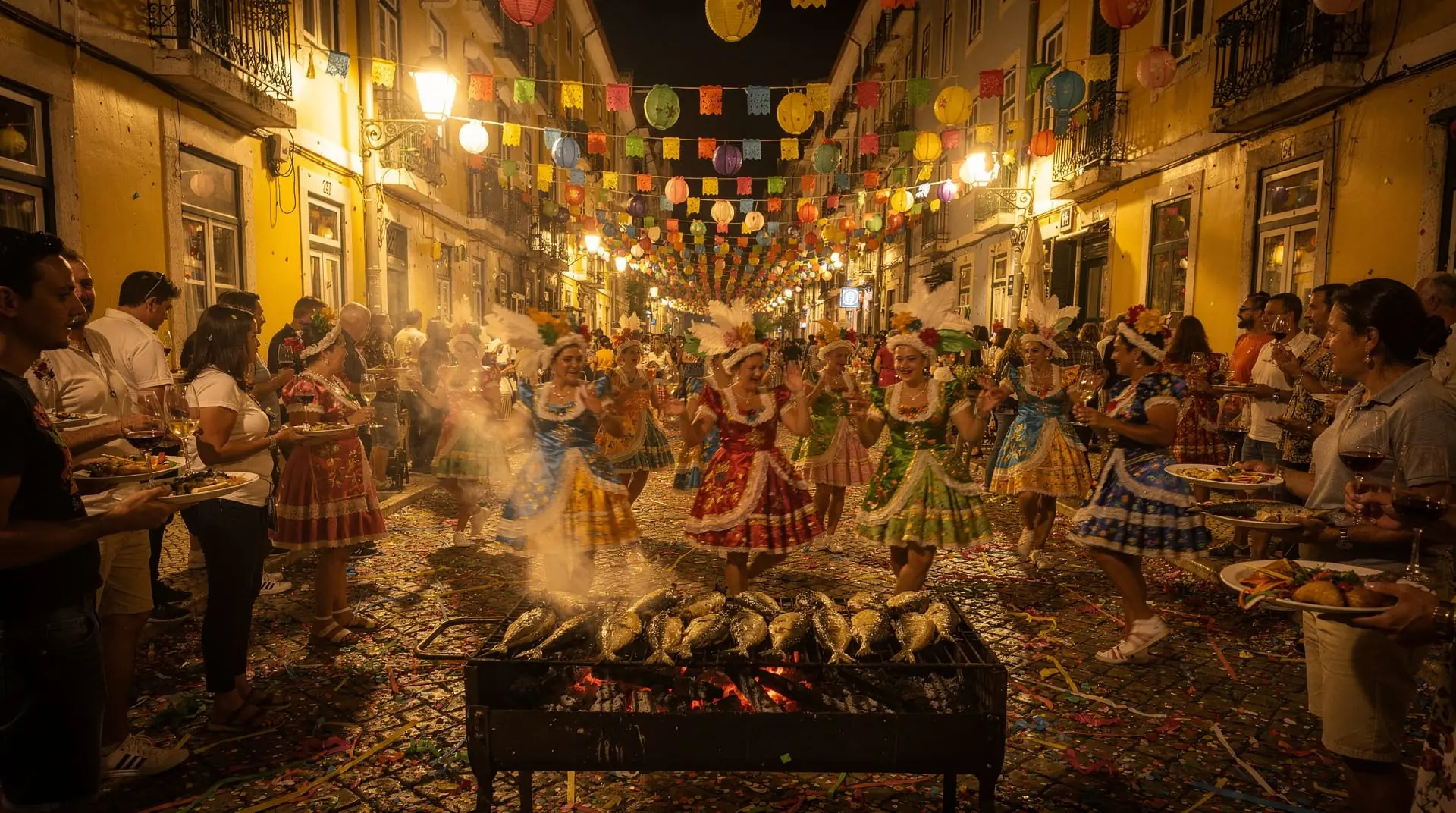
The smoke reached me at the bottom of the stairs. By the time I was halfway up to Alfama, the smell of charcoal and sardines was so thick it was almost physical — a curtain you walked through. Above, on the narrow street that runs up through the old quarter, twenty neighbours had set up grills on the cobblestones and the night was already in motion.
This was June 12th, 2025, at 20:30. The Festas de Santo António were underway.
| Where | Alfama, Graça, Mouraria (street parties); Avenida da Liberdade (parade) |
| When | June 12-13, the peak of the month-long Festas de Lisboa |
| Cost | Streets are free; grandstand seats €15-30 |
| Getting there | Metro to Terreiro do Paço or Santa Apolónia, then walk uphill |
| Best arrival time | Around 19:00, before the crowds peak |
What these festivals actually are
The Festas de Lisboa run for the entire month of June, but the core event happens on June 12-13 — the eve and feast day of Santo António, Lisbon’s patron saint. (Santo António de Pádua was actually born in Lisbon in 1195, despite the Padua association, and the Portuguese are understandably territorial about this.)
On the night of June 12th, the marchas populares — decorated neighbourhood processions with costumed marchers, live bands, and extraordinarily elaborate floats — parade down the Avenida da Liberdade before tens of thousands of spectators. Meanwhile, in every neighbourhood but most intensely in Alfama, Mouraria, and Graça, street parties erupt simultaneously: portable grills, paper tablecloths, pitchers of sangria, music from multiple directions at once.
It is genuinely chaotic. It is genuinely wonderful.
The Avenida da Liberdade parade
The marchas parade down the Avenida on the evening of June 12th, starting around 21:30-22:00. Each of Lisbon’s historical parishes fields a marcha with its own colours, costume, and choreography — teams that have been rehearsing since February. The quality varies from polished and spectacular to endearingly amateur, and both extremes are entertaining.
The key logistical points:
Paid grandstand tickets go on sale months in advance and cost €15-30. These are worth buying if you want to see the whole parade in comfort. Standing along the Avenida is free but requires arriving by 20:00 to get a good spot.
The parade ends well after midnight. The metro runs all night on June 12-13 (extended hours for the festival), which makes getting home manageable.
Alfama on the night
The real Festas experience, for my money, is not the Avenida parade — it’s the neighbourhood streets. In Alfama, every block becomes its own party. Residents set up grills in the lane, plastic chairs come out, wine and sangria appear, and the whole thing operates on an informal system where strangers are welcome to join.
The sardines — sardinhas assadas, grilled whole on charcoal — are the gastronomic centrepiece. A plate of four sardines, bread, and a small salad goes for €6-10 depending on who’s selling them. The quality ranges from excellent to tourist-priced mediocre. My rule: if the grill is operated by someone who appears to live on that street and the plates are paper rather than plastic, you’re in the right place.
The arraiais — neighbourhood street parties — start around 18:00 and run until 2:00, 3:00, sometimes later. The combination of narrow streets, multiple music sources (live bands, DJs, speakers in windows), and several thousand people creates a sensory experience that is either wonderful or overwhelming depending on your temperament.
For context before June, an Alfama guided tour explains the neighbourhood’s history and festival traditionsBeyond Alfama: Graça and Mouraria
Alfama gets the reputation, but Graça and Mouraria run just as hard on June 12th and with noticeably fewer tourists. Graça, up the hill past the Miradouro da Graça, has its own arraiais with a more residential, less photographed feel — good if the Alfama crowd density sounds like too much. Mouraria, downhill and historically the city’s most diverse neighbourhood, mixes its Santo António grills with the fado tradition the area is known for; wandering between the two districts on the same night, rather than planting yourself in one spot, is the move if you have the stamina for it. The wider Alfama neighbourhood guide has the map context for how these districts connect.
For a table booked in advance instead of standing-room sardines, a Mouraria fado dinner on a festival night pairs the music with the atmosphere without the queue.
Alfama and Mouraria fado dinner experience — a seated alternative to the street grillsWhat to eat besides sardines
Sardines dominate, understandably, but the arraiais also sell bifanas (pork sandwiches), grilled peppers, caldo verde in paper cups, and — everywhere — cheap sangria in plastic bottles. A full plate with a drink rarely runs past €12-15. If you want a sit-down meal before the streets get too loud, eat early: kitchens in Alfama’s regular restaurants get overwhelmed after 20:00 on the 12th, and several close for the night entirely to let staff join their own street’s party.
The practical realities
Getting there: Metro to Terreiro do Paço (Blue/Green line) or Santa Apolónia (Blue line), then walk uphill. Taxis and Ubers are essentially useless in Alfama on June 12th — the streets are closed or impassable.
What to expect with crowds: Alfama on June 12-13 is extremely crowded. This is not a subtle observation. The narrow streets become genuinely difficult to navigate from about 21:00 onward. Pickpockets are active — keep valuables in front pockets, do not carry large amounts of cash.
What to wear: Comfortable shoes that can handle cobblestones. Light layers — June nights are warm (18-22 degrees) but the sardine smoke accumulates and you may want to remove an outer layer.
When to arrive: I arrived at 19:00, which was slightly early — the street parties were setting up but not yet in full swing. By 20:30 it was properly going. By 22:00 it was genuinely hard to move freely. Coming slightly earlier than the crowd gives you better access to food and a slightly less pressurised experience.
| Time | What’s happening |
|---|---|
| 18:00 | Arraiais set up, grills lit, streets still walkable |
| 19:00-20:00 | Best window to arrive: food available, crowds building |
| 20:00-21:30 | Standing spots along Avenida da Liberdade fill up |
| 21:30-22:00 | Marchas parade begins on the Avenida |
| 22:00 onward | Alfama streets become genuinely hard to move through |
| Past midnight | Parade finishes; arraiais continue until 2:00-3:00+ |
| June 13, morning | City wakes late; public holiday; church service in Alfama |
For safety amid the crush, the same front-pocket, no-large-cash logic covered in the Lisbon safety guide applies doubly on festival night, when the crowd density makes pickpocketing easier.
The morning after: Santo António’s day
June 13th is a public holiday in Lisbon. The city wakes late. Alfama is strewn with the evidence of the previous night — sardine bones, paper cups, charcoal ash on the cobblestones being swept by workers who appear very tired. The church of Santo António at the foot of Alfama (built on the supposed site of the saint’s birth) holds a small morning service.
By mid-morning, a second wave of activity begins — family lunches, afternoon parties. The Festas are technically a full-week affair in some neighbourhoods.
If you’re in Lisbon in June and want to understand the full programme — the free outdoor concerts in various squares, the lesser-known neighbourhood events, the market that runs alongside — the Santo António festival guide covers everything in detail.
For the summer planning question more broadly, Lisbon in summer is the practical companion. And the Alfama guide is worth reading before you go, so you understand what the neighbourhood is the other 364 days of the year as well. If you’re building a longer stay around the festival, the 48 hours in Alfama itinerary shows how the neighbourhood works on a normal day, for contrast.
The June 12th experience is worth some planning and some discomfort. It’s the one night of the year when a neighbourhood that normally goes to bed at midnight is genuinely, unambiguously alive.
Related guides
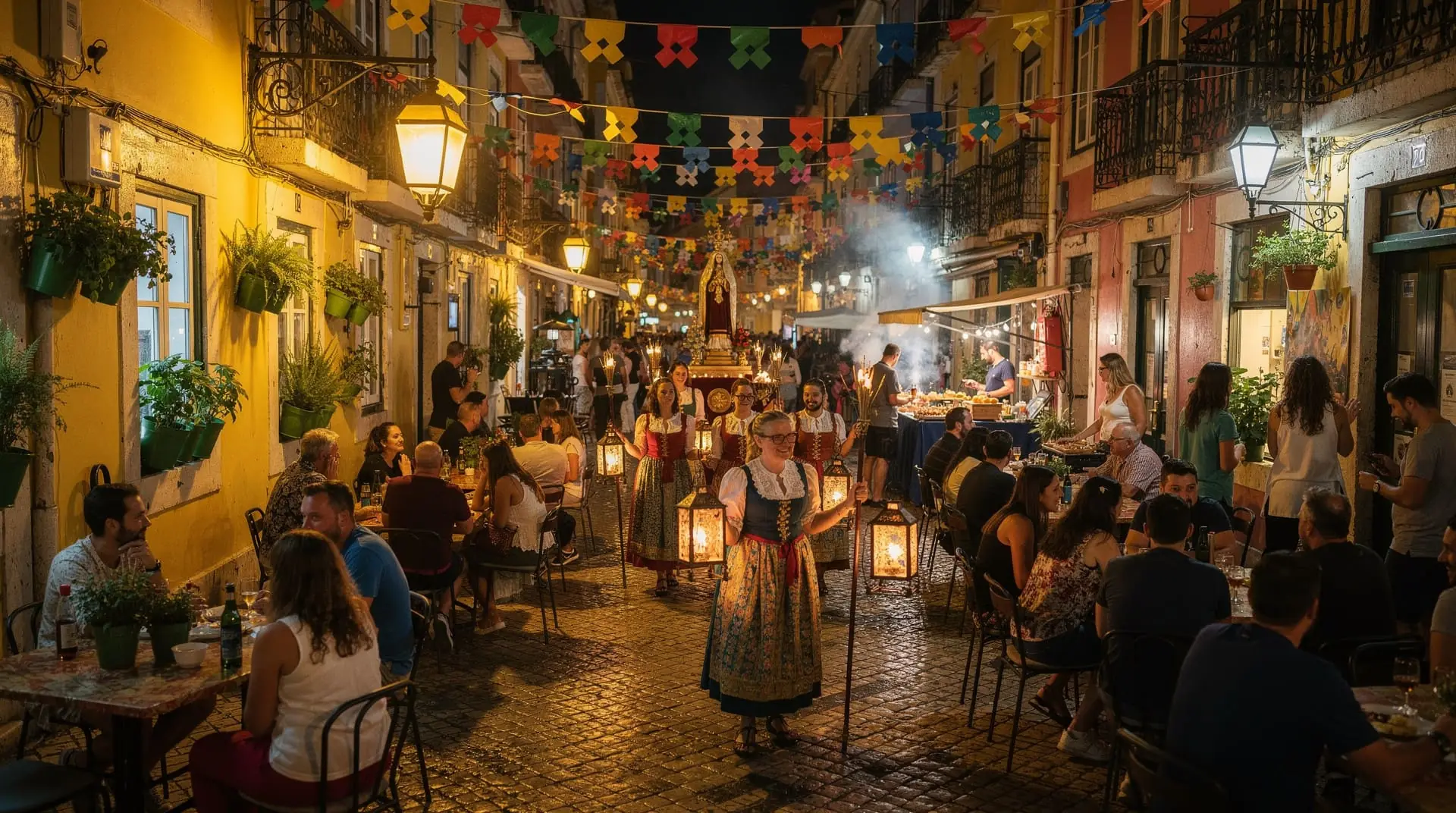
Santo António festival: Lisbon's Festas de Lisboa guide
Festas de Lisboa in June: sardines, marchas populares, mass weddings, Alfama all-nighters, and survival tips for June 12-13 when Alfama becomes impossible.
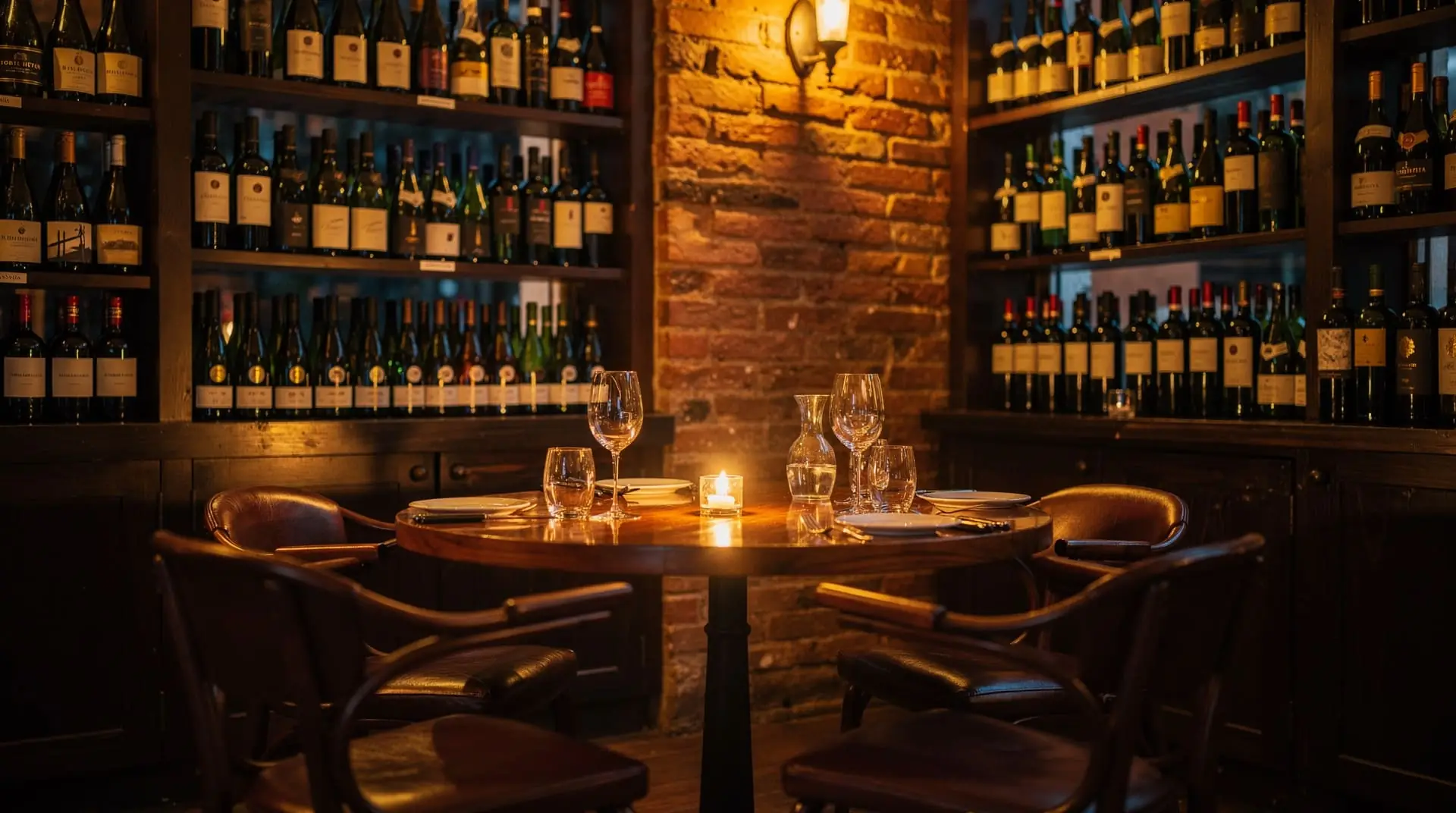
Best wine bars in Lisbon to taste Portuguese wines
From By the Wine to Wine Bar do Castelo, the best Lisbon wine bars to discover Alentejo reds, Vinho Verde, and local Moscatel. Real picks, real prices.
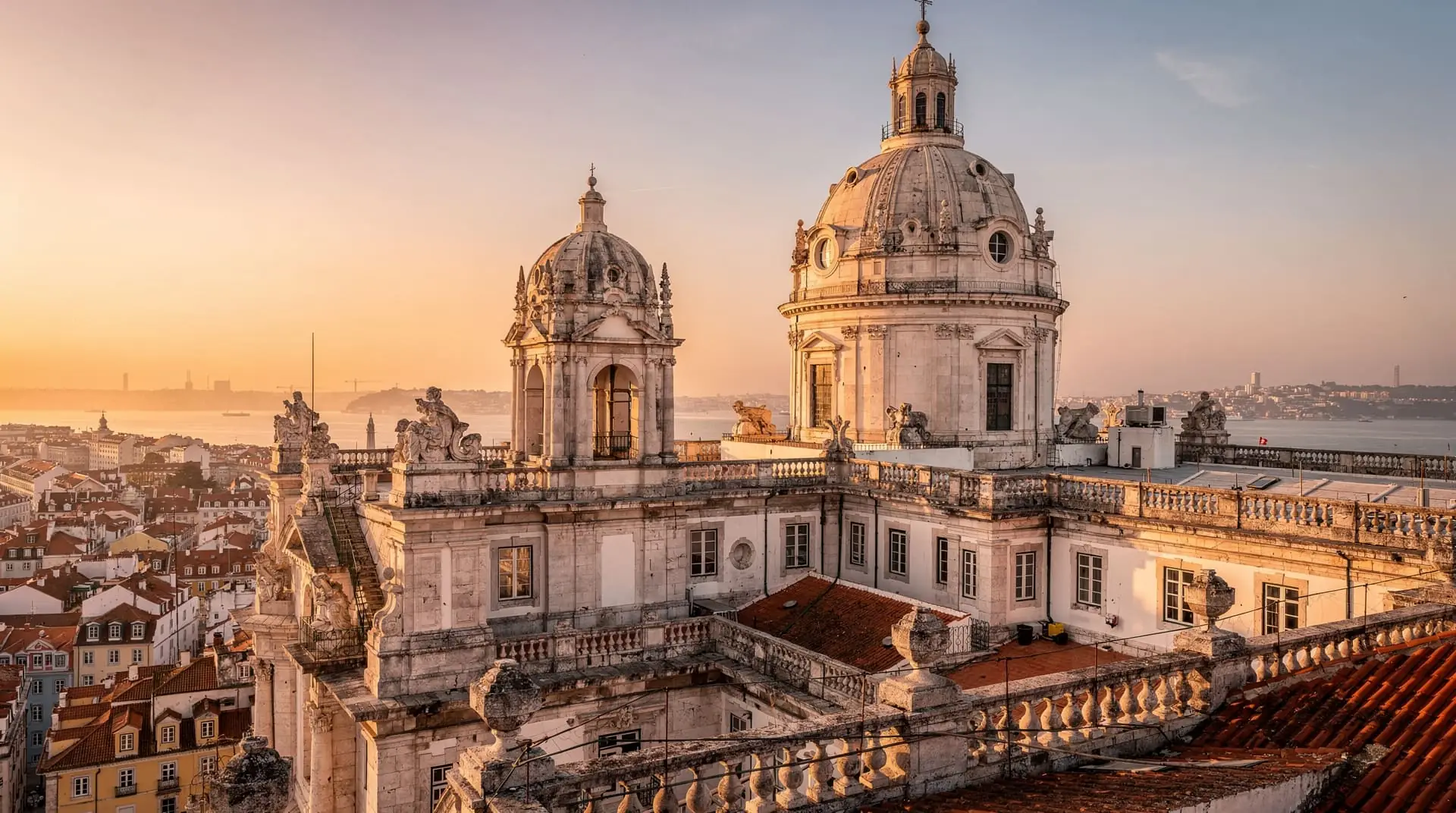
National Pantheon Lisbon: the Santa Engrácia dome and rooftop views
Lisbon's National Pantheon — Amália Rodrigues' tomb, the baroque dome, rooftop views over Alfama, and combining with the Feira da Ladra flea market.
What to do in Alfama: the complete walking guide
Explore Alfama on foot: fado houses, the Sé cathedral, miradouros, and tile-covered alleys. Real routes, honest tips, and no tourist traps.