Peniche and Berlengas
Peniche: world-class surf at Supertubos plus the Berlengas archipelago — a protected island nature reserve with a 17th-century fort, 30 min by ferry.
Quick facts
Top tours and experiences
We earn a small commission if you book through GetYourGuide — at no extra cost to you. Every tour is hand-picked and verified.
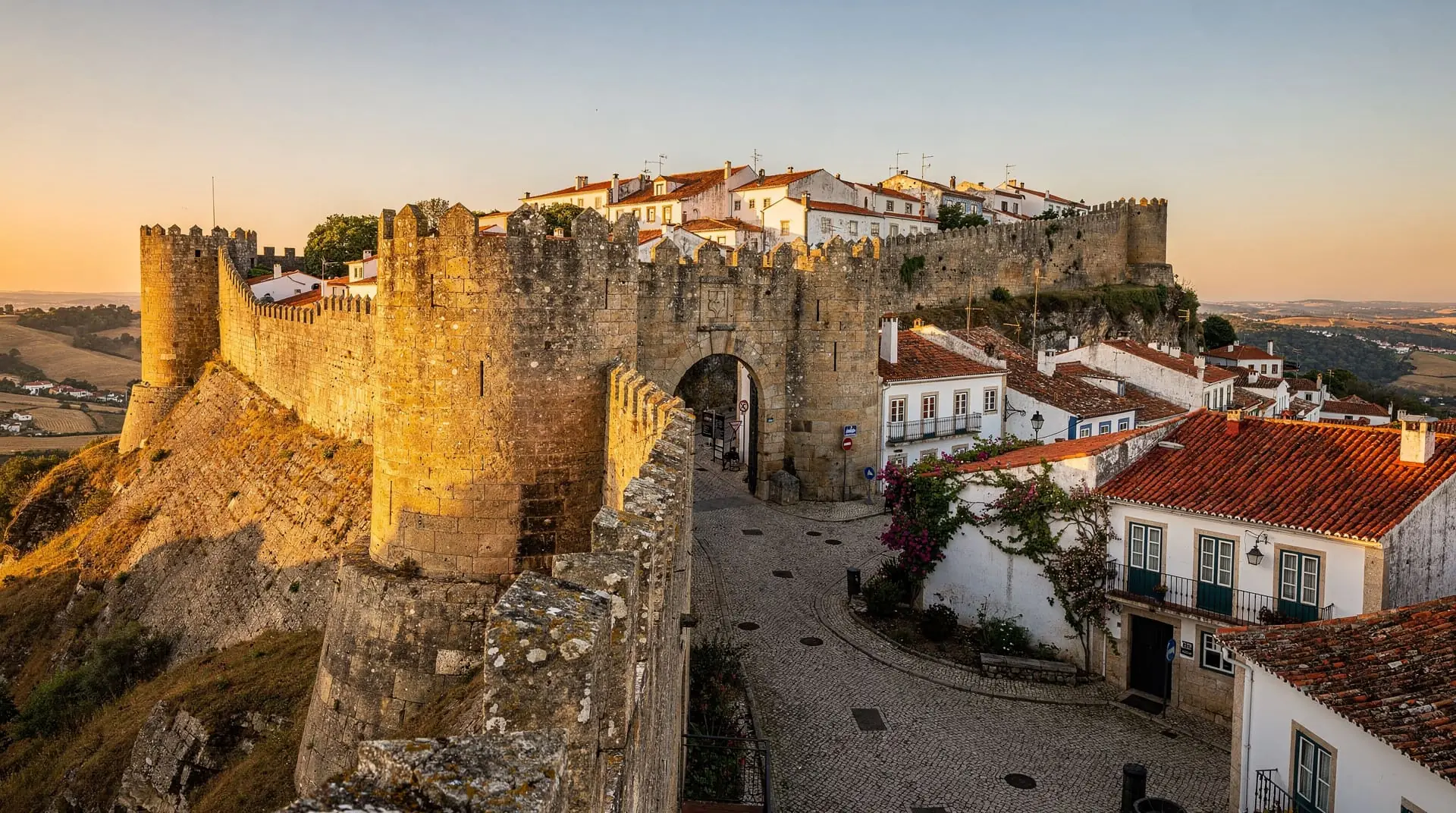
From Lisbon: Budha Eden, Obidos & Nazaré Private Day Trip
From Lisbon: Nazaré, Batalha, Óbidos, and Peniche Day Trip
Óbidos: Medieval Tales & Secrets Spots Guided Walking Tour
Óbidos (Medieval Town): Half-Day Private Tour from Lisbon
Óbidos & Nazaré Private Tour
From Lisbon: Óbidos and Nazaré Private Half-Day Tour
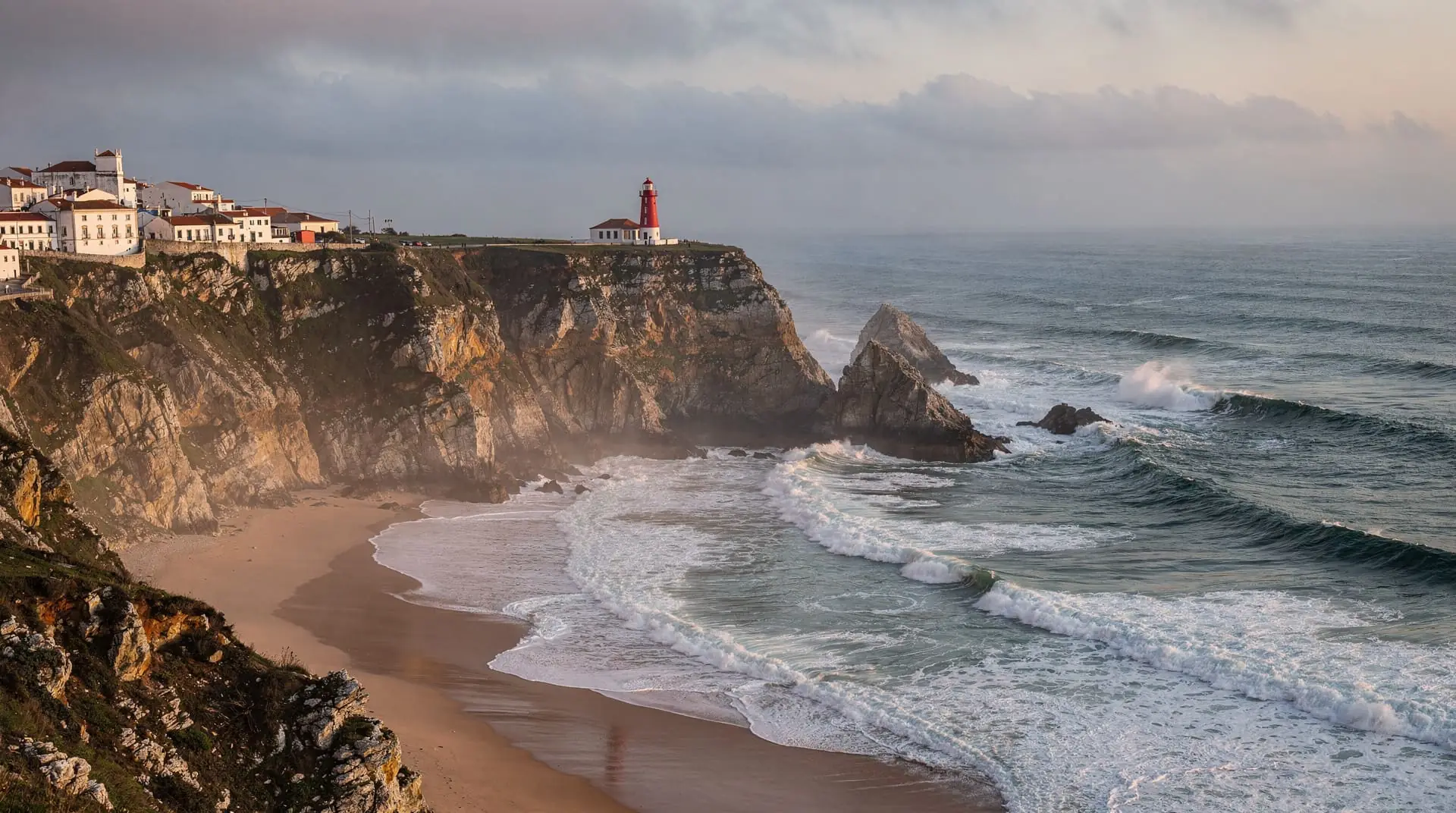
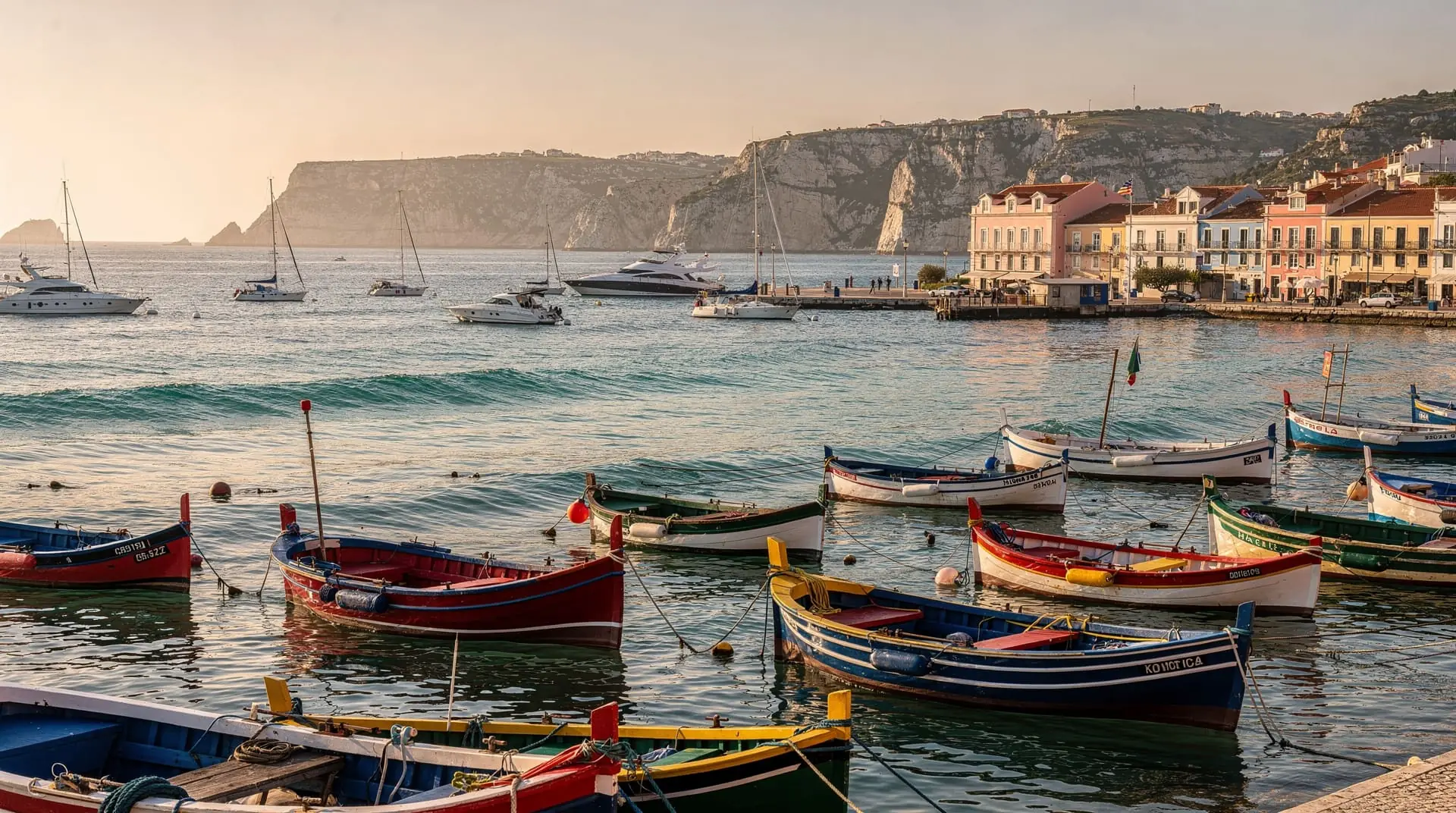
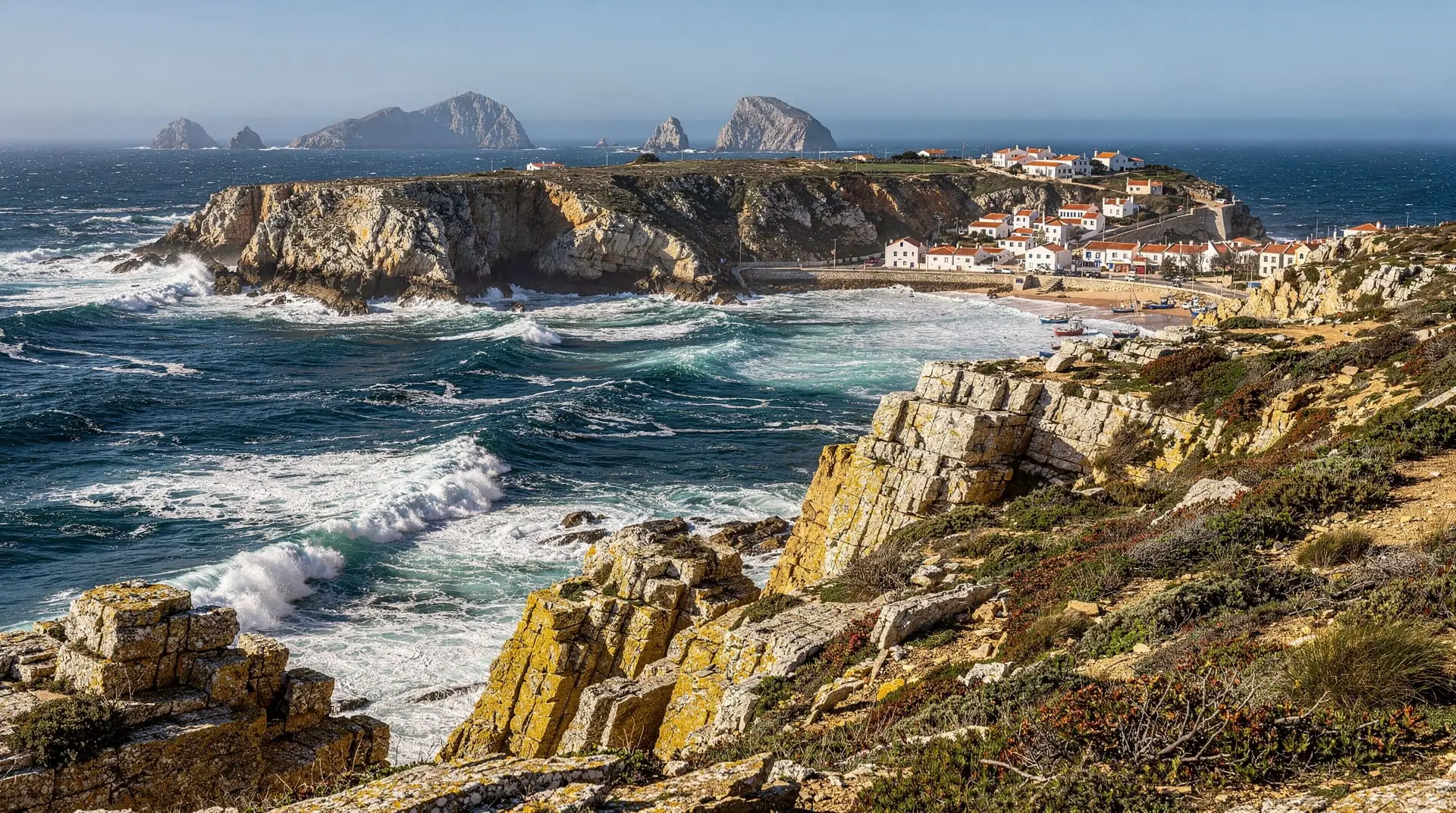
Peniche is a working fishing port wedged onto a narrow peninsula 90 km north of Lisbon. It has three things that distinguish it from every other Silver Coast town: a surf break called Supertubos that the WSL calls one of the best beach breaks in Europe, a 17th-century fortress that held political prisoners during the Salazar dictatorship, and a harbour from which ferries carry visitors to the Berlengas — a granite archipelago 12 km offshore that sits inside a marine nature reserve and has been largely unchanged for 500 years.
Most visitors treat these two — Peniche and Berlengas — as separate experiences, and they are right to. Peniche can be done as a half-day stop; Berlengas deserves a full day and possibly an overnight stay in the island’s one guesthouse.
Peniche: the surf town
Peniche became internationally known in the surfing world in the 1990s when Supertubos — a beach break on the southern edge of the peninsula — was recognised as an exceptional wave. The WSL Rip Curl Pro Peniche ran here for years and put the town on the global surf map. Supertubos works on southwest swells from September through April; in summer the wave is inconsistent.
The town itself is not conventionally pretty. It functions: fish canneries, boat repair yards, a wholesale fish market at the harbour (best visited at 7am when the trawlers unload), and a long promenade. The fortress (Fortaleza de Peniche) at the western end of town was used as a prison from the 17th century until 1974, holding opponents of the Salazar/Caetano regime in its final decades. The museum inside is well done — sobering and honest about what happened there.
Getting to Peniche
By bus: Rede Expressos runs coaches from Sete Rios terminal (Jardim Zoológico metro, blue line) to Peniche approximately 8 times daily. Journey time 1 hour 30 minutes; tickets approximately €10 each way. The bus stops at the edge of the town centre.
By car: A8 north from Lisbon to Óbidos junction, then the IC1 west to Peniche. Approximately 1 hour 10 minutes without traffic.
Parking in Peniche: Reasonably easy outside summer — use the waterfront car parks. In July–August, arrive before 9am or park away from the harbour.
The Berlengas archipelago
The Berlengas are a cluster of red granite islands and sea stacks 12 km west of Peniche, rising abruptly from water that is unambiguously Atlantic — cold, clear, and deep. The main island, Berlenga Grande, is the only inhabited one: a small village of fishermen’s cottages, the Forte de São João Baptista built on a small islet connected to the main island by a narrow causeway, a lighthouse, and a single guesthouse. The archipelago is a biosphere reserve and a Special Area of Conservation under EU law, which means visitor numbers are limited and the ecology is intact.
The waters around the Berlengas are some of the best diving in Portugal: visibility regularly exceeds 15 metres, there are underwater rock formations and caves, and the marine life includes conger eels, moray eels, octopus, grouper, and occasional sunfish. Several dive operators in Peniche offer guided dives to the archipelago.
Getting to the Berlengas
Viamar and Berlengas Mar operate ferry services from Peniche harbour between late May and late September. The crossing takes 30–40 minutes depending on sea conditions. Tickets cost approximately €25–30 return. Important: the service is suspended whenever the sea is rough, which happens without much warning — if you’re planning the Berlengas as the centrepiece of a day trip from Lisbon, book a refundable ticket and have a backup plan, or let someone else handle the logistics with this private full-day tour to Berlengas Island from Lisbon. The ferry does not run October through April.
Once on the island, boat tours operate around the sea caves and sea stacks — small open boats that navigate through the granite arches and into caverns. Book these at the harbour on Berlenga Grande; cost approximately €15 per person.
Round-trip day tour from Lisbon to Peniche and the BerlengasWhat to see and do
Supertubos and the surf breaks
Supertubos is at its best from October through April on solid southwest swells. Watching from the car park above the break gives a good view of the wave. Surf lessons for beginners are available in Peniche year-round — the calmer breaks at Baleal (4 km north of town) are better for learning than Supertubos, which is expert-only on good days.
Fortaleza de Peniche
The fortress-museum tells the story of the PIDE (Salazar’s secret police) and the political prisoners held here. The cells are preserved, with documentation of notable prisoners including Álvaro Cunhal, who escaped in 1960. Entry approximately €3. Open Tuesday–Sunday, 10am–5:30pm (reduced hours October–May).
Baleal Island
A small tidal island 4 km north of Peniche, connected to the mainland by a narrow sandy causeway. Baleal has a surf village atmosphere — school hostels, board rentals, laid-back cafes. The beach on the Peniche-facing side is sheltered and suitable for swimming. Worth a 30-minute detour.
Berlenga Grande: the island itself
The island is compact enough to walk across in 45 minutes. Trails are marked but basic. The fort (Forte de São João Baptista) is the main structure — you can walk around the exterior and across the causeway. The village has a bar and restaurant (Restaurante Mar e Sol, limited menu but fresh fish, mains €15–22). The lighthouse at the island’s high point gives views across the archipelago. Bring water, sunscreen, and more food than you think you need — supplies on the island are limited and expensive.
Day tour: Berlenga Islands, Peniche and Óbidos from LisbonWhere to eat in Peniche
Sardinha on the waterfront near the fish market is the best option for fresh Atlantic seafood. Caldeirada de marisco (shellfish stew), grilled dourada, percebes (barnacles) when available. Mains €16–28.
Restaurante Nau dos Corvos at Cabo Carvoeiro (the western tip of the peninsula) has better views than most — the terrace overlooks the sea stacks. Food is solid rather than exceptional; the crab rice is good. Mains €18–26.
Café Mercado near the main square is the local go-to for a quick breakfast or lunch — bifanas, tostas, strong coffee. Change from €10 for a full breakfast.
Honest tips
Berlengas ferries cancel without much warning. Sea conditions in this stretch of Atlantic change quickly. If you’re making a special trip from Lisbon primarily for the Berlengas, book a mid-week trip in June or July (summer weekends book out fast), confirm sea conditions the evening before, and have Peniche’s fortress and surf beaches as a fallback. The ferry company does give refunds when they cancel due to weather.
Overnight on the island. The Hospedaria da Berlenga (the island’s only guesthouse) has 35 beds and books out months ahead for summer. If you can get a spot, an overnight stay — watching the sunset from the rocks, evening silence after the day visitors leave, early morning light on the granite — is genuinely special.
Supertubos is for experienced surfers only. The wave is a powerful, fast-breaking beach break that closes out in larger swells. Beginners and intermediates should stick to Baleal.
Peniche in the off-season. November through April, many tourist-facing restaurants and services reduce hours or close. But the fortress is open, Supertubos fires on winter swells, and the town feels like a working port rather than a resort. If you’re a surfer or enjoy unpolished seaside towns, the off-season is the better time to come.
How Peniche fits an itinerary
Peniche is 90 km from Lisbon — about the same distance as Óbidos (30 km south), making them a natural pair. Óbidos in the morning, Peniche for lunch and the afternoon (or vice versa), back to Lisbon by bus in the evening — this works as a long day trip.
The Berlengas add a full day, so if the island is the priority, build a dedicated day trip or a one-night stay in Peniche. See the Silver Coast day trips overview and check the day-trip matcher for logistics.
Peniche: Berlenga Island boat tour and sea cave explorationFrequently asked questions about Peniche and the Berlengas
How do I get from Lisbon to Peniche?
Rede Expressos runs coaches from Sete Rios terminal (Jardim Zoológico metro, blue line) approximately 8 times daily. Journey time is about 1 hour 30 minutes; tickets cost around €10 each way. By car via the A8 and IC1 takes about 1 hour 10 minutes.
How do I get to the Berlengas islands?
Ferries run from Peniche harbour between late May and late September, operated by Viamar and Berlengas Mar. Crossing time is 30–40 minutes; tickets cost approximately €25–30 return. Services are cancelled when the sea is rough — always check conditions and book a refundable ticket.
Is Supertubos suitable for beginner surfers?
No. Supertubos is a powerful, expert-level beach break. Beginners and intermediate surfers should go to Baleal (4 km north of Peniche) where the waves are smaller and surf schools operate. Peniche has several surf schools offering lessons at Baleal for €30–45 per session.
Can I visit the Berlengas and Óbidos in the same day?
Technically yes, but it’s a long day. Óbidos is 30 km south of Peniche — spend the morning in Óbidos, drive or bus to Peniche for the afternoon ferry (checking sea conditions). You’d arrive in Peniche by 2pm at the latest to catch the last ferry and have any time on the island. A better plan is two days: Óbidos day one, Berlengas day two.
What is the fortress in Peniche?
The Fortaleza de Peniche is a 16th–17th century fortress that served as one of Portugal’s main political prisons during the Salazar dictatorship (1933–1974). The museum inside documents the history of the PIDE secret police and the prisoners held there, including notable dissidents. Entry is approximately €3; open Tuesday–Sunday.
When is the best time to visit Peniche for surfing?
The main surf season is October through April, when Atlantic storms generate consistent southwest swells that hit Supertubos. The WSL contest period (when it ran) was typically October–November. Summer waves are inconsistent; Baleal is more reliable for learners year-round.