Cascais
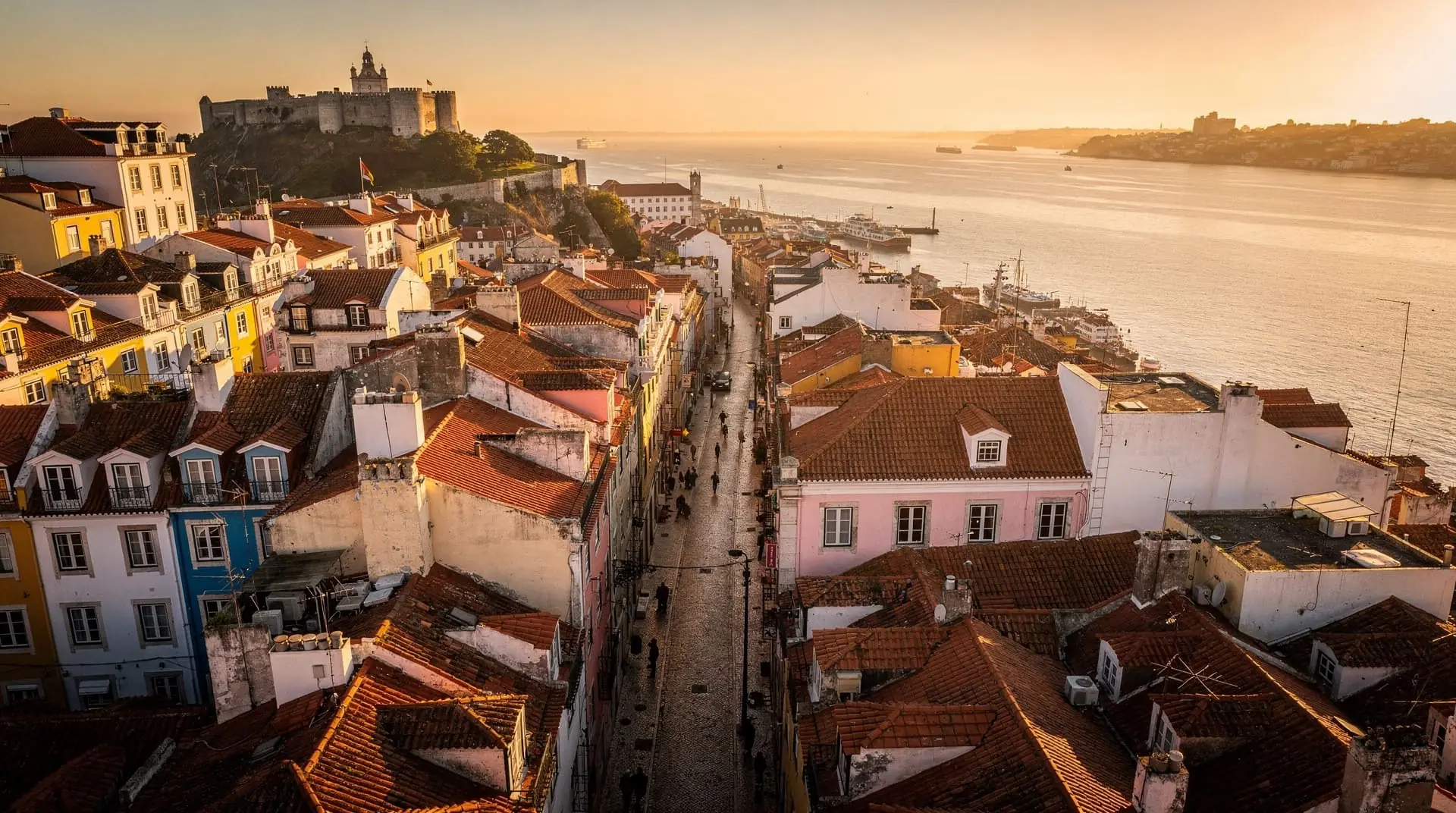
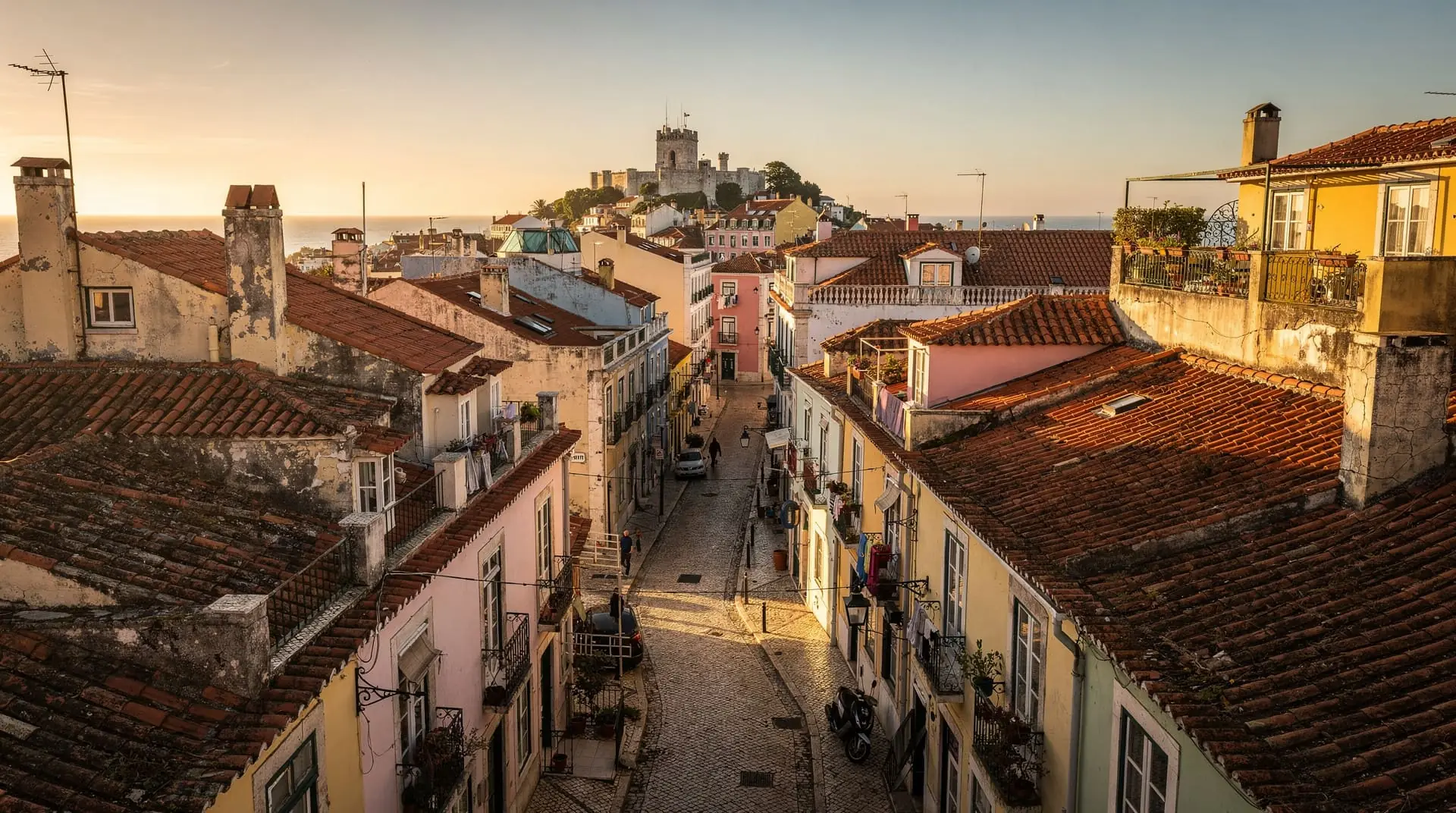
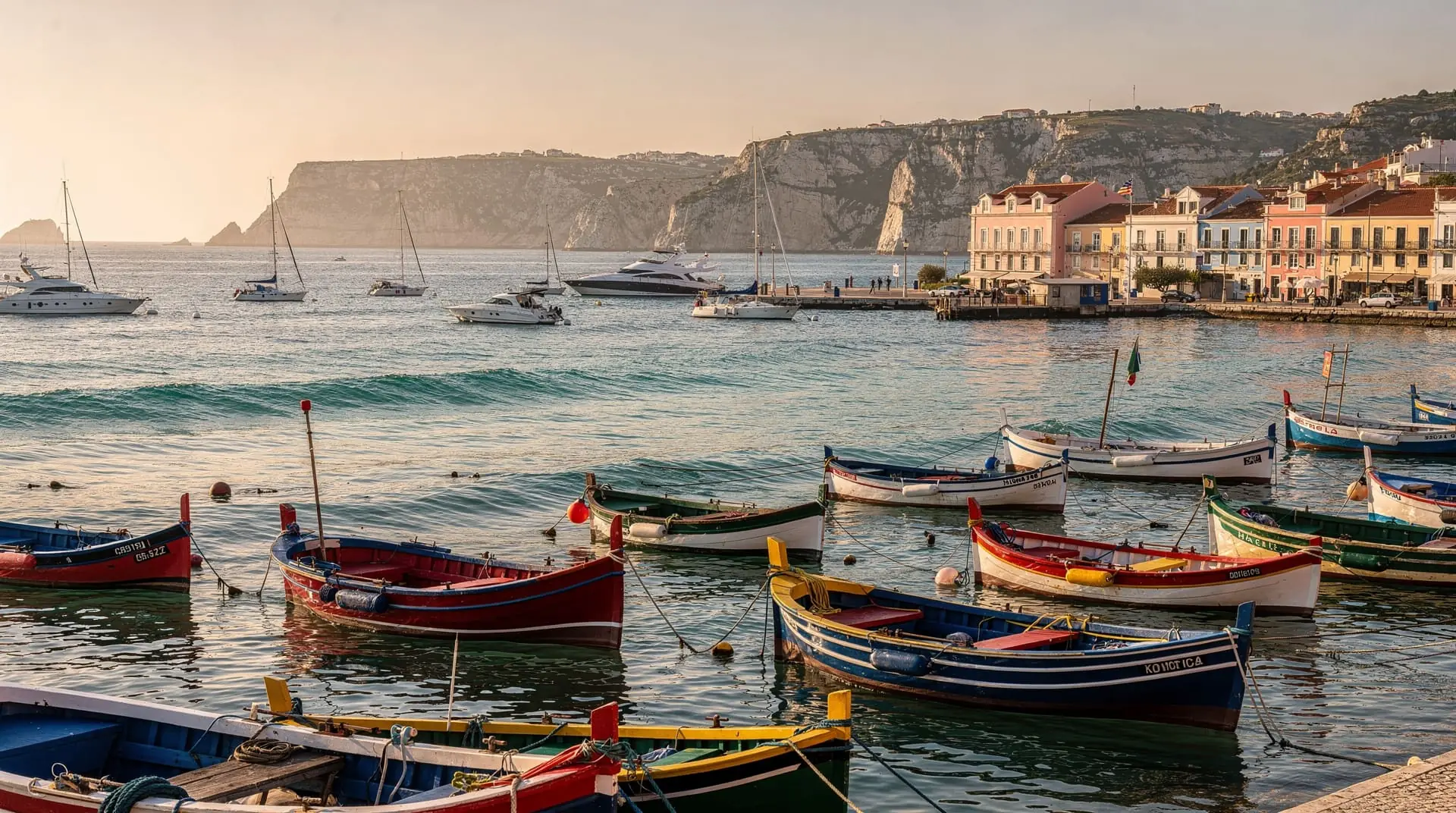
Cascais: cosmopolitan seaside town, sandy beaches, a 17th-century citadel and 40 minutes by train from Lisbon.
Quick facts
Top tours and experiences
We earn a small commission if you book through GetYourGuide — at no extra cost to you. Every tour is hand-picked and verified.

Cascais punches well above its weight for a town of 35,000 people. The former royal fishing village turned summer residence turned year-round cosmopolitan town has the beach access of the Algarve and the cultural infrastructure of a small European city: a renovated 17th-century citadel converted into a luxury cultural centre, a deep-water marina lined with restaurants, three decent town beaches within a 10-minute walk of the station, dramatic sea-cliff formations at Boca do Inferno, and one of the finest wild surf beaches in Portugal (Guincho) just 9 km to the west.
It also has a direct train line from central Lisbon that runs every 20 minutes and costs €2.35. This combination — proximity, beauty, substance — makes Cascais the most visited day trip in the Lisbon region, and deservedly so. Our which day trip from Lisbon guide positions Cascais alongside Sintra, Arrábida and Évora to help you plan the right combination for your trip.
| Where | 33 km west of Lisbon, on the Atlantic coast |
| Cost | Train €2.35 each way; most sights free or under €10 |
| Time needed | Half a day to a full day |
| Getting there | Train from Cais do Sodré, 40 minutes |
| Best time | May–September for beaches; year-round for the town |
A cosmopolitan town with a royal past
Portugal’s royal family discovered Cascais in 1870, when King Luís I established his summer court at the Cidadela fortress. The aristocracy followed, then the diplomatically connected, then the artists and writers. During the Second World War, Cascais became famous as a gathering point for European exiles and double agents who found the neutral ground useful — one reason the casino at neighbouring Estoril became the real-world model for Ian Fleming’s Casino Royale.
Today that cosmopolitan inheritance survives in the town’s unusually good restaurants, its international crowd, and the architecture of the Cidadela — now a luxury hotel and cultural space housing the Paula Rego Museum annex. Beneath that, though, Cascais retains a working fishing harbour. The fish auction (lota) still runs at the docks before sunrise, and the fish served in the town’s restaurants is genuinely fresh.
Getting to Cascais from Lisbon
By train — simple and reliable
The Cascais line runs from Cais do Sodré station (Lisbon’s waterfront, terminus of tram 28 and metro Green Line) directly to Cascais, stopping at Belém, Oeiras, Estoril and several intermediate stations. Journey time is exactly 40 minutes to Cascais; Estoril is 37 minutes.
Trains run every 20 minutes throughout the day, from around 05:30 to 01:30. Fare: €2.35 single using a Viva Viagem card (charged from the reloadable card). The Lisboa Card includes this journey — check our Lisboa Card calculator if you’re combining it with museums or the Sintra train.
The station at Cascais is right in the centre of town, two minutes’ walk from the beach and marina. You cannot get closer.
By car
The A5 motorway from Lisbon takes 25–35 minutes depending on traffic. Parking in summer along the seafront requires patience — the paid municipal lots near the marina fill quickly. Driving gives you flexibility to reach Guincho beach and Cabo da Roca easily, which are impractical by bus. But for the town itself, the train is faster and less stressful.
What to see and do in Cascais
The beaches
Three town beaches fan out from the centre, all of them decent for swimming and sunbathing, none of them vast:
Praia de Cascais — closest to the station, sheltered, usually calm. Popular with families. The main seafront esplanade runs along here.
Praia da Rainha — a short walk further west, similar character, slightly less busy. Named for the queens who bathed here during the royal summer residence years.
Praia da Conceição — the largest of the three town beaches, popular with younger visitors, beach bars from June onwards.
All three have lifeguards June–September. Water quality is generally good. None have the raw beauty of Arrábida, but the combination of town + beach is unmatched for convenience. Our Cascais beaches guide compares all options in detail, including the surf beach at Guincho.
Boca do Inferno
“Mouth of Hell” — a sea arch and blowhole carved by Atlantic waves into the limestone cliffs 2 km west of town. At low tide and in calm weather, it’s picturesque. In winter storms, the waves explode through the arch spectacularly. A 20-minute walk or short taxi/bike ride from the station along the coastal path. Free to visit; there’s a small café above the viewpoint.
The Cidadela
The 17th-century fortress above the fishing harbour houses the Cascais Citadel Hotel (a luxurious conversion) and the Museum of the Sea (Museu do Mar). The museum covers the town’s maritime history and the royal family’s connection to oceanography — King Carlos I, who ruled 1889–1908, was a serious ocean scientist and funded several Atlantic research expeditions. Entry: €4.
The Cidadela’s courtyard sometimes hosts outdoor concerts and events in summer — worth checking the programme.
Casa das Histórias Paula Rego
The most important art museum in the Cascais area. Designed by Eduardo Souto de Moura (who won the Pritzker Prize in 2011), the building’s terracotta-red pyramidal towers are as striking as the work inside. Paula Rego’s figurative paintings — dark, feminist, politically charged — are among the most powerful in 20th-century Portuguese art. Entry: €6. Don’t miss this one; it’s the kind of museum that stays with you.
The marina and harbour
Cascais marina holds around 650 berths and has a decent concentration of seafood restaurants on the water. The old fishing harbour (Boca do Vento) operates separately — the working boats go out at night and return before dawn, and the catch is auctioned at the lota before the restaurants open. You can watch the return if you’re up very early (before 7 AM).
In the marina area, several operators run sailing and boat tours along the coast.
Cascais sailing tour along the coast with a drink includedGuincho beach
9 km west of Cascais, Guincho is a long, wild Atlantic beach backed by dunes and Sintra’s forested hills. The surf is powerful and consistent — a regular competition venue. Windy most days, even in summer. Not ideal for small children or nervous swimmers, but spectacular for a walk, for surfing, or for watching the Atlantic do what it does.
Getting there without a car: bus 405 from Cascais bus terminal (near the station), about 20 minutes, roughly every 30–40 minutes. Alternatively, bike hire from several shops in town — the seafront cycle path runs most of the way to Guincho (marked route, about 45 minutes each way).
Where to eat in Cascais
Cascais has some of the best seafood restaurants in the Lisbon region — not a tourist trap in sight if you pick carefully.
Mar do Inferno — right at Boca do Inferno, cliff-edge terrace, legendary for percebes (barnacles) and lobster. Expensive by Portuguese standards (€40–60 per head with wine), but the setting is irreplaceable. Book ahead for a terrace table.
Restaurante Farol — in the Farol Design Hotel (Rua Tenente Valadim), beautiful terrace above the sea, strong wine list, modern Portuguese menu. Mid-to-high range.
Dom Maria — in the town centre (Rua Fernão Ornelas), old-school tasca style, dependable grilled fish at fair prices. No reservations; arrive early.
O Chico — in the fishing harbour area, good piri-piri chicken and grilled sardines in season. Cash preferred, no frills, very local.
Jardim dos Frangos — if you want roast chicken by the half-kilo and a cold beer in the sun, this is where the locals go. Rua Afonso Sanches.
For coffee and pastries, Pastelaria Garrett near the market has been there since 1933 and still does proper galão and tosta mista at market prices.
Where to stay in Cascais
Staying in Cascais rather than Lisbon makes sense if you want beach access, quiet evenings and day trips to Sintra (40 min by train) without Lisbon as your base.
Farol Design Hotel — boutique, right on the cliff, one of the best hotel pools in the region. Mid-to-high range.
Albatroz Hotel — historic building originally built for the royal family’s guests, in a quiet part of the seafront. Classic, well-maintained.
Casa da Pérgola — intimate guesthouse in a 19th-century villa, garden with azulejos, five minutes from the beach. Mid-range.
Budget options: Several guesthouses and pensions in the old town and near the station offer clean rooms from €60–90 in peak season. The area around Rua Afonso Sanches and Rua da Palmeira has good options.
How long to spend in Cascais
Half day (arriving after a Sintra morning): enough for the town beaches, a stroll to Boca do Inferno, a seafood lunch and the Casa das Histórias. Leaves Lisbon-bound after 5 PM.
Full day: Add Guincho beach, a boat trip from the marina, the Cidadela museum, and a proper dinner before the evening train.
Overnight: Worth it if you want Guincho at sunrise, a relaxed morning in town before the day-trippers arrive, and the experience of Cascais as a place rather than a sightseeing stop. Our where to stay in Lisbon guide includes a section on Cascais as an alternative base.
For combining Cascais with Sintra and Cabo da Roca as a full day circuit, see our day-trip transport guide. If you’re unsure whether to stay in Estoril or Cascais, Estoril is quieter and has the casino, but Cascais has the better restaurant and beach scene. For families, our Lisbon with kids guide includes Cascais as a recommended beach day.
Cascais village e-bike tour — glide along sun-kissed shores E-bike tour from Cascais to Sintra via the coast and GuinchoHonest tips and tourist traps
The seafront restaurants: Between the station and the marina, several restaurants display big English menus and photographs of food. None of them are where you want to eat. Walk five minutes further into the town, or specifically to Boca do Inferno, and prices and quality both improve.
Guincho in July/August: It’s windy. Always. The dunes blow. This is actually part of the experience, but dress for it — light layers even on hot days.
The tourist train: A road train runs between the station and Boca do Inferno. Unnecessary and slow; the seafront walk takes the same time and is more enjoyable.
Parking in summer: As with anywhere on this coast, weekend parking near the beach becomes impossible by 10 AM. If you drive, arrive before 9 AM or prepare to park 2 km away and walk.
Bike hire pricing: Several shops near the station rent bikes. Agree the day rate upfront (€15–20 for a standard bike, €25–35 for electric). The coastal path to Guincho is well-marked and mostly flat; a normal bike is sufficient.
For a broader look at overrated experiences and honest alternatives across the Lisbon region, see our tourist traps guide.
How Cascais fits into a Lisbon trip
Cascais works as a standalone afternoon from Lisbon: take the 1:00 PM train from Cais do Sodré, arrive at 1:40 PM, spend the afternoon at the beach and dinner at Mar do Inferno, return on the 9:00 PM or 10:00 PM train. Total cost: €5 transport + beach + meal.
It also works as the end point of the classic Sintra circuit: train to Sintra from Rossio in the morning, bus 434 up to Pena, then bus 403 from Sintra down the coast to Cascais (about 75 min), dinner, train back to Lisbon from Cascais (via Cais do Sodré). This route is fully covered in our Sintra without a car guide.
The 5-day Lisbon itinerary with day trips reserves day 2 for the Sintra–Cascais coastal circuit.
Cascais beaches compared
| Beach | Character | Best for | Distance from station |
|---|---|---|---|
| Praia de Cascais | Sheltered, calm | Families, easy access | 2 min walk |
| Praia da Rainha | Sheltered, quieter | Swimming without crowds | 5 min walk |
| Praia da Conceição | Larger, lively | Beach bars, younger crowd | 8 min walk |
| Praia do Guincho | Wild Atlantic surf | Surfing, dramatic scenery | 20 min by bus 405 |
The three town beaches are close enough that trying more than one in an afternoon is realistic — Praia da Rainha for a swim, then a walk along the esplanade past Praia de Cascais back to the station. Guincho is a genuinely different beach, not a bigger version of the town ones, and is better understood as a separate half-day than an add-on to a town beach visit.
A realistic evening in Cascais
Visitors who arrive on an afternoon train sometimes underestimate how much Cascais offers after the beach closes. The marina restaurants fill from around 19:30, and a walk along the illuminated seafront from the marina past the Cidadela toward Praia da Rainha is genuinely pleasant after dinner — quieter than daytime, with the fishing harbour lights visible across the water. If you’re staying overnight rather than day-tripping, this is the part of Cascais that day-trippers on the last train back to Lisbon miss entirely. The where to stay in Lisbon guide covers Cascais as an overnight base in more detail, including which neighbourhoods are quietest for a proper night’s sleep after a day at Guincho.
The Cidadela courtyard, when it has an evening concert or event scheduled, is worth checking specifically — it’s a much smaller, more atmospheric setting than anything comparable in central Lisbon, and tickets rarely sell out given the limited awareness among day-trippers. Even without a scheduled event, the fortress walls lit at night make a good final stop on the way back to the station, closing the loop of a day that started at the same spot on the beach that morning.
Travellers timing their return train around a late dinner should double-check the schedule rather than assume trains run as frequently at night as they do by day — service on the Cascais line thins out noticeably after around 22:00, and while it never stops entirely, gaps of 30–40 minutes between trains are common by the time a long dinner finishes.
Frequently asked questions about Cascais
How do I get from Lisbon to Cascais by train?
Take the Cascais line from Cais do Sodré station — not Rossio, which goes to Sintra. Train every 20 minutes, 40 minutes journey, €2.35 single with a Viva Viagem card. The Lisboa Card covers this fare. For full details on the Lisbon coastal rail lines, see our trains to Sintra and Cascais guide.
Is Cascais better than Sintra for a day trip?
Different experiences. Sintra is UNESCO palaces, forests and architectural drama. Cascais is beaches, seafood, a cosmopolitan town and coastal scenery. If you only have one day and can’t choose, the classic circuit (Sintra in the morning, Cascais in the afternoon) covers both via bus 403. See our detailed Sintra vs Cascais comparison.
What’s the best beach in Cascais?
For swimming and sunbathing in town, Praia da Rainha is the most consistent — sheltered, lifeguarded, less crowded than Praia de Cascais. For wild Atlantic scenery and surfing, Guincho is in a different category. For a detailed comparison including water quality, facilities and access, see our Cascais beaches guide.
Can I reach Guincho beach without a car?
Yes. Bus 405 from Cascais bus terminal (near the station) runs to Guincho roughly every 30–40 minutes. Bike hire is another option — the coastal cycle path covers most of the route. Journey by bike is about 45 minutes. Service frequency drops outside the summer season.
Is the Casa das Histórias Paula Rego worth visiting?
Yes, strongly. It’s one of the better art museums in Portugal and often missed by day-trippers focused on the beach. Paula Rego’s work is internationally significant, the building itself is architecturally remarkable, and the crowds are manageable compared to Lisbon’s main museums. Allow 1.5 hours. Entry €6.
What time does the last train back to Lisbon leave Cascais?
Trains run until around 01:30. The last few trains are roughly hourly late at night. In practice, the 11:00 PM or midnight train gives you time for a long dinner. Check the current Comboios de Portugal schedule at cp.pt for exact timings, especially on weekends and public holidays.