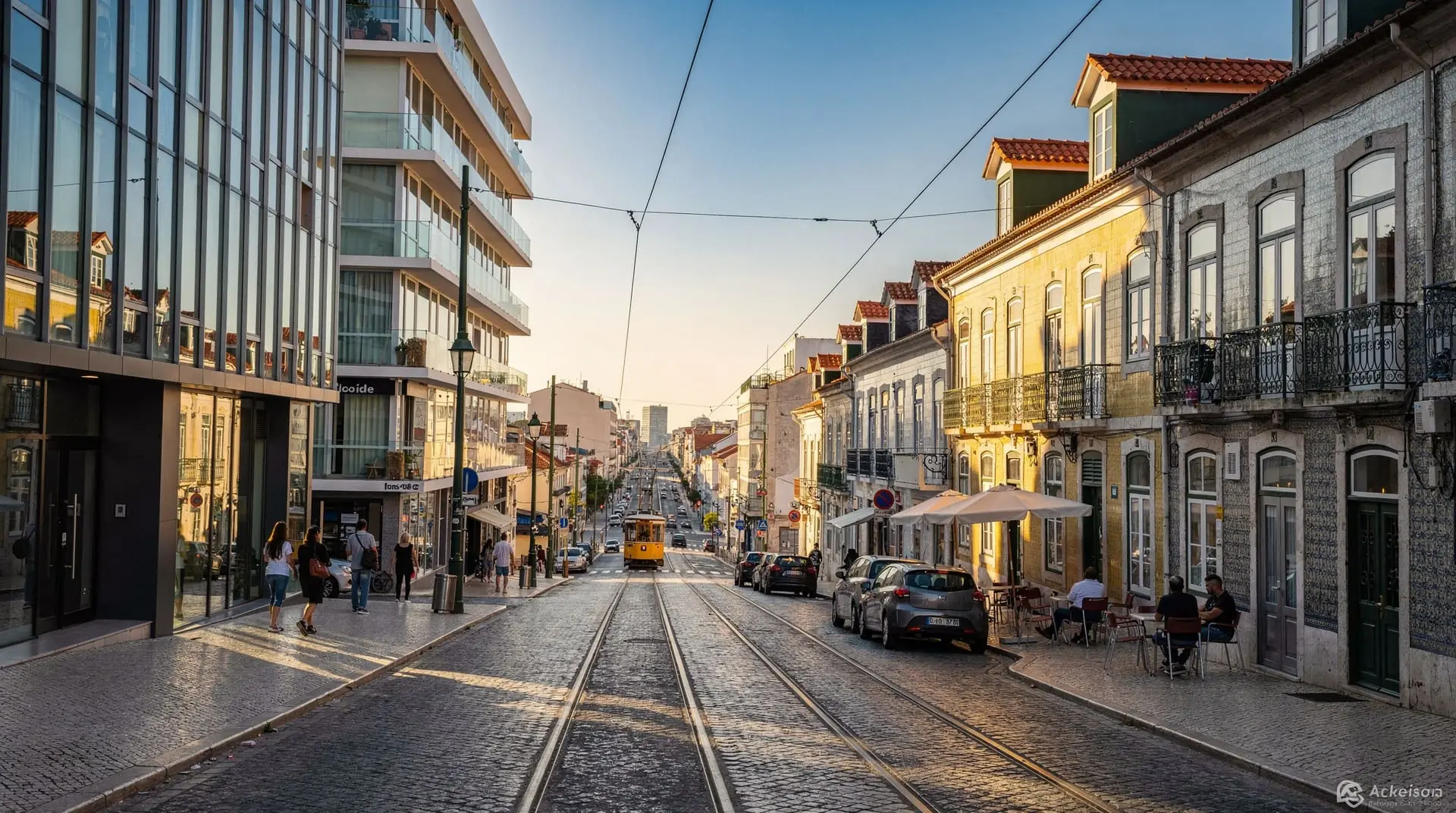
Lisbon 2026: what's changed and what hasn't
Published
Lisbon between 2022 and 2026 changed more than most European cities in the same period. The tourism recovery from 2020-21 was rapid and overshot pre-pandemic levels. New infrastructure arrived. Old problems got worse. Some things that were expected to change didn’t.
This is a current update for both first-time visitors and people returning after a gap.
| Biggest change | accommodation prices, up 35-45% since 2019 |
| Biggest improvement | Sintra ticket booking window, now up to 90 days ahead |
| Unchanged | Sintra midday crowds, the hills, the free sunset viewpoints |
| Budget adjustment | plan for at least 30% more than pre-2020 prices |
| Worth checking | current Lisboa Card and monument prices before you travel — see the travel budget guide |
What’s gotten more expensive
Accommodation: The biggest change. Average hotel prices in Lisbon’s central areas have increased 35-45% since 2019, driven by demand recovery plus the Airbnb regulation that reduced short-term rental supply. A mid-range central double that cost €100/night in 2019 costs €140-160 in 2026. This is a significant change for anyone budgeting based on old information.
Restaurants: Upscale and mid-range restaurants in tourist areas have increased prices by 20-30% since 2021. The local tasca and prato do dia lunch remains the best-value option and has been more resistant to price inflation — €9-12 for a full lunch is still widely achievable.
Monuments: Entry prices have increased by 10-15% across major attractions. Pena Palace: €14 (was €11 in 2020). Jerónimos Monastery: €10 (was €7.50). Torre de Belém: €6 (was €4).
The Lisboa Card: Has increased proportionally with monument prices, maintaining roughly the same value ratio. Still worth buying if you’re visiting 2-3 museums and doing Sintra or Cascais by train — the Lisboa Card break-even analysis runs the current numbers.
What’s changed for the better
Metro expansion: The Lisbon metro extended its Pink line (Linha Rosa) in 2024-25, adding connections to neighbourhoods that previously required buses or taxis. The airport Red line (Linha Vermelha) continues to serve the airport area well.
Airport access: New taxi regulation (fixed-fare zones from the airport) has reduced the rogue-taxi problem significantly. Uber and Bolt remain reliable and well-priced.
Sintra ticket system: The Parques de Sintra online booking system has improved significantly since 2022. Timed-entry tickets for Pena Palace, Regaleira, and the Moorish Castle can now be booked up to 90 days in advance (vs. 30 days previously). The practical effect: if you book early, you can nearly always secure an early-morning slot even in July. The Sintra crowds guide reflects these updates.
New food market options: The food market concept (Time Out Market style) has diversified. The Mercado de Arroios and others in non-tourist neighbourhoods offer similar food-hall quality at lower prices in a more local atmosphere. The Lisbon markets guide covers the full current list.
2022 vs. 2026, side by side
| 2022 | 2026 | |
|---|---|---|
| Mid-range hotel (central) | ~€100/night | €140-160/night |
| Sintra ticket booking window | up to 30 days ahead | up to 90 days ahead |
| Pena Palace entry | €11 | €14 |
| Jerónimos Monastery entry | €7.50 | €10 |
| Airport taxi pricing | inconsistent, rogue-taxi risk | fixed-fare zones |
What hasn’t changed
The basic experience of the city. Alfama is still Alfama. The Tagus is still the Tagus. Fado houses in the mid-range still deliver good performances on most nights. The tram 28 is still the tram 28, with all its charms and all its pickpocket risks. Pastéis de nata are still excellent and still €1.30-1.50 at the right places.
The Sintra crowding problem. Despite the improved booking system, Sintra between 10:00 and 16:00 from April through October remains extremely crowded. The first-entry strategy (be at Pena Palace at 9:00) is still the primary solution. This has not changed and is unlikely to change.
The hills. Still steep. Still cobblestone. Still requiring appropriate footwear.
The sunset viewpoints. Miradouro da Graça, Portas do Sol, Senhora do Monte, São Pedro de Alcântara — these are still the best free experiences in the city, unchanged in any meaningful way since Lisbon has been Lisbon.
What’s new in 2025-2026
Noise regulation in Alfama: The Câmara Municipal has implemented stricter noise regulations in residential areas of Alfama, particularly affecting outdoor amplified music after 23:00. Some of the more tourist-facing bars and restaurants in the area have adapted; the neighbourhood feels slightly quieter late at night as a result.
Beach access regulations at Arrábida: The Arrábida Natural Park now has a formal parking reservation system for the main beach access points (Portinho da Arrábida, Galapinhos, Galapinhos) during July-August. If you’re going by car, book the parking slot in advance via the Parques Naturais website or use an organised tour that handles this.
Short-term rental market: As noted above, the Mais Habitação measures are still in effect. The Airbnb supply in central Lisbon has not grown since 2022, and some previously licensed properties have reverted to long-term rental. Prices for available apartments remain high.
What returning visitors should recalibrate
If you visited Lisbon between 2015 and 2020 and are returning in 2026, the most significant recalibrations:
- Budget up by at least 30% across accommodation and mid-range dining.
- Pre-book more aggressively. What sold out only in high summer now sells out in shoulder season too.
- The Príncipe Real neighbourhood has gentrified further and is now one of the most interesting eating and drinking areas in the city — worth more time than it probably got on your last visit.
- Parque das Nações has matured. The area around the Oriente station is now a genuine urban neighbourhood with restaurants and cafés that aren’t just serving conference attendees.
The Lisbon first-timer guide and the accommodation guide have been updated for 2026 prices and conditions. The budget calculator tool reflects current pricing for a realistic trip cost estimate.
What this means for planning your trip
None of this changes the fundamental case for visiting Lisbon — the city is still walkable, still visually extraordinary, still cheaper than most of Western Europe even with the increases. What it means practically: budget more generously than you would have in 2019, book Sintra tickets and fado tables earlier than instinct suggests, and don’t assume a five-year-old blog post’s prices are still accurate. The getting around Lisbon guide and Lisbon travel budget guide are both kept current and are the two most useful starting points if you’re planning from scratch in 2026.
Related guides
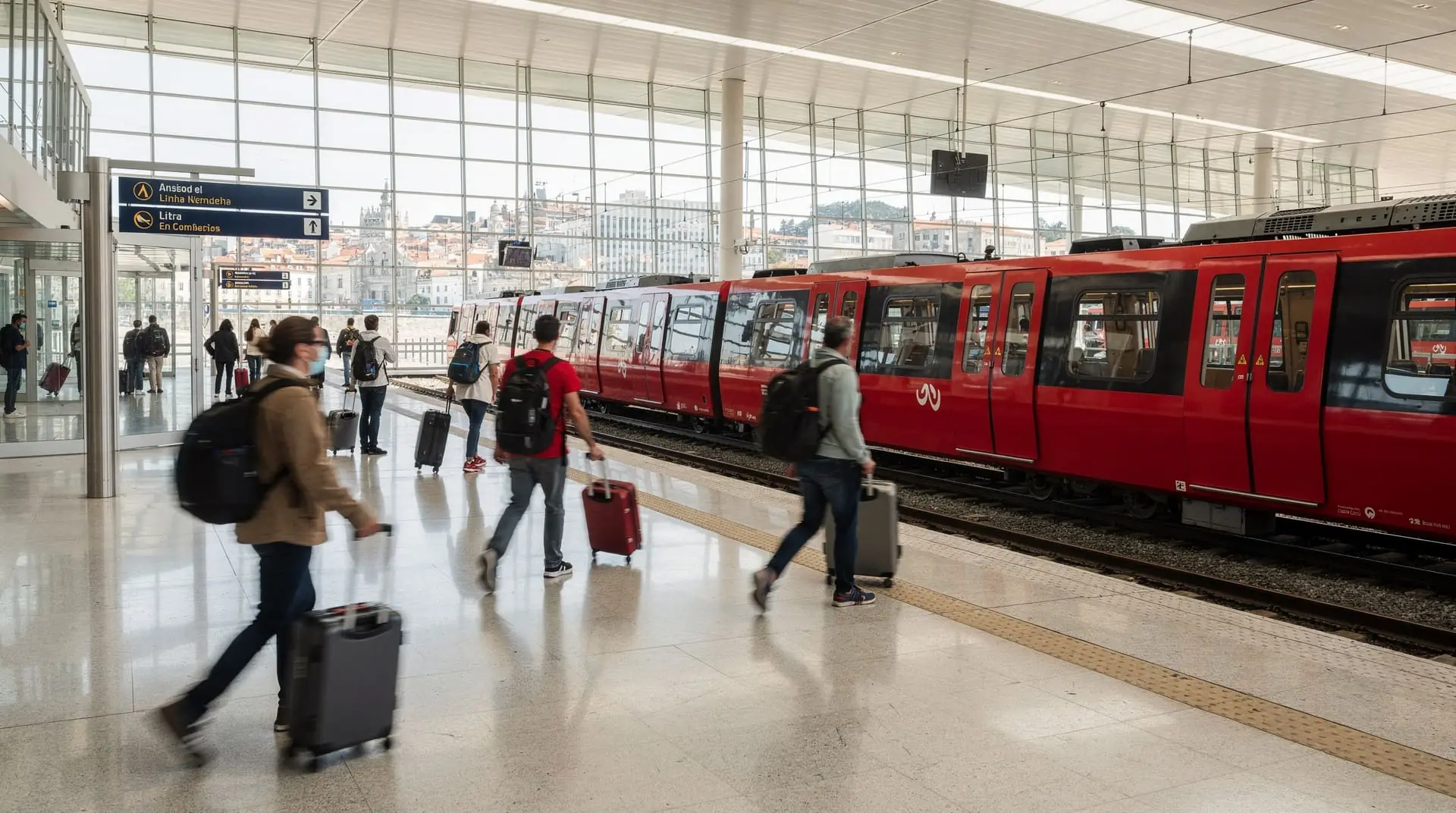
Getting from Lisbon airport to the city centre — all options compared
Metro, Aerobus, Uber, taxi: how to get from Humberto Delgado airport to central Lisbon. Real prices 2026, journey times, and scam warnings.

Belém Tower: tickets, queues and what to expect inside
How to visit Belém Tower without wasting an hour in the queue. Fast-track tickets, best time to go, and what the Manueline tower actually shows you.
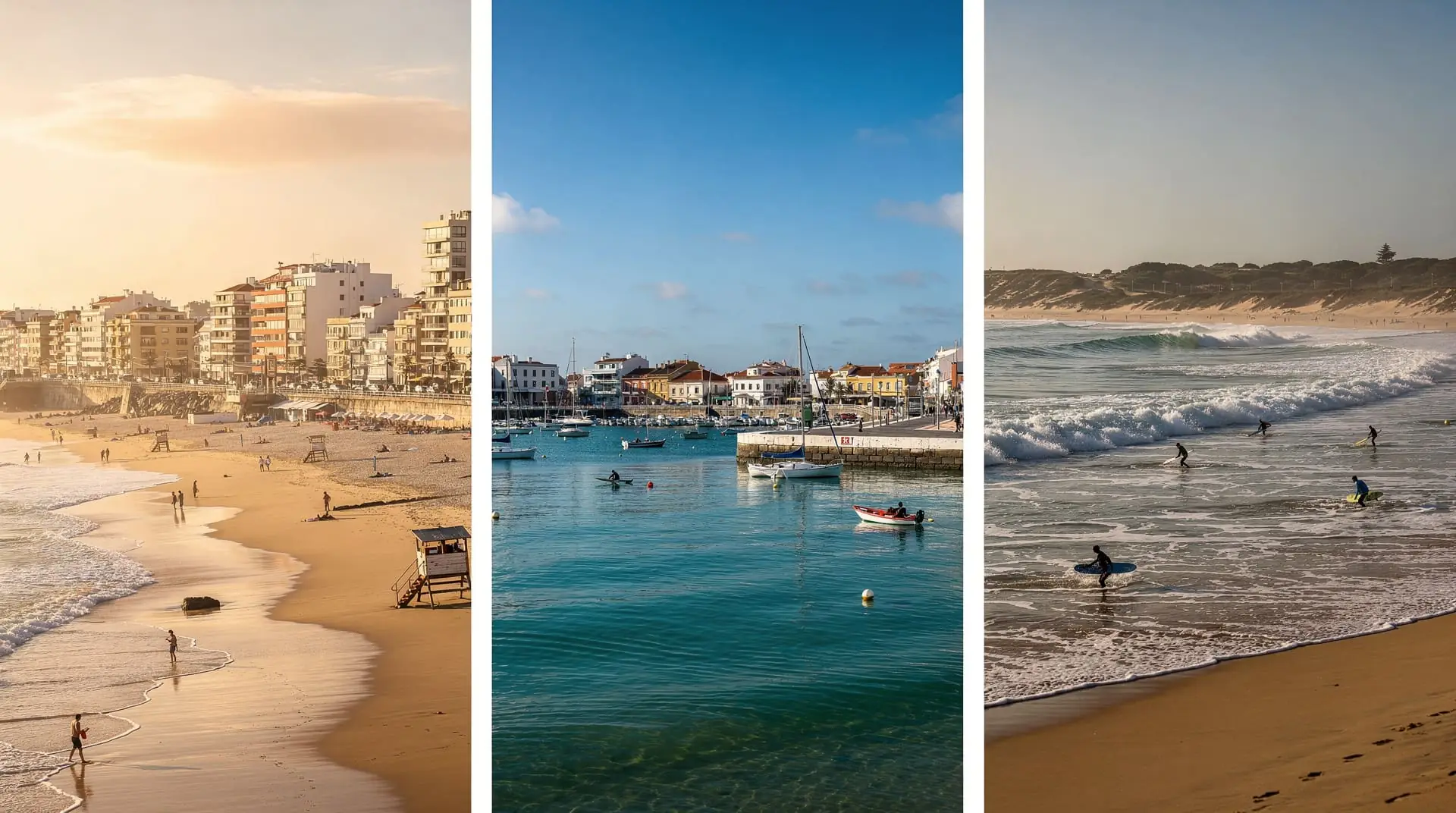
Best beaches near Lisbon — ranked by type and access
The 6 best beaches near Lisbon ranked: Caparica, Carcavelos, Cascais, Guincho, Arrábida, Comporta. By train, bus, and car with honest tips.
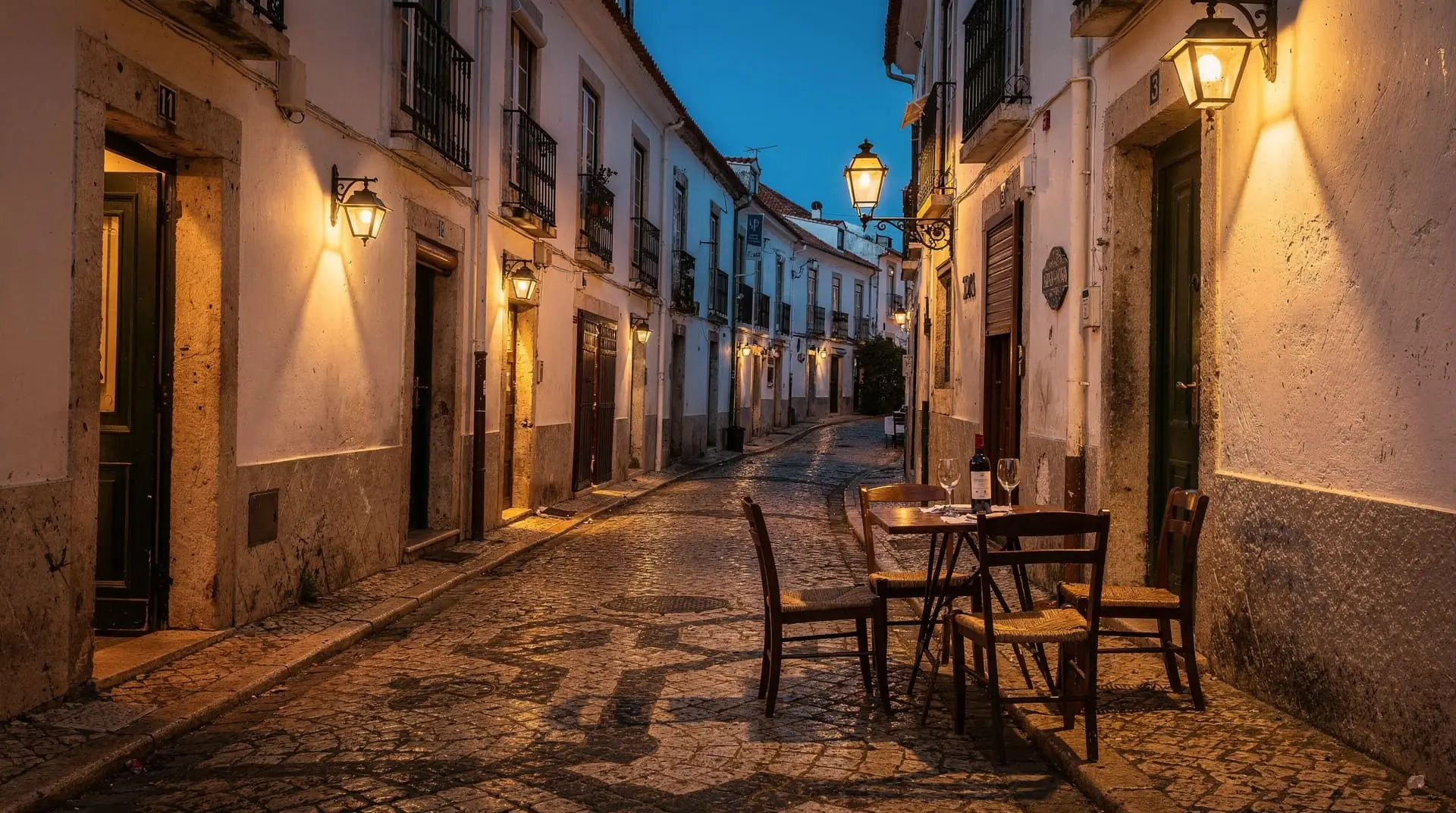
Best fado houses in Lisbon: authentic picks and honest warnings
The best fado houses in Lisbon: Clube de Fado, Mesa de Frades, Tasca do Chico, A Severa. Real prices, booking tips, tourist-trap warnings.