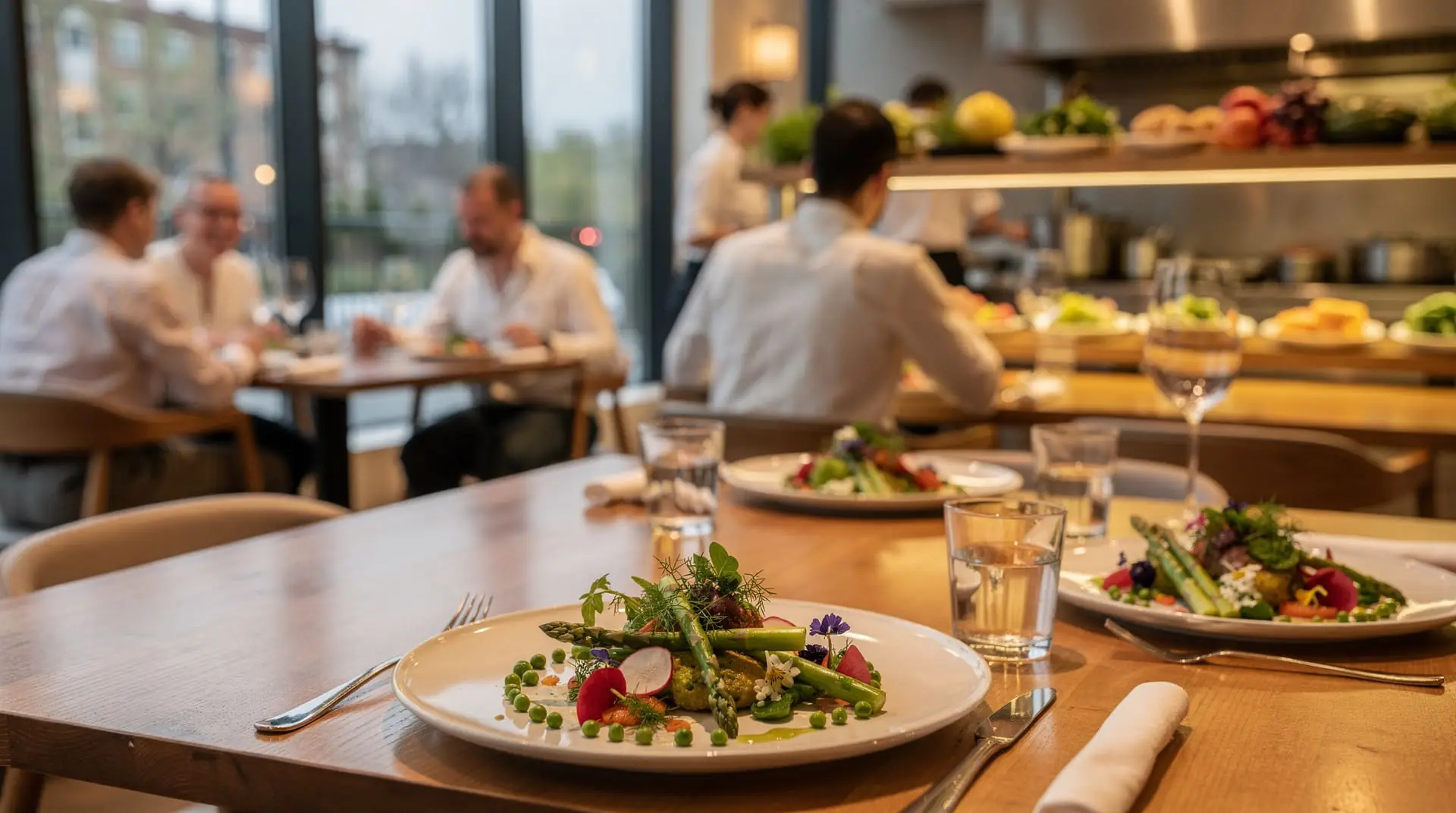
Where to eat in Lisbon, May 2026: what's currently good
Published
Restaurant scenes change. A place that was the reference two years ago may now be resting on its reputation. A place that opened six months ago may be the best thing in its neighbourhood. This post reflects what’s actually good in Lisbon as of May 2026 — based on visits made in the past few months.
| Where | Avenida Almirante Reis, Mouraria, Chiado, Arroios, Intendente |
| Cost | Around €12-20/person casual, €45-65/person for seafood specialists |
| Best time | May — outdoor dining season without July-August heat |
| Booking | Reservations recommended for Cervejaria Ramiro-tier places |
| Getting there | Metro/tram to each neighbourhood; most spots are walkable clusters |
What’s enduring and genuinely worth it
Cervejaria Ramiro (Avenida Almirante Reis): The reference for shellfish in Lisbon, and it continues to deserve it. Amêijoas à Bulhão Pato (clams in garlic-white wine-coriander), percebes (barnacles in season), carabineiros (deep-sea prawns). The queue on Friday evenings is real (no reservations); go at 18:30 or after 21:30. Budget €45-65/person with a beer.
Zé da Mouraria (Rua João do Outeiro, Mouraria): A taberna that has been operating in roughly the same format for decades. Cozido à portuguesa on Thursdays. Grilled fish and petiscos the rest of the week. No website, no Instagram presence, takes no reservations. €15-20/person for a full lunch.
Time Out Market: Yes, it’s touristy. The quality is still consistently above what you’d get at a random tourist restaurant in the same price range. Good for a quick lunch covering multiple types of food. Budget €12-18 for a main and a drink at one stall. The Time Out Market guide has the full stall-by-stall breakdown.
What’s currently interesting (2025-2026 openings)
Lisbon’s restaurant scene in 2025-26 has continued a trend toward smaller, neighbourhood-focused restaurants that are not specifically targeting tourists — a slight counter-movement to the previous decade of tourist-optimised dining.
The wine bar format has expanded further in 2025-26. Lisbon now has excellent wine bars in neighbourhoods beyond Chiado and Príncipe Real — look in Arroios and Intendente for recent openings that combine Portuguese natural wine with small plates at prices closer to €8-12/person for food rather than the €15-20 of the Chiado equivalents.
Bifanas and petiscos revival: The simple Portuguese sandwich — bifana (pork), prego (beef) — has been repositioned as an artisan product in a few Chiado and Mouraria spots, with good-quality bread and properly cooked meat. A bifana from one of the better spots (€4-5) is genuinely one of the better eating moments in the city.
Tasca contemporary format: A specific format has emerged — the traditional tasca setting (small room, closely spaced tables, no-fuss decor) combined with contemporary Portuguese cooking. Several in the Mouraria/Intendente area and in the western neighbourhoods (Campo de Ourique, Alcântara) are doing this well.
Vegetarian and vegan options have expanded. Lisbon’s meat-and-seafood-heavy tradition still dominates, but 2025-26 has seen a genuine uptick in serious vegetarian kitchens rather than just salad-and-pasta afterthoughts, particularly around Príncipe Real and Anjos. The vegetarian and vegan Lisbon guide tracks the current best options if that’s a priority for your trip.
Where price actually lands, by format
| Format | Typical price/person | Best for |
|---|---|---|
| Neighbourhood taberna (Zé da Mouraria-style) | €15-20 | Authentic, no-frills, cash-friendly |
| Time Out Market stall | €12-18 | Quick, varied, touristy but reliable |
| Wine bar with small plates | €20-35 | Evening grazing, natural wine |
| Seafood specialist (Ramiro-tier) | €45-65 | A dedicated seafood evening |
| Artisan bifana/petiscos spot | €4-10 | Fast, cheap, genuinely good |
For markets beyond Time Out specifically, the Lisbon markets guide covers the produce and neighbourhood markets that locals actually shop at.
The food tour for context
If you’re spending five or more days in Lisbon and seriously interested in the food scene, a food tour on the first or second day gives you reference points for the rest of the trip. The best tours in 2026 go beyond the standard pastéis de nata-ginjinha circuit and include petiscos culture, local markets, and neighbourhood context.
Eating Lisbon food and cultural walking tour — one of the better-structured food tours, covers Alfama and the central marketsThe Lisbon food tours guide compares the main operators if you want options beyond this one.
The May-specific eating context
In May, Lisbon’s outdoor dining season is in full swing without the July-August heat that makes some outdoor terraces uncomfortable after 14:00. The seafood season is excellent — spring is a good time for lulas (squid), robalo (sea bass), and dourada (sea bream). Oysters from the Tagus estuary continue through May.
The festivals of Santo António are approaching (June 12-13), and some restaurants and tascos are already setting up the grills for sardines — the quintessential June food. In late May you can sometimes get preview sardinhas assadas at the neighbourhood spots preparing for the festival season. The seafood in Lisbon guide covers what’s in season month by month beyond just sardines.
Coffee, specifically
Lisbon’s coffee culture is specific and worth understanding if you’re going to drink a lot of it (you will). The types:
- Bica: The default. An espresso by any other name, served in a small cup. €0.80-1.20 at a neighbourhood café, €1.50-2.50 at a tourist spot.
- Galão: Espresso plus steamed milk in a tall glass. €1.20-2.00. More similar to a flat white than a latte.
- Meia de leite: Similar to a café au lait, in a cup rather than a glass.
- Abatanado: Long black/Americano.
The best coffee in Lisbon continues to be found at neighbourhood cafés that have been there for decades rather than at the specialty third-wave coffee shops, which charge more for a roast that is often the same quality or slightly worse. That said, the specialty scene has matured — Fabrica Coffee and Hello Kristof are consistent.
For a comprehensive and up-to-date picture of the Lisbon food scene, the where to eat in Lisbon guide is the full reference. The cheap eats guide covers the best value options specifically. And the coffee culture guide has more on what to order and where.
Heart of Lisbon food tour: Baixa, Chiado, and Bairro Alto — good for the full geography of Lisbon eatingRelated guides
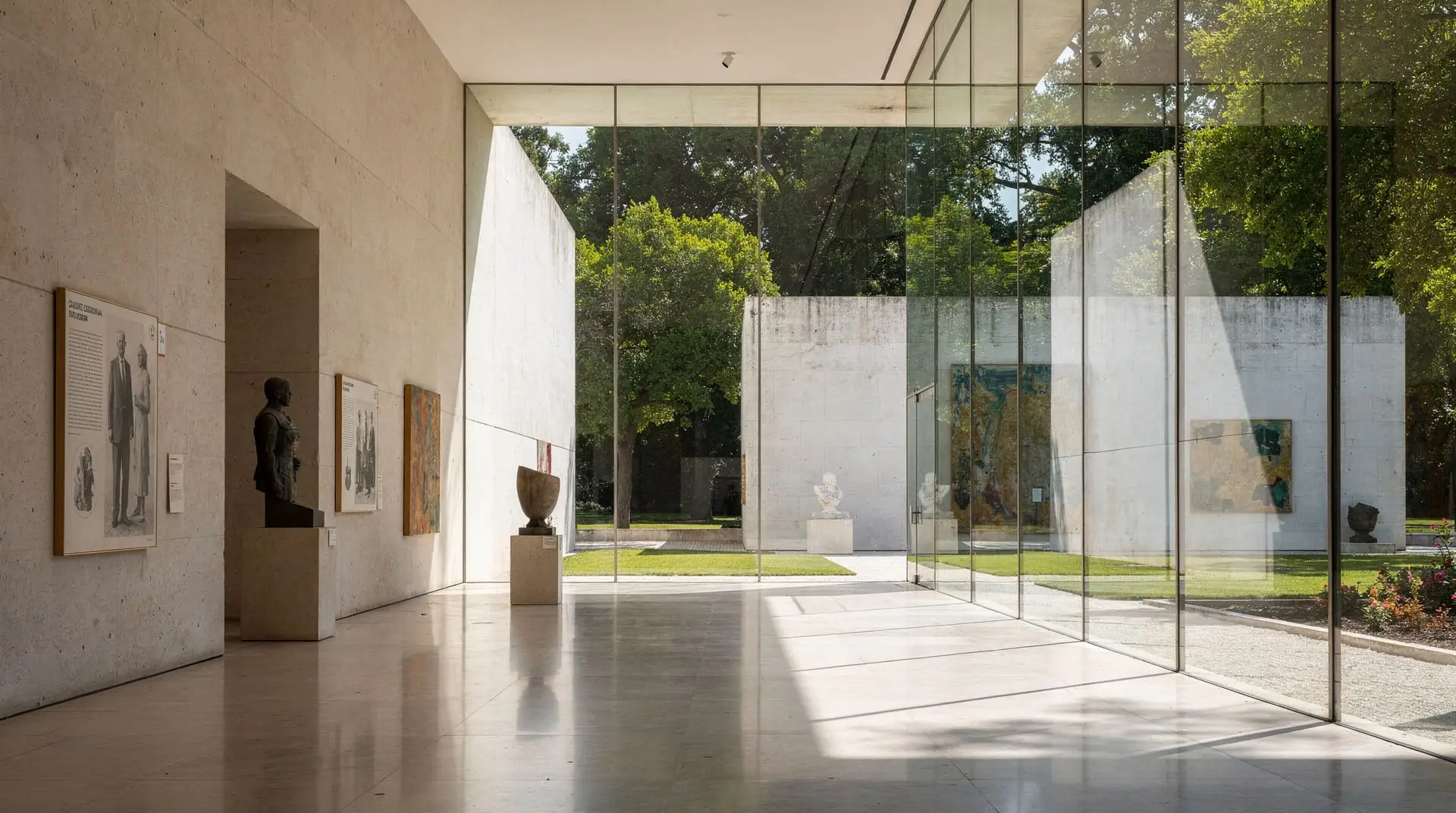
Calouste Gulbenkian Museum — the founder's collection
Complete guide to the Gulbenkian Founder's Collection in Lisbon: Egyptian antiquities to Art Nouveau, tranquil gardens, prices, and how to get there.
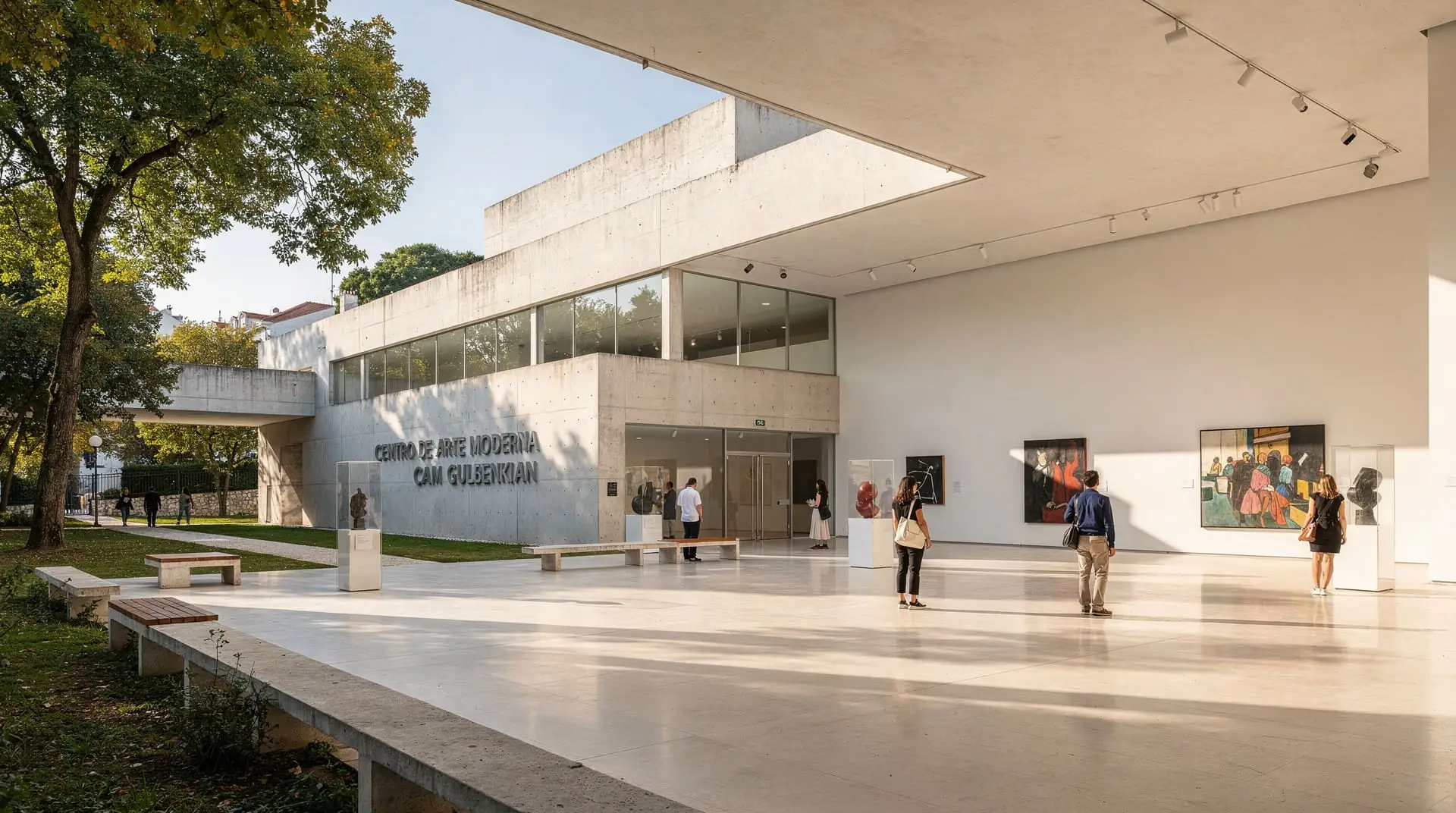
Centro de Arte Moderna (CAM) — Gulbenkian's modern art centre
Guide to CAM Gulbenkian in Lisbon: Kengo Kuma's 2024 redesign, Portuguese modernism, combined ticket with the Founder's Collection, gardens, and prices.
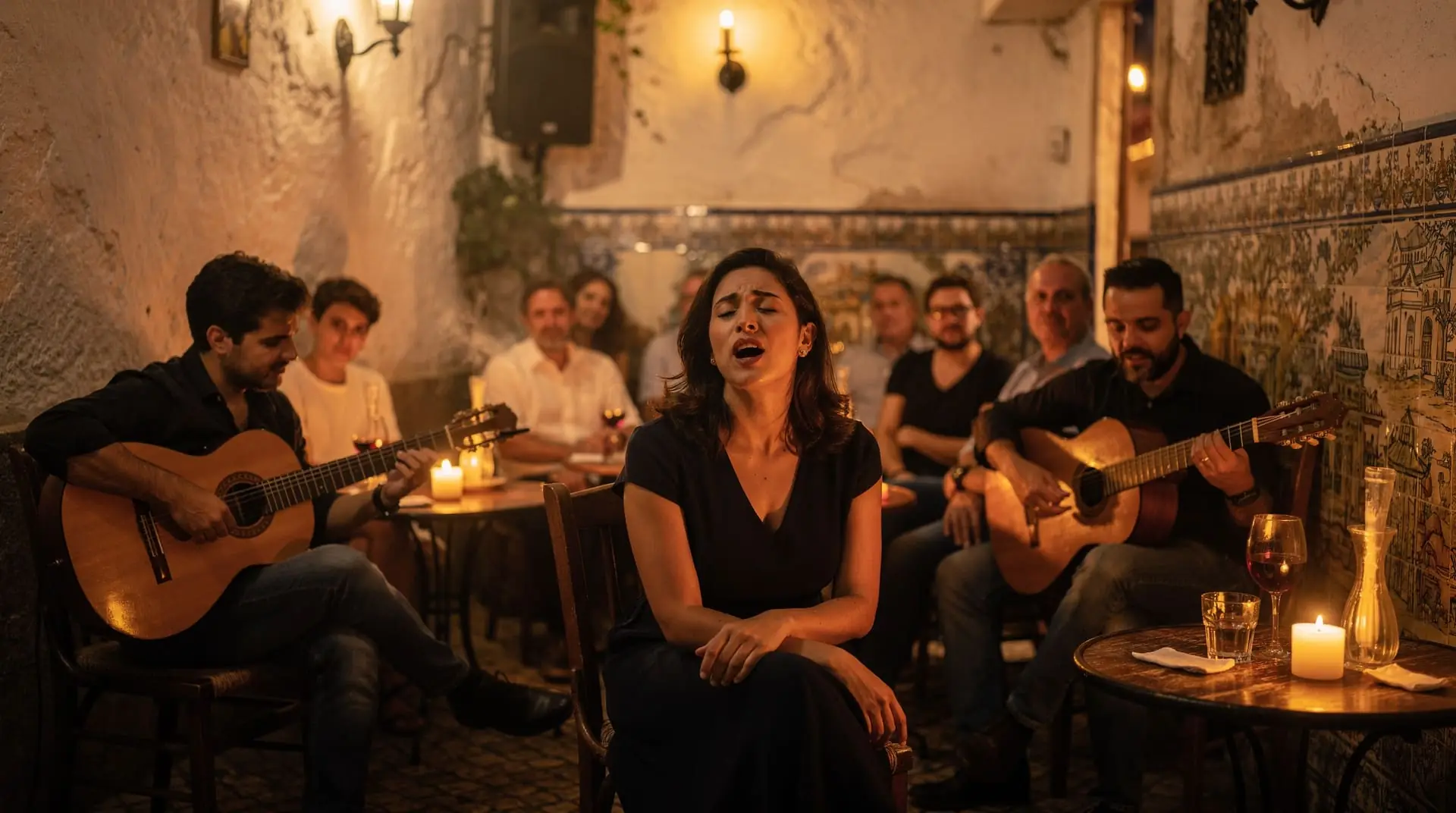
Fado dinner shows in Lisbon: what to expect, prices, and honest advice
Fado dinner shows in Lisbon: €45-90 prices, tasca fado vs dinner venues, what to expect, and how to avoid overpaying. Honest 2026 guide.
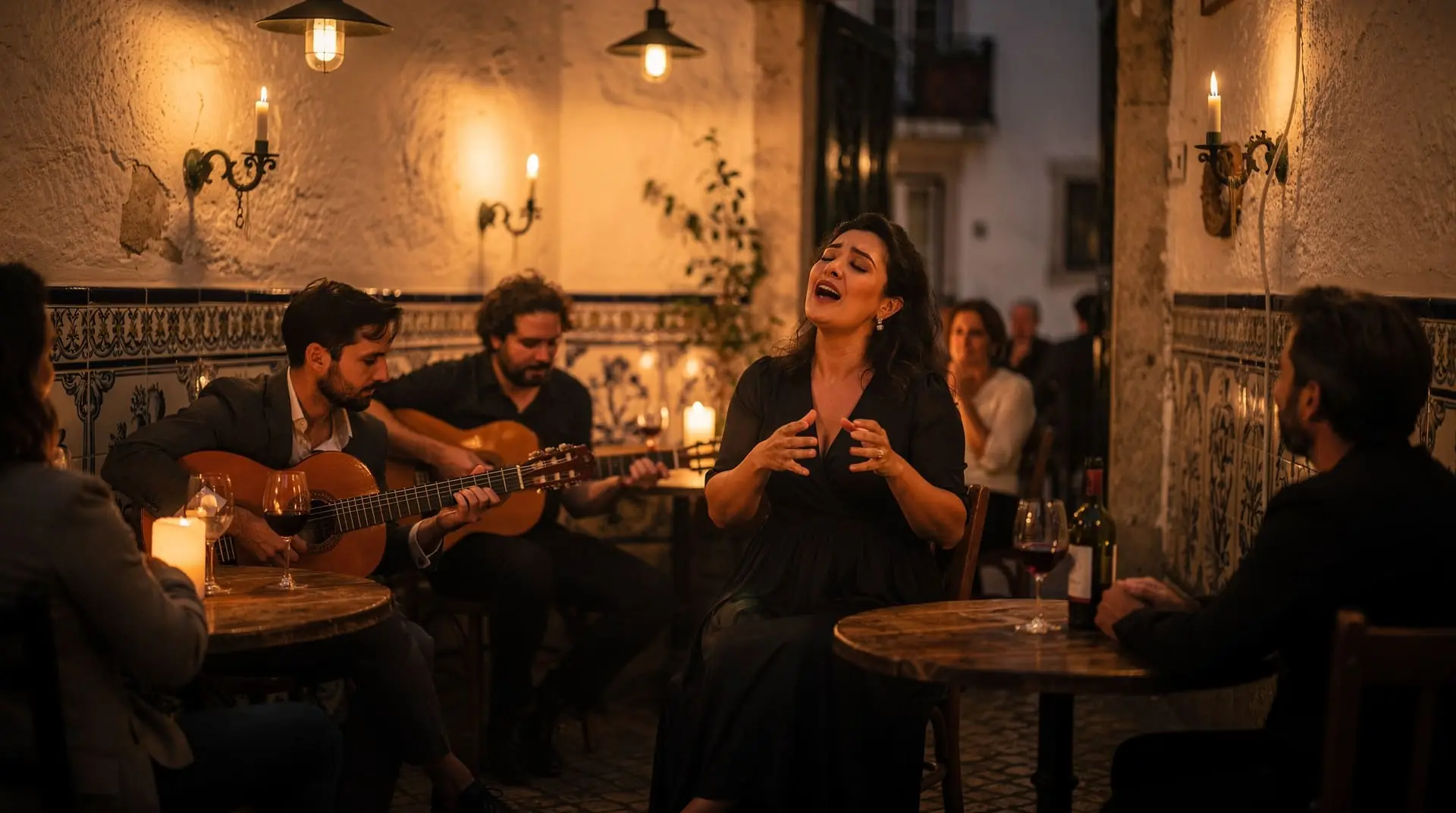
Fado in Alfama: the walking circuit, casas, and Museu do Fado
Why Alfama is fado's true home: the best casas, a walking circuit through fado history, Museu do Fado, and where to hear live fado on Alfama's steep streets.