Getting lost in Mouraria: fado's birthplace on foot
Published
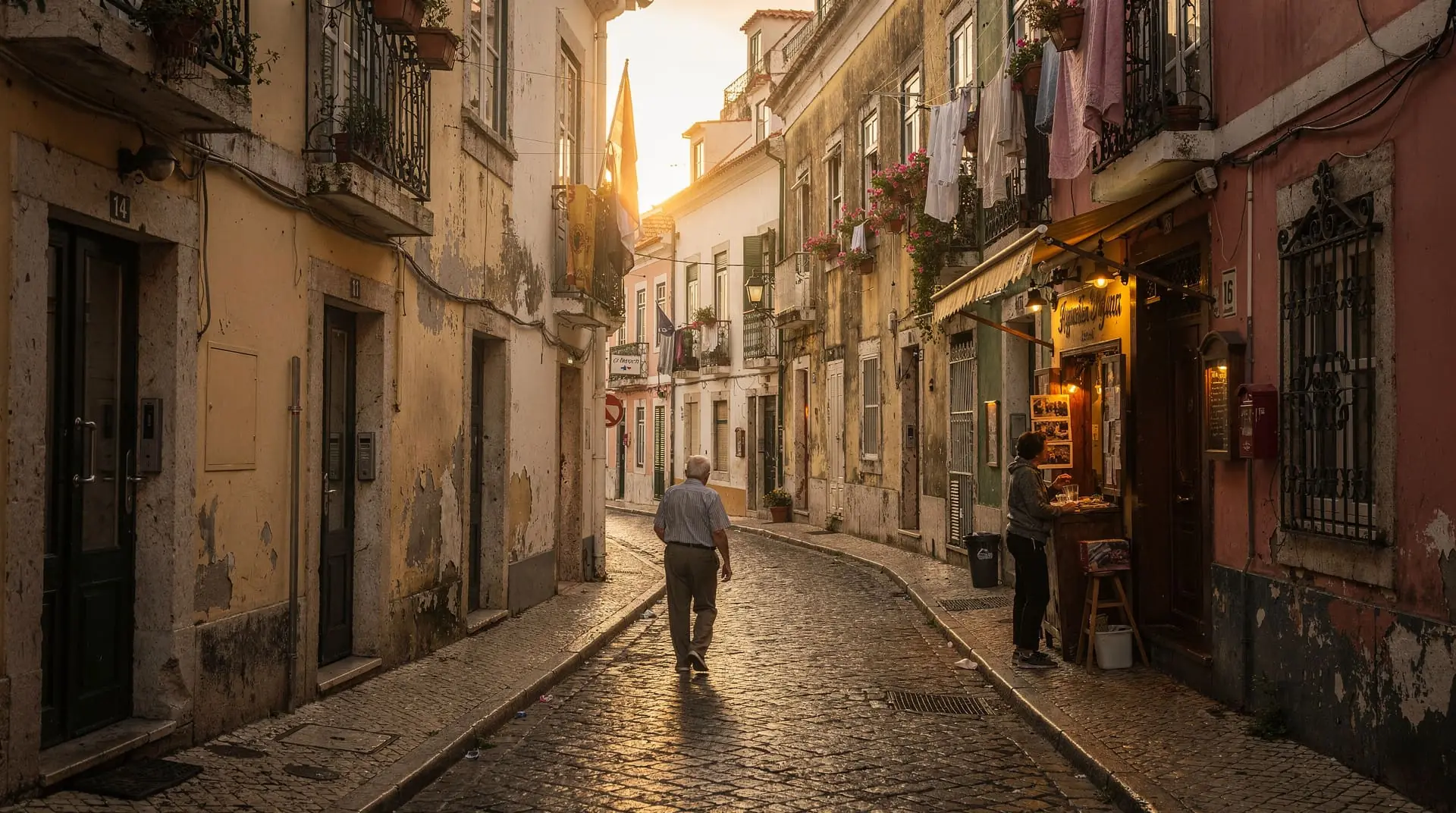
The map stopped being useful on the third uphill lane. I was somewhere above the Intendente square, below the castle, in the district that Lisbon’s tourists mostly miss entirely because it doesn’t have a famous viewpoint or a particularly Instagrammable facade. Mouraria. The Moorish quarter. The neighbourhood where fado was born.
I had a Sunday morning in January and no particular agenda, which turns out to be exactly the right condition for walking Mouraria. It’s easy to reach: tram 28 skirts the edge of the district on its way up toward the castle, though I’d argue the neighbourhood is better explored on foot than glimpsed from a tram window.
| Where | Graça-Mouraria, hillside north of the castle |
| Cost | effectively free — coffee and a pastel de nata is the main spend |
| Time needed | 2-4 hours of unhurried walking |
| Getting there | metro to Martim Moniz, then uphill on foot |
| Best time | Sunday morning, before the neighbourhood wakes up properly |
A neighbourhood the Moors left behind
After the Christian reconquest of Lisbon in 1147, the Moorish residents who refused to leave were confined to this hillside district outside the city walls — hence the name. They built narrow, interlocking lanes designed for foot traffic rather than carts, a logic that still defines the neighbourhood 875 years later. You cannot drive here. You can barely bicycle — an electric bike tour through the hills of Alfama and Mouraria flattens the climb if pedalling unassisted doesn’t appeal. Otherwise you walk, and you accept that the hill is steep.
The Graça and Mouraria area is the least gentrified of Lisbon’s historic neighbourhoods, which means it is also the most uneven. There are genuinely lovely corners and genuinely worn ones. It smells of frying fish in the morning and grilled chicken by noon. The painted tiles — azulejos — on the building facades range from pristine to crumbling, and both versions are somehow more interesting than the restored ones you find in Chiado.
Where to start
Largo do Intendente is the obvious entry point — a large square that has undergone significant renovation in the past decade, anchored by the Palácio Intendente building (now a boutique hotel) and lined with cafes and small restaurants. On Sunday mornings it’s calm. People read newspapers. A market sometimes sets up along one side.
From there, the lanes climb in all directions. I went north first, up past the Igreja de Nossa Senhora do Socorro, then east toward the castle walls — the back side of the castle, which most visitors never see because they approach from the front gate. From this angle the walls look more fortified, less picturesque, more genuinely medieval.
The steps at Beco dos Cativos descend steeply toward Mouraria’s centre, a cluster of small squares including the Largo de São Cristóvão. This is where, according to tradition, the young sailor and fadista Severa lived in the early 19th century — widely considered the first great voice of fado. There’s a tile panel commemorating her on the wall of a building she probably never set foot in, but these things are imprecise.
If you keep climbing past São Cristóvão, you eventually connect with Graça proper and its own viewpoint, one of the quietest in the city and a natural continuation of a Mouraria morning rather than a separate outing.
The Chapitô corner
I stumbled, as many do, onto the terrace of Chapitô — a circus arts school with a bar and restaurant perched above a precipitous drop to the Alfama rooftops. It’s technically in the transition zone between Mouraria and Alfama, which is perhaps why neither neighbourhood fully claims it. On a January Sunday it was quiet enough for a bica and a pastel de nata (€2.90 total) without a wait.
The view from the Chapitô terrace is genuinely excellent — the Tagus visible in the distance, the jumble of terracotta rooftops below — and it costs you nothing to sit on the wall with a coffee. No viewpoint fee, no queue, no organised photo opportunity. Just a terrace that happens to be there.
Mouraria’s fado identity
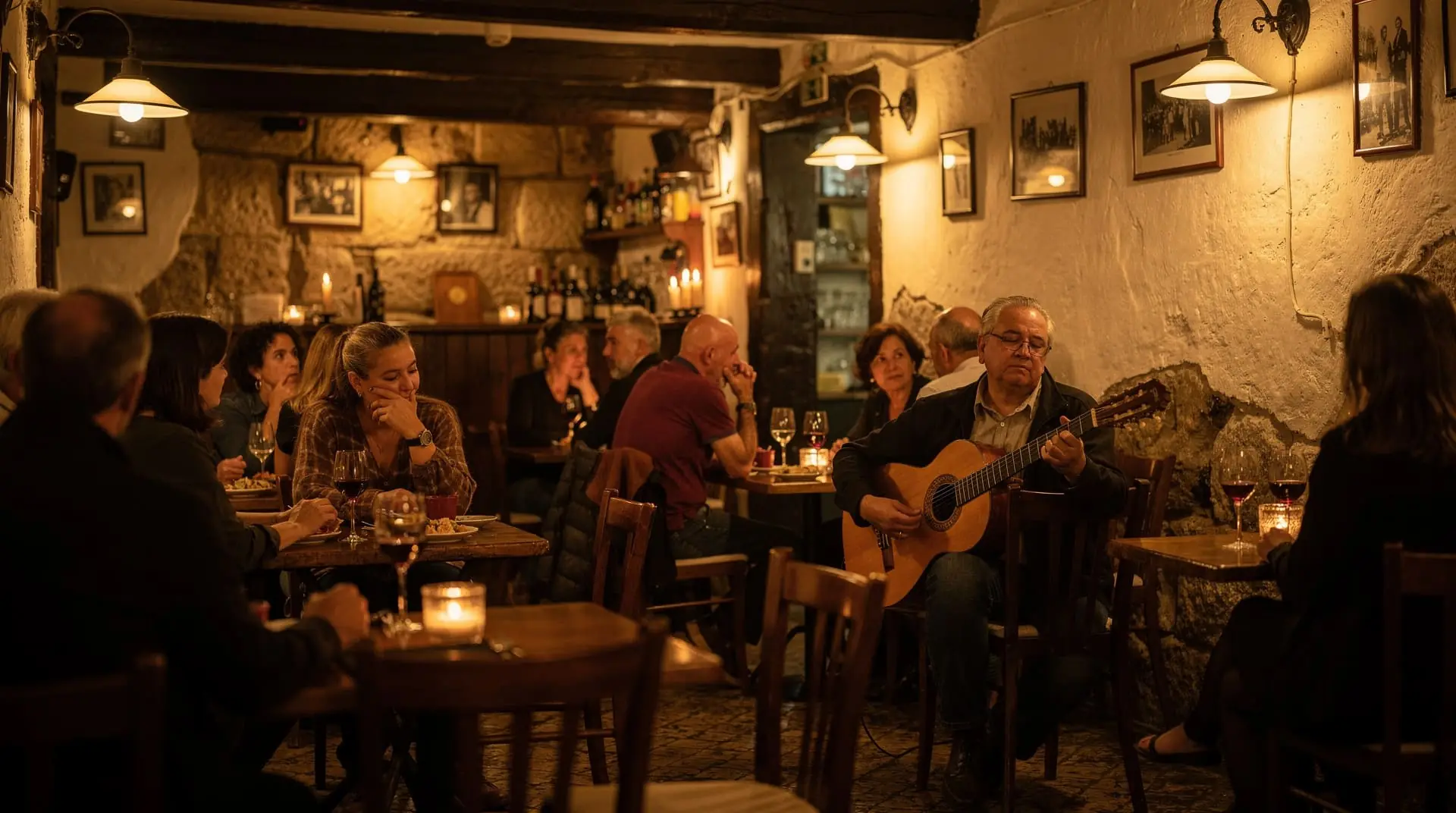
This is the thing I kept encountering: fado in Mouraria is discussed as history, not performance. The district’s connection to the music is ancestral rather than commercial. You will find one or two small fado clubs operating here, including the Tasca do Chico on Rua do Diário de Notícias (actually just below in Bairro Alto, but often mentioned in Mouraria contexts), but the district doesn’t market itself as a fado destination the way Alfama does.
Which is precisely why it feels more genuine. The history of fado explains the full genealogy — how the music came from the docks, absorbed African and Brazilian influences, and became what it is — but Mouraria is where that story begins physically.
Combine both neighbourhoods with an evening walking tour including fado and tapasIf you want to understand fado rather than just hear it, spend an hour in Mouraria before going to a fado house in Alfama. The context changes everything. The best fado houses guide has the criteria for choosing one that’s worth your evening rather than a tourist-facing dinner show.
Mouraria vs. Alfama, if you only have time for one
They’re often mentioned together, but the experience is different. Alfama has the tram, the famous viewpoints, and the concentration of fado houses; Mouraria has almost none of the infrastructure and most of the underlying history. If you want photographs and a polished experience, Alfama delivers more efficiently. If you want the sense of a neighbourhood that hasn’t been arranged for visitors, Mouraria is the better hour. My honest recommendation, if you have both available: do Mouraria first, in the morning, before Alfama gets busy in the afternoon — the contrast makes both places clearer. The Alfama neighbourhood guide covers the more visited half of that pairing.
Sunday lunch: not a tourist restaurant
By noon I had been walking for three hours and was hungry in the specific way that only uphill urban walking creates. I found a small taberna — five tables, a handwritten menu on a chalkboard, wine in ceramic jugs — on one of the unnamed lanes above Largo do Contador Mor. The cozido à portuguesa was €10.50 and took twenty-five minutes to arrive. The bread was already on the table. A small charge for it would appear on the bill (the couvert — standard practice in Portugal, perfectly legal, occasionally forgotten to be mentioned). €1.50 in this case. The honest Lisbon guide covers the couvert reality so you’re not surprised.
The only other occupied table had a family: two parents, three small children, a grandmother. Sunday lunch. They were still there when I left.
The Mouraria I walked away from
Getting lost in Mouraria is not a metaphor. The lanes actually do dead-end, the steps actually do lead you somewhere unexpected, and the map application on your phone will periodically fail because the streets are too narrow and too old to be accurately represented by satellite imagery. This is fine.
I walked for four hours and covered perhaps two square kilometres. I saw two tourists (not counting myself), one street cat that may have been the same cat I’d seen earlier, and a corner where someone had stuck a small ceramic tile of a saint into the mortar of a wall at approximately knee height. I have no idea how long it had been there.
A practical note: Mouraria is a genuinely safe neighbourhood to wander, day or night, though like anywhere in central Lisbon the usual pickpocket caution applies more at Martim Moniz itself than in the lanes above it. The Lisbon safety guide has the fuller picture if you want it, but nothing about this walk gave me pause.
For a more structured approach to Mouraria and the surrounding neighbourhoods, the walking tours guide lists options with local guides who know which lanes to take — including an Alfama and Mouraria neighbourhood walking tour that links both districts in one outing. But for the Sunday morning version? Get off the metro at Martim Moniz and start walking uphill. You’ll find it.
Related guides
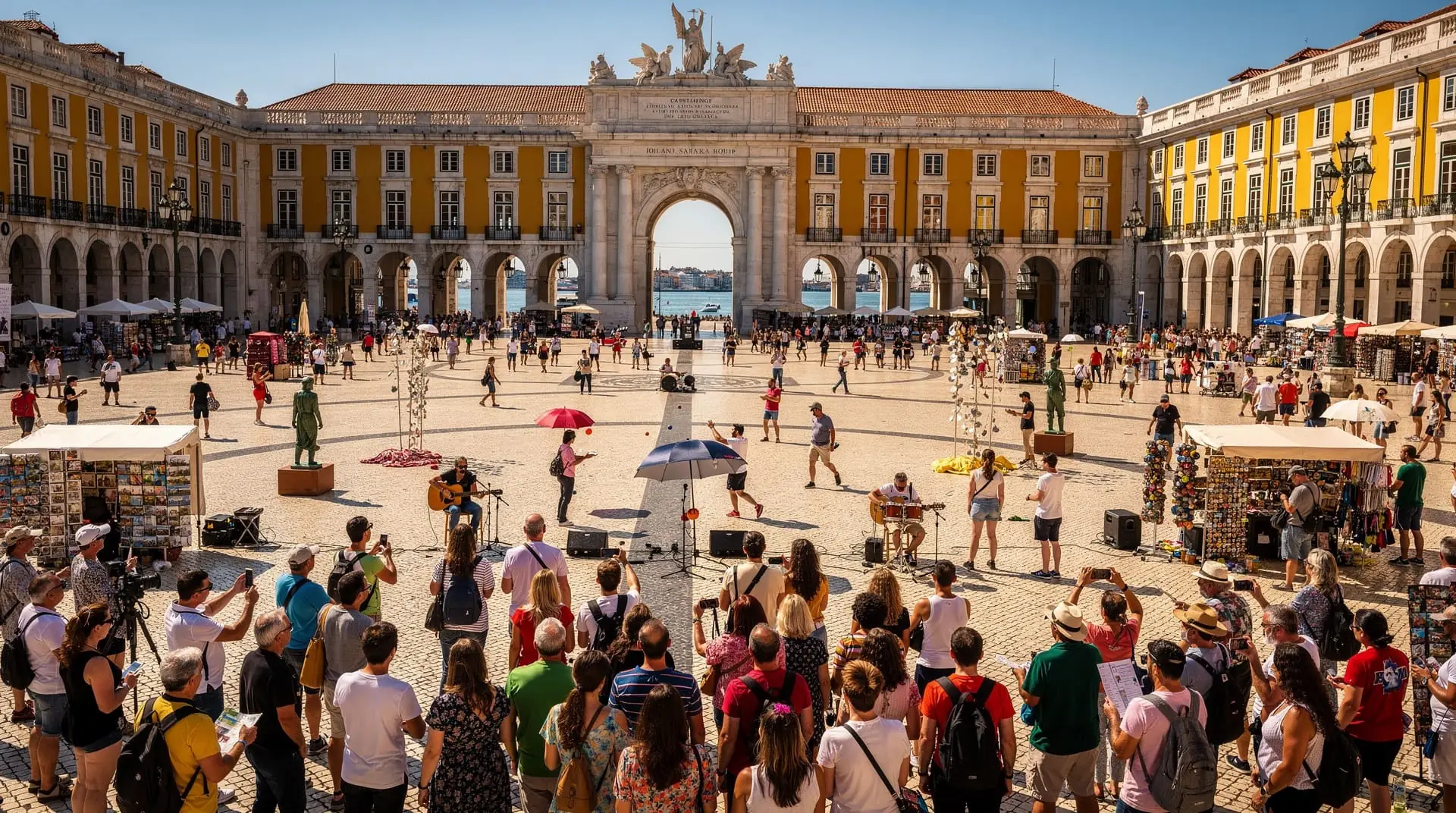
Lisbon tourist traps: the master list (and how to avoid each one)
The complete honest guide to Lisbon's tourist traps: couvert scam, fake fado, tram 28 pickpockets, airport taxis, Belém queues and more. Real advice.
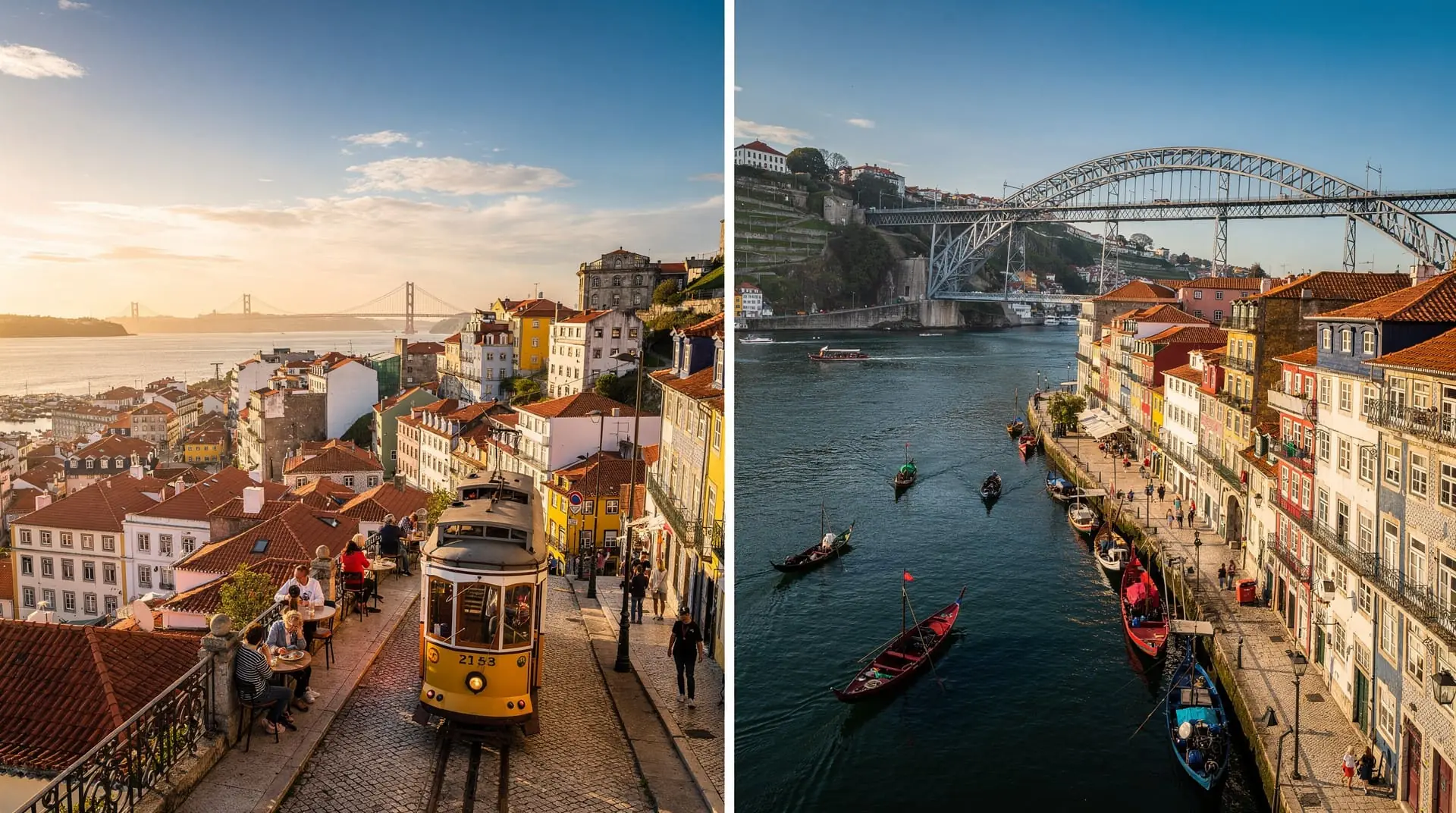
Lisbon vs Porto: which Portuguese city should you visit?
Honest head-to-head: vibe, weather, food, wine, day-trips and budget. Which city wins for your trip — and when to visit both.
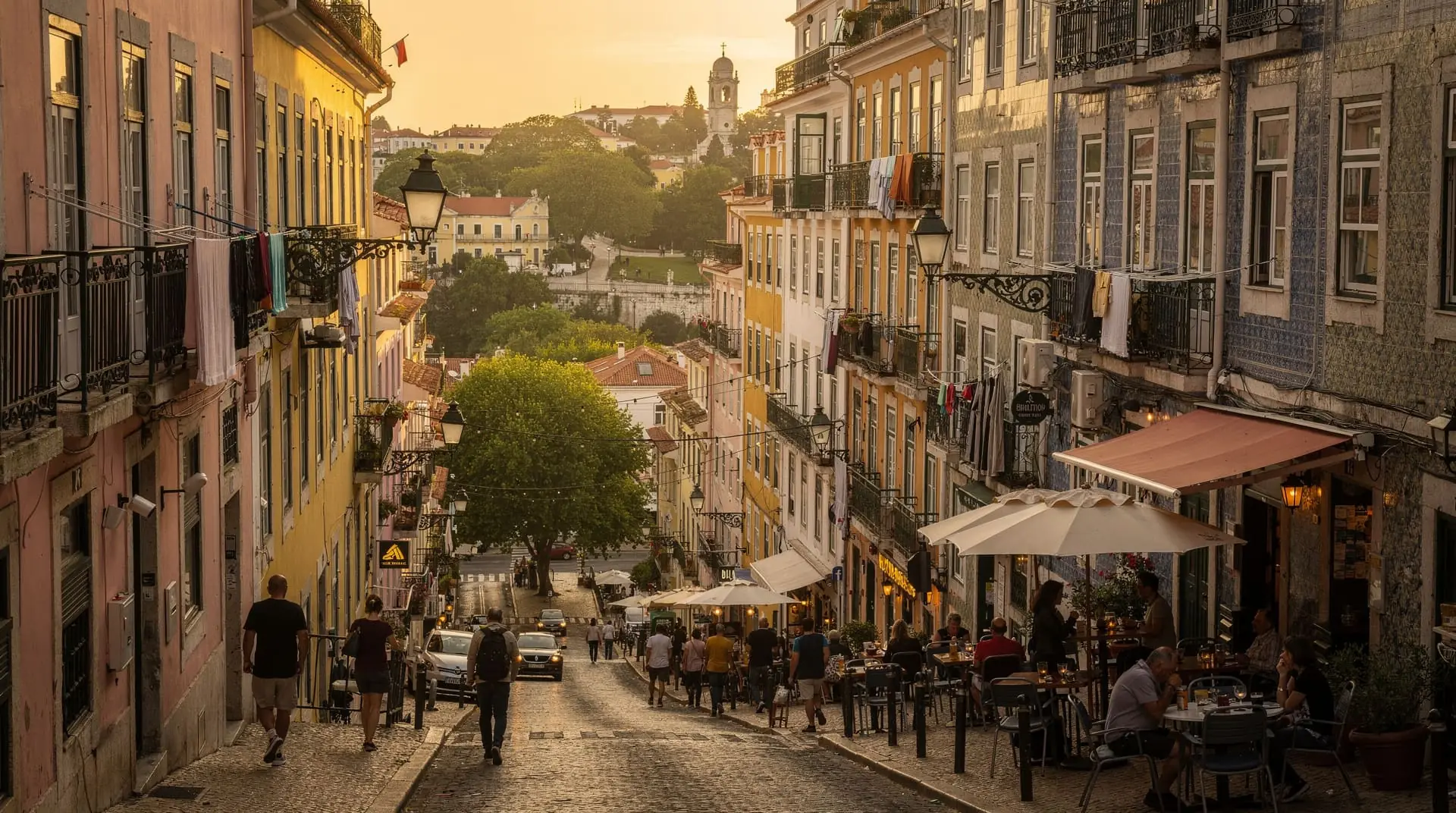
Bairro Alto: day life, nightlife, and the Príncipe Real transition
Bairro Alto by day: vintage shops, fado houses, and Chiado walks. By night: Lisbon's densest bar strip. Honest guide with no tourist-trap bars.
Fado houses compared: which one should you book?
Side-by-side comparison of Lisbon's main fado venues: atmosphere, price, quality and tourist-trap risk. Honest picks for every budget.