
Cristo Rei Almada: the south-bank Christ statue and panoramic lift
Last reviewed
How do you get to Cristo Rei from Lisbon?
Take the Cacilhas ferry from Cais do Sodré (€1.45, every 10 minutes, 10-minute crossing) then bus 101 from Cacilhas to the Cristo Rei car park — about 15 minutes. From the bus stop, it is a 5-minute walk to the base of the statue. The full journey from central Lisbon takes about 40 minutes.
Cristo Rei stands 113 metres above the Tagus estuary on the south bank at Almada, arms outstretched over Lisbon in a gesture that manages to be simultaneously devotional, welcoming and slightly theatrical. The statue was consecrated in 1959 by Cardinal Cerejeira as an act of national thanksgiving that Portugal was spared the Second World War — an explicit imitation of the Cristo Redentor on Corcovado in Rio de Janeiro, which the Portuguese had visited in 1936.
The religious significance matters less to most visitors than the view. From the observation platform at the statue’s feet (83 metres above the Tagus), the panorama is one of the best in the Lisbon region: the entire city spread north, the 25 de Abril bridge running away to the east, the Tagus wide and silver below, Belém visible to the northwest. On a clear day, the Jerónimos roofline is distinguishable.
| Where | Almada, south bank of the Tagus |
| Cost | Ferry €1.45 each way; lift €8 adult, €4 child 6–11 |
| Time needed | 3–4 hours round trip from central Lisbon |
| Getting there | Cacilhas ferry from Cais do Sodré, then bus 101 |
| Best time | Late afternoon for sunset light facing the Atlantic |
What you are visiting
The Cristo Rei complex has three components:
The statue: 28 metres of white concrete standing on a 75-metre pedestal. The total height from pedestal base to crown of the figure is 103 metres. The scale is impressive when you are close — each arm spans 22 metres. The figure faces north, across the Tagus toward Lisbon.
The lift and observation platform: a lift inside the pedestal rises to the platform at the statue’s feet (75 metres above ground level, or approximately 83 metres above the Tagus). From here, the view is unimpeded in all directions. Stairs from the platform continue to a balcony immediately beneath the figure for those who want the added elevation.
The sanctuary and grounds: the base of the pedestal includes a sanctuary chapel, gift shop, and the entrance to the lift. The grounds around the pedestal have lawns and gardens. A café operates at the site.
Getting there: the ferry and bus route
Step 1: ferry from Cais do Sodré to Cacilhas
The Cacilhas ferry is one of the great cheap experiences of Lisbon. The Transtejo/Soflusa ferry departs from the Cais do Sodré ferry terminal (next to the train station) every 10 minutes during the day. The crossing takes about 10 minutes and costs €1.45 each way — payable with a Viva Viagem card (which you can load with individual fares or a 24-hour pass).
Standing on the bow for the crossing gives you one of the best views of Lisbon — the Alfama hillside, the São Jorge Castle tower, the downtown Pombaline facades, and the 25 de Abril bridge to the right. This is a working commuter ferry, not a tourist boat, and Lisbonites take it daily. You will be the minority as a tourist.
The Lisboa Card covers the Cacilhas ferry.
Step 2: bus 101 from Cacilhas to Cristo Rei
From Cacilhas ferry terminal, bus 101 (Transportes Sul do Tejo) runs to the Cristo Rei car park. Journey about 15 minutes. Frequency approximately every 30 minutes; check the current schedule at the ferry terminal or the TST website.
The bus stop for the return (Cacilhas) is at the same car park where you alighted. Check the return schedule when you get off — missing the last afternoon bus means either a taxi back (€10–15 to Cacilhas) or a long walk.
Total journey from Cais do Sodré to Cristo Rei: approximately 35–45 minutes.
Alternative: Almada city bus and walking
From Cacilhas, you can also walk or take other bus routes into Almada centre, from which the Cristo Rei hill is reachable on foot (about 40 minutes of steep walking). Not recommended for most visitors.
By taxi or Uber from Cacilhas
A taxi from the Cacilhas ferry terminal to Cristo Rei costs approximately €8–12. Uber operates in Almada. This gives you flexibility on timing the return.
The lift and what you see
Entry fee (2026): €8 per adult for lift access to the observation platform. Children 6–11: €4. Free under 6.
The lift holds approximately 12 people and runs continuously during opening hours. Wait times are rarely more than 10–15 minutes even in peak season — Cristo Rei is less crowded than Lisbon’s main city monuments.
The Lisboa Card covers the Cacilhas ferry and many city monuments — useful if you are also visiting Belém, São Jorge Castle or other sites on the same trip.
Lisbon Card — 24, 48 or 72-hour pass including ferry transportFrom the observation platform, facing north toward Lisbon:
- The 25 de Abril bridge spans the immediate foreground — you are roughly level with the top of its towers
- Belém and Jerónimos (northwest, 3 km) — the monastery roofline is distinguishable
- The downtown (Baixa) Pombaline grid (north, 5 km)
- Alfama and São Jorge Castle on the hill (northeast)
- The wide Tagus estuary opening into the Atlantic in both directions
- On the clearest days, Sintra’s Serra da Sintra (northwest, 30 km)
At sunset, facing west toward the Atlantic, the light on the river is exceptional. This is the best time for photography from the platform.
Best time to visit
For views: any clear day, morning or afternoon. Midday tends to have some haze. The clearest conditions are typically in spring (March–May) and autumn (September–November).
For photography: golden hour before sunset, facing west. The Cristo Rei observation platform is oriented perfectly for this.
For crowds: Cristo Rei is significantly less crowded than central Lisbon monuments year-round. Even on summer Saturdays, queue times for the lift are typically under 20 minutes. Midweek mornings are very quiet.
For the ferry experience: any time. The Cacilhas ferry is a pleasure in good weather — take it in both directions rather than returning by taxi.
The Almada viewpoint without the lift
If you prefer a free alternative, the Miradouro Nossa Senhora do Cabo Espichel in Cacilhas has a view of Lisbon from the south bank that is comparable to what you see from Cristo Rei — the difference is the elevation and the dramatic framing of the figure itself. The Almada clifftop path (Passeio da Boca do Vento) also has excellent Tagus views and is free.
For a list of all Lisbon’s best viewpoints, see the best Lisbon viewpoints guide.
Cristo Rei vs Lisbon’s city-side miradouros
| Viewpoint | Elevation feel | Cost | What’s distinctive |
|---|---|---|---|
| Cristo Rei platform | High, open, across the water | €8 lift | Full city panorama from the south, the bridge underfoot |
| Portas do Sol | Moderate, within Alfama | Free | Alfama rooftops, closest to the old town |
| Senhora do Monte | High, city-side | Free | Widest free view within Lisbon itself |
| São Pedro de Alcântara | Moderate | Free | Castle and Baixa view, central location |
None of the free city miradouros give the specific angle Cristo Rei does — looking back at Lisbon as a whole, bridge included, from across the water. That’s the reason to make the trip rather than staying on the north bank.
Combining with Almada and the south bank
Almada itself — the cliff-top old town above Cacilhas — is worth 90 minutes. The Boca do Vento funicular (free) runs from the Cacilhas riverside to the clifftop, from which you can walk along the escarpment with views across the Tagus. The old town has a handful of restaurants and the 17th-century church of Santa Maria do Castelo.
Costa da Caparica, the long Atlantic beach south of Almada, is 15 km by bus from Cacilhas — a good half-day addition if you want to combine the Cristo Rei with a beach. Bus 124 or 135 from Cacilhas runs to Costa da Caparica. See the Costa da Caparica beaches guide.
If you want a broader Lisbon overview that includes the Cristo Rei angle from the water, a Tagus cruise passes below the statue and under the 25 de Abril bridge — a completely different perspective.
Tagus River cruise — see Cristo Rei and the 25 de Abril bridge from the waterThe 25 de Abril bridge and what you see from Cristo Rei
The Ponte 25 de Abril — the red suspension bridge visible immediately east of the Cristo Rei statue — spans 2.28 km and was completed in 1966. It was the longest suspension bridge in Europe at the time of its construction. It was built by the same American company (United States Steel Corporation) that built the San Francisco–Oakland Bay Bridge, and the resemblance to the Golden Gate (which the company also helped build) is intentional: the same design language, the same scale of construction.
The bridge was named Salazar Bridge under the Estado Novo regime. It was renamed 25 de Abril Bridge on the first anniversary of the 1974 Carnation Revolution, which ended 48 years of authoritarian rule in Portugal. The date is one of the most important in Portuguese modern history.
From the Cristo Rei observation platform, the bridge runs left to right in the foreground. You are roughly at the elevation of the bridge roadway, giving an unusually level perspective on the structure — most Lisbon viewpoints look up at the bridge. A rail line was added to the bridge’s lower deck in 1999 (the original construction had provision for rail but it was not built at the time), so the bridge now carries both road and rail traffic.
The Cacilhas ferry: a Lisbon experience in itself
The Cacilhas ferry crossing is one of the essential Lisbon experiences and costs less than a cup of coffee (€1.45 single). For Lisbonites it is a daily commuter service; for visitors it is a short cruise with remarkable views.
The Transtejo fleet operates modern catamarans and older conventional ferries on the Cais do Sodré–Cacilhas route. The conventional ferries (slower, lower, closer to the water) give the better experience. The journey out (Cais do Sodré to Cacilhas) faces the Lisbon waterfront: you see the Alfama hillside rising above the river, the Sé and São Jorge Castle silhouetted against the sky, the Pombaline grid of Baixa at water level, and the Cristo Rei statue ahead. The return crossing (Cacilhas to Cais do Sodré) gives the same panorama in reverse — better lit in the afternoon.
Practical details: buy a ticket at the Cais do Sodré terminal (there are vending machines and ticket windows) or use a pre-loaded Viva Viagem card. Ferries run throughout the day, with services every 10 minutes at peak hours and every 20 minutes at off-peak times. Last ferry back from Cacilhas is around midnight.
The religious context
The statue was commissioned in 1934 by Lisbon’s Cardinal Gonçalves Cerejeira after a visit to Rio de Janeiro’s Cristo Redentor. The Portuguese bishops pledged to build it if Portugal was spared from the Second World War — a vow made in 1936, during the early days of the Spanish Civil War, which they feared would spread north.
Portugal under Salazar did indeed remain officially neutral during the War (though it supplied both sides with tungsten and other strategic materials). The statue was consecrated in 1959 as the fulfilment of that vow. The Sanctuary of Cristo Rei remains an active place of pilgrimage and religious significance for Portuguese Catholics.
The Oblate Sisters of Christ the King manage the sanctuary. The grounds are open to all visitors regardless of religion.
Mass is held regularly at the on-site chapel, and the sanctuary occasionally hosts larger religious gatherings and pilgrimages, particularly around major Catholic feast days. Visitors are welcome to attend respectfully, but check ahead if a quiet, tourist-focused visit is the priority — a scheduled Mass or pilgrimage day changes the atmosphere and can add to the crowds around the base.
Almada beyond Cristo Rei
Almada is usually treated as nothing more than the setting for the Cristo Rei statue, but the town itself has a distinct character from Lisbon — less touristy, more working-class Portuguese, and with its own older centre on the clifftop that predates the modern residential expansion.
The Boca do Vento funicular (free) runs from the Cacilhas riverside to the old town on the clifftop. From here, the Passeio da Boca do Vento (clifftop walkway) runs east, with views across the Tagus to Lisbon that are comparable to any miradouro in the city proper. The walkway is free, uncrowded and significantly less touristy than Portas do Sol or Graça.
The old town of Almada (Almada Velha) has a small medieval fortification (the Castelo de Almada, 12th century, currently under restoration) and a handful of traditional cafés. The tram network in Almada is almost unknown to visitors — it serves the residential areas south toward Corroios and Costa da Caparica, but a ride through the suburbs on the tram 3 line gives you a completely different perspective on what Lisbon’s south bank is actually like.
Practical information
Opening hours: daily 09:30–18:15 (last lift entry 18:00). Open year-round.
Accessibility: the lift is accessible. The observation platform is accessible. The grounds around the base are accessible.
Photography: permitted everywhere. No photography restrictions on the observation platform.
What to wear: the platform is exposed to wind — bring a layer even in summer. The Tagus creates a channelling wind effect between the banks.
Food and drink: café at the base of the statue. Better options in Cacilhas or Almada town: O Farol restaurant in Cacilhas is a reliable traditional Portuguese choice near the ferry terminal.
Toilets: available at the site near the ticket office, and at the Cacilhas ferry terminal on both ends of the crossing.
With children: the ferry crossing is usually the highlight for younger visitors, and the lift itself is quick and painless. The observation platform has solid railings throughout, but keep an eye on children near the edges given the wind and the crowds around peak photo spots. The Lisbon with kids guide has more on combining this with other family-friendly stops.
Combining with a Tagus cruise: several boat tours depart from Cais do Sodré or Belém and pass directly beneath Cristo Rei and the 25 de Abril bridge, giving a water-level view to complement the aerial one from the platform. This works well as a separate outing rather than the same day, since timing both around the ferry and bus schedule adds complexity.
Frequently asked questions about Cristo Rei
Is Cristo Rei worth the trip from Lisbon?
Yes, particularly if you combine it with the Cacilhas ferry crossing (which is a Lisbon experience in itself) and a meal in Cacilhas. The views from the platform are among the best available in the Greater Lisbon area. Budget 3–4 hours total for the round trip from central Lisbon.
How high is the Cristo Rei viewing platform?
The observation platform is 75 metres above ground level at the statue’s base — approximately 83 metres above the Tagus water level. The statue’s head reaches about 103 metres above the pedestal base.
Can I walk to the top of the statue?
No. The lift takes you to the observation platform at the feet of the figure. There is no access to the figure itself above platform level.
Is the ferry included in the Lisboa Card?
Yes. The Lisboa Card covers the Cacilhas ferry (Transtejo/Soflusa). The lift entry at Cristo Rei (€8) is not included in the Lisboa Card — you pay separately at the statue.
What is the best time of day to visit Cristo Rei?
Late afternoon for the sunset light on the platform facing west toward the Atlantic. Morning is excellent for clear air and good visibility across the Tagus to Lisbon.
Are there restaurants near Cristo Rei?
The on-site café is basic. For a proper meal, return to Cacilhas (bus 101 or taxi) — the riverside at Cacilhas has several traditional restaurants serving excellent grilled fish and seafood. O Farol and Cenário are both well-regarded and reliably priced.
How does Cristo Rei compare to the Rio de Janeiro Cristo Redentor?
The Rio statue is significantly larger (38 metres vs 28 metres for the figure alone) and sits at 710 metres altitude vs approximately 133 metres for the Almada pedestal base. The Rio experience is more dramatic in scale; the Almada experience is more intimate and the urban view it provides of Lisbon is arguably more varied and interesting than the Rio equivalent. Different in character rather than directly comparable.
Does Cristo Rei get busy, and should I book ahead?
No advance booking exists or is needed — tickets for the lift are sold on site. Even at busy times, queues rarely exceed 20 minutes, a stark contrast to the timed-entry systems now common at Lisbon’s central monuments. This makes it one of the more relaxed major sights near the city, worth knowing if you’re avoiding queue-heavy attractions.
Related guides
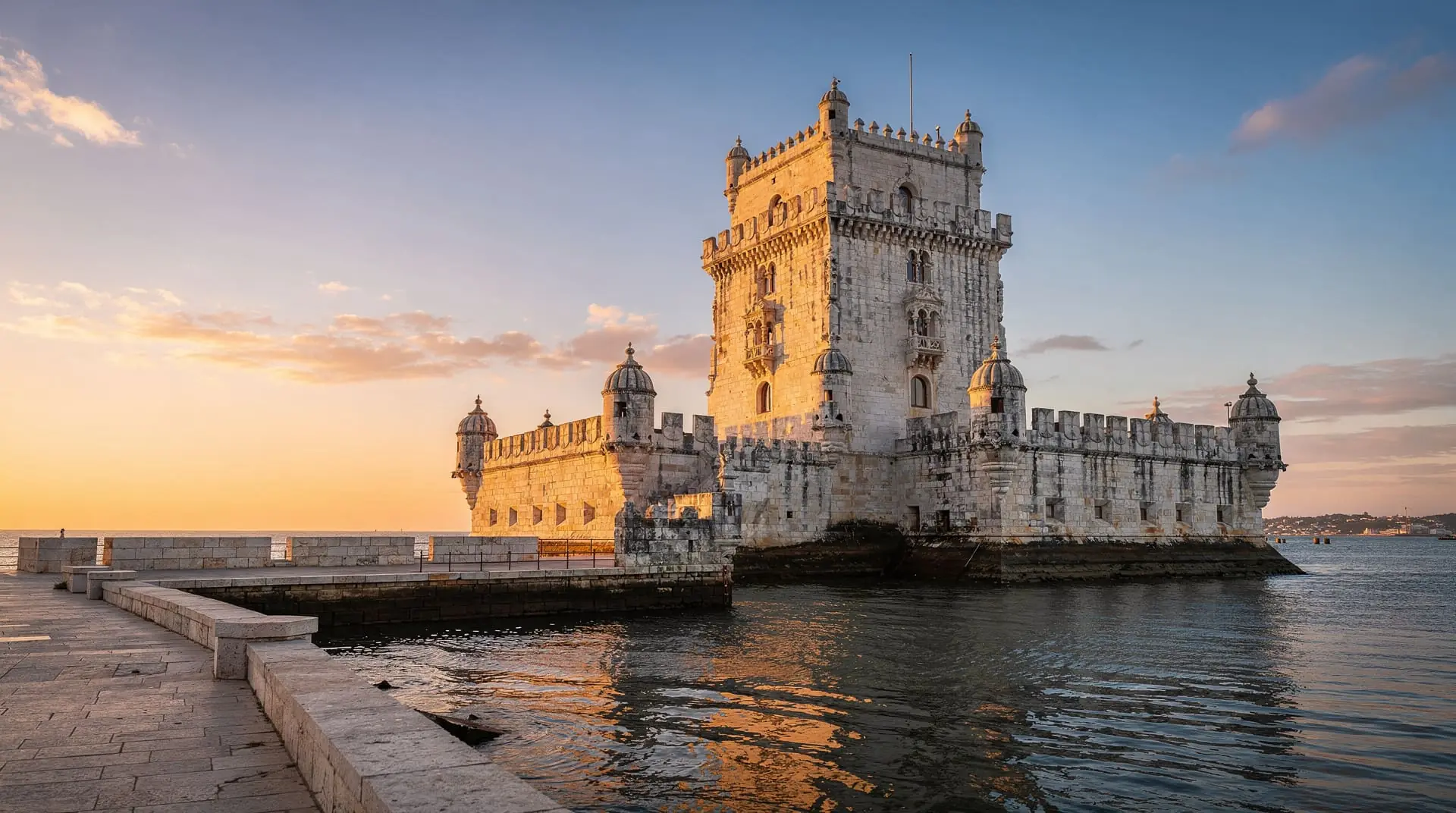
Belém Tower: tickets, queues and what to expect inside
How to visit Belém Tower without wasting an hour in the queue. Fast-track tickets, best time to go, and what the Manueline tower actually shows you.
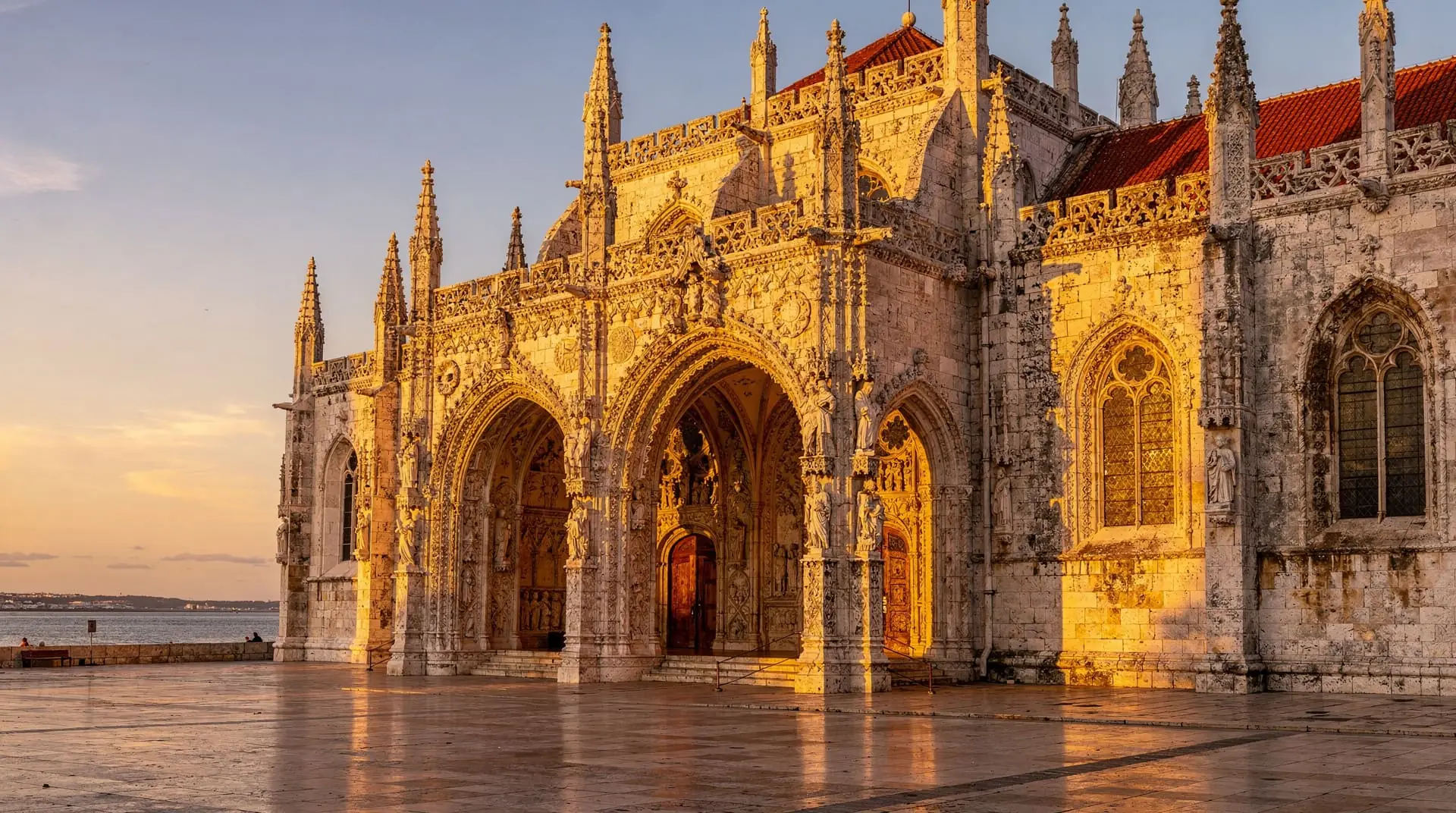
Jerónimos Monastery: the complete visit guide
Everything you need to visit Jerónimos Monastery in Belém — tickets, timed entry, the cloister, Vasco da Gama's tomb, and how long it really takes.

Pena Palace: tickets, queues and how to make the most of your visit
How to visit Pena Palace in Sintra — timed entry tickets, bus 434, park-only vs palace+park options, and what to expect inside the Romantic hilltop castle.
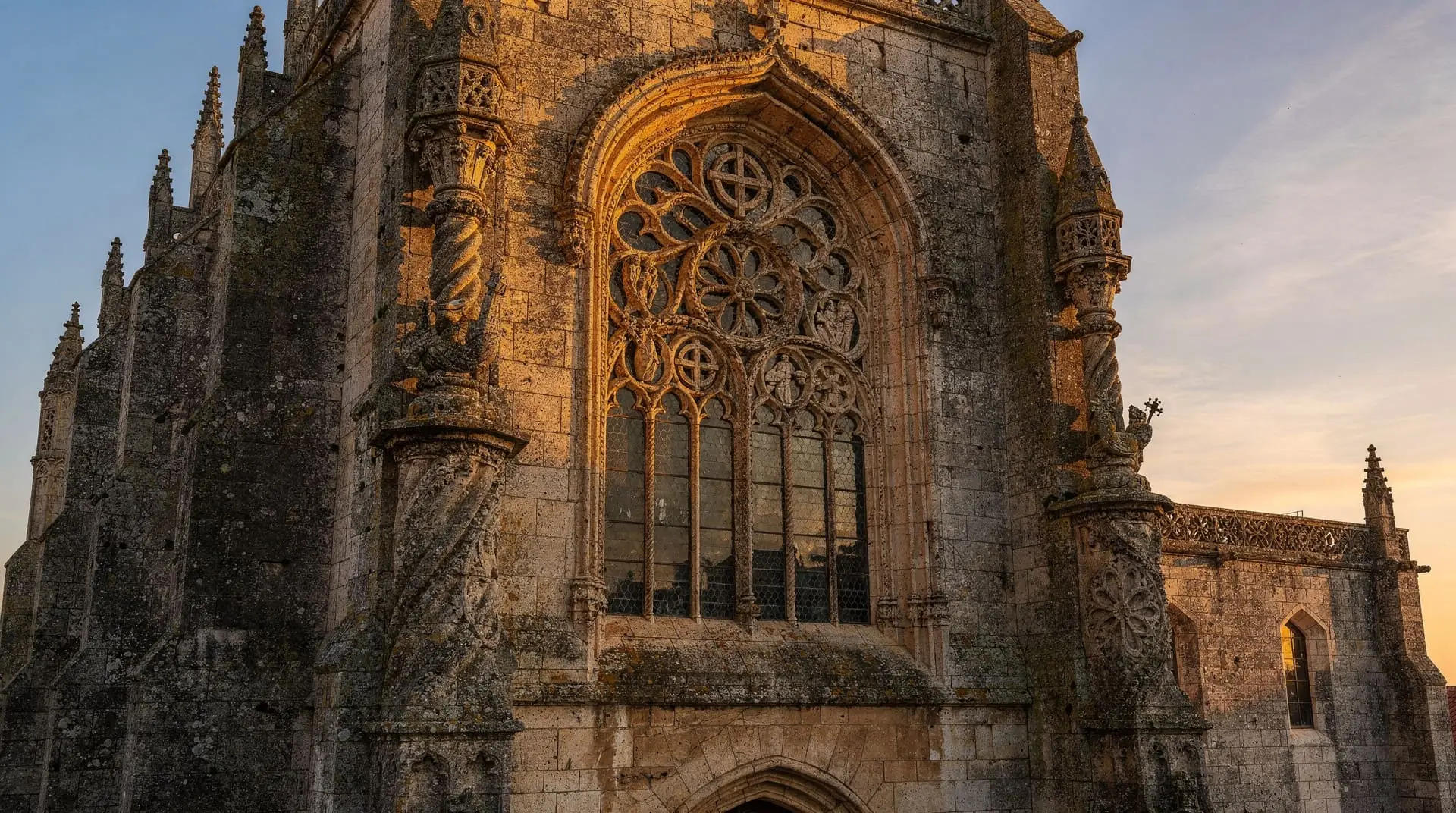
Convent of Christ in Tomar: the Templar headquarters and Manueline window
Visit guide for the Convent of Christ in Tomar — Templar castle, circular Charola, the most complex Manueline window in Portugal, and day trip logistics.
Ready to book? Top tours for this guide
We earn a small commission if you book through GetYourGuide — at no extra cost to you. Every tour is hand-picked and verified.