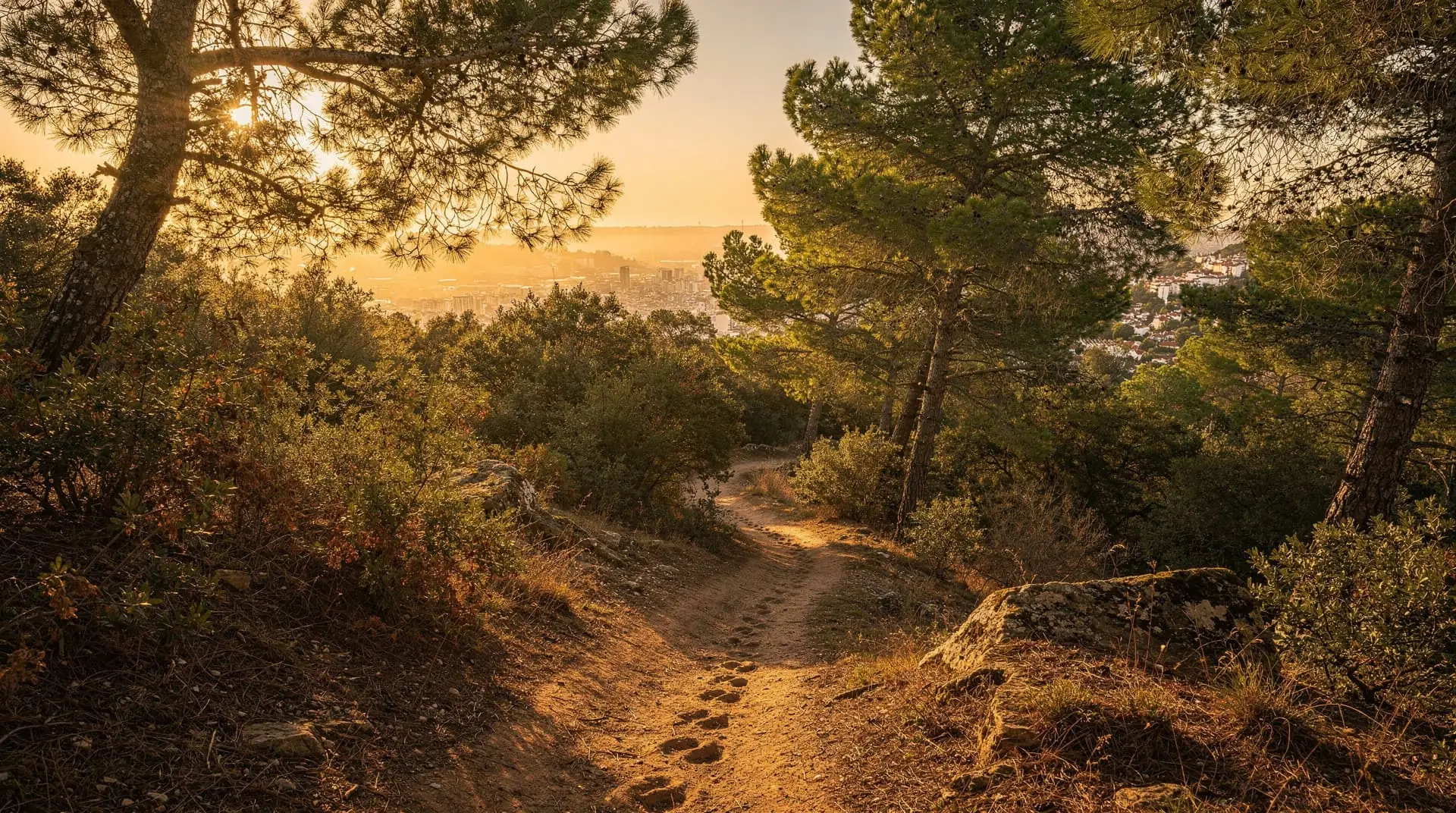
Monsanto Park: Lisbon's urban forest, trails, mountain biking and Panorâmico
Last reviewed
What is Monsanto Park and what can you do there?
Parque Florestal de Monsanto is a 900-hectare urban forest on the western edge of Lisbon — Europe's largest urban park within a city. It has 40+ km of trails, mountain bike routes, picnic areas, playgrounds and the abandoned Panorâmico de Monsanto restaurant ruin. The park is free to enter. Some areas are genuinely remote and isolated; avoid going solo at night in the forest areas.
| Where | Western edge of Lisbon, 10 min from Belém |
| Cost | Free to enter |
| Time needed | 2–4 hours depending on trail choice |
| Getting there | Bike, car/Uber, or bus 723/774 to the edge |
| Best time | Daylight hours; avoid the deep forest alone after dusk |
Monsanto is Lisbon’s secret. A 900-hectare forest park covering an entire hill on the western edge of the city, 10 minutes from central Belém and most visitors never go. They should. It is free, it is large enough to genuinely feel remote, and it contains — in the form of the abandoned Panorâmico de Monsanto restaurant — one of the most photogenic urban ruins in Portugal.
What it is not: a polished tourist experience. Some trails are poorly marked, some areas are isolated, and the park has the kind of benign neglect that large municipal green spaces attract. Part of what makes it worth visiting.
What Monsanto actually is
Parque Florestal de Monsanto was established in 1938 under António Salazar’s Estado Novo government as a lung for the rapidly expanding industrial city. The hill itself — Monsanto hill, 227 metres — was planted with stone pines (pinheiro manso), eucalyptus and a mix of native oak species over several decades.
Today it covers 900 hectares, which makes it comparable in size to some of Europe’s most famous city parks — three times the size of Madrid’s Parque del Retiro, slightly smaller than Lisbon’s share of London’s Richmond Park. Unlike those parks, Monsanto is rarely crowded.
The park is administered by the Câmara Municipal de Lisboa (city council) and is free to enter at any point. There are multiple entry gates around the perimeter.
The Panorâmico de Monsanto
The Panorâmico de Monsanto is the park’s most photographed element — a concrete circular restaurant built in 1967 on the summit of the hill, used until the 1990s, abandoned thereafter, and now a haunting shell of curved concrete with panoramic views through the emptied window frames.
The building was designed by architect Chaves da Costa and served as a restaurant and events venue for Lisbon’s upper-middle class. Its circular form with three levels of floor-to-ceiling glazing was designed to exploit the 360-degree view over the city, the Tagus and the Serra de Sintra. When it worked, the view must have been extraordinary. Now, without the glass, the view remains extraordinary and the building has become a destination for photographers, skaters and urban explorers.
Access: The Panorâmico is at the top of Estrada de Montes Claros, accessible by car to a car park 200 metres below the structure. On foot from the Belém side (Ajuda area), the ascent is 2–3 km on a paved forest road. By bike, it is a 5 km steady climb from the Belém/25 de Abril bridge area.
Condition: The building is formally closed for safety reasons — the floor structure has decayed and official access is not permitted. In practice, the ruins are visited by hundreds of people monthly. Use your judgment: the exterior and ground level are visitable safely; upper floors are structurally compromised and genuinely dangerous.
The view: Whether or not you enter the building, the hilltop around the Panorâmico has open 360-degree views over Lisbon. East: the city spreading to the Tejo and Parque das Nações. South: the 25 de Abril bridge and the Setúbal hills beyond. West: the Tagus mouth and on clear days the Serra de Sintra. North: the city extending to Odivelas and beyond.
This is the best high-level view of Lisbon that most tourists never find. The famous miradouros — Portas do Sol, São Pedro de Alcântara, Santa Catarina — are more accessible but show only parts of the city. From Monsanto you see everything.
Hiking trails in Monsanto
The park has a network of trails ranging from 2 to 12 km, with varying difficulty. The Câmara Municipal has mapped and signposted several routes, though signage consistency varies.
Percurso Verde (Green Route, ~4 km): The main accessible trail for casual walkers. Starts near the Parque de Merendas do Alvito (picnic area near the eastern entrance) and circles through the lower forest section. Well-marked, gentle gradient, good for families.
Percurso Azul (Blue Route, ~6 km): More substantial loop taking in the upper slopes and the Panorâmico summit. Some sections on unpaved track requiring normal walking shoes (not flip-flops). Views through the pine forest of the Tagus below.
The full perimeter walk (~12 km): The park perimeter road can be walked in its entirety in 3–4 hours. More of an urban walk than a forest immersion — you pass residential streets and access gates along the way — but gives a complete sense of the park’s scale.
Practical signage note: Download the AllTrails or Wikiloc map of Monsanto before your visit. In-park signage has gaps and some trail posts have been damaged or removed. Having the route on your phone avoids getting lost in the larger forest sections.
| Trail | Distance | Difficulty | Best for |
|---|---|---|---|
| Percurso Verde | ~4 km | Easy | Families, casual walkers |
| Percurso Azul | ~6 km | Moderate | Views of the Panorâmico summit |
| Full perimeter | ~12 km | Long, easy gradient | A complete sense of the park’s scale |
Mountain biking
Monsanto has become Lisbon’s de facto mountain bike destination. The mix of paved forest roads, dirt singletracks through pine forest, and the challenge of the summit climb makes it well-suited to both cross-country and trail riding.
For recreational cyclists: The paved forest roads are accessible on any bike. The 5 km climb to the Panorâmico summit is steady rather than technical — achievable on a hybrid or city bike.
For mountain bikers: Several singletracks through the forest are only rideable on a proper mountain bike. The most popular descend the western flank of the hill toward the 25 de Abril bridge and the Monsanto residential area.
Bike hire near Monsanto: Belém has several bike rental operators (see segway and bike tours guide for specifics). Some tour operators include a Monsanto bike ride as part of a Lisbon cycling tour.
Book a Lisbon city highlights and viewpoints e-bike tour Book a Lisbon 7 Hills panoramic guided e-bike tourFor those who want a guided e-bike experience that includes the Monsanto area as part of a broader Lisbon cycling route, the e-bike tours that cover “7 hills” or “viewpoints” typically pass through or near the Monsanto forest.
Picnic areas and family facilities
The park has several designated picnic areas with tables, benches, barbecue pits (book in advance through the city council for official barbecue spots) and playgrounds.
Parque de Merendas do Alvito: The largest and most accessible picnic area, near the park’s eastern entrance off Rua de Artilharia 1. Playground equipment, shade, toilets. Popular with Lisbon families on weekends.
Parque de Merendas da Fonte da Telha: A smaller picnic area further into the forest, more secluded.
Outdoor amphitheatre (Parque Recreativo do Alto da Serafina): A concrete amphitheatre used for occasional outdoor events and films in summer. Worth checking the city events calendar if visiting in July–August.
Safety in Monsanto
Monsanto is generally safe during daylight hours, particularly in the picnic areas and on the main forest roads. Some sections of the park are genuinely isolated and should be treated accordingly.
Honest assessment of risk: The park has had incidents — primarily petty theft and occasional assaults in the more remote forest sections in the evening. These are not frequent and should not deter a daytime visit, but they are real enough that:
- Do not walk alone in the deep forest sections after dusk
- If cycling or hiking alone in the upper sections, tell someone where you’re going
- The Panorâmico area specifically attracts a mixed crowd including people using the ruins for drinking after dark — fine to visit in daylight, avoid at night if alone
This is city-park-level caution, not emergency-level concern. The same advice applies to parks of this scale in any major city. See the Lisbon safety guide for how this compares to risk elsewhere in the city.
Monsanto with children and on a budget
Monsanto is one of the best free activities in Lisbon, which makes it a natural fit for both families and budget-conscious visitors. The picnic areas at Alvito have playgrounds and shade, and a bike ride through the lower forest roads works for children old enough to handle a hybrid bike on gentle gradients — see the Lisbon with kids guide and the family day trips guide for how to build a full day around it. Because entry and the trails cost nothing, Monsanto also earns a place in the Lisbon on a budget guide as a genuinely free half-day out.
Getting to Monsanto
From central Lisbon: The park is not well served by public transport to its interior. There are entry points accessible by bus (Bus 723 and 774 pass near the Alvito/Calçada da Tapada entrance) but from these points you are still at the edge of a large forest.
From Belém: The park’s southern boundary is 10–15 minutes by bike from the Belém waterfront. From the Belém side, take Travessa de Montes Claros or Estrada de Montes Claros uphill. By foot it is a steep 30–45 minute climb to the Panorâmico; most visitors prefer to cycle or drive.
By car or Uber/Bolt: The most practical option for the Panorâmico summit specifically. Drive to Estrada de Montes Claros, park at the viewpoint car park (free, limited spaces, busy on summer weekends). Uber/Bolt drop-off works well and the park road is accessible.
Combining with Belém: The Belém area and Monsanto are natural companions — spend the morning at Jerónimos Monastery and Belém Tower (see Belém half-day guide), then cycle or Uber to Monsanto for the afternoon, returning to Cais do Sodré via tram 15E in the evening.
Monsanto vs the Lisbon miradouros
A common question: is Monsanto better than the famous viewpoints — Portas do Sol, São Pedro de Alcântara, São Jorge Castle?
The miradouros are easier to reach, have cafés and bars nearby, and offer close-up views of specific neighbourhoods (Alfama, Baixa, the city centre). They are social spaces. They work well for a 30-minute afternoon stop.
Monsanto is a different experience: it requires effort to reach, rewards with a 360-degree city panorama, and provides genuine forest immersion rather than a viewpoint terrace. It’s not better or worse — it serves a different need.
See best Lisbon viewpoints for the complete guide to all viewpoints including the famous miradouros.
Frequently asked questions about Monsanto Park
Is Monsanto Park safe to visit?
Yes, during daylight hours, particularly around the picnic areas and main forest roads. Some remote sections have had isolated incidents of petty theft, so avoid walking alone in the deep forest after dusk. See the Lisbon safety guide for broader context.
Do I need a car to visit Monsanto?
Not strictly, but it helps. Public transport only reaches the park’s edges (bus 723 and 774), and the Panorâmico summit is a genuine climb on foot. Cycling from Belém or arriving by car/Uber is the most practical option for most visitors.
Is Monsanto Park free?
Yes, entry is free at every gate around the perimeter, and there is no charge for the trails, picnic areas or the Panorâmico ruin exterior.
Related guides
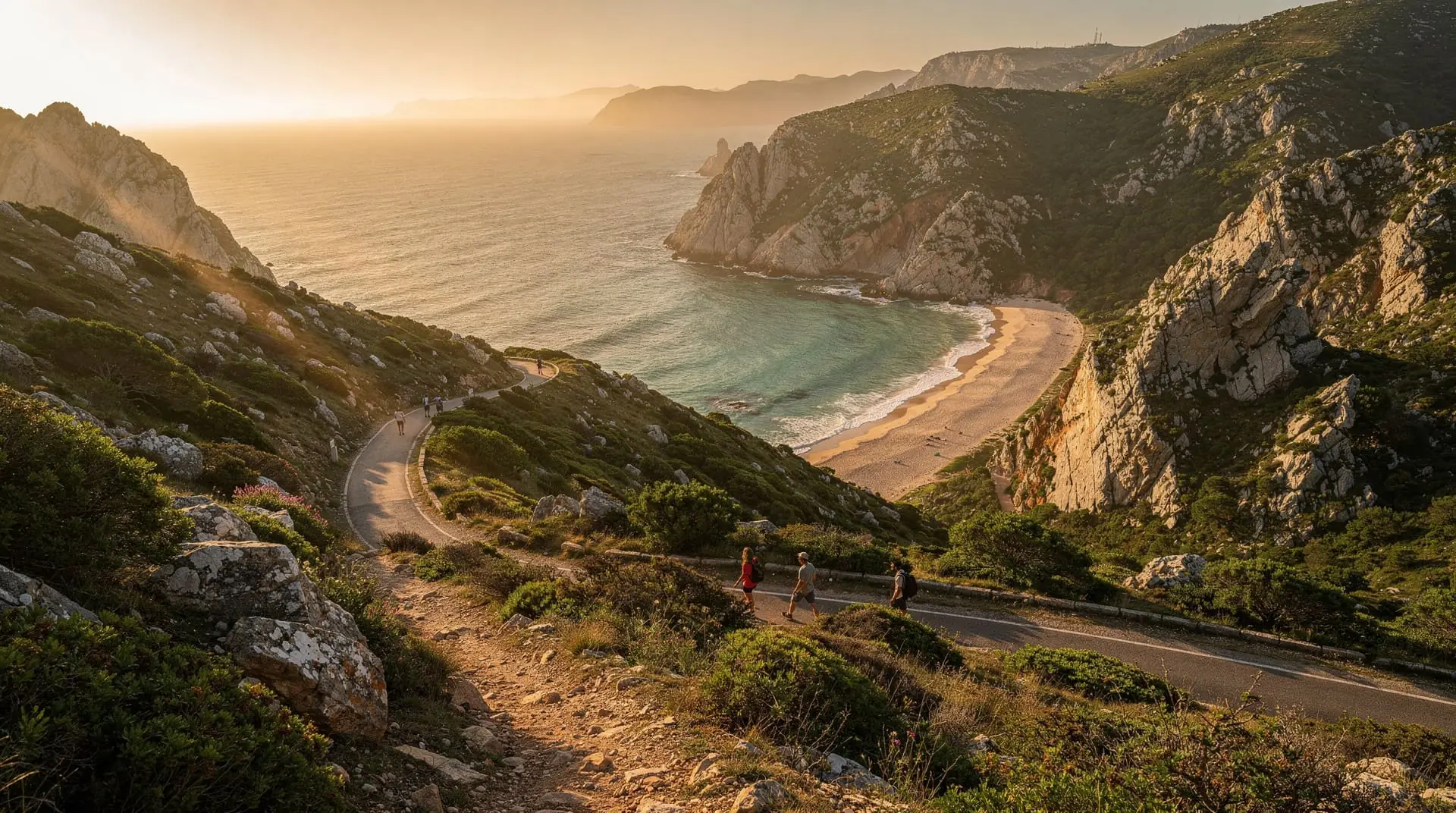
Arrábida Natural Park: beaches, hiking trails and the summer road permit
Arrábida Natural Park guide: summer N379-1 road restriction, hiking trails, Convento da Arrábida, best beaches inside, and access tips.
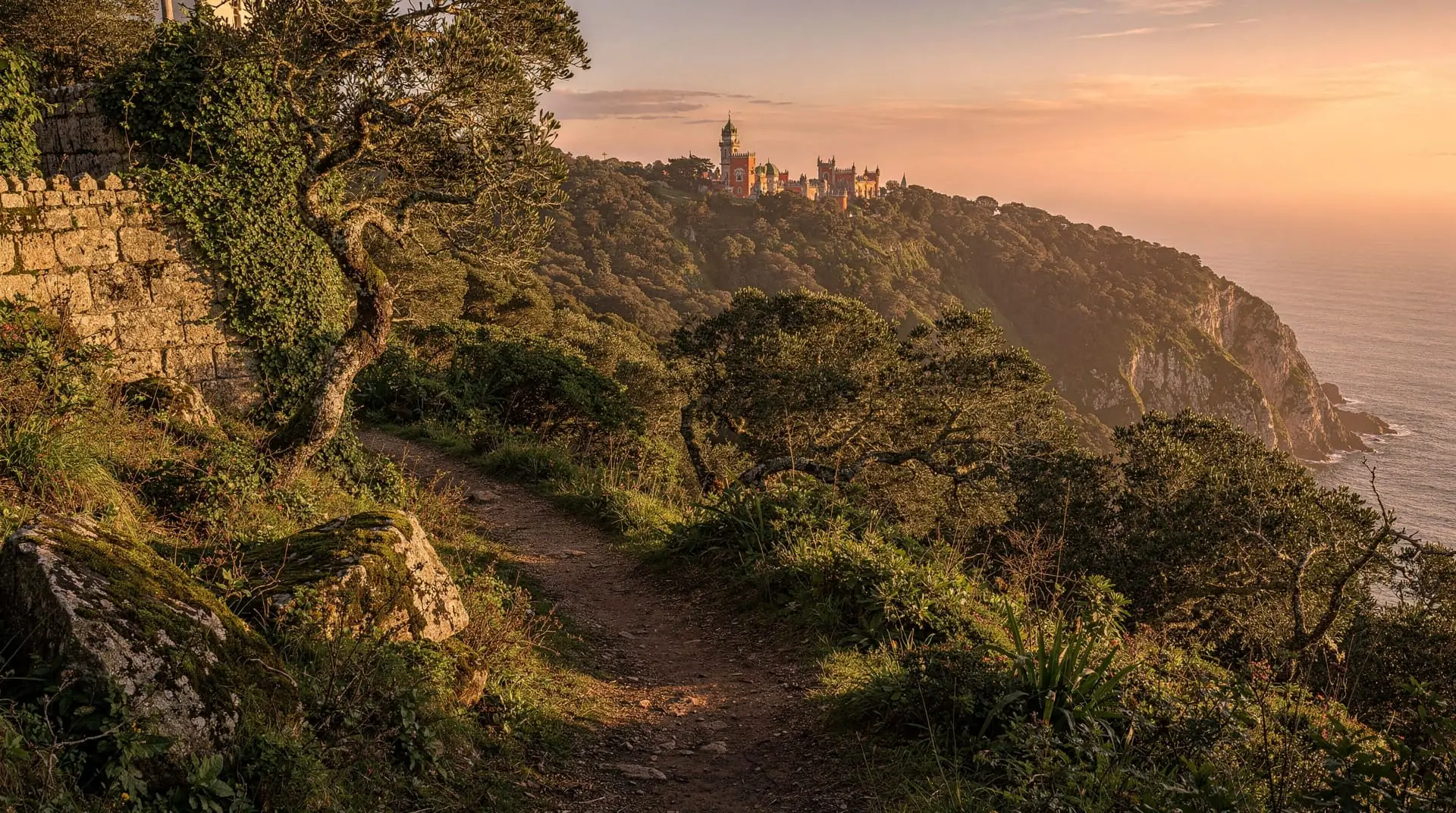
Sintra-Cascais Natural Park: Pena gardens, Capuchos convent and Cabo da Roca
Sintra-Cascais Natural Park: Pena gardens, Capuchos convent, coastal dunes, Cabo da Roca cliffs, and how to explore beyond the monuments.
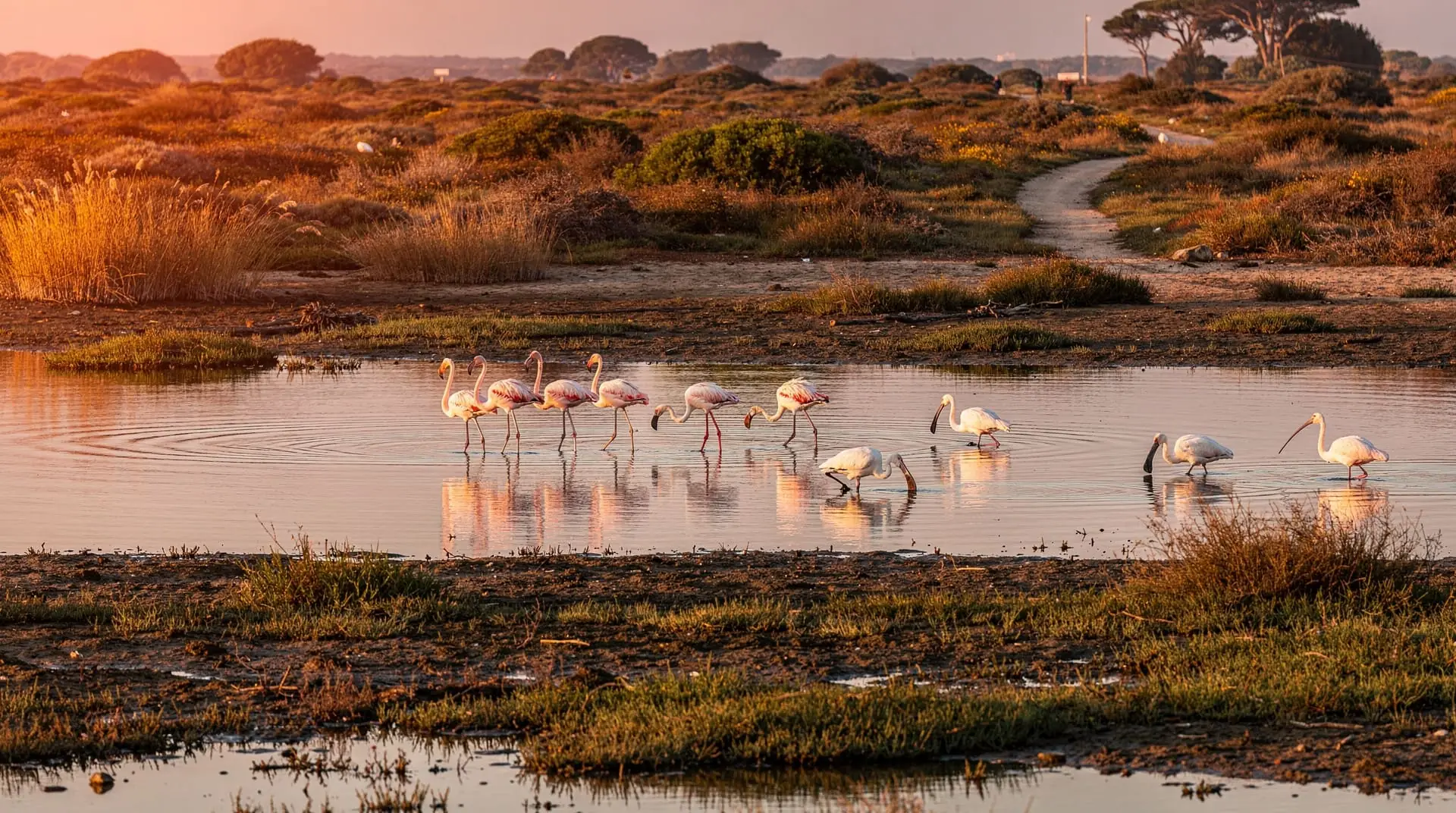
Tagus estuary birdwatching: flamingos, spoonbills and the Alcochete reserve
Birdwatching at the Tagus Estuary Reserve: flamingos, spoonbills, waders, Alcochete access, guided eco-tours, best seasons near Lisbon.
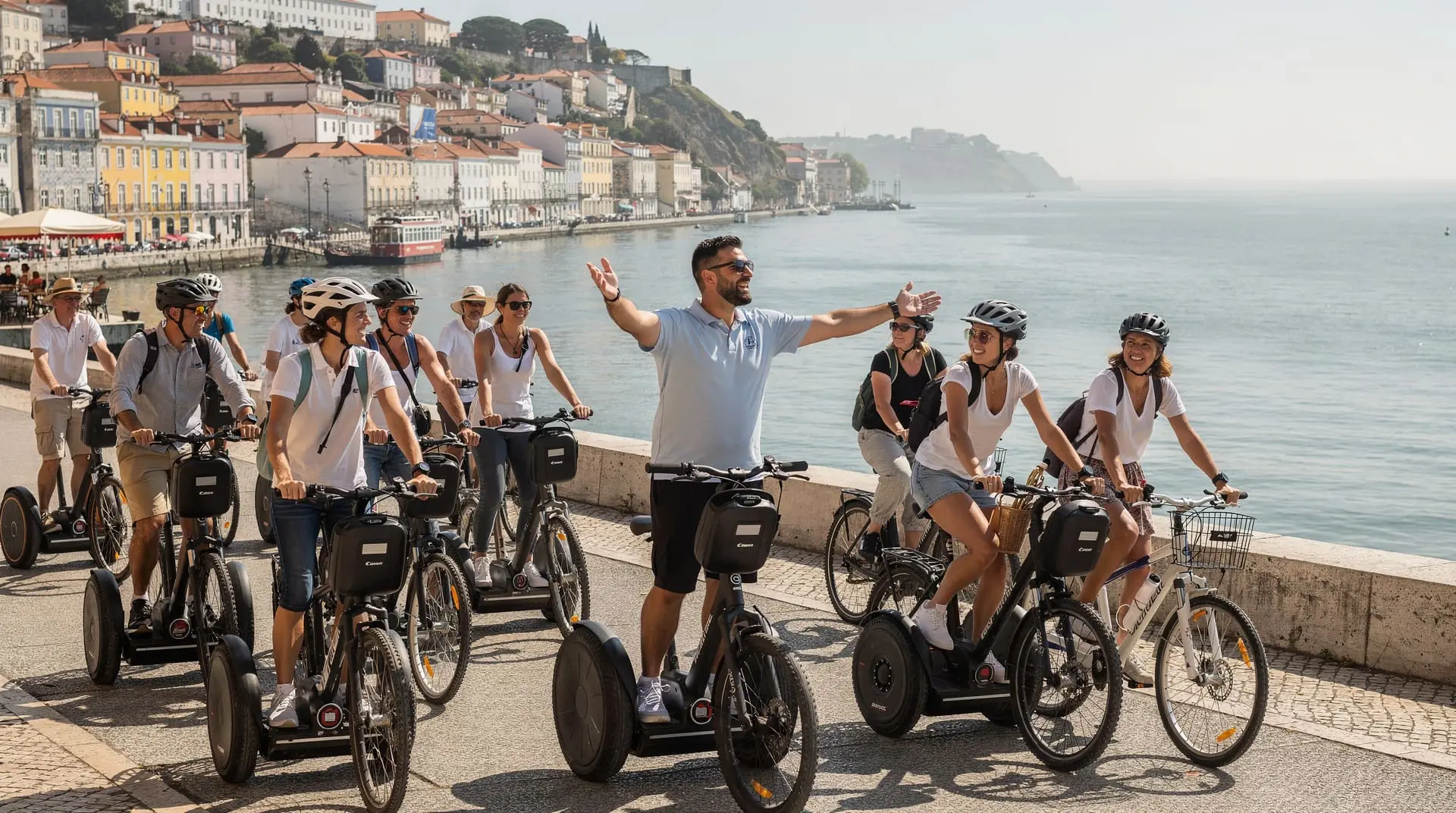
Segway and bike tours in Lisbon — riverside rides, hill logistics, and who they suit
Guide to Lisbon segway and e-bike tours: Praça do Comércio hubs, Tagus waterfront routes, 7 Hills e-bike circuits, and who gets the most from each format.
Ready to book? Top tours for this guide
We earn a small commission if you book through GetYourGuide — at no extra cost to you. Every tour is hand-picked and verified.
Lisbon: 48-Hour Hop-On-Hop-Off Bus Tour and Oceanarium Entry
Lisbon: MAAT Entry Ticket & Dolphin Watching Boat Tour
Lisbon: Alfama, Mouraria Walking Tour with Fado Night, Tapas
Lisbon: Hop-On Hop-Off Bus Tour
Lisbon: 1-or 2-Day Hop-On Hop-Off Bus Tour