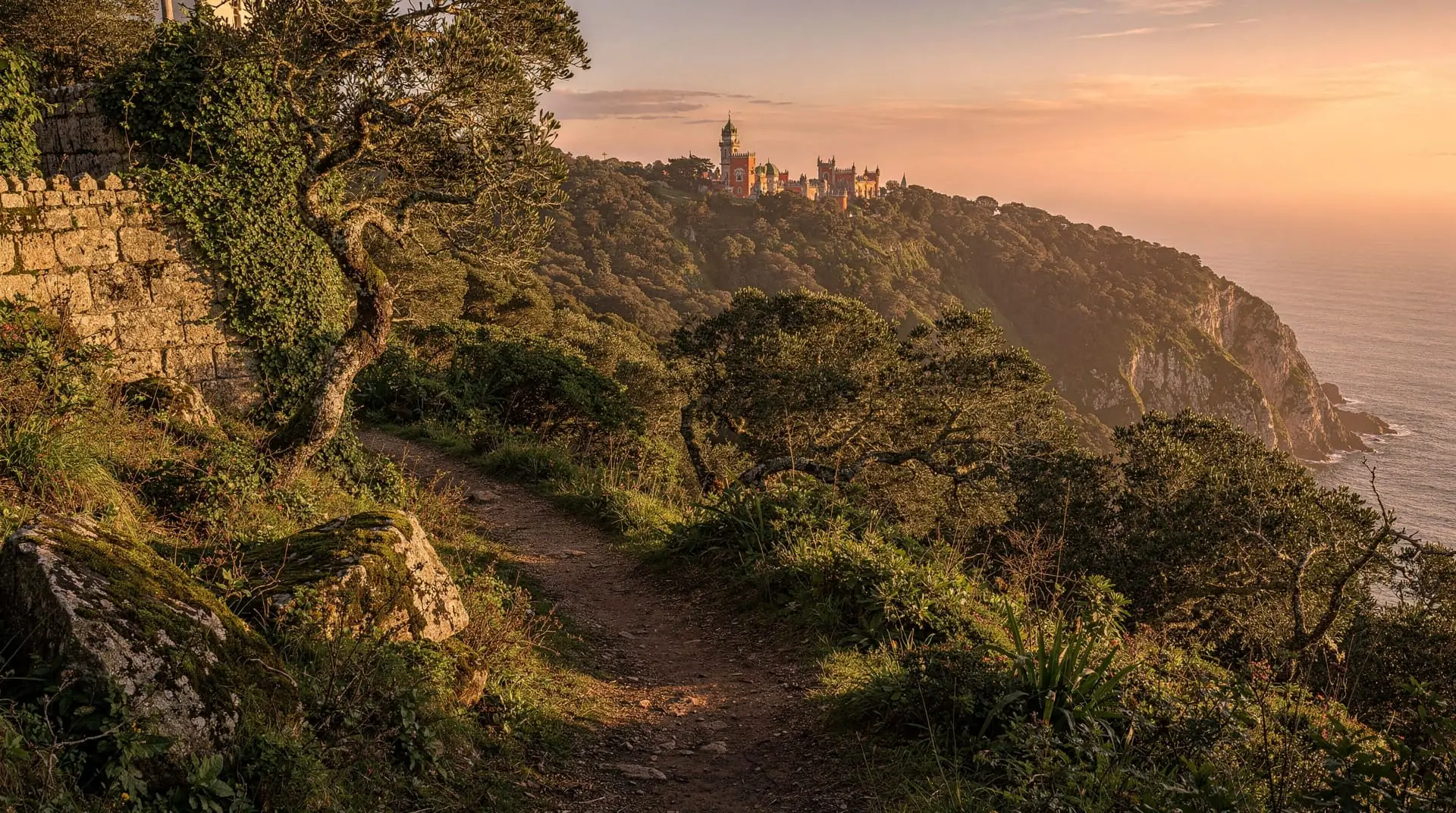
Sintra-Cascais Natural Park: Pena gardens, Capuchos convent and Cabo da Roca
Last reviewed
What is the Sintra-Cascais Natural Park and what does it include?
Sintra-Cascais Natural Park covers 145 km2 of the Serra de Sintra and the Atlantic coastline from the river Tagus mouth to Magoito. It protects Pena Palace and gardens, the Capuchos Convent, the Cabo da Roca clifftops (westernmost point of continental Europe), the Guincho dunes, and the Serra de Sintra forest. Entry to the park itself is free; individual monuments charge separately.
Most visitors to Sintra see the palaces — Pena, Regaleira, Monserrate — without realising they are inside one of Portugal’s most significant protected areas. The Sintra-Cascais Natural Park is 145 km2 of Atlantic-influenced landscape stretching from the Serra de Sintra ridge down to 40 km of Atlantic coastline, encompassing everything from dense fern-draped forest to open clifftops at Cabo da Roca where there is nothing between you and America.
The park is free to enter. The monuments inside it charge separately. Understanding which is which helps you plan a day that uses both.
| Where | Serra de Sintra to the Atlantic coast, Sintra to Cascais |
| Cost | Park entry free; monuments €8–14 each |
| Time needed | Full day for the coastal circuit |
| Getting there | Train to Sintra from Rossio (40 min); Bus 403 links the coast |
| Best time | Morning for Pena and the Moorish Castle; afternoon for the coast |
Key sites compared:
| Site | Type | Entry | Crowd level |
|---|---|---|---|
| Pena Palace gardens | Forest/garden | €8 (gardens only) | High |
| Capuchos Convent | Historic monument | around €8 | Low |
| Monserrate | Palace and garden | €12 | Low–moderate |
| Cabo da Roca | Coastal clifftop | Free | High midday |
| Praia do Guincho | Beach/dunes | Free | Moderate |
The Serra de Sintra: forest, moisture and altitude
The Serra de Sintra is the heart of the park — a granite ridge rising to 529 metres (Pico da Cruz) that captures Atlantic moisture and creates a microclimate unlike anywhere else in Portugal. Clouds cling to the ridge when the rest of the Lisbon area is clear. The vegetation is subtropical-lush: ferns, mosses, laurel, rhododendrons, and ancient oaks draped in lichen.
This unusual ecology made Sintra attractive to Portuguese royalty and later to Romantic-era aristocracy (the Duke of Montserrat, Lord Byron who called it “glorious Eden”). The estates they built — Pena, Regaleira, Monserrate — are now the UNESCO-listed Cultural Landscape of Sintra.
For the average visitor, the practical effect is that Sintra can be foggy when Lisbon is sunny, and vice versa. Don’t panic at morning cloud — it often burns off by 11 am. And dress in layers whatever the Lisbon forecast says.
Pena Palace gardens: more than just the palace
The queue and ticket logistics for Pena Palace are covered in the Pena Palace guide. This section focuses on what surrounds the palace.
The Pena park — the gardens and forest surrounding the palace — covers 85 hectares and can be entered with a garden-only ticket (€8 in 2026, versus €14 for palace interior). For many visitors, particularly those with children or those more interested in landscape than interior architecture, the gardens-only ticket is the better value.
The park contains:
- Paths through forest down to the Quinta da Regaleira boundary
- The Chalet of the Countess of Edla (a romantic cottage garden in the middle of the pine forest)
- Several viewpoint terraces with views over Sintra village and toward the Atlantic
- A small lake with swans and geese
- The Santa Maria valley path connecting Pena to the Moorish Castle
Walking the park from the Pena palace entrance gate to the Moorish Castle gate takes about 45–60 minutes at a relaxed pace. This is the most crowd-free way to move between the two monuments rather than taking the bus or waiting at the road junction.
Capuchos Convent: the most rewarding non-crowded monument
The Convento dos Capuchos is the best monument in Sintra that most visitors don’t know about. It sits in the forest 8 km from Sintra village, tiny and hidden, and requires effort to reach — which is exactly why it avoids the crowds that overwhelm Pena and Regaleira.
The convent was built in 1560 and inhabited by Franciscan friars for over two centuries. The cells are hewn directly from the granite rock, lined with cork to insulate against the cold — hence its alternative name, the Cork Convent. The space is genuinely extraordinary: doorways so low you must crouch to enter (designed for humility), rooms so small you stand with your shoulders nearly touching the walls, a kitchen blackened by centuries of cooking fire.
Lord Byron visited in 1809 and wrote about it as the most memorable spot in his Iberian travels.
Ticket: Sintra’s palace and garden management (Parques de Sintra) operates the Capuchos Convent. Tickets are €8 per adult (2026), €6 with a multi-monument discount. Book online at parquesdesintra.pt and walk directly in — queues are minimal compared to Pena.
Getting there: The Capuchos is not accessible by Bus 434 (which runs the main tourist circuit). You need a taxi from Sintra village (10–15 min, around €12 each way) or a car. Some organised tours include it as part of a full-day Sintra experience.
Book a full-day Sintra tour including Pena Palace, Moorish Castle and Cabo da RocaWhen to go: The Capuchos is not much affected by weather — the convent is dark regardless. Morning or afternoon works equally well. Visit as the last stop of a Sintra day before heading to Cascais or returning to Lisbon.
The coastal section: Guincho and Cabo da Roca
The park’s Atlantic coastline runs from the Tagus mouth south of Cascais to Magoito in the north, encompassing Praia do Guincho and the Cabo da Roca headland.
Praia do Guincho: A long, wide beach backed by coastal dunes within the park. The dune system is protected and actively managed — boardwalks lead from the car park to the beach to prevent dune erosion. The beach itself is spectacular in a raw, Atlantic way: pale sand stretching 2 km, the Serra de Sintra rising behind it, Cabo da Roca headland to the north.
The Nortada wind is constant here from spring through autumn — this is what makes Guincho one of Europe’s best windsurfing and kitesurfing locations but unsuitable for beginners in surf or water sports generally. For swimming, the water is cold by Portuguese standards (17–19°C even in August) due to coastal upwelling. For walking the dunes and photographing the landscape, any time is excellent.
The IMAX-famous Restaurante O Guincho (Michelin-starred, €€€€) sits in a converted fort on the Guincho headland, right on the park boundary. Worth booking for a special dinner if in the Cascais area.
Cabo da Roca: The westernmost point of continental Europe, at 9°30’W. A 140-metre limestone cliff dropping straight to the Atlantic, topped by a lighthouse dating from 1772. The cape has no entrance fee — it is open parkland. There is a café, a souvenir shop selling certificates for visiting “the westernmost point” (worth the gimmick), and parking (usually busy in summer).
The cape is best in the morning before tour buses arrive, or in the late afternoon for west-facing sunset light. Wind is almost always present and can be fierce — hang onto hats and loose items. The clifftop walk north from the cape toward Praia Grande extends for 3–4 km along the park boundary with extraordinary views.
Getting to Cabo da Roca: Bus 403 from Cascais town centre (40 min, runs roughly every 1–2 hours). By car: 20 min from Sintra or 20 min from Cascais. Organised day tours from Lisbon combine Pena Palace, Quinta da Regaleira, Cabo da Roca and Cascais in a single Sintra–Cascais–Cabo circuit.
Monserrate Palace and gardens
Monserrate is the most romantic and least-visited of the main Sintra monuments — a Moorish-Gothic palace with extraordinary gardens that contain plants from around the world, collected during the 19th century by Sir Francis Cook.
The garden is the main attraction: 30 hectares of Victorian-era botanical garden planted across the hillside below the palace, with temperate plants from Mexico, South Africa, Australia and Asia coexisting alongside Mediterranean and Atlantic flora. In spring (March–May) it is extraordinary — azaleas, camellias, giant ferns.
Ticket: €12 (2026), or included in the Sintra multi-monument pass. Book at parquesdesintra.pt to skip the queue.
Getting there: Bus 435 from Sintra station, or a 25-minute walk downhill through the park from Quinta da Regaleira. Return uphill from Monserrate toward Sintra village takes 30–40 minutes.
See Monserrate for the full guide.
The Sintra–Cascais coastal circuit
The most complete way to experience the natural park is as a coastal circuit: Sintra by train from Rossio (40 min), spend the morning on the monuments, then bus or taxi to Cabo da Roca, continue to Guincho, and end in Cascais for the afternoon before the Cascais Line train back to Lisbon.
This route covers the park’s inland (Serra) and coastal (Atlantic) sections in one day and pairs the cultural monuments with the natural landscape. Bus 403 connects the Cascais–Guincho–Cabo da Roca–Sintra corridor, though frequencies are not high — check timetables at www.scotturb.com.
Book a Sintra and Cascais full-day private tour from LisbonSee Sintra day trip and Cascais day trip for the separate guides to each base, and Sintra vs Cascais comparison for help choosing between them. For the individual monuments in more depth, see the Quinta da Regaleira guide, and if you’re travelling without a car, the Sintra without a car guide covers the bus and train logistics for the whole park.
Surfers and wind-sports visitors should also check the surfing near Lisbon guide — Guincho’s Nortada wind makes it one of the region’s best spots, though not for beginners.
Wildlife in the park
Birds: The Serra de Sintra hosts one of the most diverse bird populations in the Lisbon region. White stork nests in the lower areas. Sparrowhawk and common buzzard over the ridge. Barn owls in the older estate buildings. Woodchat shrike and sardinian warbler in the macchia at the dune margins near Guincho.
Mammals: Egyptian mongoose (introduced, now established), red fox, stone marten. Wild boar are present in the Serra forest; you are unlikely to see them on trail but tracks are common.
Flora: Atlantic oak and maritime pine dominate the upper Serra. Tree ferns along the wet valley floors. Strawberry trees along the southern exposures. The Sintra rockrose (Halimium calycinum) — a small white wildflower — is endemic to the Serra de Sintra and found nowhere else on earth.
Practical notes
Park information: The Sintra-Cascais Natural Park office is in Sintra village (Casa Manteigas, Rua de Pero de Alenquer). Good English-language materials and current trail conditions available here.
Trails: The park has marked hiking trails (blue waymarks) but signage is inconsistent and some trails are unmaintained. Download the Wikiloc or AllTrails routes before setting out rather than relying on in-park signage alone.
Accessibility: Pena Palace gardens and Monserrate gardens have partially accessible routes on paved paths. The forest trails and coastal sections require mobility. Cabo da Roca has accessible parking and a path to the clifftop viewpoint.
Related guides
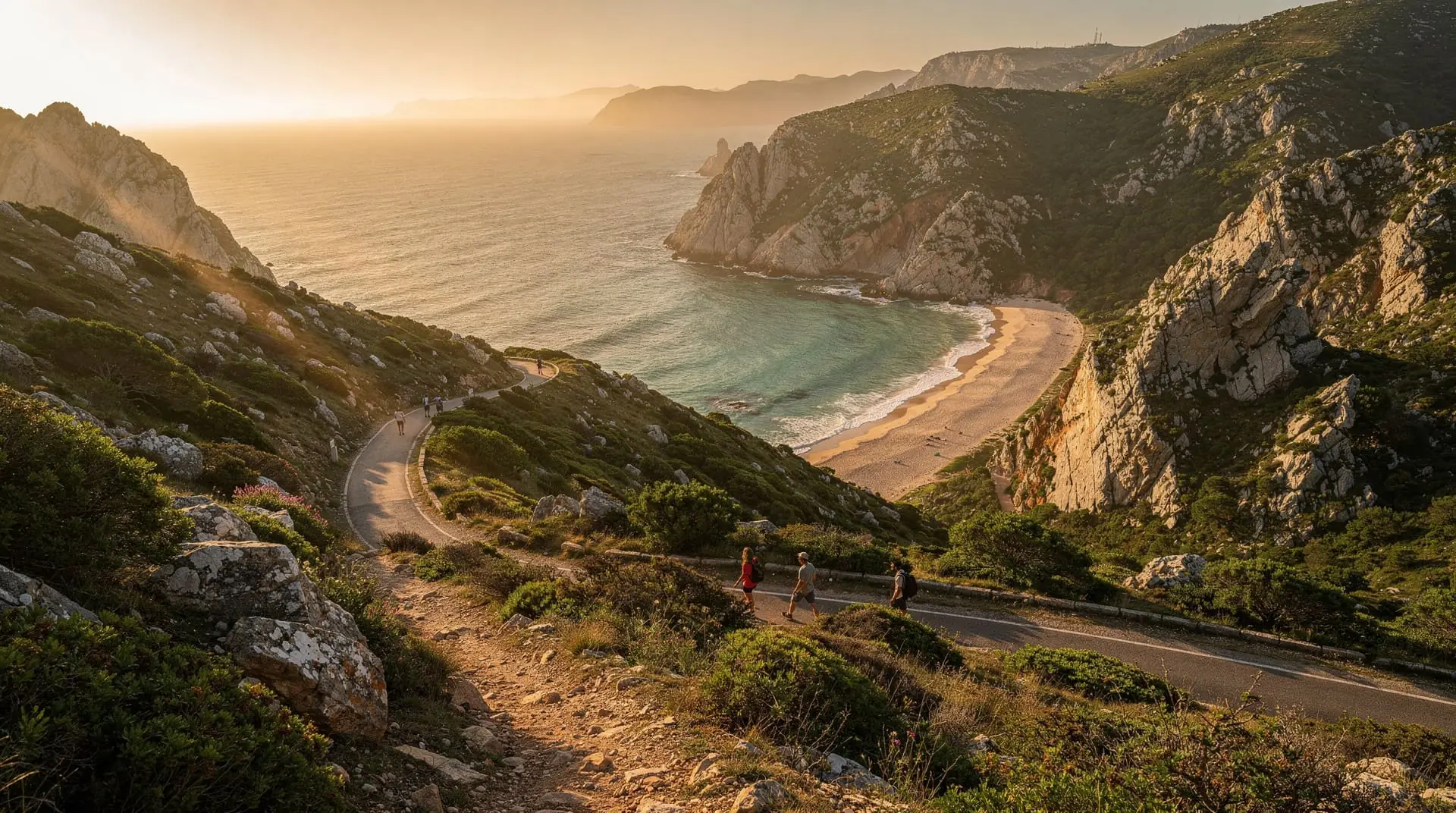
Arrábida Natural Park: beaches, hiking trails and the summer road permit
Arrábida Natural Park guide: summer N379-1 road restriction, hiking trails, Convento da Arrábida, best beaches inside, and access tips.
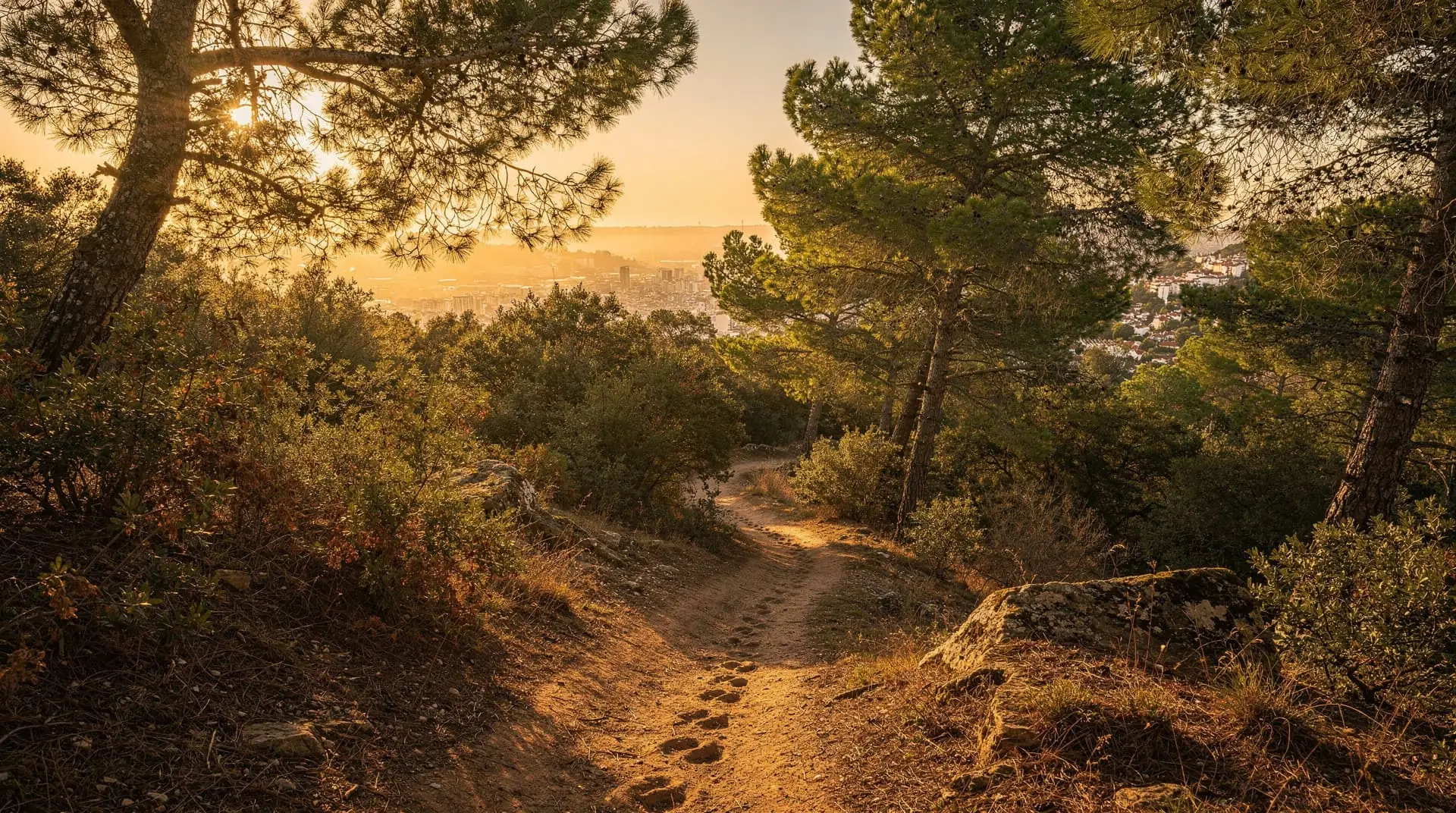
Monsanto Park: Lisbon's urban forest, trails, mountain biking and Panorâmico
Parque Florestal de Monsanto: Lisbon's massive urban forest, the abandoned Panorâmico restaurant, hiking and MTB trails, safety tips.
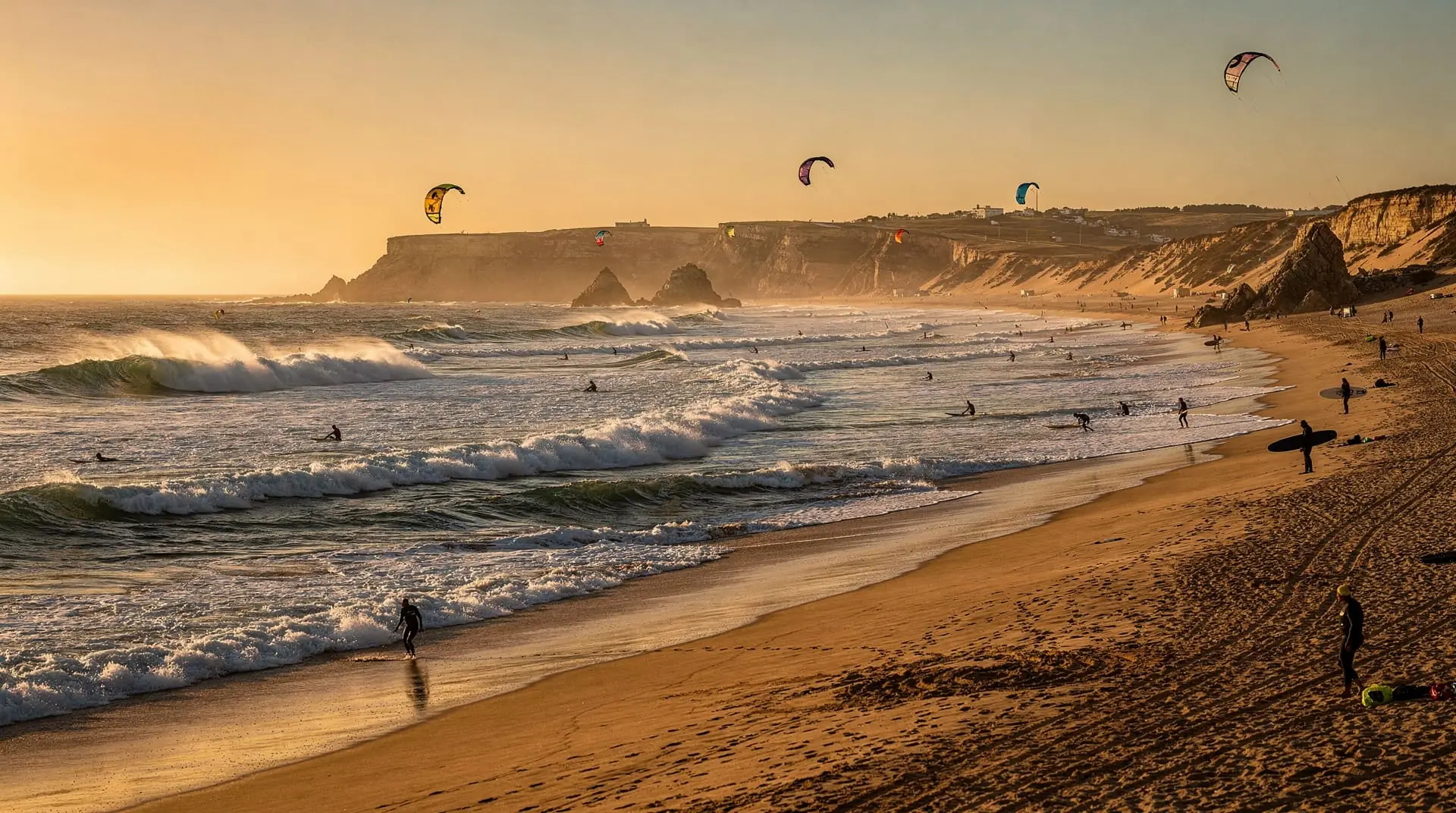
Guincho surf beach — wind, kites, and the most dramatic beach near Cascais
Praia do Guincho: wind conditions, surf and kite scene, Bar do Guincho lunch, Cabo da Roca pairing, and how to get there from Cascais by bus or bike.
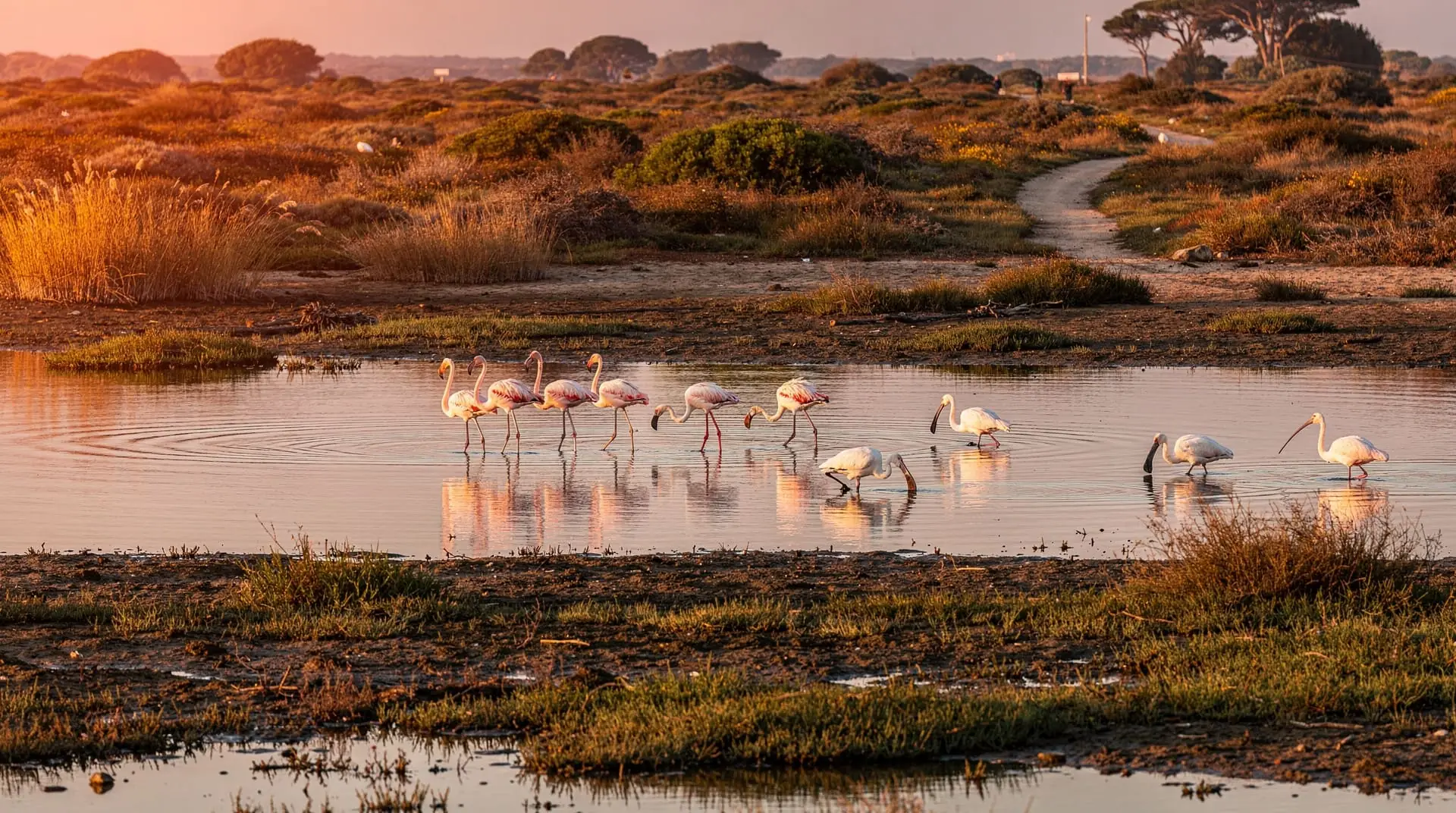
Tagus estuary birdwatching: flamingos, spoonbills and the Alcochete reserve
Birdwatching at the Tagus Estuary Reserve: flamingos, spoonbills, waders, Alcochete access, guided eco-tours, best seasons near Lisbon.
Ready to book? Top tours for this guide
We earn a small commission if you book through GetYourGuide — at no extra cost to you. Every tour is hand-picked and verified.

Pena Palace and Park Entrance Ticket
From Lisbon: Sintra Half-Day Tour with Pena Palace Tickets
Sintra: Pena Palace & Coastal Wonders Day Tour with Tickets
Sintra: Pena Park and Palace Skip-the-line Ticket
Sintra: Pena Palace Guided Tour