Kayaking near Lisbon: Tagus, Arrábida sea cliffs, Caparica coast and Tróia
Where can you go kayaking near Lisbon?
Four main options: the Tagus River from Belém docks (calm, urban, easy), Arrábida Natural Park sea-cliff tours (the best scenery, 50 min from Lisbon), the Costa da Caparica Atlantic coast (more challenging), and the Tróia peninsula lagoon (calm, good for beginners). Arrábida is the stand-out for first-timers who want dramatic scenery.
Kayaking near Lisbon splits into two distinct categories. Urban kayaking — on the Tagus from Belém, sheltered, easy, available on short notice — and coastal kayaking, which means the Arrábida sea cliffs or the Setúbal coast, with deeper blue water, limestone cave mouths and arguably some of the best kayak scenery in Western Europe.
Both are worth doing. They are very different.
| Best scenery | Arrábida Natural Park (sea cliffs, caves) |
| Most accessible | Tagus from Belém (no car needed) |
| Best for wildlife | Tróia / Sado estuary (dolphins, flamingos) |
| Time needed | Half-day (Tagus) to full-day (Arrábida, Tróia) |
| Best months | May-October |
Which option suits your trip
| Option | Scenery | Time | Needs a car? | Best for |
|---|---|---|---|---|
| Tagus (Belém) | Urban, city views | 1-3 hrs | No | First-timers, short notice |
| Arrábida | Dramatic sea cliffs | Full day | Helpful, not essential | Best overall scenery |
| Costa da Caparica | Atlantic swell | Half-day+ | Helpful | Experienced/guided only |
| Tróia / Sado estuary | Calm, wildlife-rich | Half-day+ | No (ferry) | Families, dolphin spotting |
| Sesimbra caves | Sea caves, snorkelling | Half-day | Helpful | Combining with a village lunch |
Arrábida: the best kayaking near Lisbon
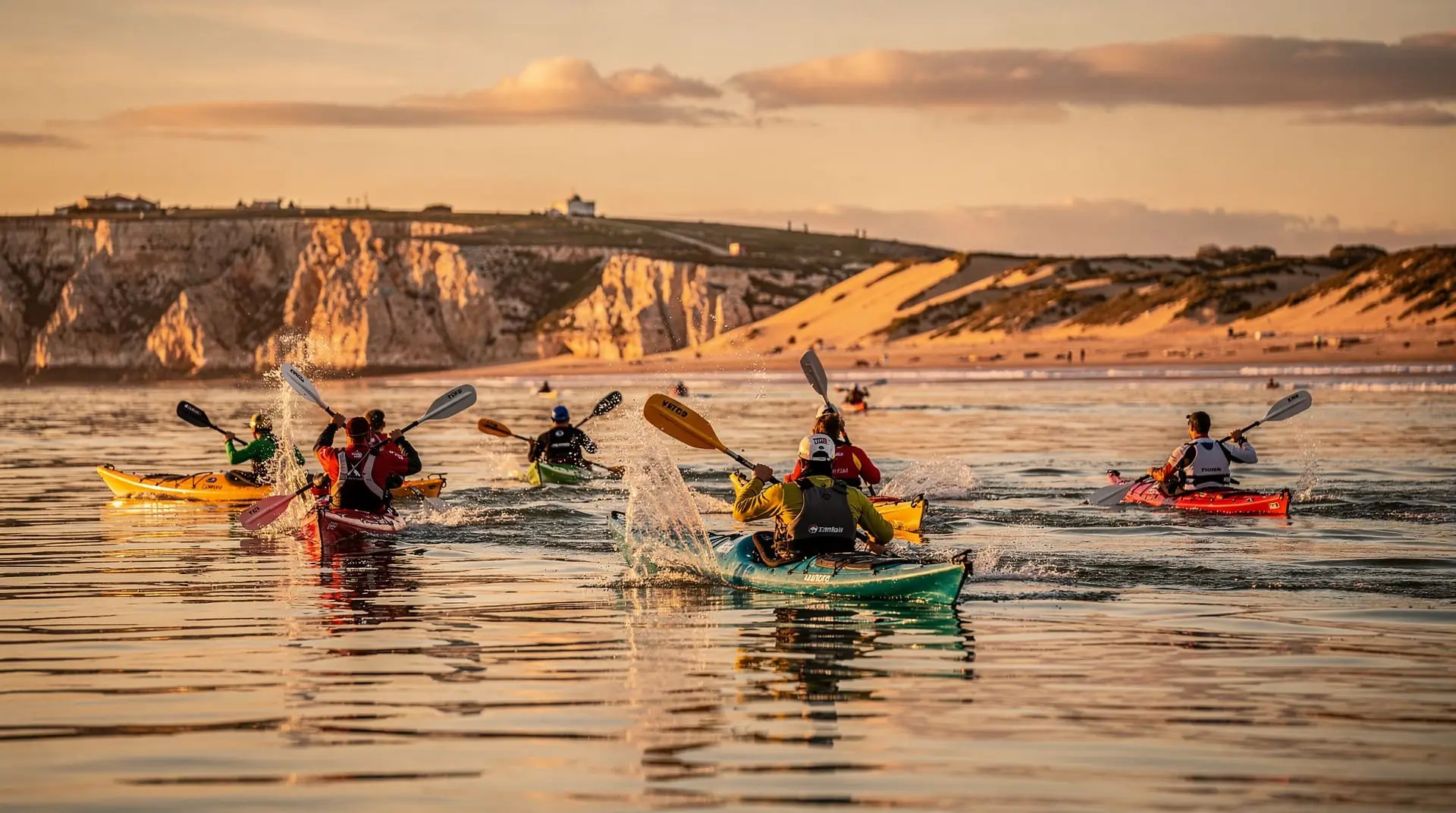
The Arrábida Natural Park coastline is what you’d design if you were building a kayaking destination. White limestone cliffs dropping directly into turquoise water. Sea caves you can paddle through. Hidden beaches accessible only by boat. Visibility in the water reaching 15–20 metres on calm days.
The route typically runs along the coastline from Setúbal or Portinho da Arrábida — following the cliff face, exploring caves, and stopping for a beach picnic where the cliff meets a sandy bay. Water temperature: 18–22°C in summer. Sea conditions: usually calm in the bay-facing sections, more exposed to Atlantic swell at the outer headlands.
Book the Arrábida Natural Park kayak tour with lunch Book the Arrábida kayak tour with beach picnicDuration: Full-day (6–8 hours including transport from Lisbon or Setúbal). Half-day departures from Portinho da Arrábida (3–4 hours on the water, if you have your own transport to the park).
Skill level: No experience necessary. The bay sections are sheltered and guides handle any conditions. The outer headland crossings require following the guide’s instructions but are manageable for fit beginners.
Getting there: Independent access by car (50 min from Lisbon via A2 and N379). Or book a tour that includes transport — most organised Arrábida kayak tours pick up from Lisbon or Setúbal. See Setúbal and Arrábida day trip for transport logistics.
Important: Arrábida limits access to the N379-1 coastal road in summer (June 15–September 15) — vehicles need a permit, which tours have but private cars often don’t on busy days. Book organised tours in summer to avoid this complication. See Arrábida Natural Park for the full permit situation.
Tagus River kayaking from Belém
Described fully in the kayak and SUP Tagus guide, the Tagus option is the most accessible: no car required, rentals from Doca de Belém, and guided tours that cover the Belém waterfront.
The Tagus is best for:
- First-time kayakers who want a low-stakes introduction
- Travellers who want to see Belém from water level
- Anyone who can’t commit to a full-day Arrábida excursion
- Morning paddlers before the afternoon Nortada wind builds
The Tagus is not the best for:
- Anyone seeking dramatic natural scenery (it’s urban, even if beautiful)
- Experienced sea kayakers looking for challenge
- Anyone trying to cross the full width of the river (not permitted on rental equipment)
Costa da Caparica: Atlantic coastal kayaking
The Costa da Caparica is a 30-kilometre Atlantic-facing beach. Kayaking here means sea kayaking in Atlantic swell — a different experience entirely from the sheltered Tagus.
The southern end of the Costa da Caparica, toward Lagoa de Albufeira, transitions from open beach into a more sheltered coastal section where sea kayak tours sometimes run. Conditions here are more forgiving than the full exposed beach sections.
What to know: The Atlantic swell at Caparica is real. Even on moderate days, 0.5–1 metre swells are common. This is not a beginner activity without a guide and safety boat. Organised kayak tours from Caparica handle this properly; DIY kayak rental on the Atlantic coast without experience is not recommended.
Surf kayaking: Several surf schools at Costa da Caparica offer surf kayaking — paddling into breaking waves on a kayak rather than a surfboard. This is significantly more accessible than surfboard surfing for beginners (harder to fall off, easier to catch waves) and provides a fun alternative. Ask local schools when booking.
Tróia peninsula: calm-water kayaking
The Tróia peninsula closes off the mouth of the Sado River estuary, creating a sheltered inland sea between Tróia and the Setúbal coast. This body of water — the Sado estuary — is calm, warm and rich with wildlife. Resident bottlenose dolphins use the estuary year-round (you may see them from a kayak), and flamingos and wading birds crowd the shallows.
The kayaking here: Flat water, no significant current, no Atlantic swell. Perfect for beginners, families with older children, and anyone who wants a naturalist kayak experience rather than an adrenaline one.
Getting to Tróia: Ferry from Setúbal to Tróia (20 min, runs frequently, €4.90 foot passenger). From Lisbon: bus or car to Setúbal (50–60 min), then ferry. Or a full-day tour that includes transport.
Combination option: Kayak the Sado estuary in the morning, dolphin watch in the afternoon. Several operators in Setúbal bundle these. See dolphin watching in Setúbal for the dolphin tour details.
Sesimbra: caves and hidden beaches by kayak
Between Arrábida and Sesimbra, a section of coastline contains sea caves accessible only by kayak or small boat. The Sesimbra sea caves tour usually combines kayaking with snorkelling (water clarity is very good) and a stop at a beach accessible only by sea.
Book a private boat rental in SesimbraThe Sesimbra option is shorter than a full Arrábida day and easier to combine with a lunch in Sesimbra village afterwards. See the Sesimbra destination guide for where to eat after.
Kayak gear and what you need
All organised tours provide:
- Kayak (sit-on-top in warm months, sea kayak for longer coastal tours)
- Paddle and spray skirt (if needed)
- Life jacket (mandatory)
- Waterproof dry bag for phone/camera
For independent rental on the Tagus, gear is included in the hourly rate.
What to bring independently:
- Swimwear (you will get wet even on calm days)
- Water shoes or trainers (not flip-flops)
- Sun protection (SPF 50+ recommended — water reflection is intense)
- Water bottle and snacks for half-day plus tours
- Change of dry clothes for after
For cold months (October–April): Ask about wetsuit availability. Sea temperature drops to 14–16°C and paddling for 2+ hours without a wetsuit is genuinely uncomfortable.
Planning your kayak day
Combining with Arrábida beaches: An Arrábida kayak tour typically ends at a beach where you can swim. Bring a change of clothes, a towel and snacks. The tour usually includes lunch at the beach — but confirm when booking.
Weather and cancellation: Sea kayak tours along the Arrábida or Caparica coast are cancelled if wind exceeds 20 knots or if swells are too large for the guide’s judgment. Most operators provide 24-hour notice of cancellation with full refund. Check the weather forecast before travelling to the coast independently — open sea conditions change fast.
Best months: May–October for swimming-water temperature and reliable calm. November–April for emptier coasts and dramatic winter sea conditions (for experienced kayakers only).
For the broader Arrábida experience including hiking, beaches and access logistics, see Arrábida Natural Park guide. For the Setúbal coast and dolphin watching, see dolphin watching in Setúbal.
Before your first paddle
If you have never been in a kayak, the first few minutes are the only awkward part. Guides usually start with a short briefing on the shore: how to hold the paddle, how to steer, what to do if the kayak tips, and which hand signals mean stop or regroup. Listen to it even if the water looks like a millpond. Most of the small mishaps on a first outing come from people who skipped the briefing and then fought the kayak instead of letting it glide.
A few habits make the day easier:
- Paddle with your torso, not just your arms. Rotating your shoulders spreads the effort and keeps your arms fresh for the return leg.
- Stay close to the guide and the rest of the group, especially around headlands, where wind and swell can change within a few metres.
- Keep your phone in the dry bag the operator provides, and clip or tie anything you cannot afford to lose.
- Tell the guide early if you are tired. Pausing in a sheltered cove is a normal part of any coastal tour, and nobody is racing.
Reading wind and tide on the day
The coast around Lisbon is shaped by wind more than by anything else. On the Tagus, the afternoon Nortada makes the open stretches choppy, which is why mornings are the sensible slot. Along the Arrábida coast, the bay-facing sections stay sheltered while the outer headlands catch the Atlantic, so a guide may change the route on the day without that meaning anything is wrong. Treat a rerouted tour as good judgement, not a downgrade: the sheltered coves are often the prettiest part anyway.
In the Sado estuary, the water is protected, but the tide still moves the shallows, and the birdlife shifts with it. Operators plan departures around this, so the departure time you are given is rarely arbitrary. If you are choosing between two slots, ask which one the operator prefers for conditions rather than just for convenience.
Pairing kayaking with the rest of your trip
Kayaking works best when it is the active anchor of a day with an easy second half. A morning on the water pairs naturally with a slow lunch and a swim, and the Arrábida coast gives you plenty of reasons to linger: see the Arrábida beaches guide for where to spend the afternoon once you are back on land. If you are building a longer stay around the south bank, the Setúbal destination page and the Arrábida destination page help you decide where to base yourself.
If you are travelling with a mixed group, the sheltered options are easier to sell. Families and less confident paddlers tend to prefer the Tróia lagoon or the Tagus, while the fit and curious usually push for Arrábida. Our family day trips guide covers other days out that suit a group with different energy levels, and the Lisbon in summer guide is worth a read if you are planning your paddling around the hottest weeks. For wider planning, the best time to visit Lisbon page helps you pick the month that suits both the sea and the city.
Photography and keeping your kit safe
The water is the best part of the view, but it is also the worst place for a phone. Use a waterproof pouch with a lanyard, or leave the good camera on shore and rely on what the guide offers to photograph. Many tours include a stop where the guide takes group shots in a cove, which is usually the best chance of a photo with the cliffs behind you. Sunglasses with a retaining strap are cheap insurance, and a hat that ties under the chin survives a gust far better than one that does not.
Choosing between Arrábida and the Tagus if you only have time for one
This is the single most common decision visitors face. If you have a full day and want the best possible kayaking experience near Lisbon, Arrábida wins clearly — the scenery is not close, and the water quality and clarity make it feel like a different country from the urban Tagus. If you have only a morning or afternoon, or you are travelling without a car and want zero logistics complexity, the Tagus from Belém is the practical choice and still a genuinely pleasant activity, just a different category of experience.
A useful rule of thumb: if kayaking is the main activity of your day, choose Arrábida. If kayaking is one activity among several in a busy Belém morning, choose the Tagus.
Frequently asked questions about Kayaking near Lisbon
Can I combine kayaking with dolphin watching in one trip? Yes, most naturally at Tróia and the Sado estuary — several Setúbal operators bundle a morning kayak session with an afternoon dolphin-watching boat trip, since both operate from the same base. See dolphin watching in Setúbal for how the combination typically works.
Is kayaking near Lisbon suitable for non-swimmers? Life jackets are mandatory on every organised tour, which makes basic participation possible for non-swimmers on calm, sheltered water like the Tagus marina or Tróia lagoon. However, most operators still prefer participants to have basic water confidence, and open-water routes like Arrábida’s outer headlands are not recommended for non-swimmers regardless of flotation equipment.
Related guides
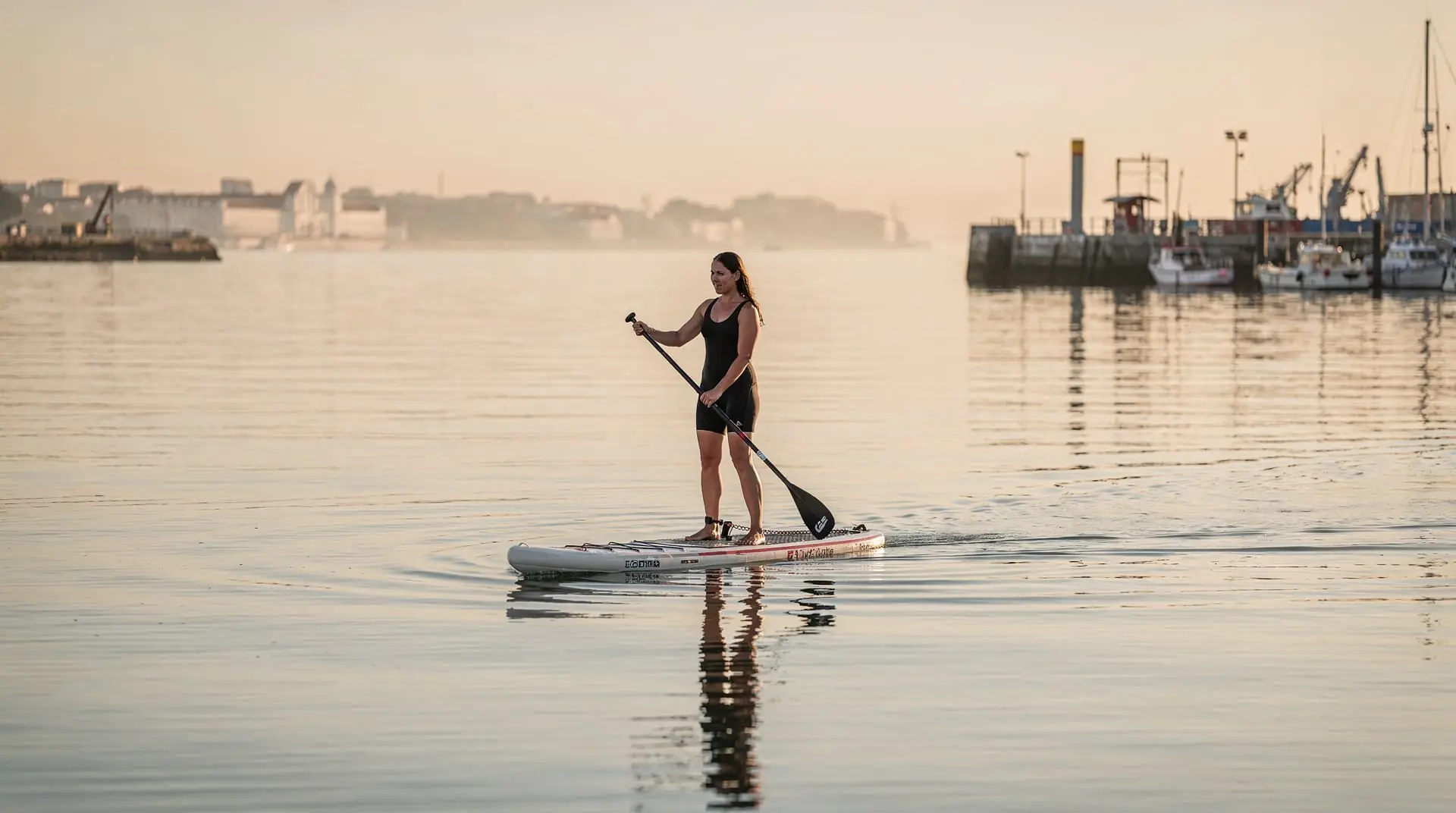
Stand-up paddleboarding in Lisbon: Belém, Tagus spots and calm-water options
Stand-up paddleboard hotspots near Lisbon — Belém Doca, calm marina spots, when to go to avoid the Nortada wind.
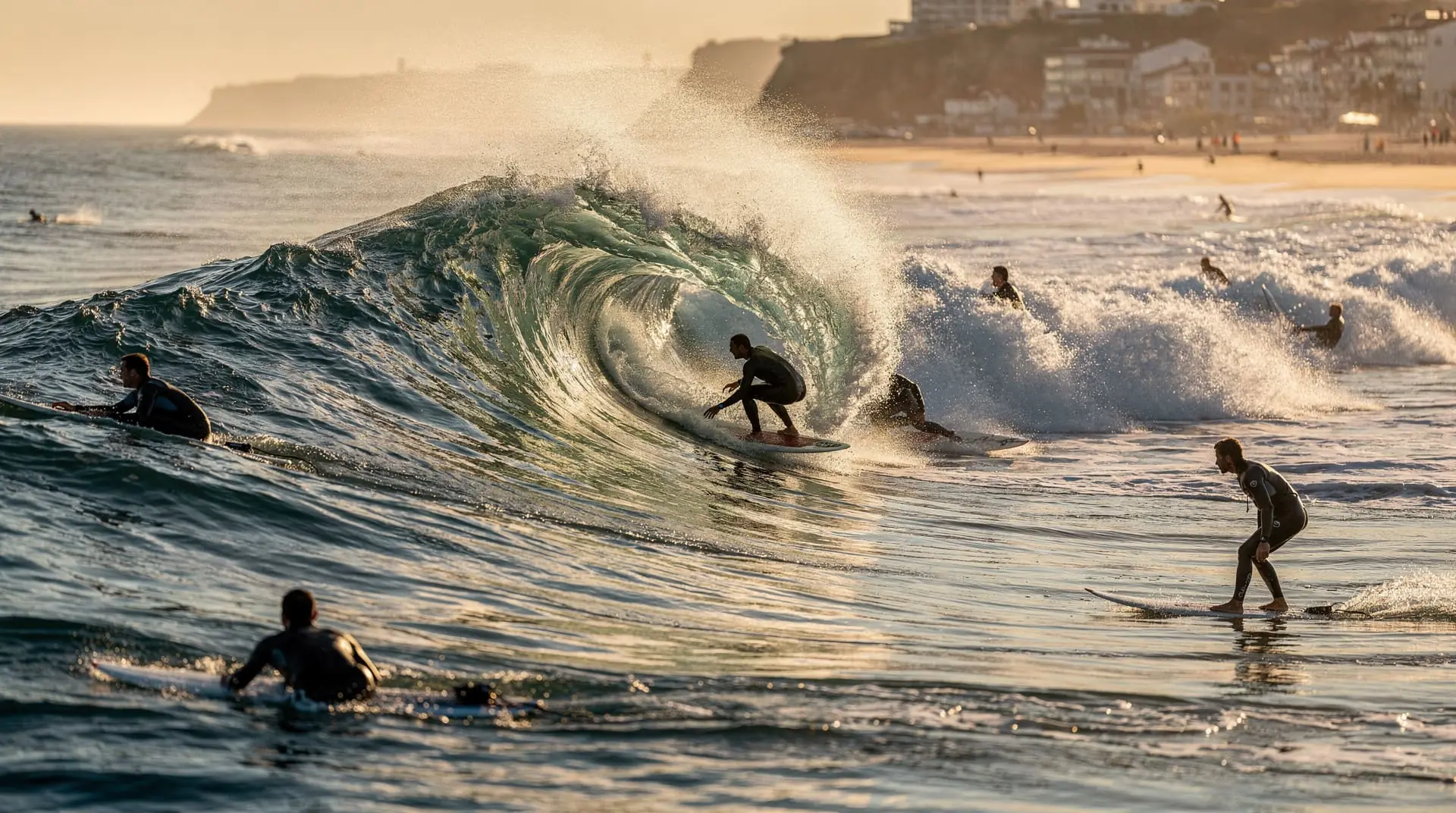
Surfing near Lisbon: Carcavelos, Caparica, Guincho and Ericeira
Best surf near Lisbon: beginner Carcavelos, consistent Caparica, advanced Guincho wind, and the Ericeira World Surfing Reserve.
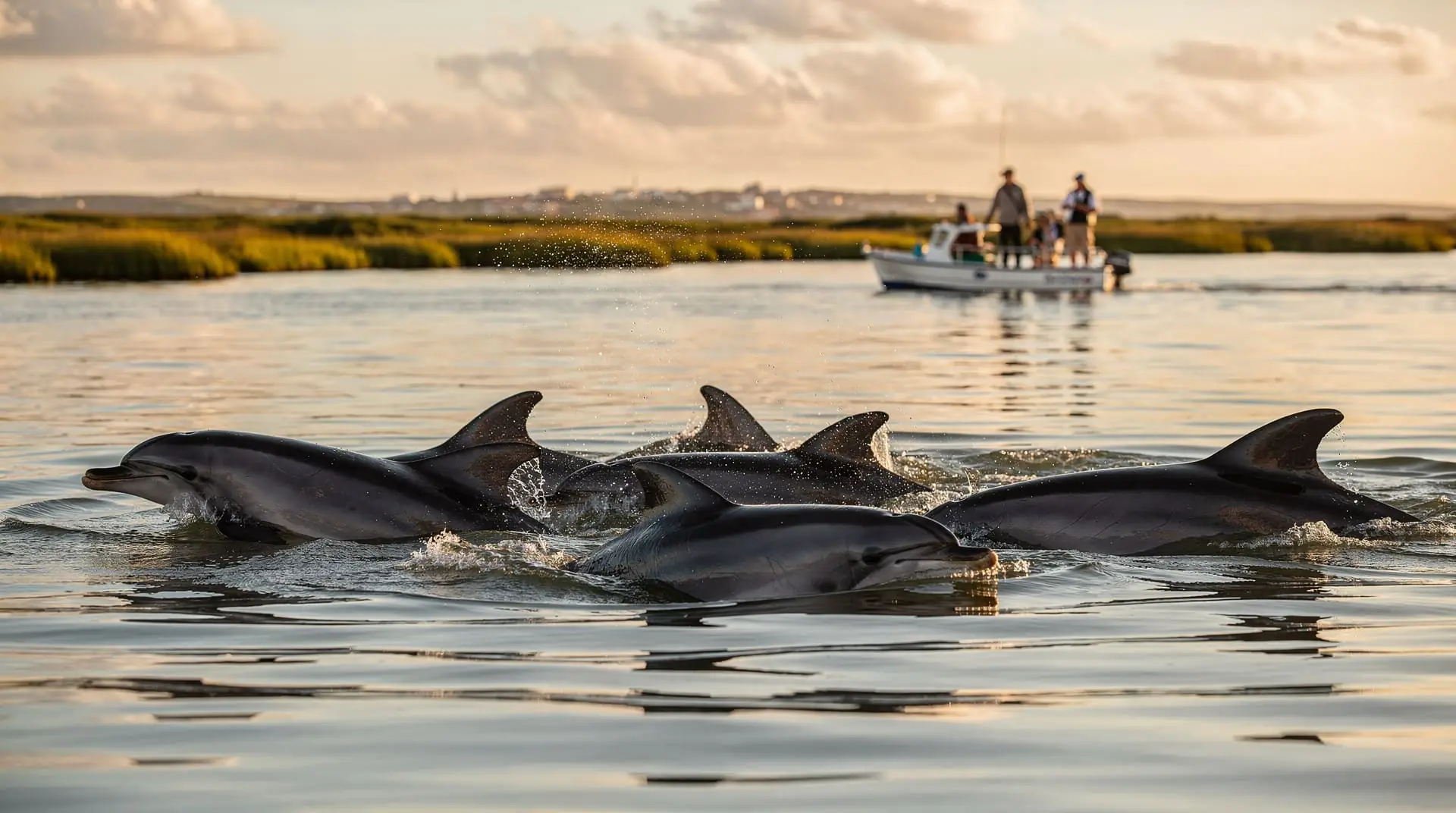
Dolphin watching in Setúbal: Sado estuary pods, tours and best season
Dolphin watching in Setúbal Sado estuary: resident bottlenose pod, eco-tour operators, best season Apr–Oct, what to expect, cancellations.
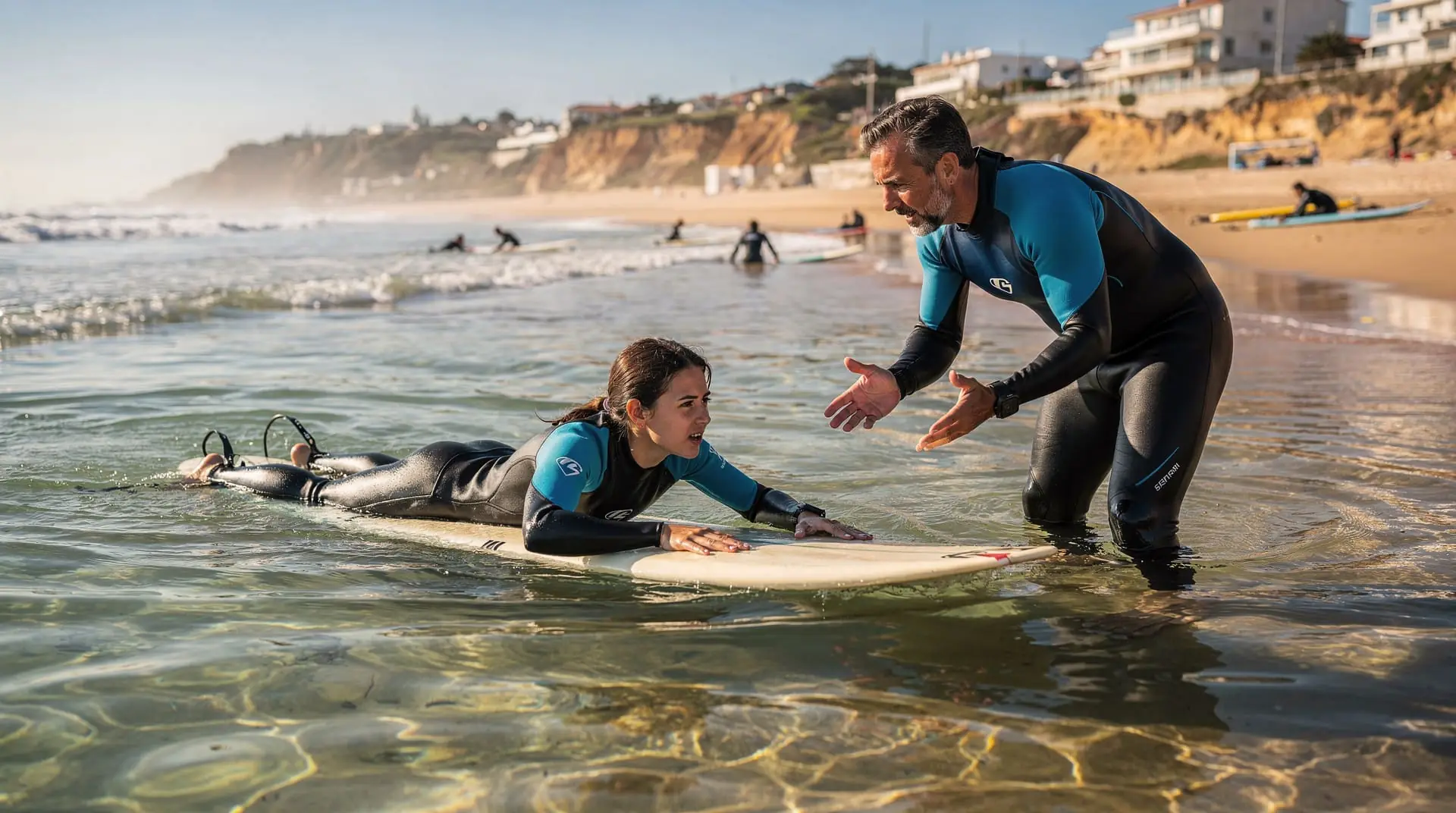
Surf lessons near Lisbon: schools, prices and what to expect
Best surf schools near Lisbon: Carcavelos, Caparica, Ericeira. Group lessons €40–60, transport-included options, what to expect.
Ready to book? Top tours for this guide
We earn a small commission if you book through GetYourGuide — at no extra cost to you. Every tour is hand-picked and verified.

Lisbon: Lisbon City Audio Guide and Oceanarium Entry Ticket
Lisbon: Dolphin Watching Ocean Safari with Marine Biologist
Lisbon: Alfama, Mouraria Walking Tour with Fado Night, Tapas
Lisbon: Hop-On Hop-Off Bus Tour
Lisbon: 1-or 2-Day Hop-On Hop-Off Bus Tour