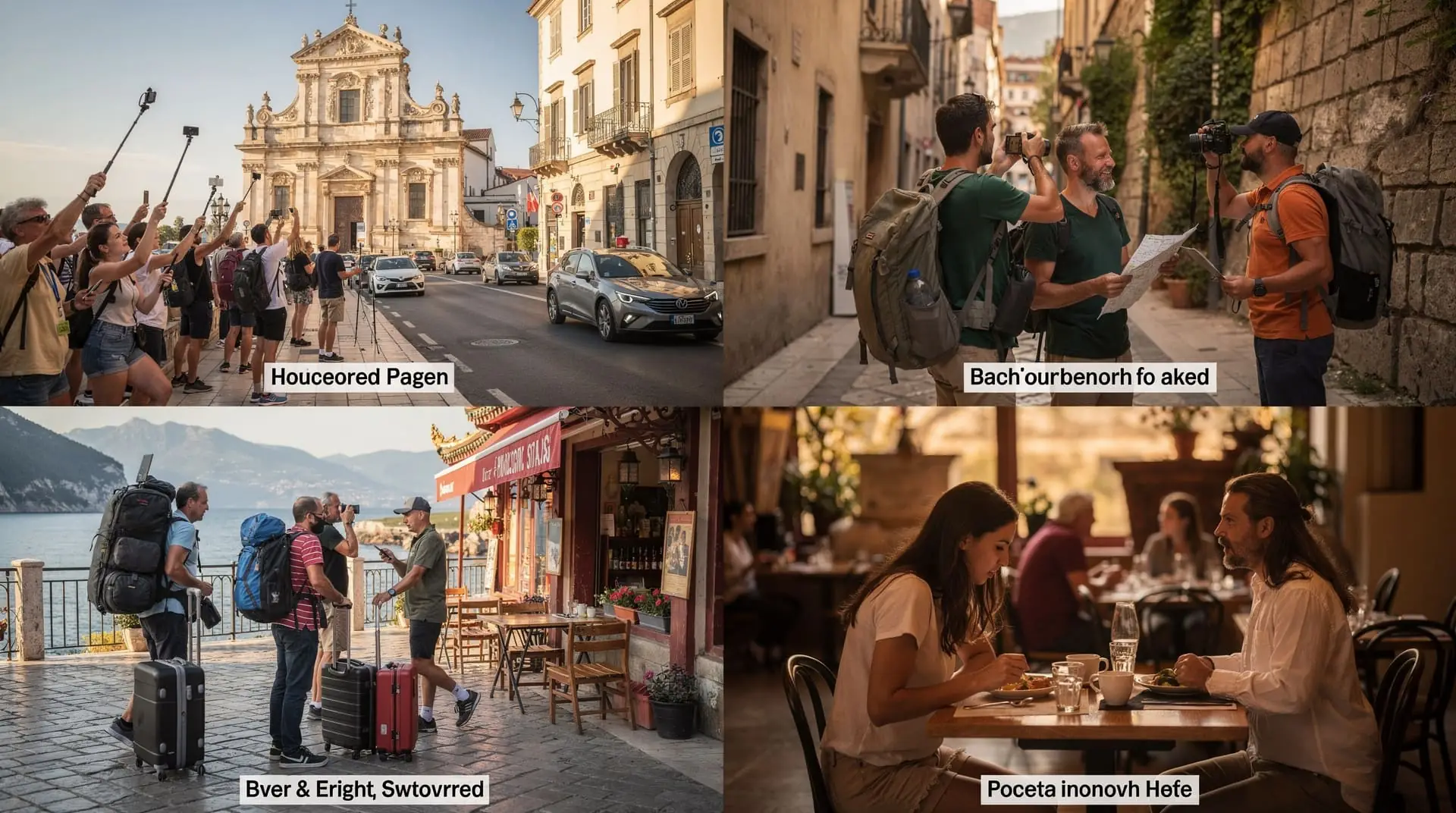
What I wish I knew before visiting Lisbon: 18 hindsight tips
Published
Every city has things you only learn by being there. Lisbon has a specific set of them — not dangerous, not particularly unusual, but things that cost you time, money, or comfort when you don’t know them in advance.
Here are eighteen of them.
| Covers | Transport, food, tourist traps, money, timing, logistics |
| Cost of ignoring these | Mostly time (queues) or small overpayments (€5-20) |
| Fixable in advance? | Yes — nearly all of these are a five-minute read away from avoided |
| Getting there | Buy a Viva Viagem card on arrival before anything else |
| Best time to read this | Before you land, not after |
On transport
1. The Viva Viagem card is not optional. You need to buy one (€0.50 at any metro station or airport) and load it with credit. Without it, you pay full cash price on trams and buses, which is significantly more. The card works on metro, bus, tram, funicular, and suburban trains. Buy it at the airport on arrival.
2. Tram 28 between 10:00 and 17:00 is a pickpocket trap. Not metaphorically. The tram is crowded enough that pickpockets can work systematically and rely on the press of bodies to conceal what they’re doing. Front pocket your phone. If you’re going to do tram 28, do it before 8:00 or after 20:00.
3. The train to Sintra is from Rossio station, not Oriente. Most international flights arrive near Oriente (the airport Metro is on the Red line that connects to Oriente). If you’re going to Sintra, you need to take the metro to Rossio (Green line via Baixa-Chiado) and take the CP train from there. The train from Oriente doesn’t go to Sintra.
4. The Cascais train is from Cais do Sodré, a different station from Rossio. These two stations are not adjacent. Don’t confuse them.
5. Taxis at the airport are metered and legitimate. You don’t need to take unlicensed taxis. Uber and Bolt also work from the airport (car must wait in the designated pickup area). The metro is the cheapest option: Red line from the airport to Alameda, then transfer for your area. About 25-30 minutes to the centre. The airport to city centre guide covers all options with current prices.
On food and restaurants
6. The couvert is not a scam but you should know about it. When you sit down at a restaurant, bread, olives, and sometimes butter and local cheese will appear. You will be charged for these — usually €1.50-3.50 per item. This is legal, standard Portuguese practice, and the restaurant is not doing anything wrong. You can decline the items when they arrive (say “não obrigado” or simply shake your head and the waiter will remove them). The restaurant couvert guide explains this in detail.
7. Lunch is Portugal’s main meal, not dinner. Restaurants do a prato do dia (plate of the day) at lunch: typically €8-12, includes main course, sometimes soup, bread, drink. This is exceptional value. Dinner at the same restaurant costs €15-25+ for a similar quality of food. Eating your main meal at lunch saves significant money and is more authentically Portuguese.
8. “Turista” menus near main tourist attractions are overpriced. A €15 menu outside Pastéis de Belém or a €20 “Portuguese platter” near Rossio is charging tourist prices. Walk one block away from the main tourist drag and the price drops by 30-40%.
On specific tourist traps
9. The “fado” near Rossio is often not fado. There are restaurants in the Baixa and Rossio area that advertise “fado” but are dinner shows for tourists that bear limited relation to the tradition. If you want actual fado, go to Alfama, choose a house with Portuguese in the audience, and expect to pay €35-50 for dinner with the show. The fake fado warning guide goes into specific detail.
10. The Belém pastéis queue looks worse than it is — but you still don’t need to wait in it. The queue for table service moves faster than for takeaway (counterintuitive but true). Or go to Manteigaria in Chiado: no queue, equally good, slightly cheaper. The Belém queue guide covers the options.
11. Sintra without pre-booked tickets in season means 45-minute to 1-hour queues at Pena Palace, regardless of how early you arrive. Book online at least 48 hours in advance. This is not optional from April through October.
On money and payments
12. Portugal is almost entirely contactless. Visa and Mastercard contactless work everywhere. American Express less so (some smaller places don’t take it). Carrying €20-30 in cash is sufficient for a day; you’ll rarely need more.
13. ATMs: use bank ATMs, not standalone “Euronet” or similar kiosks. The non-bank ATMs at airports and tourist areas charge high fees and offer unfavourable exchange rates. Multibanco ATMs (the Portuguese banking network, branded in blue) give the interbank rate with your bank’s normal foreign transaction fee.
If a card terminal asks “charge in euros or your home currency” — always choose euros. The “convenience” of home-currency billing (dynamic currency conversion) comes with a worse exchange rate baked in, every time, everywhere, not just in Lisbon.
On timing and crowds
14. April through October is peak season. July and August are the most crowded, with lines for Jerónimos Monastery, Pena Palace, and São Jorge Castle running 45 minutes+ even with online tickets. If you can visit in May, June, September, or October, the experience improves considerably.
15. Monday is museum closing day for many institutions. Plan your museum days accordingly. Jerónimos is closed Monday. The Azulejo museum is closed Monday. Check hours before visiting.
16. The city opens later than you might expect. Many restaurants don’t open for dinner until 19:00-19:30. Some fado houses don’t start until 21:00 or later. If you arrive at 18:30 hungry, you may find your options limited to tourist-facing places that open earlier for the trade.
On practical logistics
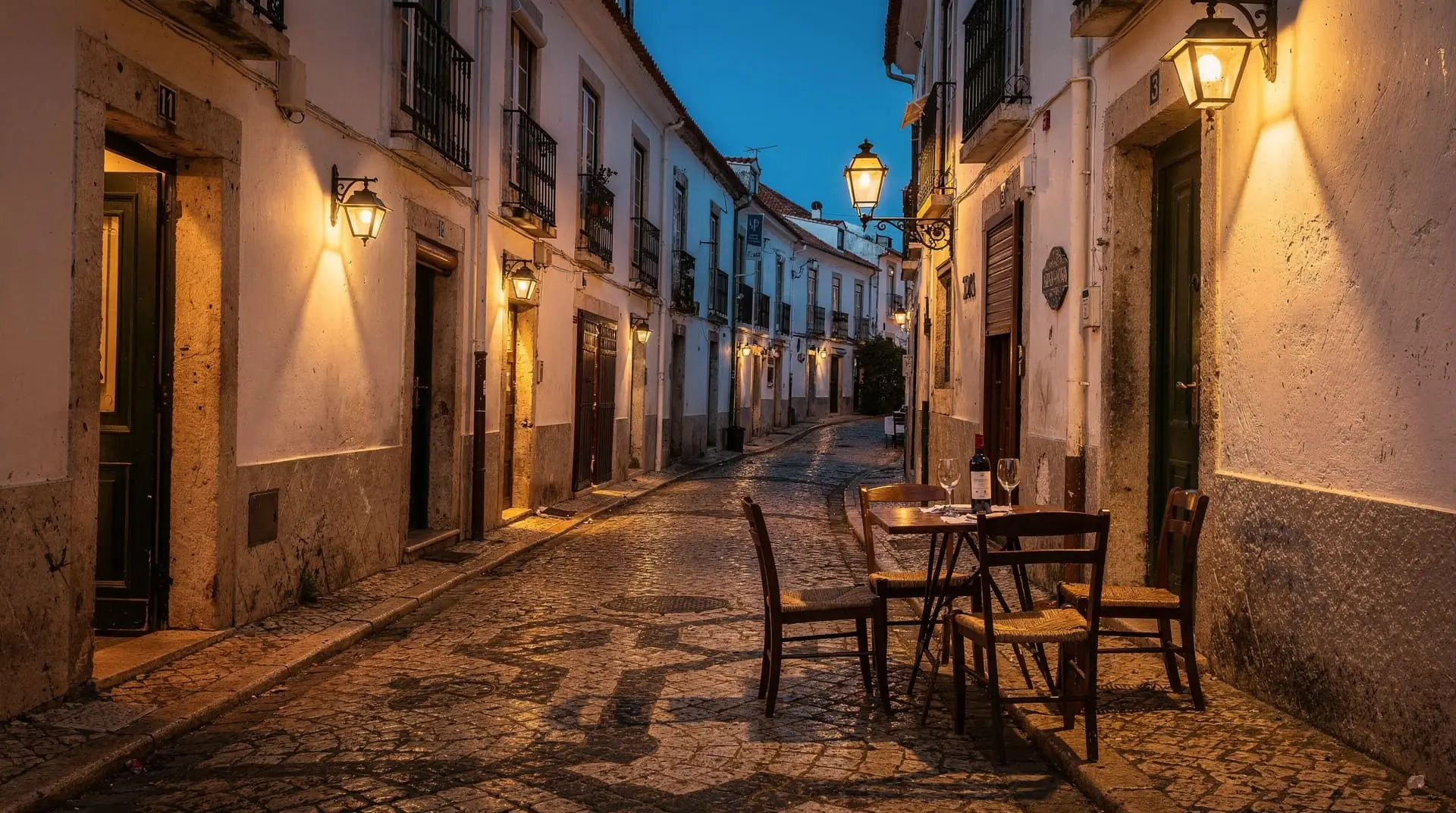
17. Shoes matter more than in most cities. Lisbon’s cobblestones (calçada portuguesa) are beautiful and terrible for anything with a thin sole or heel. Walking shoes with proper soles are not a stylistic choice; they’re a necessity. Your feet will be sore by day two if you’re not wearing something appropriate.
18. The hills are real. Photos of Lisbon convey the views from the hills but not the effort of getting to them. Alfama, Mouraria, Graça, Bairro Alto all involve significant climbing. The funiculars (Glória, Bica, Lavra) and the Santa Justa elevator exist to mitigate this. Budget the energy for it or plan routes that use public transport for the uphill sections.
A walking tour with a local guide covers these practicalities in real time while showing you the cityTwo more, for good measure
19. The metro closes earlier than you’d think. Last trains run around 1:00, not 24 hours. If you’re out late — a fado dinner, a night in Bairro Alto — check the last train time or budget for a taxi/Uber home. This catches more first-timers than any single tip on this list.
20. Tipping is small and optional, not American-style. Rounding up or leaving 5-10% for good service is generous and appreciated; it’s not expected the way it is in the US. Don’t feel obligated to calculate a percentage on every bill.
Quick reference: what costs you time vs money
| If you skip this… | You lose | Fix |
|---|---|---|
| Buying a Viva Viagem card | Money — full cash fares | Buy at any metro station, €0.50 |
| Pre-booking Sintra tickets | Time — 45-60 min queues | Book online 48hrs+ ahead |
| Checking last metro time | Money — taxi/Uber fare | Check before a late night out |
| Declining unwanted couvert | Money — €1.50-3.50/item | Say “não obrigado” |
| Choosing euros at card terminals | Money — worse exchange rate | Always select euros, never home currency |
| Eating your main meal at lunch | Money — €10-20/day | Prato do dia instead of dinner mains |
The comprehensive first-time Lisbon tips guide covers these and many more in more detail. The honest Lisbon guide goes deeper on the tourist trap landscape specifically. Most of the things on this list are minor inconveniences rather than serious problems — knowing them in advance means you can simply enjoy the city.
Related guides
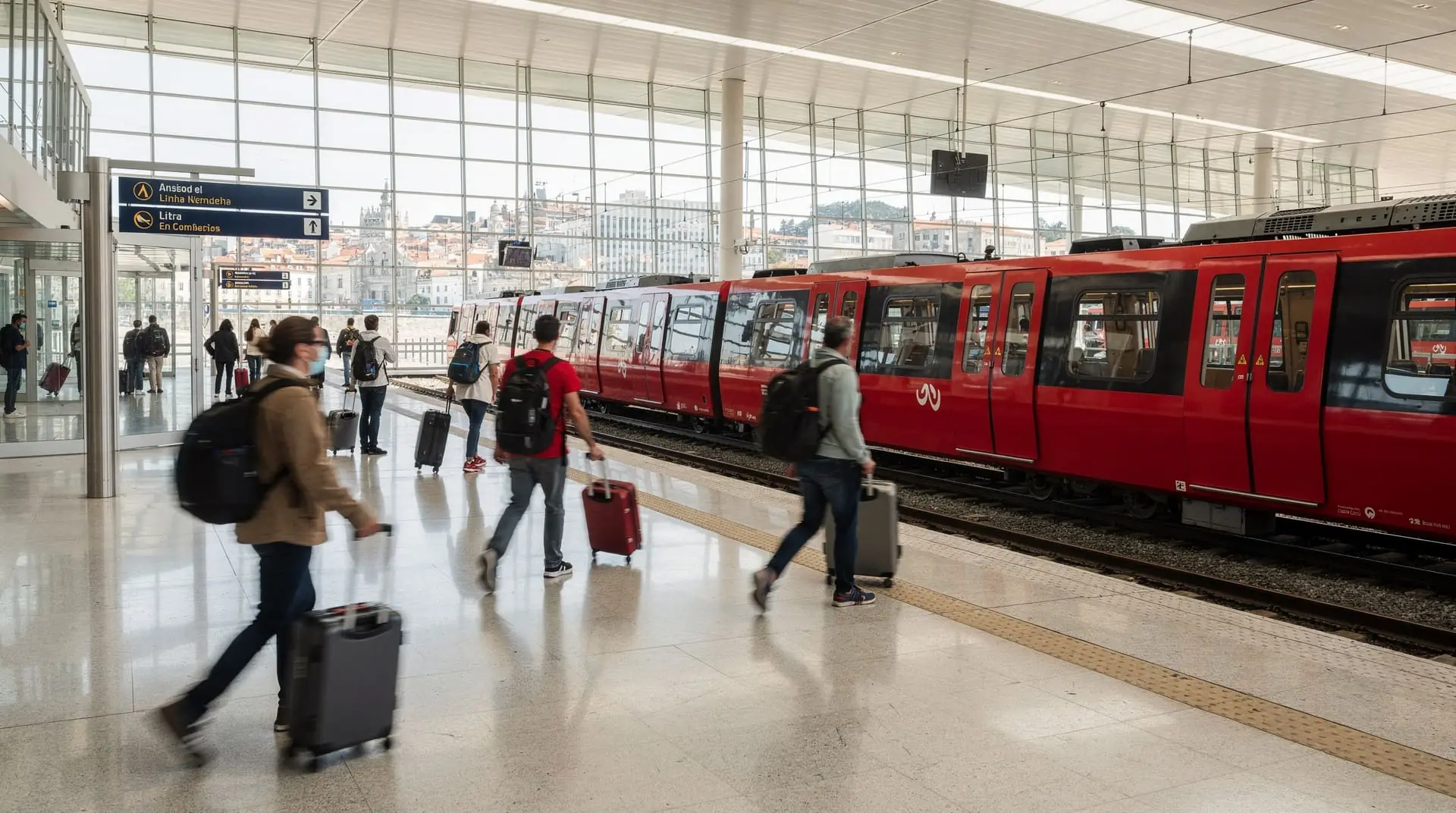
Getting from Lisbon airport to the city centre — all options compared
Metro, Aerobus, Uber, taxi: how to get from Humberto Delgado airport to central Lisbon. Real prices 2026, journey times, and scam warnings.
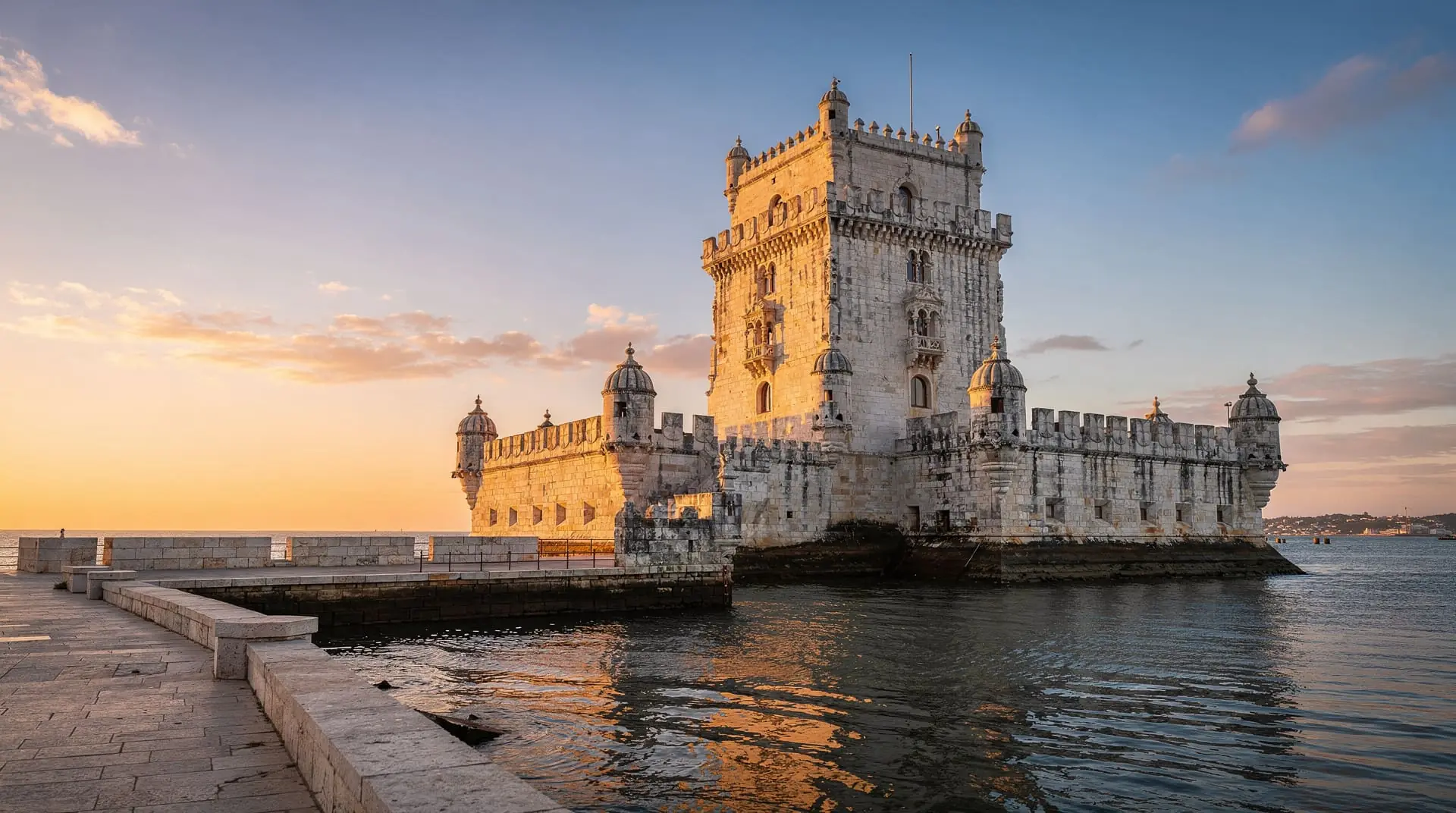
Belém Tower: tickets, queues and what to expect inside
How to visit Belém Tower without wasting an hour in the queue. Fast-track tickets, best time to go, and what the Manueline tower actually shows you.
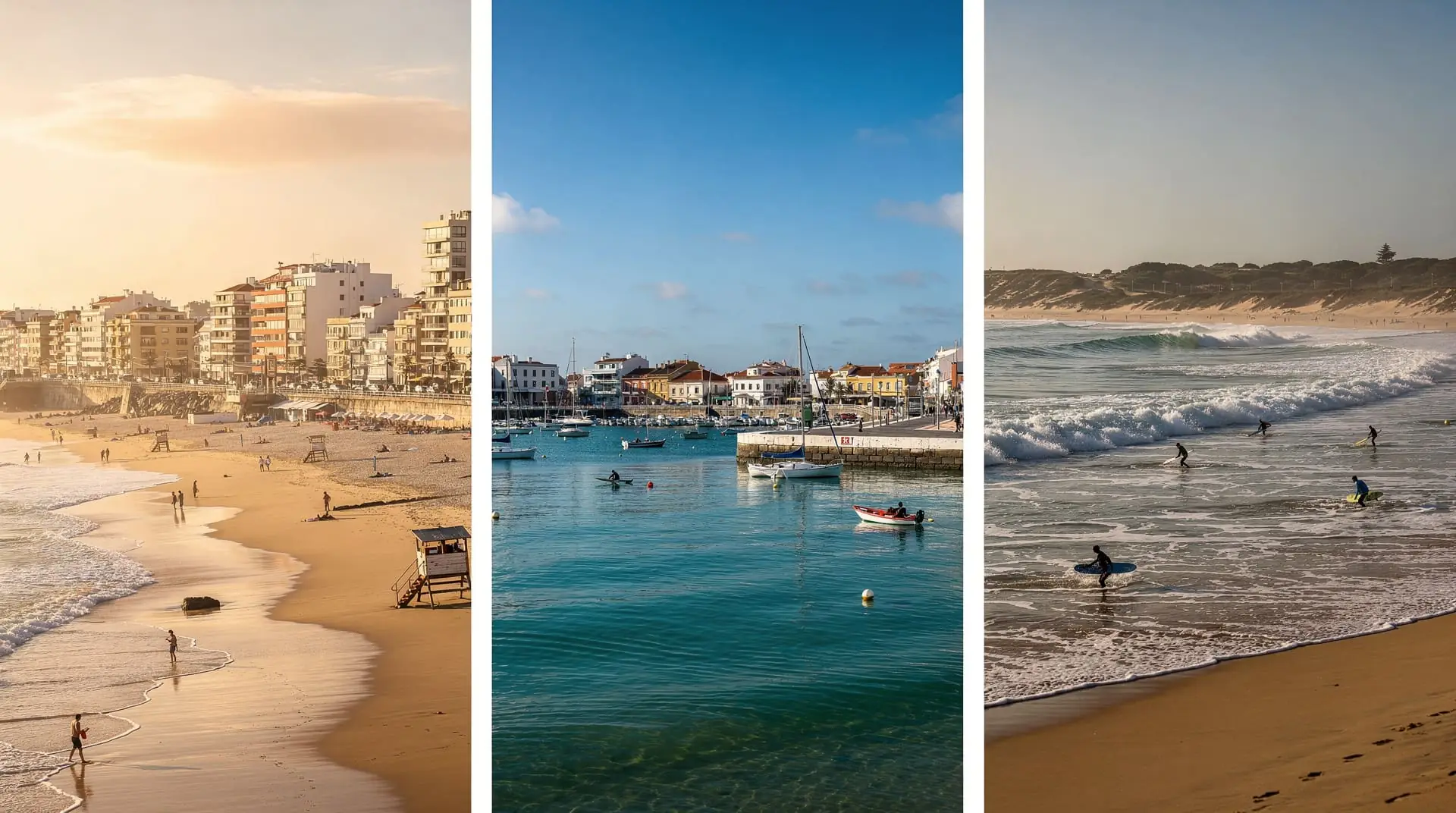
Best beaches near Lisbon — ranked by type and access
The 6 best beaches near Lisbon ranked: Caparica, Carcavelos, Cascais, Guincho, Arrábida, Comporta. By train, bus, and car with honest tips.
Best fado houses in Lisbon: authentic picks and honest warnings
The best fado houses in Lisbon: Clube de Fado, Mesa de Frades, Tasca do Chico, A Severa. Real prices, booking tips, tourist-trap warnings.