Belém
Belém is Lisbon's Age of Discovery district — Jerónimos Monastery, Belém Tower, MAAT, Coach Museum, and the original pastéis de nata. Half a day minimum.
Quick facts
Top tours and experiences
We earn a small commission if you book through GetYourGuide — at no extra cost to you. Every tour is hand-picked and verified.

Lisbon: 48-Hour Hop-On-Hop-Off Bus Tour and Oceanarium Entry
Lisbon: MAAT Entry Ticket & Dolphin Watching Boat Tour
Lisbon: Alfama, Mouraria Walking Tour with Fado Night, Tapas
Lisbon: Hop-On Hop-Off Bus Tour
Lisbon: 1-or 2-Day Hop-On Hop-Off Bus Tour
Lisbon: Boat Tour Ticket and Hop-on Hop-off 48-Hour Bus
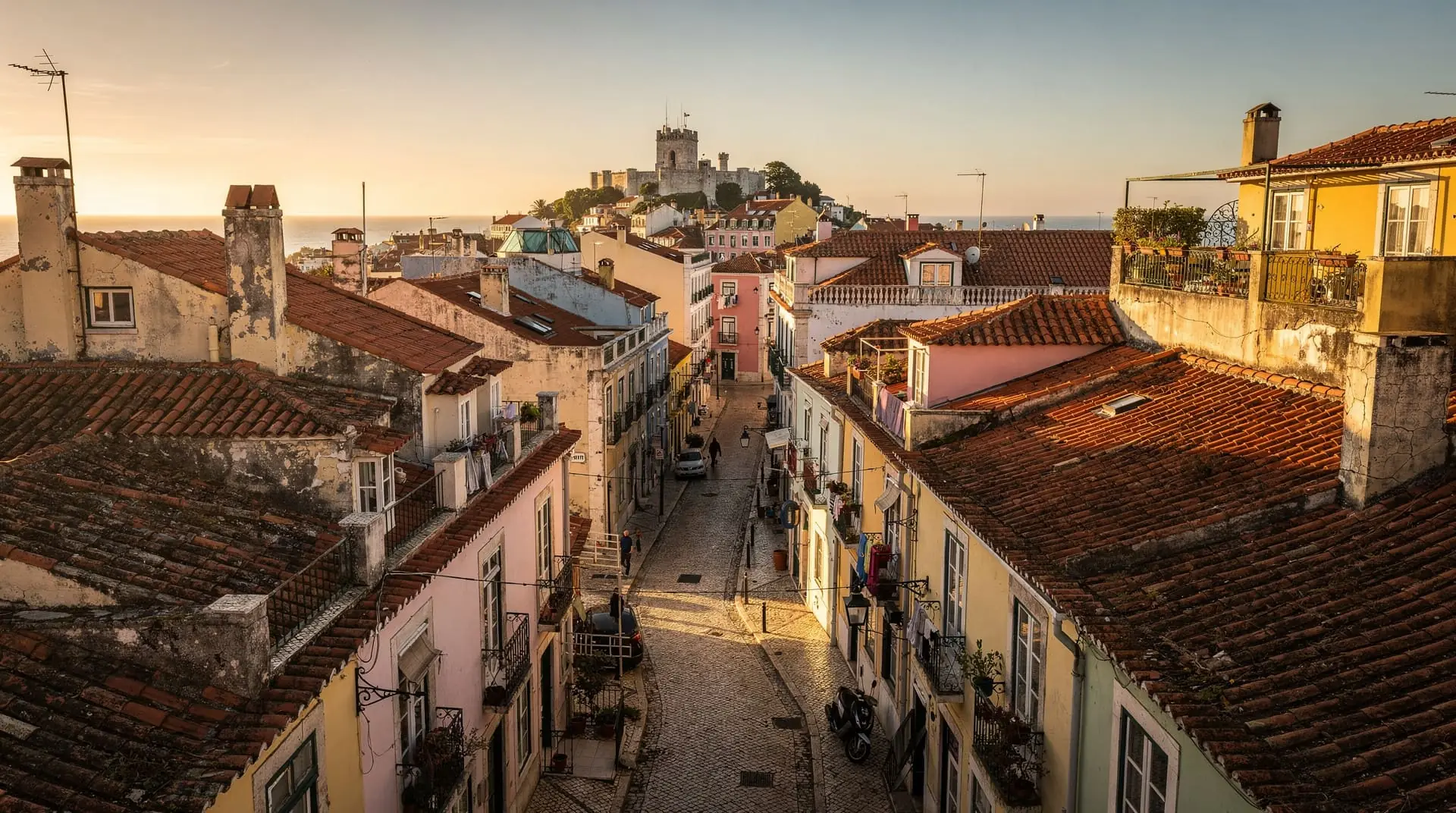
Belém sits 6 km west of Baixa along the Tagus riverfront, where the river widens toward the Atlantic. It was from this bank that Vasco da Gama sailed in 1497 to find the sea route to India, and that the returning spice ships unloaded their cargo. The wealth of those voyages built the neighbourhood’s defining monuments — above all, the Jerónimos Monastery, the most elaborate Gothic-Manueline building in Portugal.
Today Belém is Lisbon’s open-air heritage district: wide riverside lawns, a cluster of world-class monuments within 15 minutes’ walk of each other, a contemporary art museum, and the original pastéis de nata bakery. It is unavoidable on a first visit and excellent on subsequent ones, provided you know what is worth the queue and what can be skipped.
Two honest warnings before anything else: Jerónimos requires pre-booked tickets from April through October (online, same price, no queue). And the Pastéis de Belém bakery queue is real — 15–30 minutes at busy times. Both are manageable with 10 minutes of planning.
| Where | 6 km west of Baixa, along the Tagus riverfront |
| Cost | Jerónimos €12, Tower €10, MAAT €10, combined tickets available |
| Time needed | Half a day to a full day |
| Getting there | Train from Cais do Sodré (10 min) or tram 15E (25–30 min) |
| Best time | Early morning, booked online, April–October |
Getting there
Tram 15E — the most common tourist route. Board at Praça da Figueira (beside Rossio) or Praça do Comércio. Journey to Belém is about 25–30 minutes. The tram terminates at Algés, one stop beyond Belém. Runs every 10–15 minutes during the day.
Train from Cais do Sodré — the commuter train toward Cascais stops at Belém station (3rd stop, about 10 minutes). Fare is the same as a regular metro fare on a Viva Viagem card. This is faster and more reliable than the tram, especially at peak hours. The Belém train station exit puts you directly opposite the main sight cluster.
Bike or e-bike — the riverside cycling path from Cais do Sodré to Belém is flat, scenic, and about 6 km. Several bike rental points along the way. Good option if the day is not too hot.
Taxi or rideshare — about €10–12 from Baixa; 15–20 minutes depending on traffic.
What to see
Jerónimos Monastery
The centrepiece of Belém and the most impressive building in Lisbon. Built between 1501 and 1601 using revenue from the spice trade, the monastery is the peak expression of Manueline style — the distinctly Portuguese late Gothic that uses maritime imagery (ropes, coral, armillary spheres) in its stone carving. The south portal, facing the street, is the most elaborate: a 32-metre vertical cascade of saints, angels, and symbolic ornament that rewards 20 minutes of close attention.
Inside, the church is architecturally astonishing: vaulted nave columns carved like palm trees, the tomb of Vasco da Gama on the lower level. The cloister (separate ticket section) is the architectural highlight — two levels of intricate stone arcading around a square garden. Allow 1.5 hours minimum.
Tickets: €12 for monastery, or €20 combined with the Belém Tower. Book online (same price, no queue). Free the first Sunday of the month — but expect very large crowds. Lisboa Card gives free entry.
Skip-the-line Jerónimos Monastery guided tour with tickets — includes a guide who puts the Manueline carving in historical context. Worth the premium if this is your main Lisbon monument.
Belém Tower
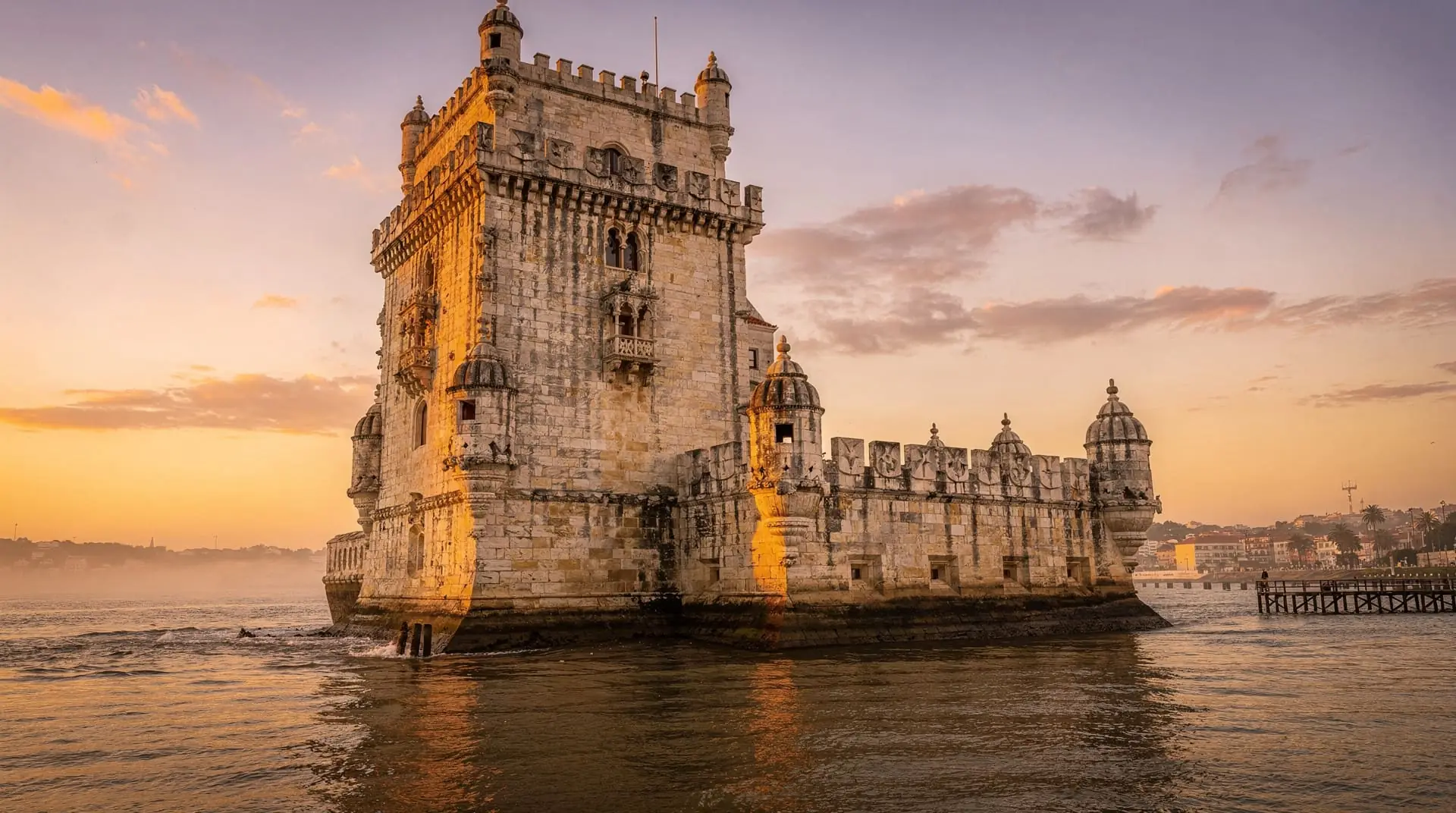
The 16th-century fortress tower built in the middle of the Tagus (now near the bank due to land reclamation) is Lisbon’s most photographed monument and one of UNESCO’s World Heritage Sites. The exterior is magnificent — Manueline decoration, rhinoceros gargoyle on the north bastion, and river light at any time of day.
The interior is cramped and the five floors do not repay the €10 entry unless you want to say you have been inside. The exterior can be admired from the riverside walkway for free. The combined ticket with Jerónimos (€20) is marginally better value than paying separately.
If you want the interior visit, book online — the entrance queues at peak times run 30–45 minutes. The tower has a single narrow staircase, so throughput is slow.
Belém Tower fast-track ticket — for the interior visit without queuing. Recommended in July and August.
Padrão dos Descobrimentos
The Monument to the Discoveries (1960) stands at the riverfront south of Jerónimos — a 56-metre concrete prow with 33 figures from Portuguese history, led by Henry the Navigator. The lift to the top (€10) gives a direct overhead view of the enormous wind-rose mosaic on the plaza below (a 1960 gift from South Africa). The view extends over the Tagus and back toward the city. Worth 30 minutes if you are curious about the Discoveries era; not essential.
MAAT (Museum of Art, Architecture and Technology)
The contemporary art museum opened in 2016 in a building by Amanda Levete that curves along the riverside like a white ceramic wave. Entry covers two buildings: the Central Tejo (a converted 1908 power station) and the newer MAAT gallery. Quality of exhibitions varies, but the architecture and riverside terrace justify a visit even when the shows are uneven.
Tickets: €10, or combined with a boat dolphin-watching tour if you want to make a long day of it. Lisboa Card gives 20% discount.
MAAT ticket with sunset wine experience — the museum’s own combined event: gallery access plus a wine tasting on the rooftop as the sun drops over the Tagus. A good alternative to a standard sunset cruise if you want to include the art.
Coach Museum (Museu Nacional dos Coches)
Often overlooked, the Coach Museum houses the world’s most important collection of historic royal carriages — 70 coaches from the 17th to 19th centuries in a purpose-built building beside the old riding school. The Baroque-era coaches are spectacular: gilded fantasies of carved wood and painted leather. The collection from the Portuguese royal household includes Pope Clement XI’s ceremonial coach from 1716. Allow 45–60 minutes.
Tickets: €10 (with audioguide); Lisboa Card gives free entry.
The pastéis de nata question
Pastéis de Belém (Rua de Belém 84) is the original bakery — the recipe dates to 1837 when monks from Jerónimos began selling the tarts. They are made in-house using a secret recipe. The queue at the street entrance is usually 15–30 minutes; the interior room (take a number and sit) is calmer. A pastel costs €1.40.
They are very good. They are also, in the opinion of most locals, no better than Manteigaria in Chiado or several other Lisbon pastelerias. The “original recipe” is a marketing point; the actual tart quality is excellent but not transformatively different from other good bakers.
Go once, especially if you are already at Belém. Buy a couple to eat warm on the riverside lawn. Do not queue more than 20 minutes — if the queue is long, walk 5 minutes to the Bairro dos Jerónimos café nearby for a comparable tart without the wait. Full honest take in the Belém pastéis queue guide.
The 25 de Abril bridge and the riverside
The suspension bridge visible from every Belém viewpoint is the 25 de Abril bridge (1966) — superficially similar to the Golden Gate (same engineers, Steinman Boynton Gronquist and Birdsall) but painted a slightly different red. At 2.27 km, it connects Lisbon to Almada on the south bank.
Under the bridge, on the north bank, the Pilar 7 interactive exhibition (€10, €7.50 with Lisboa Card discount) allows visitors to walk a suspended footbridge inside the bridge’s pylon — a genuine experience of industrial scale rather than a standard museum. The north tower experience takes about 45 minutes. Not essential for every visitor, but worth considering if you are bringing teenagers or anyone with an interest in engineering.
The riverside path between MAAT and the LX Factory — roughly 1.5 km on flat, paved ground — is the best post-monument walk in Belém. Food trucks set up along the path in spring and summer (May–October); expect sandwiches, craft beer, and fresh juice at €5–10.
Pilar 7 bridge experience ticket — the suspended walkway inside the 25 de Abril bridge’s north pylon. A vertiginous, industrial-scale experience that differs from every other monument in the district.
Where to eat in Belém
Belém’s restaurant strip on Rua de Belém is tourist-oriented. The better options:
Solar do Embaixador (Largo do Jogo da Bola) — solid Portuguese cooking, quieter location, reasonable prices (€15–25 main). Good for a post-monuments lunch.
Landeau Chocolate (Rua das Flores, Chiado, with a Belém outpost) — if you want one thing other than a pastel: their chocolate cake is one of the best in the city. Simple, serious, no other desserts.
Tasca do Manel (Rua da Cozinha Económica) — neighbourhood restaurant, daily specials, packed with local workers at lunch. €10–15 for a full meal. No English menu but the staff cope well with pointing.
Cervejaria Galeria (waterfront near MAAT) — seafood and cold beer with river views. Reliable if overpriced; acceptable for the location (€25–35/head).
For a full city-wide guide, see where to eat in Lisbon.
Where to stay near Belém
Belém has very limited hotel options — most visitors stay in Chiado or Baixa and come by tram or train. If you want Belém proximity:
Altis Belém Hotel & Spa — the only true design hotel in the district. River views, good spa, peaceful location. ~€280–400/night.
Palácio do Governador (Belém) — boutique hotel in a 16th-century governor’s palace, with garden and pool. Around €200–300/night; books out early.
Otherwise, staying in Chiado (15–20 min by tram 15E) puts you well-positioned for Belém as a day excursion.
How long to spend
Minimum (half-day, 09:00–13:00): Jerónimos + Belém Tower exterior + pastéis. Enough to hit the major monuments without rushing.
Full day (09:00–17:00): Jerónimos + Coach Museum + MAAT + Padrão + riverside walk + lunch + pastéis. Comfortable pacing.
With families: the riverside lawns and the Padrão are good for children. The Coach Museum is more engaging for kids than most history museums (enormous gilded coaches are genuinely impressive). The Oceanário is in Parque das Nações but can be combined with Belém in a long day.
Honest tips
Jerónimos queues without booking — if you arrive without an online ticket in April–October, expect to queue 30–60 minutes. Book the day before at minimum; the website rarely sells out but does in peak July–August.
Belém Tower interior — the tower is photogenic from outside; the interior does not match the exterior. If the queue is over 20 minutes and you are short on time, skip the interior and admire from outside.
The riverside path — the 1.5 km waterfront walk from the Padrão west to the LX Factory (via the 25 de Abril bridge underpass) is worthwhile in itself. The bike rental here is a good option for exploring further.
LX Factory — a converted industrial complex 1 km east of Belém, with independent shops, restaurants, and a Sunday market. Not strictly Belém but close enough to combine, particularly on Sunday afternoons.
Which Belém monuments are worth the ticket
With five ticketed sights within 15 minutes of each other, Belém is the district where visitors most often overspend on entries they don’t actually need. A quick comparison:
| Monument | Price | Worth the interior? |
|---|---|---|
| Jerónimos Monastery | €12 | Yes — the cloister is the highlight of the district |
| Belém Tower | €10 | Marginal — exterior view is free and comparable |
| MAAT | €10 | Yes if exhibitions interest you; architecture alone is a draw |
| Coach Museum | €10 | Yes for families; underrated for the collection’s scale |
| Padrão dos Descobrimentos | €10 | Optional — pleasant view, not essential |
If budget or time is limited, prioritise Jerónimos first, then the Coach Museum or MAAT depending on whether you prefer history or contemporary art, and treat the Tower and Padrão as exterior-only stops. The combined Jerónimos + Tower ticket (€20) only makes sense if you actually want the Tower interior; otherwise buying Jerónimos alone and admiring the Tower for free saves €8 with no real loss.
The Lisboa Card changes this calculation meaningfully if you already hold one — it covers free entry to Jerónimos, the Coach Museum and the Pilar 7 bridge experience, and gives a discount at MAAT, which can make visiting all four financially sensible even for travellers who would otherwise have skipped one or two on cost grounds alone. Without the card, picking two or three sights deliberately, rather than trying to see all five, keeps both the budget and the day’s pace under control.
Families travelling with children under about ten years old generally get the best return from a shorter list weighted toward the Coach Museum and the riverside lawns, with Jerónimos treated as a shorter architectural stop rather than the full 1.5-hour visit an adult might take. Trying to complete all five ticketed sights with young children in one day tends to produce museum fatigue well before the Padrão or MAAT, undermining the value of tickets already paid for.
Frequently asked questions about Belém
Do I need to book Jerónimos Monastery tickets in advance?
Yes, from April to October — and preferably year-round to avoid any queue. Tickets are available at the monastery website (same price as the desk, ~€12). Walk-up is possible but slow, especially on weekends. Book at least 24 hours ahead.
Is the Belém Tower worth visiting inside?
The exterior is worth seeing from the riverside for free. The interior involves narrow stairs and modest exhibits. Worth it if you have the Lisboa Card (free entry) or the combined ticket with Jerónimos. Skip the interior if the queue is long — you can see everything significant from outside.
How do I get to Belém from Lisbon city centre?
Tram 15E from Praça da Figueira (25–30 min) or train from Cais do Sodré (10 min, Cascais line). The train is faster and more reliable. Both run frequently during the day.
Are the pastéis de nata at Pastéis de Belém really the best in Lisbon?
They are excellent. Whether they are definitively “the best” is debated by locals — Manteigaria in Chiado, Aloma in Campo de Ourique, and several neighbourhood bakeries all make a strong case. Go once for the experience; do not queue more than 20 minutes. See the pastéis de nata guide.
Can I combine Belém with a day trip to Sintra?
Technically possible but tiring. Sintra is in the opposite direction from Belém; combining them means crossing the entire city twice. Better to split them into separate days. Belém is a half-day; Sintra needs a full day. See the Lisbon 3-day itinerary for a logical sequence.
Is Belém good for children?
Yes. The riverside lawns are excellent for running around between monuments. The Coach Museum is genuinely impressive for children (huge gilded carriages). MAAT has interactive sections. The pastéis de nata bribery potential is also considerable.