Ericeira
Ericeira is Portugal's World Surfing Reserve — whitewashed fishing village, Ribeira d'Ilhas break and world-class surf schools.
Quick facts
Top tours and experiences
We earn a small commission if you book through GetYourGuide — at no extra cost to you. Every tour is hand-picked and verified.
In 2011, Ericeira became only the second place in the world (after Malibu, California) to be designated a World Surfing Reserve — an international recognition of the extraordinary quality and variety of its surf breaks across a protected 4-km stretch of coast. The WSR designation covers seven distinct breaks: Pedra Branca, Pico, Cave, Ribeira d’Ilhas, Crazy Left, Coxos and São Lourenço. Each has its own character and optimal conditions; collectively, they can produce rideable waves for beginners and world-class barrels for professionals in the same morning.
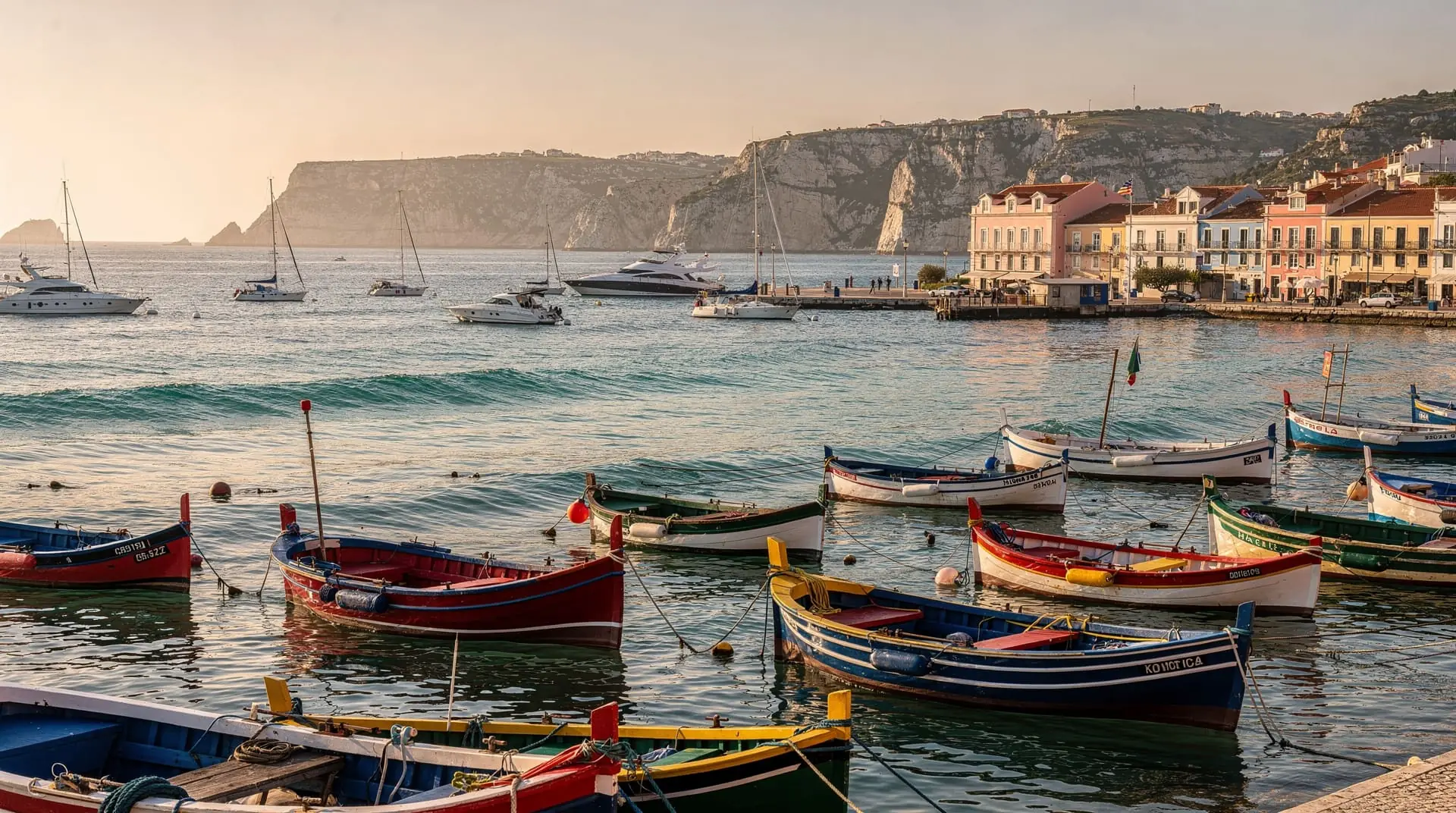
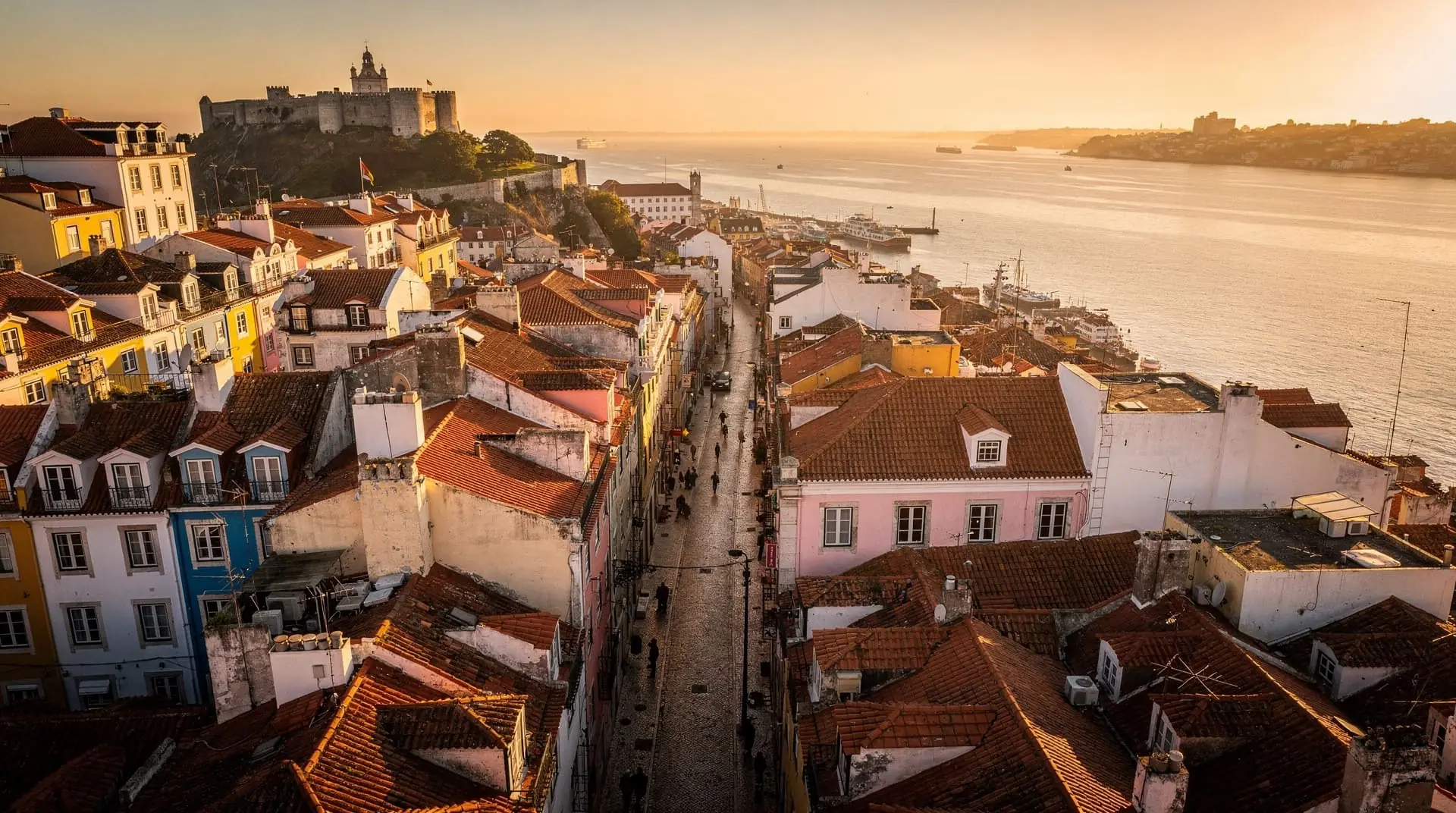
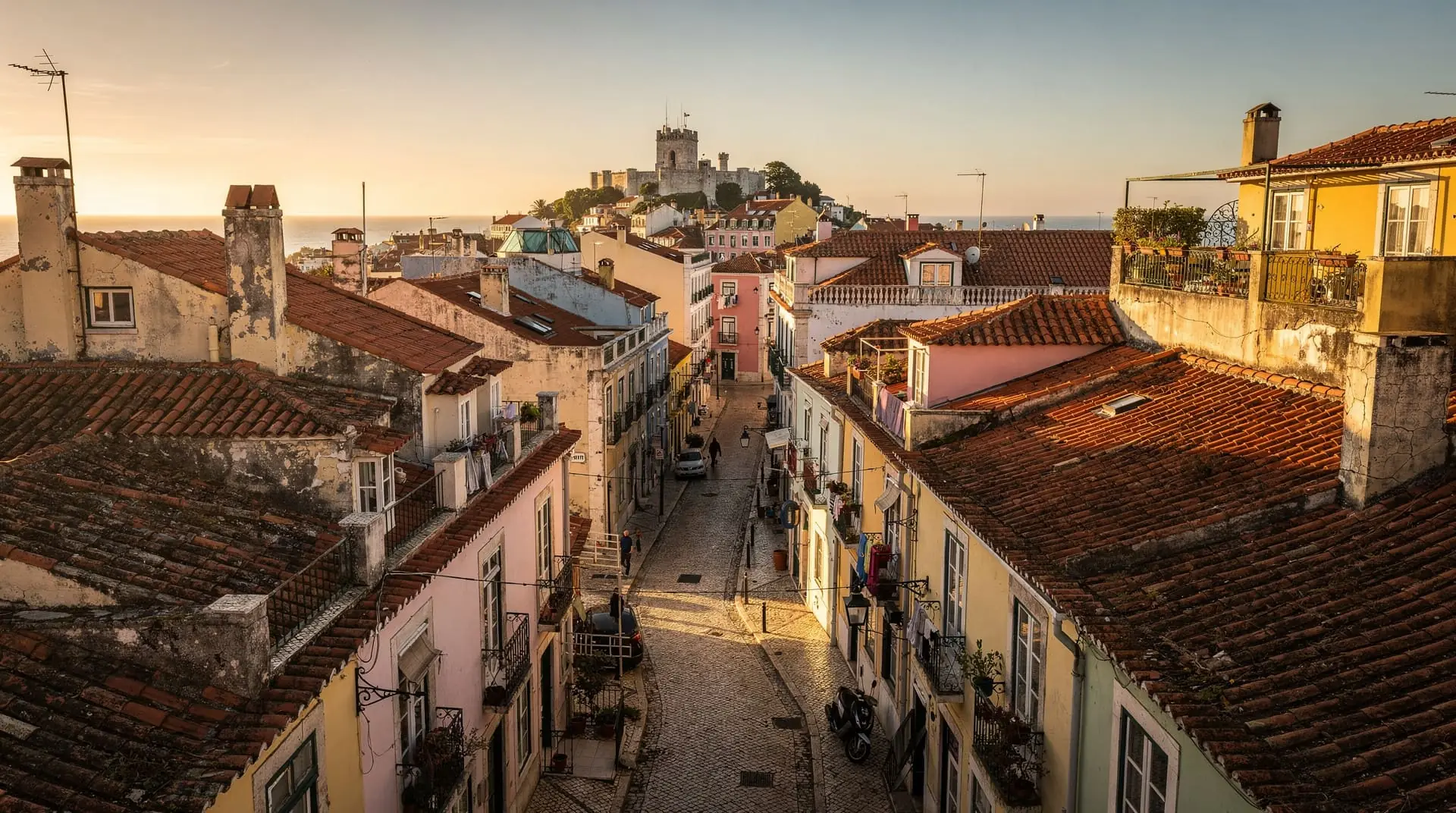
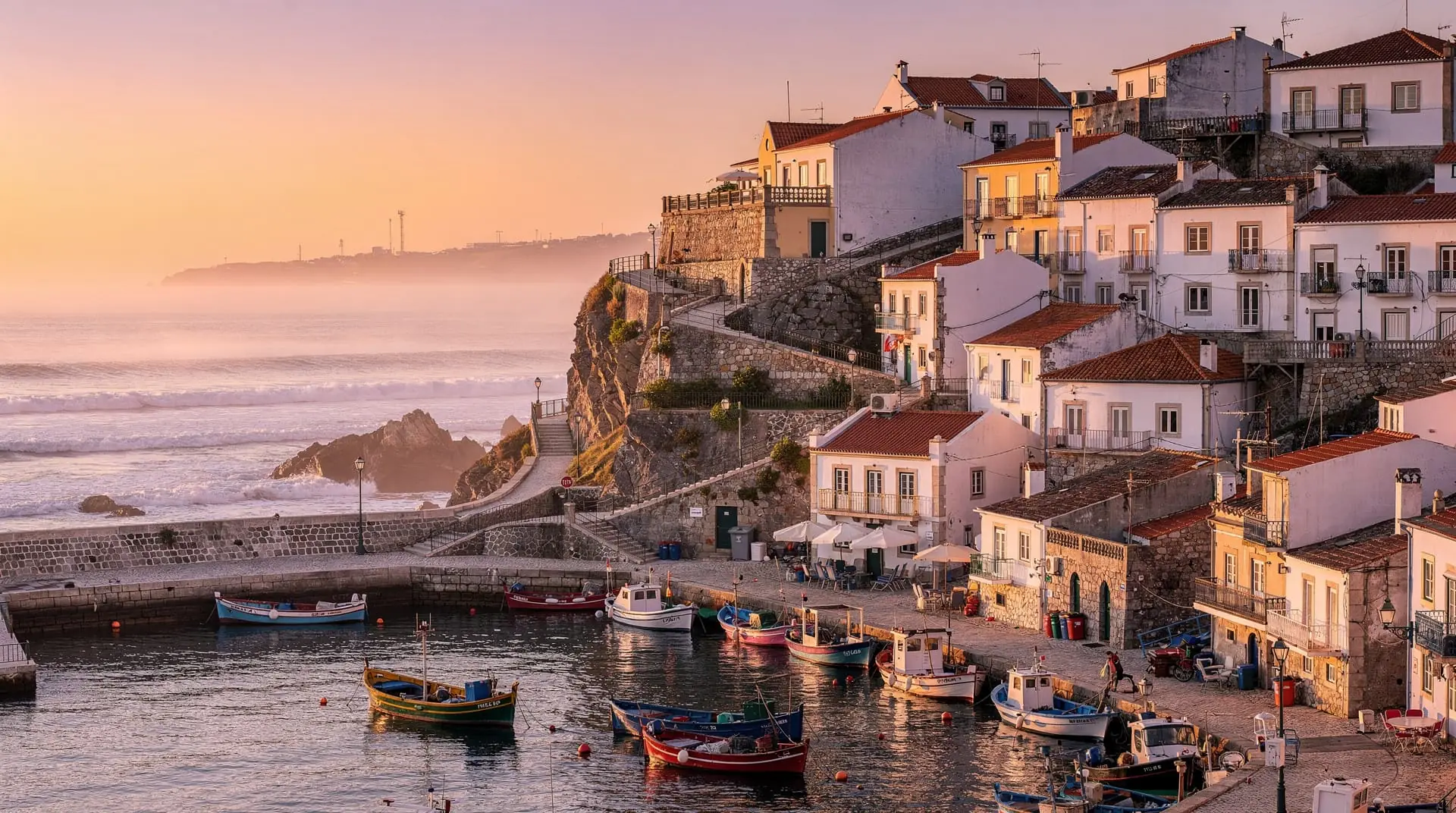
But Ericeira is more than a surf destination. The whitewashed fishing village above the cliffs has kept more of its character than most Portuguese coastal towns that discovered tourism — the azulejo-tiled church of Santo António, the narrow lanes of the old quarter, the working fishing boats still launching from the rocky beach at Praia dos Pescadores, the excellent seafood in restaurants that predate the surf schools. An afternoon walking the village after a morning in the water is one of the pleasures of a Lisbon day trip.
| Where | 48 km northwest of Lisbon, Atlantic coast |
| Cost | Mid-range; surf lesson €35–50, mains €12–22 |
| Time needed | Full day; overnight for a surf trip |
| Getting there | Mafrense bus from Campo Grande (75 min) or car (45 min) |
| Best time | September–May for surf; June–August for beach town atmosphere |
The fishing village above the surf
Ericeira’s old centre clusters around a clifftop above the Atlantic, its white-and-blue painted houses tight against each other in the typical pattern of Portuguese fishing villages built for protection against Atlantic storms. The azulejo panels covering the façade of the Parish Church of São Pedro (18th century) are among the finest in the region. The main village square, Praça da República, has been the social centre since the town received its charter in 1229.
The village has a melancholy historical footnote: it was from Ericeira’s Praia dos Pescadores in October 1910 that Portugal’s last king, Manuel II, fled into exile aboard a British warship as the Republic was proclaimed in Lisbon. A plaque marks the spot on the cliff.
The surf culture arrived in the 1970s and 1980s, brought by Portuguese and European wave-hunters drawn to Coxos and Ribeira d’Ilhas. The two communities — fisherfolk and surfers — have coexisted with more grace here than in some Portuguese coastal towns, in part because Ericeira never became purely seasonal; the surf runs through winter, which keeps the town alive and economically mixed year-round.
Getting to Ericeira from Lisbon
By bus — the public transport route
Mafrense buses run from Campo Grande terminal (Lisbon metro: yellow line) to Ericeira. Journey time is approximately 75 minutes; fare around €6 single. Buses run roughly every 30–60 minutes. This is the only reasonable public transport option — there’s no direct train, and no bus from the city centre (you must go to Campo Grande metro first, then change to the Mafrense service). Our getting around Lisbon guide covers the metro connections to Campo Grande.
On return, the same service runs back to Campo Grande. Last buses are typically by 8–9 PM; check the current Mafrense schedule at mafrense.pt.
By car — the most practical option
The A8 motorway from Lisbon to Torres Vedras, then the A21 or IC22 to Ericeira: 45–55 minutes depending on traffic and where in Lisbon you start. Parking in the village centre is limited; the main free car park is above the cliffs at Praia de São Sebastião (a 5-minute walk from the village centre). Arrive before 10 AM on summer weekends to guarantee a spot.
Having a car is an advantage in Ericeira — it lets you explore the different surf breaks along the coast (Coxos is 4 km north of the village, inaccessible on foot and not served by local buses) and combine the day with Mafra.
On a day tour from Lisbon
Several operators run Mafra and Ericeira combined day trips.
Ericeira, Azenhas do Mar and Mafra Palace private day trip from LisbonThe surf breaks
Ribeira d’Ilhas
The centrepiece of the WSR and the best-known break. A long right-hander over a rocky reef, consistent from September through May, capable of producing 2–4 metre walls on good winter swells. The WSL (World Surf League) holds its Rip Curl Pro Portugal here most years in October — when the conditions can be exceptional and the crowds at the viewpoint above the break are substantial. Intermediate to advanced break; the paddle-out is not trivial. Road access directly to the break from the N247.
Coxos
4 km north of the village, Coxos is widely considered one of the best right-hand reef breaks in Europe. Hollow, fast, powerful, with a serious hold-down zone in larger swells. Expert surfers only. The drive there via dirt track requires a vehicle that handles rough surfaces; no public transport.
Pedra Branca and Pico
Two breaks within walking distance of the village, both capable on medium swells. Pedra Branca is a beach break that works well for intermediate surfers learning to read reef conditions; Pico is more technical. These are the most accessible breaks for day-trippers who want to surf rather than just watch.
São Lourenço and Praia de São Sebastião
Two beaches on the south side of the village, accessible on foot. São Sebastião is calmer — a good spot for beginners in the whitewater and for non-surfers who want a beach day. The sand is coarser than beaches further south but the cliff backdrop is dramatic.
Surf schools and lessons
A cluster of well-established surf schools operates in Ericeira, offering lessons for complete beginners through to coaching for intermediates.
Ericeira surf school — 2-hour lesson with equipment rental Ribeira d’Ilhas surf lessons at the WSR competition breakMost schools offer a 2-hour group lesson for €35–50 per person, including board and wetsuit. A 5-day beginner surf course (mornings only) typically costs €150–200 and will get you standing on a wave reliably. Private lessons run €60–80 per hour.
For non-surfers accompanying surfers: Ribeira d’Ilhas has an excellent clifftop viewing area — watching the surf from above with coffee from the van at the car park is one of the genuine free pleasures of the Lisbon coast.
What to do beyond surfing
The old village: Half an hour’s walk through the lanes of the historic centre — the Jardim Municipal, the Igreja Matriz, the cliffside miradouro above Praia dos Pescadores — is genuinely pleasant and uncrowded outside summer weekends. The 18th-century azulejo panels on the façade of the Igreja de Santo António are particularly fine and often walked past without stopping.
Praia dos Pescadores: The small working beach in the village where fishing boats still launch and land. Not a swimming beach; too rocky and the boat traffic makes it impractical. But the scene of weathered wooden boats, nets and fishermen is the most authentically working-port thing you’ll see on this coast. The clifftop above Praia dos Pescadores has a small viewpoint (miradouro) with good views north toward the WSR surf breaks.
Praia do Sul: 10 minutes’ walk south of the village, a calmer beach good for swimming when the swell at the surfing breaks makes them dangerous for beginners. Significantly less crowded than the northern beaches on summer weekends because it doesn’t have the surf breaks that attract the crowds.
The Wednesday market: If you visit on a Wednesday morning, the local market in the car park above the village sells vegetables, cheese, smoked meats and local crafts at fair prices. A good place to pick up Serra de Sintra honey or Mafra-area cheeses.
Natural swimming: Ericeira has several tidal rock pools below the village cliffs that locals use for swimming. Ask at the tourist office for the current accessible spots — seasonal rockfalls and tidal conditions vary. The best are on the north side of Praia dos Pescadores and near the Cova do Vapor access point south of the village.
Where to eat in Ericeira
Ericeira has a solid restaurant scene for a village of 8,000 — the fishing harbour heritage means fresh fish is a reliable constant.
A Grelha — on Rua da Prainha, one of the oldest restaurants in town. Grilled fish by weight, bread and olives included (check the couvert charge before ordering). No-frills, good value, go at lunchtime.
Marlene — slightly upmarket, good peixe espada (black scabbardfish) and açorda de marisco (seafood bread stew). Rua Prudêncio Franco da Trindade.
Ouriço — one of the newer, surf-culture-influenced spots. Açaí bowls and fresh fish in equal measure. Good for breakfast and lunch.
Pátio — in the old town, reliable petiscos and local wine by the glass. Popular with resident surfers in the evening.
A Gaivota — on the clifftop with sea views, predictably popular and requires booking in summer. Good grilled fish and decent wine list.
Where to stay in Ericeira
Surf lodges: The characteristic Ericeira accommodation for surf trips. Most include board storage, wetsuit drying rooms, surf school packages and communal areas. Hospedaria Vinetur, Ericeira Surf Lodge and Retiro do Frade are well-reviewed options.
Guesthouses: Several small guesthouses in the old village (particularly around Rua Eduardo Burnay and the main square) offer clean rooms from €60–80 per night, with the advantage of being in the village rather than out on the coastal road.
Hotels: For something more polished, Arantes Hotel Ericeira (above the cliffs, sea views) is the most reliable mid-range option. Book ahead for summer weekends.
Honest tips
Car beats bus for the surf breaks: The bus from Lisbon drops you in the village. To access Coxos and Ribeira d’Ilhas efficiently, you need a car. If you don’t drive, the surf schools will often arrange pick-up from the village centre for lessons.
Surf season vs beach season: The best surf conditions are September–May. June–August brings lighter winds and calmer seas — better for beginners and non-surfers, but experienced wave-hunters won’t find the challenge they came for.
Ericeira is popular on weekends: In summer, the village fills with Lisbon residents. Arriving on a weekday is noticeably quieter and parking is easier. For surf lessons, the schools are less crowded mid-week in June–August.
Mafra combination: Ericeira and Mafra are 12 km apart on the same road. A day trip combining the Mafra Palace in the morning (allow 2.5 hours) with Ericeira in the afternoon is a natural pairing. Our day-trip transport guide covers the logistics.
Surf conditions: Ericeira’s surf varies significantly by season. For an overview of all surf options near Lisbon including Costa da Caparica and Peniche, see our surfing near Lisbon guide and the surf lessons guide.
How Ericeira fits into a Lisbon trip
Ericeira works best as a day trip with a car, or as part of an overnight surf trip. For non-surfers, it’s more rewarding than Estoril for a day trip but less convenient than Cascais, which is easier to reach and has more varied things to do.
The most coherent day trip: drive from Lisbon (45 min), Mafra Palace (2.5 hours), lunch in Ericeira, afternoon surf lesson or beach at São Sebastião, return to Lisbon by 7 PM. See the day trips from Lisbon guide for a broader comparison of western coast options. The Lisbon Sintra Cascais coast itinerary positions Ericeira as a day-3 alternative for visitors with a car who want variety beyond the main tourist circuit. Use our day-trip matcher tool to check which combination suits your travel style.
Ericeira by season
Surf and beach conditions vary enough by month that it’s worth planning your visit around what you actually want:
| Months | Swell | Water temp | Crowds | Best for |
|---|---|---|---|---|
| Oct–Mar | Large, powerful, 2–4m walls | 15–17°C | Low outside the WSL event | Experienced surfers, quiet village |
| Apr–May | Building, consistent | 16–18°C | Moderate | Intermediate surfers, good light |
| Jun–Aug | Smaller, gentler | 18–21°C | High, especially weekends | Beginners, beach days, families |
| Sep | Building again, warm water lingers | 19–20°C | Moderate | The sweet spot — good surf and warm sea |
The Rip Curl Pro Portugal at Ribeira d’Ilhas typically runs in October — check the WSL calendar if you want to watch (or avoid the crowds it brings to that specific break).
Ericeira vs Costa da Caparica for a surf day
Visitors deciding between the two nearest serious surf spots to Lisbon: Costa da Caparica is 15 km from the city and reachable by a direct 45-minute bus, making it the practical choice for a half-day lesson without a car. Ericeira is further (75 minutes by bus, 45 by car) but has the World Surfing Reserve breaks, a genuinely characterful fishing village, and a wider range of wave types from beginner-friendly to expert-only. If you’re spending one day in Lisbon and want a taste of surfing, Caparica is easier logistics. If surfing is a real focus of your trip, Ericeira rewards the extra travel time.
Frequently asked questions about Ericeira
Is Ericeira good for beginner surfers?
Yes, but choose the right beach and school. Praia de São Sebastião (south of the village) offers a calmer environment for absolute beginners learning in the whitewater. The surf schools here are accustomed to total beginners and use foam boards. Ribeira d’Ilhas and Coxos are for experienced surfers only.
How do I get to Ericeira from Lisbon without a car?
Mafrense buses from Campo Grande metro station (yellow line in Lisbon) run to Ericeira. Journey time about 75 minutes, fare around €6. Buses run every 30–60 minutes but the schedule is less frequent in evenings. Check mafrense.pt for current timetables. No direct train service to Ericeira.
What is a World Surfing Reserve?
A designation by the Save The Waves Coalition recognising surf zones of exceptional quality and ecological significance, with a commitment from local communities to protect them. As of 2026 there are about 14 worldwide. Ericeira was the first outside North America and Australia. The status brings conservation commitments and limits certain types of coastal development.
When is the best time to surf in Ericeira?
October through March brings the most consistent and powerful Atlantic swells, with offshore winds common in the mornings. September and April–May are excellent for surf with slightly warmer air temperatures. June–August is the weakest surf season — lighter winds, smaller waves, suitable for beginners. Water temperatures range from 15°C in winter to 21°C in summer.
Can I combine Ericeira and Mafra in one day?
Yes, and this is the recommended combination. Mafra National Palace in the morning (9 AM–12:30 PM, 2.5 hours), then 12 km to Ericeira for lunch and the afternoon. By car it’s seamless. By public transport it’s doable but requires checking bus connections between the two towns (Mafrense also serves Mafra village). See our Mafra destination guide for palace timing details.
Is Ericeira or Costa da Caparica better for a first surf lesson?
Both work for beginners, but Costa da Caparica is easier logistically — a direct 45-minute bus from central Lisbon versus 75 minutes to Ericeira. Ericeira has more character as a village and a wider range of breaks if you want to progress beyond a single lesson, but for a one-off half-day lesson without a car, Caparica is the more practical choice.
How many days should I spend in Ericeira?
A single day trip is enough to get a feel for the village and one surf lesson. If surfing is a real priority, 2–3 nights lets you experience different breaks under different conditions and gives lessons time to actually improve your technique — most surf lodges offer multi-day packages built around this.