Tróia
Long sandy peninsula across the Sado from Setúbal, reached by ferry in 15 minutes. Roman ruins, golf, dolphin tours, and 18 km of Atlantic beach.
Quick facts
Top tours and experiences
We earn a small commission if you book through GetYourGuide — at no extra cost to you. Every tour is hand-picked and verified.
Setubal & Tróia: Sado Estuary Dolphin Watching Boat Trip
Sesimbra: Arrábida Beaches & Caves Boat Tour with Snorkeling
Sesimbra: Secret Bays and Beaches Boat Tour with Snorkeling
Sesimbra: Private Boat Tour-Wild beaches, secret bays, Caves
Sesimbra: Scenic Boat Tour & Snorkeling/Paddle Boarding
Sesimbra: Boat Tour with Lunch at Portinho da Arrabida
The Tróia peninsula is one of those places that works differently depending on which direction you approach it from. From Setúbal’s waterfront, it appears as a thin line of pines and sand across the Sado Estuary — which is exactly what it is. From the Atlantic side, it is 18 kilometres of virtually uninterrupted sand beach backed by dunes and pinewood, with swimming conditions that are consistently better than the rough Atlantic coast further north.
The key facts: you can only reach Tróia by ferry. The peninsula has no road connection to the mainland to its west — the road ends at Comporta to the north and the only way in from the south is a very long drive around. The car ferry and passenger ferry both depart from Sadoport terminal in Setúbal. The passenger crossing takes 15 minutes and costs €3.50 one-way; the car ferry is more expensive and runs less frequently. For a day trip, the passenger ferry is the right choice.
The Roman ruins at Cetóbriga
The most historically significant thing on the peninsula — and the least visited — is Cetóbriga, a substantial Roman fish-processing settlement dating from the first to fifth centuries AD. The site is on the Sado estuary side of the peninsula, a short walk from the ferry terminal at Tróia marina, and entry is free.
What survives is remarkable for something this accessible: large fish-salting tanks (cetárias) cut into the rock, mosaic floors (partially covered for protection), walls of opus incertum, and a necropolis. The Romans processed salt fish and garum (fermented fish sauce) here on an industrial scale and exported it throughout the empire. The interpretation boards are in Portuguese and English.
The site is small enough to see in 45–60 minutes and is often deserted even in August — most visitors who come over on the ferry head straight for the beach and never look for the ruins. The archaeology is genuinely impressive given its low profile.
Ferry transfer to Tróia and the Roman ruins by boat from SetúbalGetting to Tróia
From Setúbal (recommended): Take the Fertagus train from Lisbon Roma-Areeiro to Setúbal (50 min, ~€5). Walk 15 minutes to the Sadoport ferry terminal on Doca de Recreio, or take a local taxi (€7–8). The passenger ferry runs throughout the day, every 30–45 minutes in peak season. Return ticket: around €7. The ferry is also used by commuters, so it runs early and late.
By car ferry: If you want to drive around the peninsula or continue south toward Comporta, the car ferry runs less frequently (roughly every 2 hours) and costs significantly more — around €12–15 return per vehicle. For a simple beach day or Roman ruins visit, the passenger ferry is far more practical.
From the Alentejo coast: Approaching Tróia from the south via the Alentejo coast (Comporta, Carvalhal, Melides) is a beautiful coastal drive, but it adds 2–3 hours to the journey from Lisbon. This route makes sense if you are already in Comporta or doing a multi-day southern Portugal circuit.
Dolphin watching in the Sado Estuary
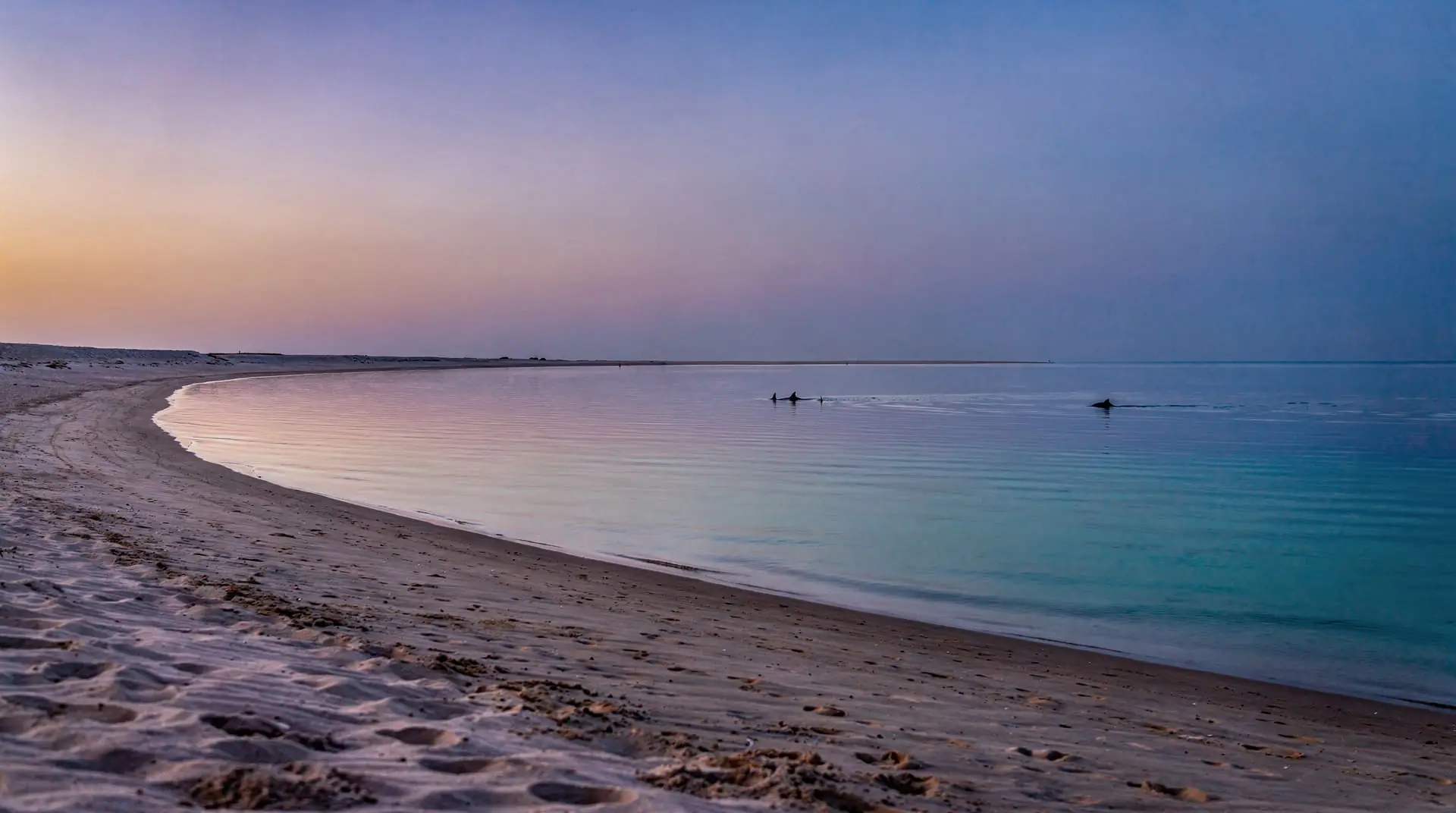
The ferry crossing gives you a preview of what the Sado Estuary holds: the resident bottlenose dolphins who live in these waters year-round. The Sado population is one of only two resident bottlenose groups in mainland Portugal and numbers around 30–35 individuals. They are studied and individually identified by researchers, and their presence in the estuary between Setúbal and Tróia is extremely reliable.
Dolphin watching tours depart from both Setúbal and from the Tróia marina. Most run 2–3 hours and cover the central estuary where the dolphins typically feed and rest. Encounters are close — these animals are used to vessel traffic — and sightings rates are exceptionally high.
Private Tróia boat tour with wine tasting from SetúbalThe Atlantic beach
The western (Atlantic) side of Tróia is the beach. It is long, flat, backed by pines and dunes, and lightly developed relative to its quality. The main beach areas are:
Praia de Tróia — near the ferry terminal and the marina complex. Most facilities: showers, toilets, beach bars. Calm by Atlantic standards because the peninsula’s northern tip bends the incoming swell slightly.
Praia de Comporta side — walking north along the peninsula brings you progressively further from the crowds. The sand is virtually identical but emptier. A small land train (transpraia-style) runs along the beach road in summer for those who do not want to walk.
Water conditions — the Atlantic side of Tróia can have surf and currents that the Arrábida beaches lack. It is safe for strong swimmers and supervised children, but noticeably rougher than Portinho da Arrábida. The estuary side of the peninsula, near the ruins and marina, is calmer.
What else to do at Tróia
Golf — Tróia has an 18-hole championship golf course on the peninsula. It is expensive (green fees €80–100+) but beautiful, with fairways along the estuary and pine scrubland.
Tróia marina restaurants — the marina has several restaurants that cater to ferry visitors. The fish is decent but not outstanding by Setúbal or Sesimbra standards; treat them as convenient lunch options rather than culinary destinations. Marisqueira Neptuno at the marina is the best of the cluster.
Walking the peninsula — the pine forest between the ruins and the Atlantic beach is pleasant for a morning walk. The vegetation is a mix of umbrella pines and scrubland, and the birdlife is active in spring and autumn.
Where to eat at Tróia
The peninsula is thin on restaurant options outside the marina cluster and a few beach bar grill operations in season. For a proper meal, take the ferry back to Setúbal — the city has a far wider range at better prices.
If staying at the peninsula: Marisqueira Neptuno at the marina is the most reliable option for fresh fish (€18–25 for a main). In summer, beach restaurants (palheiros) open along the Atlantic beach road — grilled fish, beers, and sandwiches at €12–18.
Where to stay at Tróia
Tróia Resort dominates the peninsula’s accommodation — it is a large-scale tourism development with hotel rooms, apartments, and villas. Prices range from €120/night (apartment) to €250+ in peak season. The facilities are extensive (pools, spa, beach club) but the atmosphere is more resort complex than Portuguese village.
Most visitors day-trip from Setúbal or Lisbon. If you want an extended beach holiday at Tróia, the resort works, but Comporta (accessible by car from the north end of the peninsula) offers a more characterful alternative.
How long to spend
Half a day is enough for the ferry crossing, Roman ruins, and a swim at the beach. Take the morning train to Setúbal, the 10am or 11am ferry to Tróia, explore Cetóbriga, eat at the marina, swim, and take the afternoon ferry back.
A full day allows you to add a dolphin tour (book in advance) or a long walk north along the beach. Some visitors combine Tróia in the morning with Setúbal’s old town and Mercado do Livramento in the afternoon before heading back to Lisbon.
Honest tips and traps
Car ferry queues are long in summer. If you insist on driving to Tróia, arrive at the Sadoport terminal at least 45 minutes before your intended departure on summer weekends. The queuing system is not efficient. The passenger ferry has no queuing issue and is far more pleasant.
There is no town on the peninsula. Tróia Resort, the marina cluster, and beach bars are it. If you expect a Portuguese village experience, Sesimbra or Setúbal will satisfy where Tróia will not.
The Roman ruins have limited interpretation. The archaeology is genuinely impressive but the on-site information is basic. Doing some reading beforehand (or taking a guided tour that includes Cetóbriga) makes a significant difference to how much you get from the visit.
Mobile signal is weak in the pine forest. Download the ferry schedule (Sadoport app or website) before you cross, especially for the return timing.
How Tróia fits an itinerary
Tróia works best as a half-day addition to a Setúbal day — morning in Setúbal’s market and old town, afternoon ferry to Tróia for the ruins and a swim. For a more relaxed pace, see the Setúbal and Arrábida day trip guide which covers the full peninsula in a logical sequence.
Tróia also features in the 5-day Lisbon itinerary and the 7-day Lisbon and around itinerary. For comparing options, the day trip matcher tool helps you choose between Tróia, Arrábida, Sintra, and other destinations based on your priorities and transport options. The dolphin watching guide covers the Sado Estuary dolphin experience in detail, including the difference between Setúbal-based and Tróia-based tours. For the Sado ferry logistics, the ferries guide covers Transtejo and Sadoport connections. The nearby Sesimbra guide and Arrábida guide complete the southern peninsula picture.
Tróia and Comporta: extending south
Tróia is the northern end of a 50 km sandy peninsula that continues south as the Comporta coast. If you have a car and are combining Tróia with a broader Alentejo coastal day, it is possible to drive through the peninsula from the Tróia ferry terminal to Comporta and the villages of Carvalhal and Melides — this is a longer, more remote version of the day that requires good timing with the ferries and an awareness that there is limited food and petrol on the peninsula.
Comporta (see the Comporta guide) is the fashionable counterpart to Tróia’s functional beach resort atmosphere: boutique hotels, natural dunes, rice fields, and a village scene that attracts a different clientele. The two sit at opposite ends of the peninsula and can be combined in a long day with a car. From Comporta it is a 3.5-hour drive back to Lisbon via the A2 if you bypass the ferry.
For most visitors, Tróia as a half-day from Setúbal is the right call. Comporta deserves a separate trip.
Seasonal notes for Tróia
Spring (April–May): Quietest on the beach; the Atlantic is cold (14–16°C) but the dune walks and Roman ruins are excellent without the summer crowds. The Sado dolphins are active year-round. Good for birdwatching in the estuary (flamingos, spoonbills, and herons use the Sado wetlands).
Summer (June–September): Peak season; the beach is at its best, but the ferry car queues are genuinely long on weekends. Stick to the passenger ferry and go early. The resort facilities (pools, beach clubs) are all open. Water temperature peaks around 21–22°C in August.
Autumn (October–November): The resort quietens dramatically, some facilities close, but the Sado dolphins remain. Good for a quiet beach walk and an uncrowded Cetóbriga visit.
Winter: Tróia Resort scales down significantly. The passenger ferry continues to operate, the Roman ruins are accessible, and the Atlantic storms make the beach scenery dramatic. Not a beach swimming destination but a pleasant wild-coast walk.
Practical logistics for a Tróia day trip
Buy a return ferry ticket at the Sadoport terminal in Setúbal (not online — the booth at the terminal is straightforward). Keep your return half. The last passenger ferry from Tróia back to Setúbal runs around 9pm in summer; earlier on winter weekdays.
The marina to the Roman ruins is a 10-minute flat walk on the estuary side of the peninsula. The signs are in Portuguese; follow “Cetóbriga” from the ferry landing. The path is paved for most of the way.
Sunscreen and water are essential at Tróia — the beach is exposed with no natural shade. The marina shops stock basics but at higher prices than Setúbal. Fill a water bottle before boarding the ferry.
No ATM at Tróia (outside the resort hotel lobby). Bring cash or a card; most restaurants at the marina accept cards but the beach bars sometimes cash-only. For transport planning, the day trip transport guide covers the Fertagus + ferry combination in detail.
Frequently asked questions about Tróia
How do I get from Lisbon to Tróia?
Train from Roma-Areeiro to Setúbal (Fertagus line, 50 min, ~€5), then passenger ferry from Sadoport terminal to Tróia marina (~15 min, ~€3.50 one-way). The ferry runs throughout the day; no advance booking needed for foot passengers. Total journey time from Lisbon is around 1 hour 20 minutes.
What are the Roman ruins at Tróia?
Cetóbriga was a Roman industrial fishing settlement active from the first to fifth centuries AD. The well-preserved remains include large fish-salting tanks, mosaic floors, walls, and a necropolis. Entry is free and the site is a 10-minute walk from the Tróia ferry terminal. It is open year-round and is rarely crowded.
Are the dolphins visible from the Tróia ferry?
Sometimes, but not reliably. The bottlenose dolphins of the Sado Estuary do move through the ferry route, and sightings from the ferry deck do happen. For a reliable encounter, book a dedicated dolphin-watching tour that spends 2–3 hours searching the estuary — these run from both Setúbal and Tróia.
Is the Tróia beach good for families?
The Atlantic side of Tróia has long, flat sandy beaches that are generally safe and well-suited to families. The main beach areas near the resort have lifeguards and facilities in summer. The water can be cooler and rougher than the sheltered Arrábida coves, so families with very young children may prefer Portinho da Arrábida for calmer conditions.
Can I visit Tróia without a car?
Yes, and it is the recommended approach. The passenger ferry from Setúbal is frequent, quick, and cheap. Tróia is walkable from the ferry terminal — the Roman ruins are 10 minutes on foot, the beach 15 minutes. A land train or taxi is available for longer distances along the peninsula.